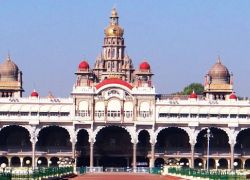
About The Mysore Palace The Mysore Palace, also known as the Amba Vilas Palace, is a magnificent historical palace located in the city of Mysore in the southern state of Karnataka, India. It is one of the most famous tourist attractions in India and is renowned for its grand architecture, exquisite craftsmanship, and rich history. Timings Of Mysore Palace The Mysore Palace is open to visitors every day from 10:00 am to 5:30 pm, except on Sundays and public holidays. Entry Fee The entry fee for Indian nationals is INR 70 for adults and INR 30 for children. For foreign tourists, the entry fee is INR 200 for adults and INR 100 for children. Required Time And Restricted Items It takes approximately 2-3 hours to explore the Mysore Palace thoroughly. Visitors are not allowed to carry bags, cameras, or any other electronic devices inside the palace. These items can be deposited at the cloakroom near the entrance. Architecture Of Mysore Palace The Mysore Palace exhibits a unique blend of Indo-Saracenic, Neo-Classical, and Indo-Islamic architectural styles. The palace is adorned with intricate carvings, beautiful paintings, stained glass windows, and ornate domes. The central arch of the palace is a striking feature that is illuminated by 97,000 light bulbs during special occasions. Best Time To Visit The best time to visit the Mysore Palace is during the annual Dasara Festival, which usually falls in September or October. The palace is beautifully decorated with lights and flowers during this time, and cultural events and processions are organized to celebrate the festival. How To Reach The Mysore Palace is located in the heart of Mysore city and is easily accessible by road. It is approximately 12 kilometers from the Mysore Airport and 3 kilometers from the Mysore Railway Station. Local buses, auto-rickshaws, and taxis are available for transportation to the palace. History Of Mysore Palace The Mysore Palace was originally built in the 14th century and has undergone several renovations over the centuries. The current structure was commissioned by Maharaja Krishnaraja Wadiyar IV and was completed in 1912. The palace served as the residence of the royal family of Mysore until India gained independence in 1947. Inside Mysore Palace Inside the Mysore Palace, visitors can explore the Durbar Hall, Kalyana Mantapa, Ambavilasa, Diwan-e-Aam, and other royal chambers. The interiors are adorned with ornate chandeliers, intricately carved wooden doors, colourful murals, and antique furniture. The palace also houses a museum that displays artifacts, paintings, and memorabilia from the royal era. Traveling Tips It is advisable to visit the Mysore Palace early in the morning or late in the afternoon to avoid crowds. Photography is strictly prohibited inside the palace, so visitors are advised to respect the rules. Comfortable footwear is recommended as the palace grounds are expansive and require a fair amount of walking. Hotels Near Mysore Palace There are several hotels located near the Mysore Palace that offer comfortable accommodation options for tourists. Some of the popular hotels in the vicinity include The Quorum, Radisson Blu Plaza Hotel Mysore, Grand Mercure Mysuru, and Royal Orchid Metropole. Nearby Tourist Spots Of Mysore Palace There are several tourist attractions near the Mysore Palace that visitors can explore, such as the Chamundi Hill, Brindavan Gardens, Mysore Zoo, St. Philomena's Church, and the Jaganmohan Palace. These places offer a glimpse into the rich history and culture of Mysore and are worth a visit.
Explore More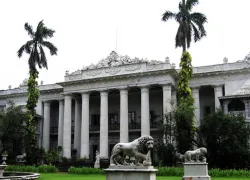
About The Marble Palace The Marble Palace is a stunning mansion that was built in 1835 by Raja Rajendra Mullick, a wealthy Bengali merchant. The palace is renowned for its opulent marble interiors, sprawling gardens, and impressive collection of art and artifacts. Timings Of Marble Palace The Marble Palace is open to visitors from 10:00 am to 4:00 pm on all days of the week except Mondays and Thursdays. Entry Fee There is no entry fee to visit the Marble Palace. However, visitors are required to obtain a visitor's pass from the security gate before entering the premises. Required Time And Restricted Items It is recommended to spend at least 1-2 hours exploring the Marble Palace and its grounds. Visitors are not allowed to carry cameras, mobile phones, or bags inside the palace. These items can be deposited at the security counter at the entrance. Architecture Of Marble Palace The Marble Palace is a fine example of Neoclassical architecture, with its grand columns, intricate marble carvings, and ornate interiors. The palace is adorned with marble statues, European paintings, and exquisite chandeliers, making it a visual treat for art lovers and history enthusiasts. Best Time To Visit The best time to visit the Marble Palace is during the winter months, from October to March, when the weather is pleasant and conducive for exploring the outdoor gardens and grounds. How To Reach The Marble Palace is located in North Kolkata, near Chorbagan. It is easily accessible by public transportation, including buses, trams, and taxis. The nearest metro station is Sovabazar Sutanuti, which is a short walk from the palace. History Of Marble Palace The Marble Palace was built in the 19th century by Raja Rajendra Mullick, a prominent Bengali merchant and art enthusiast. The palace served as a residence for the Mullick family and also as a venue for hosting lavish parties and cultural events. Inside Marble Palace The interiors of the Marble Palace are a visual delight, with marble floors, frescoed ceilings, and a vast collection of art and artifacts from around the world. The palace houses a private zoo, a collection of rare antiques, and a marble staircase that is a marvel of craftsmanship. Traveling Tips Visitors to the Marble Palace are advised to wear comfortable footwear as there is a fair amount of walking involved. It is also recommended to carry a water bottle and sunscreen, especially during the summer months. Hotels Near Marble Palace There are several hotels near the Marble Palace that offer comfortable accommodation options for visitors. Some of the hotels near the Marble Palace include The Oberoi Grand Kolkata, The Lalit Great Eastern Kolkata, and The Park Kolkata. Nearby Tourist Spots Of Marble Palace The Marble Palace is located in close proximity to several other tourist attractions in Kolkata, including the Indian Museum, Victoria Memorial, and St. Paul's Cathedral. Visitors can explore these attractions in combination with a visit to the Marble Palace to make the most of their time in the city.
Explore More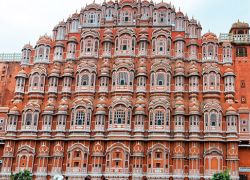
About The Hawa Mahal The Hawa Mahal, also known as the Palace of Winds, is a stunning architectural marvel located in the Pink City of Jaipur, Rajasthan. Built in 1799 by Maharaja Sawai Pratap Singh, this five-story palace is made of red and pink sandstone. The unique facade of the Hawa Mahal has 953 small windows, or jharokhas, which were designed to allow royal ladies to observe everyday life and festivals in the street below without being seen. Timings Of Hawa Mahal The Hawa Mahal is open to visitors every day from 9:00 am to 4:30 pm. Entry Fee The entry fee for Indian nationals is Rs. 50, while for foreign tourists, it is Rs. 200. There is an additional camera fee of Rs. 50 for still photography and Rs. 200 for videography. Required Time And Restricted Items Visitors typically spend about 1-2 hours exploring the Hawa Mahal. Some of the restricted items include weapons, sharp objects, food, and alcohol. Architecture Of Hawa Mahal The Hawa Mahal's unique architecture is a blend of Rajput and Mughal styles. The five-story structure is pyramid-shaped and has a honeycomb-like exterior with small windows, lattice work, and intricate detailing. The palace was designed by Lal Chand Ustad, a renowned architect of his time. Best Time To Visit The best time to visit the Hawa Mahal is during the winter months of October to March when the weather is pleasant and cool. How To Reach The Hawa Mahal is located in the heart of Jaipur and is easily accessible by road. Visitors can hire a taxi, auto-rickshaw, or take a local bus to reach the palace. Jaipur International Airport is the closest airport, located about 10 km away from the Hawa Mahal. History Of Hawa Mahal The Hawa Mahal was built in 1799 by Maharaja Sawai Pratap Singh, the grandson of Maharaja Sawai Jai Singh II. It was designed as an extension of the City Palace to allow royal ladies to watch processions and everyday life on the streets below while maintaining purdah. Inside Hawa Mahal Inside the Hawa Mahal, visitors can explore the various floors and chambers that offer stunning views of the city. The palace also houses a small museum that showcases artifacts, paintings, and sculptures from the royal era. Traveling Tips It is advisable to wear comfortable footwear as there are steep stairs and narrow corridors inside the palace. Visitors should also carry water and sunscreen, especially during the summer months. Hotels Near Hawa Mahal with names Some of the hotels near the Hawa Mahal include: 1. The Raj Palace 2. Alsisar Haveli 3. Umaid Bhawan Heritage House Hotel 4. Pearl Palace Heritage - The Boutique Guesthouse 5. Radisson Jaipur City Center Nearby Tourist Spots Of Hawa Mahal There are several tourist attractions near the Hawa Mahal that visitors can explore, including: 1. City Palace 2. Jantar Mantar 3. Amer Fort 4. Jal Mahal 5. Nahargarh Fort 6. Albert Hall Museum
Explore More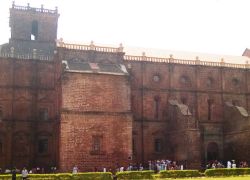
Old Goa about 9 Kms. east of Panaji, was once the capital of the eastern Portuguese Empire and is now a fascinating small village surrounded by huge convents and churches dedicated to the zeal of Christianity, including the Convent and Church of St. Francis of Assisi and the famous Basilica of Bom Jesus. This ancient historical former capital of Goa is a UNESCO world heritage site now and is famed for its opulent buildings and churches reminiscent of the glory days of "Golden Goa". The Portuguese abandoned it officially in 1843 when the capital was moved to Panjim or Panaji. Today, the archeological survey of India and the Archdiocese of Goa maintain most of the remaining buildings. It is a holy site for all Goans because it is the site where the sacred relics of St Francis Xavier or "Goencho Saib" are preserved for posterity.
Explore More
About The Fort William Fort William is a historic fort located in the city of Kolkata, India. The fort is situated on the eastern bank of the Hooghly River and is named after King William III of England. It was built during the early 18th century by the British East India Company to protect their trading post in Bengal. Timings Of Fort William The fort is open to visitors from 10:00 am to 5:30 pm on all days of the week, except on Mondays. Entry Fee The entry fee for visiting Fort William is INR 20 for Indian citizens and INR 250 for foreign nationals. There is an additional charge for photography inside the fort. Required Time And Restricted Items It is recommended to allocate at least 2-3 hours to explore the fort and its surroundings. Visitors are not allowed to carry large bags, weapons, or sharp objects inside the fort premises. Architecture Of Fort William Fort William is an impressive structure built in the shape of an octagon with thick walls and bastions at regular intervals. The architecture reflects a mix of European and Indian styles, with intricate carvings and detailing. Best Time To Visit The best time to visit Fort William is during the winter months from November to February when the weather is pleasant and ideal for exploring the fort and its gardens. How To Reach Fort William is easily accessible by road, rail, and air. The nearest railway station is Howrah Junction, which is just a short distance away. The nearest airport is Netaji Subhas Chandra Bose International Airport, which is about 20 kilometers from the fort. History Of Fort William Fort William was built in 1781 by Robert Clive, the Governor of Bengal, to act as a stronghold for the British East India Company. It played a crucial role in the defense of Kolkata during the colonial era and witnessed several historic events such as the Battle of Plassey. Inside Fort William Inside the fort, visitors can explore the various barracks, dungeons, and cannons that have been preserved over the years. There is also a museum that showcases the history of the fort and its significance in the British colonial period. Traveling Tips It is advisable to wear comfortable footwear and carry sufficient water while visiting Fort William as there is a fair amount of walking involved. It is also recommended to hire a guide to learn more about the history and architecture of the fort. Hotels Near Fort William Some of the hotels near Fort William include The Oberoi Grand, Taj Bengal, and The Lalit Great Eastern Kolkata. These hotels offer luxurious accommodation and modern amenities for travelers visiting the fort. Nearby Tourist Spots Of Fort William There are several tourist spots near Fort William that are worth visiting, such as Victoria Memorial, Eden Gardens, and Howrah Bridge. These attractions offer a glimpse into the rich cultural heritage of Kolkata and are popular among tourists.
Explore More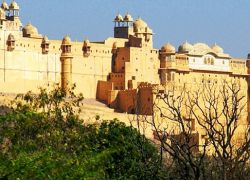
About The Amer Fort The Amer Fort, also known as Amber Fort, is a majestic fort located in Amer, a town situated near Jaipur, Rajasthan, India. This fort is one of the most popular tourist attractions in Jaipur and is recognized for its stunning architecture, rich history, and breathtaking views. The Amer Fort was built in 1592 by Raja Man Singh I and is a blend of Hindu and Mughal architectural styles. Timings Of Amer Fort The Amer Fort is open to visitors from 9:00 am to 5:00 pm every day of the week. Entry Fee The entry fee to Amer Fort is INR 100 for Indian nationals and INR 500 for foreign tourists. There is also a small fee for carrying a camera inside the fort. Required Time And Restricted Items It is recommended to spend at least 2-3 hours exploring the Amer Fort to fully appreciate its beauty and history. Some of the restricted items inside the fort include cigarettes, lighters, and plastic bags. Architecture Of Amer Fort The Amer Fort showcases a captivating blend of Rajput and Mughal architectural styles. The fort is made of red sandstone and marble, with intricate carvings, beautiful courtyards, and stunning palaces like Sheesh Mahal (Hall of Mirrors) and Sukh Niwas (Hall of Pleasure). Best Time To Visit The best time to visit the Amer Fort is during the winter months from October to March when the weather is pleasant and ideal for exploring the fort and enjoying the stunning views from its ramparts. How To Reach The Amer Fort is located approximately 11 kilometers from Jaipur city and can be easily reached by hiring a taxi or auto rickshaw. Visitors can also opt for public transport like buses to reach the fort. History Of Amer Fort The Amer Fort was originally built by Raja Man Singh I and later expanded by his descendants. The fort served as the residence of the Rajput Maharajas and played a crucial role in the defense of the region against various invasions. Inside Amer Fort Inside the Amer Fort, visitors can explore the various palaces, temples, gardens, and courtyards that offer a glimpse into the royal lifestyle of the Rajput rulers. The intricate artwork, mirror work, and paintings inside the fort are truly mesmerizing. Traveling Tips Some tips for visiting the Amer Fort include wearing comfortable footwear as there is a fair amount of walking involved, carrying a water bottle to stay hydrated, and hiring a guide to learn more about the history and significance of the fort. Hotels Near Amer Fort Some hotels near Amer Fort include: 1. Hotel Amer View 2. Trident Jaipur 3. Hotel Amer City 4. Hotel Amer Palace 5. Hotel Amer City Heritage Nearby Tourist Spots Of Amer Fort Some nearby tourist spots of Amer Fort include: 1. Jaigarh Fort 2. Nahargarh Fort 3. Jal Mahal 4. Hawa Mahal 5. Jantar Mantar 6. City Palace Jaipur
Explore More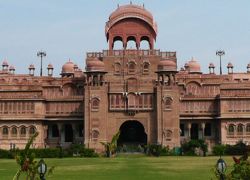
About The Lalgarh Palace The Lalgarh Palace is a magnificent architectural marvel located in Bikaner, Rajasthan. Built in the early 20th century, this stunning palace is a perfect blend of Rajputana, Mughal, and European architectural styles. The palace was commissioned by Maharaja Ganga Singh of Bikaner in memory of his father, Maharaja Lall Singh. Timings Of Lalgarh Palace The Lalgarh Palace is open to visitors every day from 10:00 AM to 5:00 PM. Entry Fee The entry fee for the Lalgarh Palace is INR 50 for Indian tourists and INR 300 for foreign tourists. Required Time And Restricted Items It is recommended to spend at least 1-2 hours exploring the Lalgarh Palace. Visitors are not allowed to carry any food items, drinks, or pets inside the palace premises. Architecture Of Lalgarh Palace The Lalgarh Palace features intricate latticework, filigree work, ornate balconies, and grand courtyards. The red sandstone facade of the palace is adorned with exquisite carvings and sculptures. The interior of the palace is equally impressive with beautifully decorated rooms and halls. Best Time To Visit The best time to visit the Lalgarh Palace is during the winter months from October to March when the weather is pleasant and ideal for sightseeing. How To Reach The Lalgarh Palace is located in Bikaner, Rajasthan, and is easily accessible by road, rail, and air. The nearest airport is the Jodhpur Airport, approximately 250 km away. Bikaner Junction is the nearest railway station, which is well-connected to major cities in India. History Of Lalgarh Palace The Lalgarh Palace was built between 1902 and 1926 by Sir Swinton Jacob, a British architect. The palace was named after Maharaja Lall Singh of Bikaner and served as the residence of the royal family. Today, it has been converted into a heritage hotel and museum. Inside Lalgarh Palace Inside the Lalgarh Palace, visitors can explore the grand Durbar Hall, which is adorned with intricate murals, stained glass windows, and antique furniture. The palace also houses a museum that showcases a collection of royal artifacts, weapons, paintings, and photographs. Traveling Tips It is advisable to wear comfortable clothing and footwear while exploring the Lalgarh Palace. It is also recommended to carry a camera to capture the stunning architecture and interiors of the palace. Visitors are advised to maintain the decorum and respect the heritage property. Hotels Near Lalgarh Palace There are several hotels near the Lalgarh Palace that offer comfortable accommodation options. Some of the popular hotels in the vicinity include Hotel Raj Vilas Palace, Hotel Bhairon Vilas, and Hotel Sagar. Nearby Tourist Spots Of Lalgarh Palace There are several tourist spots near the Lalgarh Palace that are worth visiting. Some of the must-visit attractions include Junagarh Fort, Karni Mata Temple, Gajner Palace, and Rampuria Havelis. These places offer a glimpse into the rich history and culture of Bikaner.
Explore More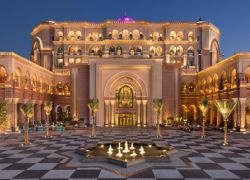
The Emirates Palace is a luxurious hotel located in Abu Dhabi, United Arab Emirates. It is known for its opulent architecture, lavish interiors, and world-class amenities that cater to the needs of discerning travelers from all over the globe. This iconic landmark blends traditional Arabian hospitality with modern luxury, offering guests a truly unforgettable experience. Timings Of Emirates Palace The Emirates Palace is open to visitors from 10:00 AM to 10:00 PM daily. Guests can explore the grandeur of the hotel and its facilities during these hours. Entry Fee There is no entry fee to enter the Emirates Palace. Visitors are welcome to explore the public areas of the hotel, take photos, and soak in the luxurious ambiance without any additional charges. Required Time And Restricted Items It is recommended to allocate at least 2-3 hours to fully experience the Emirates Palace. Guests are advised not to bring food or beverages into the premises, as well as any prohibited items such as weapons or illegal substances. Architecture Of Emirates Palace The architecture of the Emirates Palace is a blend of Arabian design elements and modern luxury. The exterior of the hotel features domes, arches, and intricate carvings that reflect traditional Arabic craftsmanship, while the interiors are adorned with gold leaf, marble, and crystal chandeliers, creating a palatial atmosphere. Best Time To Visit The best time to visit the Emirates Palace is during the cooler months of November to March when the weather is more pleasant for outdoor activities and sightseeing. This time also coincides with various events and festivals in Abu Dhabi, adding to the overall experience. How To Reach The Emirates Palace is located on the West Corniche Road in Abu Dhabi, easily accessible by car, taxi, or public transportation. Visitors can also opt for guided tours or shuttle services provided by the hotel for added convenience. History Of Emirates Palace The Emirates Palace was officially opened in 2005 as a symbol of luxury and hospitality in the UAE. It was constructed by the government of Abu Dhabi as a cultural landmark and a premier destination for international visitors seeking unparalleled comfort and service. Inside Emirates Palace Inside the Emirates Palace, guests can admire the grand lobby with its marble floors, intricate mosaics, and grand staircase leading to the lavish suites and rooms. The hotel also boasts a spa, swimming pools, restaurants, and a shopping arcade for a complete luxury experience. Traveling Tips When visiting the Emirates Palace, it is advisable to dress modestly and respect local customs. Guests should also book tours or activities in advance to avoid disappointment and make use of the hotel's concierge services for personalized recommendations and assistance. Hotels Near Emirates Palace Several hotels near the Emirates Palace offer luxurious accommodations and amenities for travelers. Some of the notable options include The St. Regis Abu Dhabi, Rosewood Abu Dhabi, and Fairmont Bab Al Bahr. Nearby Tourist Spots Of Emirates Palace Visitors to the Emirates Palace can explore nearby tourist attractions such as the Sheikh Zayed Grand Mosque, Corniche Beach, Qasr Al Hosn, and the Louvre Abu Dhabi Museum. These landmarks showcase the rich culture and heritage of the UAE, making for a memorable travel experience.
Explore More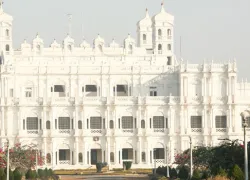
About The Jai Vilas Palace The Jai Vilas Palace is a grand and majestic palace located in Gwalior, Madhya Pradesh, India. Built in 1874 by Maharaja Jayaji Rao Scindia of Gwalior, this palace is known for its blend of European and Indian architectural styles. The palace is spread across an area of 12,40,771 square feet and is one of the largest palaces in India. Timings Of Jai Vilas Palace The Jai Vilas Palace is open to visitors from 10:00 AM to 4:30 PM on all days of the week except Mondays and public holidays. Entry Fee The entry fee for Jai Vilas Palace is Rs. 100 for Indian nationals and Rs. 600 for foreign nationals. There is an additional fee for photography and videography inside the palace. Required Time And Restricted Items It takes around 2-3 hours to explore the Jai Vilas Palace thoroughly. Visitors are not allowed to carry any food items, cameras, or electronic devices inside the palace. Architecture Of Jai Vilas Palace The Jai Vilas Palace is a stunning example of European architecture with a touch of Indian design elements. The palace features intricately designed interiors, marble flooring, ornate chandeliers, and a beautiful Durbar Hall that can accommodate up to 500 guests. The palace also houses a silver train, which is one of the major attractions. Best Time To Visit The best time to visit Jai Vilas Palace is during the winter months from October to March when the weather is pleasant and ideal for exploring the palace. How To Reach The Jai Vilas Palace is located in the heart of Gwalior city and is easily accessible by road. The nearest railway station is Gwalior Junction, which is well-connected to major cities in India. The nearest airport is Gwalior Airport, which is around 15 km away from the palace. History Of Jai Vilas Palace The Jai Vilas Palace was commissioned by Maharaja Jayaji Rao Scindia in 1874 and was designed by Sir Michael Filose, a British architect. The palace served as the residence of the Scindia royal family and has now been converted into a museum showcasing the rich heritage and culture of Gwalior. Inside Jai Vilas Palace Inside the Jai Vilas Palace, visitors can explore the various rooms and galleries that display the royal artifacts, paintings, furniture, and weapons of the Scindia dynasty. The Durbar Hall is the highlight of the palace with its opulent decor and grandeur. Traveling Tips It is advisable to wear comfortable footwear as the palace grounds are expansive and require a fair amount of walking. Visitors are also recommended to hire a guide to get detailed insights into the history and significance of the palace. Hotels Near Jai Vilas Palace There are several hotels near Jai Vilas Palace where visitors can stay during their trip. Some of the popular hotels include: 1. Taj Usha Kiran Palace 2. Hotel Grace 3. Hotel Adityaz 4. Hotel Gwalior Regency 5. The Central Park Hotel Nearby Tourist Spots Of Jai Vilas Palace There are several tourist spots near Jai Vilas Palace that visitors can explore: 1. Gwalior Fort 2. Sun Temple 3. Sas Bahu Temple 4. Tansen's Tomb 5. Gujari Mahal Archaeological Museum
Explore More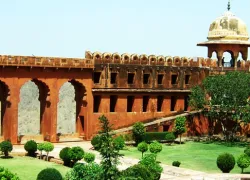
About The Jaigarh Fort Jaigarh Fort is a magnificent fort located in Jaipur, Rajasthan. It is situated on the Aravalli Hills, overlooking the Amer Fort. Built by Maharaja Sawai Jai Singh II in the early 18th century, the fort is known for its impressive architecture and historical significance. Timings Of Jaigarh Fort The Jaigarh Fort is open to visitors from 9:00 am to 4:30 pm every day of the week. Entry Fee The entry fee for Jaigarh Fort is INR 35 for Indian tourists and INR 85 for foreign tourists. Required Time And Restricted Items It is recommended to spend at least 2-3 hours exploring the fort. Visitors are not allowed to carry weapons, alcohol, or any illegal substances inside the fort. Architecture Of Jaigarh Fort The architecture of Jaigarh Fort is a fine example of Rajput military style. The fort is well-preserved and features massive walls, watchtowers, and bastions. The fort also houses a museum displaying weapons, armory, and artifacts from the past. Best Time To Visit The best time to visit Jaigarh Fort is during the winter months from October to March when the weather is pleasant and ideal for exploring the fort. How To Reach Jaigarh Fort is easily accessible by road from Jaipur city. Visitors can hire a taxi or take a bus to reach the fort. The fort is located around 15 km from Jaipur city center. History Of Jaigarh Fort Jaigarh Fort was built by Maharaja Sawai Jai Singh II in 1726 to protect the Amer Fort and the city of Jaipur. The fort served as a stronghold for the Rajput kings and played a significant role in the history of Rajasthan. Inside Jaigarh Fort Inside Jaigarh Fort, visitors can explore the various sections of the fort including the armory, granaries, temples, and palaces. The fort offers panoramic views of the surrounding hills and the Amer Fort. Traveling Tips It is advisable to wear comfortable footwear while exploring the fort as there are many stairs and uneven paths. Carry water and snacks as there are limited facilities inside the fort. Also, don't forget to carry a camera to capture the stunning views from the fort. Hotels Near Jaigarh Fort Some of the hotels near Jaigarh Fort are: 1. Trident Jaipur 2. Clarks Amer 3. Fairmont Jaipur 4. Rajasthali Resort and Spa 5. Lebua Resort Nearby Tourist Spots Of Jaigarh Fort Some of the nearby tourist spots of Jaigarh Fort include: 1. Amer Fort 2. Nahargarh Fort 3. Jantar Mantar 4. City Palace 5. Hawa Mahal
Explore More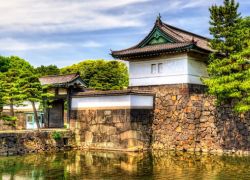
The Tokyo Imperial Palace, located in the heart of Tokyo, is the residence of the Emperor of Japan. It stands as a symbol of Japan's imperial heritage, blending history, culture, and beautiful landscapes. The palace is a major cultural landmark and draws thousands of visitors each year who come to admire its traditional architecture, lush gardens, and historical significance. While the interior of the palace is not open to the public, its surrounding grounds and gardens offer a stunning glimpse into the imperial lifestyle and are accessible for tourists to explore. How to Reach Tokyo Imperial Palace, Tokyo The Tokyo Imperial Palace is located in the Chiyoda district, making it easily accessible by public transportation. Here are some convenient ways to reach the palace: By Train: The closest station to the palace is Tokyo Station, which is served by several major train lines, including the JR Yamanote Line, the Chuo Line, and the Shinkansen. From Tokyo Station, it’s a short 5-10 minute walk to the palace’s main entrance, the Nijubashi Bridge. By Subway: If you are taking the subway, Kudanshita Station (Toei Shinjuku Line) and Hibiya Station (Tokyo Metro Hibiya Line) are the nearest subway stations. Both stations are a short walk away from the palace grounds. By Bus: Several bus routes, such as the Toei Bus, serve the area around the palace. The Imperial Palace East Garden bus stop is a good option for those traveling by bus. By Taxi: Taxis are readily available throughout Tokyo. You can take a taxi directly to the palace’s main entrance, although traffic around the palace can sometimes be heavy during peak hours. Weather in Tokyo The weather in Tokyo is generally moderate, but it does vary throughout the year. Here’s a breakdown of the typical weather conditions, which might influence your visit to the Imperial Palace: Spring (March to May): Spring is a fantastic time to visit Tokyo, with pleasant temperatures ranging from 10°C to 20°C (50°F to 68°F). The cherry blossoms in the palace gardens are in full bloom during this season, making it a perfect time to enjoy the gardens and the surrounding scenery. Summer (June to August): Summer in Tokyo can be hot and humid, with temperatures often exceeding 30°C (86°F). While the gardens offer some respite from the heat, it’s advisable to stay hydrated and wear light clothing if you visit during the summer months. Autumn (September to November): Autumn is another excellent time to visit the Imperial Palace. The weather is cool, with temperatures between 15°C and 22°C (59°F to 72°F). The autumn foliage in the gardens adds to the beauty of the surroundings, making it a picturesque time to visit. Winter (December to February): Winter in Tokyo is relatively mild, with temperatures ranging from 5°C to 10°C (41°F to 50°F). While it can be chilly, the weather is generally dry and clear, providing a peaceful atmosphere for exploring the palace grounds. Timing and Visiting Hours The Tokyo Imperial Palace is open year-round, but there are specific visiting hours for the palace grounds and gardens: Imperial Palace East Gardens: Open to the public every day except Mondays and Fridays, from 9:00 AM to 4:30 PM. Entry is free. Palace Grounds: While the interior of the palace is not open to visitors, the outer grounds, including the famous Nijubashi Bridge and surrounding gardens, can be viewed from outside. Imperial Palace Tours: Guided tours of the Imperial Palace grounds are available to the public but require advance reservations. These tours are typically available on Tuesdays, Thursdays, and Saturdays, and reservations can be made through the official website. Why is Tokyo Imperial Palace Famous? The Tokyo Imperial Palace is famous for several reasons, primarily its historical and cultural significance: Residence of the Emperor: The palace has been the official residence of the Emperor of Japan since 1869. It is not only a symbol of the monarchy but also a symbol of Japan's deep-rooted history and traditions. Historical Significance: The palace was originally constructed in 1457 as the residence of the Tokugawa shogunate and was known as Edo Castle. After the Meiji Restoration, it became the residence of the imperial family, marking the transition from the shogunate to the imperial rule. Beautiful Gardens: The Imperial Palace’s East Gardens are renowned for their beauty. The meticulously maintained gardens provide visitors with a chance to experience traditional Japanese landscaping and enjoy seasonal flowers such as cherry blossoms in spring and chrysanthemums in autumn. Symbol of Japanese Culture: The palace stands as a symbol of Japan's rich cultural heritage, blending ancient traditions with modern elements. It is a place where Japanese history, art, and culture come together in a stunning architectural setting. Entry and Visit Details about Tokyo Imperial Palace Visiting the Tokyo Imperial Palace is free, but some areas, such as the Imperial Palace East Gardens, are only open during specific hours. Here’s everything you need to know about entry and visit details: Entry Fee: The Imperial Palace East Gardens are free to enter. However, reservations are required for guided tours of the palace grounds, which are available through the official Imperial Household Agency website. Accessibility: The Imperial Palace is accessible to visitors with mobility challenges. There are wheelchair-friendly pathways, and the East Gardens offer easy access for those with limited mobility. Security: Since the Imperial Palace is the official residence of the Emperor, security is stringent. Visitors may be required to pass through security checks at entry points, especially if they are on a guided tour. History and Architecture of Tokyo Imperial Palace The history and architecture of the Tokyo Imperial Palace reflect Japan's long and evolving imperial legacy. Originally built as Edo Castle in 1457, the structure served as the residence of the Tokugawa shogunate, the military rulers of Japan. After the Meiji Restoration in 1868, the palace became the residence of the Imperial Family, and much of the original castle was rebuilt to serve the new monarchy. The current palace is a mixture of traditional Japanese and Western architectural styles, and it is surrounded by vast, beautifully landscaped gardens. The palace complex includes several notable structures, such as: Kokyo Gaien: The Outer Garden area, which is open to the public, includes several historical buildings, such as the Imperial Palace Plaza and the Nijubashi Bridge. Koshikawa Korakuen Garden: A traditional Japanese garden that dates back to the early 1600s and is part of the larger palace grounds. Palace Walls and Moats: The palace is surrounded by thick stone walls and moats, which served as defensive features during the time of Edo Castle. These structures provide an imposing yet beautiful entrance to the palace grounds. Things to Do at Tokyo Imperial Palace While visiting the Tokyo Imperial Palace, there are several things you can do to make the most of your trip: Explore the East Gardens: The East Gardens are the most accessible part of the Imperial Palace, offering a peaceful retreat with walking paths, ponds, and seasonal flowers. Take a Guided Tour: Book a tour to explore the outer grounds of the palace and learn about the history of the Imperial Family and the palace's architectural features. Visit the Imperial Palace Plaza: The plaza is a wide, open space where you can view the impressive Nijubashi Bridge and the magnificent stone walls that surround the palace. Explore Nearby Attractions: After visiting the Imperial Palace, take time to explore the surrounding area, including the Hibiya Park and the National Diet Building. Interesting Facts and Tips about Tokyo Imperial Palace Advance Reservations: While the East Gardens are open to the public, tours of the inner palace grounds require advance reservations through the Imperial Household Agency. Annual Events: The Imperial Palace is also the venue for several annual events, such as the Emperor’s Birthday celebrations (December 23) and New Year’s greetings (January 2), when the Imperial Family makes public appearances. Quiet and Peaceful: The palace grounds are peaceful and provide a break from the hustle and bustle of central Tokyo. It’s a great place to relax and enjoy the serenity of the gardens. Conclusion The Tokyo Imperial Palace is not just a beautiful and historically rich site; it is a symbol of Japan’s deep cultural heritage. Whether you’re admiring the traditional Japanese gardens, exploring the surrounding grounds, or learning about the history of the Japanese imperial family, a visit to the Imperial Palace offers a glimpse into the country’s regal past and its contemporary importance. It’s an essential destination for anyone visiting Tokyo, offering a mix of history, culture, and beauty in one iconic location.
Explore More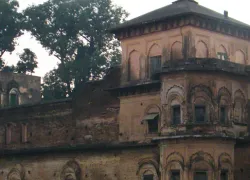
About The Gohar Mahal The Gohar Mahal, located in Bhopal, India, is a beautiful historical palace that showcases the rich cultural heritage of the region. Built in the 19th century by Gohar Begum, the first female ruler of Bhopal, the palace is a fine example of Mughal and Hindu architecture. Timings Of Gohar Mahal The Gohar Mahal is open to visitors from 10:00 AM to 5:00 PM, seven days a week. Entry Fee The entry fee for Gohar Mahal is INR 20 for Indian nationals and INR 250 for foreign tourists. Required Time And Restricted Items Visitors typically spend around 1-2 hours exploring the Gohar Mahal. However, photography is not allowed inside the palace, and visitors are required to deposit their cameras and phones at the entrance. Architecture Of Gohar Mahal Gohar Mahal's architecture reflects a blend of Mughal and Hindu styles, featuring intricate carvings, delicate jharokhas (balconies), and beautiful arches. The palace's striking facade and grandeur make it a must-visit for architecture enthusiasts. Best Time To Visit The best time to visit Gohar Mahal is during the winter months (October to March) when the weather is pleasant, making it ideal for exploring the palace and its surroundings. How To Reach Gohar Mahal is easily accessible by road, located in the heart of Bhopal city. Visitors can take a taxi, auto-rickshaw, or public transport to reach the palace. History Of Gohar Mahal The Gohar Mahal was constructed in the 19th century by Gohar Begum, a powerful female ruler of Bhopal. The palace served as a royal residence and later became a cultural hub for artists, musicians, and poets during the Nawabi era. Inside Gohar Mahal Inside Gohar Mahal, visitors can explore the intricately designed chambers, courtyards, and halls that once hosted grand events and festivities. The palace also houses a museum showcasing artifacts and relics from the bygone era. Traveling Tips It is advisable to wear comfortable footwear as exploring the palace involves walking through narrow corridors and staircases. Additionally, carrying a bottle of water and sunscreen is recommended, especially during the summer months. Hotels Near Gohar Mahal With Names Some of the hotels near Gohar Mahal include Hotel Sarthak, Jehan Numa Palace Hotel, and Hotel Shubh Inn. These hotels offer comfortable accommodations and are situated near the palace. Nearby Tourist Spots Of Gohar Mahal There are several other attractions near Gohar Mahal that visitors can explore, such as the Upper Lake, Bhojpur Temple, and Taj-ul-Masajid. These sites offer a glimpse into the rich history and culture of Bhopal.
Explore More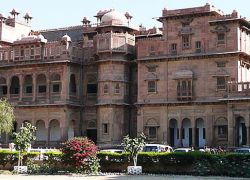
About The Junagarh Fort The Junagarh Fort, located in the city of Bikaner, Rajasthan, is a magnificent fort that stands as a symbol of the rich history and culture of the region. Built in the 16th century by Raja Rai Singh, the fort is a stunning example of Rajput and Mughal architecture. Timings Of Junagarh Fort The Junagarh Fort is open to visitors every day from 10:00 AM to 4:30 PM. It is advisable to check the timings before planning your visit as they may vary. Entry Fee The entry fee for the Junagarh Fort is INR 50 for Indian nationals and INR 300 for foreign nationals. There may be additional charges for cameras and video cameras. Required Time And Restricted Items It is recommended to allocate at least 2-3 hours to explore the Junagarh Fort thoroughly. Some of the restricted items inside the fort include sharp objects, firearms, and alcohol. Architecture Of Junagarh Fort The architecture of Junagarh Fort is a stunning blend of Rajput and Mughal styles, featuring intricate carvings, beautiful balconies, and ornate doorways. The fort also houses several palaces, temples, and pavilions that showcase the opulence of the royal era. Best Time To Visit The best time to visit the Junagarh Fort is during the winter months from October to March when the weather is pleasant and perfect for exploring the fort. How To Reach The Junagarh Fort is easily accessible by road, rail, and air. The nearest airport is in Jodhpur, around 251 km away, and the Bikaner Railway Station is well-connected to major cities in India. Local transport options like taxis and auto-rickshaws are also available. History Of Junagarh Fort The Junagarh Fort was built by Raja Rai Singh in 1589 AD and was later expanded by subsequent rulers. The fort has never been conquered and has stood as a symbol of strength and valor. Inside Junagarh Fort Inside the Junagarh Fort, visitors can explore various palaces, courtyards, and gardens that offer a glimpse into the royal lifestyle. Some of the must-visit attractions inside the fort include Anup Mahal, Chandra Mahal, Phool Mahal, and Karan Mahal. Traveling Tips It is advisable to wear comfortable clothing and shoes while visiting the fort as there is a lot of walking involved. Carry water and sunscreen to stay hydrated and protected from the sun. It is also recommended to hire a guide for a better understanding of the history and architecture of the fort. Hotels Near Junagarh Fort Some of the hotels near Junagarh Fort in Bikaner include Hotel Sagar, Hotel Bhairon Vilas, Hotel Harasar Haveli, and Vesta Bikaner Palace. These hotels offer comfortable accommodation and excellent hospitality to visitors. Nearby Tourist Spots Of Junagarh Fort Some of the nearby tourist spots of Junagarh Fort include Lalgarh Palace, Karni Mata Temple, Gajner Palace, and Rampuria Haveli. These attractions offer a deeper insight into the rich cultural heritage of Bikaner.
Explore More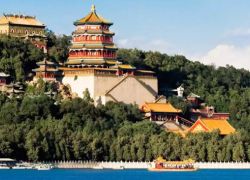
The Summer Palace, located in Beijing, China, is a vast imperial garden that covers an area of 742 acres. It is one of the most well-preserved and extensive imperial gardens in the world, and it is also a UNESCO World Heritage Site. The Summer Palace was initially built in the 12th century during the Jin Dynasty and was later renovated and expanded by Emperor Qianlong in the 18th century. The palace served as a summer retreat for emperors of the Qing Dynasty to escape the heat of the capital and to enjoy the natural beauty of the surrounding area. Timings Of Summer Palace The Summer Palace is open to visitors from 6:30 am to 6:00 pm during the peak season (April 1st to October 31st) and from 7:00 am to 5:00 pm during the off-peak season (November 1st to March 31st). It is recommended to visit the palace early in the morning to avoid the crowds and to enjoy the peaceful surroundings. Entry Fee The entrance fee to the Summer Palace varies depending on the season. During the peak season, the ticket price is 60 RMB (approximately $9) per person, and during the off-peak season, the ticket price is 30 RMB (approximately $4.50) per person. Students and seniors are eligible for a discounted rate with valid identification. Required Time And Restricted Items It is recommended to set aside at least half a day to explore the vast grounds of the Summer Palace fully. Visitors are not allowed to bring in pets, bicycles, or roller skates into the palace grounds. Smoking is also prohibited in the designated areas. Architecture Of Summer Palace The architecture of the Summer Palace is a harmonious blend of traditional Chinese design principles and natural elements. The palace features numerous halls, pavilions, bridges, and temples that are adorned with intricate carvings, paintings, and calligraphy. The Long Corridor, a covered walkway that stretches for 728 meters, is one of the most famous architectural features of the palace. Best Time To Visit The best time to visit the Summer Palace is during the spring and autumn months when the weather is mild, and the gardens are in full bloom. The annual Summer Palace Fair, held in late spring, is also a great time to visit as it showcases traditional Chinese arts, crafts, and performances. How To Reach The Summer Palace is easily accessible by public transportation from Beijing city center. Visitors can take the subway Line 4 to Beigongmen Station and walk to the east gate of the palace. Buses and taxis are also available to reach the palace from various parts of the city. History Of Summer Palace The Summer Palace has a rich history that dates back to the 12th century. It has witnessed the rise and fall of various dynasties and emperors, each leaving their mark on the palace grounds. The palace was heavily damaged during the Second Opium War in the 19th century but was later restored to its former glory. Inside Summer Palace Inside the Summer Palace, visitors can explore the Hall of Benevolence and Longevity, the Hall of Jade Ripples, the Tower of Buddhist Incense, and the Kunming Lake. The Suzhou Street, a recreation of a traditional Chinese market, offers visitors a glimpse into daily life during the Qing Dynasty. Traveling Tips It is advisable to wear comfortable shoes and clothing while visiting the Summer Palace as there is a lot of walking involved. Bringing along a water bottle, sunscreen, and insect repellent is also recommended, especially during the summer months. It is essential to respect the rules and regulations of the palace and to preserve its cultural heritage. Hotels Near Summer Palace Several hotels near the Summer Palace offer comfortable accommodations for visitors. Some of the hotels include the Aman at Summer Palace, the Beijing Palace Soluxe Hotel, and the Yiheyuan Resort Hotel. These hotels provide easy access to the palace and offer a range of amenities for guests. Nearby Tourist Spots Of Summer Palace Several tourist spots near the Summer Palace are worth exploring. The Old Summer Palace, also known as Yuanmingyuan, is a historical site located nearby that offers a glimpse into the imperial gardens and ruins of the former palace. The Fragrant Hills Park, known for its stunning autumn foliage, is another popular attraction in the vicinity of the Summer Palace.
Explore More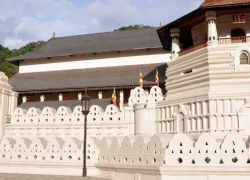
The Royal Palace of Kandy, also known as the Maha Vasala, is one of the most iconic landmarks in the historic city of Kandy, Sri Lanka. Built in the 14th century by King Vikramabahu III, the palace served as the residence of the Kandyan monarchs until the British colonial period in the early 19th century. Today, the Royal Palace stands as a testament to the rich cultural heritage and architectural prowess of the Kandyan Kingdom. Timings Of Royal Palace of Kandy The Royal Palace of Kandy is open to visitors every day from 8:30 AM to 4:30 PM. It is recommended to visit the palace during these hours to fully explore and appreciate its beauty. Entry Fee The entry fee for the Royal Palace of Kandy is 1000 Sri Lankan Rupees for adults and 500 Sri Lankan Rupees for children. Visitors can also opt for a guided tour at an additional cost. Required Time And Restricted Items It is recommended to allocate at least 1-2 hours to explore the Royal Palace of Kandy thoroughly. To ensure the preservation of the historical site, visitors are not allowed to carry food, beverages, or plastic items inside the palace premises. Architecture Of Royal Palace of Kandy The architecture of the Royal Palace of Kandy is a blend of traditional Kandyan and colonial styles. The palace features intricate wood carvings, vibrant frescoes, and elaborate roof structures that reflect the artistic sophistication of the Kandyan era. Best Time To Visit The best time to visit the Royal Palace of Kandy is during the months of January to April when the weather is pleasant and conducive for sightseeing. Avoid visiting during the monsoon season from May to September as heavy rains can hinder your exploration. How To Reach The Royal Palace of Kandy is located in the heart of the city, making it easily accessible by both public and private transportation. Visitors can take a tuk-tuk, taxi, or bus to reach the palace from any part of Kandy. History Of Royal Palace of Kandy The Royal Palace of Kandy has a storied history that dates back to the ancient Kingdom of Kandy. It served as the seat of power for the Kandyan monarchs who ruled the region for centuries before being annexed by the British in 1815. The palace witnessed numerous political intrigues, battles, and royal ceremonies during its illustrious past. Inside Royal Palace Of Kandy Inside the Royal Palace of Kandy, visitors can explore the audience hall, royal chambers, temple of the tooth relic, and surrounding gardens. The palace showcases a fascinating collection of artifacts, antiques, and historical remnants that offer insight into the Kandyan way of life. Traveling Tips When visiting the Royal Palace of Kandy, it is advisable to wear comfortable footwear and carry sufficient water to stay hydrated. Respect the cultural norms and heritage of the palace by maintaining decorum and refraining from touching or defacing any structures. Hotels Near Royal Palace Of Kandy Several hotels near the Royal Palace of Kandy offer comfortable accommodation options for visitors. Some of the popular hotels include The Grand Kandyan, Earl's Regency Hotel, Cinnamon Citadel Kandy, and Hotel Topaz. Nearby Tourist Spots Of Royal Palace Of Kandy While exploring the Royal Palace of Kandy, visitors can also visit nearby tourist spots such as the Temple of the Tooth Relic, Kandy Lake, Peradeniya Botanical Gardens, and Bahirawakanda Temple. These attractions offer a comprehensive experience of the cultural and natural wonders of Kandy.
Explore More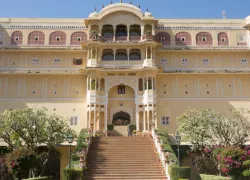
About The Samode Located in the royal state of Rajasthan, Samode is a quaint village just 40 kilometers away from the bustling city of Jaipur. Samode is famous for its stunning Samode Palace, which is now a luxurious heritage hotel offering a glimpse into the opulent lifestyle of the Rajput rulers. The village itself is a charming destination with its narrow lanes, traditional havelis, and vibrant markets. Timings Of Samode The Samode Palace is open to visitors from 10:00 AM to 5:00 PM every day. It is recommended to check the timings before planning your visit as they may be subject to change. Entry Fee The entry fee to visit the Samode Palace is INR 1,000 per person for Indian citizens and INR 1,500 per person for foreign nationals. Additional charges may apply for guided tours or special events. Required Time And Restricted Items It is recommended to allocate at least 2-3 hours to explore the Samode Palace and its surroundings. Visitors are advised not to carry any food items or drinks inside the palace premises. Smoking is also prohibited in the palace. Architecture Of Samode The Samode Palace is an architectural masterpiece that combines Rajput and Mughal styles. The palace boasts intricately carved doorways, frescoed walls, marble pillars, and stunning courtyards. The Sheesh Mahal (Hall of Mirrors) is a must-visit attraction within the palace, showcasing exquisite mirror work and glass mosaic. Best Time To Visit The best time to visit Samode is during the winter months of October to March when the weather is pleasant and ideal for sightseeing. Avoid visiting during the summer months as the temperatures can soar to uncomfortable levels. How To Reach Samode is easily accessible from Jaipur by road. Visitors can hire a taxi or take a bus from Jaipur to reach Samode. The nearest railway station is in Jaipur, and the nearest airport is Jaipur International Airport, which is well-connected to major cities in India. History Of Samode Samode has a rich history dating back to the 16th century when it was founded by the nobleman Rajput warrior, Gopal Singhji. The Samode Palace was built as a residence for the royal family of Samode and has since been converted into a heritage hotel. Inside Samode Inside the Samode Palace, visitors can explore the various rooms, courtyards, and gardens that offer a glimpse into the regal lifestyle of the past. The palace is adorned with antique furniture, ornate chandeliers, and intricate wall paintings that reflect the grandeur of the Rajput era. Traveling Tips Wear comfortable footwear as you will be walking around the palace premises. Carry a water bottle to stay hydrated during your visit. Respect the heritage property by not touching any artifacts or climbing on structures. Hire a guide to learn more about the history and architecture of the Samode Palace. Hotels Near Samode There are several luxury hotels near Samode that offer a comfortable stay for visitors. Some of the popular hotels in the vicinity include: Samode Palace Samode Bagh Samode Haveli Nearby Tourist Spots Of Samode While in Samode, visitors can explore nearby tourist spots such as: Jaipur: Explore the Pink City of India, known for its forts, palaces, and vibrant bazaars. Amber Fort: Visit this majestic fort located on a hill, offering panoramic views of the surrounding landscape. Jantar Mantar: Marvel at the astronomical instruments at this UNESCO World Heritage Site in Jaipur.
Explore More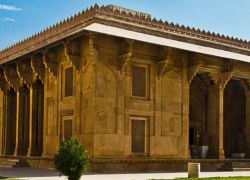
About The Akbar Fort The Akbar Fort, also known as the Ajmer Fort, is a historic fort located in the city of Ajmer, Rajasthan, India. It was constructed by Akbar, the Mughal emperor, in the 16th century. The fort is known for its impressive architecture and historical significance, making it a popular tourist attraction. Timings Of Akbar Fort The Akbar Fort is open to visitors from 10:00 AM to 5:00 PM every day of the week. Entry Fee The entry fee for visiting the Akbar Fort is INR 150 for adults and INR 50 for children. There may be additional charges for photography and videography. Required Time And Restricted Items It is recommended to allocate at least 2-3 hours to explore the Akbar Fort thoroughly. Visitors are not allowed to carry weapons, sharp objects, or any items that can be considered a security threat inside the fort. Architecture Of Akbar Fort The Akbar Fort showcases a blend of Mughal and Rajput architectural styles. The fort features intricately designed gates, pavilions, courtyards, and marble structures that reflect the grandeur of the Mughal era. Best Time To Visit The best time to visit the Akbar Fort is during the winter months from October to March when the weather is pleasant and ideal for sightseeing. How To Reach The Akbar Fort is located in the heart of Ajmer city, making it easily accessible by road. Visitors can reach the fort by hiring a taxi, auto-rickshaw, or opting for local transportation. History Of Akbar Fort The Akbar Fort was built by Emperor Akbar in 1570 AD to establish Mughal control over the region. It served as a strategic stronghold and a royal residence for the Mughal rulers during their visits to Ajmer. Inside Akbar Fort Inside the Akbar Fort, visitors can explore the Diwan-e-Khas (Hall of Private Audience), Diwan-e-Aam (Hall of Public Audience), Sheesh Mahal (Palace of Mirrors), and various courtyards and gardens that offer a glimpse into the royal lifestyle of the Mughal era. Traveling Tips It is advisable to wear comfortable footwear and carry water bottles while visiting the Akbar Fort, as there is a fair amount of walking involved. It is also recommended to hire a guide to learn about the historical significance of the fort. Hotels Near Akbar Fort There are several hotels near the Akbar Fort that offer comfortable accommodation options for tourists. Some of the popular hotels in the vicinity include Hotel Gulab Palace, Hotel Royal Palace, and Hotel Embassy. Nearby Tourist Spots of Akbar Fort There are several other tourist attractions near the Akbar Fort that visitors can explore, such as the Ajmer Sharif Dargah, Ana Sagar Lake, Adhai Din Ka Jhopra, and the Mayo College. These attractions offer a diverse range of experiences for travelers visiting Ajmer.
Explore More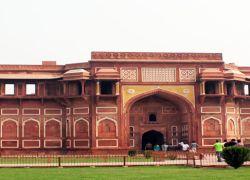
About The Agra Fort The Agra Fort, also known as the Red Fort of Agra, is a UNESCO World Heritage Site located in Agra, Uttar Pradesh, India. It is a historical fort that served as the main residence of the emperors of the Mughal Dynasty until 1638. The fort's imposing walls, intricate architecture, and rich history make it a must-visit attraction for tourists visiting Agra. Timings Of Agra Fort The Agra Fort is open from sunrise to sunset every day of the week, including public holidays. The timings may vary during certain events or festivals, so it is advisable to check the official website or local authorities for updated information before planning your visit. Entry Fee The entry fee for visiting the Agra Fort varies for Indian and foreign tourists. Indian nationals are charged a nominal fee, while foreign tourists have to pay a higher amount. Additionally, there may be separate charges for using a camera or video recording equipment inside the fort premises. Required Time And Restricted Items Visitors typically spend around 2-3 hours exploring the Agra Fort and its various sections. However, the time duration may vary depending on individual interests and pace. It is advisable to avoid carrying large bags, food items, or any prohibited items such as weapons, inflammable objects, or alcohol inside the fort premises. Architecture Of Agra Fort The Agra Fort showcases a unique blend of Islamic, Persian, and Indian architectural styles. The fort's massive defensive walls are made of red sandstone, giving it the name "Red Fort." Inside, visitors can admire the intricate carvings, marble structures, stunning domes, and beautiful gardens that reflect the grandeur of the Mughal era. Best Time To Visit The best time to visit the Agra Fort is during the winter months of October to March when the weather is pleasant and ideal for exploring the historical site. It is recommended to avoid visiting during the scorching summer months of April to June, as the temperatures can be extremely high. How To Reach The Agra Fort is easily accessible by road, rail, and air. The nearest airport is the Agra Airport, which is well-connected to major cities in India. Agra Railway Station is located near the fort and has regular trains to various parts of the country. Visitors can also hire taxis, auto-rickshaws, or use public transportation to reach the fort. History Of Agra Fort The Agra Fort was originally built as a military structure by the Mughal Emperor Akbar in 1565. Over the years, it underwent several expansions and renovations by subsequent emperors such as Jahangir, Shah Jahan, and Aurangzeb. The fort played a significant role in the Mughal Empire's administration and was the site of many important events and battles. Inside Agra Fort Inside the Agra Fort, visitors can explore various sections such as the Diwan-i-Am (Hall of Public Audience), Diwan-i-Khas (Hall of Private Audience), Jahangir Mahal, Khas Mahal, Sheesh Mahal, and Musamman Burj. Each area has its unique features, including intricate carvings, beautiful paintings, and stunning views of the Taj Mahal. Traveling Tips To make the most of your visit to the Agra Fort, it is recommended to hire a guide who can provide detailed information about the history and significance of each section. Wear comfortable footwear as you will be walking on uneven surfaces and stairs. Carry sufficient water and sunscreen to stay hydrated and protected from the sun. Hotels Near Agra Fort There are several hotels and accommodations near the Agra Fort that cater to different budgets and preferences. Some popular options include the ITC Mughal, The Oberoi Amarvilas, Trident Agra, Jaypee Palace Hotel, and Hotel Clarks Shiraz. These hotels offer comfortable stays, delicious cuisine, and easy access to the fort and other tourist attractions. Nearby Tourist Spots Of Agra Fort While visiting the Agra Fort, tourists can also explore other nearby attractions such as the iconic Taj Mahal, Mehtab Bagh, Jama Masjid, Kinari Bazaar, and Akbar's Tomb. These sites offer a glimpse into Agra's rich history, culture, and architectural heritage, making it a memorable travel experience for visitors.
Explore More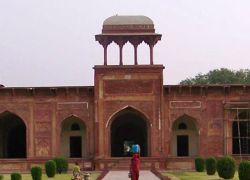
About The Mariam Tomb The Mariam Tomb, also known as the Tomb of Mariam Zamani, is a beautiful Mughal tomb located in Agra, India. It is a significant historical site as it is the final resting place of Mariam-uz-Zamani, who was the wife of the Mughal Emperor Akbar. The tomb is a fine example of Mughal architecture and is a must-visit for history and architecture enthusiasts. Timings Of Mariam Tomb The Mariam Tomb is open to visitors every day of the week from 6:00 AM to 6:00 PM. It is recommended to visit early in the morning or late in the evening to avoid the crowds and the heat. Entry Fee The entry fee to visit the Mariam Tomb is INR 20 for Indian nationals and INR 250 for foreign tourists. There is an additional fee for photography and videography. Required Time And Restricted Items Visitors typically spend about 1-2 hours exploring the Mariam Tomb and its surroundings. Some of the restricted items inside the tomb complex include weapons, large bags, and outside food. Architecture Of Mariam Tomb The Mariam Tomb is a stunning example of Mughal architecture, with intricate carvings, beautiful arches, and stunning domes. The tomb is made of red sandstone and features Persian and Mughal design elements. The intricate details and symmetry of the structure make it a masterpiece of architectural craftsmanship. Best Time To Visit The best time to visit the Mariam Tomb is during the winter months of October to March when the weather is pleasant and ideal for exploring outdoor attractions. How To Reach The Mariam Tomb is located in the Sikandra area of Agra and is easily accessible by road. Visitors can take a taxi, auto-rickshaw, or a local bus to reach the tomb. The nearest railway station is Agra Cantonment, which is about 10 km away. History Of Mariam Tomb The Mariam Tomb was built in the 16th century by Emperor Akbar in memory of his beloved wife, Mariam-uz-Zamani. The tomb is a symbol of their eternal love and is considered a sacred place by many. Inside Mariam Tomb Inside the Mariam Tomb, visitors can see the cenotaph of Mariam-uz-Zamani, which is beautifully decorated with intricate carvings and inscriptions. The interior of the tomb is peaceful and serene, making it a perfect place for reflection and meditation. Traveling Tips - Wear comfortable footwear as you will be walking around the tomb complex. - Carry a hat, sunglasses, and sunscreen to protect yourself from the sun. - Respect the sanctity of the tomb and maintain silence inside. - Hire a local guide to learn more about the history and significance of the Mariam Tomb. Hotels Near Mariam Tomb - The Oberoi Amarvilas - Trident, Agra - Hotel Clarks Shiraz - ITC Mughal, a Luxury Collection Hotel Nearby Tourist Spots Of Mariam Tomb 1. Akbar's Tomb: Visit the majestic tomb of Emperor Akbar, located nearby. 2. Fatehpur Sikri: Explore the UNESCO World Heritage Site of Fatehpur Sikri, known for its splendid Mughal architecture. 3. Taj Mahal: Admire the iconic Taj Mahal, a short drive away from the Mariam Tomb. 4. Agra Fort: Discover the historical Agra Fort, a UNESCO World Heritage Site with a rich Mughal history.
Explore More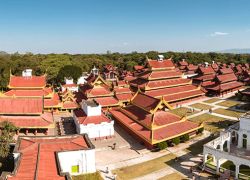
The Mandalay Palace, located in Mandalay, Myanmar, is a historical palace built in 1857 by King Mindon. It served as the primary royal residence of the last Burmese monarchy. The palace complex is surrounded by a moat and walls, with the majestic Mandalay Hill in the background. Timings Of Mandalay Palace The Mandalay Palace is open to visitors every day from 7:30 AM to 4:30 PM. Entry Fee The entry fee for Mandalay Palace is 10,000 Kyats for international tourists and 5,000 Kyats for locals. Required Time And Restricted Items It takes about 2-3 hours to explore the entire palace complex. Visitors are not allowed to bring in any food, drinks, or large bags inside the palace. Architecture Of Mandalay Palace The Mandalay Palace is a classic example of traditional Burmese architecture. The palace complex consists of several buildings, including the main palace, watchtowers, and audience halls. The intricate carvings, teak woodwork, and golden spires add to the grandeur of the palace. Best Time To Visit The best time to visit the Mandalay Palace is during the cooler months from November to February when the weather is pleasant. It is advisable to visit early in the morning to avoid the crowds. How To Reach Visitors can reach the Mandalay Palace by taking a taxi, bus, or motorbike from the city center. It is located near the Mandalay Hill, making it easily accessible from various parts of the city. History Of Mandalay Palace The Mandalay Palace was constructed by King Mindon in 1857 as the royal residence of the Konbaung dynasty. The palace was the primary seat of power until the British annexed Myanmar in 1885. During World War II, the palace was heavily damaged by bombing but has since been restored to its former glory. Inside Mandalay Palace Inside the Mandalay Palace, visitors can explore the various buildings that once housed the royal family, including the Golden Palace, Glass Palace, and Lion Throne Hall. The palace also features a museum that displays royal regalia, artifacts, and historical photographs. Traveling Tips When visiting Mandalay Palace, it is advisable to wear comfortable shoes as there is a lot of walking involved. It is also recommended to bring sunscreen, a hat, and plenty of water, especially during the hot summer months. Be respectful of the cultural norms and customs while exploring the palace. Hotels Near Mandalay Palace Several hotels near Mandalay Palace offer comfortable accommodations for visitors. Some of the popular options include The Link 78 Mandalay Boutique Hotel, Rupar Mandalar Resort, and Mandalay Hill Resort Hotel. Nearby Tourist Spots Of Mandalay Palace Several tourist spots near Mandalay Palace are worth exploring. These include Mandalay Hill, Kuthodaw Pagoda, Shwenandaw Monastery, and Mahamuni Pagoda. Visitors can also take a boat ride on the Irrawaddy River or visit the nearby ancient cities of Ava, Amarapura, and Sagaing.
Explore More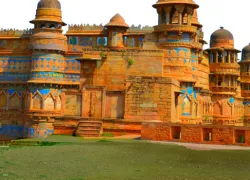
About The Gwalior Fort The Gwalior Fort, located in the city of Gwalior in the state of Madhya Pradesh, India, is one of the most impressive forts in the country. The fort stands on an isolated rock outcrop overlooking the city and is considered an architectural marvel. It has been ruled by various dynasties over the centuries and has witnessed many historical events. Timings Of Gwalior Fort The Gwalior Fort is open to visitors from 8:00 am to 6:00 pm every day of the week. It is advisable to visit the fort during the daytime to enjoy the panoramic views of the city and surrounding areas. Entry Fee The entry fee for the Gwalior Fort is INR 75 for Indian nationals and INR 250 for foreign tourists. There is an additional charge for carrying a camera inside the fort premises. Required Time And Restricted Items It is recommended to spend at least 2-3 hours exploring the Gwalior Fort to fully appreciate its beauty and historical significance. Visitors are not allowed to carry any food items or alcoholic beverages inside the fort. Architecture Of Gwalior Fort The architecture of the Gwalior Fort is a blend of Hindu and Muslim styles, reflecting the rich cultural heritage of the region. The fort complex includes several palaces, temples, water tanks, and reservoirs, all built with stunning craftsmanship. Best Time To Visit The best time to visit the Gwalior Fort is during the winter months of October to March when the weather is pleasant and ideal for exploring the fort and its surroundings. Avoid visiting during the summer months as the temperatures can be quite high. How To Reach The Gwalior Fort is easily accessible by road, rail, and air. The nearest airport is Gwalior Airport, which is well-connected to major cities in India. The Gwalior Railway Station is also well-connected to various parts of the country. Visitors can hire a taxi or auto-rickshaw to reach the fort from the city center. History Of Gwalior Fort The Gwalior Fort has a rich history dating back to the 8th century when it was founded by the Tomar dynasty. It has been ruled by various dynasties such as the Mughals, Marathas, and British, each leaving their mark on the fort's architecture and structure. Inside Gwalior Fort Inside the Gwalior Fort, visitors can explore various attractions such as the Man Singh Palace, Gujari Mahal, Teli-ka-Mandir, Sas-Bahu Temples, and the Scindia School. Each of these structures has unique architectural features and historical significance. Traveling Tips It is advisable to wear comfortable clothing and footwear while visiting the Gwalior Fort as there is a fair amount of walking involved. Carry a bottle of water and sunscreen to stay hydrated and protected from the sun. Hire a local guide to learn more about the fort's history and significance. Hotels Near Gwalior Fort There are several hotels near the Gwalior Fort that offer comfortable accommodation options for visitors. Some of the popular hotels in the vicinity include Taj Usha Kiran Palace, Neemrana's Deo Bagh, and Hotel Grace. Nearby Tourist Spots Of Gwalior Fort After visiting the Gwalior Fort, travelers can explore other nearby tourist spots such as the Jai Vilas Palace, Tomb of Tansen, Gwalior Zoo, and Sarod Ghar. These attractions offer a glimpse into the rich cultural heritage of Gwalior and are worth a visit.
Explore More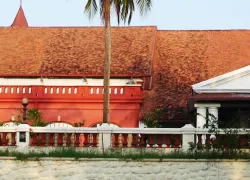
Surrounded by the towering palm trees and standing on a lush green carpet of grass, Kanakakunnu Palace is a marvelous attraction in Kerala. This palace is located near the famous landmark of the town Napier Museum. This enchanting palace was constructed by Sree Moolam Thirunal but was later taken over by the royal family of Travancore. They used Kanakakunnu Palace as the place for entertaining the guests. Till date, this palace is utilized for hosting functions and gatherings. It Is Known For:-1) The tantalizing surroundings of the palace2) The lavish interiors that include expensive chandeliers, paintings, and the banquet hall etc.3) All India Dance Festival that is organized between October-March Best Time To Visit:-Across the year, one can pay a visit to Kanakakunnu Palace. Being a popular landmark, it never fails to catch the attention of the people due to its architecture. Moreover, if you love the art of dancing then you can pay a visit here between the months of October-March. During this duration, the dancers from across the country participate in the All India Dance Festival. Reaching There:-This famous palace lies in the city of Trivandrum. Trivandrum is a city that has a vast network of roadways and railways that connects it with the other cities of Kerala. Thus, you can reach Kanakakunnu Palace by driving to the destination or boarding the local bus. Nearest Railway Station- Trivandrum Central Nearest Airport- Trivandrum International Airport
Explore More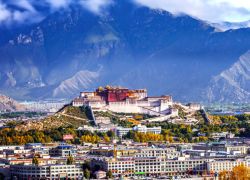
About The Potala Palace The Potala Palace is a historic landmark located in Lhasa, Tibet. It is a UNESCO World Heritage Site and is known for its stunning architecture and cultural significance. The palace was originally built in the 7th century by King Songtsen Gampo and was later expanded by the 5th Dalai Lama in the 17th century. It served as the winter residence of the Dalai Lama until the 14th Dalai Lama fled to India during the Tibetan uprising in 1959. Timings Of Potala Palace The Potala Palace is open to visitors every day except Tuesdays from 9:00 AM to 4:00 PM. Entry Fee The entry fee for the Potala Palace varies depending on the season. During the peak tourist season (May to October), the fee is higher than the off-peak season (November to April). It is advisable to check the official website for the most up-to-date information on ticket prices. Required Time And Restricted Items Visitors must allocate at least 2-3 hours to explore the entire Potala Palace complex. Certain items such as cameras, bags, and electronic devices are restricted inside the palace and must be deposited at the designated storage area before entering. Architecture Of Potala Palace The Potala Palace is a towering structure consisting of two main parts: the Red Palace and the White Palace. The Red Palace is known for its intricate murals, prayer halls, and sacred relics, while the White Palace served as the living quarters for the Dalai Lama. The palace is made of wood, stone, and earth, and is adorned with traditional Tibetan architectural elements. Best Time To Visit The best time to visit the Potala Palace is during the spring and autumn months when the weather is mild and the skies are clear. Avoid visiting during the winter months when temperatures can drop to sub-zero levels. How To Reach The Potala Palace is easily accessible by public transportation such as buses and taxis from the Lhasa city center. Visitors can also opt for guided tours that include transportation to and from the palace. History Of Potala Palace The Potala Palace has a long and storied history dating back to the 7th century. It has served as the political and religious center of Tibet for centuries and has witnessed significant events in Tibetan history, including the rule of the Dalai Lamas and the Chinese occupation of Tibet. Inside Potala Palace Inside the Potala Palace, visitors can explore the various chambers, halls, and chapels that are adorned with intricate artwork, statues, and religious artifacts. Highlights include the Dalai Lama's throne room, the Great West Hall, and the tombs of past Dalai Lamas. Traveling Tips When visiting the Potala Palace, it is advisable to wear comfortable shoes as there are many stairs to climb within the palace complex. It is also recommended to carry a bottle of water and some snacks as there are limited food and drink options available on-site. Hotels Near Potala Palace Several hotels near the Potala Palace cater to different budgets and preferences. Some of the popular options include the Shangri-La Hotel Lhasa, the St. Regis Lhasa Resort, and the Four Points by Sheraton Lhasa. Nearby Tourist Spots Of Potala Palace While visiting the Potala Palace, tourists can also explore nearby attractions such as the Jokhang Temple, Barkhor Street, and the Norbulingka Palace. These sites offer further insight into Tibetan culture, religion, and history.
Explore More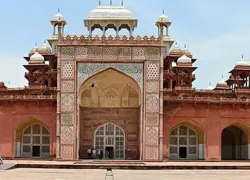
Introduction to Akbar’s Mausoleum Akbar’s Mausoleum was constructed in 1605 and is situated at a region named Sikandra, which is around 10 km away from the Agra city. The mausoleum has a blending of the Muslim-Hindu styles of architecture. The building was constructed with a combination of white marbles and red sandstone. Besides being an architectural innovation, a blending of ancient architectural styles based on red sandstone and trendy white marbles, ornaments, and fine carvings are used in its building. The construction of Mausoleum was started by Akbar, but he couldn’t complete it. Thus, it was on his son Jahangir to see the completion of the Mausoleum. Akbar’s Mausoleum comprises of two buildings. One is the Mausoleum, while the other is a giant gateway, known as Buland Darwaza, connected with each other through a wide corridor. The place is very calm and silent, with stunning, colorful, and grand interiors that include both the well-preserved and the badly damaged parts of the Mausoleum. There is a color shade that resembles the Kalamkari prints, and there’s another which looks like the Thewa jewelry designs. There resides a variety of designs and richness all around. If you are like to witness beautiful architecture and heart throbbing artistic approach, Akbar’s Mausoleum is the perfect place to visit.
Explore More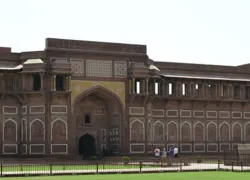
About The Jahangir Palace The Jahangir Palace, located in Agra, India, is a magnificent palace that was built by Emperor Akbar for his son Jahangir. It is situated within the Agra Fort complex and is a stunning example of Mughal architecture. Timings Of Jahangir Palace The Jahangir Palace is open to visitors from sunrise to sunset every day of the week. Entry Fee The entry fee for visiting the Jahangir Palace is included in the ticket price for the Agra Fort complex. For Indian citizens, the ticket price is Rs. 40, and for foreign tourists, it is Rs. 600. Required Time And Restricted Items Visitors typically spend around 1-2 hours exploring the Jahangir Palace. Restricted items include weapons, alcohol, and any items that can be harmful to the historical structure. Architecture Of Jahangir Palace The Jahangir Palace is known for its elegant design and intricate carvings. It features a blend of Persian and Indian architectural styles, with beautiful jali work, ornate arches, and detailed motifs adorning the walls and ceilings. Best Time To Visit The best time to visit the Jahangir Palace is during the winter months from October to March when the weather is pleasant and ideal for sightseeing. How To Reach The Jahangir Palace is located within the Agra Fort complex, which is easily accessible by road. Visitors can hire a taxi, auto-rickshaw, or take a bus to reach the Agra Fort. The nearest railway station is Agra Cantt, and the nearest airport is Agra Airport. History Of Jahangir Palace The Jahangir Palace was built in the 16th century by Emperor Akbar for his son Jahangir. It served as a residence for the royal family and also housed the administrative offices of the Mughal Empire. Inside Jahangir Palace Inside the Jahangir Palace, visitors can explore the various rooms and chambers that once served as living quarters for the royal family. The palace also offers stunning views of the surrounding gardens and the city of Agra. Traveling Tips Some traveling tips for visiting the Jahangir Palace include wearing comfortable footwear, carrying water and sunscreen, and hiring a guide to learn more about the history and architecture of the palace. Hotels Near Jahangir Palace Some of the hotels near the Jahangir Palace include Hotel Taj Resorts, Hotel Clarks Shiraz, and The Oberoi Amarvilas. These hotels offer luxurious accommodations and excellent hospitality for visitors. Nearby Tourist Spots Of Jahangir Palace Some nearby tourist spots to visit after exploring the Jahangir Palace include the Agra Fort, the Taj Mahal, and the Mehtab Bagh. These attractions offer a glimpse into the rich history and culture of Agra.
Explore More
The Klungkung Palace, also known as Puri Agung Semarapura, is a historical landmark located in the Klungkung regency of Bali, Indonesia. The palace was once the residence of the royal family of Klungkung and served as the center of governance and justice in the region. Timings Of Klungkung Palace The Klungkung Palace is open to visitors every day from 9:00 AM to 5:00 PM. Entry Fee The entry fee for the Klungkung Palace is IDR 12,000 for adults and IDR 6,000 for children. Required Time And Restricted Items Visitors typically spend around 1-2 hours exploring the palace. It is advised not to bring food, pets, or large bags inside the palace premises. Architecture Of Klungkung Palace The architecture of the Klungkung Palace is a blend of Balinese and European influences. The palace features intricately carved stone walls, traditional Balinese paintings, and beautiful courtyards. Best Time To Visit The best time to visit the Klungkung Palace is during the morning hours when the weather is relatively cooler and the palace is less crowded. How To Reach The Klungkung Palace is located in Semarapura, the capital of the Klungkung regency. It is easily accessible by car or motorcycle from popular tourist areas in Bali such as Ubud and Sanur. History Of Klungkung Palace The Klungkung Palace has a rich history dating back to the late 17th century when it was built by the first king of Klungkung. The palace played a significant role in the governance of the region and was the site of important royal ceremonies. Inside Klungkung Palace Inside the Klungkung Palace, visitors can explore the main pavilion known as Bale Kambang, which features a ceiling adorned with beautiful paintings depicting Hindu epics. The palace also houses a museum showcasing traditional Balinese artifacts and historical relics. Traveling Tips It is recommended to wear appropriate clothing covering the shoulders and knees when visiting the Klungkung Palace as a sign of respect to the local culture. Visitors are also advised to carry sufficient water and sunscreen due to the tropical climate. Hotels Near Klungkung Palace With Names Some of the hotels near the Klungkung Palace include: Klungkung Beach Hotel Puri Oka Beach Bungalow The Nirwana Resort and Spa Nearby Tourist Spots Of Klungkung Palace Some of the nearby tourist spots to visit after exploring the Klungkung Palace are: Goa Lawah Temple Taman Ujung Water Palace Bukit Jambul Rice Terraces
Explore More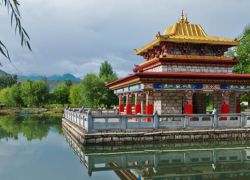
About The Norbulingka The Norbulingka, located in Lhasa, Tibet, is a UNESCO World Heritage Site known for its beautiful gardens and historic significance. It is also known as the Summer Palace of the Dalai Lama, as it served as the traditional summer residence of the successive Dalai Lamas. Timings Of Norbulingka The Norbulingka is open to visitors from 9:00 AM to 6:00 PM every day, with the last entry at 5:00 PM. It is advisable to check the timings before planning your visit, as they may vary depending on the season. Entry Fee The entry fee for Norbulingka is around $30 per person. There may be additional charges for certain exhibitions or events within the complex. Required Time And Restricted Items It is recommended to spend at least 2-3 hours exploring the Norbulingka complex. Visitors are not allowed to carry any weapons, inflammable items, or pets inside the premises. Architecture Of Norbulingka The architecture of Norbulingka is a mix of traditional Tibetan and Chinese styles, with intricate carvings, vibrant colors, and beautiful motifs adorning the buildings. The complex consists of palaces, pavilions, gardens, and lakes, all surrounded by lush greenery. Best Time To Visit The best time to visit Norbulingka is during the summer months (May to September) when the gardens are in full bloom and the weather is pleasant. However, it can get crowded during this time, so visiting during the shoulder seasons of spring and autumn is also a good option. How To Reach Norbulingka is situated about 2.5 kilometers west of the Potala Palace in Lhasa. Visitors can take a taxi, bus, or even walk to reach the complex from the city center. There are also tour operators that offer guided tours to Norbulingka. History Of Norbulingka Construction of Norbulingka began in the 18th century during the reign of the 7th Dalai Lama and continued to be expanded by subsequent Dalai Lamas. It served as a summer retreat for the Dalai Lamas, who would engage in religious activities, meditation, and leisurely pursuits here. Inside Norbulingka Inside Norbulingka, visitors can explore the various palaces, chapels, and gardens that make up the complex. The most notable buildings include the Kelsang Potrang, Tsokyil Potrang, and Golden Phodrang, each with its unique architectural features and historical significance. Traveling Tips It is advisable to wear comfortable shoes and clothing as there is a fair amount of walking involved in exploring the Norbulingka complex. Remember to carry water, sunscreen, and a hat to protect yourself from the sun. Respectful behavior and appropriate dress are expected within the premises. Hotels Near Norbulingka There are several hotels near Norbulingka where visitors can stay during their trip to Lhasa. Some of the popular options include The St. Regis Lhasa Resort, Shangri-La Hotel Lhasa, and Four Points by Sheraton Lhasa. Nearby Tourist Spots Of Norbulingka Some of the nearby tourist spots of Norbulingka include the Potala Palace, Jokhang Temple, Sera Monastery, and Barkhor Street. These attractions offer a glimpse into the rich cultural and religious heritage of Tibet and are well worth a visit during your time in Lhasa.
Explore More
About The Kangra Fort The Kangra Fort, located in Kangra, Himachal Pradesh, is one of the oldest and largest forts in India. It is situated on the confluence of the Banganga and Manjhi rivers, offering breathtaking views of the surrounding valleys and mountains. The fort has a rich history dating back to ancient times and has witnessed multiple battles and invasions over the years. Timings Of Kangra Fort The Kangra Fort is open to visitors from 9:00 AM to 6:00 PM every day of the week. It is advisable to visit the fort during the early hours of the morning to avoid the crowds and make the most of your visit. Entry Fee The entry fee for the Kangra Fort is INR 150 per person for Indian nationals and INR 300 per person for foreign tourists. Children below the age of 15 can enter for free. There are additional charges for cameras and video cameras. Required Time And Restricted Items It is recommended to allocate at least 2-3 hours to explore the Kangra Fort thoroughly. Visitors are not allowed to carry food, plastic bags, and weapons inside the fort premises. It is advisable to wear comfortable footwear as the fort has uneven pathways and steep stairs. Architecture Of Kangra Fort The architecture of the Kangra Fort showcases a blend of Hindu and Mughal styles. The fort has several temples, royal quarters, and intricately designed gates. The walls of the fort are made of stone and mud, reflecting the ancient craftsmanship of that era. Best Time To Visit The best time to visit the Kangra Fort is during the months of October to March when the weather is pleasant and ideal for exploring the fort and its surroundings. Avoid visiting during the monsoon season as the pathways can get slippery. How To Reach The Kangra Fort is easily accessible by road, rail, and air. The nearest airport is Gaggal Airport, located 7 km away from Kangra. The Kangra Railway Station is well-connected to major cities like Delhi and Pathankot. Local buses and taxis are available for commuting within Kangra. History Of Kangra Fort The Kangra Fort has a storied past that dates back to the Rajput era. It was ruled by various dynasties, including the Katoch rulers, the Mughals, and the Sikhs. The fort was attacked multiple times by invaders, including Mahmud of Ghazni and Timur. Inside Kangra Fort Inside the Kangra Fort, visitors can explore the Sheesh Mahal, the Laxmi Narayan Temple, and the Ambika Devi Temple. The fort also houses a museum that displays artifacts and relics from different periods of its history. The panoramic views from the top of the fort are truly mesmerizing. Traveling Tips It is recommended to carry a water bottle, sunscreen, and a hat to protect yourself from the sun while exploring the Kangra Fort. Wear comfortable clothing and footwear to navigate the fort's pathways easily. Hiring a guide is advisable to learn about the fort's historical significance. Hotels Near Kangra Fort Some of the hotels near Kangra Fort where visitors can stay include The Pavilion by HPCA, Hotel The Grand Raj, and Hotel Victoriya Palace. These hotels offer comfortable accommodation and amenities for a relaxing stay. Nearby Tourist Spots Of Kangra Fort Some of the nearby tourist spots that visitors can explore after visiting the Kangra Fort include the Brajeshwari Devi Temple, Masroor Rock Cut Temples, and Kareri Lake. These attractions offer a glimpse into the cultural and natural beauty of Kangra.
Explore More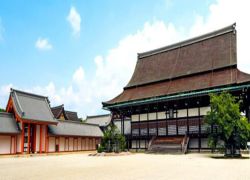
The Kyoto Imperial Palace, also known as Kyoto Gosho, is a significant historical and cultural site located in the heart of Kyoto, Japan. It was the residence of the Imperial Family until 1869 when the capital of Japan was moved to Tokyo. The palace is situated in the spacious Kyoto Gyoen National Garden, a large public park that also includes other historical buildings and scenic spots. The Kyoto Imperial Palace is not only a symbol of Japan's rich imperial history but also an architectural masterpiece showcasing traditional Japanese design. Today, it is one of Kyoto’s most visited heritage sites, attracting both local and international tourists who come to admire its peaceful atmosphere and cultural importance. How to Reach Kyoto Imperial Palace, Kyoto Reaching the Kyoto Imperial Palace is quite easy. The palace is located in central Kyoto and is accessible via public transportation. The nearest subway station is Imadegawa Station on the Karasuma Line, which is just a short walk from the palace’s Seishomon Gate. You can also reach the palace by city buses or by bicycle if you're staying nearby. Taxis and guided tours are also available for more convenience. From Kyoto Station, the easiest route is to take the Karasuma Subway Line directly to Imadegawa Station, which takes about 15 minutes. Weather at Kyoto Imperial Palace Kyoto has four distinct seasons, and each season offers a different experience at the Kyoto Imperial Palace. Spring (March to May) is a beautiful time to visit, especially during cherry blossom season. Autumn (September to November) is equally stunning with colorful fall foliage. Summers (June to August) can be hot and humid, while winters (December to February) are cold, with occasional snow adding to the palace’s charm. It's advisable to check the local weather forecast and dress accordingly when planning your visit. Timings and Opening Hours The Kyoto Imperial Palace is open to the public and does not require reservations anymore for general visits. The palace grounds are typically open from 9:00 AM to 4:30 PM, with last entry at 4:00 PM. The closing time may vary slightly depending on the season. It is closed on Mondays and during the New Year holidays (December 28 to January 4). Entry is free of charge, and guided tours in English are also available on certain days. Why is Kyoto Imperial Palace Famous? The Kyoto Imperial Palace is famous for being the former residence of the Japanese Emperors for more than one thousand years. It played a central role in Japanese history, politics, and culture. The palace is also known for its elegant architecture, historical significance, and the beautifully landscaped gardens surrounding it. Many visitors come to admire the grand gates, ceremonial halls, and tranquil atmosphere. It represents the imperial lifestyle and aesthetic sensibility of traditional Japanese culture. Entry and Visit Details Entrance to the Kyoto Imperial Palace is free. While guided tours used to be required in the past, today visitors can freely explore the palace grounds during opening hours. The palace complex includes several large gates, elegant halls like the Shishinden (Ceremonial Hall), and the Oikeniwa Garden. Guided tours in English are sometimes available through the Imperial Household Agency, and these provide deeper insight into the history and function of the palace buildings. History and Architecture The Kyoto Imperial Palace was first built in 794, shortly after Kyoto became the capital of Japan. Over the centuries, it was destroyed and rebuilt many times due to fires and natural disasters. The current structure was rebuilt in 1855 and reflects the traditional Japanese architectural style used by the imperial family. The architecture includes wooden buildings with tiled roofs, elevated walkways, wide corridors, and sliding doors. Each building serves a specific function, from ceremonial halls to residential areas. The design reflects simplicity, harmony with nature, and refined aesthetics, all of which are important in traditional Japanese culture. Things to Do at Kyoto Imperial Palace There are several enjoyable and educational activities you can do while visiting the Kyoto Imperial Palace: Walk through the palace grounds and admire the traditional Japanese architecture. Visit the large gates and ceremonial halls such as Shishinden and Seiryoden. Relax in the surrounding Kyoto Gyoen National Garden, ideal for picnics or nature walks. Join a guided tour to learn about the imperial family's history and traditions. Take photos of seasonal flowers like cherry blossoms in spring and red maples in autumn. Interesting Facts about Kyoto Imperial Palace Here are some fascinating facts about the Kyoto Imperial Palace: It was the home of Japanese Emperors from the Heian period (794) until the Meiji Restoration in 1869. The palace has been rebuilt over 8 times due to fires in its long history. Despite being in the middle of a bustling city, the palace grounds are peaceful and full of greenery. The main ceremonial hall, Shishinden, was used for important state functions like coronations. The Kyoto Gyoen National Garden surrounding the palace covers over 1.3 million square meters. Tips for Visiting Kyoto Imperial Palace To enjoy your visit to the Kyoto Imperial Palace, consider the following tips: Wear comfortable walking shoes, as the palace grounds are large and involve a lot of walking. Bring water, especially during warmer months, as there are few vending machines inside. Visit in the morning to avoid crowds and enjoy a peaceful atmosphere. Take advantage of free English-language brochures available at the entrance. Be respectful of the cultural significance of the site and follow posted signs and rules. Conclusion The Kyoto Imperial Palace is a must-see destination for anyone visiting Kyoto. With its rich history, elegant design, and peaceful gardens, it offers a glimpse into Japan’s imperial past and traditional culture. Whether you're a history lover, a fan of architecture, or just looking for a quiet and beautiful place to explore, the Kyoto Imperial Palace is a place that should not be missed. It's a free, educational, and rewarding experience in one of Japan’s most cultural cities.
Explore More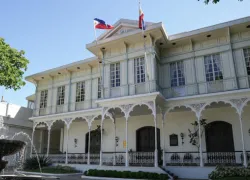
About The Malacanang Palace The Malacanang Palace is the official residence and workplace of the President of the Philippines. It is located in Manila, the capital city of the Philippines. The palace is not only the seat of the country's government but also a historical landmark that has witnessed many significant events in Philippine history. Timings of Malacanang Palace The Malacanang Palace is open to the public for guided tours from Monday to Friday, except on holidays. The tours are scheduled at specific times during the day and last for about an hour. Entry Fee There is no entry fee to visit the Malacanang Palace, but visitors are required to register in advance and present a valid photo ID upon arrival. Required Time and Restricted Items It is recommended to allocate at least 2 hours for the tour of the Malacanang Palace. Visitors are not allowed to bring large bags, cameras, or any recording devices inside the palace premises. Architecture of Malacanang Palace The Malacanang Palace boasts a neoclassical architectural style with Spanish influences. The palace features grand halls, opulent interiors, and beautifully landscaped gardens that reflect the rich history and culture of the Philippines. Best Time to Visit The best time to visit the Malacanang Palace is during the dry season, which falls between November and April. The weather is pleasant, and the gardens are in full bloom during this time. How to Reach The Malacanang Palace is easily accessible by public transportation, such as buses, jeepneys, and taxis. Visitors can also opt to take a guided tour or hire a private car to reach the palace. History of Malacanang Palace The Malacanang Palace was originally built as a summer house for a Spanish aristocrat in the 18th century. It was later acquired by the Philippine government and has since served as the official residence of the country's leaders, including former presidents and the incumbent president. Inside Malacanang Palace Visitors to the Malacanang Palace can explore the various rooms and chambers that showcase the country's history, art, and culture. Highlights include the President's office, state dining room, and the museum of Malacanang, which houses historical artifacts and artworks. Traveling Tips It is advisable to book a guided tour of the Malacanang Palace in advance to secure your slot. Visitors should also dress appropriately and follow the rules and regulations set by the palace authorities during the tour. Hotels Near Malacanang Palace with Names 1. The Manila Hotel 2. New World Makati Hotel 3. Diamond Hotel Philippines 4. City Garden Grand Hotel 5. The Peninsula Manila Nearby Tourist Spots of Malacanang Palace 1. Rizal Park 2. San Agustin Church 3. Fort Santiago 4. National Museum of the Philippines 5. Bonifacio Global City
Explore More