|
About History behind Interesting facts Information for tourists Location
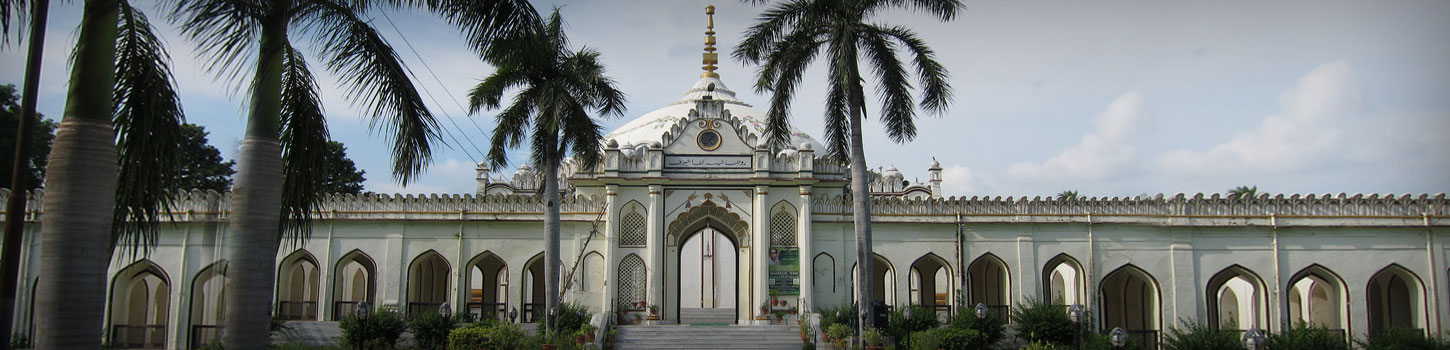
| | About | | It is also known as Shaking Minaret or Jhulta Minar, as when one minaret is shaken the other one begins to vibrate. What causes this vibration is still a mystery. | | | History behind | | It is believed that a slave of the Sultan Siddi Bashir built the mosque and the minarets in 1461. In fact, there was no specific reason to build the minarets to shake, but people say that it was built so in order to avoid damages during earthquakes. It was in the 19th century, Monier M Williams, a European Sanskrit scholar who first noticed the minarets shaking. | | | Interesting facts | | Each minaret is three storied tall with delicately carved stone balconies around each storey. These minarets are about 21.34 meters high. If either of the minarets is shaken the other too vibrates after a few seconds. The vibrations at the base of the tower multiply and get transmitted through air tunnels between the two towers. Amazingly, the connecting passageway between the two minarets, however, remains free of any vibration!
The mosque at Raj Bibi once had a pair of shaking minarets. But the Britishers, who were ruling India that time, dismantled one minaret in order to study the secret of its construction and the mystery behind the swinging effect. The other such shaking minarets are at the mosques of Jami-Masjid amd Bibi-ki-Masjid.
Opposite Sarangpur Darwaja, Sidi Bashir's minars are all that remain of the mosque popularly named after one of Ahmed Shah's favourite slaves. These are the best existing example of the "shaking minarets" - built on a foundation of flexible sandstone.
| | | Information for tourists | | To see the miracles of Ahmedabadi architecture, called Shaking Minarets one must head for Sidhi Bashir mosque, where when one minaret is moved with force, the other shakes in sympathy. Unfortunately, after the Qutab Minar tragedy during which many were crushed, climbing up the Minaret to feel the 'shaking' has been barred. | | | Location | | It is a kilometer away from the Ahmedabad city railway station. | |
|
|
|
|