|
About About Collection Unique style Timings Location
| | About | | It houses a rich collection of sculptures, coins, copper plates, stone inscriptions, lithic and bronze age tools, rare manuscripts written on palm leaves, traditional and folk musical instruments. Rare epigraphic records are preserved in the Epigraphy Gallery.
A visit to the museum provides an instant overview of Orissa as it was and of course still is. The Handicrafts Museum has a splendid collection of stone sculptures, patta paintings, brass castings, horn toys and Orissa's famous silver filigree work. The Tribal Museum provides an insight into the tribal culture of Orissa.
| | | About | | It houses a rich collection of sculptures, coins, copper plates, stone inscriptions, lithic and bronze age tools, rare manuscripts written on palm leaves, traditional and folk musical instruments. Rare epigraphic records are preserved in the Epigraphy Gallery.
A visit to the museum provides an instant overview of Orissa as it was and of course still is. The Handicrafts Museum has a splendid collection of stone sculptures, patta paintings, brass castings, horn toys and Orissa's famous silver filigree work. The Tribal Museum provides an insight into the tribal culture of Orissa.
| | | Collection | | The galleries cover archaeology, epigraphy, numismatics, armoury, mining and geology, paintings, anthropology and manuscripts.
The manuscript Gallery is significant containing some rare palm leaf manuscripts. The 50,000 manuscripts, some of which are beautifully illustrated, cover subjects as diverse as religion, philosophy, medicine, mathematics, warfare and the crafts.
Rare epigraphic records are preserved in the Epigraphy Gallery. Stone inscriptions and a number of plaster cast impressions of original depict earlier patterns of writings, following different dialects and languages.
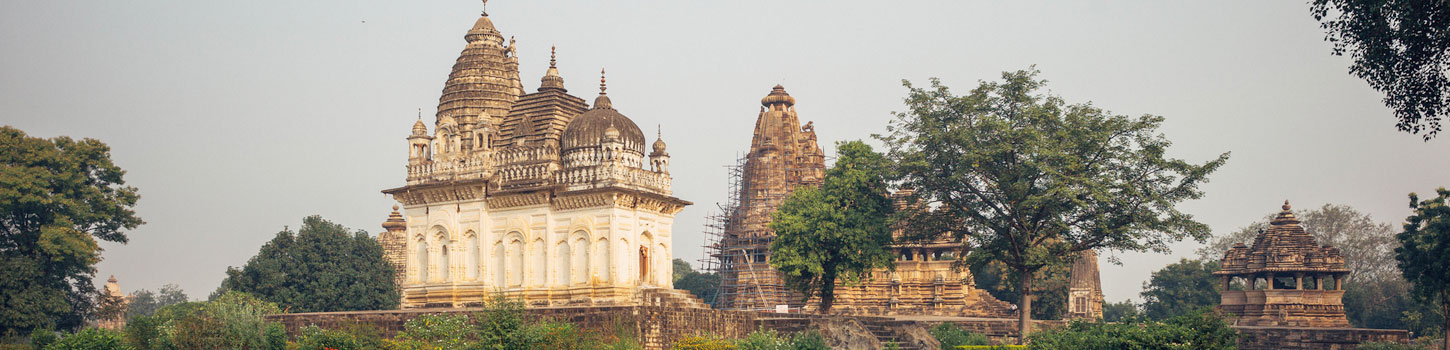
When Bhubaneshwar became the capital of Orissa, the museum was moved from Cuttack to its present location. The collection of the museum centres on the arts of the region. Orissa has one of India's oldest and most artistic traditions, ranging from Buddhism, Jainism to Hinduism, including the magnificent temples of Bhubaneshwar and the Sun Temple at Konark in the 13th century. There are several galleries devoted to sculptures from these temples.
Like the temples at Kahajuraho in Madhya Pradesh, Tanjore (Thanjavur) in Tamilnadu and Modera in Gujarat, those in Orissa reached their apogee between the 10th and the 13th centuries. Sculpture works of fine quality and restrained ornamentation were prepared to adorn parts of the temple. The sculptured panels of musicians, elephants and deities such as Mahishasuramardini are noteworthy.
| | | Unique style | | They had a fabulous sense of painting. Palm leaves were dried, and with a stylus the writing was incised into the leaf. It is said that the script of Oriya has a predominance of rounded letters, formed from writing on palm leaves, which would have split if the letters had been too angular in relation to the horizontal line of the leaf.
The leaves were then blackened with charcoal and wiped so that the incised letters stood out in black. There are several painted and incised drawings and illustrations on the manuscripts. These paintings, on par with the stone sculpture; follow a style that is particular to Orissa. Well-developed figures, wearing heavy jewellery and patterned clothing are depicted in the scenes. The details of the scenery in these paintings are quite remarkable - a tree signifies a forest, a flowering bush, a garden, a few waves with lotuses symbolise a pond. Architectural structures are included to depict houses, places and jungle hamlets. The sky is strewn with flowers when the occasion is auspicious.
It is interesting to note that one of the earliest palm-leaf manuscripts (1690) is of the Gita Govinda, a Devotinal poem written by Jayadeva in the 12th century. The painting is in primary colours: red, yellow and blue, with shades of green.
| | | Timings | | 10 a.m. - 4 p.m.
It is closed on Mondays and Government holidays.
| | | Location | | It is located on the Jaydev Marg in Bhuvaneshwar | |
|
|
|
|