Climate & Geography
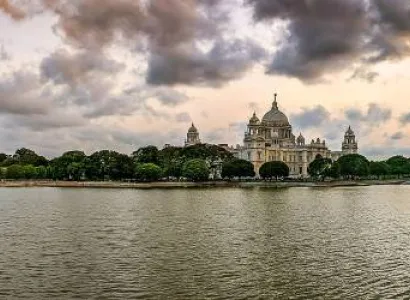
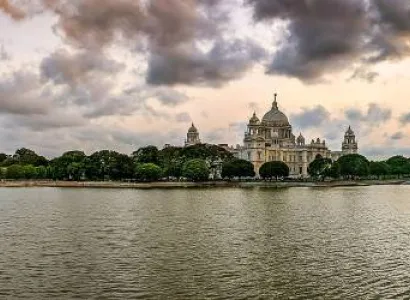
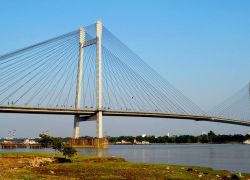
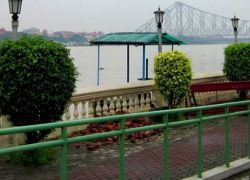
Kolkata is spread roughly along the east bank of Hooghly River and features 1.5–9 m (5–30 ft) elevation. The city experiences a tropical wet and dry climate. The summers here are extremely hot and humid, winters are cold and pleasant and the monsoons bring in heavy rains. The best time to visit Kolkata is the period just after monsoons as that is the time when the city is sparked with the mood of festivity.
Transportation
You can opt for the most desirable mediums of transport to get to this amazing travel spot. Take the roads, a journey by air or a railhead, all of them will take you there.
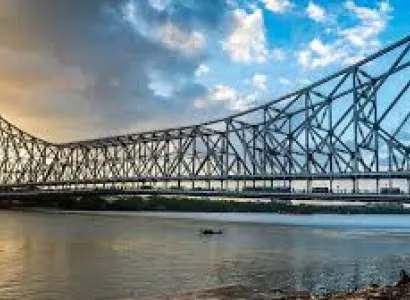
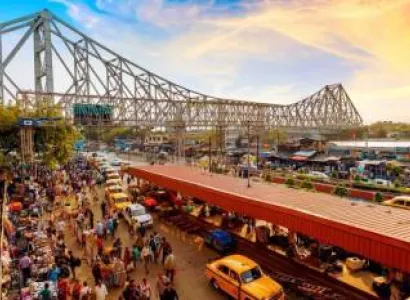
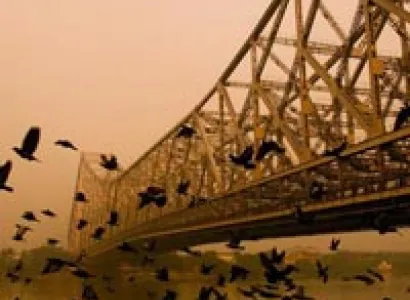
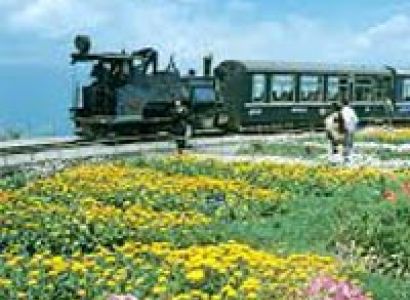
Rail: Kolkata has two major railway stations namely Howrah and Sealdah. There plenty of trains operating at regular intervals connecting Kolkata to few of the major cities of India.
Road: There are numerous options available if you wish to travel by road to this city and within. Board a bus, a taxi, a rickshaw, auto rickshaw or a tram, travelling by road will also be a lot easy while you are in this city.
Air: The presence of an International amends domestic airport in the city makes it well connected with other parts of the world. It features few of the major airlines operating to and fro this place.
Shopping & Entertainment
Walk through chaotic alleys teeming with traders and numerous shops at Barabazaar. You can pick all what you desire to take home. There will be a wide variety of belongings and knick knacks which you can shop from the Barabazaar, this market will offer you with a unique experience of shopping.
Netaji Indoor Stadium : Venue for the International Table-tennis Tournament in the seventies, Netaji Indoor Stadium is located in front of the High court, beside the Eden Gardens and is a fully air-conditioned indoor stadium of world standards.
Nandan : Late Satyajit Ray inaugurated and patronized this center of culture housing three cinema halls one of which is dedicated in screening art movies. It is Calcutta's best movie theater. The Rabindra Sadan and Sisir Mancha (both auditoriums) are situated next to Nandan. Nandan theatre behind Rabindra Sadan is Calcutta's place of cine culture for film enthusiasts and professionals. Late Satyajit Ray designed its intriguing emblem. Its three motion picture theatres have the best screening facilities in Calcutta. Largely film clubs to screen art movies for their members use one hall. People camp overnight outside ticket counters during film festivals to get hold of tickets. Nandan is the best cultural centre in the eastern zone of India, which was established on 2nd September 1985. A selected committee controls it. Its first chairman was the world famous film director and maker Late Satyajit Roy who was the Oscar holder, the Second being the great dramatist late Utpal Datta. The third chairman was the successful actor Late Anil Chatterjee. Nandan has its own library and a great museum in the name of Satyajit Roy. It is called Satyajit Roy Archives. Different types of books about film are available in Nandan library. Nandan has had published many research works about films. These are like Bengali film Directory, Bengali Cinema and short films, A poet with a camera, 100 years of cinema etc. It also organises various types of film - related programmes.