3-4 days is sufficient to explore the main attractions and get a taste of the city's culture.
What is the best time to visit Mumbai?
The winter months of November to February offer pleasant weather for exploring Mumbai.
What is the primary language spoken in Mumbai?
The primary language spoken in Mumbai is Marathi, but Hindi and English are widely understood and spoken.
What are the transportation options available in Mumbai?
Mumbai offers various transportation options including trains, buses, taxis, auto-rickshaws, and app-based cab services like Uber and Ola.
Are there any public transportation available in Mumbai?
Yes, Mumbai has an extensive public transportation system including buses, suburban trains, and metros.
What types of accommodations are available in Mumbai?
Mumbai offers a range of accommodations from budget hotels to luxury resorts, serviced apartments, and homestays.
What are some must-try local dishes and restaurants in Mumbai?
Mumbai is famous for street food like vada pav, pav bhaji, and bhel puri. Iconic restaurants like Britannia & Co. and Leopold Cafe are worth trying.
What are the top tourist attractions in Mumbai?
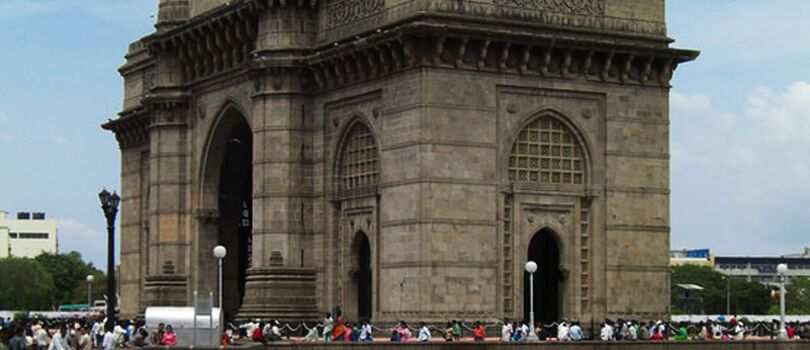
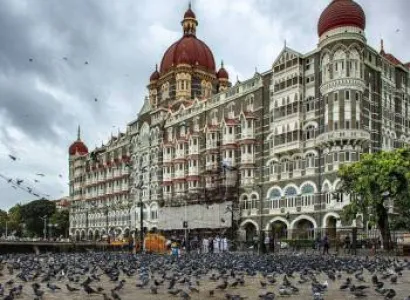
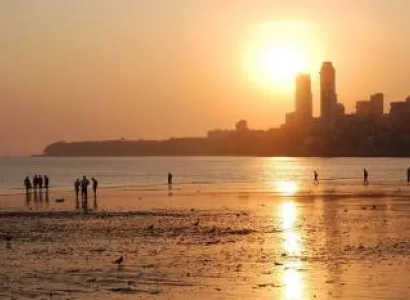
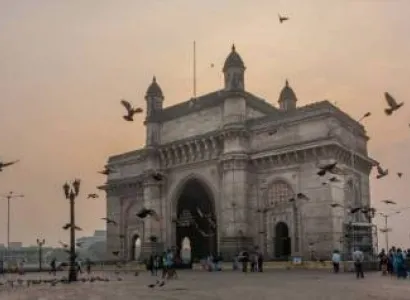
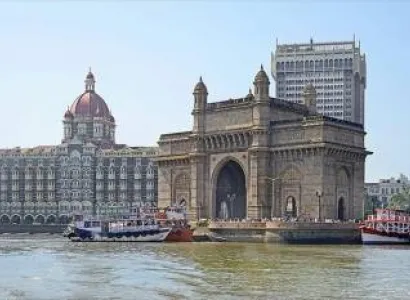
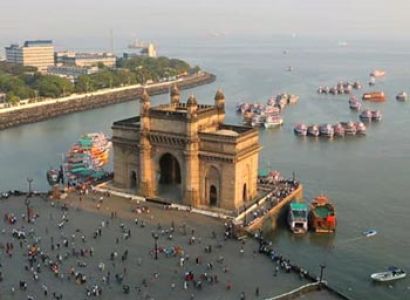
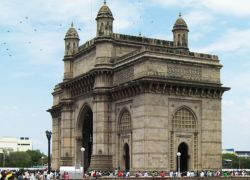
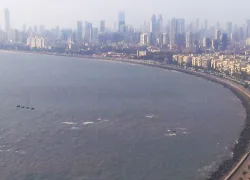
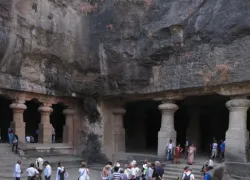
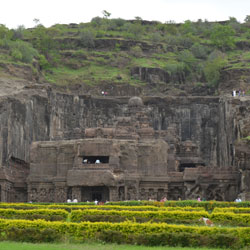
The top tourist attractions in Mumbai include the Gateway of India, Marine Drive, Elephanta Caves, Colaba Causeway, and Siddhivinayak Temple.
Are there any special events or festivals in Mumbai?
Mumbai hosts several festivals and events throughout the year, including Ganesh Chaturthi, Navratri, Diwali, and the Kala Ghoda Arts Festival.
What are the primary transportation options for reaching Mumbai?
Mumbai can be reached by air, train, and road. It has a major international airport and is well-connected to other cities by rail and road networks.
What is the nearest major airport or train station for Mumbai?
Chhatrapati Shivaji Maharaj International Airport is the nearest major airport, and Chhatrapati Shivaji Terminus is the main railway station in Mumbai.
What activities can be done in Mumbai?
In Mumbai, you can visit museums, enjoy the nightlife, explore markets, take a boat ride to Elephanta Caves, and experience Bollywood by visiting Film City or watching a movie.
Mumbai Reviews
Your Review Submitted. Thanks!
Latest Mumbai Tour Reviews
Yogi
5/5
27 Mar 2026
“Amazing experience with Travzon! We planned our Bali honeymoon and it was beautifully organized. Hotels, transfers, and activities were top-notch. Will definitely travel again with them.”...more
Siddhali
5/5
good service driver is very polite
Nishant Dave
5/5
Friendly staff, nice design, good food. Staff are friendly, the foods are yummy. Comfortable bed I love it and sure will go again...more
Charul Chaturvedi
5/5
He is the best and the most sincere person, I am very glad to meet him , so friendly and helpful in nature, clean and tidy car , excellent in his services...more
Rahul Sharma
5/5
We recently visited Kathmandu and Pokhara as a family group of four for a 4-night, 5-day trip. Our experience was enjoyable and memorable. The accommodation, car, and driver provided by Nepal Hiking were exceptional, exceeding our expectations. We highly recommend Nepal Hiking to fellow travelers planning to visit Nepal....more
Bhushan Ramachandran
5/5
The communication where excellent and we were impressed that the arrangements comfortable of the information on the to the package provided was excellent no doubtActually I was book My Trip for Mumbai Pune Lonavla Shirdi for 8 days we where enjoyed Accommodation lodging and Restaurant accident all the expectation of US and excellent in all cases very very impressive and everything was so good transpiration both the pickup and drop from the airport where comfortable and punctual our driver and guide was fantastic Cooperative driver and the vehicle is very luxurious we were very impressed and all time when for sight seen driver was come on time never he was late this was very good Meals at all the hotel meal was very tasty well prepared and healthy be really appreciate the variety absolutely and definitely I will be recommending if you are planning any tour then you should try with go squad ride and I will also be book my next trip with same company because I was very happy with th...more
Chat with Expert
TourTravelWorld!
We have some impressive deals for you. Which place are you planning to visit?
Today,
08:46 AM
TourTravelWorld!
Great! When are you planning to go?
Have you finalized your trip dates?
Today, 08:46 AM
TourTravelWorld!
Which city is the starting point of your travel?
Today, 08:46 AM
TourTravelWorld!
Looks great! Please share your Email id so that we can contact you.
Today, 08:46 AM
TourTravelWorld!
Please provide your contact number.
Today, 08:46 AM
TourTravelWorld!
May we know the number of travelers?
Today, 08:46 AM
TourTravelWorld!
Share your Hotel Star Preference?
Today, 08:46 AM
TourTravelWorld!
Provide your per person estimated budget for the trip.
Today, 08:46 AM
TourTravelWorld!
Your NAME would help us to serve you better.
Today, 08:46 AM
TourTravelWorld!
Enter OTP code sent on your mobile.
Today, 08:46 AM
Thank You
We have received your requirements and will get back to you shortly!