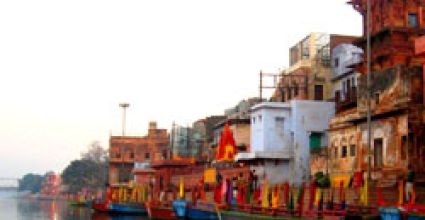
Mathura, the very popular birthplace of Lord Krishna, this city is one among the seven most scared Hindu cities. Countless pilgrims and tourists swarm this place particularly during the festival of Janmastmi which celebrates Lord Krishna's birth. Mathura is sprinkled with ancient temples which are symbols of the primeval architecture. River Yamuna is seen flowing past the 25 ghats which look spectacular at dawn. Numbers of pilgrims are seen taking dips in the holy river and just after sunset hundreds of diyas are witnessed floating otu onto the river during the time of the evening aarti. The city of Mathura was once a Buddhist centre with 20 monasteries that housed 3000 monks. After the rise of Hinduisms today one can only witness the remains of the beautiful sculptures recovered from the ruins. Numerous antiquated temples like dwarkadhish temple, radharamana temple and also some other amazing places to visit in mathura. If you are to know a lot more about this place best is to avail Mathura Tours.
Explore More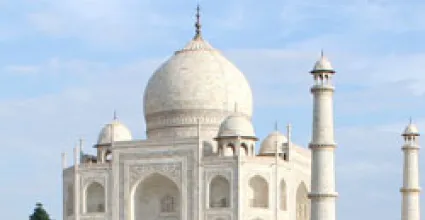
One of the most popular draws for the tourists Agra homes the Taj Mahal which is no less than a magical allure. Travellers from places far and wide crowd this spot just like the moths to a wondrous flame. Apart from the mesmerizing Taj Mahal, this city is sprinkled with magnificence and legacy of the Mughal Empire. Travel around this place and you will get to witness awe-inspiring forts, fascinating tombs and archaic mausoleums. You are missing out the fun if you haven’t caught glimpses of the bustling chowks or marketplaces. Agra sits on the banks of the river Yamuna in the northern state of Uttar Pradesh. It possesses a distinct history which is no less than a telltale. This city is crowded and chaotic and yet seems appealing to the eyes of a traveller. If you are eager to unleash the history and beauty of this popular city avail Agra Tours.
Explore More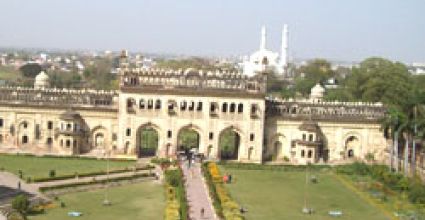
Landing in Lucknow feels like walking into a painting — heritage buildings, mouth-watering aromas, and a slow, poetic pace of life. From the moment you arrive, the city's vibe is unlike anywhere else. It doesn’t scream for attention but gently draws you in, like a story waiting to unfold. The Unique Blend of History and Hospitality What makes Lucknow stand out isn’t just the monuments or food — it’s the people. Their ‘tehzeeb’ (etiquette) is something visitors instantly notice. Conversations are respectful, interactions warm, and hospitality runs deep in the culture. A Stroll Through the Historic Landmarks Bara Imambara – This iconic monument is a must-visit. Built in the 18th century, it’s not just about the grand hall and impressive design — it’s about the Bhool Bhulaiya. The Bhool Bhulaiya Mystery- This labyrinth of winding corridors and echoing pathways is a thrilling experience. Visitors often joke that you shouldn’t enter without a guide — unless you fancy getting lost! Chota Imambara – With intricate decorations and chandeliers imported from Belgium, the Chota Imambara is breathtaking at night when it's lit up like a palace of dreams. Rumi Darwaza – Standing tall and majestic, this massive gateway is symbolic of Lucknow's grandeur. Walking through it feels like stepping back in time. British Residency – For history lovers, the Residency offers a glimpse into the British era and the Revolt of 1857. Ruins, bullet holes, and well-preserved relics tell stories of a turbulent past. Experiencing the Culture and Heritage The Soulful Dance of Kathak- One of the eight classical dances of India, Kathak is deeply rooted in Lucknow. Attending a live performance is an experience of grace, rhythm, and storytelling. Traditional Crafts and Chikankari Embroidery- Delicate hand embroidery that's both elegant and timeless. Picking up a chikankari kurta or saree is like taking a piece of Lucknow home. Flavors of Lucknow – A Gastronomic Delight Kebabs That Melt in Your Mouth -You haven’t really been to Lucknow if you haven’t tried its kebabs. Tunday Kababi – The most famous of them all, Tunday Kababi serves kebabs so soft, they dissolve the moment they touch your tongue. One bite and you’re hooked. Rich Biryani and Aromatic Curries - The biryani here isn’t just food; it’s an emotion. Cooked in dum style, it's bursting with flavor and heritage. Street Food Trails and Local Delights- From basket chaat to kulfi falooda, the streets of Lucknow are a foodie’s paradise. You’ll find stalls at every corner serving up treasures. The Old Bazaars and Shopping Experiences Hazratganj – Often called the Connaught Place of Lucknow, Hazratganj is where you shop, sip coffee, and soak in the local buzz. Aminabad – Crowded, colorful, and full of character, Aminabad is where you go for authentic Lucknowi attire, jewelry, and some great bargaining. Gardens and Green Escapes – An architectural marvel made of red sandstone and grand statues, this park is more than just a tribute — it’s a visual experience. Janeshwar Mishra Park – If you are looking to escape the city hustle, this massive park offers lakes, walking tracks, and peace in abundance. Festivals and Celebrations in Lucknow Diwali and Eid – Celebrations in Harmony What stands out in Lucknow is how people from all communities celebrate festivals together. There’s light, joy, and a lot of delicious food! Lucknow Mahotsav – A Cultural Extravaganza This 10-day festival showcases Lucknow's arts, crafts, food, and folk performances. It's like a window into the soul of the city. Local Etiquette and Warmth The Politeness and ‘Tehzeeb’ of the People- It’s not uncommon to hear “Pehle aap” (you first) — a phrase that sums up Lucknow’s gentle manners and respectful culture. Best Time to Visit Lucknow The best months are from October to March when the weather is pleasant, ideal for exploring the city without sweating buckets. Commuting Ways Auto-rickshaws, app-based cabs, and metro lines make commuting easy. If you love walking, the old city areas are perfect for slow exploration. Staying in Lucknow – From Heritage Hotels to Modern Comforts From grand hotels like Taj Mahal Lucknow to budget-friendly stays in Gomti Nagar, there’s something for every traveler. Why Lucknow Leaves a Lasting Impression It’s not just the food, monuments, or markets — it Is the feeling of being in a city that respects the old while embracing the new. Lucknow doesn’t rush you. It lets you soak in its charm, one polite conversation and delicious bite at a time. Conclusion Whether you Are a history buff, a food lover, a cultural enthusiast, or just a curious wanderer, Lucknow promises a journey full of flavors, stories, and unforgettable memories. It's not just a destination — it’s an experience wrapped in tehzeeb.
Explore More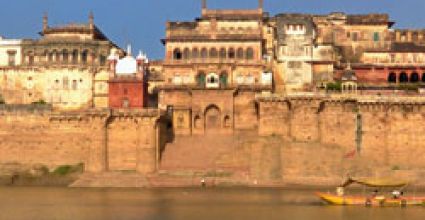
Blindingly colourful, bustling and whimsical are the few words which can describe Varanasi which serves as the most popular halts for the tourists. This distinct Indian city is situated on the shimmering banks of river Ganga which was once known as Kashi (City of Life) in history. It is one of the oldest inhibited cities which are counted one among the seven Hindu holy cities in India. The ghats of Varanasi uncover truths of life as on one side they witness the pilgrims washing away their sins in the scared waters while on the other they become the grounds of cremation. Varanasi is considered to be the most sacred place to die according to Hindu mythology. This place is said to offer moksha (liberation from the cycle of birth and death) making Varanasi a prominent place. The most intimate rituals of life and death are performed here making this place unique and magical.
Explore More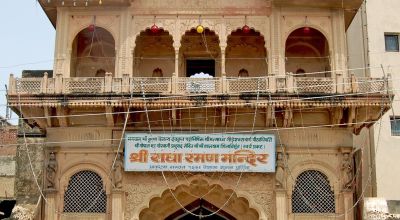
Popularly known as Lord Krishna's childhood abode, Vrindavan is a prevalent religious vacationer spot and thought to be an exceptionally sacrosanct place for the Hindus. It is a temple town that boasts numerous temples that are dedicated to Lord Krishna and Radha. Vrindavan is located on the banks of Yamuna and is surrounded by lush green woods. It experiences moderate temperatures that range 30o-40o degree during summers whereas 15o-25o degrees during winters. July and August are the months for rainfall here. Vrindavan has a rich religious heritage. It is a focal point of Krishna love and the region incorporates places like Govardhana and Gokul that are connected with Krishna. A large number of lovers of Radha Krishna visit these spots of journey each year and take an interest in various celebrations. The prime attractions here include Nidhivana, Banke Bihari temple, ISCKON temple, Prem Mandir etc., where hundreds of devotees pay a visit annually.
Explore More
Mirzapur is a populous city located in the Indian state of Uttar Pradesh. In the previous times, this region was less inhabited and was a dense forest. After the arrival of the British, this area was undertaken by them and was developed as the center for trade between central and western India. Presently, this city is often visited by tourists to know the Indian culture from its turf. Mirzapur city is elevated 260 feet above the sea level. Its jagged terrains span vast acres of land. This city shares its boundaries with Ravidas Nagar in North, Madhya Pradesh in South, Chandauli in East, and Allahabad in West. The sacred river Ganga flows through Mirzapur. The climate of this city is described as moderate in nature. It faces humid summers with the average temperatures scaling between 36°C-41°C. During the winter season, the mercury level drops down below 15°C. The city of Mirzapur is well-known for housing the Vindhyanchal Temple. This pious shrine is revered by Hindus on a large scale. The other places like various ghats set along the river Ganga and the local markets are also frequented by the people in Mirzapur.
Explore More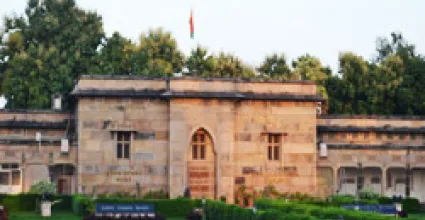
Sarnath doesn't need a formal introduction. It is a well known place in Varanasi that gloats importance for the followers of Buddhism. The tranquil environment of Sarnath has the pristine chants that can be heard throughout the day that invoke the inner peace. It is the place where Gautam Buddha preached dharma for the first time. Entrenched on the conflux of rivers Ganges and Varuna, Sarnath is a place with serene and calm ambiance that has emerald green surroundings. The vegetation is fed by the mineral rich sacred river Ganga. Due to such geographical location, the holy soil of Sarnath can be visited during any time. The temperatures neither soar up extremely high nor extremely low. Being a popular pilgrimage site, Sarnath offers a bouquet of destinations it houses. The Sanchi Stupa, Lion Pillar, Chaukhandi Mandir and a small deer park are some notable alluring destinations in Sarnath.
Explore More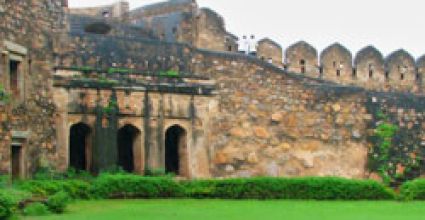
Jhansi is a settlement in the Indian state of Uttar Pradesh. In the early 18th century, this well-known place served as the capital of a Maratha province. It is famous for the Queen Lakshmibai, the lioness of Jhansi who fought bravely with the British. Today, Jhansi is a well-known conurbation and is emerging as a tourist destination in Uttar Pradesh. Jhansi is hoisted at 935 feet above the sea level and covers a gross area of 5,024 sq. km. The major portion of the land of Jhansi is a jagged plain. The climate of the settlement is classified as temperate in nature. The average mercury level during the searing summers touches 39° C whereas falls down at 10° C. The winters are usually cold in Jhansi as compared to other parts of Uttar Pradesh. Unfortunately, Jhansi doesn't receive a substantial amount of rainfall according to its requirement. Jhansi is the home to many tourist destinations. The tourists, on a large scale, visit the fort of Jhansi to know about the history of Bundelkhand. The government museum is another place of interest that is flocked by the students. The times of the Gupta dynasty are effectively explained in the museum. The other attractions include the places like ISKCON Temple, St. Anthony's Cathedral & the Herbal Garden.
Explore More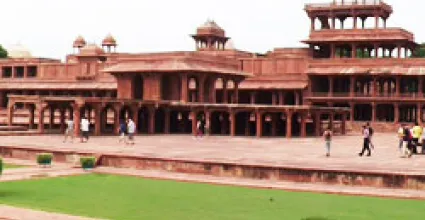
Founded by the Mughal Emperor Akbar in the 15th century, Fatehpur Sikri is a beautiful city in Agra district of Uttar Pradesh. The former fortified city was famous by the name of 'Red City' as the majority of the monuments erected were constructed out of red sandstone. Mughal Emperor was very keen to construct the grandeurs in an Indo-Persian style & till date, these splendors can be found in Fatehpur Sikri. Fatehpur Sikri isn't a big city. It cascades across 8 sq. km. and is positioned in such a way that sacred rivers Ganga & Yamuna flow through it. The climate of Fatehpur Sikri is classified as moderate. Such climate brings extreme temperatures during the seasons of winter and summer. The median temperatures during summers remain 38°C whereas falls at 11°C on an average during winters. An adequate amount of rainfall is received by Fatehpur Sikri but an excess of rainfall causes flood-like conditions as well. The settlement of Fatehpur Sikri offers a bouquet of attractions to its visitors. The whole city is full of astounding structures. The famous names include Buland Darwaza, Diwan-E-Aam, diwan-E-Khas, Salim Chisti Maqbara, Birbal's house and a lot more.
Explore More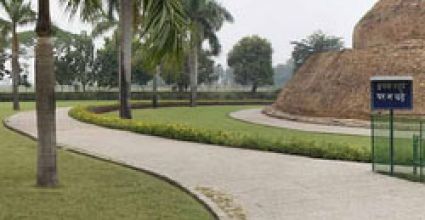
The former capital of the Kosala Empire, Kushinagar is a town located in the Indian state of Uttar Pradesh that was ruled by Kush, the son of Lord Rama. It is one among the most-inhabited towns in Uttar Pradesh. Kushinagar is also reckoned as a religious site for the followers of Buddhism. Kushinagar covers an entire area of 2,873 sq. km. It is surrounded by Maharajaganj in North, Deoria in South, Gorakhpur in West and Gopalganj in East. The major portion of the land of Kushinagar is a craggy plain. The climate of this place is classified as moderate in nature. Kushinagar experiences scorching summers as the average temperature scales between 35°C-39°C. The winter season witnesses the downfall in the mercury level as the median temperature falls below 10°C. Kushinagar houses beautiful buildings and monuments. The holy sites like Parinirvana Stupa, Wat Thai Temple, Matha Kuar Shrine and the ruined fort of Kushinagar are the places that captivate the visitors.
Explore More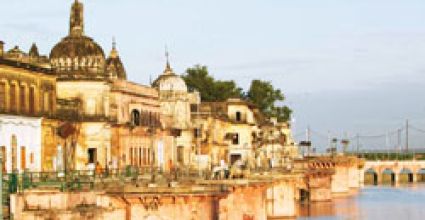
Ayodhya is a holy city located in the Indian state of Uttar Pradesh. This place is said to be the birthplace of Lord Rama, a Hindu religious figurine. The city of Ayodhya is revered as a pilgrimage site by the Hindus and every year, it is visited by thousands of devotees on the occasion of Rama Navami. The city of Ayodhya is located on the banks of River Sarayu and is elevated 305 feet above the sea level. The major portion of its land is an uneven terrain that covers a gross area of 25 sq. km. The climate of Ayodhya is described as a moderate. It encounters warm summers with the median mercury level of 37°C. During the winters, the mercury level falls down below 12°C and makes the weather colder. An ample amount of rainfall is received by the city of Ayodhya. The region of Ayodhya is dotted by different temples. A majority of these temples were constructed in the bygone times. Hanuman Cave, Kanak Bhawan, Nageshwarnath Temple, and the banks of the rivers like Ghaghra and Sarayu are some of the eminent tourist sites in Ayodhya.
Explore More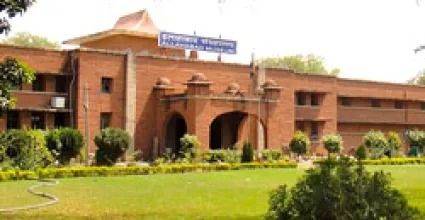
Allahabad is an alluring city located in the Indian state of Uttar Pradesh. Known as the seventh-most-populated city of Uttar Pradesh, Allahabad is also referred as the 'Judicial Capital of Uttar Pradesh'. It is known so because nation's most esteemed court "Allahabad High Court" is situated here. This city has another name of Prayag as it is the confluence of the river Ganga, Yamuna, and Saraswati. Located on the confluence of Ganga and Yamuna, the city of Allahabad is elevated 320 feet above the sea level. The rough terrains of the region spread across an area of 1,350 sq. km. It shares its borders with Pratapgarh in North, Madhya Pradesh in South, Chitrakoot in West, and Ravidas Nagar in East. Allahabad has a tropical humid climate. The average mercury level during summers shoots up to 40°C, whereas, drop down below 15°C during the winter season. The city of Allahabad is a traveler's delight. There are numerous destinations that are a must-visit place. One can visit Triveni Sangam, Jawahar Planetarium, Allahabad Fort, Khusro Bagh, and the local markets of the city.
Explore MoreBirding Tour for Corbett and Uttarakhand
9 Days/ 8 Night
Corbett - Pangot - Kumaon - Sundargarh - UP East - Sahibabad
11 Nights 12 Days - Delhi Agra Rajasthan
12 Days/ 11 Night
New Delhi - Mathura - Agra - Jaipur - Ajmer - Pushkar - Udaipur - Mount Abu - Ranakpur - Kumbhalgarh - Nathdwara
11 Nights - 12 Days Nepal Tour From Gorakhpur
12 Days/ 11 Night
Prayagraj - Gorakhpur - Varanasi - Ayodhya - Kathmandu - Pokhara - Chitwan - janakpur
Uttar Pradesh Tour Package 11 Night - 12 Days
12 Days/ 11 Night
Varanasi - Bodhgaya - Puri - Kolkata - Ayodhya
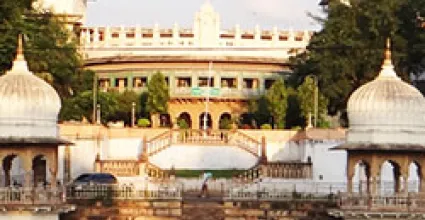
Faizabad, the former capital of Awadh, is a well-known city that is located in the Indian state of Uttar Pradesh. It was established in the 17th century by Mughal ruler Saadat Ali Khan. It used to be a fortified city under his reign that was later ruled by his son Shuja-Ud-Daula. Today, this city is well-connected via roadways, railways, and airways. The city of Faizabad is elevated 318 feet above the sea level and its major portion of land is a jagged terrain. The land of Faizabad covers an entire area of 150 sq. km. The climate of this city can be classified as tropical moderate in nature. It faces searing summers with an average temperature of 43°C and pleasant winters with an average temperature of 14°C. Faizabad houses numerous places of interest that are flocked by visitors on a large scale. The spectacular places of interest located in the city are Shuja Rose Garden, Guptar Ghat, Begum Mausoleum and the markets of Rekabganj, Subhash Bajaj Gali, and Chowk.
Explore More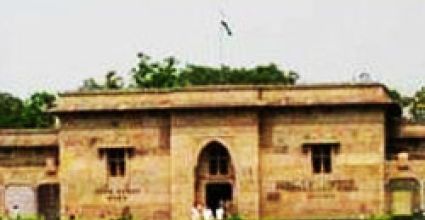
Home to the ancient Gita Press that prints the Hindu Epic Bhagwad Gita, Gorakhpur is a city that is located in Uttar Pradesh. It is another populated city and is named after a saint Gorakshaknath. It is a sacred site for the followers of the saint Gorakshaknath. This city is developing consistently. The city of Gorakhpur is elevated at a height of 276 feet above the sea level. The rough terrains of this city unfold across an area of 5,484 sq. km. These terrains are fed by the tributaries of the river Ganga. The city of Gorakhpur has a tropical climate. It faces humid summers with an average temperature of 39°C, whereas, the median mercury levels hardly rise above 16°C. An adequate amount of downpour is received by Gorakhpur. Gorakhpur houses several must-visit places. The major attractions in the city are Gorakhnath Temple, Clock Tower, Nehru Park, Deer Park, and the crowded markets from where souvenirs can be bought.
Explore More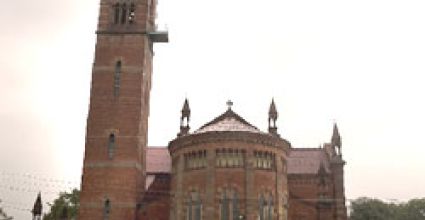
Kanpur is a town that lies in the Indian state of Uttar Pradesh. During the rule of the British, it was known by the name of Cawnpore. According to the history, this town was recognized by the name of Karnapur as it was ruled by Karna. The name was mutated to Kanpur and is now the official name of this town. The town of Kanpur is elevated at a height of 413 feet above the sea level and sprawls over an area of 400 sq. km. The tributaries of the river Ganges are the major source of water in the city. The climate of Kanpur is defined as tropical humid in nature. It faces scorching summers as the median mercury levels rise up to 45°C. The winter season, on the other hand, is a pleasant season as the median mercury levels fall down below 13°C. There are several places that are located in the town of Kanpur. The remarkable frequented destinations include the names like Allen Zoo, Fairdeal Aquarium, Vaishno Temple, Phool Bagh, and much more
Explore More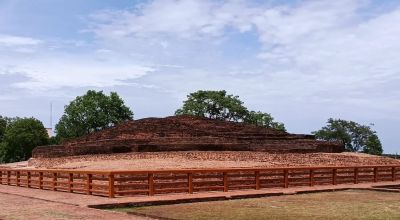
Balrampur is a city that is located in the Indian state of Uttar Pradesh. The legends acclaim that this region of the state was the place where Gautama Buddha displayed his supernatural powers when he spiritually transformed a robber into a devoted monk. This region was ruled by the Janwaar Kshatriya dynasty. They are the descendants of the mighty Pandava warrior Arjun and still reside in Balrampur. Standing on the banks of the river Rapti, Balrampur is elevated 344 feet above the sea level. It’s uneven terrains cover the gross area of 20 sq. km. The district of Balrampur is surrounded by Nepal in North, Gonda in South, Shravasti in West, and Siddharthanagar in East. This region has a tropical moderate climate. The average temperature during the summer season touches 41°C, whereas, fall down & rest at 13°C on an average during the winter season. The region of Balrampur receives an adequate downpour as well. One can explore the amazing places of interest that are located in Balrampur. Such places include the names like Devi Patan Siddha Peeth, Bijleshwari Temple, Shravasti, Urdu Museum, and the local markets of Balrampur.
Explore More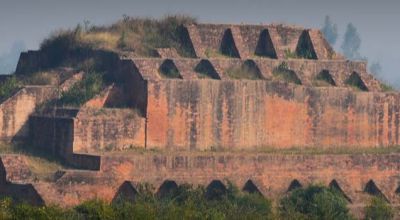
Bareilly is a city that is located in the Indian state of Uttar Pradesh. In the bygone times, Bareilly was known as the land of Panchala and is the birthplace of Draupadi, the wife of Pandava brothers. In the late 12th century, this region came under the rule of different dynasties like Mughal, Kshatriya Rajput, and lastly by the British. Today, it is one amid the populated cities of Uttar Pradesh. The city of Bareilly is elevated at a height of 880 feet above the sea level. Its land is a plain in a majority that is fed by the tributaries of Gomti River. This district shares its boundaries with Udham Singh Nagar in North, Badaun in South, Rampur in West, and Pilibhit in East. Bareilly has a tropical humid climate. During the summer season, the average temperatures touch 41°C, whereas, fall down below 15°C on an average. The region of Bareilly receives an adequate amount of rainfall as well. Bareilly is dotted with numerous attractions. The pious shrines like temples and mosques are present in abundance in its region. Countless pilgrims throng to these pilgrim destinations on the religious occasions.
Explore More
Rampur is a well-known city that is located in the Indian state of Uttar Pradesh. Initially, Rampur used to be a part of Delhi but was divided into 2 parts that are known as Badayun and Sambhal. After the Mughal Empire was established in Uttar Pradesh, Rampur gained importance as well as popularity. Today, it is a popular & a major city of U.P. The city of Rampur is elevated at a height of 945 feet above the sea level. The rugged terrains of the city unfold over an area of 83 sq. km. It is surrounded by Udham Singh Nagar in North, Bareilly in East, Moradabad in West, and Badayun in South. This region has a moderate climate. It faces scorching summers with an average temperature of 38°C, whereas, faces cool winters as the median mercury levels drop below 14°C. A substantial amount of rainfall is received by Rampur during monsoons. Rampur is dotted with amazing places of interest. The destinations like Jama Masjid, Raza Library, Rampur Planetarium, Kothi Khas Bagh, and the crowded markets of the city.
Explore More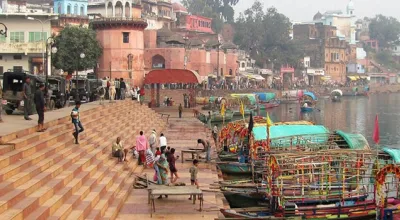
Chitrakoot is a district located in the Indian state of Uttar Pradesh. In the ancient era, this district was ruled by the Baghelas of Rewa and was a part of Baghelkhand Agency. After the independence, a new district Chhatrapati Shahuji Nagar was carved from Banda district in the year 1997. In the following year, the district was renamed as Chitrakoot. With an average elevation of 300 feet above the sea level, Chitrakoot spreads across 3,216 sq. kilometers. It has a tropical moderate climate in which the summers are searing and winters are cold. During summers, the average temperatures scale between 30°C-40°C. The temperatures fall down around 10°C during winters. Chitrakoot gets a sufficient amount of rainfall with an annual average of 2500-3000 mm. Individuals can visit the different tourist attractions in Chitrakoot. The attractions like Ramghat, Hanuman Dhara, Gupt Godavari Caves, Sphatic Shila (Ram Shila), and the local markets etc. lure visitors on a large scale.
Explore More
Sravasti or Shravasti is an ancient city in Uttar Pradesh. This city has a special significance because it is one of the 6 largest cities in India during Buddha's lifetime. The history says that Sravasti was an important city during the period of Ramayana and Mahabharata. Presently, this ancient city is a sacred site for Hindus as well as Buddhists. Resting on the banks of the river Rapti, Sravasti is elevated at a height of 213 feet above the sea level. The terrains of the city are semi-fertile. Sravasti has a subtropical humid climate. The scorching summers make the mercury levels rise up to 42°C, whereas, the cold winters make the temperature levels drop at 8°C-10°C. The city receives plenty of rainfall during monsoons with an annual average of 2500-2800 mm. Sravasti offers a large number of tourist attractions. Saheth Group of Temples, Shobhnath temple, Ananthapindika Stupa, Jetavana Monastery etc. are some well-known places. One can also visit the other nearby places like the Bakhira Bird Sanctuary, National Chambal Sanctuary, Hastinapur Sanctuary etc.
Explore MoreUttar Pradesh is a prominent tour in the north of India. Before 1950 its name was United Provinces. Uttar Pradesh. The beautiful mountainous region of Uttarakhand was carved out of Uttar Pradesh only in the recent year 2000. So now it shares its boundaries with Rajasthan, Delhi, Haryana, Uttarakhand, Bihar, Madhya Pradesh and Jharkhand. Uttar Pradesh also has an international border towards its north with Nepal.
Uttar Pradesh Tours mesmerizes and rejuvenates the spirits of its visitors. The varied flora and fauna, cultural diversity and innumerable ancient monuments are few factors that can make your Uttar Pradesh Tour an exceptional travel experience. The Awadhi, Mughlai and Kumauni Cuisines of Uttar Pradesh are very popular.
Apart from major Hindu population Uttar Pradesh is also home to Muslims who are the largest religious minority of India. The impact of Islamic religion on cultural and social aspects of Uttar Pradesh can be clearly seen. The diverse yet united cultural heritage of Uttar Pradesh makes it an incomparable travel destination.
There is a wide variety of Activities in Uttar Pradesh to indulge in, to unwind your body and soul. Boating and sightseeing are two most prominent of them. You can also enjoy wildlife safaris in the various wildlife sanctuaries of Uttar Pradesh. Following is a Uttar Pradesh Travel Guide, in order to make your travel experience convenient and complete.
Indian Rupee
UTC+05:30
93,933 square miles
Lucknow
Hindi and Urdu
Octobers to March
+91522
44.4 million
Maximum Temperature during May-June is 48°C, Minimum Temperature during January is 23°C, Rainfall - 26-54 mm
Geographical Location : Uttar Pradesh is bounded on the north by Nepal and Tibet and, in India, by Himachal Pradesh on the northwest, Haryana state and the union territory of Delhi on the west, Rajasthan state on the southwest, Madhya Pradesh state on the south, and Bihar on the east.
Crafts of Uttar Pardesh : The land of supreme art and superior artisans, Uttar Pradesh, has to its name some of the most renowned art-tradition centers of India. Patronized by the great Moghul emperors- Akbar, Shah Jahan, Farrukhsiyar and Dara Sikoh- art forms still continue to be pedestalised in the state. They promoted various art traditions at the time of their reign which were carried forward to the next generation by the Nawabs of Awadh. This is why every town, small or big, is known for one or the other craft here and the same tradition is found in Benaras as well as Agra. The Zari works, done on different items such as drapes, textiles and artifacts, have brought fame to Varanasi or Benaras. The Zari done on sarees stand prominent among all others thereby making them one among the most frequently shopped items. Chikankari, embroidery on Muslin, is yet another masterpiece of the artists of Uttar Pradesh. It took its shape in the courts of the Nawabs and so Lucknow continues to be the centre of this. On the other hand, Agra is famous for another complex variety of embroidery known as Zardozi which is 3-dimensional in pattern. Distinct brassware with massive decorative patterns is to be found in Moradabad which is famous for its brasswares so much so that it’s called ‘the City of Brass’. The city is famous world-wide for its busts and miniatures. The marble artifacts of Agra too do not lag behind in its fame and are a major export item. The miniature replicas of the Taj Mahal and the inlay works done here are demanded in countries across boundaries. Firozabad, for the manufacture of bangles, has become synonymous to the same but is also known for its glassware such as chandeliers and cutleries. Bhadohi, near Benaras, has under its name some of the finest silk carpets all over South Asia. The Persian patterns on them are an addition to its glory and are a major export item. The Hand Printed items found in Farrukhabad are famous too. The twin patterns of ‘Polka Dots’ and ‘Tree Wisdom’,upon which these printings are done, are a craze among the Europeans.
Farrukhabad Hand Printing : Hand Printing forms the core of Indian ancient craft. Most of its major centers are to be found in Uttar Pradesh encompassing the places like Benaras, Lucknow, Farrukhabad and Pilakhua. Farrukhabad, often regarded a synonym to Hand Printing, serves as an authentic showroom for the traditional patterns in the same. An extravagant array of designs and patterns of these hand printing forms, from the “Polka Dots” (Butis) to the “Tree of Life”, is what Uttar Pradesh has in its lap all intact in their harmony and distinctive influence. The dim backgrounds on which the Butis, smeared in solid colours, are worked make them all the more enticing. Mango, widely known as the ‘Paisley’ in the West, is made in variety of forms and shapes and is used in medium, bold and even designs. With the fast-paced growth of machine based printing, this ancient type has fallen into acute financial crunch. Owing to illiteracy, the artisans don’t find themselves capable enough to compete with the bigger figures in the market.
Carpet Weaving : Be it quality or price wise, Indian carpets are worth paying the money. The need for good quality hand-knitted carpets led to the establishment of carpet-weaving centers in Lahore and Agra by Akbar, the Mughal emperor. These carpets continue to flock in the markets of Agra being a major tourist destination. The main centers for carpet-weaving were set up in the 17th century by a Persian master weaver in Mirzapur, Bhadoi and Varanasi. The Handmade carpets, prayer mats and rugs have seeped into Arabian and American mansions now. Agra, being one of the oldest carpet hubs of the Mughal period, specializes in the making of the traditional as well as innovative designs. The weavers follow the “calling out” system in which the master weaver keeps telling the other ones which colours are to be used in each knot while he himself follows the design. The Indo-Ispahan and the Indo-Kashan, the former with the long leaf and the latter with a smaller leaf and a flower, are the two varieties of Oriental carpets.
Chikankari : Chikankari, is a type of fine embroidery, which can be seen on the shadow-work sarees, veils and kurtas, in vogue during the summers. It was found long time back and still cannot be considered to be out of fashion. The prices largely depend upon the quality of the material and the finesse of the work. Women are found clad in their light chikan sarees and men in their elegant chikan kurtas during summers. Household and table linen in pale and white pastel muslin, voile and organdy are also one of the best buys here. The Nawab were the trend setters of those times. As a very famous legend goes, a courtesan in the harem of the Nawab of Awadh was a master of this art work and the Nawab, impressed by her work, started a workshop where such embroidery could be developed further. The Zamindars and other nobles, humbler to them, used to imitate them in every way. Thus the reign of the Nawabs proved to be an impressive booster for Chikankari. Not only the Nawabi culture came to be identified with the refined embroidery on muslin, called Chikankari, but it also gradually seeped into the masses and became a part of their lives. The Mughals being the source of Chikankari design motifs, the same can be found in the Mughal monuments like the Taj Mahal and Fatehpur Sikri. The stitches used in the embroidery vary as the material of the cloth and the designs differ. The most frequent stitch among them is the Satin stitch, a very delicate and minute one.