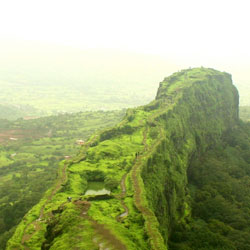
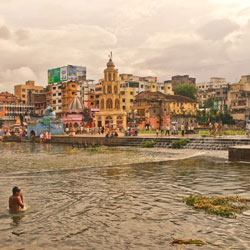
When you think of Maharashtra, places like Mumbai, Pune, Lonavala, and Mahabaleshwar come to mind. However, there’s a quiet, offbeat destination in the Vidarbha region of Maharashtra that remains relatively unknown to many travelers: Yavatmal. Nestled amidst cotton fields, dense wildlife sanctuaries, and untouched history, Yavatmal is a place that offers travelers the chance to experience authentic Maharashtra, far from the usual tourist crowds.
Yavatmal is a gem for those who seek natural beauty, cultural richness, and a glimpse of life in rural Maharashtra. In this guide, we’ll explore why Yavatmal should be on your travel radar, including the top places to visit, unique local experiences, and practical travel tips for an unforgettable journey.
Yavatmal, located in the Vidarbha region, is one of Maharashtra's best-kept secrets. While famous destinations like Lonavala and Mahabaleshwar have their charm, Yavatmal offers an authentic, untouched version of Maharashtra. It’s a place where you can enjoy lush landscapes, historical forts, thriving wildlife, and cultural experiences that are often lost in the hustle and bustle of more commercialized spots.
With sprawling cotton fields (making it known as the "Cotton City"), dense forests, and serene wildlife sanctuaries, Yavatmal offers a chance to explore the region’s rich natural beauty. The area is relatively unexplored, which is part of its charm—it provides an authentic, off-the-beaten-path experience, where travelers can enjoy uninterrupted time with nature and local traditions.
Yavatmal is located in the Vidarbha region of eastern Maharashtra, approximately:
It is primarily an agricultural hub, with a landscape that mixes forests, rivers, and fertile land. Known for its vast cotton farms, the district is bordered by the Wardha and Penganga rivers and is surrounded by lush hills and thick jungle corridors, offering an ideal setting for nature lovers and adventure seekers.
Despite being a major agricultural area, Yavatmal Maharashtra has remained off the typical tourist circuit. However, it’s gradually gaining attention as travelers seek hidden gems in Maharashtra that offer a genuine, unfiltered experience.
Yavatmal offers a surprising variety of attractions, from serene lakes to historical forts and wildlife sanctuaries. Here are some of the must-visit places in the district:
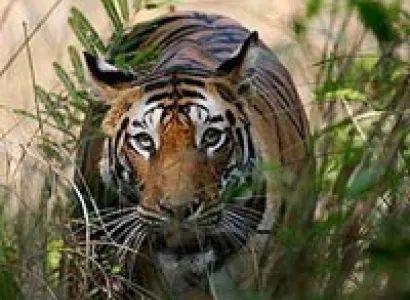
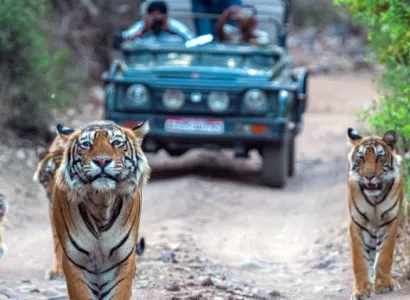
This stunning reserve, located along the Penganga River, is a paradise for wildlife enthusiasts. The sanctuary is home to tigers, leopards, sloth bears, and over 200 species of birds. It’s an ideal spot for nature walks, safaris, and birdwatching.
This historic fort is surrounded by thick forests and rugged terrain, offering trekkers an exciting adventure. Since it remains relatively unexplored, it’s the perfect offbeat trail for those seeking solitude and a taste of history.
A charming town known for its scenic lakes, Pandharkawda offers a peaceful retreat. Its proximity to the wildlife corridor makes it an excellent spot for nature lovers.
These small towns near Yavatmal are home to dense forests, tribal culture, and beautiful birdwatching trails. The rural charm of these places remains largely untouched, making them ideal for those looking to experience local life.
The city itself has its share of cultural landmarks, including temples and local markets that give insight into the cotton trade culture that dominates Vidarbha.
For those seeking tranquility, the Penganga River offers a serene experience. Its banks are perfect for leisurely walks, photography, or simply enjoying the peaceful atmosphere.
While the attractions are noteworthy, Yavatmal’s real charm lies in the unique experiences that give you a deeper understanding of local life and culture:
Yavatmal is known as the cotton heartland of India. Visiting the region between October and December allows you to witness vast fields of white cotton bolls stretching as far as the eye can see—a mesmerizing sight that you won’t find in more urbanized areas of Maharashtra.
The Painganga Wildlife Sanctuary is a birdwatcher’s paradise. Over 200 species of birds have been recorded in the sanctuary, including painted storks, crested serpent eagles, and more. Whether you’re a seasoned birdwatcher or a casual traveler, the sanctuary offers incredible opportunities for wildlife sightings.
Yavatmal is home to several tribal communities that live in the surrounding forests. By visiting these villages, you can interact with the locals and experience traditional farming techniques, folk music, and craft traditions that have been passed down through generations.
Yavatmal’s weekly markets offer a glimpse into the everyday life of the locals. From fresh produce to handcrafted items and unique street food, these markets provide a colorful, immersive experience. Don’t forget to try some Saoji chicken curry and Patodi—local Vidarbhi delicacies that are rich in flavor.
Getting to Yavatmal is fairly straightforward, with multiple travel options available from major cities like Mumbai, Pune, and Nagpur. Here's a quick guide:
Mode of Transport: By Road (NH 361)
Distance: ~150 km
Approximate Travel Time: 3 – 3.5 hours
Mode of Transport: By Road / Train via Nagpur
Distance: ~650 km
Approximate Travel Time: 10 – 12 hours
Mode of Transport: By Road via Latur
Distance: ~500 km
Approximate Travel Time: 8 – 9 hours
Mode of Transport: Fly + Drive
Distance: ~155 km from the airport
Travel Details: Fly to Nagpur, then a 3-hour drive to Yavatmal
The best time to visit Yavatmal depends on what you want to experience. Here's a breakdown of the seasons:
October to February (Winter): This is the best time to visit Yavatmal. The weather is cool and pleasant, perfect for exploring the wildlife sanctuaries and cotton fields. This is also the time when the cotton harvest season makes the fields particularly photogenic.
March to May (Summer): The weather can get quite hot, with temperatures reaching up to 40°C. If you’re okay with the heat, you’ll still be able to spot wildlife near waterholes.
June to September (Monsoon): The monsoon season brings heavy rains to the region. While the landscape becomes lush and green, some roads and wildlife sanctuaries may be closed due to flooding.
Pack Light Cotton Clothes: Even in winter, afternoons can get warm, so carry light clothing and sunscreen.
Learn a Few Marathi Phrases: While Hindi is understood, knowing basic Marathi can help you connect better with locals.
Book Safari in Advance: If you plan to visit Painganga Wildlife Sanctuary, booking a safari in advance is recommended, especially during the peak season (November to January).
Stay Prepared for Rural Roads: Roads to certain attractions may be narrow and rugged, so a sturdy vehicle is ideal.
Carry Cash: ATM availability can be limited in rural areas, so carry cash for small purchases.
Respect Local Customs: Yavatmal is home to tribal communities, so it’s important to approach interactions with respect and humility.
Be Eco-Conscious: The natural areas of Yavatmal are largely clean. Avoid using plastic and help keep the environment pristine.
Yavatmal is one of those rare destinations that still rewards the curious traveler with unfiltered beauty, history, and culture. Its authenticity, wildlife, and natural beauty make it an ideal choice for those seeking a break from the typical tourist trail. If you're looking to explore the true essence of rural Maharashtra, Yavatmal should definitely be on your travel list.
Ready to explore this hidden gem? Plan your trip with ease and find curated travel packages on TourTravelWorld, your trusted platform for discovering Maharashtra’s offbeat destinations.