- By Theme
-
Destinations
-
Indian Destinations
-
International Destinations
-
- Best Places to Visit
- Packages
- Search Agents
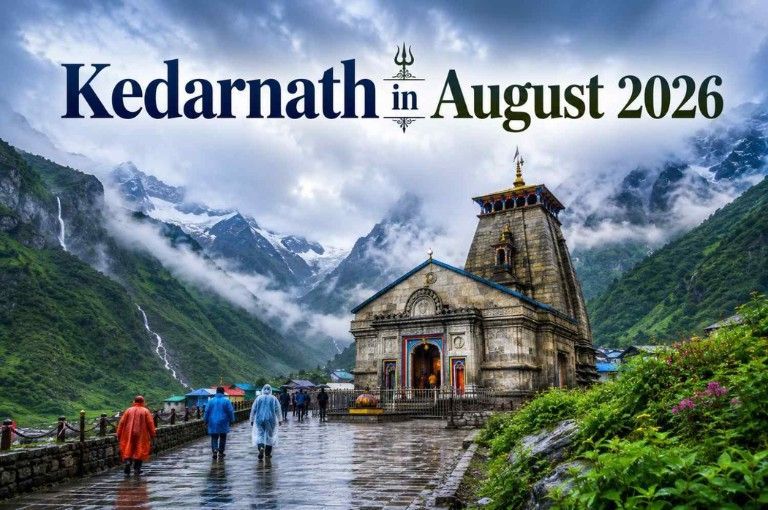
Every year, thousands of pilgrims type the same question into Google: "Kedarnath best month to visit" — and just as many end up confused because every website gives a different answer. Some say May. Some say September. Almost nobody talks honestly about Kedarnath in August, the one month that scares off half the internet's travel bloggers because of a single word: monsoon.
So let's settle this properly. Is August actually a bad time for Kedarnath, or is it just misunderstood? By the end of this guide, you will know exactly what August looks like on the ground, how it compares to the so-called "best month for Kedarnath," and whether you should book your trip — or wait.
If you want the short version: August is the rainiest and riskiest month of the entire Kedarnath Yatra season, but it's also the quietest, greenest, and most peaceful time to have a near-private darshan of Lord Shiva. It's not for everyone — but for the right traveler, it can be the most spiritually rewarding trip of their life.
Kedarnath Temple is one of the twelve Jyotirlingas of Lord Shiva and one of the four sacred shrines of the Char Dham Yatra in Uttarakhand, alongside Badrinath, Gangotri, and Yamunotri. Nestled against a dramatic backdrop of snow-capped peaks at the head of the Mandakini valley, the temple has drawn pilgrims for over a thousand years. Every year, the shrine opens around Akshaya Tritiya (April) and closes around Bhai Dooj (October–November), remaining accessible for roughly six to seven months before winter snow makes the route impassable. That short annual window is exactly why timing your visit — and understanding what each month looks and feels like — matters so much.
Kedarnath sits at roughly 3,583 meters in the Garhwal Himalayas, and August falls squarely in the southwest monsoon window. Here's what to realistically expect:
Daytime temperatures: Around 10°C to 15°C
Nighttime temperatures: Can drop to 5°C to 8°C
Rainfall: Frequent, sometimes heavy, especially in the afternoon
Cloud cover: Thick fog and low visibility are common
Trail conditions: Slippery, muddy patches along the Gaurikund-to-Kedarnath trek
Unlike the dry, sunny stretch of May-June, August mornings often start clear before clouds roll in by midday. This is exactly why guides advise starting the 16–18 km trek from Gaurikund as early as possible — ideally before 6 AM — to avoid getting caught in afternoon showers on narrow mountain paths.
Here is the honest answer: August is not traditionally ranked as the best month for Kedarnath, and most travel experts won't recommend it as the top pick. But it earns a place on the list for a very specific type of traveler — here's who should actually consider it:
Travelers who want fewer crowds and shorter queues at the temple
Photographers chasing misty, cinematic Himalayan landscapes
Devotees who prefer a quieter, more meditative darshan without the May–June rush
Budget travelers, since hotel and helicopter rates often dip during monsoon season
If your priority is comfort and predictable weather, August is not your month. If your priority is solitude and a raw, authentic Himalayan experience, it might be exactly what you're looking for.
Since so many people search for the single best month for Kedarnath, let's compare August against the rest of the season so you can see exactly where it fits.
The temple traditionally reopens around Akshaya Tritiya (late April), and this period draws the biggest crowds of the year. Snow is still visible around the shrine, temperatures hover between 2°C and 12°C, and the atmosphere is charged with the energy of the opening ceremony. It's beautiful, but expect long queues and fully booked accommodations.
Early June is pleasant and one of the more popular kedarnath visiting months, but by mid-to-late June the monsoon begins creeping in from the south, especially in the second half of the month.
This is the quietest stretch of the entire yatra season. Rainfall is heaviest, landslide risk on approach roads increases, and many first-time pilgrims are advised to reconsider. But for those prepared with the right gear and flexible timing, it offers a starkly different, greener version of Kedarnath that few tourists ever see.
This is widely considered by many travel experts to be the best month for Kedarnath overall. The rains clear out, skies turn crisp and blue, temperatures are comfortable, and the Himalayan views are at their sharpest. If you're flexible on dates, this window consistently ranks as a top answer to "best month for Kedarnath kedarnath best month to visit" searches — and for good reason.
The temple closes around Bhai Dooj (two days after Diwali), so early November offers a last, quiet window before winter shuts everything down. It's cold, but the crowds have thinned dramatically.
Bottom line: If someone asks for a single best answer, September usually wins. But August has its own personality — one worth understanding before you write it off.
Dramatically Lower Crowds — No fighting for space at the temple gates or in the queue for darshan.
Lush, Green Landscapes — The monsoon transforms the Himalayan slopes into vivid green terrain, completely different from the dry summer look.
Better Hotel and Package Rates — Off-season pricing on stays near Sonprayag, Guptkashi, and Gaurikund.
A More Personal Spiritual Experience — Shorter lines mean more time inside the temple itself, without being rushed.
Waterfalls and Rivers at Their Fullest — The Mandakini river and surrounding streams are at their most dramatic.
Landslide and Road Blockage Risk — The approach roads through the hills can be affected by heavy rain.
Slippery Trekking Trail — The Gaurikund–Kedarnath trek becomes muddy and requires extra caution, especially on rocky sections.
Helicopter Cancellations — Poor visibility frequently grounds helicopter services, so don't rely on them as your only plan.
Leeches and Humidity — Lower stretches of the trail can have leeches during monsoon; carry salt or anti-leech socks.
Limited Visibility — Fog can block the very mountain views many travelers come for.
If you decide to go ahead with an August trip, packing right makes all the difference:
Waterproof trekking shoes with good grip
A quick-dry poncho or rain jacket (umbrellas are impractical on the trail)
Waterproof backpack cover or dry bags for electronics
Warm layers for the evening chill (thermal wear, fleece jacket)
Anti-leech socks or salt sachets
A basic first-aid kit with rehydration salts and blister care
Trekking poles for extra stability on wet, uneven ground
Power bank, since charging points are limited along the route
Start early: Begin the trek from Gaurikund before sunrise to beat the afternoon rain.
Check landslide advisories: Local authorities and Uttarakhand Tourism updates often carry real-time road status.
Register in advance: Char Dham Yatra registration is mandatory and can be completed at registrationandtouristcare.uk.gov.in.
Avoid solo night travel on the mountain roads leading to Sonprayag and Gaurikund.
Keep a buffer day in your itinerary in case of weather delays.
Consider pony or palki (palanquin) services if the trail conditions are too slippery for a comfortable walk.
Stay updated with local guides at checkpoints — they know real-time trail conditions better than any app.
Most pilgrims begin their journey from Haridwar or Rishikesh, traveling by road through Rudraprayag and Guptkashi to reach Sonprayag, the last major town before the trek begins. From Sonprayag, shared jeeps or shuttle services cover the short distance to Gaurikund, the actual starting point of the 16–18 km trek to Kedarnath.
Nearest railway station: Rishikesh (about 210–216 km from Sonprayag)
Nearest airport: Jolly Grant Airport, Dehradun
Road journey: Roughly 8–10 hours from Rishikesh to Sonprayag, depending on traffic and road conditions
Trek: 16–18 km from Gaurikund to Kedarnath, typically 6–8 hours on foot
Alternative: Helicopter services from Phata, Sersi, and Guptkashi helipads, weather permitting
In August, road conditions between Rudraprayag and Sonprayag deserve extra attention because of intermittent landslides, so building a buffer day into your schedule is a smart move regardless of how you're traveling.
Day 1: Haridwar/Rishikesh to Guptkashi or Sonprayag Start early, travel by road through Rudraprayag, and rest overnight near Sonprayag to acclimatize before the trek.
Day 2: Sonprayag to Kedarnath Take a short shuttle to Gaurikund, then begin the trek by 5:30–6 AM to avoid afternoon rain. Check into a guesthouse or GMVN accommodation near the temple complex.
Day 3: Darshan and Return Trek Attend the morning aarti and darshan, then begin the descent back to Gaurikund in daylight hours, again starting early to dodge midday showers.
Day 4: Return Journey Travel back to Sonprayag, Guptkashi, or directly toward Rishikesh/Haridwar, depending on your onward plans.
This itinerary can be compressed to 2–3 days if you opt for helicopter services, though it's wise to keep a spare day in hand in August given the higher chance of weather-related delays.
Costs vary by comfort level, but here's a rough monsoon-season estimate per person for a standard trip from Haridwar:
Budget trip (shared transport, guesthouse stays): 8,000–12,000
Mid-range trip (private cab, comfortable hotels): 15,000–22,000
Helicopter-inclusive trip: 25,000–40,000+ depending on package and route
Off-season monsoon pricing on hotels and local transport often runs 10–20% lower than the peak May–June and September–October windows, which is one of the underrated upsides of traveling in August.
If your trip includes more than just Kedarnath, keep in mind that Badrinath, Gangotri, and Yamunotri face similar monsoon patterns during August. Many pilgrims choose to combine destinations, in which case opting for a well-planned Uttarakhand tour package can simplify logistics — from transport and accommodation to permits — especially when road conditions are unpredictable and last-minute changes are common during monsoon season.
August might not offer the clearest skies, but it rewards patient photographers in unexpected ways. Fog rolling over the temple courtyard, raindrops on prayer flags, and impossibly green hillsides make for images you simply won't get in the dry summer months.
Shoot early morning: The first hour after sunrise often has the clearest, most dramatic light before clouds thicken.
Protect your gear: Carry a waterproof camera cover or a simple ziplock bag setup for quick protection during sudden showers.
Look for contrast shots: Grey monsoon skies against green slopes and the white temple structure create striking compositions.
Capture the river: The Mandakini is at its fullest and most dramatic during monsoon — a completely different mood from its calmer summer flow.
Be patient with fog: Rather than fighting it, use fog as a compositional element for moody, atmospheric shots of the temple and surrounding peaks.
Ask anyone who runs a guesthouse near Gaurikund or Sonprayag, and they will tell you the same thing: August is when the mountains "breathe." Fewer tourists means shopkeepers have time to chat, guides aren't rushed between groups, and the temple priests often note that darshan feels calmer and less hurried. Several long-time pony and palki operators along the route also mention that while business slows down in the rains, the pilgrims who do come tend to be more prepared, more respectful of local advice, and more likely to return for a second or third yatra in later years — often citing the August trip as their most memorable.
That said, nearly every local guide will repeat one consistent piece of advice: never underestimate how quickly weather can change at this altitude, even if the morning looks perfectly clear.
Safety in August comes down almost entirely to preparation and timing, not the month itself. The route has seen historical monsoon-related disruptions, which is precisely why the state government and Char Dham authorities maintain active weather advisories, checkpoint monitoring, and registration caps during this period. Pilgrims who check real-time advisories, avoid trekking during heavy rainfall, start early each day, and travel with experienced local guides or registered tour operators generally report a smooth and safe experience. The people who run into trouble are almost always those who ignore local warnings, trek during active downpours, or travel without proper footwear and rain protection.
Even well-prepared pilgrims sometimes trip up on a few avoidable errors during the monsoon season:
Relying solely on helicopter bookings without a backup trekking plan, then getting stranded when flights are grounded due to fog.
Starting the trek too late in the day, walking straight into the heaviest afternoon rain instead of finishing before it arrives.
Packing an umbrella instead of a poncho — umbrellas are nearly unusable on narrow, windy mountain paths.
Skipping registration thinking it's optional in the off-season — it isn't, and checkpoints will turn you back without it.
Ignoring local weather advisories from guides and checkpoint staff, who often know about road or trail issues well before they show up on apps.
Not budgeting an extra buffer day, which leaves no room to adjust if rain delays the trek or the return journey.
Avoiding these six mistakes alone resolves most of the problems pilgrims report from monsoon-season Kedarnath trips.
August won't give you postcard-perfect blue skies, but it will give you something increasingly rare in modern pilgrimage travel: space, silence, and a slower pace. If you are comfortable navigating a bit of rain and mud in exchange for a quieter, greener, more personal darshan, it's absolutely worth considering. If predictable weather and clear mountain views matter more to you, aim for September or October instead.
Whichever month you choose, the key to a smooth Kedarnath Yatra trip is planning ahead — checking real-time weather and road advisories, registering early, and packing smart for whatever the Himalayas throw at you.
If you'd rather leave the planning, permits, and logistics to someone else, TourTravelWorld specializes in curating Kedarnath and Char Dham itineraries tailored to every season, including monsoon-ready trips for August travelers who want the quieter side of the yatra without the guesswork. From accommodation and local transport to real-time trail guidance, their team handles the details so you can focus on the darshan itself.
Ans: It's workable but not ideal. Expect rain, muddy trails, and occasional helicopter delays — balanced by fewer crowds and greener scenery.
Ans: Most experts point to September–October as the best month for Kedarnath, thanks to clear skies and comfortable temperatures right after the monsoon.
Ans: They operate when weather permits, but cancellations are more frequent than in May, June, September, or October due to fog and rain.
Ans: It's more challenging due to slippery terrain, but manageable with proper footwear, an early start, and caution — not "dangerous" if you are well prepared.
Ans: Yes. Registration o is mandatory year-round during the open season and can be completed online through the official Uttarakhand government portal.
Ans: If it's your first trip and you want predictable weather, May–June or September–October are generally recommended over the monsoon months of July–August.
Ans: Generally, yes. Hotels, guesthouses, and local transport near Sonprayag and Guptkashi often lower their rates during the monsoon lull, making August one of the more budget-friendly Kedarnath visiting months.
Ans: It's more physically demanding due to the slippery trail, so senior citizens are generally advised to use pony, palki, or helicopter services rather than attempting the trek on foot during monsoon.