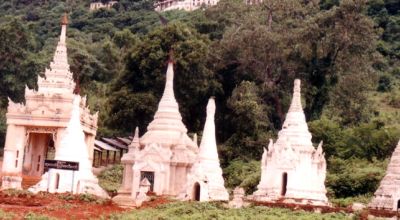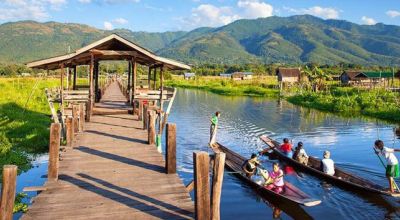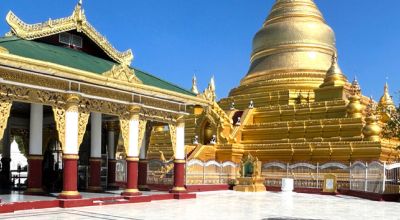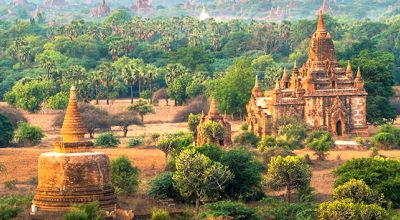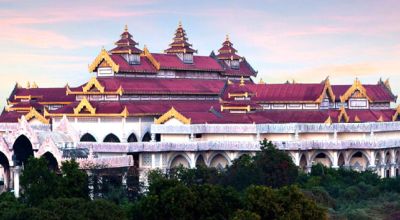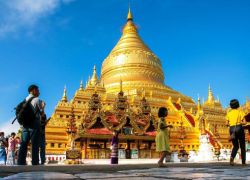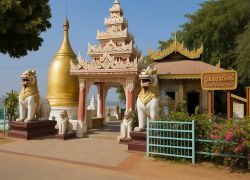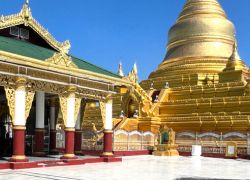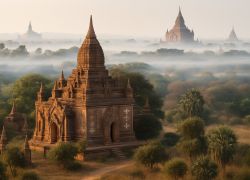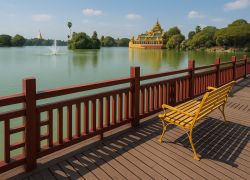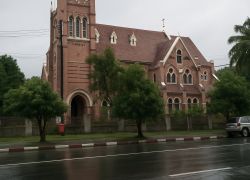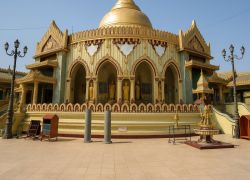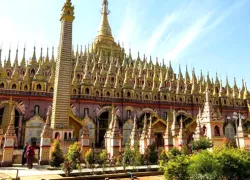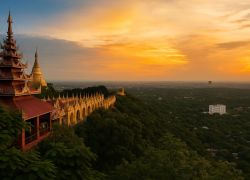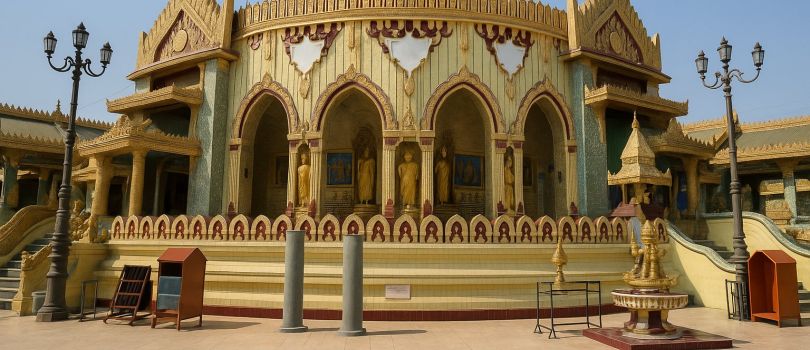
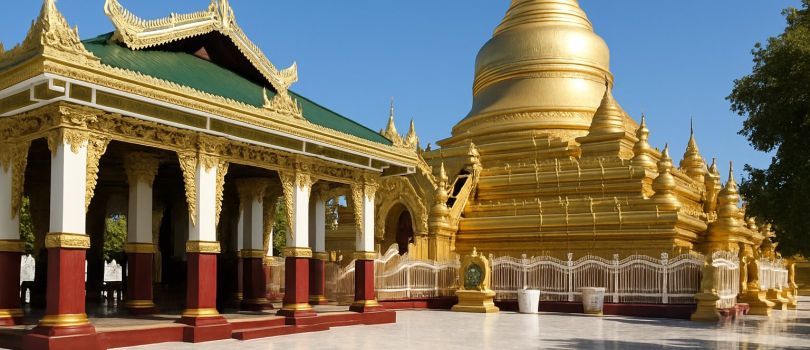
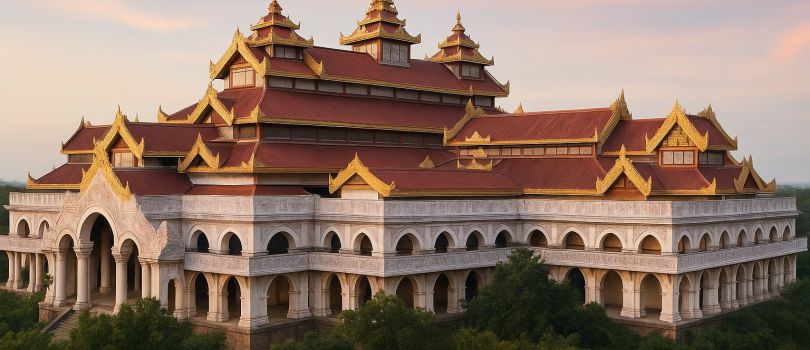
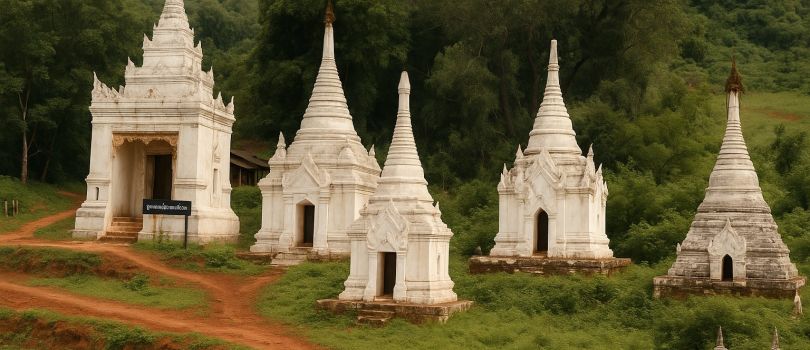
Bagan, located in central Myanmar, is an ancient city renowned for its stunning collection of temples, pagodas, and stupas, many of which date back to the 9th century. Once the capital of the Pagan Kingdom (849–1287 AD), Bagan is often referred to as the "City of a Thousand Pagodas," though there are actually over 2,000 structures spread across the vast plains. The city’s archaeological site, which spans over 40 square kilometers, is a UNESCO World Heritage site due to its historical and cultural significance. Bagan is a remarkable testament to the grandeur of Myanmar's early civilization, blending Buddhist architectural styles with local and Indian influences. Key temples like Ananda Temple, Shwezigon Pagoda, and Thatbyinnyu Temple stand as architectural masterpieces, showcasing intricate carvings, golden stupas, and grand spires. Visitors can explore the site by foot, bicycle, or hot air balloon, offering breathtaking panoramic views of the plains dotted with ancient monuments. In addition to its historical appeal, Bagan is a center for Burmese culture, with nearby villages offering insight into traditional crafts like lacquerware and textiles. The city also holds spiritual significance for pilgrims, who visit to honor Buddhist teachings. Despite modern development, Bagan retains its ancient charm, drawing travelers from around the world for its awe-inspiring beauty and cultural heritage.
Explore More
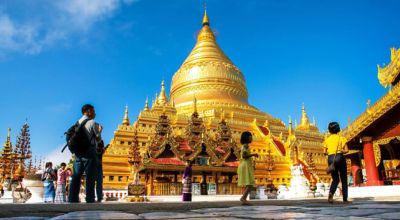
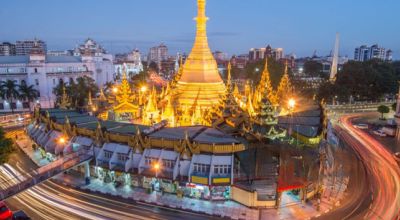
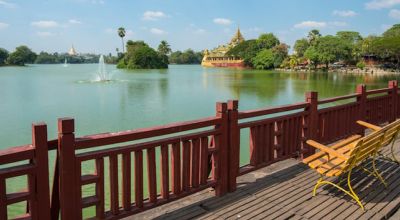
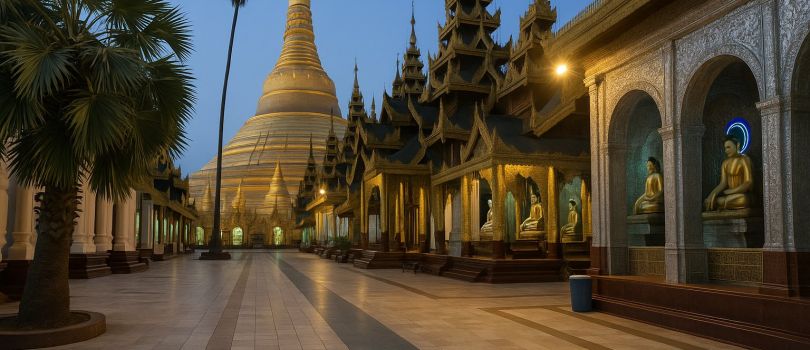
Yangon, Myanmar's largest city and former capital, is a vibrant cultural and economic hub that blends colonial-era architecture with traditional Burmese influences. Located in the southern part of the country, Yangon is a bustling metropolis where the past and present coexist. The city's skyline is dominated by the golden Shwedagon Pagoda, one of the most revered Buddhist sites in the world, drawing both pilgrims and tourists alike. The pagoda’s gleaming stupa, believed to house relics of the Buddha, is a symbol of Myanmar’s deep spiritual roots. Beyond the pagoda, Yangon is known for its mix of British colonial buildings, local markets, and modern developments. The downtown area, with its wide boulevards and historic structures, is a testament to the city’s colonial legacy. Visitors can stroll through bustling markets like Bogyoke Aung San Market, explore vibrant street food scenes, or take in the serenity of nearby parks and lakes. Yangon’s diverse population, including Bamar, Chinese, Indian, and other ethnic groups, contributes to a rich cultural tapestry that is reflected in its cuisine, festivals, and everyday life. Though it has undergone significant development in recent years, Yangon maintains a relaxed charm and serves as a gateway to Myanmar’s broader cultural and natural wonders.
Explore More
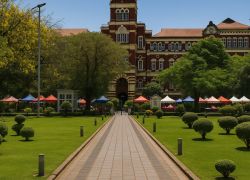
Mandalay, Myanmar’s second-largest city, is a cultural and historical treasure located in the heart of the country. Once the royal capital of the last Burmese kingdom, Mandalay remains a vibrant center for Burmese culture, art, and religion. The city sits on the banks of the Irrawaddy River and is surrounded by scenic hills, making it an ideal base for exploring both historical and natural sites. Mandalay is famous for its historical landmarks, including the Mandalay Palace, the last royal residence of the Burmese monarchy, and the nearby Mahamuni Pagoda, home to a revered Buddha image. The city is also a hub for traditional crafts, such as gold leaf making, wood carving, and silk weaving, with artisans still practicing these ancient techniques in workshops around the city. The surrounding area is dotted with other important sites, like the ancient city of Amarapura, with its iconic U Bein Bridge, the longest teak bridge in the world, and the nearby hilltop temple of Mandalay Hill, offering panoramic views of the city and surrounding countryside. Though Mandalay is modernizing rapidly, it still retains a distinctly traditional atmosphere, offering a fascinating glimpse into Myanmar's rich cultural heritage, making it a must-visit destination for travelers interested in history, religion, and local crafts.
Explore More
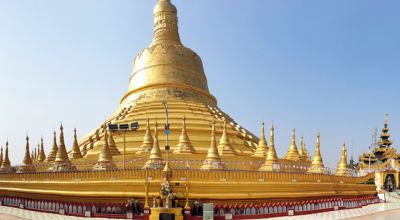
Bago, a historical city located about 80 kilometers northeast of Yangon, is a treasure trove of cultural and religious landmarks. Formerly known as Pegu, Bago was once the capital of several Burmese kingdoms, and its rich history is still visible in its temples, pagodas, and ancient ruins. As a significant pilgrimage site, Bago offers visitors a chance to explore the spiritual heart of Myanmar. Among the city's most famous attractions is the Shwethalyaung Pagoda, which houses a colossal reclining Buddha, one of the largest in the world. Another key site is the Kyaik Pun Pagoda, where four massive seated Buddha statues face in different directions, symbolizing the teachings of Buddhism. The Bago region is also home to the impressive Shwemawdaw Pagoda, often referred to as the "Golden God Temple," which boasts a towering stupa that is even taller than the Shwedagon Pagoda in Yangon. Bago is also known for its traditional markets, where visitors can experience local life and purchase unique Burmese handicrafts. The city’s slower pace and serene atmosphere make it a pleasant getaway from the busier urban centers, offering a blend of history, culture, and spirituality that showcases the heart of Myanmar’s heritage.
Explore More
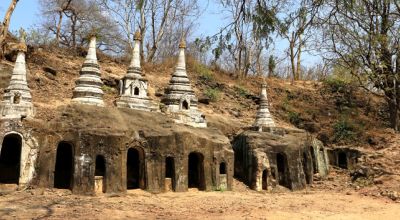
Monywa, located in the Sagaing Region of central Myanmar, is a relatively lesser-known yet captivating destination that offers a blend of cultural, historical, and natural attractions. Situated on the banks of the Chindwin River, Monywa serves as an important trading and administrative center for the region, though it retains a laid-back, small-town charm that contrasts with the bustle of larger cities like Yangon and Mandalay. Monywa is best known for its striking Buddhist sites, including the Thanboddhay Pagoda, which is famous for its thousands of miniature Buddha statues covering the structure's walls and ceilings. Another must-visit site is the towering Buddha statue at the Win Sein Taw Ya Pagoda, one of the largest reclining Buddha statues in the world. The area also boasts the famous Po Win Taung caves, an ancient complex of rock-cut temples adorned with vivid murals and sculptures, dating back to the 14th century. Beyond its religious heritage, Monywa offers scenic beauty with lush landscapes, rural villages, and the nearby Chindwin River, ideal for a peaceful retreat. With its unique blend of history, culture, and natural beauty, Monywa is an underrated gem that offers an off-the-beaten-path experience for travelers interested in Myanmar's hidden treasures.
Explore More
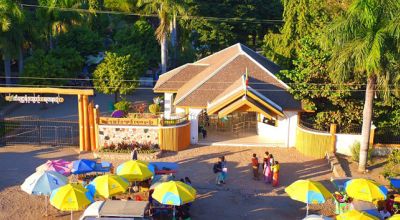
Pindaya, a charming town nestled in the Shan State of Myanmar, is renowned for its stunning natural beauty and its iconic Pindaya Caves, one of the country’s most significant religious sites. Located about 50 kilometers from the city of Taunggyi, Pindaya sits in a picturesque setting surrounded by rolling hills, peaceful lakes, and lush greenery, making it a serene retreat for nature lovers and spiritual seekers alike. The Pindaya Caves are the highlight of the town, famous for their collection of over 8,000 golden Buddha statues, which have been placed in the caves by pilgrims over the centuries. The caves, set into a limestone hill, are not only a place of worship but also a visual marvel, with their intricate carvings and hidden niches filled with Buddhist icons. The caves attract both local worshippers and tourists interested in Myanmar’s rich Buddhist heritage. Aside from the caves, Pindaya is also known for its traditional Shan architecture and the surrounding rural villages, where visitors can experience authentic local life. The nearby Pindaya Lake, framed by mountains, adds to the town's tranquil appeal. With its mix of natural beauty, spiritual significance, and cultural heritage, Pindaya offers a peaceful and enriching experience for those seeking a quieter side of Myanmar.
Explore More
Kalaw, located in the Shan State of Myanmar, is a picturesque hill station nestled in the rolling mountains, about 70 kilometers northeast of the city of Taunggyi. At an altitude of 1,320 meters (4,330 feet), Kalaw enjoys a cool, temperate climate, making it a refreshing escape from the heat of Myanmar's lowlands. This former British colonial retreat is known for its charming atmosphere, colonial-era architecture, and surrounding natural beauty. The town is a popular base for trekkers looking to explore the scenic landscapes of the Shan Hills, with trails that pass through serene pine forests, lush valleys, and traditional hill tribe villages. Kalaw is home to several ethnic groups, including the Pa-O, Danu, and Shan, whose cultures and crafts add to the town's appeal. One of Kalaw’s highlights is its peaceful ambiance, perfect for those seeking a tranquil getaway. The surrounding area is dotted with Buddhist pagodas and monasteries, such as the Shwe Oo Min Pagoda, offering sweeping views of the valley below. Kalaw’s markets also offer a taste of local life, where visitors can find fresh produce, handmade textiles, and traditional crafts. With its cooler climate, natural beauty, and rich cultural diversity, Kalaw is an ideal destination for those seeking both relaxation and adventure.
Explore MoreBest North East Tour Package
14 Days/ 13 Night
Guwahati - Shillong - Tawang - Kaziranga - Kohima - Imphal - Silchar - Cherrapunji - Mawlamyaing - Bomdila - Bago - Pathein
Shillong and Guwahati 3 star Package for 5 Days
5 Days/ 4 Night
Guwahati - Cherrapunji - Mawlamyaing - Shillong
The Land of Pigeon Blood Rubies Tour
5 Days/ 4 Night
Mandalay
Uzbekistan Tour
5 Days/ 4 Night
Tashkent - Samarkand - Yangon - Mandalay
Myanmar is slowly and steadily emerging as one of the major tourist destinations in Southeast Asia. Myanmar has various historical monuments, exotic beaches and scenic landscape, which makes it a perfect place for you to spend your vacation. Myanmar also known as Burma is situated in Southeast Asia and is bordered on east by Laos, China and Thailand, while on the north lies India and Bangladesh. It is a perfect place to visit after taking a break from your day to day life.
Ranging from sacred architectures to beautiful beaches, Myanmar has a lot to offer. The good news for you is that Myanmar is much cheaper as compared to other Southeast Asian countries and thus you don't have to spend a lot. If you are longing for adventures then you can take up various trails, which will take you deep within the lush, green tropical forests. The time period between the months of October-November is the ideal time for visiting the place.
Myanmar
Naypyidaw
kyat (K) (mmK).
Burmese
Yangon
Some of the chief activities that you can take up are hiking, mountain climbing, swimming, fishing, diving, snorkeling etc