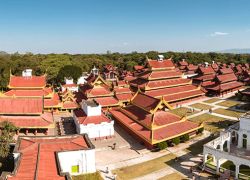
The Mandalay Palace, located in Mandalay, Myanmar, is a historical palace built in 1857 by King Mindon. It served as the primary royal residence of the last Burmese monarchy. The palace complex is surrounded by a moat and walls, with the majestic Mandalay Hill in the background. Timings Of Mandalay Palace The Mandalay Palace is open to visitors every day from 7:30 AM to 4:30 PM. Entry Fee The entry fee for Mandalay Palace is 10,000 Kyats for international tourists and 5,000 Kyats for locals. Required Time And Restricted Items It takes about 2-3 hours to explore the entire palace complex. Visitors are not allowed to bring in any food, drinks, or large bags inside the palace. Architecture Of Mandalay Palace The Mandalay Palace is a classic example of traditional Burmese architecture. The palace complex consists of several buildings, including the main palace, watchtowers, and audience halls. The intricate carvings, teak woodwork, and golden spires add to the grandeur of the palace. Best Time To Visit The best time to visit the Mandalay Palace is during the cooler months from November to February when the weather is pleasant. It is advisable to visit early in the morning to avoid the crowds. How To Reach Visitors can reach the Mandalay Palace by taking a taxi, bus, or motorbike from the city center. It is located near the Mandalay Hill, making it easily accessible from various parts of the city. History Of Mandalay Palace The Mandalay Palace was constructed by King Mindon in 1857 as the royal residence of the Konbaung dynasty. The palace was the primary seat of power until the British annexed Myanmar in 1885. During World War II, the palace was heavily damaged by bombing but has since been restored to its former glory. Inside Mandalay Palace Inside the Mandalay Palace, visitors can explore the various buildings that once housed the royal family, including the Golden Palace, Glass Palace, and Lion Throne Hall. The palace also features a museum that displays royal regalia, artifacts, and historical photographs. Traveling Tips When visiting Mandalay Palace, it is advisable to wear comfortable shoes as there is a lot of walking involved. It is also recommended to bring sunscreen, a hat, and plenty of water, especially during the hot summer months. Be respectful of the cultural norms and customs while exploring the palace. Hotels Near Mandalay Palace Several hotels near Mandalay Palace offer comfortable accommodations for visitors. Some of the popular options include The Link 78 Mandalay Boutique Hotel, Rupar Mandalar Resort, and Mandalay Hill Resort Hotel. Nearby Tourist Spots Of Mandalay Palace Several tourist spots near Mandalay Palace are worth exploring. These include Mandalay Hill, Kuthodaw Pagoda, Shwenandaw Monastery, and Mahamuni Pagoda. Visitors can also take a boat ride on the Irrawaddy River or visit the nearby ancient cities of Ava, Amarapura, and Sagaing.
Explore More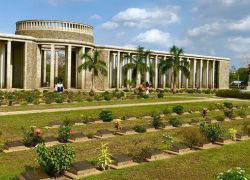
Taukkyan War Cemetery is a serene and beautifully maintained memorial site located on the outskirts of Yangon, Myanmar. It honors the memory of Allied soldiers, mainly from the British Commonwealth, who lost their lives during World War I and World War II, particularly in the Burma Campaign. The cemetery is managed by the Commonwealth War Graves Commission and is the largest of its kind in Myanmar. The cemetery contains over 6,000 graves of soldiers who died during the war, and nearly 27,000 names inscribed on the memorial walls for those who have no known grave. The peaceful surroundings, carefully kept lawns, and solemn monuments make it a poignant place of remembrance and reflection. It is not only a historical site but also a symbol of peace and international respect. How to Reach Taukkyan War Cemetery Taukkyan War Cemetery is located in the town of Taukkyan, about 25 kilometers north of central Yangon. By Taxi: The most convenient way to reach the cemetery is by taxi. A one-way trip from downtown Yangon takes approximately 45 minutes to 1 hour, depending on traffic. Taxis can be hired via local apps or hotel services. By Bus: Local buses and shared minibuses pass through Pyay Road and can drop you near the site, but this option is more suitable for experienced local travelers as signage can be minimal. By Private Car: Renting a car with a driver for the day is a good option if you plan to visit other northern Yangon attractions. The cemetery is located just off the Yangon-Pyay Road (Highway 1), and road signage is available along the way. Weather in Yangon The climate in Yangon, including Taukkyan, is tropical and divided into three seasons: Cool Season (November to February): The most pleasant time to visit, with temperatures between 20°C to 30°C (68°F to 86°F). Ideal for walking outdoors. Hot Season (March to May): Expect high temperatures up to 38°C (100°F). Carry water, sunscreen, and a hat for protection. Rainy Season (June to October): Frequent rains and high humidity. Mornings are better for visiting as afternoon showers are common. Timings Taukkyan War Cemetery is open to the public every day. The usual visiting hours are: Daily: 6:00 AM – 6:00 PM Visitors are encouraged to come during daylight hours to appreciate the calm atmosphere and to view the inscriptions and gravestones clearly. Why is Taukkyan War Cemetery Famous? Taukkyan War Cemetery is famous for its role as a major memorial site for Commonwealth soldiers who fought in the Burma Campaign during World War II. Many of the soldiers buried here lost their lives in battles across Myanmar, including at Kohima, Imphal, and the Irrawaddy crossing. The cemetery is also known for its solemn beauty, featuring rows of white headstones on manicured green lawns. The site draws visitors from all over the world, including families of fallen soldiers, veterans, historians, and those interested in military heritage. Entry and Visit Details Entry to Taukkyan War Cemetery is completely free. No tickets or reservations are required. It is open throughout the year and is well-maintained by the Commonwealth War Graves Commission. There is ample space for walking, and the site is accessible for elderly visitors and those with disabilities. Guided tours are not regularly offered, but informational signs are available throughout the grounds. History and Architecture The Taukkyan War Cemetery was established in 1951 by the Commonwealth War Graves Commission to consolidate graves from remote battlefield cemeteries across Burma (now Myanmar). It brings together graves from Meiktila, Mandalay, and other wartime burial sites, creating a single respectful space for remembrance. Architecturally, the cemetery follows a uniform design with white headstones, engraved with names, ranks, and regiments. A central memorial, the Stone of Remembrance, bears the inscription “Their Name Liveth for Evermore.” Nearby is the Rangoon Memorial, where over 27,000 names of missing soldiers are carved into the walls. The design reflects simplicity, respect, and dignity, in line with CWGC standards. The layout is symmetrical and encourages quiet reflection. Things to Do at Taukkyan War Cemetery Pay Respects: Walk among the rows of gravestones to honor the soldiers who served during the world wars. Read Memorials: Spend time reading the names, regiments, and personal epitaphs etched on the gravestones and memorial walls. Photography: Capture the serene beauty of the site, especially during sunrise or sunset. Reflection: Use the peaceful environment for quiet meditation or historical reflection. Learn History: The cemetery provides insights into the Burma Campaign and the multinational involvement in WWII. Facts about Taukkyan War Cemetery There are over 6,374 graves, including soldiers from Britain, India, Africa, and other Commonwealth nations. More than 27,000 soldiers are commemorated on the Rangoon Memorial with no known grave. The cemetery is the final resting place of many members of the British Indian Army. It is maintained year-round by the Commonwealth War Graves Commission (CWGC). The name “Taukkyan” refers to the village where the cemetery is located. Tips for Visiting Taukkyan War Cemetery Visit early in the morning or late afternoon to avoid the midday heat. Wear respectful attire, as this is a memorial site. Bring drinking water, especially during the hot season. Photography is allowed, but be respectful when taking pictures of graves. If you're interested in military history, research the Burma Campaign before your visit for better context. Combine your visit with nearby attractions like the Htauk Kyant Market for a fuller day trip.
Explore More
The National Museum of Myanmar, located in the city of Yangon, is the most prominent museum in the country, showcasing Myanmar’s rich cultural, historical, and artistic heritage. Established in 1952, it has grown to become an essential destination for both locals and international visitors who wish to explore the deep history and diverse culture of the nation. The museum spans multiple floors and galleries, displaying thousands of artifacts ranging from ancient royal regalia and religious relics to art, literature, ethnography, and natural history. It is especially known for housing the majestic Lion Throne of the last Burmese king, King Thibaw, which is a symbol of Myanmar's monarchical past. How to Reach National Museum of Myanmar The museum is located in the Dagon Township of Yangon, not far from major landmarks such as the Shwedagon Pagoda and the downtown area. By Taxi: Taxis are the most convenient mode of transport in Yangon. Simply ask the driver to take you to the "National Museum" in Dagon Township. It's a 15 to 20-minute drive from downtown Yangon. By Bus: Several public buses stop near Pyay Road, which is close to the museum. Look for buses heading towards Dagon or Shwedagon routes. By Train: Yangon Central Railway Station is about 3 km from the museum. From there, a short taxi or tuk-tuk ride can take you directly. By Foot: If you’re staying nearby, it is possible to walk to the museum, especially from hotels in Dagon or Lanmadaw townships. Weather in Yangon Yangon experiences a tropical monsoon climate. Visitors to the museum should consider the weather when planning their day. Cool Season (November to February): Ideal for visiting. Mild temperatures (20°C to 30°C) and low humidity make it comfortable to explore both the museum and nearby attractions. Hot Season (March to May): Temperatures can rise to 38°C (100°F), so visiting indoor attractions like the museum is a good option during peak heat hours. Rainy Season (June to October): Frequent rainfall, especially in the afternoons. It’s a good time for indoor cultural visits like the National Museum. Timings The National Museum of Myanmar is open five days a week. Opening Hours: 9:30 AM to 4:30 PM Closed: Mondays and Public Holidays Why is the National Museum of Myanmar Famous? The National Museum is famous for preserving and presenting the cultural identity of Myanmar. It holds one of the most important collections of Myanmar's heritage, including: The Lion Throne of King Thibaw, the only surviving royal throne from the Konbaung Dynasty. Extensive exhibits on traditional Burmese arts, crafts, and musical instruments. Religious artifacts and ancient sculptures from the Bagan, Pyu, and Mon civilizations. Detailed exhibits of ethnic costumes and customs representing Myanmar’s 135 recognized ethnic groups. The museum is a place of pride for the Myanmar people and a fascinating educational experience for visitors. Entry and Visit Details Entry Fee: Foreigners: Approximately 5,000 MMK (around $3 USD) Locals: Lower fee, usually 500 MMK Children under 6: Free entry Photography: Not permitted in most sections of the museum. Visitors should follow signs and instructions regarding camera usage. There is a cloakroom available to store bags, and restrooms are located on each floor. The museum is wheelchair accessible and has ramps and elevators. History and Architecture The National Museum was first established in 1952 in downtown Yangon, but it was moved to its current location in Dagon Township in 1996 to allow for expansion and better facilities. The modern structure has five floors and multiple exhibition galleries. The building itself is functional and designed to accommodate large visitor numbers. Its architecture is modern, with wide halls, marble floors, and climate-controlled galleries to preserve delicate artifacts. While not traditional in style, the design emphasizes space, light, and accessibility. Things to Do at the National Museum Explore the Throne Room: View the magnificent Lion Throne, made of gilded wood and encrusted with gems. Visit the Hall of Culture: Discover the traditional attire, instruments, and crafts of Myanmar’s ethnic groups. Admire Ancient Artifacts: Bronze statues, royal manuscripts, and archaeological relics are on display. View Paintings and Calligraphy: Burmese artwork and traditional scripts offer a glimpse into Myanmar’s artistic past. Educational Tour: Learn about the country’s evolution, from ancient kingdoms to colonial times and independence. Facts about the National Museum of Myanmar The museum covers over 60,000 square feet of exhibition space. There are more than 14 permanent exhibition galleries. The Lion Throne is over 150 years old and originally located in Mandalay Palace. The museum is one of the few places to see authentic artifacts from the ancient Pyu cities, a UNESCO World Heritage Site. Artifacts are labeled in both Burmese and English for international visitors. Tips for Visiting the National Museum of Myanmar Wear comfortable shoes as you’ll be walking through multiple floors. Start your visit on the ground floor with the throne and work your way up. Bring a notebook if you're interested in historical details—there’s a lot to learn. Plan for at least 2 hours to fully explore the museum. Food and drinks are not allowed inside. Eat beforehand or visit nearby restaurants afterward. Check for temporary exhibitions or cultural events at the museum for a more engaging experience.
Explore More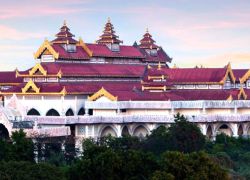
The Bagan Archaeological Museum is one of the most important cultural and historical museums in Myanmar, located in the heart of the ancient city of Bagan. Opened in 1998, the museum houses a vast collection of artifacts, sculptures, inscriptions, and relics from the Bagan era, offering a deep insight into the religious, artistic, and architectural history of the region. It is a must-visit destination for history lovers and those who want to understand the cultural heritage of Bagan beyond its famous temples and pagodas. The museum’s well-maintained galleries are spread across several floors and display artifacts from as early as the 11th century. From ancient Buddha statues to stone inscriptions and royal relics, the Bagan Archaeological Museum plays a crucial role in preserving Myanmar’s heritage. How to Reach Bagan Archaeological Museum The Bagan Archaeological Museum is located in Old Bagan, the historical heart of the ancient city. It is easily accessible by several means: By Air: The nearest airport is Nyaung U Airport, located about 10–15 minutes from Old Bagan. Daily flights are available from Yangon, Mandalay, and Heho (Inle Lake). By Bus or Car: Bagan is connected by road to major cities such as Yangon (9–10 hours), Mandalay (4–5 hours), and Naypyidaw. By Train: A train service connects Yangon to Bagan, although it is slow and less comfortable compared to buses and flights. By Boat: River cruises from Mandalay to Bagan on the Ayeyarwady River are also a scenic option. Once in Bagan, you can reach the museum by e-bike, bicycle, taxi, or horse cart—all common modes of local transport. It is located near Ananda Temple and other significant monuments, making it an easy stop on a sightseeing tour. Weather in Bagan Bagan has a hot, semi-arid climate. It receives less rainfall than other regions of Myanmar, making it ideal for year-round travel. Cool Season (Nov–Feb): Best time to visit, with daytime temperatures between 20°C–30°C (68°F–86°F). Hot Season (Mar–May): Temperatures can rise above 40°C (104°F). Museum visits during midday are common to escape the heat. Monsoon Season (Jun–Oct): Less crowded, occasional showers, but the museum remains open and accessible. Timing The Bagan Archaeological Museum is open daily from 9:00 AM to 4:30 PM, except on Mondays and public holidays. It is recommended to visit in the morning or late afternoon for a more comfortable experience, especially during the hotter months. Why is Bagan Archaeological Museum Famous? The Bagan Archaeological Museum is famous for its extensive collection of cultural artifacts from the Bagan period (9th to 13th centuries). It helps visitors understand the history of one of Southeast Asia's most remarkable ancient cities. While the temples of Bagan are world-famous for their grandeur and architectural beauty, the museum offers a deeper understanding of the people, beliefs, and artistry behind them. It is also known for its stone inscriptions that have been crucial in translating ancient Burmese and Pali texts, helping researchers and historians understand the socio-political and religious life of the Bagan period. Entry and Visit Details The entrance fee for the museum is usually included in the Bagan Archaeological Zone ticket, which costs around 25,000 MMK (approximately $15 USD) for foreign visitors and is valid for multiple days. Visitors should: Wear modest clothing (shoulders and knees covered) out of respect for local culture. Photography is allowed in some areas but prohibited in certain galleries—signs will indicate these rules. Be mindful of the artifacts and avoid touching displays. History and Architecture The Bagan Archaeological Museum was opened in 1998 under the supervision of Myanmar’s Ministry of Culture. The museum’s architecture blends traditional Burmese styles with modern design elements. The large building is constructed to complement the ancient ambiance of Bagan, with red brick walls resembling the nearby temples. The museum is divided into several galleries and exhibition halls across two main floors. Each section is categorized by theme, including Buddha statues, stucco carvings, terracotta plaques, mural paintings, stone inscriptions, and royal objects. Things to Do at Bagan Archaeological Museum Explore archaeological galleries showcasing Buddha images in different mudras and materials (stone, bronze, wood). Read ancient Pali and Burmese stone inscriptions dating back to the 11th century. Study maps and dioramas explaining the layout of ancient Bagan. Observe royal relics, coins, and artifacts used during the Bagan era. Learn about Buddhist iconography and symbolism through murals and carvings. Take in the peaceful atmosphere and view the museum’s landscaped gardens. Facts about Bagan Archaeological Museum The museum contains over 4,000 items, making it one of Myanmar’s largest archaeological collections. It is managed by the Ministry of Religious Affairs and Culture. Many artifacts were recovered from collapsed or damaged temples and restored here. The museum plays a key role in UNESCO’s conservation efforts for Bagan, which became a World Heritage Site in 2019. It includes a library with historical manuscripts and books for researchers. Tips for Visiting Bagan Archaeological Museum Visit in the morning to avoid crowds and the afternoon heat. Wear light, breathable, yet respectful clothing and comfortable shoes. Hire a local guide if you want detailed explanations of the exhibits. Combine your museum visit with nearby sites like Ananda Temple and Thatbyinnyu Temple. Carry a bottle of water; there are limited refreshment options nearby. Set aside 1.5 to 2 hours to explore the museum in detail. Respect all signs and preserve the quiet, respectful atmosphere inside.
Explore More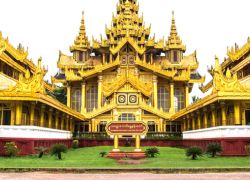
The Kanbawzathadi Palace is a historic site located in Bago, Myanmar. It was built by King Bayinnaung in the 16th century and served as the royal residence during the peak of the Taungoo Dynasty. The palace is a significant cultural landmark, showcasing traditional Burmese architecture and providing visitors with a glimpse into the country's rich history. Timings Of Kanbawzathadi Palace The Kanbawzathadi Palace is open to visitors from 9:00 AM to 5:00 PM every day, including weekends and public holidays. Entry Fee The entry fee for the Kanbawzathadi Palace is 10,000 kyats for foreigners and 5,000 kyats for locals. Children under the age of 10 can enter for free. Required Time And Restricted Items Visitors typically spend around 1-2 hours exploring the Kanbawzathadi Palace. It is recommended to avoid bringing food, drinks, and large bags as they are not allowed inside the palace premises. Architecture Of Kanbawzathadi Palace The architecture of the Kanbawzathadi Palace is a fine example of traditional Burmese design, characterized by intricate carvings, ornate decorations, and spacious courtyards. The palace features multiple buildings, each serving a specific function, such as the throne room, living quarters, and audience halls. Best Time To Visit The best time to visit the Kanbawzathadi Palace is during the cooler months of November to February when the weather is more pleasant for exploring the outdoor grounds. How To Reach The Kanbawzathadi Palace is located in Bago, approximately 80 kilometers north of Yangon. Visitors can reach Bago by bus, train, or hired car from Yangon. From Bago, the palace is a short taxi or tuk-tuk ride away. History Of Kanbawzathadi Palace The Kanbawzathadi Palace was built by King Bayinnaung in the 16th century as his royal residence. It served as the seat of power for the Taungoo Dynasty and witnessed many significant events in Burmese history. The palace was later abandoned and fell into disrepair before being restored in modern times. Inside Kanbawzathadi Palace Inside the Kanbawzathadi Palace, visitors can explore the various buildings and courtyards that make up the complex. Highlights include the ornate throne room, the king's living quarters, and the beautifully landscaped gardens surrounding the palace. Traveling Tips When visiting the Kanbawzathadi Palace, it is advisable to wear comfortable shoes and clothing suitable for walking and exploring the historical site. It is also recommended to bring water, sunscreen, and a hat to protect against the sun. Hotels Near Kanbawzathadi Palace There are several hotels near the Kanbawzathadi Palace that offer comfortable accommodation for visitors. Some of the nearby hotels include Bago Star Hotel, Han Thar Gardens Hotel, and Kanbawza Hinthar Hotel. Nearby Tourist Spots Of Kanbawzathadi Palace In addition to the Kanbawzathadi Palace, visitors to Bago can explore other nearby tourist spots such as the Shwemawdaw Pagoda, Kyaik Pun Pagoda, and the Kyaikhtiyo Pagoda (Golden Rock). These attractions offer a deeper insight into Myanmar's rich cultural heritage and are worth a visit while in the area.
Explore More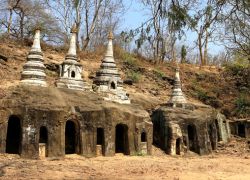
The Po Win Daung Caves, also spelled as Pho Win Taung, are a complex of over 900 sandstone caves located near Monywa in the Sagaing Region of northern Myanmar (Burma). These caves are famous for their ancient Buddhist art, thousands of Buddha statues, and beautifully painted murals dating from the 14th to 18th centuries. Nestled in a hill range, the site is both spiritually significant and culturally rich, attracting history enthusiasts, travelers, and pilgrims alike. How to Reach Po Win Daung Caves, Monywa Po Win Daung Caves are situated about 25 kilometers west of Monywa, which is a major town in central Myanmar. The most common route is to reach Monywa first, which is accessible by road from major cities like Mandalay (about 3-4 hours drive) or Bagan. From Monywa, travelers can hire a private taxi, take a motorbike, or join a local tour to reach the caves. The drive to the caves is scenic, passing through rural landscapes and crossing the Chindwin River, either via bridge or boat. Though public transportation is limited, local travel agents can easily arrange transportation. Weather in Monywa Monywa has a tropical savanna climate. The best time to visit Po Win Daung Caves is between November and February when the weather is dry and temperatures are pleasant, ranging from 20°C to 30°C (68°F to 86°F). The summer months from March to May can be extremely hot, often exceeding 40°C (104°F), while the monsoon season from June to October brings heavy rainfall, making travel more challenging. Timings The Po Win Daung Caves are usually open daily from 8:00 AM to 5:00 PM. There are no official gates or ticket booths with fixed hours, but it is advisable to visit during daylight to fully explore the caves and enjoy the artwork. Why is Po Win Daung Caves, Monywa Famous? Po Win Daung Caves are renowned for their well-preserved Buddhist murals and statues carved directly into the sandstone cliffs. The caves are an important example of Myanmar's religious heritage and house some of the most impressive ancient art in Southeast Asia. Many of the Buddha images are painted in natural pigments and remain vibrant after centuries. The site reflects the fusion of art, spirituality, and history, showcasing how Buddhism evolved in Myanmar over the centuries. Entry and Visit Details While entry to the Po Win Daung Caves is free, donations are welcomed. Visitors may be asked for a small fee if traveling with a guide or through a tour operator. Some parts of the caves are maintained by local caretakers, so tipping for upkeep is appreciated. It's recommended to wear comfortable walking shoes as you will be exploring uneven terrain. Dress modestly, as the caves are considered religious sites. History and Architecture The origins of the Po Win Daung Caves date back to the 14th century, although many of the current structures and paintings were developed between the 16th and 18th centuries. Local legends suggest that the hill is named after a revered monk named Po Win, who meditated in these caves. Architecturally, the caves are hand-carved into soft sandstone hills, with hundreds of individual chambers that once served as meditation rooms and temples. The interiors are adorned with intricate frescoes, scenes from Jataka tales (stories of Buddha's past lives), and a variety of Buddha statues in different postures. Things to Do at Po Win Daung Caves Explore the vast network of over 900 sandstone caves. Admire ancient Buddhist murals and thousands of Buddha statues. Take photographs of the beautiful natural surroundings and historical art. Visit nearby Shwe Ba Taung, another cave complex with carved monasteries. Enjoy a peaceful walk in the serene and spiritual atmosphere of the site. Facts about Po Win Daung Caves There are more than 900 caves carved into the sandstone hills. Murals in the caves depict scenes from Buddhist cosmology and history. Some of the caves still retain their original pigment-based wall paintings. The area covers an entire hillside and requires 2–3 hours for thorough exploration. It is one of the most important archaeological and spiritual sites in Myanmar. Tips for Visiting Po Win Daung Caves, Monywa Wear sturdy shoes, as the paths can be rocky and uneven. Bring water and snacks, as there are limited shops nearby. Use a flashlight or phone light to see inside darker caves. Respect the sacredness of the site—do not touch the murals or statues. Hire a local guide if you want in-depth knowledge of the history and stories. Start early to avoid the afternoon heat and crowds.
Explore More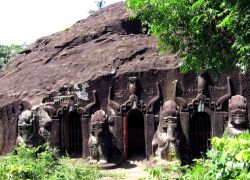
Hpowindaung, also known as Po Win Daung, is one of Myanmar’s most unique and sacred archaeological and religious sites. Located near the town of Monywa in the Sagaing Region, Hpowindaung is a remarkable complex of over 900 sandstone caves carved into the hills. These caves are home to thousands of ancient Buddha statues and beautiful wall paintings that date back as far as the 14th century. The site is considered one of the richest collections of Buddhist mural paintings and sculptures in Southeast Asia. Set in a tranquil, rural landscape, Hpowindaung attracts pilgrims, historians, photographers, and tourists looking to explore Myanmar’s rich spiritual and artistic heritage. How to Reach Hpowindaung, Monywa Hpowindaung is located about 25 kilometers west of Monywa town. To reach Monywa, travelers can take a bus, private car, or shared taxi from major cities like Mandalay or Bagan. From Mandalay, it takes approximately 3 to 4 hours by road. From Bagan, the journey can take around 5 to 6 hours. Once in Monywa, visitors can hire a local taxi, motorbike, or join a group tour to reach Hpowindaung. The drive includes a scenic route across the Chindwin River and through peaceful countryside. Most tours to Hpowindaung also include a stop at the nearby Shwe Ba Taung cave complex. Weather in Hpowindaung and Monywa Monywa and the Hpowindaung area experience a tropical climate. The best time to visit is during the dry season from November to February when temperatures are cooler and more comfortable, ranging from 20°C to 30°C (68°F to 86°F). March to May is the hottest period, with daytime temperatures often exceeding 40°C (104°F). The rainy season from June to October can make travel more difficult due to muddy roads and heavy rainfall, though the landscape becomes lush and green. Timings Hpowindaung caves are typically open to visitors daily from around 8:00 AM to 5:00 PM. While there is no official gate or ticket office, it’s best to visit during daylight hours for safety and visibility, as the caves can be dark and uneven inside. Arriving in the morning allows for more time to explore the many caves and appreciate the murals in natural light. Why is Hpowindaung, Monywa Famous? Hpowindaung is famous for its extensive network of hand-carved sandstone caves that contain thousands of Buddha statues, frescoes, and carvings. It is one of the largest and most impressive cave complexes in Southeast Asia and is highly regarded for its historical, artistic, and spiritual value. The site showcases an extraordinary mix of Indian, Chinese, and Burmese influences in Buddhist art. The murals and carvings depict scenes from the Jataka tales (stories of the Buddha’s past lives), as well as local myths and religious themes. Entry and Visit Details There is no formal entrance fee to visit Hpowindaung, but small donations are encouraged and appreciated. These help local caretakers maintain the site. Some visitors also tip local guides or monks who offer tours or information. Visitors should wear modest clothing, covering shoulders and knees, and must remove shoes before entering sacred areas. Flash photography is usually discouraged inside the caves to protect the fragile murals. History and Architecture of Hpowindaung Hpowindaung dates back to between the 14th and 18th centuries, with many caves being used as meditation chambers or temples. According to local legends, the complex was named after a famous hermit monk named Po Win, who meditated in the caves. The caves are carved directly into the soft sandstone hills. Each cave varies in size and design—some are simple with a single statue, while others are large chambers decorated with colorful murals and dozens of Buddha images. The artistry reflects the cultural and religious evolution of Myanmar during this time period. Things to Do at Hpowindaung Explore the 900+ cave temples filled with ancient Buddhist art and sculpture. Admire the colorful frescoes depicting stories from Buddhist scriptures. Take photos of the serene landscape and architecture (with respect to sacred areas). Visit the nearby Shwe Ba Taung, where temples are carved into vertical cliffs. Learn about Burmese Buddhist history and local legends from a local guide. Enjoy the peaceful, meditative atmosphere away from city noise. Facts about Hpowindaung, Monywa There are over 900 individual caves in the Hpowindaung complex. The murals are made with natural pigments and have lasted for centuries. Some caves have been dated back as early as the 14th century. The site reflects Indian, Mon, and Burmese artistic influences. It is one of the largest repositories of ancient Buddhist art in Myanmar. Hpowindaung is a protected archaeological site under the Ministry of Culture. Tips for Visiting Hpowindaung, Monywa Wear comfortable walking shoes suitable for uneven and rocky paths. Bring a flashlight or phone torch to see inside the darker caves. Stay hydrated and bring bottled water, especially during hot seasons. Respect local customs—remove shoes in sacred areas and avoid loud noise. If you want in-depth understanding, consider hiring a local guide. Try visiting early in the morning to avoid heat and crowds. Bring a camera but use it respectfully—some areas may prohibit flash photography.
Explore More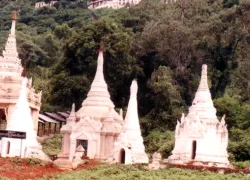
Pindaya Caves are one of Myanmar’s most fascinating and sacred sites, located near the town of Pindaya in Shan State. Famous for their unique limestone formations and thousands of Buddha images, these caves attract pilgrims and tourists alike. The caves are set in a tranquil area surrounded by beautiful hills and provide visitors with a glimpse into Myanmar’s religious traditions, art, and history. The Pindaya Caves contain over 8,000 Buddha statues in various poses, sizes, and materials, making them a remarkable repository of Buddhist culture. The caves’ spiritual importance and natural beauty make them one of the top attractions in Shan State. How to Reach Pindaya Caves Pindaya is accessible by road from several major cities in Myanmar. The closest major city is Heho, which has an airport served by domestic flights from Yangon and Mandalay. From Heho, it takes approximately 1.5 hours by car or taxi to reach Pindaya town. From Mandalay or Yangon, travelers usually take a domestic flight to Heho and then continue by road. There are also long-distance buses and private car services available from towns like Taunggyi and Kalaw. Once in Pindaya town, the caves are about 2 kilometers from the town center. Visitors can walk, take a taxi, or ride a horse cart up to the cave entrance. Weather in Pindaya Pindaya enjoys a mild subtropical highland climate due to its elevation of about 1,100 meters (3,600 feet) above sea level. The best time to visit is during the dry season, from November to February, when the weather is cool and comfortable with temperatures ranging between 15°C and 25°C (59°F to 77°F). The summer months, from March to May, can be warmer with temperatures rising to around 30°C (86°F). The monsoon season lasts from June to October and brings heavy rain, which can sometimes make travel difficult but also makes the surrounding hills lush and green. Timing The Pindaya Caves are open to visitors daily, typically from 8:00 AM to 5:00 PM. Early morning visits are recommended to avoid crowds and enjoy cooler temperatures. The caves can be explored safely during daylight hours as they are well-lit inside. Why Are Pindaya Caves Famous? Pindaya Caves are famous primarily for their vast collection of Buddha statues—numbering over 8,000—that have been placed there by devotees over the centuries. The statues vary in size, posture, and material, including wood, stone, lacquer, and bronze. This unique collection reflects the devotion of generations of Burmese Buddhists. Aside from their religious significance, the caves are also admired for their natural beauty. The limestone caves are filled with impressive stalactites and stalagmites, creating a mystical atmosphere inside. The surrounding area offers panoramic views of Pindaya Lake and the nearby mountains. Entry and Visit Details There is a small entrance fee to visit the Pindaya Caves, which helps with the maintenance and preservation of the site. Visitors are expected to dress modestly, covering shoulders and knees, as the caves are an active religious site. Shoes must be removed before entering the caves, and visitors should behave respectfully, as many locals come here to pray and meditate. Photography is generally allowed but using flash is discouraged to protect the statues and paintings. History and Architecture The origins of the Pindaya Caves are steeped in local legend. According to tradition, a giant spider once trapped a prince inside the caves, and the prince escaped by shooting an arrow through a hole in the cave ceiling. The caves have been a pilgrimage site for centuries, gradually accumulating the thousands of Buddha images. Architecturally, the caves are natural limestone formations that have been adapted and embellished over time. Buddhist shrines and statues have been carefully placed in chambers and niches throughout the caves, blending natural beauty with religious artistry. The caves consist of four main chambers, each filled with Buddha images and unique rock formations. Things to Do at Pindaya Caves Explore the four main chambers of the caves, each featuring countless Buddha statues and unique stalactites. Enjoy the scenic views of Pindaya Lake and the surrounding hills from the cave entrance. Visit nearby attractions such as Pindaya Lake, where you can relax or take a boat ride. Shop for local crafts and souvenirs at markets in Pindaya town. Participate in or observe local religious ceremonies and festivals if visiting during special occasions. Photograph the fascinating combination of natural cave formations and Buddhist art. Facts about Pindaya Caves The caves contain over 8,000 Buddha statues, making it one of the largest collections in Myanmar. The statues vary widely in size, age, and material, showcasing diverse artistic styles. The caves are estimated to be several thousand years old, although many statues have been added over the last few centuries. The limestone caves feature impressive stalactites and stalagmites formed naturally over thousands of years. Pindaya is not only a religious site but also a popular tourist destination, attracting visitors from around the world. Tips for Visiting Pindaya Caves Wear comfortable shoes and be prepared to walk on uneven surfaces inside the caves. Dress modestly and respectfully as it is an active religious site. Visit early in the day to avoid crowds and heat. Bring a flashlight or use your phone’s light if you want to see some darker corners, although the main chambers are lit. Carry water and stay hydrated, especially in warmer months. Respect local customs: avoid loud noises, do not touch statues, and ask permission before photographing people. Combine your visit with nearby attractions such as Pindaya Lake and local villages for a full-day experience.
Explore More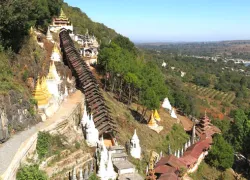
Mount Pindaya is a prominent natural landmark located near the town of Pindaya in Shan State, Myanmar. This mountain is not only a stunning natural attraction but also holds cultural and spiritual significance for the local communities. Surrounded by picturesque landscapes of rolling hills and lush greenery, Mount Pindaya offers visitors breathtaking panoramic views of the surrounding region and a chance to explore the rich biodiversity of Shan State. The mountain is a popular destination for nature lovers, hikers, and those seeking peace and tranquility away from urban centers. It is also closely connected to the local culture, featuring several important religious sites, including pagodas and shrines that dot the area. How to Reach Mount Pindaya To reach Mount Pindaya, visitors typically first arrive in Pindaya town. The closest airport is Heho Airport, approximately 1.5 hours’ drive from Pindaya. Heho is well connected to Myanmar’s main cities such as Yangon and Mandalay. From Pindaya town, Mount Pindaya is easily accessible by taxi or motorbike. The roads leading to the mountain are mostly paved and scenic, passing through rural villages and countryside. For adventurous travelers, hiking trails lead up the mountain from different points around Pindaya. Overland travelers can also take buses or private cars from nearby cities like Taunggyi or Kalaw to Pindaya and then continue onward to the mountain. Weather in Pindaya Due to its elevation of about 1,100 meters (3,600 feet) above sea level, Pindaya enjoys a temperate climate. The best time to visit Mount Pindaya is during the dry season from November to February when the weather is cool and dry, making hiking and outdoor activities comfortable. During this period, daytime temperatures range between 15°C to 25°C (59°F to 77°F). The summer months from March to May can get warmer, reaching around 30°C (86°F). The monsoon season, from June to October, brings heavy rainfall, which can make trails slippery and travel less convenient, but also turns the landscape lush and green. Timing Mount Pindaya and its associated trails and religious sites are accessible year-round. However, visitors are advised to start their hikes early in the morning, preferably between 7:00 AM and 9:00 AM, to avoid the midday heat and have enough daylight to explore. Most pagodas and shrines around the mountain open from 8:00 AM to 5:00 PM. It is best to plan your visit during daylight hours for safety and to fully enjoy the natural scenery. Why is Mount Pindaya Famous? Mount Pindaya is famous for its stunning natural beauty and spiritual significance. The mountain offers panoramic views of the Shan hills and the surrounding countryside, which are especially breathtaking at sunrise and sunset. The mountain area is dotted with numerous pagodas and shrines, making it a site of religious pilgrimage. The blend of natural scenery with cultural heritage attracts both nature enthusiasts and spiritual travelers. Mount Pindaya is also closely linked to the nearby Pindaya Caves, one of Myanmar’s most famous cave complexes filled with thousands of Buddha statues. Entry and Visit Details There is generally no formal entry fee for hiking or visiting Mount Pindaya itself. However, some pagodas and religious sites on or around the mountain may request a small donation or entrance fee to support maintenance. Visitors should dress modestly when visiting religious sites and be prepared to remove shoes before entering temples and shrines. It is important to follow local customs and maintain a respectful demeanor. History and Architecture Mount Pindaya has long been a sacred site for local communities, with pagodas and shrines established over several centuries. These structures showcase traditional Burmese Buddhist architectural styles, with gilded stupas, ornate carvings, and tiered roofs. The mountain’s religious landmarks include several small pagodas, prayer halls, and meditation spots built to honor Buddhist teachings and provide a serene environment for worshippers. The combination of natural landscapes with historical and religious architecture makes Mount Pindaya a unique place where culture and nature coexist harmoniously. Things to Do at Mount Pindaya Hike up various trails on the mountain to enjoy panoramic views of Pindaya and surrounding Shan hills. Visit the numerous pagodas and shrines scattered around the mountain for cultural and spiritual experiences. Enjoy photography opportunities of natural landscapes, sunrise, and sunset views. Combine your visit with nearby attractions such as Pindaya Caves and Pindaya Lake. Engage in meditation or quiet reflection at peaceful spots on the mountain. Interact with local villagers and monks to learn about the area’s cultural heritage and Buddhist practices. Facts about Mount Pindaya Mount Pindaya is approximately 1,100 meters (3,600 feet) high and is part of the Shan Hills range. The mountain is known for its scenic hiking trails offering panoramic views of the surrounding region. It is closely associated with the nearby Pindaya Caves, famous for thousands of Buddha statues. Several pagodas and shrines on the mountain date back several centuries. Mount Pindaya is a popular destination for both nature lovers and spiritual seekers. Tips for Visiting Mount Pindaya Wear comfortable hiking shoes and bring plenty of water for the trek. Dress modestly, especially when visiting religious sites on the mountain. Visit early in the morning or late afternoon to avoid the heat and catch beautiful views. Be respectful of local customs and religious practices, particularly at pagodas and shrines. Carry a camera to capture the stunning scenery and cultural sites. If possible, hire a local guide to learn more about the mountain’s history and spiritual significance. Check weather conditions before visiting, especially during the rainy season when trails may be slippery.
Explore More
Thein Taung Pagoda is one of the most iconic religious sites located in Kalaw, a charming hill town in Shan State, Myanmar. Positioned atop a hill near the center of Kalaw, the pagoda offers stunning panoramic views of the town, surrounding mountains, and pine forests. It is not only a spiritual destination for Buddhist pilgrims but also a scenic attraction for travelers seeking peace, nature, and cultural exploration. The pagoda is part of a monastery complex known as Thein Taung Monastery and is a significant spiritual center for the local community. With its elevated location and peaceful ambiance, it is a place for reflection, prayer, and meditation. Its beauty, accessibility, and cultural value make Thein Taung Pagoda a must-visit site for anyone traveling to Kalaw. How to Reach Thein Taung Pagoda Kalaw is located in the western part of Shan State and is well connected by road, rail, and air. The nearest airport is Heho Airport, about 45 kilometers away, which has regular flights from major cities like Yangon and Mandalay. From Heho, travelers can reach Kalaw by taxi, car, or shared minivan in about 1.5 hours. Once in Kalaw town, Thein Taung Pagoda is just a short walk from the central market and main road. Visitors can follow a staircase that winds uphill from the town center, leading directly to the pagoda. It takes about 10 to 15 minutes to reach the top, and the walk itself is scenic and peaceful. For elderly visitors or those with mobility issues, tuk-tuks or motorbikes can be hired to reach the base of the hill closer to the pagoda entrance. Weather in Kalaw Kalaw has a mild, temperate climate due to its location at an elevation of about 1,300 meters (4,265 feet) above sea level. This cool weather makes it a perfect destination for exploring outdoor attractions like Thein Taung Pagoda. The dry season from November to February is the best time to visit, with temperatures ranging between 10°C to 20°C (50°F to 68°F). This period offers clear skies and comfortable weather. From March to May, temperatures rise slightly, while the rainy season from June to October brings frequent rainfall and lush scenery, though trails may be slippery. Timing Thein Taung Pagoda is open to visitors every day, generally from sunrise to sunset (around 6:00 AM to 6:00 PM). Visitors are encouraged to come early in the morning for a peaceful experience or in the late afternoon to enjoy a stunning sunset view over the town of Kalaw. Entry to the pagoda and monastery is free, though donations are welcome and help with the maintenance of the site. Why is Thein Taung Pagoda Famous? Thein Taung Pagoda is famous for its panoramic views, spiritual ambiance, and easy accessibility. The hilltop location provides one of the best vantage points in Kalaw, making it a popular place for both sunrise and sunset photography. In addition to its natural beauty, the pagoda is renowned for being a peaceful place of worship and meditation. Many monks reside at the adjoining Thein Taung Monastery, and visitors often witness traditional Buddhist rituals and chanting, which add to the spiritual charm of the place. The pagoda is also part of the local trekking routes, making it a common stop for hikers exploring the region. Entry and Visit Details There is no official entrance fee to visit Thein Taung Pagoda. However, donations are encouraged, especially if you enter the monastery or spend time meditating at the site. As with all religious sites in Myanmar, visitors must remove their shoes and socks before entering the pagoda grounds. It is also important to dress modestly, covering shoulders and knees, as a sign of respect. History and Architecture Thein Taung Pagoda has a long history rooted in the Buddhist traditions of Shan State. It was built several decades ago and has since become a spiritual center for locals and monks living in the area. The nearby Thein Taung Monastery has served as a training center for novice monks and continues to play a vital role in the religious life of Kalaw. Architecturally, the pagoda features a traditional Burmese stupa style with a golden spire that gleams in the sunlight. The surrounding structures include prayer halls, small shrines, and living quarters for monks. The entire complex is designed to provide peace and inspiration for spiritual practice. Things to Do at Thein Taung Pagoda Climb the scenic staircase and enjoy panoramic views of Kalaw and surrounding hills. Explore the pagoda and admire its traditional architecture and peaceful gardens. Join locals in meditation or prayer at the pagoda or monastery. Visit in the early morning for a serene sunrise or in the evening for sunset views. Talk with resident monks to learn about Buddhist teachings and life in the monastery. Photograph the beautiful views, architecture, and surrounding nature. Facts about Thein Taung Pagoda Thein Taung Pagoda is located on a hill just a short walk from Kalaw town center. The name "Thein Taung" roughly translates to “Mountain of the Ordination Hall.” The site includes both a pagoda and a monastery, which houses Buddhist monks. It offers some of the best views in Kalaw, especially at sunrise and sunset. The site is peaceful, less crowded, and ideal for meditation and reflection. Tips for Visiting Thein Taung Pagoda Wear modest clothing and be prepared to remove your shoes before entering. Visit early morning or late afternoon for the best views and lighting. Be respectful of the monks and local worshippers — speak quietly and avoid interrupting ceremonies. Carry water, especially if you're walking uphill from the town center. Bring a camera to capture the sweeping views and the spiritual ambiance. If trekking around Kalaw, include Thein Taung Pagoda as a cultural stop on your route. Support the monastery with a small donation if you spend time exploring or meditating on the grounds.
Explore More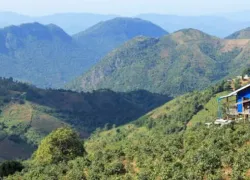
Trekking around Kalaw is one of the most popular and rewarding activities for travelers visiting Shan State in Myanmar. Kalaw, a former British hill station nestled at about 1,300 meters above sea level, is surrounded by green hills, pine forests, tea plantations, and ethnic villages. It has become a starting point for some of the most scenic and culturally rich treks in Southeast Asia. Whether you're an experienced trekker or a first-timer, Kalaw offers a variety of trekking routes ranging from short one-day walks to multi-day journeys — most famously the Kalaw to Inle Lake trek. Along the way, you'll pass through Pa-O, Danu, Palaung, and Taung Yo villages, offering a chance to experience rural life and traditional hospitality. How to Reach Kalaw for Trekking The nearest airport to Kalaw is Heho Airport, located about 45 kilometers away. Heho is well-connected by domestic flights from major cities like Yangon, Mandalay, and Naypyidaw. From the airport, you can take a taxi or minivan to Kalaw, which takes about 1.5 hours. Kalaw is also accessible by road and rail. Buses and private cars frequently run from cities such as Mandalay, Bagan, Taunggyi, and Inle Lake. If you prefer a more scenic journey, you can take a train from Thazi — the ride offers picturesque views of the mountains, though it's slow. Once in Kalaw, trekking agencies, guides, and hostels can help you plan and start your trek easily. Weather in Kalaw Kalaw enjoys a cool, temperate climate year-round thanks to its elevation. The best time for trekking is during the dry season (November to February), when the weather is cool and the trails are dry. Daytime temperatures range between 15°C to 25°C (59°F to 77°F), making hiking pleasant. The summer months (March to May) are warmer and drier, still suitable for trekking, but it can get hot in the afternoons. The monsoon season (June to October) brings lush scenery, but also muddy trails, making trekking more difficult. Timing for Trekking Around Kalaw Treks can start as early as 7:00 AM and typically end by late afternoon or evening, depending on the distance. Multi-day treks start early on the first day and finish by noon or afternoon on the last day. The Kalaw to Inle Lake trek usually takes 2 to 3 days and involves walking 5–6 hours per day, covering around 40–60 kilometers. For shorter treks, such as half-day or full-day village walks, you can start mid-morning or after breakfast. Why is Trekking Around Kalaw Famous? Trekking around Kalaw is famous for its combination of natural beauty, cultural encounters, and physical adventure. It offers a chance to walk through misty forests, rolling hills, terraced farms, and ethnic villages untouched by modern development. Trekkers often highlight the hospitality of the local villagers, homemade food, and the opportunity to sleep in rural homes or monasteries. The final destination for many is Inle Lake, one of Myanmar’s top attractions, which adds even more value to the experience. Entry and Visit Details Trekking in Kalaw does not require a permit for most tourists, and there are no official entry fees. However, hiring a local guide or joining a tour is highly recommended for safety and to enhance the experience. Guided treks are affordable and typically include meals, accommodation (homestays or monasteries), and luggage transport if needed. Prices for a 2-day trek range from $20 to $40 USD per person, depending on group size and included services. It’s advisable to book through a local trekking agency or your hotel/guesthouse in Kalaw a day in advance. History and Cultural Background Kalaw was established as a hill station by the British during the colonial era due to its cool climate. Today, it retains much of its colonial charm with old buildings, churches, and gardens. The trekking routes wind through remote areas inhabited by various ethnic groups including the Pa-O, Palaung, Danu, and Taung Yo people. These communities have preserved their unique customs, dress, and languages, making the trek as much a cultural journey as a physical one. Things to Do While Trekking Around Kalaw Walk through tea plantations, bamboo forests, and rice paddies. Visit traditional villages and observe rural life. Sleep in a local homestay or Buddhist monastery. Learn about the culture and beliefs of Myanmar’s hill tribes. Watch or help locals cook traditional meals with fresh, local ingredients. Experience spectacular sunrises and sunsets over mountain ranges. End your trek at Inle Lake and enjoy a boat ride or lakeside relaxation. Facts about Trekking Around Kalaw The Kalaw to Inle Lake trek is around 50–60 km and usually takes 2–3 days. Most treks are guided and include meals and overnight stays in villages. Kalaw was a British colonial retreat, still known for its cool climate and pine forests. Over 30 ethnic groups live in Shan State, many of which can be encountered during treks. Trekking is eco-friendly and helps support local communities through tourism. Tips for Trekking Around Kalaw Wear comfortable, breathable clothing and good walking shoes or hiking boots. Pack light, but bring essentials like a water bottle, sunscreen, hat, and insect repellent. Be respectful of local customs and always ask before taking photos of people. Support the community by buying local handicrafts or produce. Consider tipping your guide and hosts to show appreciation. Travel with a reusable water bottle and avoid single-use plastics. Book your trek with a reputable guide or agency with positive reviews.
Explore More