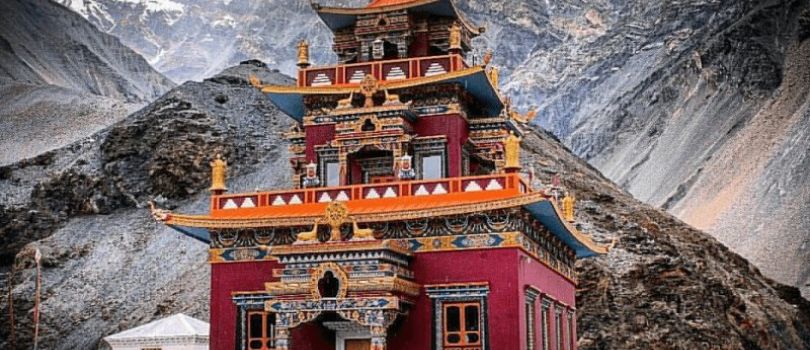
"Explore ancient traditions in a remote mountain setting."
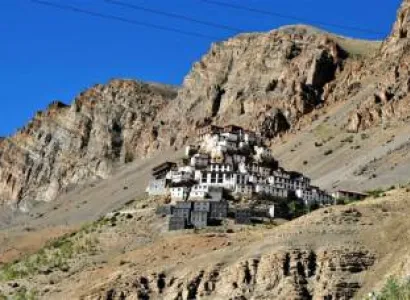
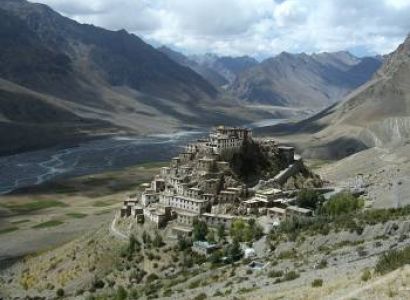
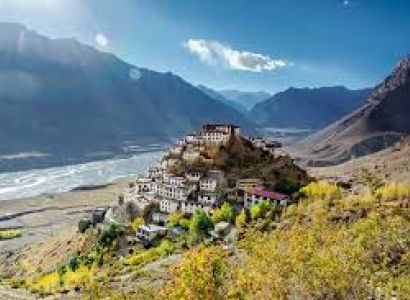
Gue Monastery is one of the most mysterious and fascinating Buddhist monasteries in Himachal Pradesh. Located in the remote village of Gue in the Spiti Valley region, near the Indo-Tibetan border, the monastery is famous for housing the naturally preserved mummy of a Buddhist monk believed to be over 500 years old. Although it is often included in Spiti Valley travel circuits, it is important to note that Gue Monastery is located in the Lahaul and Spiti district of Himachal Pradesh and not in Chitkul itself. However, travelers exploring the Himalayan regions of Himachal Pradesh frequently include both destinations in their itineraries.
Situated at an altitude of approximately 10,000 feet above sea level, Gue Monastery offers a unique combination of spirituality, history, mystery, and breathtaking mountain scenery. The monastery attracts pilgrims, historians, photographers, and adventure travelers who come to witness the rare mummy and experience the peaceful atmosphere of this remote Himalayan village.
How to Reach Gue Monastery, Himachal Pradesh
Gue Monastery is located near Sumdo village in Spiti Valley and can be reached by road.
By Air: The nearest major airport is Shimla Airport, approximately 420 kilometers away. Another option is Kullu-Manali Airport (Bhuntar Airport), though road travel from there is considerably longer.
By Train: The nearest broad-gauge railway station is Kalka Railway Station, around 430 kilometers away. From Kalka, visitors can travel by road through Shimla and Kinnaur to reach Gue.
By Road: Gue Village lies about 8 kilometers off the main Kinnaur-Spiti Highway near Sumdo. Travelers can drive from Shimla via Reckong Peo, Nako, and Sumdo. Regular buses and shared taxis operate on portions of this route, though private vehicles are the most convenient option.
Local Access: After reaching Gue Village, visitors can easily walk to the monastery, which is located within the village premises.
Weather at Gue Monastery
Due to its high-altitude Himalayan location, Gue Monastery experiences cold weather for most of the year.
Summer (May to September): Temperatures range between 10°C and 25°C. This is the best season for visiting as roads remain accessible and the weather is pleasant.
Autumn (October): Temperatures begin to drop, and the landscape becomes especially beautiful with clear skies.
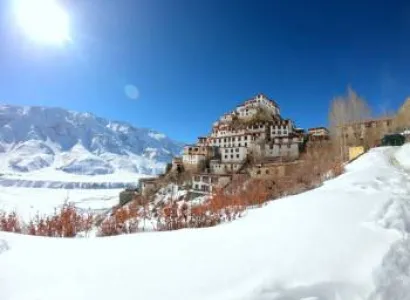
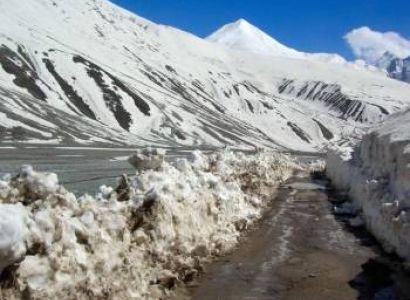
Winter (November to April): Temperatures can fall below -10°C. Heavy snowfall often blocks roads, making travel difficult.
The ideal time to visit Gue Monastery is from May to September.
Timings of Gue Monastery
Gue Monastery is generally open throughout the week.
Visiting Hours: 8:00 AM to 6:00 PM
Visitors are advised to visit during daylight hours, as the village is remote and facilities are limited.
Why is Gue Monastery Famous?
Gue Monastery is famous primarily because it houses one of the world's rare naturally preserved mummies.
Entry and Visit Details about Gue Monastery
Visitors are welcome to explore the monastery and view the famous mummy.
Entry Fee: Generally free, though donations for monastery maintenance are appreciated.
Photography: Photography policies may vary. Visitors should seek permission before taking photographs inside the monastery.
Facilities Available:
Due to the remote location, visitors should carry essentials such as drinking water, snacks, and warm clothing.
History of Gue Monastery
The history of Gue Monastery is deeply connected with Tibetan Buddhism and local Himalayan traditions. The monastery gained international attention in 1975 when an earthquake in the region exposed a hidden chamber containing a naturally preserved mummy.
The mummy is believed to be that of Lama Sangha Tenzin, a Buddhist monk who lived approximately 500 years ago. According to local legends, the monk voluntarily mummified himself while meditating to protect the village from scorpions and other natural calamities. Scientific examinations suggest that the preservation may have occurred naturally due to the region's dry climate and high altitude.
After the discovery, the mummy became a subject of great interest among archaeologists, historians, and spiritual seekers. A dedicated structure was later built to preserve and display the mummy safely.
Architecture of Gue Monastery
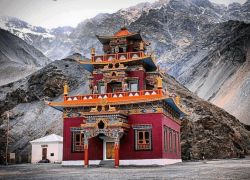
Gue Monastery features traditional Tibetan Buddhist architectural elements. While relatively small compared to major monasteries in Spiti Valley, it possesses a unique charm and spiritual significance.
Key architectural features include:
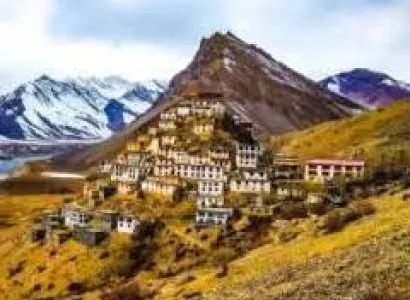
The monastery's architecture blends harmoniously with the rugged Himalayan landscape.
Things to Do at Gue Monastery
1. View the Ancient Mummy
The preserved mummy of Lama Sangha Tenzin is the main attraction and a truly unique sight.
2. Explore the Monastery
Visit the prayer halls and learn about Tibetan Buddhist traditions.
3. Enjoy Mountain Views
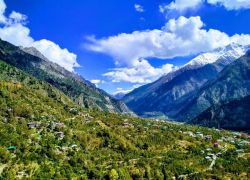
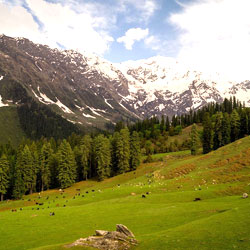
The monastery offers stunning views of the barren yet beautiful Himalayan terrain.
4. Photography
Capture photographs of the monastery, village, mountains, and surrounding landscapes.
5. Experience Local Culture
Interact with villagers and gain insight into traditional Himalayan lifestyles.
6. Spiritual Reflection
The peaceful surroundings make the monastery an excellent place for meditation and contemplation.
7. Explore Nearby Attractions
Visit Nako Lake, Tabo Monastery, Dhankar Monastery, and other famous destinations in Spiti Valley.
Interesting Facts about Gue Monastery
Travel Tips for Visiting Gue Monastery
Conclusion
Gue Monastery, Himachal Pradesh, is one of India's most intriguing spiritual and historical destinations. Its worldwide fame stems from the remarkably preserved mummy of Lama Sangha Tenzin, a rare example of natural mummification that continues to fascinate visitors and researchers alike. Surrounded by the dramatic landscapes of the Himalayas, the monastery offers a unique blend of mystery, spirituality, history, and natural beauty.
Whether you are interested in Buddhist culture, archaeology, Himalayan adventures, or unusual historical sites, Gue Monastery provides an unforgettable experience. Its remote location, peaceful atmosphere, and extraordinary heritage make it one of the hidden gems of Himachal Pradesh and a must-visit destination for travelers exploring the Spiti Valley region.







Chitkul