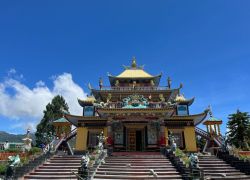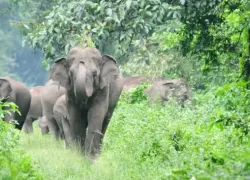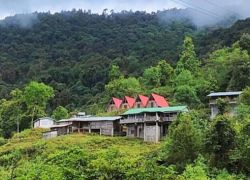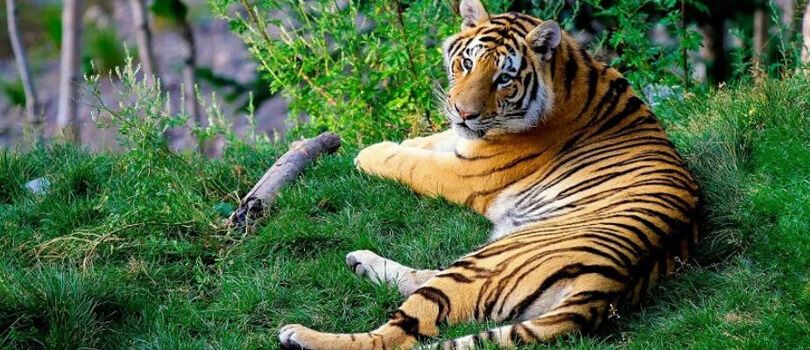
"Witness diverse wildlife in a pristine habitat."
Ringba-Roba Wildlife Sanctuary is one of the lesser-known yet ecologically significant protected areas in the Kameng region of Arunachal Pradesh. Located in the East Kameng district, this sanctuary is known for its dense forests, rich biodiversity, and serene natural surroundings. Spread across rugged hills, valleys, and forested landscapes, Ringba-Roba Wildlife Sanctuary offers an authentic wilderness experience away from crowded tourist destinations.
The sanctuary forms an important part of Arunachal Pradesh’s conservation network and plays a crucial role in protecting the diverse flora and fauna of the Eastern Himalayas. With its untouched forests, diverse wildlife, and peaceful atmosphere, Ringba-Roba Wildlife Sanctuary is an ideal destination for nature lovers, wildlife enthusiasts, and eco-tourists.
How to Reach Ringba-Roba Wildlife Sanctuary
Ringba-Roba Wildlife Sanctuary can be accessed through a combination of air, rail, and road travel. Although remote, the journey offers scenic views of hills, forests, and rivers.
By Air: The nearest airport is Tezpur Airport in Assam, located approximately 170–180 km from the sanctuary. Guwahati Airport, about 300 km away, is another major option with better flight connectivity. From the airport, visitors can hire taxis to reach Seppa or other nearby towns.
By Train: The nearest railway station is Tezpur Railway Station. Guwahati Railway Station is the main railhead for travelers from other parts of India. From the railway station, road transport is required to reach the sanctuary.
By Road: The sanctuary is accessible by road from Seppa, the district headquarters of East Kameng. Roads connect Seppa to Tezpur and other parts of Arunachal Pradesh. Private taxis and shared vehicles are the most convenient means of transport.
Weather at Ringba-Roba Wildlife Sanctuary
The sanctuary experiences a typical sub-tropical to temperate climate, influenced by its forested and hilly terrain.
Summer (March to June): Summers are warm and humid, with temperatures ranging between 18°C and 30°C. Early mornings and evenings are pleasant and suitable for wildlife observation.
Monsoon (July to September): The region receives heavy rainfall during monsoon. Forests become lush and green, but road conditions can be challenging due to landslides and muddy tracks.
Winter (October to February): Winters are cool and pleasant, with temperatures ranging from 8°C to 20°C. This is considered the best time to visit the sanctuary for wildlife sightings and comfortable travel.
Timing of Ringba-Roba Wildlife Sanctuary
The sanctuary is generally open to visitors during daylight hours.
Visiting Hours: 6:00 AM to 4:00 PM
Exact timings may vary depending on forest department regulations and weather conditions. Visitors are advised to check locally before planning their visit.
Why Ringba-Roba Wildlife Sanctuary is Famous
Ringba-Roba Wildlife Sanctuary is famous for its rich biodiversity and dense forest ecosystem. The sanctuary is home to a wide range of wildlife species, including mammals, birds, reptiles, and insects.
It is particularly known for species such as clouded leopards, leopards, tigers, barking deer, wild boars, and various species of primates. The sanctuary is also a paradise for birdwatchers, with numerous resident and migratory bird species inhabiting the area.
The untouched and less commercialized nature of Ringba-Roba makes it attractive for travelers seeking solitude and an immersive jungle experience.
Entry and Visit Details
Visitors are required to obtain permission from the local forest department before entering Ringba-Roba Wildlife Sanctuary. Entry fees are generally nominal and may vary for Indian and foreign tourists.
Indian tourists need an Inner Line Permit (ILP) to enter Arunachal Pradesh, while foreign tourists must obtain a Protected Area Permit (PAP). Guided visits are recommended for safety and better understanding of the sanctuary.
History and Architecture
Ringba-Roba Wildlife Sanctuary was established to conserve the forest ecosystems of East Kameng district and protect endangered wildlife species. The sanctuary has no man-made architectural monuments, as its focus is purely on wildlife conservation.
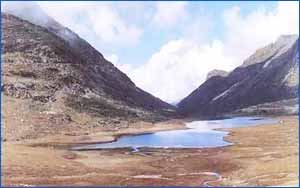
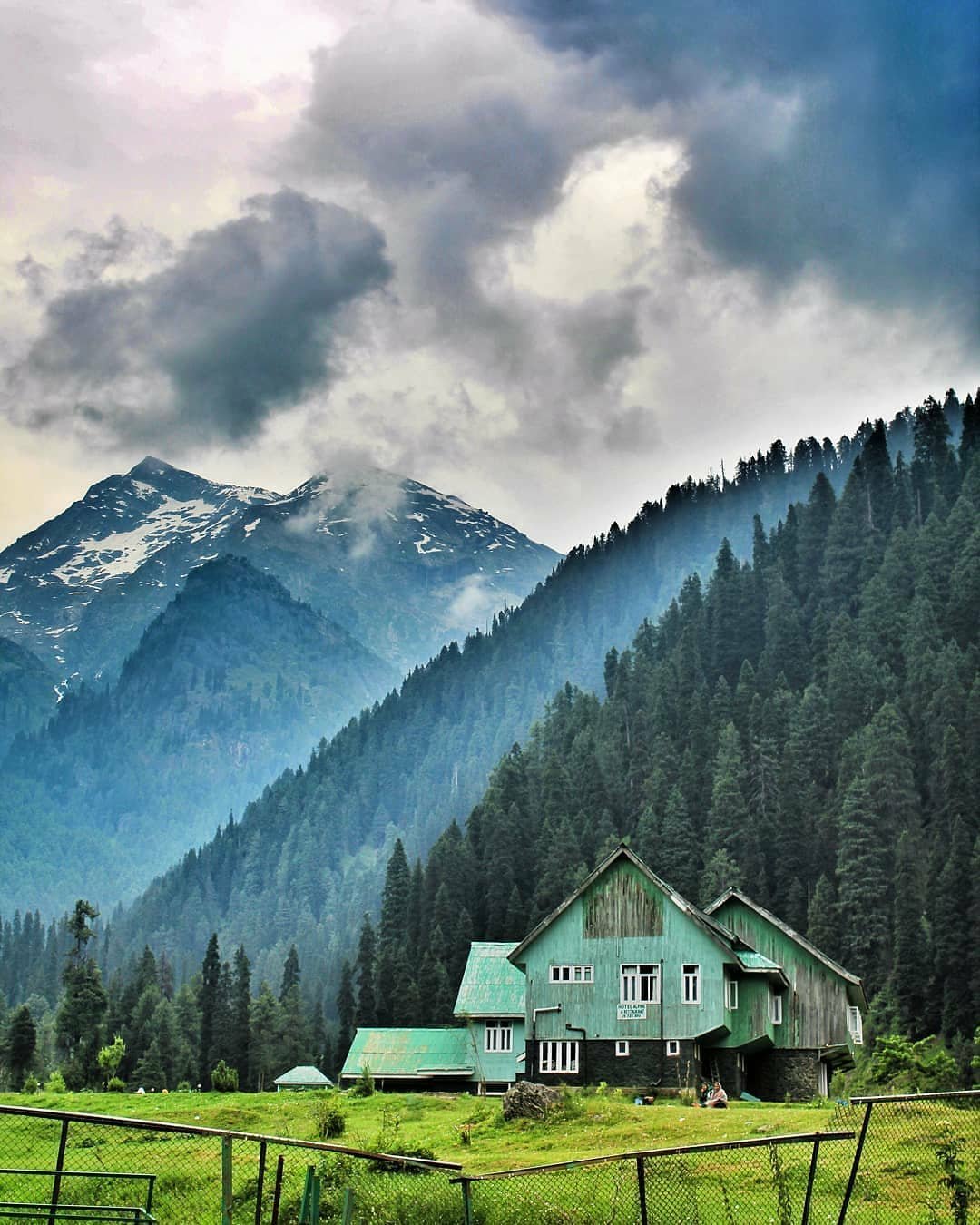
The “architecture” of Ringba-Roba lies in its natural formation—dense evergreen and semi-evergreen forests, hills, streams, and valleys shaped over thousands of years. These natural features provide ideal habitats for wildlife and maintain ecological balance.
Things to Do at Ringba-Roba Wildlife Sanctuary
Wildlife Watching: Spot mammals such as deer, wild boars, and occasionally big cats in their natural habitat.
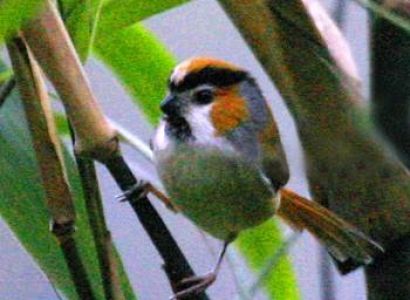
Birdwatching: Observe a wide variety of bird species, making it a rewarding experience for bird lovers.
Nature Walks: Guided walks help visitors explore forest trails and understand the local ecosystem.
Photography: Capture forest landscapes, wildlife, birds, and scenic views.
Eco-Tourism Experience: Learn about conservation efforts and forest biodiversity through interaction with local guides.
Interesting Facts about Ringba-Roba Wildlife Sanctuary
The sanctuary is one of the important wildlife habitats in East Kameng district.
It supports both tropical and sub-tropical forest species.
The area remains largely unexplored by mass tourism.
The sanctuary contributes to maintaining the ecological balance of the Kameng region.
Tips for Visiting Ringba-Roba Wildlife Sanctuary
Visit between October and March for the best weather conditions.
Carry proper trekking shoes, insect repellent, and basic medical supplies.
Hire local guides for safe navigation and wildlife spotting.
Avoid loud noises to prevent disturbing animals.
Do not litter and follow eco-friendly practices.
Check road and weather conditions before planning your trip.
Conclusion
Ringba-Roba Wildlife Sanctuary in the Kameng region of Arunachal Pradesh is a perfect destination for travelers seeking untouched wilderness and rich biodiversity. With its dense forests, diverse wildlife, and peaceful environment, the sanctuary offers an enriching experience for nature lovers and eco-tourists. A visit to Ringba-Roba Wildlife Sanctuary provides an opportunity to explore the natural heritage of Arunachal Pradesh while supporting conservation and responsible tourism.







Kameng
Kameng