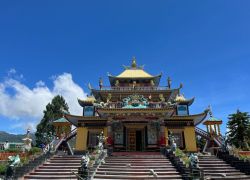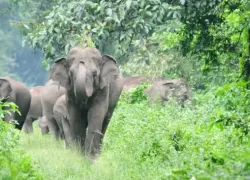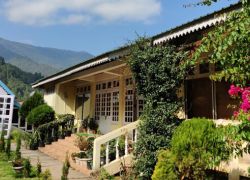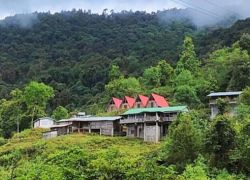
"Discover stunning landscapes in Arunachal Pradesh."
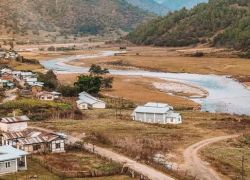
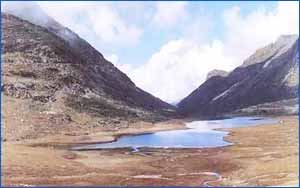
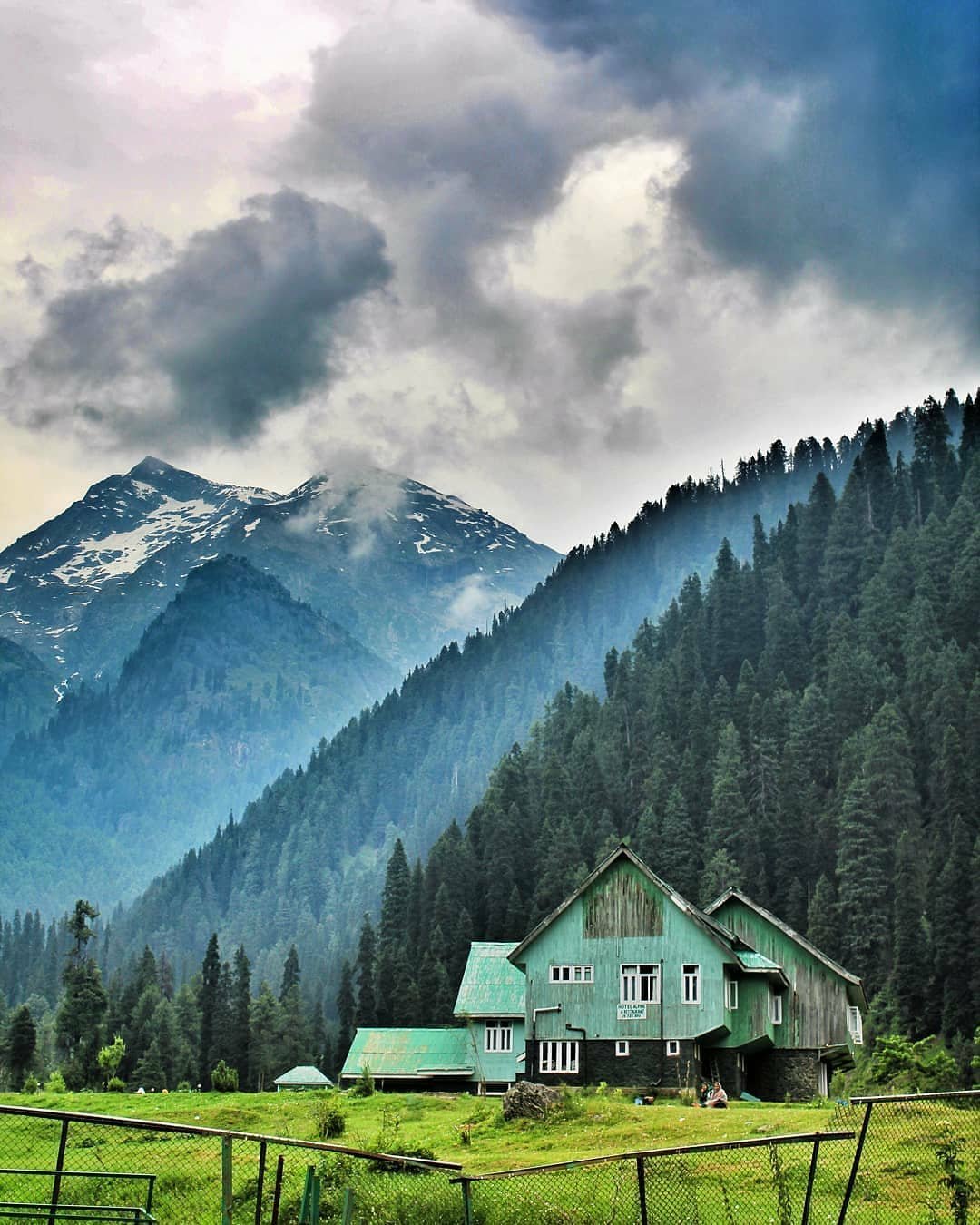
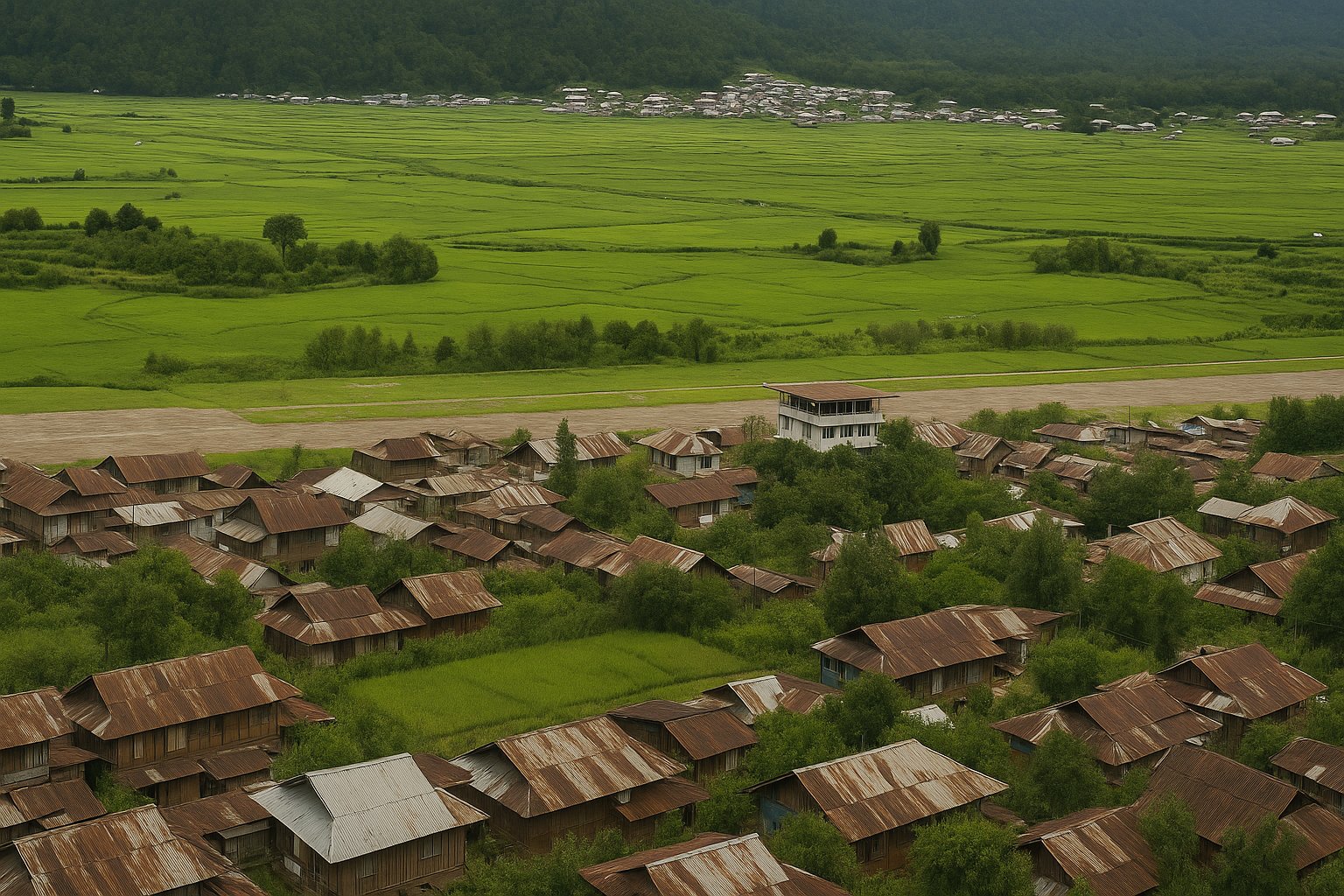
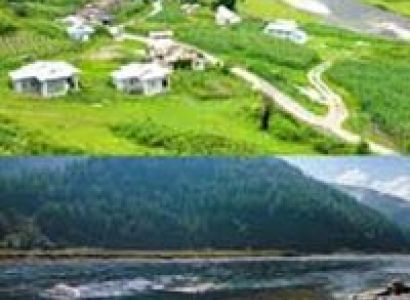
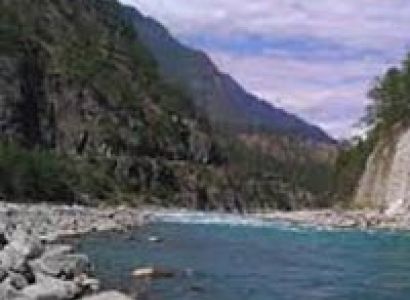
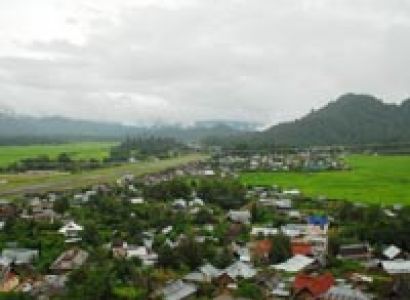
Dirang Valley is one of the most charming and scenic destinations in the Kameng region of Arunachal Pradesh. Located in West Kameng district, Dirang is a beautiful hill town nestled along the banks of the Dirang River, surrounded by snow-clad mountains, lush green valleys, forests, and traditional villages. Known for its pleasant climate, hot water springs, monasteries, and rich tribal culture, Dirang Valley serves as a perfect stopover between Bomdila and Tawang.
The valley offers a peaceful blend of natural beauty and cultural heritage. With apple orchards, yak pastures, ancient forts, and warm hospitality of the Monpa tribe, Dirang Valley attracts nature lovers, photographers, adventure seekers, and travelers looking for an authentic Himalayan experience.
How to Reach Dirang Valley
Dirang Valley is well connected by road and can be reached easily from major towns in Arunachal Pradesh and Assam.
By Air: The nearest airport is Tezpur Airport in Assam, located about 190 km away. Another option is Guwahati Airport, around 320 km away. From the airport, taxis and shared vehicles are available to reach Dirang.
By Train: The nearest railway station is Tezpur Railway Station, while Guwahati Railway Station serves as the main railhead for long-distance trains. From there, travelers can continue their journey by road.
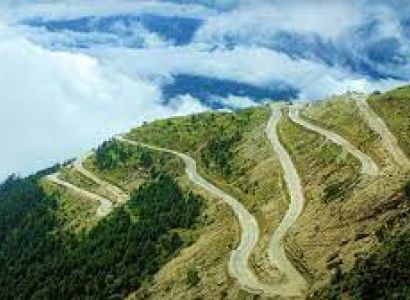
By Road: Dirang is well connected by road and lies on the route from Bomdila to Tawang. Regular taxis and shared sumos operate from Tezpur, Bomdila, and Itanagar. The road journey itself is scenic, offering breathtaking mountain views.
Weather in Dirang Valley
Dirang Valley enjoys a pleasant climate throughout the year, making it a year-round destination.
Summer (March to June): Summers are mild and comfortable, with temperatures ranging from 10°C to 25°C. This is an ideal time for sightseeing and outdoor activities.
Monsoon (July to September): The valley receives moderate to heavy rainfall. The surroundings become lush and green, but landslides and roadblocks may occur, so travel should be planned carefully.
Winter (October to February): Winters are cold, with temperatures dropping to 0°C or below. Snowfall may occur in nearby higher regions, adding to the valley’s charm. This season is perfect for those who enjoy cold weather and mountain views.
Timing of Dirang Valley
Dirang Valley is an open destination and can be visited at any time of the day.
Best Visiting Time: Early morning and evening are ideal for enjoying scenic views, village walks, and photography.
Specific attractions like monasteries, hot springs, and forts generally remain open from morning till evening.
Why Dirang Valley is Famous
Dirang Valley is famous for its breathtaking natural beauty, traditional Monpa culture, and peaceful atmosphere. The valley is especially known for its hot water springs, which are believed to have medicinal properties.
The presence of ancient Dirang Dzong (fort), beautiful monasteries, apple orchards, and yak farms makes Dirang a culturally and historically rich destination. Its location along the Tawang route also makes it a popular halt for travelers exploring western Arunachal Pradesh.
Entry and Visit Details
There is no general entry fee to visit Dirang Valley. However, Indian tourists need an Inner Line Permit (ILP) to enter Arunachal Pradesh, while foreign tourists require a Protected Area Permit (PAP).
Some attractions within the valley, such as monasteries or cultural sites, may have specific visiting hours but usually do not charge an entry fee.
History and Architecture
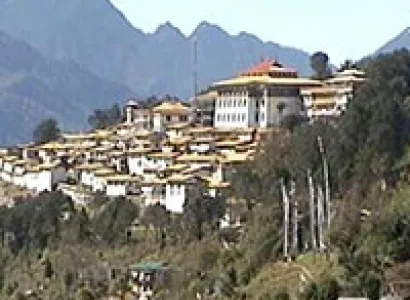
Dirang Valley has a rich historical background influenced by Tibetan and Monpa cultures. One of the most significant historical landmarks is Dirang Dzong, also known as Dirang Fort. Built centuries ago, the fort once served as a defensive structure and administrative center.
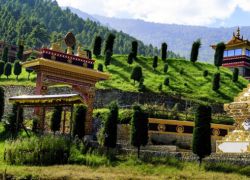
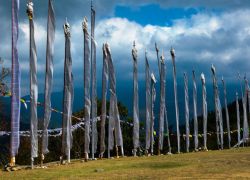
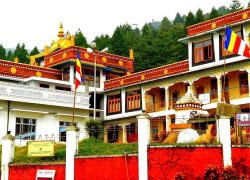
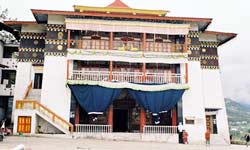
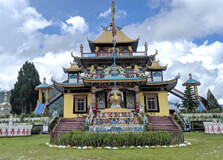
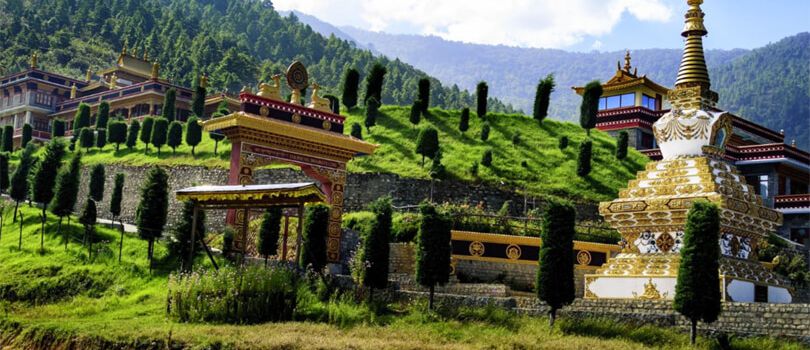
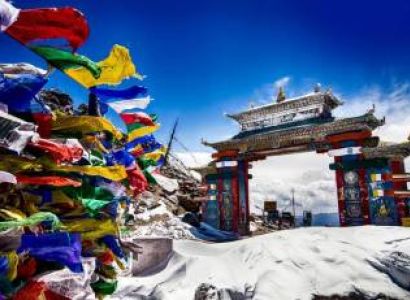
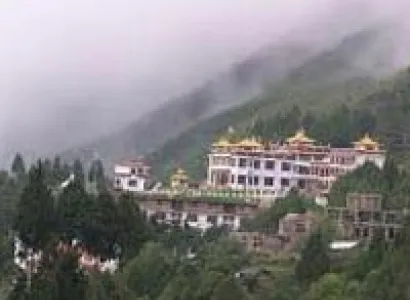
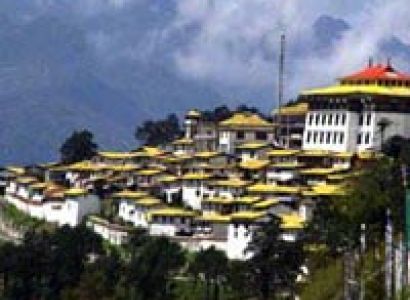
The architecture of Dirang reflects traditional Himalayan styles, with stone houses, wooden balconies, prayer flags, and monasteries featuring Buddhist elements. Monasteries in the region showcase simple yet elegant designs, adorned with prayer wheels, murals, and statues.
Things to Do in Dirang Valley
Visit Dirang Dzong: Explore the ancient fort and enjoy panoramic views of the valley.
Hot Water Springs: Relax in the natural hot springs located near the river, especially enjoyable during winter.
Monastery Visits: Visit Dirang Monastery and nearby gompas to experience Buddhist culture and peaceful surroundings.
Nature Walks: Take leisurely walks through villages, apple orchards, and riverside paths.
Photography: Capture stunning landscapes, traditional houses, and daily life of local tribes.
Birdwatching: The valley is home to several bird species, making it ideal for bird lovers.
Interesting Facts about Dirang Valley
Dirang Valley is one of the few places in Arunachal Pradesh known for apple cultivation.
The hot water springs are naturally heated and used by locals for bathing throughout the year.
Dirang is located at a lower altitude than Tawang, making it a good acclimatization stop.
The valley is inhabited mainly by the Monpa tribe, known for their rich cultural traditions.
Tips for Visiting Dirang Valley
Carry warm clothing, especially if visiting during winter months.
Obtain Inner Line Permit (ILP) in advance for a hassle-free journey.
Travel during daylight hours due to hilly roads and limited lighting.
Respect local culture and ask permission before photographing people.
Keep cash handy, as ATMs and digital payment facilities may be limited.
Plan your visit as part of a Bomdila–Tawang itinerary for the best experience.
Conclusion
Dirang Valley in Kameng region of Arunachal Pradesh is a perfect blend of natural beauty, history, and cultural richness. From soothing hot springs and ancient forts to scenic landscapes and traditional villages, the valley offers a memorable travel experience. Whether you are a nature lover, cultural explorer, or someone seeking peace in the mountains, Dirang Valley promises a refreshing and enriching journey amidst the serene Himalayas.




Kameng
Kameng