Highlights of the Tour Pokhara - the tourist capital of Nepal Panoramic views of mountains from Poon Hill (3210m) View Tower Ghorepani village Hot springs at Jhinu Danda Short trek suitable for all age groups Easy trek without fear of altitude sickness or acute mountain sickness Pretty villages and farmland at Ghandrung A taste of Nepali rural life 4 Nights/ 5 Days Max People : 30 ANNAPURNA REGION Have you ever wondered what it feels like to stand above the clouds as the first rays of sunlight paint the Himalayas in gold? At Poon Hill, you watch Annapurna and Dhaulagiri emerge from darkness while valleys below stay wrapped in shadow. This single moment is why thousands choose this trek every year. In this blog, we cover everything about the Ghorepani Poon Hill trek 5 days itinerary, including the complete day-by-day route, altitude profile, permits, difficulty level, best trekking seasons, costs, packing essentials, and practical tips for planning your journey from Pokhara. What is the Ghorepani Poon Hill trek 5 days The Ghorepani Poon Hill trek 5 days is a teahouse trek in Nepal’s Annapurna region that covers 40 to 50 kilometers and reaches a maximum altitude of 3,210 meters at Poon Hill viewpoint. The trek starts and ends in Pokhara, passing through rhododendron forests and traditional Gurung villages before reaching one of the most famous sunrise viewpoints in the Himalayas. This trek works well for first-time Himalayan trekkers because the altitude stays moderate and the trail conditions are good throughout. You stay in local teahouses each night, which means no camping gear needed. The route forms a loop, so you see different landscapes each day instead of walking the same path twice. Most trekkers complete this in 4 nights and 5 days with comfortable daily walking times between 4 and 7 hours. Why choose the 5 day Poon Hill trek over other itineraries The 5-day itinerary strikes the right balance between experience and time commitment. Shorter 4 day poonhill trek exist, but they rush through villages that deserve exploration and leave little room for rest. You end up missing cultural moments in places like Ghandruk or feeling exhausted from consecutive long days without proper acclimatization time. Longer 7-day itineraries add side trips that look appealing on paper but aren’t necessary for first-time trekkers. The 5-day format gives you everything essential without the extra days that mostly repeat similar landscapes. You get the complete circuit covering Ghorepani, Poon Hill, Tadapani, and Ghandruk without backtracking on the same trail, which keeps the scenery fresh throughout. This duration works particularly well for travelers with limited vacation time who still want a genuine Himalayan experience. The pacing allows your body to adjust to altitude naturally, daily distances remain manageable even for beginners, and you have enough time in each village to actually experience the culture rather than just passing through. It’s long enough to feel like a real trek but short enough to fit into most travel schedules. Ghorepani Poon Hill trek difficulty and fitness level The Ghorepani Poon Hill trek sits comfortably in the easy to moderate category, meaning anyone who walks regularly and has basic cardiovascular fitness can complete it without major struggles. You don’t need prior trekking experience or technical skills to handle this route. The trail follows well-maintained stone paths and village trails throughout, with daily trekking durations ranging between 4 and 7 hours. The steepest section comes on Day 2 with the stone steps between Tikhedhunga and Ulleri, but no technical skills are required. This is standard hiking only, with no ropes or climbing equipment needed. The main challenge is the cumulative effect of consecutive days of walking, particularly the ascent to Ghorepani. If you can climb stairs for 30 minutes without stopping, you likely have the baseline fitness for this trek. Your legs will feel it by the end of each day, but the pace is manageable for most people with reasonable fitness. When is the best time for the Ghorepani Poon Hill trek The best time for the Ghorepani Poon Hill trek falls during spring (March to May) and autumn (September to November), when weather conditions are most stable and mountain views are clearest. For more detailed seasonal guidance, check our complete guide on best-time-to-trek-in-nepal. Nepal’s trekking seasons follow the monsoon cycle, with two peak windows offering optimal conditions. However, this lower-altitude trek remains accessible for more of the year than higher routes. Each season brings different advantages depending on what you value most in a trekking experience. Spring offers blooming rhododendrons, autumn delivers crystal-clear mountain views, winter provides solitude, and monsoon brings lush green landscapes despite the rain. Spring season from March to May Spring brings warming temperatures, clear pre-monsoon skies, and the famous rhododendron blooms that paint the forests in red, pink, and white. Late March through April is particularly spectacular in the forests between Ulleri and Ghorepani, when the flowers are at their peak. This is peak season, so expect more trekkers on the trail and busier teahouses, but the natural beauty makes it worthwhile. Autumn season from September to November Post-monsoon clarity makes autumn the other prime window for this trek. The air is crisp, visibility is excellent, and the mountains appear sharp against deep blue skies. October and November see the highest trekker numbers of the year, but the experience justifies the crowds. This is when photographers get their best shots of the Annapurna and Dhaulagiri ranges. Winter and monsoon trekking conditions Winter (December to February) brings cold temperatures and occasional snow at Ghorepani, but also fewer crowds and crystal-clear views on sunny days. With proper gear, winter trekking is entirely feasible and offers a quieter experience. Monsoon season (June to August) means rain, leeches in the lower forests, and obscured mountain views, though the landscape is lush and green, and some travelers appreciate the solitude and lower teahouse prices. What is the altitude profile and how to prevent altitude sickness on Poon Hill Poon Hill’s maximum elevation of 3,210 meters is relatively low by Himalayan standards, making serious altitude sickness unlikely for most trekkers. Acute Mountain Sickness (AMS) occurs when the body doesn’t have time to adjust to reduced oxygen at elevation. Symptoms include headache, nausea, dizziness, and fatigue. The good news is that the gradual ascent profile of this trek gives your body time to adapt naturally. The 5-day itinerary is designed with acclimatization in mind, allowing your body to adjust as you climb. Most trekkers experience only mild symptoms, if any, at these elevations. Staying hydrated, ascending gradually, and recognizing symptoms early are the keys to a comfortable trek. A few practices help your body adjust: Hydration: Drinking plenty of water throughout the trek supports acclimatization Gradual ascent: The 5-day itinerary allows natural adjustment to elevation Symptom recognition: Mild headache is common; severe symptoms warrant attention Descent if needed: Symptoms typically resolve quickly at lower elevation If you’ve experienced altitude issues below 3,000 meters before, consult a doctor about preventive medication like Diamox before your trek. Most people complete this trek without any altitude-related problems, but it’s better to be prepared. What permits are required for the Ghorepani Poon Hill trek Two permits are necessary for the Poon Hill trek: the Annapurna Conservation Area Permit (ACAP) and the Trekkers Information Management System (TIMS) card. Nepal requires permits for trekking in conservation areas, both to fund environmental protection and to track trekker safety. These permits are straightforward to obtain and are usually arranged by your trekking operator. The permit system supports conservation efforts and ensures trekker safety through registration. Your guide will carry copies of both permits and present them at checkpoints along the trail, so you don’t need to worry about the logistics once they’re obtained. Annapurna Conservation Area Permit ACAP The ACAP permit funds conservation efforts in the Annapurna region, including trail maintenance, waste management, and community development projects that benefit local villages. You can obtain it at the Nepal Tourism Board office in Kathmandu or the ACAP office in Pokhara. When booking through a trekking operator, permit arrangements are typically handled on your behalf as part of the package. Trekkers Information Management System TIMS card The TIMS card registers your trekking itinerary with authorities, enabling search and rescue coordination if needed during your trek. It’s available at the same offices as the ACAP permit and requires basic information about your route and timeline. Your guide will carry copies of both permits and present them at checkpoints along the trail, making the process seamless for you. What is teahouse accommodation like on the Ghorepani Poon Hill trek Teahouses are basic mountain lodges that provide rooms and meals along the trail. They are the standard accommodation for treks in the Annapurna region. These are not hotels, but they offer everything you need for a comfortable night after a long day of trekking. Rooms are simple twin-share setups with beds and blankets provided. Bathroom facilities are shared at most lodges, though some teahouses offer attached bathrooms for an additional cost. Meals include dal bhat (traditional Nepali lentils and rice), pasta, noodles, and basic international dishes. Hot water for showers and phone charging are available at most stops for a small fee. The food is hearty and designed for hungry trekkers. Dal bhat comes with unlimited refills and provides excellent energy for the trail. Most teahouses have communal dining areas where trekkers gather in the evenings, creating a social atmosphere that many people enjoy as much as the trekking itself. What should you pack for the Ghorepani Poon Hill trek Packing light while staying prepared for variable mountain weather is the goal. The temperature can swing from warm and humid at lower elevations to near-freezing at Ghorepani before dawn. Your packing list should cover layering options, trekking essentials, and personal items without overloading your bag. The key is bringing versatile items that work across different conditions. You will encounter rain, sun, cold mornings, and warm afternoons all in the same day. A good layering system handles these changes better than packing separate outfits for every scenario. For a comprehensive breakdown of what to bring, check our detailed guide on what-to-pack-for-abc-trek, which covers similar altitude and weather conditions. Clothing essentials Your clothing should follow a three-layer system that adapts to changing temperatures throughout the day. Start with a moisture-wicking base layer that pulls sweat away from your skin. Add an insulating fleece mid-layer for warmth during breaks and cooler sections. Top it off with a waterproof outer shell that blocks wind and rain. Trekking pants in comfortable, quick-dry material work well, and zip-off styles give you flexibility. A warm hat and gloves are essential for the pre-dawn Poon Hill hike when temperatures drop significantly. Sun protection matters too, so bring a wide-brimmed hat and quality sunglasses for the exposed sections of trail. Trekking gear and accessories Your footwear makes or breaks the trek. Bring broken-in trekking boots with ankle support and good grip for the stone staircases and uneven trails. A daypack in the 20 to 30 liter range carries your daily essentials like water, snacks, and extra layers. Trekking poles are highly recommended for knee support on descents, especially on the long staircase sections. A headlamp is required for the pre-dawn Poon Hill climb when you will be walking in complete darkness. Bring extra batteries since cold temperatures drain them faster than expected. Personal items and toiletries Mountain sun is stronger than you expect, so pack high SPF sunscreen and lip balm. Hand sanitizer and wet wipes are essential since washing facilities on the trail are limited. A basic first aid kit should include blister treatment and any personal medications you need. Toiletries should be biodegradable options preferred in conservation areas. Keep everything minimal since you will be carrying it uphill for several days. Documents and money Your passport is required for permit registration at checkpoints along the trail. Bring enough cash in Nepali Rupees since there are no ATMs on the trail and you will need money for extras like hot showers, charging, and snacks. Carry both physical and digital copies of your travel insurance documents. Keep emergency contacts handy, including your guide’s phone number and embassy information in case anything goes wrong. How do you reach Pokhara from Kathmandu Pokhara serves as the gateway city for the Ghorepani Poon Hill Trek, and most international travelers arrive first in Kathmandu. Three main options connect the two cities, each with different advantages depending on your budget and time constraints. Tourist buses are the most economical choice and take 6 to 7 hours along a scenic highway. Private vehicles offer the same duration but with more comfort, flexible stops, and better options for groups. Domestic flights cut travel time to just 25 minutes and provide stunning mountain views, though they cost significantly more and can be delayed by weather. Wilder Way Trekking offers integrated transport services that turn the journey into part of the adventure. The highway route passes through scenic views of rivers, hills, and terraced farmland that give you a preview of the landscapes you will trek through. Do you need a guide or porter for the Poon Hill trek The Poon Hill trail is well-marked and teahouses are plentiful, making independent trekking technically possible. However, a guide adds significant value beyond just navigation. They provide cultural context, handle logistics, and offer safety support that independent trekkers miss out on. Porters carry your main bag and follow your pace, which lets you trek with just a light daypack. This makes the daily climbs much more enjoyable, especially on the steep sections. The choice depends on your experience level, budget, and what kind of trekking experience you want. A local guide shares stories about the villages you pass, explains cultural practices, and handles logistics like teahouse bookings and permit checks. For first-time trekkers in the Himalayas, this support transforms a good trek into an exceptional one. You learn things about the region that you would never discover on your own. How to trek responsibly in the Annapurna region The Annapurna Conservation Area depends on responsible tourism to protect its ecosystems and support local communities. Your choices as a trekker directly impact the trails, villages, and natural environment that make this region special. Simple practices make a big difference when multiplied across thousands of trekkers each season. Packing out all trash leaves no trace on the trail, including biodegradable items that take time to decompose at high altitude. Respecting local culture means asking permission before photographing villagers or religious sites. Supporting the local economy through buying from village shops and hiring local guides and porters keeps money in the communities that maintain these trails. Staying on marked trails protects fragile mountain ecosystems from erosion. Conserving resources like limiting hot water usage and avoiding single-use plastics helps teahouses manage their environmental impact. These are not difficult commitments, but they preserve the Annapurna region for future trekkers. Book your Ghorepani Poon Hill trek with Wilder Way Trekking The Ghorepani Poon Hill Trek delivers an authentic Himalayan experience in just five days. Sunrise over the world’s greatest peaks, immersion in Gurung village culture, and trails through forests that feel like another world all combine into a trek that works for first-timers and experienced hikers alike. Wilder Way Trekking offers competitive pricing with transparent, tax-inclusive rates and no hidden costs. You get 24/7 support from initial inquiry through trek completion. As a government-registered Nepal operator with experienced guides, we provide local expertise that makes the difference between a good trek and a great one. Flexible booking options and customizable itineraries mean the trek adapts to your schedule and preferences.
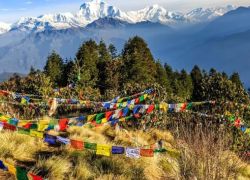
Even though the trek normally starts from Pokhara, Wilder Way Trekking provides a complementary tourist bus ride from Kathmandu to Pokhara. You will spend the night in Pokhara a day before the trek departure. After a nourishing breakfast the next morning, you will enjoy a short drive from Pokhara through the beautiful landscape to Nayapul / Birethanti and then to Ulleri. From Ulleri, we begin the trek to Ghorepani - the destination for the day. The trails provide us with astonishing views of the Annapurnas, Machhapuchhare, Dhaulagiri, and Hiunchuli. All the while, you will be ascending gently through the rhododendron forest to reach Nanghethani (2460m). We continue forward to Ghorepani. The hillside just below Ghorepani is home to more than eight rhododendron species - Nepal's national flower.
Activities : Trekking
Today we will be awaking early to ascend to Poon Hill just in time to view the dawn breaking over the Himalayas. From Poon Hill, we can view a brilliant panorama of mountain ranges - Dhaulagiri I (8167m), Tukuche (6920m), Nilgiri (6940m), Annapurna South, Annapurna I (8091 m), Hiunchuli( 6441 m), and many more. After enjoying the views, we return to our lodge for a hearty breakfast and follow a pleasant forest trail through rhododendron and oak groves to Deurali(2960 m) on a path that connects the Ghorepani and Annapurna Circuit Trek. The trail descends through rhododendron forests to Banthanti (2606m). Then the path goes uphill and enters a cane field to Bhurung Khola before climbing again through the steep forests for 20 minutes to finally reach Tadapani (2710m), another beautiful village that provides stunning views of Annapurna ranges.
Activities : Trekking
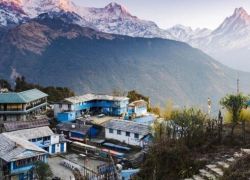
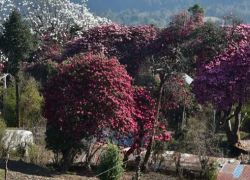
We continue our way down to the Kimron Khola and ascend while passing through the serene rhododendron, bamboo, and oak forest to reach Chomrong village before dropping to a small peaceful settlement - Jhinu danda. This village has hot springs nearby where we can soak our tired muscles.
Activities : Trekking
We have reached our final day on the trekking trails. After leaving Jhinu Danda hot springs, we follow the plain dust road along the right of Modi Khola that provides the most relaxing walk of the entire trek. Ultimately, we reach Siwa/Ghandruk Phedi. We then say goodbye to the trails and make a return drive through picturesque countryside to Pokhara.
Activities : Trekking
Early morning we depart from Pokhara to Kathmandu. The 200 km route follows the Marsyangdi River first and then the Trishuli River while offering a good view of the natural scenery and farmland. The bus will make one last climb, and you will enter Kathmandu Valley. Later in the day, Wilder Way Trekking will host a farewell dinner in Kathmandu.
Activities : Trekking
* 20% Advance Percentage of total booking amount
* Upon cancellation, refund will be made after deducting the Retention Amount.
Wilderway trekking & Expedition Pvt Ltd, based in Kathmandu, offers a wide range of tour programs across India, specializing in customized holiday packages at affordable prices. Whether you're planning a heritage tour, pilgrimage trip, beach holiday, Know more..

Kathmandu & Mount Kailash & Lake Manasarovar 16 Days Budget Tour Package
Kathmandu - Mount Kailash - Lake Manasarovar
16 Days / 15 Nights
45 Days Kathmandu & Shigatse & Lhasa & Tingri Budget Tour Package
Kathmandu - Shigatse - Lhasa - Tingri
45 Days / 44 Nights
Kathmandu & Lukla & Solukhumbu 27 Days Budget Holiday Package
Kathmandu - Lukla - Solukhumbu
27 Days / 26 Nights
15 Days Kathmandu & Lukla & Solukhumbu Tour Package Budget
Kathmandu - Lukla - Solukhumbu
15 Days / 14 Nights
Havelock & Port Blair 5D/4N Budget Travel Package
Port Blair - Havelock - South Andaman
5 Days / 4 Nights




Ayodhya & Chitwan Tour Package - 12 Days Standard
Prayagraj - Gorakhpur - Varanasi - Ayodhya - Kathmandu - Pokhara - Chitwan - janakp..
12 Days / 11 Nights
Ayodhya & Chitwan 12D/11N Standard Travel Package
Prayagraj - Gorakhpur - Varanasi - Ayodhya - Kathmandu - Pokhara - Chitwan - janakp..
12 Days / 11 Nights
12 Days Standard Ayodhya & Chitwan Tour Package
Prayagraj - Gorakhpur - Varanasi - Ayodhya - Kathmandu - Pokhara - Chitwan - janakp..
12 Days / 11 Nights
Chitwan & janakpur 8D/7N Standard Travel Package
Kathmandu - Pokhara - Lumbini - Chitwan - janakpur
8 Days / 7 Nights
Divine Nepal with Muktinath Spiritual Yatra
Kathmandu - Pokhara - Jomsom - janakpur - Nagarkot
8 Days / 7 Nights
Ayodhya & Chitwan 12 Days Standard Holiday Package
Prayagraj - Gorakhpur - Varanasi - Ayodhya - Kathmandu - Pokhara - Chitwan - janakpur
12 Days / 11 Nights