+91-8929175340

13 km2 (5 sq mi)
According to 2001 Indian Census the population of the city is 23,448.
The official language of the region is Kannada.
08236
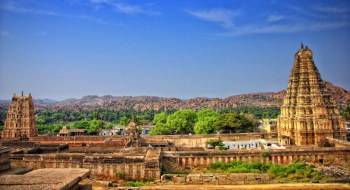
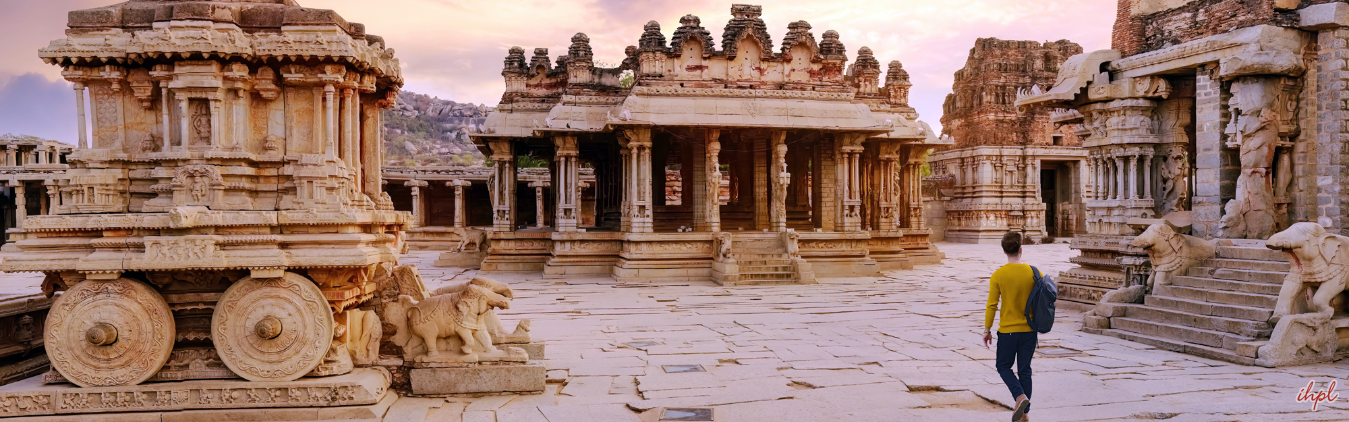
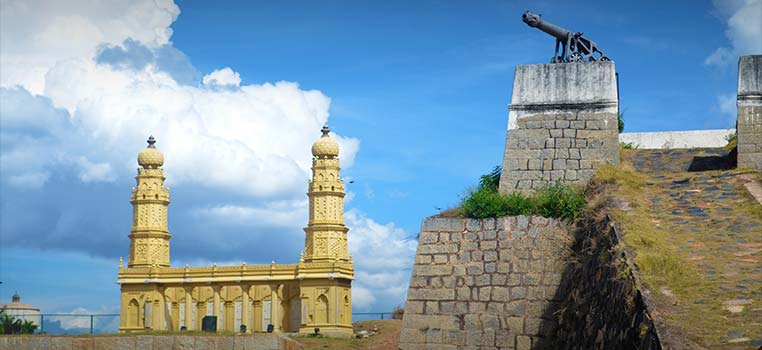
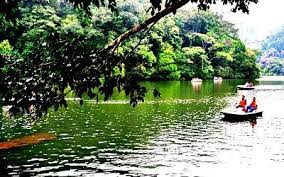
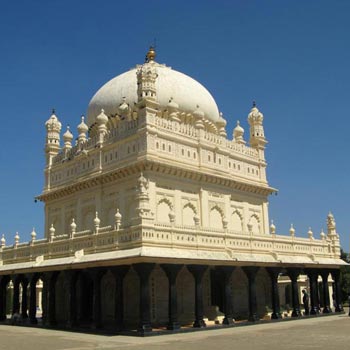
Srirangapatna, is a town located in Karnataka and also near to Mysore. The town is also of great religious, historic and cultural significance. It is located 15 km away from the Mysore city and sprawls on the neighboring district of Mandya. The town is surrounded by the Kaveri River.
One can reach the town from Bangalore and Mysore via trains and the road route can also be opted via Bangalore-Mysore highway. The highway makes its way through this town without affecting much of the serenity of the region.
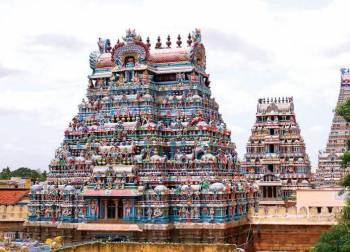
The town derives its name from the Ranganathaswamy temple, which is the prime temple of the region. The various islands of river Kaveri are considered as sacred by Sri Ranganathaswamy. The large temples have been dedicated to the deity of 3 largest islands that are formed by the Kaveri rivers. Many also flock to the town to visit the Kaveri river’s Paschima Vaahini section, which is considered sacred by many people.
The town is located at 12.41°N 76.7°E and is elevated at the height of 679 meters (2227 feet). The town has a tropical climate. The winters are characterized by the comparatively more rainfall than the rainfall received by the town in summers. The average annual temperature of the town is 24.8 °C and the region also receives about 613 mm of annual precipitation. January is the driest month of the year.
One can move around in the city by hiring an auto rickshaw or taxi all for oneself. Like in other regions of the country, the fare could be negotiated. One can also choose to explore the town by walking, if budget is the problem.
Car/Taxi: The town provides convenient taxi/car service to the clients. One can also hire radio taxis to reach to the airport.
Auto Rickshaw: The auto rickshaws can be boarded easily from near the bus stand. The auto fare is pre-determined but it would not be time-consuming if you decide to negotiate it.
Auto Rickshaw: The auto rickshaws can be boarded easily from near the bus stand. The auto fare is pre-determined but it would not be time-consuming if you decide to negotiate it.
While in the town, one can purchase local handicrafts, pens, combs, key chains etc. from the hawkers lolling near the historical sites. One can also shop for jewellery at the well-know jewellery stores in the town such as Om Jewels. Gifts for the loved ones can be purchased from the Hema fancy Store. There are many theatres in the town too.
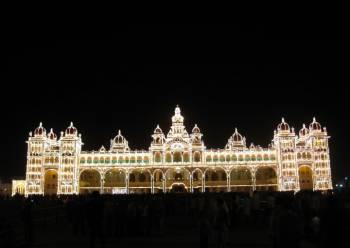
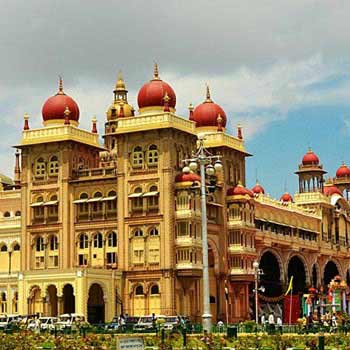
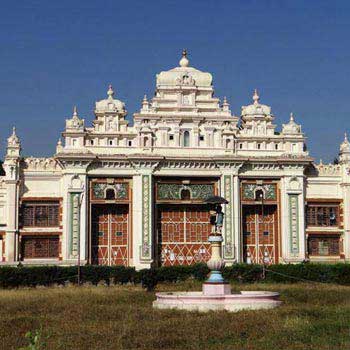
Srirangapatna-Mysore Palace-St.Philomina's Church-Chamundi Hills-Zoo-Brindavan Gardens
1 Days/ 0 Night
Starting Price On Request
13 Nights And 14 Days In Hidden Treasures Of South India
14 Days/ 13 Night
Starting Price On Request