- By Theme
-
Destinations
-
Indian Destinations
-
International Destinations
-
- Best Places to Visit
- Packages
- Search Agents
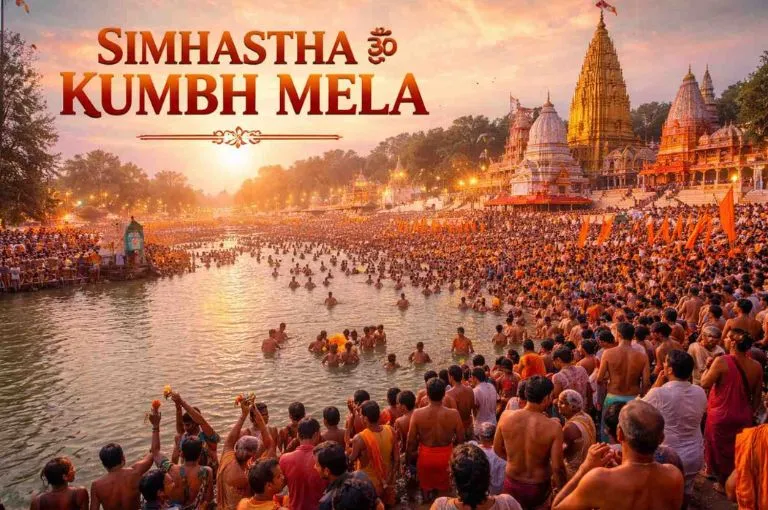
India is known for its spiritual heritage, ancient traditions, and grand religious festivals. Among these, the Simhastha Kumbh Ujjain holds a very special place in Hindu culture. This massive spiritual gathering attracts millions of devotees, saints, and pilgrims from across India and around the world. The simhastha kumbh mela is not just a festival but a deeply spiritual experience where people come together to seek blessings, cleanse their souls, and connect with divine energy.
Held in the holy city of Ujjain in Madhya Pradesh, the simhastha kumbh fair is one of the four major Kumbh gatherings celebrated in India. The festival represents faith, unity, spirituality, and centuries-old traditions that continue to inspire millions of people.
The last Simhastha Kumbh was celebrated in 2016, when millions of devotees gathered on the banks of the sacred Shipra River to take the holy dip. As this grand festival occurs once every 12 years, the next Simhastha kumbh in Ujjain is expected to be held in 2028. Preparations for the upcoming event are expected to begin years in advance, as the city gets ready to welcome pilgrims, saints, and spiritual seekers from across the globe. The 2028 simhastha kumbh mela is anticipated to be an even larger and more organised gathering, continuing the timeless tradition of faith and devotion associated with Ujjain.
The Simhastha Kumbh Ujjain is a sacred Hindu pilgrimage held once every 12 years in the ancient city of Ujjain on the banks of the holy Shipra River. The festival is known for its ritual bathing ceremonies, spiritual discourses, religious gatherings, and cultural celebrations.
The word “Simhastha” is derived from the Sanskrit word “Simha”, meaning Leo. The festival takes place when Jupiter enters the zodiac sign Leo according to Hindu astrology. This planetary alignment is considered extremely auspicious and marks the beginning of the grand religious event known as the simhastha kumbh mela.
Millions of devotees gather at the ghats of the Shipra River to take a holy dip, believing it cleanses sins and helps them achieve spiritual liberation.
The origin of this Kumbh dates back thousands of years and is deeply connected with Hindu mythology. The story originates from the legend of the Samudra Manthan (churning of the ocean).
According to ancient scriptures, when gods (Devas) and demons (Asuras) churned the ocean to obtain Amrit (the nectar of immortality), a divine pot called Kumbh emerged. During the struggle to possess the nectar, drops of Amrit fell at four places on Earth:
Ujjain
Haridwar
Prayagraj
Nashik
These locations later became the sacred sites where Kumbh Melas are celebrated. The Simhastha Kumbh specifically marks the event when the nectar fell near the Shipra River.
Over centuries, the festival evolved into a grand spiritual congregation attracting saints, yogis, spiritual leaders, and pilgrims.
Ujjain is one of the oldest cities in India and holds immense religious significance. The city is home to the famous Mahakaleshwar Jyotirlinga, one of the 12 Jyotirlingas temple in India dedicated to Lord Shiva.
Because of its spiritual importance, Ujjain has always been a major pilgrimage centre. The simhastha kumbh mela Ujjain further enhances the city’s spiritual atmosphere as millions of devotees gather to participate in sacred rituals and prayers.
During the festival, the city transforms into a vibrant spiritual hub filled with temples, ashrams, religious camps, and devotional activities.
The simhastha kumbh mela is not just a religious gathering but a deeply symbolic event in Hindu philosophy.
The most important ritual of the Simhastha Kumbh Ujjain is the sacred bath in the Shipra River. Devotees believe that bathing in the holy waters during the auspicious days washes away sins and purifies the soul.
The royal bath, known as Shahi Snan, is performed by saints and sadhus belonging to different Akharas (religious sects). This grand procession is one of the most spectacular highlights of the festival.
During the simhastha kumbh fair, many spiritual leaders and saints conduct discourses, meditation sessions, and religious teachings. Devotees attend these gatherings to gain spiritual knowledge and guidance.
This Mela represents unity in diversity. People from different regions, languages, and backgrounds come together with a shared belief in spirituality.
Several important rituals and traditions are followed during the Simhastha Kumbh Ujjain festival.
Devotees wake up early in the morning to take a dip in the Shipra River. Special bathing days are considered highly auspicious.
The arrival of saints and sadhus into Ujjain is marked by a grand procession called Peshwai. Decorated elephants, horses, and chariots accompany the saints during the parade.
Many spiritual organisations set up camps where teachings from ancient scriptures like the Bhagavad Gita, Vedas, and Upanishads are shared.
Offering food, clothes, and donations to the poor is considered highly sacred during the simhastha kumbh mela.
One of the most fascinating aspects of the simhastha kumbh mela is the presence of various Akharas. Akharas are religious groups of saints and ascetics who follow different spiritual paths. Some of the prominent Akharas include:
Juna Akhara
Niranjani Akhara
Mahanirvani Akhara
Atal Akhara
Agni Akhara
The saints belonging to these Akharas participate in the Shahi Snan procession. Among them, Naga Sadhus are especially famous for their unique appearance and intense spiritual practices.
During the Simhastha Kumbh, certain dates are considered extremely auspicious for bathing. These dates are determined based on Hindu astrology.
Important bathing days generally include:
Chaitra Purnima
Vaishakh Amavasya
Akshaya Tritiya
Vaishakh Purnima
On these days, millions of devotees gather at the ghats of the Shipra River to take part in the sacred ritual.
The simhastha kumbh mela is not only a spiritual event but also a cultural celebration. Many cultural programs and activities take place throughout the festival.
Devotional music, bhajans, and kirtans are performed by artists and spiritual groups.
Many organisations conduct yoga sessions, meditation workshops, and wellness activities for visitors.
Exhibitions showcasing Hindu culture, scriptures, and traditions are organised during the simhastha kumbh mela ujjain.
Local markets sell religious items, handicrafts, traditional clothing, and souvenirs for pilgrims.
Hosting the Simhastha Kumbh in Ujjain requires extensive planning and infrastructure development. The government and local authorities prepare the city months in advance.
Large temporary settlements are built to accommodate millions of pilgrims.
Special trains, buses, and road arrangements are made to facilitate smooth travel.
Medical camps, hospitals, and emergency services are established across the city to ensure the safety of visitors.
Maintaining hygiene is a major priority during the simhastha kumbh mela. Authorities ensure proper sanitation facilities and waste management.
Apart from religious activities, the Simhastha Kumbh Mela Ujjain also offers an opportunity for visitors to explore the rich cultural and historical heritage of Ujjain.
One of the most important attractions is the Mahakaleshwar Temple dedicated to Lord Shiva.
This temple is famous for its unique ritual where devotees offer liquor to the deity.
Ram Ghat is the primary location for sacred bathing during the Simhastha Kumbh Ujjain.
Another important Shakti temple visited by pilgrims during the festival.
The simhastha kumbh mela has a significant impact on the local economy and society.
Hotels, restaurants, transport services, and local vendors experience increased demand during the festival.
The event creates temporary employment opportunities for thousands of people.
The simhastha kumbh mela Ujjain attracts international visitors, promoting India’s cultural heritage globally.
If you are planning to visit the Simhastha Kumbh Ujjain, here are some useful tips:
Because millions of people attend the festival, it is important to book travel and accommodation in advance.
Always follow instructions given by authorities and avoid overcrowded areas.
The simhastha kumbh mela is a sacred event, so visitors should maintain respectful behaviour.
Carry drinking water, comfortable clothing, and necessary medications during your visit.
The simhastha kumbh mela ujjain is unique because it combines spirituality, culture, devotion, and tradition on an unimaginable scale.
It is considered one of the largest peaceful gatherings of humans on Earth. Millions of devotees gather with a shared purpose of seeking spiritual growth and divine blessings.
The festival reflects the deep spiritual roots of Indian civilization and the enduring faith of millions of people.
Conclusion
The Simhastha Kumbh is much more than a religious festival. It is a celebration of faith, devotion, culture, and human unity. The sacred atmosphere, the spiritual teachings of saints, and the ritual bathing in the Shipra River create a powerful experience for every visitor.
The Simhastha Kumbh Mela represents centuries of spiritual traditions and continues to inspire millions of devotees. For pilgrims and travellers alike, attending the Simhastha Kumbh Mela in Ujjain is a once-in-a-lifetime opportunity to witness one of the most remarkable spiritual gatherings in the world.
Whether you are seeking spiritual enlightenment, cultural exploration, or simply wish to experience the grandeur of India’s religious traditions, the Simhastha Kumbh promises an unforgettable journey of faith and devotion. Visitors can also enhance their spiritual trip by visiting famous temples such as Mahakaleshwar Jyotirlinga, Kal Bhairav Temple, Harsiddhi Temple, and the sacred Ram Ghat along the Shipra River. Travelers looking for well-organized pilgrimage tours can explore Ujjain tour packages from TourTravelWorld, where multiple verified travel agents offer customizable packages to help pilgrims attend the Simhastha Kumbh while comfortably exploring the city’s rich spiritual and cultural heritage.