- By Theme
-
Destinations
-
Indian Destinations
-
International Destinations
-
- Best Places to Visit
- Packages
- Search Agents

In today’s fast-paced world, constant notifications, social media, and screen time can leave you mentally exhausted. That’s where digital detox destinations India come into play. These places offer peace, minimal connectivity, and a chance to reconnect with nature and yourself. Whether you seek mountains, forests, or spiritual retreats, India has several destinations where you can truly unplug and recharge your mind, body, and soul.
A digital detox means deliberately stepping away from digital devices — smartphones, laptops, tablets, and social media — for a set period of time. It is not just a trend. It is a growing necessity in a world where the average person spends over 7 hours a day staring at screens.
Here is why a digital detox can transform your life:
Reduces Stress: Constant connectivity keeps your brain in a state of low-level anxiety. Disconnecting lowers cortisol levels and calms your nervous system.
Improves Sleep Quality: Blue light from screens disrupts melatonin production. Without devices, your sleep cycle naturally resets within days.
Sharpens Focus: Fewer distractions mean deeper concentration. Many people report a surge in creativity and productivity after even a short detox.
Brings Mental Clarity: When you stop feeding your brain a constant stream of information, you begin to hear your own thoughts again. This mental space is where real self-reflection happens.
Strengthens Real Relationships: Without a screen as a barrier, conversations become deeper, more present, and more meaningful.
A digital detox does not require a month-long retreat in the Himalayas — though that certainly helps. Even a weekend in a low-network zone can reset your mental state completely.
India is remarkably well-suited for digital detox travel. From the roof of the world in Ladakh to the misty coffee hills of Coorg, the country is filled with pockets where mobile towers have not reached — and where that is a very good thing.
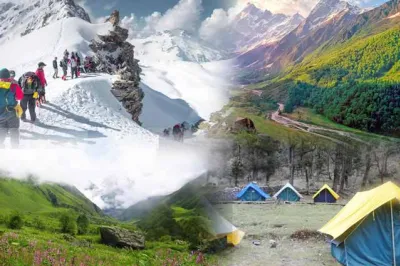
Spiti Valley is not just a place. It is an experience that dismantles everything you think you need to be comfortable. Sitting at an altitude of over 12,000 feet in the cold desert of Himachal Pradesh, Spiti offers some of the most dramatic and raw landscapes on Earth — and almost zero mobile connectivity.
Villages like Kaza, Langza, Hikkim, and Komic are among the highest inhabited places in Asia. BSNL offers a faint signal in parts of Kaza, but once you venture beyond the main town, even that disappears. There is no Instagram here. There is no WhatsApp. There is only the wind, the prayer flags, the snow-capped peaks, and an enormous, humbling sky.
Why it is perfect for digital detox:
Roads are open only from May to October, naturally limiting tourist rush
Homestays run by local families offer an authentic cultural experience
Activities like stargazing, monastery visits, and yak safaris keep you engaged without screens
The altitude itself forces a slower pace — your body simply will not let you rush
Best time to visit: June to September
Pro tips: Carry a physical book, a journal, and a camera with extra memory cards. You will want to capture everything, but your phone battery will drain fast in the cold.
Tawang Tucked away in the far northeastern corner of India, Tawang is one of the most spiritually powerful and visually stunning destinations in the country. At over 10,000 feet, it is home to the largest monastery in India and the second largest in Asia — the Tawang Monastery, which dates back to the 17th century.
Getting here is an adventure in itself. You cross the Sela Pass at 13,700 feet, often through clouds and snow, before descending into this mystical valley. Mobile connectivity is sparse and unreliable, making it a natural digital detox zone.
Why it is perfect for digital detox:
The monastery culture encourages silence, reflection, and mindfulness
Surrounding lakes like Madhuri Lake and P.T. Tso are breathtakingly peaceful
The local Monpa community has a warm, grounded way of life that is infectious
Limited tourist infrastructure means fewer crowds and more genuine experiences
Best time to visit: March to October (avoid heavy snowfall in winter)
Rishikesh is widely known as the Yoga Capital of the World, but its silent retreat ashrams offer something far deeper than a yoga class — they offer a full reset of the human operating system.
Ashrams like Parmarth Niketan, Phool Chatti Ashram, and several boutique retreat centres enforce strict no-phone policies during their residential programs. Here, the detox is not just about network connectivity — it is about rewiring your relationship with stimulation itself.
A typical day in a Rishikesh silent retreat involves early morning meditation at 5 AM, pranayama, mindful meals taken in silence, journaling sessions, and guided reflections by experienced teachers. Some retreats last three days, others extend to 21 days.
Why it is perfect for digital detox:
Structured programs remove the decision-making burden around device use
The Ganges riverfront provides a naturally calming environment
Many retreats include Ayurvedic treatments that deepen the physical detox
Being surrounded by like-minded participants creates community without distraction
Best time to visit: October to March for retreats; February for the International Yoga Festival
Read our Detailed Rishikesh Travel Guide.
Coorg, also known as Kodagu, is Karnataka's most celebrated hill destination — but most tourists stay in the well-connected main town of Madikeri. The real magic of Coorg for a digital detox lies in its interior forest stays: boutique eco-lodges and plantation homestays nestled deep within coffee and cardamom estates where mobile signals simply do not penetrate.
Properties around Galibeedu, Kakkabe, and Siddapur offer this kind of immersive forest experience. Wake up to birdsong, walk through coffee estates with dew still on the leaves, spot Malabar giant squirrels in the trees above, and fall asleep to absolute silence.
Why it is perfect for digital detox:
Dense forest canopy naturally blocks signals
Activities like estate walks, river dips, waterfall hikes, and birdwatching are deeply grounding
The cool, misty climate encourages rest and slowing down
Karnataka's rich culinary tradition means spectacular meals that deserve full attention
Best time to visit: October to March
Read: Explore our Coorg Travel Guide
Ziro Valley is perhaps the most underrated destination on this list. A UNESCO World Heritage tentative site, this lush valley in Lower Subansiri district is home to the Apatani tribe — one of the most environmentally conscious indigenous communities in India.
The valley is a patchwork of pine forests, rice fields, and traditional bamboo villages. Mobile connectivity is extremely limited, and the internet is practically non-existent outside the small town of Ziro. The famous Ziro Music Festival brings visitors every September, but outside of that, the valley remains beautifully quiet.
Why it is perfect for digital detox:
The Apatani way of life offers a masterclass in living in harmony with nature
Gentle hikes through pine forests and rice terraces are deeply meditative
The community's sustainable practices inspire a rethinking of modern consumption habits
Nights are cold, clear, and perfect for stargazing
Best time to visit: September to November; March to May
Gokarna is often compared to Goa, but that comparison sells it short. While South Beach and Kudle Beach attract regular crowds, Gokarna's secret lies in its harder-to-reach stretches of coastline — Half Moon Beach, Paradise Beach, and the trail between them — where life moves at a pace that smartphones simply cannot keep up with.
These beaches are accessible only on foot via rocky coastal trails or by boat, which naturally filters out the party crowd. Shack-style stays with no air conditioning, no Wi-Fi, and no cell signal are the norm. You eat fresh fish, swim in turquoise waters, read paperbacks, and watch sunsets that need no filter.
Why it is perfect for digital detox:
Physical inaccessibility creates a natural barrier to digital intrusion
The Om Beach and temple town nearby offer spiritual grounding
Budget-friendly and suitable for solo travelers
The absence of nightlife means genuine rest
Best time to visit: October to March
Planning is the key to a successful and stress-free digital detox. Here is how to prepare:
Inform your family and close contacts before you disconnect, and leave an emergency contact number with someone you trust
Carry physical entertainment: books, a journal, sketch pads, or a musical instrument
Download offline content before you leave — maps, e-books, podcasts, and meditation apps that work without internet
Set an auto-reply on your email and WhatsApp so people know you are unavailable
Choose accommodation that supports your goal — look for eco-stays and forest lodges that actively discourage device use
Ease into it: if you are heavily dependent on your phone, start with a 24-hour detox before committing to a full week
Even the best-intentioned detox can fail if you make these common errors:
Choosing popular tourist destinations: Manali, Shimla, and Ooty have excellent connectivity — great for regular trips, bad for detox
Carrying work devices: Bringing your laptop "just in case" guarantees you will use it
Staying in high-network hotels: A five-star resort with high-speed Wi-Fi will pull you right back in
Not preparing mentally: If you have not set boundaries before you leave, you will find yourself refreshing your inbox at the first opportunity
Going alone without a plan: Solo detox trips are wonderful, but have at least one day-plan for each day so you do not default to scrolling out of boredom.
The timing of your trip matters as much as the destination itself:
Himalayan Destinations (Spiti, Tawang, Ziro): April to June and September to November. Avoid monsoon and heavy snow months for safe travel.
South India (Coorg, Gokarna): October to March. The weather is cool, dry, and perfect for outdoor activities.
Rishikesh Retreats: October to February offers the most structured retreat programs with ideal cool weather for meditation.
Northeast India: March to October for most destinations; September is ideal for Ziro Valley's music festival.
The noise of the modern world is relentless — but it is not inescapable. India's most powerful digital detox destinations remind us that the most important things in life — clean air, genuine connection, inner quiet, and natural beauty — exist entirely outside the Wi-Fi range.
Whether you lose yourself in the cold deserts of Spiti Valley, find stillness in a Rishikesh ashram, or fall asleep to ocean waves on Gokarna's hidden beaches, each of these destinations offers something rare: the chance to simply be.
If you are ready to take that step, let the experts help you plan it right. TourTravelWorld offers customised travel packages to all these destinations, designed specifically for travellers who want to slow down, disconnect, and return home genuinely refreshed. Reach out today and plan your perfect digital detox journey across India.
Digital detox destinations in India are places with minimal or no internet connectivity, surrounded by nature and peaceful environments, where travellers intentionally disconnect from digital devices to rest and reset mentally and physically.
Yes. Places like Spiti Valley in Himachal Pradesh, Ziro Valley in Arunachal Pradesh, and the interior trails of Gokarna in Karnataka have extremely limited or no mobile connectivity, making them ideal for a genuine digital detox experience.
Yes, digital detox travel is absolutely safe when planned properly. Inform family members of your itinerary, carry a basic first aid kit, download offline maps before departure, and choose reputable accommodation. For remote locations, travel with a registered tour operator.
Even a 3-day weekend in a low-network destination can produce noticeable mental benefits. For a deeper reset, aim for 7 to 10 days. Retreat programs in Rishikesh often run for 7, 14, or 21 days for more transformative results.
Most of these destinations are suitable for solo travel, especially Rishikesh retreats and Gokarna beaches. For remote areas like Spiti and Tawang, it is advisable to travel with a group or hire a local guide for safety.