Gujarat
Jamnagar
38,863
Gujarati, Hindi
IST (UTC+5:30)
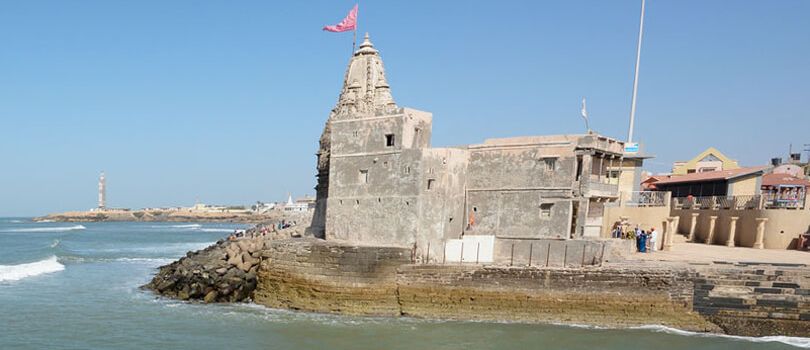
Dwarka, located on the western tip of Gujarat, is one of India’s oldest and most sacred pilgrimage destinations. Known as the legendary kingdom of Lord Krishna, this coastal city is a place where spirituality, history, and nature blend beautifully. When you walk through its ancient lanes, stand at the temple steps, or gaze at the Arabian Sea, you feel a deep connection to stories that are thousands of years old.
For a traveler, Dwarka is much more than a religious spot. It is peaceful, culturally rich, naturally beautiful, and full of places that carry spiritual meaning. Whether you are visiting for devotion, history, photography, or a peaceful coastal experience, Dwarka offers a memorable journey.
In this detailed 3000-word guide, we will explore the top attractions in the city, important nearby spots, beaches, temples, hidden gems, and meaningful experiences that make Dwarka special. The blog is written in a simple and informative way from a traveler’s point of view, helping you plan your trip confidently.
The moment you enter Dwarka, you feel calmness in the air. The sound of temple bells mixes with the ocean breeze, and you see pilgrims walking peacefully through the streets. Vendors selling prasad, devotees chanting, fishermen returning with fresh catch — everything adds to the charm of this holy city.
Dwarka is considered one of the Char Dham pilgrimage sites, making it a major spiritual destination. But beyond its religious importance, it also offers beautiful beaches, river ghats, island trips, marine life, and historical temples that appeal to modern travelers.
For anyone planning a Gujarat trip, Dwarka is a must-visit because:
It has one of the most significant Krishna temples in India
It offers calm beaches and scenic sunsets
It holds deep mythological and archaeological importance
It provides easy access to peaceful nearby towns
It gives travelers a blend of faith, culture, and nature
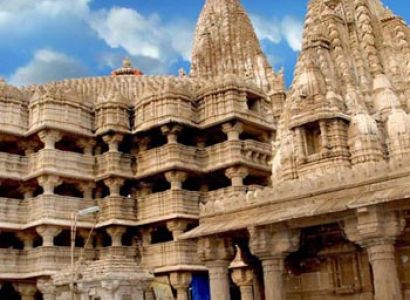
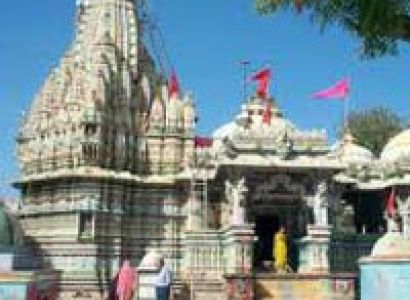
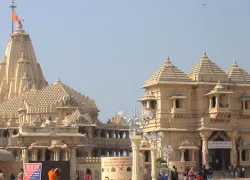
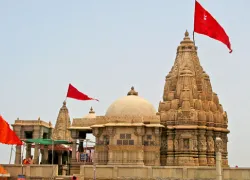
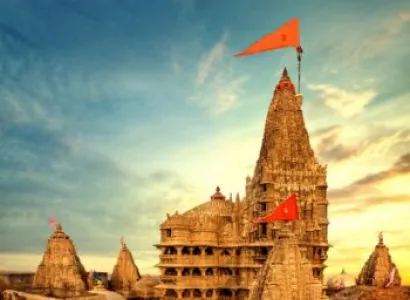
No visit to Dwarka is complete without experiencing the grandeur of the Dwarkadhish Temple. As you approach the temple, the beautifully carved stone architecture immediately captures your attention. The tall shikhara rises proudly, and the flag fluttering at the top is changed several times a day — an experience many visitors wait to witness.
Inside the temple, the idol of Krishna, known as Dwarkadhish (King of Dwarka), is decorated with flowers and ornaments. The aarti rituals are beautifully conducted, and the atmosphere fills you with devotion.
Travelers often recommend visiting early morning for a peaceful darshan. The temple’s spiritual energy stays with you long after you leave.
Just below the Dwarkadhish Temple lies Gomti Ghat, one of the calmest and most scenic spots in the city. Pilgrims take a ritual bath here, and travelers love sitting by the steps to watch the flowing water. Small temples line the ghat, and the view during sunrise is magical.
If you walk across the ghat, you will find boats waiting to take visitors to different locations nearby. The ghat feels like a natural meeting point of spirituality and simplicity.
This pedestrian bridge connecting the mainland to Panchkui Island is named after Sudama, the childhood friend of Lord Krishna. Travelers enjoy walking across it because it offers a wonderful view of the river merging with the sea.
As you walk across, the gentle wind, the sound of waves, and the sight of temples in the distance create a beautiful experience. On the other side of the bridge, you can explore peaceful spots connected to mythology.
A short drive from the main city takes you to the Rukmini Devi Temple, dedicated to Krishna’s beloved consort. The temple is believed to be over 2,500 years old and has intricate carvings depicting gods and goddesses.
The temple stands alone in a quiet area, and travelers often appreciate the peaceful environment. According to legend, a misunderstanding caused Rukmini and Krishna to live separately, which is why the temple is away from the city. It is a meaningful stop for those who appreciate stories and heritage.
Located about 17 km from Dwarka, Nageshwar Temple is one of the twelve Jyotirlingas of Lord Shiva. The massive Shiva statue outside the temple is iconic and visible from far away.
Travelers often describe this place as calm and spiritually uplifting. The temple complex is well-maintained, and the short drive from the city makes it a perfect half-day visit.
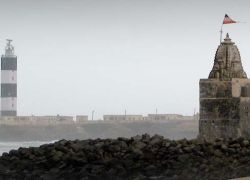
One of the most interesting experiences in Dwarka is visiting Beyt Dwarka, an island believed to be Krishna’s residence. To reach the island, you must take a ferry from Okha Port. The journey across the blue sea is refreshing, and during winter months, you might even spot dolphins.
The island has temples, old structures, clean beaches, and scenic viewpoints. It gives you a feel of rural Gujarat and its natural beauty. Travelers who enjoy peaceful and uncrowded places love spending time here.
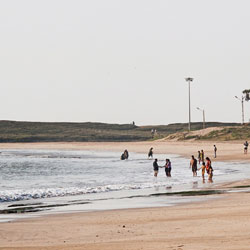
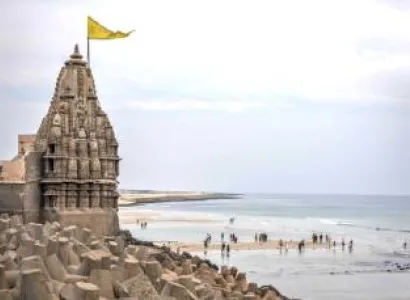
After exploring temples and historical sites, Dwarka Beach offers the perfect place to unwind. The beach is clean, quiet, and ideal for long walks. The best time to visit is during sunset when the sky turns golden and the water glows softly.
Families, couples, photographers, and solo travelers all enjoy this peaceful stretch of coastline.
Gopi Talav is believed to be the place where Krishna met the Gopis. The golden sand around the lake feels different and is considered sacred by devotees. Travelers who enjoy cultural stories often enjoy walking around the lake and learning the associated legends.
Many travelers prefer to explore places outside the main city. This includes scenic beaches, nearby towns, wildlife areas, and coastal viewpoints. Each spot provides a different perspective on the coastal beauty and cultural richness of Gujarat.
This is where we include your required keywords — each one exactly once.
There are several peaceful and meaningful places to visit near dwarka, especially for travelers who enjoy half-day trips and scenic drives. These include smaller temples, rural landscapes, river points, and quiet beaches that add variety to your itinerary.
Dwarka is mostly vegetarian, and Gujarati thalis are very popular. You can enjoy kadhi, khichdi, dhokla, puran poli, and local sweets. Street snacks like gathiya and jalebi are common near temple streets.
Dwarka offers all types of stays — budget hotels, sea-facing resorts, mid-range hotels, and dharamshalas for pilgrims. Booking early is recommended during festivals.
October to March is the best period. Summers are warm but manageable. Monsoons bring a beautiful coastal atmosphere.
Wear comfortable footwear
Keep water with you
Avoid peak temple hours if you prefer quiet visits
Carry cash for small purchases
Respect all temple rules
Imagine waking up before sunrise in a small guesthouse near the temple. You walk through narrow streets as the sky slowly turns blue. The sound of conch shells and bells leads you to the Dwarkadhish Temple. The morning aarti fills the air with devotion.
Later, you sit at Gomti Ghat watching sunlight sparkle on the river. You walk across Sudama Setu with cool wind touching your face. By afternoon, you are exploring Beyt Dwarka with peaceful beaches and long boat rides. In the evening, you sit on Dwarka Beach watching the sun disappear into the Arabian Sea.
By the end of the day, you feel connected — not only to the city but to its history, stories, and calmness.
Dwarka is a journey that stays in your heart long after you leave.
If you want a smooth, well-planned, and memorable Dwarka trip, you can explore the best Dwarka Tour Packages on TourTravelWorld. It connects you with verified travel agents, customized itineraries, affordable prices, and trusted services — making your pilgrimage or vacation completely stress-free.
Book your Dwarka Tour Package with TourTravelWorld and travel with confidence.
Dwarka is a place where devotion meets nature, where ancient stories meet real-life experiences, and where travelers find peace, beauty, and meaning. Whether you are visiting for spiritual reasons or simply to enjoy a calm coastal holiday, Dwarka offers a memorable journey full of warmth and charm.


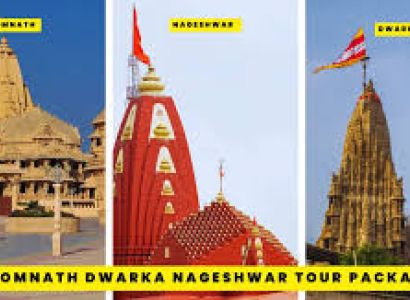
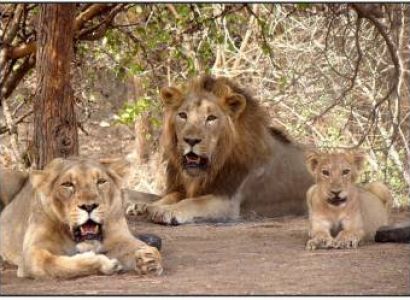

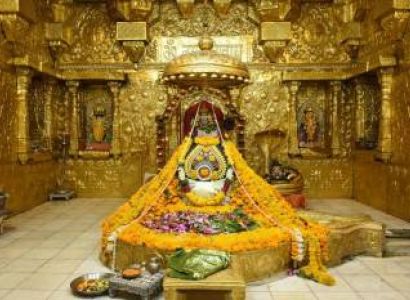

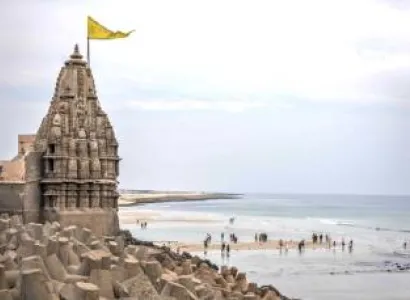
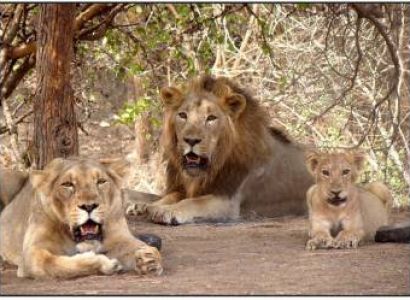
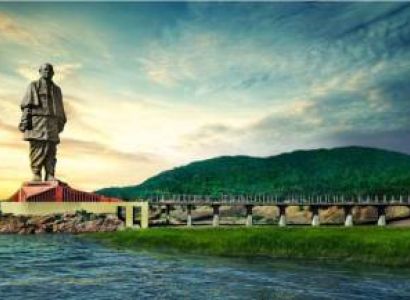
Ahemdabad - Jamnagar - Dwarka - Somnath - Sasan Gir 5 Nights 6 Days Tour
6 Days/ 5 Night
Price On Request
12 Jyotirlinga 4 Dham Yatra Package | Complete Shiv Darshan Tour India
28 Days/ 27 Night
Price On Request