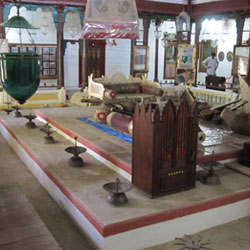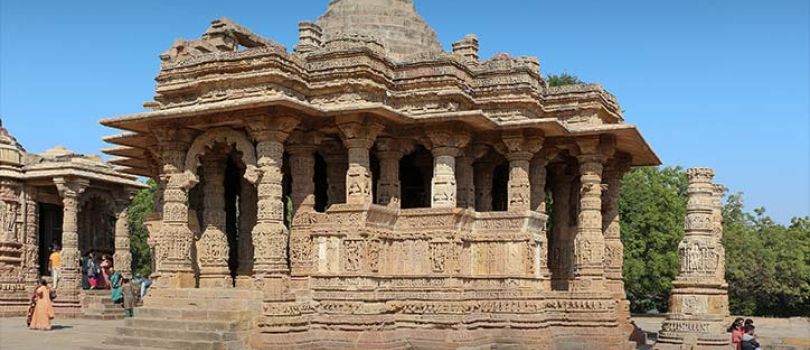
"Historic gathering place showcasing rich heritage"
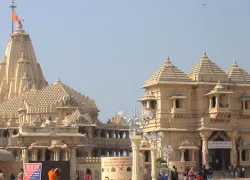
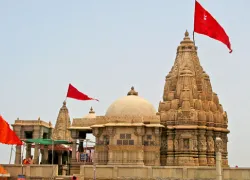
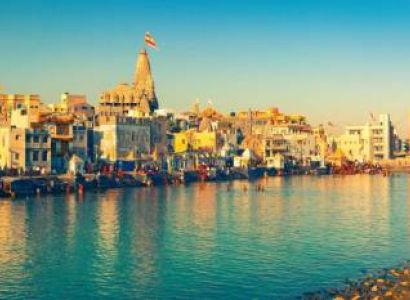
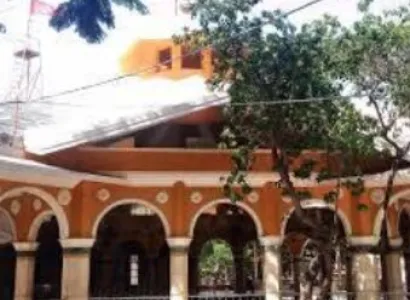
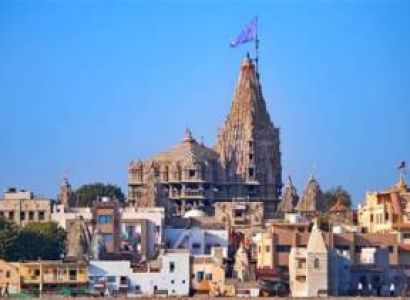
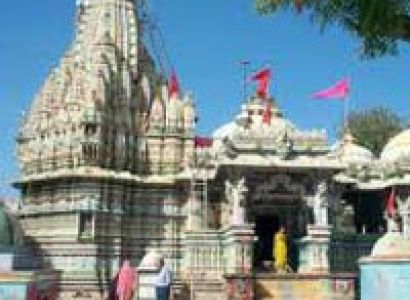
Sabha Mandapa in Dwarka is an important architectural and spiritual part of the famous Dwarkadhish Temple. It serves as the main assembly hall where devotees gather before entering the sanctum of Lord Krishna. Located in the sacred city of Dwarka in Gujarat, Sabha Mandapa holds immense religious significance and is a key highlight of the temple complex.
This beautifully designed hall is supported by intricately carved pillars and is known for its peaceful and devotional atmosphere. Pilgrims visiting Dwarka often spend time in the Sabha Mandapa for prayers, meditation, and to experience the divine energy of the temple.
History of Sabha Mandapa
The Sabha Mandapa is an integral part of the Dwarkadhish Temple, which has a long history connected to Lord Krishna. According to Hindu mythology, Dwarka was the kingdom established by Lord Krishna after leaving Mathura.
The present temple structure is believed to have been built around 2,000–2,500 years ago, with several renovations over time. The Sabha Mandapa was constructed as a gathering space for devotees and saints to assemble, pray, and participate in religious ceremonies.
Over centuries, the mandapa has remained a central part of temple rituals, reflecting the deep-rooted traditions of Hindu worship and community gatherings.
Architecture of Sabha Mandapa
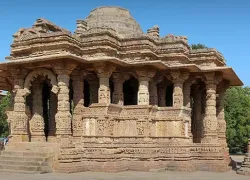
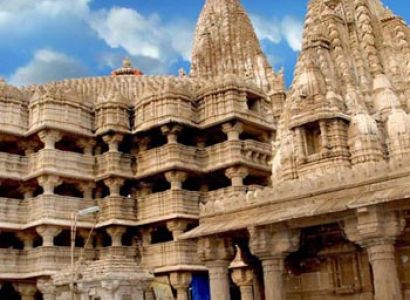
The architecture of Sabha Mandapa is a fine example of traditional temple design in Gujarat. The hall is supported by around 60 beautifully carved pillars, each showcasing intricate designs and craftsmanship.
The pillars are decorated with carvings of mythological figures, floral patterns, and symbolic motifs. The ceiling of the mandapa is equally impressive, with detailed artwork that reflects ancient Indian artistic excellence.
The structure is designed to accommodate a large number of devotees, providing enough space for gatherings and rituals. The open and airy design allows natural light and ventilation, creating a calm and spiritual environment.
Why is Sabha Mandapa Famous?
Sabha Mandapa is famous for its religious importance and architectural beauty. It serves as the main hall where devotees gather before entering the inner sanctum of the Dwarkadhish Temple.
The mandapa is also known for its detailed carvings and strong pillars, which have stood the test of time. It is considered a sacred space where devotees can sit, pray, and connect with spirituality.
Its association with Lord Krishna and its role in temple rituals make it an essential part of the Dwarka pilgrimage.
How to Reach Sabha Mandapa, Dwarka
Dwarka is well-connected by air, rail, and road, making it easy to reach Sabha Mandapa.
By Air: The nearest airport is Jamnagar Airport, located about 130 km away. From there, taxis and buses are available.
By Train: Dwarka Railway Station is well-connected to major cities like Ahmedabad, Rajkot, and Jamnagar.
By Road: Dwarka has good road connectivity. You can reach the temple by bus, taxi, or private vehicle. Sabha Mandapa is located within the Dwarkadhish Temple complex.
Weather at Sabha Mandapa
The weather in Dwarka is generally warm and coastal.
Summer (March to June): Summers are hot, with temperatures up to 38°C. Visiting early morning or evening is recommended.
Monsoon (July to September): The city receives moderate rainfall, making the surroundings fresh and pleasant.
Winter (October to February): Winter is the best time to visit, with comfortable weather ideal for temple visits.
Timing of Sabha Mandapa
The Sabha Mandapa follows the same timings as the Dwarkadhish Temple.
Morning: 6:30 AM to 1:00 PM
Evening: 5:00 PM to 9:30 PM
Timings may vary during festivals and special occasions.
Entry and Visit Details
There is no entry fee to visit Sabha Mandapa. It is open to all devotees visiting the Dwarkadhish Temple.
Visitors are required to follow temple rules, maintain discipline, and dress modestly. Photography inside the temple may be restricted.
Facilities like shoe stands, drinking water, and basic amenities are available near the temple premises.
Things to Do at Sabha Mandapa
1. Attend Aarti: Participate in the temple aarti and experience spiritual devotion.
2. Observe Architecture: Admire the detailed carvings on pillars and ceilings.
3. Meditation: Sit quietly and experience peace and positivity.
4. Religious Gathering: Join other devotees in prayers and rituals.
5. Explore Temple: Visit other parts of the Dwarkadhish Temple complex.
Interesting Facts about Sabha Mandapa
The mandapa is supported by around 60 intricately carved pillars.
It serves as the main gathering hall for devotees.
The structure reflects traditional Gujarati temple architecture.
It has been a part of the temple for centuries.
The mandapa plays a key role during festivals and religious ceremonies.
Travel Tips for Visitors
1. Visit Early: Morning visits are less crowded and more peaceful.
2. Dress Modestly: Follow temple dress code.
3. Avoid Rush Hours: Festivals and weekends can be crowded.
4. Follow Rules: Respect temple traditions and guidelines.
5. Stay Hydrated: Carry water, especially during summer.
6. Combine Visits: Visit nearby attractions like Rukmini Temple and Gomti Ghat.
Conclusion
Sabha Mandapa in Dwarka is not just an architectural structure but a place of spiritual gathering and devotion. Its historical significance, intricate design, and peaceful environment make it an essential part of the Dwarkadhish Temple experience. Whether you are a devotee or a traveler, visiting Sabha Mandapa offers a deep sense of connection to India’s rich cultural and spiritual heritage.
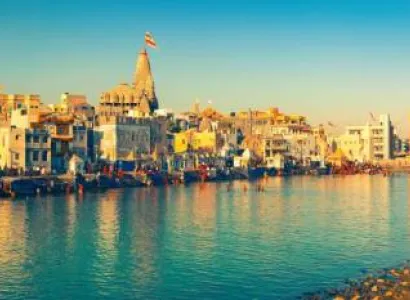









Dwarka
Dwarka

Dwarka
Dwarka
Dwarka
Dwarka