
Cathedral of Holy Name, Mumbai is located in the commercial area of Colaba. This is the seat of the Archbishop and considered as Mother church of Archdiocese. The Cathedral was built in the era colonialism. The stone to the foundation of the building was placed on July 9th, 1902 and it was finally opened for its disciplines on January 15th, 1905. The Cathedral of the Holy Name got the name as the Heritage building in the year 1998. The devotees of this particular cathedral have their roots back from the Parish community which has a wish to fulfil all the mission and vision that was taken up. People who belong to this community gather in this place and offer parts. This place has a special place in the heart of the people. The main entrance door of this place is stated one among all the “Holy Doors of Mercy”. The Catholics walk pass this door to seek forgiveness and purification. This place is a pilgrimage site for all the Catholics. Pope Francis has declared that the door should be opened for all the devotees who come here for blessings. There was only one such door in the Vatican and later this place also made its way and got to be known as the 'Holy Doors Of Mercy'. Cathedral of Holy Name, Mumbai, is the witness of the life cycle of this particular community from their birth to death. This place consists of the Cathedral house, the fort convent and the Cathedral that is located at Wodehouse Road and spreads over an area of 4642 sq. yards. The place of the living for the Archbishop is near to the Cathedral. Things To Do The premises and the surrounding of the church are good for you to take a stroll. The people who visit here for the first time enjoy the peace and serenity and the lovely ambience that you get to witness in this cathedral. Along with enjoying and seeing the beautiful gothic architecture you can also join the Sunday mass, the Holy week services and also the special Easter. You are willing you can attend the daily mass that is attended mostly by the residents of the place. History Cathedral of Holy Name, Mumbai, has an amazing past and history behind. This place was the outcome of an agreement that was signed between the Bombay Improvement Trust and the Archbishop. The person who was hired by the Archbishops was Dalhoff. He was the one who erected the beautiful and magnificent structure. He also built the residential area and the school. The Bombay Trust passed and approved the plan on November 21st and in the year 1901. Within a year the construction of the place begun and the place was finally open for the devotees in the year 1905, January 15. Timings And Entry Fees The daily mass in English is held four times a day. The timings are 6:30 am, 7:30 am, 1:15 pm and 6:30 pm. For Konkani, you should visit around 5:30 pm. The Sunday mass in English is held at 6:30 am, 10 am and 6:30 pm. The Sunday mass in Konkani is at 7:30 am and 5:30 pm respectively. Rest all the other important things and information that you want can be collected from the office of the cathedral which is open from 9:30 to 1:00 pm and again in the evening from 4:00 pm to 6:00 pm. Sunday’s the place is fully closed and on Saturdays, it is a half-day. They do not have any entry fee to enter the Cathedral of Holy Name, Mumbai. Best Time To Visit You can visit the church at any time of the year. It is open all seasons and every day for visitors and the local community to offer prayers. Maharashtra, on the other hand, is an exotic place for all the travellers and it is one of the hotspots of India. This place showcases iconic attractions, green mountains, beaches, vineyards, pilgrimages and much more. This place is worth dying for. The three seasons of the year is summer, monsoon and winter. If you want to visit Cathedral of Holy Name, Mumbai in pleasant weather then you should plan your holidays from October to March. This is the best time for the visitors to witness the beautiful scenes and enjoy the amazing weather. How To Reach The City of Mumbai is well connected. You can reach here via road, rail or air, anything of your choice. Mumbai is one of the metropolitan cities of India and thus it has to be well-connected. You can choose your favourite mode of traveller and visit the place. This is the travel destination for all and easily accessible via air as it has both national and international airports with plenty of flights coming to and fro. The Cathedral of Holy Name, Mumbai is located at a significant zone of the city. Colaba us easily accessible and can be reached from any part of the city using local and public transportation.
Explore More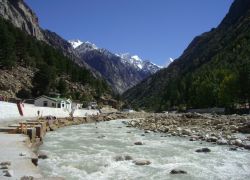
Gangotri, located in the mesmerizing state of Uttarakhand, India, is home to the majestic Bhagirathi River. This sacred river holds immense significance in Hindu mythology and is a popular tourist attraction, drawing visitors from all around the world. The pristine natural environment, rich biodiversity, and spiritual aura make Bhagirathi River a must-visit destination for nature enthusiasts and pilgrims alike. History of Bhagirathi River The Bhagirathi River has a deep-rooted historical background, with its origin being traced back to the mythological era. It is said to be the source stream of the holy river Ganges and holds great religious importance in Hinduism. The area surrounding the river was once a royal hunting ground and has seen dedicated conservation efforts over the years. Bhagirathi River's cultural and ecological significance has earned it recognition from UNESCO. Architecture and Natural Beauty of Bhagirathi River The Bhagirathi River is surrounded by lush wetlands, dense forests, sprawling grasslands, and diverse bird habitats. The breathtaking landscapes along the riverbanks offer a serene escape into nature. Nestled within this natural beauty is the historical Keoladeo Temple, adding a touch of architectural marvel to the picturesque setting of the river. Why is Bhagirathi River Famous? Bhagirathi River is renowned for its enchanting beauty and serves as a paradise for birdwatchers, photographers, and wildlife enthusiasts. The river's tranquil surroundings and varied ecosystem make it a favored destination for those seeking to connect with nature and witness the wonders of the avian world. How to Reach Bhagirathi River Traveling to Bhagirathi River is accessible via air, rail, and road routes. The nearest airports are located in Dehradun and Pantnagar, while the closest railway station is in Rishikesh. From these points, visitors can easily reach Gangotri and explore the splendor of the Bhagirathi River. Weather and Best Time to Visit Bhagirathi River The weather around Bhagirathi River exhibits distinct seasonal variations. Summer offers pleasant temperatures, while the monsoon brings lush greenery to the region. Winter showcases a snowy charm, making it a picturesque sight. The best time to visit Bhagirathi River is during the summer and early autumn months when the weather is pleasant for outdoor activities. Timings of Bhagirathi River Visitors can explore the beauty of Bhagirathi River during daylight hours, with timings varying slightly based on the season. It is advisable to plan the visit accordingly to make the most of the natural splendor and tranquility offered by the river. Entry Fee and Visit Details Entry to Bhagirathi River is usually free, allowing visitors to immerse themselves in the serene surroundings without any constraints. Guide services, safari options, and bicycle rentals may be available for those looking to enhance their experience and explore the area more extensively. Things to Do at Bhagirathi River At Bhagirathi River, visitors can engage in a variety of activities such as birdwatching, photography, cycling along scenic trails, walking amidst nature, and soaking in the peaceful ambiance of the surroundings. The river offers ample opportunities for educational experiences and close encounters with the diverse flora and fauna that call it home. Interesting Facts About Bhagirathi River Bhagirathi River is a haven for migratory birds, with numerous species finding refuge in its tranquil environs. The conservation efforts around the river have led to significant biodiversity preservation and ecological balance, making it a vital ecosystem in the region. The river's importance transcends its physical presence, embodying cultural, religious, and environmental significance. Travel Tips for Visiting Bhagirathi River When visiting Bhagirathi River, it is advisable to dress comfortably according to the weather conditions, carry essential photography equipment for capturing the scenic beauty, and practice responsible tourism by respecting the natural habitat and wildlife. Choosing the right season for the visit can enhance the overall experience and allow visitors to connect deeply with the essence of the river. Conclusion In conclusion, the Bhagirathi River in Gangotri stands as a testament to the harmonious blend of nature, spirituality, and conservation efforts. Its serene beauty, diverse wildlife, and cultural significance make it a destination worth exploring for anyone seeking a tranquil retreat amidst the wonders of the natural world. A visit to Bhagirathi River promises a rejuvenating experience that resonates with the soul and leaves a lasting impression of the ethereal charm of this enchanting locale.
Explore More
Located in Jalpaiguri, the mesmerizing Teesta River is a renowned tourist attraction known for its natural beauty, biodiversity, and significance as a haven for birdwatchers and nature enthusiasts. History of Teesta River The history of Teesta River dates back to ancient times when it served as a lifeline for the region. Formerly a royal hunting ground, the area has witnessed conservation efforts to protect its unique ecosystem, leading to UNESCO recognition for its ecological importance. Architecture and Natural Beauty of Teesta River Teesta River is characterized by lush wetlands, dense forests, picturesque grasslands, and diverse bird habitats. The historical Keoladeo Temple nestled within the park adds to its architectural charm, attracting visitors from far and wide. Why is Teesta River Famous? Teesta River has gained popularity among birdwatchers, photographers, and wildlife lovers due to its rich avian diversity, serene landscapes, and opportunities for nature exploration. The tranquil environment offers a sanctuary for those seeking solace in nature's embrace. How to Reach Teesta River Traveling to Teesta River is convenient with options by air, rail, and road. The nearest airports and railway stations provide easy access to this natural paradise, ensuring a hassle-free journey for visitors. Weather and Best Time to Visit Teesta River Teesta River experiences varying weather conditions throughout the year, with distinct seasons of summer, monsoon, and winter. The best time to visit is during the cooler months when the natural beauty is at its peak. Timings of Teesta River Visitor timings at Teesta River are structured to accommodate different preferences, with seasonal variations offering unique experiences. Planning a visit ahead ensures an enjoyable and well-timed exploration of the surroundings. Entry Fee and Visit Details Entry procedures at Teesta River are straightforward, with guide services, safari options, bicycle rentals, and visitor facilities available for a comfortable and enriching visit. Exploring the park with the help of local guides enhances the overall experience. Things to Do at Teesta River Teesta River offers a myriad of activities for visitors, including birdwatching, photography, cycling, walking trails, nature observation, and educational experiences. Engaging in these pursuits allows for a deeper connection with the natural wonders of the region. Interesting Facts About Teesta River Teesta River is home to a wide range of migratory birds, showcasing the area's rich biodiversity. The conservation efforts and ecological significance of the park contribute to its reputation as a vital habitat for various species. Travel Tips for Visiting Teesta River When visiting Teesta River, it's advisable to pack suitable clothing, photography equipment, and birdwatching gear to make the most of your trip. Being mindful of the visiting seasons and practicing responsible tourism ensures the preservation of this pristine ecosystem. Conclusion In conclusion, Teesta River in Jalpaiguri stands out as a must-visit destination for nature lovers and adventure seekers alike. With its historical significance, natural beauty, and diverse wildlife, a visit to Teesta River promises a memorable experience in the heart of nature.
Explore More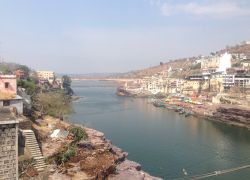
Welcome to the serene and picturesque Narmada River, located in the charming city of Khandwa. This iconic river holds immense significance not just in terms of natural beauty but also in terms of cultural and ecological importance. Let's delve into the enchanting world of the Narmada River and explore why it is a must-visit destination for travelers seeking a blend of tranquility and biodiversity. History of Narmada River The history of the Narmada River dates back centuries, with mentions in ancient texts and scriptures. It has been a witness to the evolution of civilizations and has played a vital role in shaping the cultural landscape of the region. Once a vital part of the trade route, the Narmada River has now become a symbol of conservation and environmental awareness. Its pristine waters and lush surroundings have attracted attention globally, leading to UNESCO recognition for its ecological significance. Architecture and Natural Beauty of Narmada River The Narmada River is not just a water body; it is a lifeline that sustains a diverse ecosystem. The river is surrounded by wetlands, dense forests, and rich grasslands, providing a perfect habitat for a myriad of bird species. The historical Keoladeo Temple, nestled along the banks, adds a touch of architectural beauty to the natural landscape, creating a harmonious blend of spirituality and biodiversity. Why is Narmada River Famous? The Narmada River is famous for being a paradise for birdwatchers, photographers, nature enthusiasts, and wildlife lovers. Its tranquil environment and abundance of avian species make it a sought-after destination for those looking to connect with nature and witness the beauty of migratory birds in their natural habitat. How to Reach Narmada River Traveling to the Narmada River is convenient, with options to reach by air, rail, or road. The city of Khandwa is well-connected to major cities, with nearby airports and railway stations providing easy access to this natural wonder. Weather and Best Time to Visit Narmada River The weather at Narmada River varies across seasons, with summers being warm, monsoons bringing lush greenery, and winters offering a pleasant climate. The best time to visit is during the winter months when the weather is mild, and the bird population is at its peak, providing ideal conditions for exploration. Timings of Narmada River The timings of visiting the Narmada River may vary, so it is advisable to plan your trip accordingly. Understanding the seasonal variations and planning your visit during the optimal time can enhance your experience and allow you to make the most of your time at this natural marvel. Entry Fee and Visit Details Entry procedures to the Narmada River are straightforward, with options for guide services, safari experiences, bicycle rentals, and visitor facilities available to enhance your visit. Exploring the surroundings with the help of local guides can provide valuable insights into the area's rich biodiversity and cultural heritage. Things to Do at Narmada River Engage in a variety of activities at the Narmada River, including birdwatching, photography, cycling, walking trails, nature observation, and educational experiences. Immerse yourself in the serene surroundings, capture breathtaking moments, and witness the beauty of nature up close during your visit. Interesting Facts About Narmada River The Narmada River is home to a diverse range of migratory birds, showcasing the region's rich biodiversity. Conservation efforts have been instrumental in protecting the ecosystem and preserving the river's ecological balance, making it a beacon of sustainable environmental practices. Travel Tips for Visiting Narmada River When visiting the Narmada River, ensure you pack appropriate clothing, photography equipment, and birdwatching essentials to make the most of your trip. Understanding the visiting seasons and following responsible tourism practices can help maintain the sanctity of this natural haven for generations to come. Conclusion In conclusion, the Narmada River in Khandwa stands as a testament to the beauty of nature and the importance of conservation. Its tranquil waters, thriving biodiversity, and cultural significance make it a destination worth exploring for those seeking a peaceful retreat amidst natural splendor. Plan your visit to the Narmada River and embark on a journey of discovery and serenity in this enchanting city.
Explore More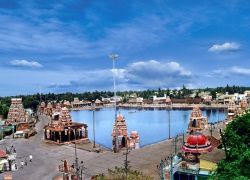
Welcome to the mesmerizing Mahamaham Tank in the city of Kumbakonam. This historic site holds immense significance for both locals and tourists, offering a blend of natural beauty, cultural heritage, and tranquility. History of Mahamaham Tank The Mahamaham Tank has a rich historical background, dating back to ancient times. It is believed to have been a part of the former royal hunting grounds and has been a focal point for various cultural and religious activities. The tank has undergone significant conservation efforts over the years and stands as a UNESCO-recognized site. Architecture and Natural Beauty of Mahamaham Tank Surrounded by lush wetlands, forests, and grasslands, Mahamaham Tank is a haven for a variety of bird species and wildlife. The picturesque landscapes and the historical Keoladeo Temple within the premises add to the charm of this serene location. Why is Mahamaham Tank Famous? Mahamaham Tank is renowned for its serene ambiance and diverse birdlife, making it a popular destination for birdwatchers, photographers, nature enthusiasts, and wildlife lovers. The tranquil surroundings and the spiritual aura of the place attract visitors from far and wide. How to Reach Mahamaham Tank Traveling to Mahamaham Tank is convenient, with options available by air, rail, and road. The city of Kumbakonam is well-connected, with nearby airports and railway stations providing easy access to this picturesque location. Weather and Best Time to Visit Mahamaham Tank The weather at Mahamaham Tank varies across seasons, with summers being warm, monsoons bringing rainfall, and winters offering a pleasant climate. The best time to visit is during the cooler months, typically from October to March. Timings of Mahamaham Tank Visitor timings at Mahamaham Tank may vary, so it is advisable to check for any seasonal variations before planning your trip. Understanding the operational hours and planning your visit accordingly can enhance your experience at this serene location. Entry Fee and Visit Details Entry procedures at Mahamaham Tank are straightforward, with guide services available for a more immersive experience. Visitors can also explore the surroundings through safari options, bicycle rentals, and make use of the facilities provided for a comfortable visit. Things to Do at Mahamaham Tank Engage in popular activities such as birdwatching, photography, cycling, walking trails, and nature observation while at Mahamaham Tank. The tranquil environment offers a perfect setting for educational experiences and moments of serenity amidst nature. Interesting Facts About Mahamaham Tank Did you know that Mahamaham Tank is a crucial habitat for migratory birds, contributing to the region's biodiversity? The conservation efforts and ecological importance of this site have led to significant achievements in preserving the natural heritage of the area. Travel Tips for Visiting Mahamaham Tank When visiting Mahamaham Tank, it is advisable to dress comfortably, carry essential photography equipment, and be mindful of the birdwatching etiquettes. Understanding the best visiting seasons and practicing responsible tourism can help in preserving the beauty of this serene location. Conclusion In conclusion, Mahamaham Tank in Kumbakonam offers a unique blend of history, natural beauty, and cultural significance. Whether you are a nature lover, a history buff, or a spiritual seeker, a visit to this enchanting destination promises a memorable experience in the heart of tranquility.
Explore More
Welcome to Sindhu Ghat, a captivating tourist attraction situated in Shey, known for its rich cultural heritage and natural beauty. This serene location offers visitors a unique experience surrounded by picturesque landscapes and a tranquil environment. History of Sindhu Ghat Sindhu Ghat holds a significant historical background, once serving as the royal hunting grounds for the rulers of the region. Over the years, efforts have been made towards conservation, leading to its recognition by UNESCO for its cultural and ecological importance. Architecture and Natural Beauty of Sindhu Ghat The ghat boasts stunning wetlands, lush forests, expansive grasslands, and diverse bird habitats. Among its architectural wonders is the historic Keoladeo Temple, adding a spiritual essence to the natural charm of the surroundings. Why is Sindhu Ghat Famous? Sindhu Ghat has gained popularity among birdwatchers, photographers, nature enthusiasts, and wildlife lovers due to its diverse avifauna, serene ambience, and opportunities for eco-tourism activities. How to Reach Sindhu Ghat Traveling to Sindhu Ghat is convenient with various options available. Visitors can reach the destination by air through nearby airports, by rail via accessible railway stations, or by road through well-connected routes. Weather and Best Time to Visit Sindhu Ghat The weather at Sindhu Ghat varies across seasons, with summers being warm, monsoons bringing lush greenery, and winters offering a pleasant climate. The best time to visit is during the cooler months to enjoy the natural beauty comfortably. Timings of Sindhu Ghat Sindhu Ghat welcomes visitors during specific timings, allowing them to explore its beauty and serenity. It is advisable to check for any seasonal variations in timings to plan your visit effectively. Entry Fee and Visit Details Visitors can access Sindhu Ghat by following the entry procedures and avail guide services for a more insightful experience. Additionally, safari options, bicycle rentals, and other visitor facilities are available to enhance your visit. Things to Do at Sindhu Ghat Engage in various activities at Sindhu Ghat, including birdwatching to witness the diverse avian species, photography to capture the scenic beauty, cycling along designated trails, walking amidst nature, and indulging in educational experiences. Interesting Facts About Sindhu Ghat Sindhu Ghat is home to numerous migratory birds, showcasing the rich biodiversity of the region. Conservation efforts have led to significant achievements in preserving the ecological balance, making it a vital sanctuary for wildlife. Travel Tips for Visiting Sindhu Ghat When visiting Sindhu Ghat, remember to dress comfortably, carry essential photography and birdwatching equipment, choose the appropriate visiting season, and practice responsible tourism to contribute to the preservation of this natural gem. Conclusion In conclusion, Sindhu Ghat in Shey offers a blend of history, nature, and tranquility, making it a must-visit destination for those seeking a peaceful retreat amidst scenic beauty and cultural significance. Explore this hidden gem and immerse yourself in the charm of Sindhu Ghat.
Explore More
Indus River, situated in Likir, is a mesmerizing tourist attraction renowned for its natural beauty, biodiversity, and historical significance. The river holds a special place in the hearts of visitors, attracting nature enthusiasts, birdwatchers, photographers, and wildlife lovers from around the globe. History of Indus River The history of the Indus River dates back centuries, playing a crucial role in the development of ancient civilizations. It served as a lifeline for the people living along its banks, facilitating trade, agriculture, and cultural exchange. The river has witnessed the rise and fall of empires, reflecting the rich heritage of the region. Architecture and Natural Beauty of Indus River The Indus River is not only known for its historical significance but also for its breathtaking natural environment. The surrounding wetlands, forests, and grasslands provide a habitat for diverse bird species, making it a paradise for birdwatchers. The picturesque landscapes along the riverbanks and the ancient Keoladeo Temple add to the charm of this enchanting destination. Why is Indus River Famous? Indus River has gained fame as a haven for birdwatchers due to the presence of numerous avian species that flock to its banks. Photographers are drawn to capture the beauty of the river and its surroundings, while nature enthusiasts revel in the tranquility and serenity that this place offers. Wildlife lovers also appreciate the diverse flora and fauna that thrive in this unique ecosystem. How to Reach Indus River Traveling to Indus River is convenient with various options available. Visitors can reach Likir by air, rail, or road, with nearby airports and railway stations providing easy access to the region. The well-connected road network ensures a smooth journey for those opting to travel by car or bus. Weather and Best Time to Visit Indus River Understanding the weather patterns is essential for planning a visit to Indus River. The summer season can be hot, while monsoons bring lush greenery to the surroundings. Winter offers pleasant temperatures, making it an ideal time to explore the area. The best months to visit are typically during the cooler months when the weather is more favorable for outdoor activities. Timings of Indus River The timings of Indus River may vary based on seasonal changes and specific regulations in place. Visitors are advised to check for any updates regarding opening hours and operational schedules to make the most of their trip. Planning ahead ensures a smooth and enjoyable experience when exploring this natural wonder. Entry Fee and Visit Details Entry to Indus River may be subject to a nominal fee, with additional services such as guide assistance, safari options, and bicycle rentals available for visitors. The park also offers various facilities to enhance the visitor experience, ensuring a comfortable and memorable stay for all guests. Things to Do at Indus River There are plenty of activities to engage in at Indus River, catering to diverse interests. From birdwatching to photography, cycling, and nature observation, visitors can immerse themselves in the beauty of the surroundings. Walking trails provide an opportunity to explore the area on foot, while educational experiences offer valuable insights into the region's ecology. Interesting Facts About Indus River Indus River is home to a wide array of migratory birds, adding to its ecological significance. Conservation efforts have been instrumental in preserving the biodiversity of the region, with notable achievements recognized on a global scale. The ecological importance of the river underscores the need for sustainable practices to protect this natural treasure for future generations. Travel Tips for Visiting Indus River When planning a trip to Indus River, it is essential to pack appropriate clothing for the prevailing weather conditions. Photography enthusiasts should carry their equipment to capture the beauty of the surroundings effectively. Understanding the best visiting seasons and practicing responsible tourism ensures a positive impact on the environment and local communities. Conclusion In conclusion, Indus River in Likir stands out as a remarkable tourist destination that offers a harmonious blend of history, natural beauty, and biodiversity. Visitors are treated to a unique experience filled with exploration, adventure, and serenity, making it a must-visit attraction for those seeking to connect with nature and immerse themselves in the wonders of the great outdoors.
Explore More
Welcome to the mesmerizing Dibang River, nestled in the serene city of Dibang. This picturesque tourist attraction is a haven for nature lovers, bird enthusiasts, and adventure seekers alike. With its pristine natural environment and rich biodiversity, Dibang River offers a unique blend of tranquility and exploration for all its visitors. History of Dibang River The history of Dibang River dates back to ancient times, where it has been a vital lifeline for the local communities. Once a crucial part of the region's trade routes, the river has also been a source of inspiration for various myths and legends. Over the years, efforts have been made to conserve the river's ecosystem, leading to its recognition for its ecological significance. Architecture and Natural Beauty of Dibang River Surrounded by lush wetlands, dense forests, and sprawling grasslands, Dibang River boasts a stunning natural landscape that is home to diverse bird species and wildlife. The historical Keoladeo Temple situated along the river adds a touch of cultural charm to the picturesque surroundings, making it a must-visit destination for nature enthusiasts. Why is Dibang River Famous? Dibang River has gained fame for being a hotspot for birdwatchers, photographers, and wildlife lovers due to its abundant avian population and scenic beauty. The opportunity to witness migratory birds in their natural habitat makes Dibang River a paradise for those seeking a close encounter with nature. How to Reach Dibang River Traveling to Dibang River is convenient, with options available by air, rail, and road. The city is well-connected to nearby airports and railway stations, providing easy access to this natural wonder. Whether you prefer a scenic drive or a quick flight, reaching Dibang River is a delightful journey in itself. Weather and Best Time to Visit Dibang River The weather at Dibang River varies across seasons, offering unique experiences throughout the year. While summers are ideal for birdwatching and nature walks, the monsoon season brings a lush greenery to the surroundings. Winter is the best time to visit, with pleasant temperatures and clear skies enhancing the beauty of the river. Timings of Dibang River Dibang River welcomes visitors during specific timings, allowing ample time to explore its beauty. Seasonal variations may affect accessibility, so it's advisable to plan your visit accordingly. Whether you prefer the tranquility of early mornings or the vibrant sunset hues, Dibang River has something for everyone. Entry Fee and Visit Details Entry to Dibang River is subject to specified procedures, and guide services are available for those seeking in-depth knowledge about the area. Safari options, bicycle rentals, and well-equipped visitor facilities cater to the needs of tourists, ensuring a comfortable and memorable experience at the river. Things to Do at Dibang River At Dibang River, there is no shortage of activities to engage in. From birdwatching to photography, cycling along scenic trails to leisurely nature walks, the options are endless. Immerse yourself in the serene surroundings, observe the diverse wildlife, and embark on educational experiences that will leave you in awe of nature's wonders. Interesting Facts About Dibang River Dibang River is not just a water body; it is a thriving ecosystem that supports a wide range of flora and fauna. The river serves as a crucial habitat for migratory birds, highlighting its importance in the conservation of biodiversity. Its ecological significance and conservation efforts have garnered recognition on a global scale. Travel Tips for Visiting Dibang River When visiting Dibang River, remember to dress comfortably for outdoor activities and carry essential photography and birdwatching equipment. Different seasons offer unique experiences, so plan your trip according to your preferences. Embrace responsible tourism practices to preserve the pristine environment of Dibang River for future generations to enjoy. Conclusion In conclusion, Dibang River in Dibang is a hidden gem waiting to be explored by nature enthusiasts and adventure seekers. With its rich history, diverse ecosystem, and captivating beauty, Dibang River offers a memorable experience for all who visit. Immerse yourself in the tranquility of this natural wonder and create unforgettable memories amidst the scenic surroundings of Dibang River.
Explore More