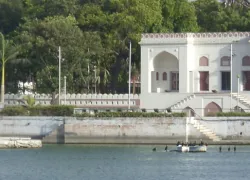
One of the best places to witness the sunset in Ahmedabad is the Kankaria Lake. The polygonal lake (it has approx. 34 sides) with intricate sluice gates was created by the Sultans. It has an island garden, called Nagina wadi. The lake attracts good birdlife. Sultan Qutab-ud-din built this in 1451.
Explore More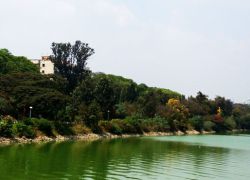
Kempe Gowda II constructed Ulsoor Lake during the second half of the second century. This 1.5 sq. km lake is dotted with islands, extending over an area of 125 acres. The picturesque lake is located on the Northeastern fringes of the city and is an ideal place for boating and shopping. A Ganesh festival is organised in August / September. It is a major tourist attraction with a boat club, where one can hire out cruises with stops at some of the tiny islands that dot the lake. A place of prominence in the early years of the century, the lake was then known as "Halsur" or "Alasur". It provides a welcome break from busy sightseeing and shopping. One can go for a swim in the nearby swimming pool that is part of the recreational complex near the lake. You can also go to the nearby Gurudwar, the largest Sikh shrine in Bangalore.
Explore More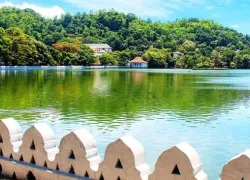
Kandy Lake, also known as the *Kiri Muhuda* (meaning "The Sea of Milk"), is one of the most picturesque and tranquil landmarks in Kandy, Sri Lanka. Nestled in the heart of the historic city, this artificial lake is a serene oasis that reflects the beauty of Kandy’s rich cultural heritage. The lake, which stretches over 5 hectares, is surrounded by lush greenery and offers stunning views of the nearby hills. It serves as a popular spot for tourists, locals, and pilgrims alike, providing a peaceful setting for reflection, leisurely walks, or boat rides. With its historical significance and scenic beauty, Kandy Lake is truly one of the gems of Sri Lanka’s cultural landscape. How to Reach Kandy Lake, Kandy Kandy Lake is located right in the center of Kandy city, making it easily accessible for both locals and tourists. Here are the main ways to reach Kandy Lake: By Car: Kandy is well connected to other major cities in Sri Lanka, including Colombo. From Colombo, Kandy is about a 3-hour drive via the A1 highway. Once in Kandy, the lake is centrally located, and you can reach it in a few minutes by car. By Bus: Kandy has a central bus station, and buses from Colombo and other major towns run frequently. After arriving at the Kandy bus station, you can either walk to the lake or take a tuk-tuk, which is only a 5-minute ride. By Train: Kandy can also be accessed by train from Colombo. The Kandy railway station is located a short distance from the lake, and you can easily walk from the station to the lake within 10 minutes. Weather at Kandy Lake, Kandy The weather in Kandy is typically tropical, with a relatively mild climate due to its elevation. Here's what you can expect in terms of weather: Temperature: The temperature in Kandy ranges from 20°C to 30°C (68°F to 86°F), with cooler evenings and mornings, especially in the hill regions surrounding the lake. Best Time to Visit: The best time to visit Kandy Lake is during the dry season, which lasts from December to March. This period offers pleasant weather with clear skies and lower humidity. Rainy Season: The rainy season, from May to October, brings heavy monsoon rains, which can sometimes hinder outdoor activities. However, the lake and surrounding areas still offer a beautiful, lush atmosphere during this time. Timing of Kandy Lake, Kandy The lake is open to the public throughout the year and is accessible at all times of the day. However, the best times to visit are during daylight hours to enjoy the serene atmosphere and the beauty of the surroundings. Here's a suggested timeline: Best Time to Visit: 8:00 AM to 6:00 PM, when the weather is most favorable, and the lake is surrounded by sunlight, offering a more vibrant view. Evening Visits: If you wish to experience the lake in a different light, visiting in the late afternoon or evening can provide a peaceful and calming atmosphere as the sun sets over the water. Why is Kandy Lake, Kandy Famous? Kandy Lake is famous for its rich history, serene beauty, and central location within Kandy. It is historically significant for several reasons: Historical Significance: Kandy Lake was constructed in 1807 by King Sri Wickrama Rajasinghe, the last king of Kandy. The king built the lake to serve as a moat to protect the Temple of the Tooth Relic (Sri Dalada Maligawa), which is located right beside the lake. Scenic Beauty: The lake is surrounded by lush gardens and trees, creating a peaceful environment that is perfect for leisurely walks, boat rides, or simply sitting by the water and enjoying the view. Spiritual Importance: The lake plays a central role in the spiritual life of Kandy. It is located near the sacred Temple of the Tooth Relic, one of the most important Buddhist pilgrimage sites in Sri Lanka. The lake serves as a place of reflection and tranquility for the many pilgrims who visit the area. Entry and Visit Details About Kandy Lake, Kandy Visiting Kandy Lake is free, and the lake is open to everyone throughout the year. While there is no entry fee to visit the lake itself, you may need to pay for additional activities, such as boating or visiting nearby attractions. Here are some details for your visit: Entry Fee: No entry fee is required to visit the lake. However, if you plan to visit the Temple of the Tooth Relic or take a boat ride on the lake, there are separate fees for those activities. Boating: You can hire a small boat to take a relaxing ride on the lake. The boat rides typically last about 15-30 minutes and offer a unique perspective of the surroundings. Boat rides are usually available from 8:00 AM to 5:00 PM. Facilities: The area around the lake has several places where you can sit and enjoy the view. There are also some cafes and shops nearby where you can enjoy refreshments and buy souvenirs. History and Architecture of Kandy Lake Kandy Lake was constructed in 1807 by King Sri Wickrama Rajasinghe, and it was initially intended as a defensive moat to protect the sacred Temple of the Tooth Relic. The lake was designed to be an artificial reservoir, and it is about 5 hectares in size. The lake is built with a causeway along one side, which serves as a walking path. At the far end of the lake is a small island, which was once used as a summer retreat for the king. The architecture around Kandy Lake reflects the traditional Kandyan style of design, with beautiful stone walls and pathways. The calm waters of the lake are surrounded by lush greenery, creating an idyllic setting that enhances the spiritual and historical significance of the site. Things to Do at Kandy Lake Leisure Walks: Take a peaceful stroll around the lake on the causeway or the paths that surround it. This is the best way to enjoy the scenic beauty of the area and admire the lake from various angles. Boating: Enjoy a relaxing boat ride on the lake and take in the views of the Temple of the Tooth Relic and the surrounding hills. Boating is one of the most popular activities at Kandy Lake. Visit the Temple of the Tooth Relic: While you are at Kandy Lake, don’t miss the nearby Temple of the Tooth Relic, one of the holiest places for Buddhists in Sri Lanka. Photography: The lake offers many beautiful spots for photography. The combination of natural beauty, historical architecture, and spiritual landmarks makes Kandy Lake an excellent location for capturing memories. Interesting Facts About Kandy Lake The lake was initially built as a moat for the Temple of the Tooth Relic, one of the holiest Buddhist temples in Sri Lanka. The island in the lake was once home to a small pavilion used by the king as a retreat. Kandy Lake is a popular spot for pilgrims who come to visit the Temple of the Tooth Relic, as the lake is considered a sacred site in its own right. Despite being man-made, the lake has become an important part of the local ecosystem, with various species of birds and plants surrounding its shores. Tips for Visiting Kandy Lake Stay Hydrated: The weather in Kandy can be warm, especially in the afternoon. Bring a bottle of water with you to stay hydrated during your visit. Wear Comfortable Shoes: You’ll likely be walking around the lake and exploring the surrounding areas, so comfortable footwear is recommended. Take Photos: Kandy Lake and its surrounding beauty offer great photography opportunities. Don’t forget to bring a camera or smartphone to capture the scenery. Respect Local Customs: As the lake is near a sacred temple, be sure to maintain respect and follow the local customs and etiquette when visiting the area. Visit Early or Late: To avoid the midday heat and crowds, visiting the lake in the early morning or late afternoon will give you a more peaceful experience.
Explore More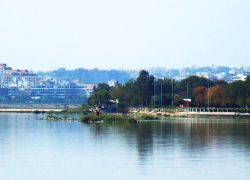
The 16 m deep lake was created in the mid 16th century by building a bund linking Hyderabad and Secunderabad and was named to mark the gratitude of Ibrahim Quli Qutb Shah to Hussain Shah Wali who helped him recover from his illness. The bund is a favourite promenade for the city dwellers. At the far end of the lake is the Nizamia Observatory. The 17.5 m high, 350 ton granite statue of Buddha was erected in the lake after years of successive disasters and finally inaugurated by the Dalai Lama in 1993. The tank, fed by streams originating from the Musi river, supplies drinking water to Hyderabad.
Explore More
Once a popular picnic spot, Ramgarh Lake is a man-made lake located at a distance of 35 kilometers from the Jaipur City. The century old lake was cited as the highlight of the entire area once, but has scorched up due to the carelessness of the state. Ramgarh Lake’s claim to fame also comes from the fact that the rowing events in the 1982 Asian Games were held here. It also served as a hunting ground for the Maharajas of Jaipur at one time. Wildlife SanctuaryThe lake is surrounded by thick jungles that are home to wild life including Neelgai, Lions, Chitals etc. & was declared as a Wildlife Sanctuary in 1982. There is also the ruin of an old fort and Jambwa Mata Temple nearby that are visited by tourists.
Explore More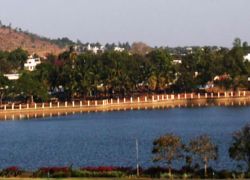
Unkal Lake is a pictorial water spot with a splendid view of sunset. This is an ideal picnic spot with a garden, boating facilities and other recreational facilities for children. The lake is located at a distance of 3 Kms from Hubli.
Explore More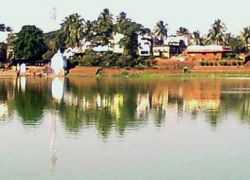
Situated to the north of the Lingaraja temple is a lake called the Bindusagar Lake adding grace to Bhubaneshwar and attracting many tourists. Once a year the Lingaraj temple deity is brought out for the ritual bath in the centre of the tank and it is believed a dip in the holy tank at Bindusagar washes away all the sins.To the north of the Lingaraja temple is this 1,300 ft long and 700 ft wide Bindusagar Lake. It is popular as a picnic spot among the locals too. The scenic beauty of this lake is enhanced by the stones, which have been laid along the embankments. The waters of the lake are said to be an amalgamation of every holy river, stream, lake or pool in India.
Explore More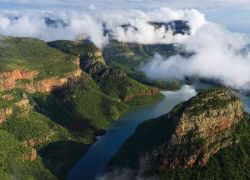
The Blyde River Canyon, located in the Mpumalanga province of South Africa, is one of the most spectacular natural attractions in the country. Stretching over 26 kilometers and reaching depths of 800 meters, it is the third-largest canyon in the world and one of the largest green canyons due to its lush subtropical vegetation. The canyon forms part of the Panorama Route, a scenic drive that includes waterfalls, rock formations, and stunning viewpoints. It is a haven for nature lovers, adventure seekers, and photographers. How to Reach Blyde River Canyon, Mpumalanga Blyde River Canyon is easily accessible from several major cities and towns in South Africa. By Air: The nearest airport is Kruger Mpumalanga International Airport (KMIA) in Nelspruit, about 1.5 to 2 hours away by car. Flights are available from Johannesburg, Cape Town, and Durban. By Road: From Johannesburg, the drive is approximately 400 kilometers and takes around 5 hours. The route passes through the towns of Dullstroom, Lydenburg, and Ohrigstad. Renting a car is the most convenient way to explore the area. Weather at Blyde River Canyon The Blyde River Canyon enjoys a subtropical highland climate with warm summers and mild winters. Summer (October to March): Warm and rainy, with temperatures ranging from 18°C to 30°C. Afternoon thunderstorms are common. Winter (May to August): Dry and cooler, with temperatures ranging from 10°C to 24°C. Clear skies and minimal rainfall make this the best time to visit. The canyon is beautiful year-round, but the dry winter months offer the clearest views and best conditions for hiking. Timings The Blyde River Canyon Nature Reserve is open to visitors daily. Most lookout points and tourist attractions are accessible from sunrise to sunset. Opening Hours: Approximately 7:00 AM to 5:00 PM Guided Tours: Available through local tour operators and lodges Why Famous for Blyde River Canyon, Mpumalanga? The Blyde River Canyon is famous for its dramatic landscapes, unique geological formations, and panoramic viewpoints. It’s one of the most scenic natural wonders in South Africa and forms a key part of the Panorama Route. Its highlights include: God’s Window – a breathtaking viewpoint overlooking the Lowveld Bourke’s Luck Potholes – fascinating cylindrical rock formations created by water erosion Three Rondavels – massive, round rock formations resembling traditional huts Rich biodiversity – home to rare plants, birds, and antelope species Entry and Visit Details about Blyde River Canyon, Mpumalanga The Blyde River Canyon Nature Reserve falls under the management of Mpumalanga Tourism and Parks Agency. Entry Fees: Around R35 to R50 per person (varies depending on the attraction) Facilities: Well-maintained picnic spots, hiking trails, restrooms, and information centers at major viewpoints Accommodation: Available in nearby towns like Graskop, Sabie, and Hoedspruit; includes lodges, guesthouses, and campsites History and Architecture The canyon is part of the Drakensberg escarpment and was formed over millions of years through erosion by the Blyde and Treur Rivers. The name “Blyde” means “happy” in Dutch, commemorating a joyful reunion of a Voortrekker expedition in the 1800s. “Treur” means “mourning,” marking a nearby river where a party was thought to be lost. The region's natural rock formations and gorges stand as monumental geological architecture sculpted by time and water. Things to Do at Blyde River Canyon Hiking: Trails like the Leopard Trail and Guinea Fowl Trail offer stunning views and wildlife encounters. Boat Cruises: Enjoy a boat tour on the Blyde Dam for a unique perspective of the canyon walls and wildlife such as hippos and crocodiles. Bird Watching: Spot rare species like the African fish eagle and the Taita falcon. Photography: Capture iconic sites like the Three Rondavels and God’s Window. Adventure Sports: Activities like zip-lining, hot air ballooning, and abseiling are available nearby. Facts about Blyde River Canyon It is the third-largest canyon in the world and the largest "green canyon." Home to the second-highest tufa waterfall in the world—Kadishi Tufa Falls. The canyon is part of the greater Blyde River Canyon Nature Reserve, covering around 29,000 hectares. The name was changed to Motlatse Canyon, but the original name is still widely used. It contains endemic flora and fauna unique to the area due to its microclimates. Tips about Blyde River Canyon, Mpumalanga Start your visit early to cover multiple viewpoints and avoid crowds. Wear comfortable walking shoes for exploring hiking trails and rocky paths. Pack water, sunscreen, and a hat, especially in summer months. Bring binoculars for birdwatching and a camera for panoramic shots. Respect safety barriers and signs at all viewpoints and cliff edges. Fuel up your vehicle in towns like Graskop before entering remote areas of the canyon.
Explore More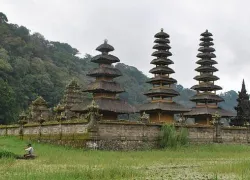
Lake Tamblingan is a serene mountain lake located in the northern region of Bali, Indonesia. Nestled within the caldera of an ancient volcano and surrounded by lush rainforests, this small but spiritually significant lake sits at an altitude of about 1,200 meters above sea level near the village of Munduk in the Buleleng Regency. Unlike other lakes in Bali that are more commercialized, Lake Tamblingan remains largely untouched by mass tourism, offering visitors a tranquil, spiritual, and scenic escape into nature. Its beauty is enhanced by the backdrop of the surrounding mountains and ancient temples along the shore. How to Reach Lake Tamblingan, Bali Lake Tamblingan is located about 70 kilometers north of Denpasar and roughly 2.5 to 3 hours by car depending on traffic and weather conditions. Most travelers reach the lake by hiring a private car with a driver or through guided tours that cover the northern part of Bali. From the popular tourist areas like Ubud or Seminyak, visitors typically travel through the Bedugul region. The road journey is scenic, with panoramic views of rice terraces, traditional villages, and the cooler climate of Bali’s highlands. Public transport is limited, so private transport is the most convenient option. Weather at Lake Tamblingan, Bali Due to its highland location, Lake Tamblingan experiences cooler temperatures compared to Bali's coastal areas. The average daytime temperature ranges from 20°C to 25°C (68°F to 77°F), making it a pleasant escape from the tropical heat. Nights can be quite cool, especially during the dry season. The best time to visit is during the dry season from May to September when rainfall is minimal and skies are clear. During the rainy season from October to April, the area can be misty and the roads slippery, but the landscape turns lush and vibrant. Timings Lake Tamblingan is open to visitors all day, but it's best visited during daylight hours for safety and optimal views. The recommended visiting time is between 7:00 AM and 5:00 PM. Early morning visits offer stunning mist-covered views of the lake and peaceful surroundings, perfect for photography and quiet reflection. Why Famous for Lake Tamblingan, Bali? Lake Tamblingan is famous for its mystical beauty, spiritual significance, and traditional Balinese culture. It is one of the lesser-known but most beautiful crater lakes in Bali. The lake is known for the floating Ulun Danu Tamblingan Temple, often partially submerged depending on the water level, creating a magical and photogenic sight. It is also celebrated for its preserved natural environment, ancient temples around the lake, and sacred rituals performed by local villagers. The area's strong spiritual aura and lack of commercial development make it a favorite among nature lovers, photographers, hikers, and seekers of tranquility. Entry and Visit Details about Lake Tamblingan, Bali Entry to Lake Tamblingan is free for general viewing, although donations are appreciated if visiting any of the temples. For those participating in local trekking tours or canoe rides across the lake, charges may apply. Guided trekking tours around the lake and the adjacent rainforest typically range from IDR 100,000 to IDR 300,000 depending on duration and group size. Canoe rentals with a guide cost around IDR 150,000 per person. Visitors are advised to wear comfortable walking shoes and carry light jackets due to the cool weather. History and Architecture Lake Tamblingan holds great spiritual and historical significance for the local Balinese people. The area was once home to a prosperous kingdom, and several temples (known as "pura") were built to honor the deities of the lake and the surrounding forests. These temples, many of which date back to the 10th and 11th centuries, feature classic Balinese architectural styles with tiered meru towers, stone carvings, and split gates. The Ulun Danu Tamblingan Temple is the most iconic and often appears as if floating during high water levels. The temples around the lake are still used for religious ceremonies and are protected as sacred sites. Things to Do at Lake Tamblingan, Bali There are several enriching activities that visitors can enjoy around Lake Tamblingan: Traditional Canoe Rides: Take a ride in a wooden dugout canoe for a peaceful journey across the lake. Jungle Trekking: Join guided treks through the lush rainforest surrounding the lake, which includes visits to hidden temples and waterfalls. Photography: Capture breathtaking photos of the lake, temples, and sunrise or misty morning scenery. Camping: There are designated camping areas near the lake where visitors can spend the night under the stars. Visit Nearby Attractions: Explore nearby lakes like Lake Buyan and Lake Beratan, or visit the famous Ulun Danu Beratan Temple. Facts about Lake Tamblingan, Bali Lake Tamblingan is part of a twin lake system with Lake Buyan, separated only by a forested ridge. The name “Tamblingan” is derived from the words “Tamba” (medicine) and “Elingan” (spiritual power), referencing the lake’s sacred healing reputation. It is one of the few lakes in Bali with little to no commercial infrastructure, maintaining its natural purity. The lake’s elevation makes it one of the coldest regions in Bali, particularly at night. Many of the temples around the lake are only accessible by trekking or by canoe. Tips for Visiting Lake Tamblingan, Bali Start your visit early in the morning to enjoy the calm atmosphere and soft lighting for photography. Wear comfortable shoes suitable for trekking and bring a light jacket as the temperature can be quite cool. Respect local customs and do not disturb temple areas, especially during religious ceremonies. Hire a local guide for trekking tours to gain deeper insights into the forest and temples. Bring your own snacks and water, as there are very limited food stalls or shops around the lake.
Explore More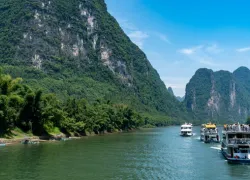
The **Li River** is one of the most famous and stunning rivers in China, flowing through the scenic area of **Guilin** in **Guangxi Zhuang Autonomous Region**. Known for its dramatic limestone peaks, lush greenery, and crystal-clear water, Li River offers one of the most breathtaking landscapes in the world. The river stretches about **437 kilometers (271 miles)** from **Guilin** to **Yangshuo**, passing through small villages, dramatic karst formations, and idyllic rural landscapes. Why Li River, Guilin is Famous Li River is famous worldwide for its **unique karst landscape**, which is often depicted in **Chinese ink paintings**. The towering limestone peaks, crystal-clear water, and lush greenery make it one of the most iconic images of China. The river has become a top tourist destination, attracting visitors from all over the world to experience its natural beauty and tranquil atmosphere. The Li River is also famous for being featured on the **Chinese 20-yuan banknote**, symbolizing the scenic beauty of the region. How to Reach Li River, Guilin Getting to Li River is easy, as it is located near the city of **Guilin**, which is well connected to other parts of China by air, rail, and road. By Air The nearest airport to **Li River** is **Guilin Liangjiang International Airport**, which is approximately **30 km (18 miles)** from the city center. From the airport, you can take a taxi or airport shuttle to your hotel in **Guilin** or directly to the **Li River** departure points. By Train Guilin has two main train stations: **Guilin Railway Station** and **Guilin North Railway Station**, both of which are well-connected to cities like **Beijing**, **Shanghai**, **Guangzhou**, and **Chengdu**. From the train stations, you can hire a taxi or take public transport to reach the Li River. By Bus From **Guilin** city center, buses run frequently to the **Li River's** main departure points, like the **Guilin Yangshuo Dock** or **Zhujiang Dock**. The journey typically takes **30-40 minutes** depending on traffic. Weather and Best Time to Visit Li River, Guilin The weather in **Guilin** is generally **mild and subtropical**, which makes it a year-round destination. However, each season offers a different experience at Li River: Spring (March to May) Spring is a wonderful time to visit Li River when the weather is pleasant, and the flowers are in full bloom. The temperatures are moderate, making it ideal for outdoor activities like boat cruises. Summer (June to August) Summer can be hot and humid, with temperatures reaching over **30°C (86°F)**. This is also the monsoon season, so you may experience occasional rainfall. However, the lush greenery during this time makes the landscape even more vibrant. Autumn (September to November) Autumn is perhaps the best time to visit. The weather is cool, and the scenery is at its most beautiful with the changing colors of the leaves. This is peak tourist season in Guilin. Winter (December to February) Winter is the least crowded season, and while it may be chilly, it is still a great time to visit for those who want to avoid the crowds. Temperatures range between **5°C to 15°C (41°F to 59°F)**. Entry and Visit Details About Li River, Guilin There is no direct **entry fee** for visiting Li River itself, but there are costs associated with the **boat tours**. The main way to explore the river is by taking a **cruise**, with tickets costing between **CNY 150 to CNY 400** depending on the tour package and boat type. To visit the **Li River**, you can join a **group tour** or book an **individual boat cruise**. Most cruises last between **4 to 5 hours** and start from **Guilin** to **Yangshuo** or vice versa. The cruise typically includes lunch, and you can enjoy the stunning scenery while passing by famous landmarks such as the **Elephant Trunk Hill**, **Nine Horses Fresco Hill**, and **Fuli Bridge**. History and Architecture of Li River, Guilin The Li River's history dates back thousands of years, and it has played a significant role in the development of **Guilin** as a cultural and economic hub. The region’s unique karst formations were shaped by centuries of erosion, and the river itself has been a crucial waterway for transportation and trade. While the natural landscape is the main draw, there are also notable **architectural landmarks** along the river. The **Yangshuo West Street** is an example, blending **traditional Chinese architecture** with modern commerce. The nearby **Yangshuo Traditional Market** and historical **ancient towns** reflect the region's rich cultural heritage. Things to Do in Li River, Guilin There are numerous activities to enjoy along Li River, some of the most popular being: Li River Cruise: The most popular activity is taking a **boat cruise** to explore the stunning landscapes of the river, particularly between **Guilin** and **Yangshuo**. Photography: Li River offers some of the best photography opportunities, especially during sunrise and sunset when the mist rolls off the river and the peaks are bathed in soft light. Hiking and Cycling: For those who want a more active experience, hiking along the **Yangshuo countryside** or cycling along the riverbanks is a great way to immerse in the beauty of the region. Visit Local Villages: Explore the small fishing villages along the river, such as **Fuli** and **Puyi**, where you can experience traditional life and try local handicrafts. Interesting Facts About Li River, Guilin Li River is home to more than **300 species of birds**, making it a paradise for bird watchers. The river is also famous for its unique **karst landscape**, which is formed by **limestone** peaks that have been weathered over millions of years. Li River’s beauty has inspired numerous works of **Chinese art**, literature, and poetry. The river is **a UNESCO World Heritage** candidate due to its significance in Chinese culture and natural beauty. Tips for Visiting Li River, Guilin Book Early: During peak seasons (especially autumn), it’s a good idea to book your Li River cruise tickets in advance. Wear Comfortable Shoes: If you plan to hike or explore the nearby villages, bring comfortable walking shoes or sneakers. Bring Sunscreen: The sun can be intense, especially in summer, so sunscreen and a hat are essential. Be Prepared for Crowds: Li River is a popular tourist destination, so expect large crowds during peak seasons. Visiting in the early morning or late afternoon can help avoid the busiest times.
Explore More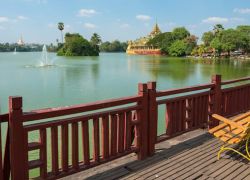
Kandawgyi Lake, also known as the Royal Lake, is one of the most beautiful and tranquil spots in Yangon, Myanmar. Surrounded by green spaces, walking paths, and some of the city’s most iconic landmarks, it offers a peaceful escape from the bustling city streets. The lake is an artificial body of water originally constructed during the British colonial period and is now a favorite spot for families, couples, photographers, and nature lovers. One of the standout features of Kandawgyi Lake is the stunning Karaweik Palace, a massive golden barge sitting on the eastern edge of the lake, built in the traditional Burmese architectural style. The lake also offers excellent views of the nearby Shwedagon Pagoda, especially during sunset. How to Reach Kandawgyi Lake Kandawgyi Lake is located in central Yangon, near major attractions like the Shwedagon Pagoda and the Yangon Zoological Garden. By Taxi: Taxis are widely available in Yangon and are the most convenient way to reach the lake. Just ask the driver to go to “Kandawgyi Lake” or “Kandawgyi Park.” By Bus: Several public buses pass near the lake. Bus stops around the park include those near Kandawgyi Palace Hotel and the Zoological Garden. By Train: The nearest train station is Yangon Central Railway Station, located about 2 km from the lake. From there, a short taxi or tuk-tuk ride will take you to the lake. By Foot: If you're staying in central Yangon, the lake is easily walkable from areas like Sule Pagoda or Bogyoke Market. Weather in Yangon Yangon has a tropical monsoon climate with three distinct seasons: Cool Season (November to February): The most pleasant time to visit Kandawgyi Lake. Temperatures range between 20°C to 30°C (68°F to 86°F) with low humidity. Hot Season (March to May): Temperatures can reach above 35°C (95°F). Early morning and late afternoon visits are recommended during this season. Rainy Season (June to October): The lake looks lush and green, but rain showers are frequent, especially in the afternoons. An umbrella is a must if visiting during this time. Timings The lake itself is always visible and open to the public for viewing, but the surrounding Kandawgyi Nature Park and Karaweik Palace operate on fixed schedules: Park Hours: 4:30 AM – 10:00 PM (Daily) Karaweik Palace Restaurant: 11:00 AM – 9:00 PM (Daily) It’s ideal to visit during early morning hours or late afternoon to catch the best lighting and avoid the heat. Why is Kandawgyi Lake Famous? Kandawgyi Lake is famous for its scenic beauty, romantic atmosphere, and cultural attractions. The golden Karaweik Palace, shaped like a traditional Burmese royal barge, is one of Yangon’s most photographed landmarks. The lake also offers some of the best panoramic views of the Shwedagon Pagoda, especially at sunrise and sunset. The lake is also known for its family-friendly environment. It is a popular weekend destination for locals to picnic, walk, and relax. The blend of nature, culture, and history makes it a must-visit spot in Yangon. Entry and Visit Details Access to Kandawgyi Lake is generally free. However, if you want to enter Kandawgyi Nature Park (the landscaped park area surrounding the lake), there may be a small entry fee: Foreign Visitors: Approx. 300 MMK – 1,000 MMK (Less than $1 USD) Children under 6: Usually free Tickets can be bought at the entrance gates to the park, especially near the Zoo entrance and near Karaweik Palace. Restrooms, snack shops, and benches are available throughout the park. History and Architecture Kandawgyi Lake was created during the British colonial era as a reservoir to supply clean water to the city. Over time, it developed into a public recreational space. The British also constructed the city's nearby botanical gardens and Yangon Zoo in the same period. The Karaweik Palace, built in 1972, is a concrete structure modeled after a royal barge. The design includes mythological bird figures, gold gilding, and intricate Burmese carvings. While it appears to float on the water, it is firmly grounded and houses a cultural restaurant and event hall. Things to Do at Kandawgyi Lake Stroll Around the Park: Enjoy walking paths surrounded by trees, flowers, and open lawns. Photography: Take beautiful photos of the lake, Karaweik Palace, and Shwedagon Pagoda in the background. Visit Karaweik Palace: Dine in the restaurant or attend cultural performances inside this iconic structure. Relax and Picnic: Bring a picnic and enjoy a relaxing day on the grass by the lake. Bird Watching: Spot local bird species in and around the lake, especially in the early mornings. Boat Ride (Occasionally Available): On some weekends or festivals, paddle boats or small lake cruises may be offered. Facts about Kandawgyi Lake Kandawgyi Lake is about 150 acres in size and is fed by water from Inya Lake. The lake’s name “Kandawgyi” means “great royal lake” in Burmese. Karaweik Palace is inspired by the mythical Karaweik bird, often featured in Burmese folklore. The lake is home to many species of fish, birds, and turtles. It is one of the most popular places in Yangon for wedding photography and family outings. Tips for Visiting Kandawgyi Lake Wear comfortable walking shoes as the park area is large and best explored on foot. Bring water and sun protection, especially in the hot season. Don’t miss sunset views of the Shwedagon Pagoda reflected on the lake surface. Respect local customs — modest clothing is appreciated. Look out for local food stalls selling snacks and drinks outside the park entrances. Early mornings are best for bird watching and photography due to softer light and fewer people.
Explore More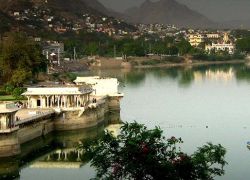
Ana Sagar Lake is a historical man-made lake in Ajmer. It was built somewhere between 1135-1150 AD by the grandfather of Prithviraj Chauhan, Anaji Chauhan. It spans an entire area of 13 km. and has a capacity of storing the water up to 4.75 cubic million. In the previous times, this lake was built for fulfilling the requirement of water in the region but now, it serves as a tourist attraction and a recreational site for the visitors. It Is Known For:-1) Ana Sagar Lake is one among the artificial lakes in India2) It has a capacity of storing the water up to 4.75 cubic million which is the highest in the entire region of Ajmer3) It is not much deep as compared to other lakes and thus, the people are allowed to enjoy the activity of swimming4) The other activities like boating and jet skiing are also allowed at Ana Sagar Lake. Best Time To Visit:-Ana Sagar Lake is an enchanting place that promises to wipe away the stress and tension. It has the backdrop of Aravallis that enhances its charm. An individual can pay a flying visit to this lake during any season of the year but to make the moment special, it should be visited during winters. Witnessing Ana Lake on a winter morning is an unforgettable sight. Reaching There:-Being a famous tourist attraction, Ana Sagar Lake can be reached via bus or taxis as it has a well-established network of the roadways. Nearest Railway Station- Ajmer JunctionNearest Airport- Sanganer Airport
Explore More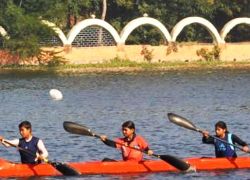
The upper lake and The Lower Lake
The Upper Lake is divided from the Lower by an over bridge and is 6 sq. kms. in area. Madhya Pradesh Tourism Yacht Club on the Upper and Lower Lakes provide facilities for exciting trips by sail, paddle and motorboats. These two beautiful lakes have given Bhopal its title as the 'City of Lakes'. The Upper and Lower lakes (designated as Bhoj Wetland) are urban water bodies. Upper lake is a major source of potable water for the people of the city of Bhopal, Madhya Pradesh, India. Raja Bhoj created the Upper Lake in the 11th Century by constructing an earthen dam across the Kolans River. Lower lake was constructed much later on the down stream of the dam of Upper Lake. The Lower Lake is surrounded from all sides by human settlements.
Explore More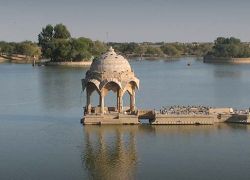
Gadisar Lake is a remarkable attraction in Jaisalmer. It is another artificial lake in the city that was constructed on the orders of Maharwal Gadsi Singh, the Maharaja of Jaisalmer. It is a multi-purpose lake that serves as a water reservoir as well. During scanty downpours, the water of this lake was utilized by the entire nearby region and the fort for various purposes. Gadisar Lake is a place that shouldn’t be missed while vacationing in Jaisalmer. It Is Known For:- Gadisar Lake is a prominent crowd-puller in Jaisalmer. This lake is an ideal spot for spending some time away from the chaotic noises of the city. Bharatpur Wildlife Sanctuary is located close to this lake and hence, there’s a high chance of spotting the migratory birds. There are many Hindu shrines constructed around the lake. Throughout the day and across the year, the atmosphere of Gadisar Lake remains sacred. Aartis are conducted thrice a day that are attended by sizable devotees Best Time To Visit:- Gadisar Lake is a well-known place of interest that never fails to attract the visitors. It is among those places in Jaisalmer that can be visited throughout the year. During the festive season, the footfall increases as devotees arrive in groups to pay respects to the deities in the temple around this lake. Reaching There:- To reach Gadisar Lake, an individual can prefer the local transit like the taxi, jeep, or auto because fewer buses ply on its route. Nearest Railway Station:- Jaisalmer Railway Station Nearest Airport:- Jodhpur Airport
Explore More
Kaylana Lake is a famous tourist attraction located 8 km. from Jodhpur. It is a beautiful place that is surrounded by the lush green vegetation. Under the reign of Pratap Singh, this artificial lake was built over 84 sq. km. It receives the water from the nearby canal named Hathi Nehar (elephant canal) and serves as a major source of water for the dwellers of the region. It Is Known For:- 1) Kaylana Lake is an amazing place for spending a good quality time away from the hustle and bustle of the city. 2) It has a pure atmosphere that makes a person succumb to this place. The purity present in the atmosphere is enough to rejuvenate the tired senses. 3) Kaylana Lake is bordered by the Acacia trees on both sides that enhance its visual appeal. 4) During winters, this lake serves as a temporary residence to the migratory birds as well. The Siberian cranes visit this lake and stay for a long time and it contributes to the boost in tourism. Best Time To Visit:- Kaylana Lake is one among the must-see attractions on the outskirts of Jodhpur. Though it attracts numerous visitors throughout the year, the best time to visit this place is during winters. The entire lake is shrouded in a thin blanket of mist that makes it look even appealing to the eyes. Moreover, winter is the time for the bird watchers to spot the migratory birds. Reaching There:- A wider connectivity of the roadways and railheads decreases the discomfort of reaching Kaylana Lake. The local buses and shuttles are available for commuting to and from Kaylana Lake. Nearest Railway Station:- Jodhpur Junction Nearest Airport:- Jodhpur Airport
Explore More
Located 8kms away from the Blue City Jodhpur is an old-water reservoir turned popular picnic spot called Balsamand Lake. It is an artificial lake which was constructed in 1159 was used to supply water to the people of Mandore. The lake is fringed with lush greenery and the cascading waterfalls to water the garden make this lake a true sight to behold. The garden around the lake has lovely rose beds and various fruit trees like guava, pomegranate, and mango. It Is Known For:-1) The postcard setting of the lake fringed with tall trees and the green hills surrounding it make it an ideal picnic spot for friends and family.2) Spotting peacocks and jackals is also a loved activity in this lake premise.3) The breathtaking sight of the Balsamand Palace, built by Maharaja Sur Singh in 1936, located in its vicinity.4) Photography options because of the spectacular beauty of the area with palace, hills, lake and lush greenery captured in a single frame. Best Time To Visit:-Owing to the biting heat of the summers, Balsamand Lake is not the perfect place for summer retreats. Months from October to February are the best months to visit this serene location. The best time to enjoy the most here would be during the evenings due to the cool breeze blowing around. Reaching There:-Located just 8kms away from the main city of Jodhpur, Balsamand Palace is easily accessible via road. Turning left from NH 65 to NH 114 would take you directly to this beautiful tourist location. Cabs are a preferred option for the tourists visiting this place. Nearest Railway Station:- Jodhpur Railway StationNearest Airport:- Jodhpur Airport
Explore More
Emanating from the southern tip of the Western Ghats at Agastyar Koodam, Karmana River is a well-known river that flows through Karmana, a suburb located in Thiruvananthapuram. This river has various tributaries and the largest tributary of this river is Killiyar that flows for a distance of 24 kilometers. Being the longest tributary, it is the place where various temples are located along its banks. The renowned temples include the names like Attukal Temple and Padmanabhaswamy Temple. It Is Known For:-1) The dams like Aruvikkara and Peppara that stand on it2) The bridges built across it like NH-47, Thrikkunnapuram, Mangattu Kadavu, Kundamon Kadavu, Vellaikadavu etc. Best Time To Visit:-The best time to visit Karmana River is during the Winter and Monsoon. At this time, the weather is perfect and makes it convenient to tour the nearby region. Moreover, the nearby forest region is the perfect way for the ones that love camping amid nature. Do not miss to spend some time near the two dams. Reaching There:-Karmana River can be reached by a short drive or hiring the service of the local transit. Nearest Railway Station- Kovalam Railway StationNearest Airport- Trivandrum International
Explore More
If you wish to spend some time away from the bustling cities then Ashtamudi Lake is the destination that is waiting for you. Ashtamudi Lake is a serene spot in Kollam district that stands among the most visited tourist attractions of Kerala. The crystal blue backwaters of this lake are simply enchanting and lure visitors. It Is Known For:-1) This lake is known for housing the group of 8 islets2) It is frequented as a recreational site. Tourists relish their stay inside a houseboat3) Ashtamudi Lake is a major source for fishing4) The wetland located close to this lake is a home to a vast variety of aqua fauna and other marine creatures Best Time To Visit:-Ashtamudi Lake is a famous tourist attraction and can be visited anytime during the year. It witnesses a huge footfall throughout the year, excluding summers. Reaching There:-The district of Kollam is well connected with railways, airways, and roadways. This makes it easier to reach there without any hassle. To reach the lake of Ashtamudi, an individual has to board the buses that ply to the route of the lake. It is a ride/drive for an hour or two. Nearest Railway Station- Kollam JunctionNearest Airport- Trivandrum International Airport
Explore More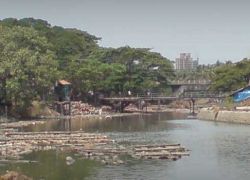
Originating from the Western Ghats, Kallai or Kallayi River is one of the popular rivers in Kerala. It originates from a high altitude of 148 feet and flows 40 km. covering the regions of Cherukulathur, Kovur, and Olavanna before merging with the Laccadive Sea. It Is Known For:-1) In the previous times, this river served as the local route for delivering timber. The Arabs and Portuguese used this route for reaching Kozhikode port and take the timber logs.2) Tourists can enjoy boating and can swim in Kallai River
Explore More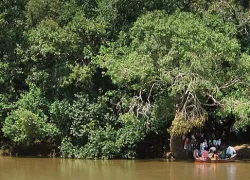
Kuruvadweep is a group of islets located in the district of Wayanad (Kerala). All islets collectively form the evergreen forest that unfolds over 950 acres of land. A variety of flora including the wildflowers and some rare plant species are found here. This place is a paradise for nature lovers. The river Kabini flows through it and feeds the vegetation of islets. Tourists on a large scale flock to Kuruvadweep for spending an adventurous vacation. It Is Known For:-1. The tantalizing vegetation2. Exploring the forests by navigating in Kabini River Best Time To Visit:-If you have decided to spend a vacation at Kuruvadweep islets, you do not require any specific season to enjoy the holiday. Throughout the year, nature enthusiasts and tourists flock to these islets extensively. Moreover, this place has also emanated as a honeymoon destination due to the development of the region and construction of resorts. All in all, Kuruvadweep is a picture perfect destination to enjoy the vacation. Reaching There:-You can reach the islets of Kuruvadweep by availing the service of the motor boats. Their service can be availed at regular intervals. Nearest Railway Station- Kozhikode Railway StationNearest Airport- Calicut International Airport
Explore More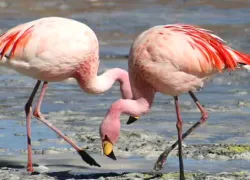
Lying in the Coromandel Coast, Pulicat Lake is located in the Indian state of Andhra Pradesh. This lake spans 60 km in length and 17.5 km in width. Pulicat Lake is the second largest briny water lake in India after Chilika Lake. It is a famous travel attraction and catches the sight of tourists immediately. The visitors can enjoy the activities like boating and fishing in this lake. It Is Known For:- 1) Pulicat Lake is a home to a variety of the avifauna and marine creatures. One can spot the birds like a heron, kingfisher, flamingo, duck, pelican, gull, and much more here. This lake is not less than a haven for the bird watchers 2) Not only bird watching, one can also take delight in the activity of boating and fishing 3) In the nearby areas, many fisheries are located where people can purchase various fishes Best Time To Visit:- Pulicat Lake is a major travel attraction in Andhra Pradesh. Being a popular spot, it is visited throughout the year excluding monsoon. The best period for spending a day's itinerary at Pulicat Lake is during November-March. During this duration, the temperatures are suitable and the chance of spotting the migratory birds is higher. Reaching There:- Pulicat Lake never fails to catch the attention of the visitors, especially the bird watchers. Thus, it witnesses a huge footfall throughout the year. The local transit like the buses and autos are available to make your travel convenient. Nearest Railway Station- Ponneri Railway Station Nearest Airport- Chennai Airport
Explore More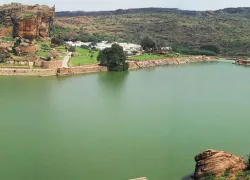
Agastya-Tirtha Lake is situated beneath the cave temples at Badami. Agastya-Tirtha Lake is said to be almost 5th century old and has high religious values. It is said that water of the lake can heal anyone anytime. Bhoothnatha Temples located in the east sides of the Agastya-Tirtha Lake add to the beauty of the place.
Explore More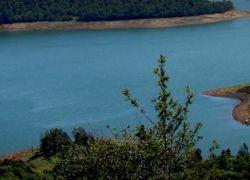
Emerald Lake is a tantalizing tourist spot in Ooty. It lies in the region of Silent Valley, a region that is hemmed in the Nilgiris. This lake serves as a place where people can succumb to nature and rejuvenate their tired senses by taking a dip in the waters of this lake. Due to the serenity present in the atmosphere, it is a perfect spot for overnight camping in Silent Valley. It Is Known For:-1) Emerald Lake is known for its charm. It is surrounded by the Nilgiris that make it look appealing to the eyes2) Its beauty is simply indescribable in words. The visitors are tranquilized after seeing this spellbinding site3) Emerald Lake and its surroundings are also preferred by the migratory birds and serve as a temporary residence for them. Visitors can spot the flamingos, geese, Spoonbill etc. at this lake4) This lake is a home to different fishes as well and the people nearby earn their livelihood by catching the fish Best Time To Visit:-If a tourist misses seeing Emerald Lake, he/she misses the true beauty of nature. It is a must-see spot that can magically kill any kind of stress. Due to its location amid the Nilgiris, it can be visited throughout the year, especially during the monsoons and winters. These two seasons reveal the real beauty of Emerald Lake. Reaching There:-It is not tough to reach the amazing Emerald Lake. It is well-connected with the roadways and can be reached by a short drive. Nearest Railway Station- Ooty Railway StationNearest Airport- Coimbatore Airport
Explore More
Lake Nakuru, a Rift Valley soda lake, lies in the southern region of Nakuru, Kenya. Large numbers of flamingoes come to the place because of the abundance of algae in the lake. Other beautiful birds, warthogs, black rhinos, white rhinos and baboons can also be seen near the lake. Large mammals also inhabit along the shore of Lake Nakuru. Lake Nakuru is under the protection of Lake Nakuru National Park. So well maintained, that it is a major tourist attraction of Kenya.
Explore More
Thamalakane River in Botswana, Africa comes alive in the wet season. The majestic biological productivity of the area in that season has made it a sought after place among the nature lovers.
Explore More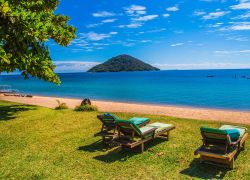
Cape Maclear is a major tourist spot of Malawi, Africa. The town is located in the southern region of Lake Malawi. Cape Maclear is famous for its available facilities like boat cruises, snorkeling, diving, hiking and kayaking.
Explore More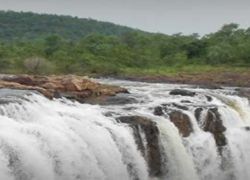
Surrounded by the deciduous forests, Laknavaram Lake is an enchanting tourist spot in Warangal, Telangana. This lake is an artificial reservoir that was built by Kakatiya clan and spans an entire area of 10,000 acres of land. Within the vicinity of the lake, there are 13 islets that serve as a perfect tourist spot for the ones that wish to spend a vacation away from the city. It Is Known For:-1) Laknavaram Lake is known for its captivating surroundings blessed with an otherworldly ambiance2) Since this lake is surrounded by the deciduous forests, it also becomes a favorable site for the trekkers3) This lake is a navigable water body and visitors can relish the vacation by spending a day’s itinerary on different islets4) In the previous years, accommodations like the wooden cottages equipped with the modern amenities, have been constructed on the islets for the tourists to enjoy a great stay Best Time To Visit:-Laknavaram Lake is an amazing place for enjoying a short trip. People from different places arrive here and spend the vacation to rejuvenate themselves. Though this place can be visited throughout the year, the best time for spinning some memorable moments is during November-March. It is the period when the temperatures are pleasant and make it comfortable to relish the fun. Reaching There:-Laknavaram Lake is a famous tourist attraction that has a vast network of the roadways. Such a network connects it with the major parts of the city. One can hire the service of the local bus and de-board the same at Govindaraopet Mandal. It is the nearest point to the lake. Nearest Railway Station- Warangal Railway Station Nearest Airport- Warangal Airport
Explore More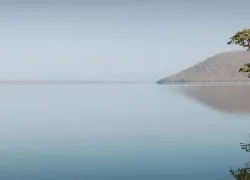
Pakhal Lake is calm and a serene tourist spot in Warangal, Telangana. It is a lake that was built back in the 12th century by the King Ganapati Deva of the Kakatiya clan. His former personal park, now known as Pakhal Wildlife Sanctuary, is also set along this lake in Warangal. Tourists and locals arrive at this place for spending a day's itinerary. It Is Known For:-1) Pakhal Lake is an artificial reservoir that spans an entire area of 30 km. sq. and is entirely navigable2) It serves as the prime source of water for the animals of Pakhal Wildlife Sanctuary3) Due to its location, it has emerged as a prominent site for the visitors that wish to spend some time away from the bustling cities4) Pakhal Lake is a haven for nature enthusiasts as well Best Time To Visit:-Pakhal Lake is one of the must-see tourist places in Warangal, Telangana and is frequently visited by the visitors. Not only the local tourists but, the foreign internationals also pay a casual visit to this beautiful water body. The best time for visiting Pakhal Lake is during the monsoons and winters. The rain shower enhances the beauty of the lake, whereas, the cool weather during winters makes it convenient for enjoying near the lake. Reaching There:-Pakhal Lake can be reached conveniently by hiring the service of the local jeeps. It is the best way for relishing the tranquilizing environment of this arresting tourist destination. Nearest Railway Station- Warangal Railway StationNearest Airport- Hyderabad Airport
Explore More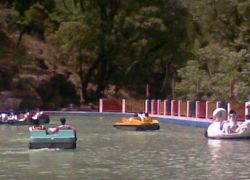
Famous for its exceptional beauty, Mussoorie Lake is a beautiful attraction in Mussoorie. It stands among one of the best tourist spots and never fails to catch the attention of visitors. This enchanting lake has a serene ambiance and has a potential to rejuvenate the tired senses. Many B-Town movies include the scenes that were shot at this alluring lake. It Is Known For:-1) Mussoorie Lake is known for its beauty. Surrounded by the hillocks and blessed with a tranquil ambiance, it is a superb place where one can succumb to nature2) This lake is a remarkable place whose beauty cannot be described in words3) In the early hours of morning, one can witness the thin blanket of mist covering the lake Best Time To Visit:-Excluding the summers, the rest of the year is appropriate for relishing a great time at Mussoorie Lake. To witness the beauty of the lake at its best, it should be visited during monsoons. The beauty of the lake is doubled. Even during winters, one can enjoy a great time doing boating in the lake. The nearby Doon Valley is another attraction that can be visited. Reaching There:-Mussoorie Lake is a famous tourist site and is visited extensively. It has a web of roadways that connect with the rest of the parts in the whole of Uttarakhand. The local transit like the bus, cab, and a jeep is available for reaching this delightful tourist spot. Nearest Railway Station- Dehradun Railway StationNearest Airport- Jolly Grant Airport
Explore More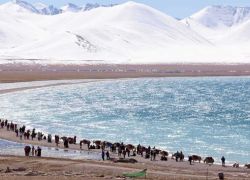
The Namtso is a mountain lake running on the border between the Baingoin County of Nagqu Prefecture in the Tibet Autonomous Region of China and Damxung County of Lhasa prefecture-level city. The lake is 112 kilometers from Lhasa. The Namtso Lake is well reckoned among the most beautiful and spectacular places on the mountain range of Nyainqentanglha. For centuries, the Tibetan pilgrims are visiting the place because of the cave hermitages. Easy access from Lhasa was established after as surface road across Laken Pass at 5186 m was developed in the year 2005. Therefore, the water body became a tourist destination as well. Another attraction that draws people to the lake is The Tashi Dor monastery situated on the southeastern corner of the lake. The place is a beautiful destination and production of many serials has taken place here. For example, around the historical, natural and anthropological background of the place a romantic drama named Shangri-La was shot. The place also featured in the Himalaya with Michael Palin, a BBC series as well. The best time to visit is during the summer season, as the place provides a cool and serene environment.
Explore More