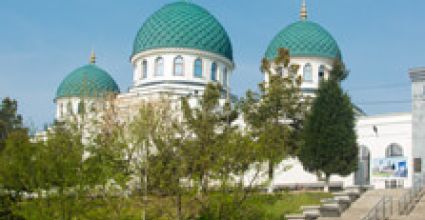
Tashkent, the capital and largest city of Uzbekistan, is a vibrant metropolis that blends modern development with rich historical and cultural heritage. Located in the heart of Central Asia, Tashkent has a history dating back over 2,000 years, serving as a key stop on the ancient Silk Road. The city is known for its stunning mix of Soviet-era architecture, Islamic landmarks, and contemporary developments. Notable attractions include the Khast Imam Complex, which houses the famous Quran of Caliph Uthman, and the historic Khawaja Ahrar Vali Complex. The city's bustling markets, like Chorsu Bazaar, offer a lively atmosphere with local crafts, spices, and fresh produce. Tashkent is also home to beautiful parks, museums, and theaters, reflecting its rich cultural scene. In recent years, Tashkent has undergone significant modernization, with new infrastructure, shopping malls, and luxury hotels, making it a dynamic city that offers a fascinating blend of tradition and progress.
Explore More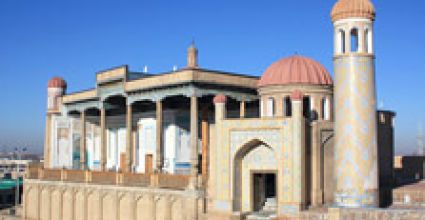
Samarkand, one of the oldest and most historically significant cities in Central Asia, is a UNESCO World Heritage site known for its rich cultural heritage and stunning Islamic architecture. Located in southeastern Uzbekistan, Samarkand was a key city along the ancient Silk Road and served as the capital of the Timurid Empire under the great conqueror Timur (Tamerlane) in the 14th century. The city is renowned for its magnificent landmarks, such as Registan Square, a stunning complex of madrasas with intricate tilework, and the Shah-i-Zinda, a necropolis of tombs with remarkable mosaics. Other notable sites include the Bibi-Khanym Mosque, the observatory of Ulugh Beg, and the Gur-e-Amir Mausoleum, the resting place of Timur. With its blend of Persian, Turkic, and Islamic architectural styles, Samarkand offers visitors a glimpse into the splendor of medieval Central Asia. The city’s timeless beauty and historical significance make it a must-visit destination for travelers interested in culture, history, and architecture.
Explore More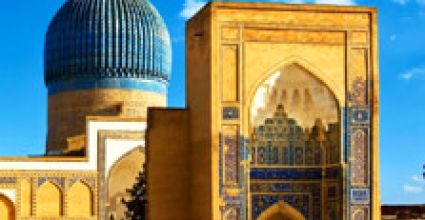
Bukhara, located in central Uzbekistan, is one of the most important historical cities along the ancient Silk Road. With a history spanning over 2,500 years, Bukhara has been a center of trade, culture, and Islamic scholarship. The city’s well-preserved old town, a UNESCO World Heritage site, is home to stunning examples of Islamic architecture, including impressive mosques, madrassas, and caravanserais. Key landmarks include the Ark Fortress, a massive citadel that once housed the ruling elite, and the Bolo Haouz Mosque, known for its beautiful wooden columns and intricate tilework. Bukhara is also famous for the Registan-like Po-i-Kalyan complex, which includes the Kalyan Minaret, a towering symbol of the city. The city’s lively markets, such as the historic trading domes, offer a vibrant atmosphere, showcasing local handicrafts, spices, and carpets. With its rich history, stunning architecture, and cultural significance, Bukhara remains a must-visit destination for those exploring the heart of Central Asia.
Explore More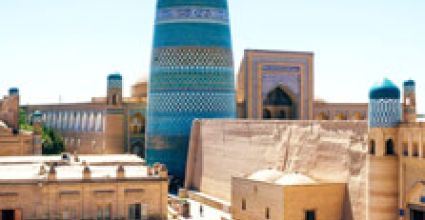
Khiva, a historic city located in western Uzbekistan, is a UNESCO World Heritage site renowned for its well-preserved ancient architecture and rich cultural history. As one of the key cities along the Silk Road, Khiva was an important trading and cultural center, particularly during the 16th and 17th centuries when it served as the capital of the Khiva Khanate. The city's old town, Itchan Kala, is a remarkable open-air museum, surrounded by impressive walls and gates. It is home to numerous historic monuments, including the towering Kalta Minor Minaret, the majestic Juma Mosque with its unique wooden columns, and the architectural masterpiece of the Kunya Ark, a fortress and royal residence. The city’s narrow streets are lined with mosques, madrasas, and caravanserais, offering visitors a glimpse into the life of a bygone era. Khiva’s ancient charm, stunning blue-tiled structures, and rich heritage make it an enchanting destination for history enthusiasts and travelers seeking a step back in time.
Explore More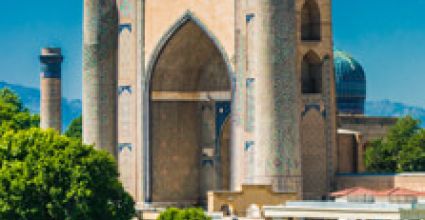
Shahrisabz, located in southern Uzbekistan, is a historic city with deep cultural and architectural significance. Known as the birthplace of the great conqueror Timur (Tamerlane), Shahrisabz was once a thriving capital of the Timurid Empire and a key center on the Silk Road. The city is renowned for its stunning historical sites, including the ruins of the Ak-Saray Palace, built by Timur himself, which remains a symbol of the grandeur of his empire. Other notable landmarks include the Dorus Saodat Complex, the burial place of Timur’s family, and the Kok Gumbaz Mosque, with its striking blue dome. Shahrisabz’s ancient architecture reflects a blend of Persian, Mongol, and Central Asian styles, offering visitors a fascinating glimpse into the city’s past splendor. With its rich history, significant connection to Timur’s legacy, and beautiful architectural landmarks, Shahrisabz is an essential stop for travelers interested in the heritage of Central Asia.
Explore More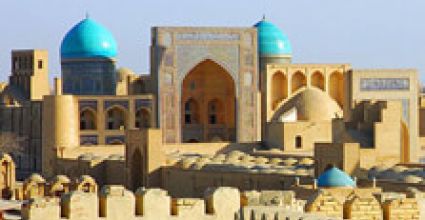
Urganch, located in the Khorezm region of Uzbekistan, is a historic city that serves as the administrative center of the Khorezm province. While not as widely known as other cities in Uzbekistan, Urganch plays a crucial role in the region's history and development. The city is a gateway to the ancient Silk Road city of Khiva, just 30 kilometers away, making it an important stop for travelers exploring the area. Urganch’s history dates back over 2,000 years, and it has seen various periods of influence, including the rise of the Khorezmian Kingdom. The city is home to several historical sites, including the Khorezm Museum, which showcases artifacts from the region's rich past, and the Juma Mosque with its intricate architecture. In recent years, Urganch has modernized, with new infrastructure and facilities, while still maintaining its connection to the traditional culture and heritage of the Khorezm region. It offers visitors a blend of ancient history and contemporary life.
Explore More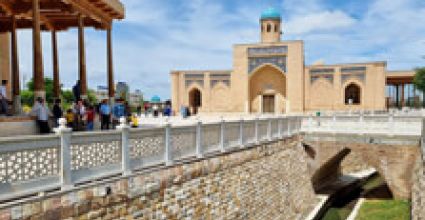
Nukus, the capital of the autonomous Republic of Karakalpakstan in Uzbekistan, is a city with a unique cultural and historical identity. Located in the far west of Uzbekistan, Nukus is known for its proximity to the Aral Sea and its rich history as a crossroads of Central Asia. While the city itself is relatively modern, it has a deep connection to the region’s past, including its role as a key trading center along the ancient Silk Road. One of the most significant attractions in Nukus is the Savitsky Museum, which houses one of the largest collections of Russian avant-garde art outside of Russia, as well as an impressive collection of Karakalpak artifacts. The museum is a testament to the city’s role in preserving cultural heritage, especially in the face of political challenges. Nukus also serves as a gateway to the Aral Sea region, a place of ecological interest and reflection on the environmental impact of the region’s changing landscape.
Explore More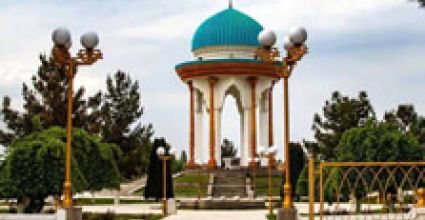
Margilan, located in the Fergana Valley of eastern Uzbekistan, is a historic city known for its rich cultural heritage and its role in the region’s textile industry. Often referred to as the "silk capital" of Uzbekistan, Margilan has a long history of silk production, which dates back over a thousand years. The city is famous for its traditional handwoven silk fabric, particularly the vibrant ikat textiles, which have been produced in the region for centuries. One of Margilan's key attractions is the Yodgorlik Silk Factory, where visitors can witness the traditional process of silk weaving, from the spinning of threads to the final product. The city is also home to historical sites such as the Margilan Bazaar, a bustling market where local goods and textiles are sold, and the Oloy Madrassa, an example of classic Central Asian architecture. With its rich history in silk production and its cultural significance, Margilan offers a unique glimpse into the traditions of the Fergana Valley.
Explore More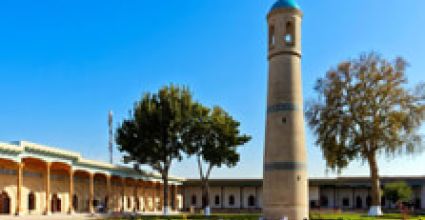
Kokand, located in the Fergana Valley of eastern Uzbekistan, is a city with a rich historical and cultural legacy. Once the capital of the Kokand Khanate in the 18th and 19th centuries, it played a significant role in Central Asian trade, politics, and culture. The city’s strategic location along the ancient Silk Road made it a key hub for merchants and travelers. Kokand is known for its beautiful architecture, including the impressive Khudoyar Khan Palace, a grand example of Uzbek architectural design, and the Juma Mosque, which features intricately carved wooden columns. The city’s lively bazaars, such as the Kokand Market, offer visitors a taste of local life, with a range of traditional crafts, textiles, and fresh produce. With its rich heritage, historical landmarks, and vibrant atmosphere, Kokand offers travelers a fascinating journey into the history and culture of Central Asia, making it a must-visit destination in Uzbekistan’s Fergana Valley.
Explore More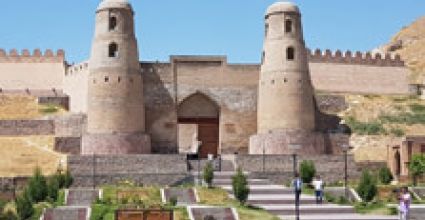
Termez, located in southern Uzbekistan near the border with Afghanistan, is a city with a rich history that spans over 2,000 years. Positioned along the ancient Silk Road, Termez has been a crossroads of various cultures, including Persian, Greek, Buddhist, and Islamic influences. The city was a major center of Buddhism and played an important role in the spread of Buddhist culture across Central Asia. Today, Termez is known for its impressive archaeological sites, including the ancient Buddhist monastery complex of Fayaz Tepe, the Termez Archaeological Museum, and the ruins of the city’s old fortress, which date back to the Kushan period. The city's other notable landmarks include the Sultan Saodat Complex, a mausoleum complex that showcases Islamic architecture, and the remnants of the ancient city of Kesh, which was an important hub during the Timurid period. With its blend of cultural and historical influences, Termez offers a fascinating glimpse into Uzbekistan’s diverse past and its role in the Silk Road network.
Explore MoreUzbekistan is officially known as Republic of Uzbekistan. It is the only doubly landlocked country of Central Asia and lists as one of the only two countries to be so. Uzbekistan has been known for its incomparable architectural beauty, since antiquity. The country has more than two million artifacts in its stores. Tourists come to visits mainly for these archaeological and historical destinations.
Uzbekistan experiences hot summers and cool winters that is it has a continental atmosphere. In summers, temperature often rises more than 40 degree Celsius and in winters it falls below -40 degree Celsius. Most of the regions in the country are arid with very less annual rainfall between 100 to 200 millimeters. In July and September, there is slight precipitation which does not allow any vegetation in that period.
The latitudinal dimension of Uzbekistan 37 degree and 46 degree north and longitudinal range is 56 degree and 74 degree east.
Territory & Capital : Uzbekistan is 1,425 kilometers long from east to west and 930 kilometers from north to south. It is surrounded by Kazakhstan and the Aral Sea from north and northwest. Towards it south lies, Turkmenistan and Tajikistan. The country also shares short border with Afghanistan.
Suitable Visiting Seasons : The best time to visit Uzbekistan is either in spring between May and June or in autumn during September to November. People who love rock climbing and other trekking sports should visit the country in July and August.
Uzbekistan has an international airport at Tashkent and has numerous bus services for local transportation.
Currency : Uzbekistan Som (UZS)
Area : 447,400 square kilometer (172,742 square miles)
Population : 29,559,100 (estimated)
Language : Uzbek
Calling Code (ISD) : +998
Time zone : UZT (UTC+5)
Citizens of all country require Visa to enter Uzbekistan. Uzbekistan Visa can be made available from local Uzbekistan Embassy.