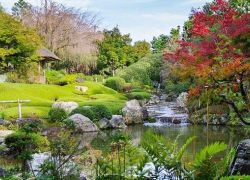
The Tashkent Botanical Garden, located in the heart of Uzbekistan's capital city, Tashkent, is a lush and peaceful retreat, offering visitors a wide variety of plant species from around the world. Established in 1950, the garden spans over 80 hectares and is home to more than 4,000 plant species, making it one of the largest and most diverse botanical gardens in Central Asia. The garden plays an important role in the conservation of endangered plant species, as well as conducting scientific research on plants and horticulture. How to Reach Tashkent Botanical Garden The Tashkent Botanical Garden is located approximately 5 kilometers southeast of Tashkent’s city center. You can reach the garden easily by car, taxi, or public transport. If you’re taking public transport, you can use the metro system and get off at the "Botanical Garden" station on the Green Line (Line 1), which is just a short walk from the garden’s entrance. Alternatively, buses and taxis are also available and can drop you directly at the entrance. Weather and Best Time to Visit The climate in Tashkent is characterized by hot summers and mild winters. The best time to visit the Tashkent Botanical Garden is during the spring (March to May) and autumn (September to November) when the weather is moderate, and the garden is in full bloom. Summers (June to August) can be quite hot, with temperatures often exceeding 35°C (95°F), so it's best to visit early in the morning or late in the afternoon. Winters are cool, with average temperatures ranging from 0°C to 8°C (32°F to 46°F), but the garden remains open year-round for visitors. Timings The Tashkent Botanical Garden is generally open to visitors from 9:00 AM to 6:00 PM every day, except on national holidays. However, it is advisable to check in advance as operating hours may vary during the peak tourist season or in case of special events. The best time to visit is early in the day when the temperature is cooler and the garden is less crowded. Why Famous? The Tashkent Botanical Garden is famous for its extensive collection of plants from different parts of the world, including tropical and subtropical species, medicinal plants, and ornamental flowers. The garden also hosts various species of trees and shrubs that are native to Uzbekistan. It is known for being a peaceful retreat in Tashkent, providing a green oasis in an urban environment, and offering a calm environment for relaxation, walks, and picnics. The garden’s scientific research and educational activities, including plant conservation programs, have contributed to its reputation as a center for horticultural excellence in Central Asia. Entry and Visit Details The entry fee for Tashkent Botanical Garden is quite affordable, making it accessible for both locals and tourists. Visitors can pay the entry fee at the entrance gate. It's recommended to bring cash in Uzbekistani Som (UZS) as credit card facilities might not be available at all entry points. The garden is open for both casual visits and educational tours, with knowledgeable guides available to give tours of the facility and explain the various plant species and the history of the garden. The space is perfect for families, nature lovers, and anyone looking to explore the natural beauty of Uzbekistan. History and Architecture The Tashkent Botanical Garden was established in 1950 as a scientific and educational project. The garden was designed by Soviet horticulturists and botanists, and it continues to serve as a research facility, focusing on plant breeding, conservation, and the study of flora from Central Asia and other regions of the world. The architecture of the garden is characterized by a combination of traditional and modern design, with large greenhouses, research labs, and ornamental gardens spread across the grounds. It is a blend of natural beauty and architectural harmony, with winding pathways, tranquil ponds, and scenic views that enhance the overall experience. Things to Do at Tashkent Botanical Garden Explore the Plant Collections: The garden is home to an impressive collection of flora, ranging from rare species to well-known garden plants. You can explore themed sections, such as the tropical section, the rose garden, and the cactus garden. Take a Guided Tour: Learn about the history of the garden, its plant conservation efforts, and discover interesting facts about the different species with the help of a guide. Relax and Picnic: The Tashkent Botanical Garden is an excellent place to relax and enjoy a picnic. There are plenty of shaded areas where visitors can sit and unwind. Photography: The garden offers fantastic opportunities for nature photography, with its beautiful flora, peaceful water features, and scenic walking paths. Botanical Education: If you're interested in botany or horticulture, the botanical garden is a great place to learn. It has various educational programs and workshops for students and professionals. Facts and Tips about Tashkent Botanical Garden Accessibility: The garden is wheelchair accessible in most areas, but it’s always good to check with the staff regarding specific routes. Bring Water: During the summer months, the weather can be quite hot, so it’s a good idea to bring a bottle of water to stay hydrated. Photography Rules: Photography is allowed in most areas of the garden, but some private or research areas may have restrictions. Plan for Several Hours: The garden is vast, and there’s a lot to see, so plan for at least 2-3 hours to explore the different sections of the garden. Wear Comfortable Shoes: The garden has extensive walking paths, so make sure to wear comfortable footwear for a pleasant visit.
Explore More
The Aral Sea, once one of the world’s largest inland bodies of water, is located near Nukus, the capital of the autonomous Republic of Karakalpakstan in Uzbekistan. Known for its vastness and abundant fishing industry, the Aral Sea has experienced a dramatic environmental collapse in recent decades. A combination of over-extraction of water for irrigation and poor water management led to the shrinkage of this massive lake, creating one of the largest ecological disasters in history. Despite the ecological crisis, the Aral Sea remains an intriguing destination for travelers interested in the region's environmental challenges, as well as those curious about its rich history and surreal, barren landscape. How to Reach Aral Sea Getting to the Aral Sea from Nukus requires a bit of effort and preparation, as it is located in a remote part of Uzbekistan. While there is no direct public transportation to the sea, you can reach the area with a combination of private transport or guided tours. First, travelers typically arrive in Nukus, which is well-connected by domestic flights to Tashkent, the capital of Uzbekistan. From Nukus, the best way to reach the Aral Sea is by hiring a private vehicle or joining an organized tour. Tours are recommended as they offer a safer and more informative journey, especially in the harsh desert environment surrounding the sea. The journey from Nukus to the Aral Sea takes several hours by car, and while the road conditions can vary, some sections of the road are rough and dusty, particularly during the summer months when temperatures can soar above 40°C (104°F). Traveling with a guide who is familiar with the area will ensure a smoother trip. Once at the site, you can explore the ship graveyard and other key features of the Aral Sea region, which offers a unique and haunting glimpse into the past. Weather in Nukus and Aral Sea Nukus and the surrounding Aral Sea region experience a desert climate, with extremely hot summers and cold winters. Summer temperatures regularly exceed 40°C (104°F), which can make it a challenging time to visit. If you plan on visiting during the summer, be sure to bring plenty of water, sunscreen, and lightweight clothing to protect yourself from the harsh sun. The best time to visit the Aral Sea is during the spring (April to June) and autumn (September to November), when temperatures are milder, ranging from 20°C to 30°C (68°F to 86°F). These seasons also offer better visibility and a more comfortable experience, making it easier to explore the area without the intense heat of summer or the cold winds of winter. Winter temperatures (December to February) can drop significantly below freezing, and snowstorms are not uncommon, so traveling during this time is not recommended. Timing of Aral Sea Visit There are no official opening hours for the Aral Sea itself, as it is a natural site rather than a managed tourist attraction. However, most travelers visit during daylight hours to ensure they can safely explore the area and avoid the intense midday heat. If you're visiting independently, it is advisable to leave early in the morning or late in the afternoon to make the most of cooler temperatures. If you’re part of an organized tour, the schedule will likely include a full-day itinerary, with travel to the sea in the morning and returning by evening. Since the region is remote, be prepared for a long day of travel. It's also essential to plan your visit well in advance, especially if you intend to stay overnight, as accommodations are sparse in this desert region. Why Famous for Aral Sea The Aral Sea is famous not for its beauty or size, but for the ecological disaster that has unfolded over the past few decades. Once the fourth-largest lake in the world, the Aral Sea supported a thriving fishing industry and served as an important transportation route for the region. However, in the 1960s, the Soviet Union began large-scale irrigation projects, diverting the Amu Darya and Syr Darya rivers—two of the sea’s primary water sources—to support cotton farming in Uzbekistan and Kazakhstan. This diversion drastically reduced the flow of water into the Aral Sea, causing its water levels to drop rapidly. By the 1980s, the Aral Sea had already shrunk by over half its original size. The effects were devastating: the local fishing industry collapsed, towns along the sea were abandoned, and the environment deteriorated. The exposed seabed became covered in toxic salts and chemicals, which are now carried by the wind, leading to widespread health problems in the surrounding areas. Despite the environmental crisis, the Aral Sea remains an important symbol of ecological mismanagement and the consequences of human intervention on a massive scale. Entry and Visit Details about Aral Sea Access to the Aral Sea is not restricted, but visitors should be aware of the challenges involved in traveling to the site. The region is isolated, and infrastructure is minimal, so it’s essential to come prepared for a rugged, off-the-beaten-path experience. There are no official entry points or visitor centers, but local guides are available to lead tourists through the area and explain its history and environmental significance. The most popular activity at the Aral Sea is visiting the ship graveyard. The sea’s rapid shrinkage left behind numerous fishing vessels and cargo ships that were once docked along its shores. Today, these ships sit stranded in the desert, rusting and decaying in the dry seabed. The ship graveyard provides an eerie, haunting sight that has become an iconic symbol of the Aral Sea disaster. Accommodations near the Aral Sea are limited. Most travelers choose to stay in Nukus, which offers a wider range of hotels and guesthouses. It is recommended to bring food, water, and other essential supplies with you, as services are scarce around the Aral Sea. Some tour companies may offer camping or overnight stays in nearby towns, where basic facilities are available. History and Architecture of Aral Sea The history of the Aral Sea is tied to the region’s complex water management systems and the rise and fall of the Soviet Union. For centuries, the Aral Sea was a vital resource for the people living along its shores, supporting a vibrant fishing industry and acting as a central hub for trade and transportation. The region also played a significant role in the Silk Road, serving as a stop for caravans traveling through Central Asia. However, the ecological collapse of the Aral Sea began in the 1960s, when Soviet authorities diverted water from the Amu Darya and Syr Darya rivers to irrigate vast cotton plantations. As a result, the sea’s water levels began to drop, and by the 1980s, the Aral Sea was already in severe decline. The landscape around the Aral Sea became increasingly desolate, with fishing villages abandoned and towns left stranded far from the remaining water. Today, the exposed seabed and the rusted remains of ships are all that remain of what was once a thriving, water-rich area. The architecture of the region is characterized by the remnants of Soviet-era industrial structures, fishing ports, and abandoned settlements. The most iconic feature of the Aral Sea today is the ship graveyard, where ships lie stranded in the dry desert, a stark reminder of the once-thriving maritime industry. Although much of the architectural heritage has been lost to time, the remaining structures offer an eerie but fascinating glimpse into the area’s history. Things to Do at Aral Sea Visiting the Aral Sea provides a unique opportunity to explore a region that has undergone one of the most dramatic environmental changes in history. There are several things you can do during your visit to make the most of your time in this hauntingly beautiful area: Explore the Ship Graveyard: The most famous attraction at the Aral Sea is the ship graveyard, where you can see abandoned ships that were once used for fishing and transportation. Photograph the Barren Landscape: The desolate, dry seabed, rusting ships, and abandoned villages make for striking and surreal photography opportunities. Learn About the Environmental Disaster: Many local guides offer tours that explain the history of the Aral Sea and its dramatic environmental collapse, giving visitors a deeper understanding of the consequences of the Soviet-era irrigation projects. Visit Nearby Villages: Some small villages near the Aral Sea still rely on the limited resources available in the region. Visiting these villages provides insight into how the local population has adapted to the changing environment. Facts About Aral Sea The Aral Sea was once the fourth-largest lake in the world, covering an area of over 68,000 square kilometers. The sea has shrunk by over 90% since the 1960s due to the diversion of water for irrigation purposes. The Aralkum Desert has emerged as the former seabed was exposed, creating a toxic, barren landscape. Efforts to restore parts of the Aral Sea, such as the construction of the Kok-Aral Dam, have shown limited success but are ongoing. The environmental disaster of the Aral Sea remains one of the world’s most significant ecological catastrophes. Tips for Visiting Aral Sea Bring plenty of water, food, and sunscreen, especially during the hot summer months when temperatures soar above 40°C. Travel with a local guide or as part of an organized tour for better navigation through the rough terrain and to gain insight into the area’s history. Wear sturdy shoes and protective clothing, as the terrain can be rocky and the sun can be intense. Prepare for limited services, including food, accommodation, and bathroom facilities in the remote area surrounding the sea. Take plenty of photos to capture the eerie beauty of the rusting ships and the barren, otherworldly landscape.
Explore More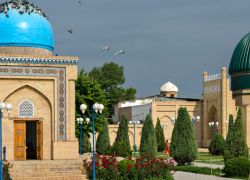
The Fergana Valley, located in eastern Uzbekistan, is one of the most historically significant and culturally rich regions in Central Asia. This fertile valley is surrounded by towering mountain ranges, making it an important agricultural and trade hub for centuries. The valley is home to several cities, including Margilan, which is known for its historical significance, traditional craftsmanship, and natural beauty. In this article, we will explore the Fergana Valley, how to reach it, its weather, why it's famous, its historical and architectural significance, and useful tips for visiting this beautiful region of Uzbekistan. How to Reach Fergana Valley Getting to the Fergana Valley is fairly easy, as it is well-connected by road, rail, and air to major cities in Uzbekistan. The nearest airport to the valley is located in the city of Fergana, the regional capital. The Fergana International Airport offers domestic flights from Tashkent, the capital city of Uzbekistan, as well as from other regions within the country. The flight duration from Tashkent to Fergana is around 1 hour, making air travel a quick and convenient option for reaching the valley. Alternatively, visitors can travel to the valley by train or bus. The train ride from Tashkent to Fergana takes about 5-6 hours, offering scenic views of the countryside. For a more flexible option, buses and minibuses (known locally as marshrutkas) are available from Tashkent and other major cities to Fergana and surrounding towns like Margilan. Once in the valley, local taxis and public transport can be used to reach various destinations within the region. Weather in Fergana Valley The Fergana Valley experiences a continental climate, characterized by hot summers and cold winters. The best time to visit the region is during the spring (April to June) and autumn (September to November) months, when the temperatures are pleasant, ranging between 20°C to 30°C (68°F to 86°F). These months offer ideal conditions for sightseeing and outdoor activities. During the summer months (July and August), temperatures can soar above 35°C (95°F), so it is advisable to take necessary precautions, including wearing sunscreen, staying hydrated, and avoiding the midday sun. The winter months (December to February) can be quite cold, with temperatures dropping below freezing, particularly in the mountains surrounding the valley. If visiting during the winter, make sure to pack warm clothing. Why Famous for Fergana Valley The Fergana Valley is famous for its strategic location, fertile land, and rich cultural history. It has been a crossroads of various civilizations for thousands of years, thanks to its proximity to the ancient Silk Road. The valley has served as a gateway for trade between Central Asia, China, and the Middle East, and it remains one of the most agriculturally productive regions in Uzbekistan, known for its cotton, fruits, and silk production. Margilan, one of the cities in the valley, is particularly famous for its long-standing silk-making tradition. The city’s silk production industry dates back over a thousand years and remains one of the best-preserved and celebrated traditions in Uzbekistan. Visitors to the Fergana Valley can explore the region’s rich history and learn about the ancient techniques used to create beautiful silk fabrics. In addition to its agricultural importance, the Fergana Valley is known for its stunning natural landscapes, including the Tien Shan and Pamir-Alay mountain ranges, which offer opportunities for hiking, camping, and nature walks. The valley’s picturesque scenery, combined with its rich cultural heritage, makes it a popular destination for both history buffs and nature lovers. Entry and Visit Details About Fergana Valley While the Fergana Valley is not as widely visited by international tourists as some other regions of Uzbekistan, it remains a fascinating place to explore for those interested in Central Asia’s history, culture, and natural beauty. Visitors to the valley can easily access the region from Tashkent, Fergana, or Margilan by air, train, or bus. Once there, the best way to explore the valley is by local transport, including taxis, buses, and shared minibuses. Most visitors to the Fergana Valley will want to explore the city of Margilan, known for its silk production, historical monuments, and local markets. Other must-visit places in the valley include the town of Kokand, home to the impressive Khudoyar Khan Palace, and the ancient town of Rishtan, famous for its pottery. Visitors should take care to check the opening hours and entry policies for specific attractions, as some sites may be closed on certain holidays or require advance booking for tours. In general, the Fergana Valley is welcoming to tourists, and many people in the region speak Russian and Uzbek, though some English may be spoken in more tourist-oriented areas. History and Architecture of Fergana Valley The Fergana Valley has a rich history, having been home to many ancient cultures and civilizations. Its location along the Silk Road made it a hub of trade, culture, and ideas. The region has been influenced by many great empires, including the Persian, Mongol, and Russian empires. This rich historical legacy is reflected in the region’s architecture, which blends Persian, Turkish, and Russian styles. In Margilan, one of the architectural highlights is the Yodgorlik Silk Factory, where visitors can see traditional silk weaving techniques still practiced today. The city is also home to several old mosques, madrasahs, and caravanserais that showcase the region’s Islamic architectural heritage. The city of Kokand, once the capital of the Khanate of Kokand, is another important historical center in the valley. The Khudoyar Khan Palace is a beautiful example of the region’s rich architectural history, with its ornate wooden doors, colorful tilework, and intricate carvings. Visitors to the valley can also explore ancient sites like the Jami Mosque in Rishtan, famous for its beautiful tiles and spiritual significance. Things to Do in Fergana Valley Explore Silk Production in Margilan: Visit the Yodgorlik Silk Factory to learn about the traditional techniques of silk weaving and watch artisans at work. Visit Historical Sites: Discover the ancient sites of the Fergana Valley, including mosques, madrasahs, and palaces that highlight the region’s rich cultural history. Hike in the Tien Shan Mountains: Take a hike or nature walk in the nearby Tien Shan mountains for stunning views of the valley and its natural beauty. Visit Local Markets: Explore the bustling local markets of Margilan and Kokand, where you can buy traditional Uzbek textiles, pottery, and fresh produce. Take a Pottery Tour in Rishtan: Visit Rishtan to see the famous blue pottery that has been crafted in the region for centuries. Facts About Fergana Valley The Fergana Valley is one of the most fertile regions in Uzbekistan and plays a significant role in the country’s agricultural production. The region is famous for its production of high-quality silk, cotton, and fruit. Margilan, located in the Fergana Valley, is home to the Yodgorlik Silk Factory, where traditional silk weaving methods are still practiced. The Fergana Valley has a long history as a trading hub on the ancient Silk Road, connecting Central Asia with China and the Middle East. The region is known for its stunning natural landscapes, including the Tien Shan and Pamir-Alay mountain ranges, which offer opportunities for hiking and adventure tourism. Tips for Visiting Fergana Valley Visit during the spring or autumn for the most pleasant weather, as summer can be very hot and winter quite cold. Learn a few basic phrases in Uzbek or Russian to help communicate with locals, though some English speakers can be found in tourist areas. Be respectful of local customs and traditions, especially in more rural areas where traditional values are important. Make sure to check the opening hours of any attractions in advance, as some places may close for holidays or require advanced booking for tours. Take a camera to capture the beautiful landscapes and historical architecture throughout the valley, but always ask permission before photographing people or private properties.
Explore More