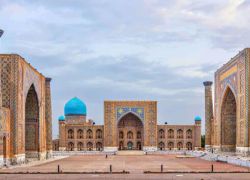
Registan Square, located in the heart of Tashkent, Uzbekistan, is one of the most iconic landmarks of Central Asia. A magnificent ensemble of stunning Islamic architecture, Registan Square has captivated visitors for centuries with its majestic structures, intricate tilework, and historical significance. It is not only a cultural and architectural masterpiece but also a symbol of Uzbekistan's rich heritage and a must-visit destination for travelers from around the world. How to Reach Registan Square, Tashkent, Uzbekistan Reaching Registan Square in Tashkent is relatively simple, as it is located in the city center and is easily accessible from any part of the city. If you're arriving by air, you will first need to fly into Tashkent International Airport (TAS), which serves as the main international gateway to Uzbekistan. From the airport, you can take a taxi, use ride-sharing services, or arrange private transportation to reach the square, which is approximately 10-12 km away from the airport. For those traveling by train, Tashkent has a well-connected railway network, with trains arriving from various cities in Uzbekistan and neighboring countries. Once in Tashkent, you can easily reach Registan Square by taking a taxi, a local bus, or walking, depending on your proximity to the square. Weather at Registan Square, Tashkent Tashkent experiences a continental climate, with hot summers and cold winters. The weather can greatly affect your visit to Registan Square, so it's important to plan accordingly. Summer (June to August): Summer temperatures in Tashkent can soar above 40°C (104°F), so it’s essential to wear light, breathable clothing, stay hydrated, and protect yourself from the sun. Autumn (September to November): Autumn is one of the best times to visit, as the weather is pleasant with temperatures ranging from 20°C (68°F) to 30°C (86°F). This is ideal for exploring the square and other attractions in Tashkent. Winter (December to February): Winter temperatures can drop to around -2°C (28°F) at night but are usually mild during the day. If you visit during the winter, be prepared for cooler temperatures, especially if you're planning to explore the square during early mornings or evenings. Spring (March to May): Spring is also an excellent time to visit Registan Square, with comfortable temperatures ranging from 10°C (50°F) to 20°C (68°F). The blooming flowers and lush greenery around the square add to the charm during this season. Timing of Visit to Registan Square, Tashkent Registan Square is open to visitors year-round, and there is no fixed entry time. However, the best time to visit is in the morning or late afternoon when the square is less crowded, and the temperatures are more moderate. Early mornings offer a serene and quiet experience, while the square comes alive in the late afternoon with locals and tourists alike taking in the beauty of the surroundings. If you're keen on photographing the square and its stunning architecture, the golden hour during sunset is the perfect time to capture the grandeur of Registan Square against the warm hues of the setting sun. Why Famous for Registan Square, Tashkent, Uzbekistan? Registan Square is famous for its exquisite architectural design, historical significance, and cultural relevance. The square, which served as a central point for public events, gatherings, and important ceremonies during the reign of the Timurid dynasty, holds immense value as a historical and cultural hub. The square is surrounded by three stunning madrasas (Islamic schools): the Ulugh Beg Madrasa, the Sher-Dor Madrasa, and the Tillya-Kori Madrasa. These structures, built during the 15th and 17th centuries, are masterpieces of Islamic architecture. The intricate tilework, grand domes, and tall minarets make Registan Square one of the most iconic architectural ensembles in Central Asia. Entry and Visit Details about Registan Square, Tashkent There is no entry fee to visit Registan Square itself; however, if you wish to explore the madrasas around the square, there is a nominal fee for entry into each of these buildings. The entry fee is typically around 10,000 UZS (Uzbek som) for each madrasa, though it may vary depending on the season and specific events. For visitors who are keen to learn more about the history and architecture of the square, it’s recommended to hire a local guide. Guides can offer valuable insights into the significance of the madrasas, the history of the Timurid dynasty, and the role that Registan Square played in the development of Central Asian culture. History and Architecture of Registan Square, Tashkent Registan Square has its origins during the reign of the Timurid dynasty in the 15th century. The square itself was initially constructed as a gathering place for public events, such as ceremonies, speeches, and market activities. Its central location in Tashkent made it a key site for social and political life in the region. The architectural design of Registan Square showcases the best examples of Islamic architecture from the Timurid period. The madrasas surrounding the square feature intricate tile mosaics, delicate arabesque designs, and towering minarets. Each madrasa represents a different period in Uzbekistan’s history and contributes to the overall grandeur of the square. The Ulugh Beg Madrasa, built in 1420, is named after Ulugh Beg, the famous Timurid astronomer and mathematician. This madrasa is one of the oldest in the square and serves as a symbol of the Timurid dynasty’s dedication to education and knowledge. The Sher-Dor Madrasa, built in the early 17th century, is renowned for its stunning architectural design, with its main entrance featuring the image of a tiger, a unique motif for Islamic architecture. The Tillya-Kori Madrasa, the last to be built in the 17th century, is distinguished by its lavish gold leaf decoration, especially in the main prayer hall. The combination of vibrant blue tiles and golden accents creates an awe-inspiring effect on visitors. Things to Do at Registan Square, Tashkent Explore the Madrasas: Visit the Ulugh Beg, Sher-Dor, and Tillya-Kori madrasas to admire the stunning architecture and learn about the history of Islamic education in Central Asia. Photography: Registan Square is one of the most photogenic spots in Tashkent. Capture the grand domes, intricate tilework, and expansive square in both daytime and sunset light. Visit the Museum: The madrasas often house small museums displaying artifacts and exhibits related to the history and culture of the Timurid dynasty and Uzbekistan’s Islamic heritage. Enjoy the Local Cuisine: Try local Uzbek dishes at the nearby restaurants or cafes. Don’t miss out on sampling dishes like plov (pilaf), kebabs, and lagman. Facts About Registan Square, Tashkent Registan Square was the center of public life during the Timurid era and served as a gathering place for ceremonies and events. The square’s madrasas are fine examples of Islamic architecture, known for their large courtyards, intricate tilework, and grand domes. The name "Registan" comes from the Persian word for "sandy place" or "desert," referring to the square’s original sandy surface before it was paved. It is a UNESCO World Heritage Site, recognized for its significance in Central Asian history and architecture. Tips for Visiting Registan Square, Tashkent Wear Comfortable Shoes: You’ll be walking a lot, so make sure to wear comfortable shoes for exploring the square and its madrasas. Visit Early or Late: The square can get crowded during peak hours. Visit early in the morning or later in the afternoon to avoid the crowds and enjoy the serene beauty of the place. Hire a Guide: A local guide can provide a wealth of historical information and make your visit more informative and enjoyable. Respect the Site: Registan Square is a cultural and historical landmark, so be respectful of the site and the people around you.
Explore More
Amir Timur Square, located in the heart of Tashkent, Uzbekistan, is one of the most famous landmarks in the city and serves as a symbol of Uzbekistan’s historical heritage and pride. Dedicated to the great military leader Amir Timur (Tamerlane), this square is not just a central point of the city but also a reminder of the grandeur and legacy of the Timurid Empire. The square is surrounded by beautiful parks, majestic architecture, and monuments that make it a must-visit destination for tourists in Tashkent. How to Reach Amir Timur Square, Tashkent, Uzbekistan Reaching Amir Timur Square is quite easy due to its central location in Tashkent. The square is located in the downtown area, and there are several transportation options available for tourists. If you’re arriving by plane, you will land at Tashkent International Airport (TAS), which is approximately 12 km (7.5 miles) away from Amir Timur Square. From the airport, you can take a taxi or use a ride-sharing service to reach the square. The ride typically takes around 20 minutes, depending on traffic conditions. For those traveling by train, Tashkent has a well-connected railway system, with the main train station, Tashkent Railway Station, located about 3 km (1.8 miles) from the square. From there, you can take a short taxi ride, a bus, or even walk to Amir Timur Square. Weather at Amir Timur Square, Tashkent Tashkent experiences a continental climate with hot summers and cold winters. The weather will have an impact on your visit, so it’s important to be prepared. Summer (June to August): Tashkent summers can be very hot, with temperatures often exceeding 40°C (104°F). If visiting during this time, be sure to bring light, breathable clothing, a hat, and sunscreen to protect yourself from the sun. Autumn (September to November): The weather is much more pleasant in autumn, with temperatures ranging from 20°C (68°F) to 30°C (86°F). This is one of the best times to visit Amir Timur Square, as the weather is comfortable and perfect for sightseeing. Winter (December to February): Winters are cold, with temperatures dropping below 0°C (32°F) at night. However, daytime temperatures are usually mild, ranging between 5°C (41°F) and 10°C (50°F). If you visit during winter, make sure to dress warmly and be prepared for occasional snowfalls. Spring (March to May): Spring is another great time to visit, as temperatures range from 10°C (50°F) to 20°C (68°F), and the city starts to bloom with flowers and greenery. It’s a perfect time to stroll around the square and take in the beauty of the surroundings. Timing of Visit to Amir Timur Square, Tashkent Amir Timur Square is open to visitors year-round, and there is no specific timing for the square itself as it is an open public space. However, it is best to visit in the morning or late afternoon when the weather is more favorable and the square is less crowded. If you are interested in taking photographs, the early morning and late evening (golden hour) offer the best lighting conditions to capture the beauty of the square. During the day, the square can get quite busy, especially on weekends, as locals and tourists gather to enjoy the space. Why Famous for Amir Timur Square, Tashkent, Uzbekistan? Amir Timur Square is famous for its association with Amir Timur (Tamerlane), the 14th-century conqueror and the founder of the Timurid Empire, which spanned much of Central Asia. The square stands as a tribute to his legacy and historical importance in the region. The central feature of the square is an impressive statue of Amir Timur on horseback, a symbol of his power and leadership. The square is also famous for its beautiful gardens, fountains, and grand architectural structures, which are inspired by Islamic and Central Asian traditions. It serves as a public space where locals gather, tourists explore, and cultural events and ceremonies are held throughout the year. Entry and Visit Details about Amir Timur Square, Tashkent Amir Timur Square is free to visit and open to the public throughout the year. As it is a public square, there is no entry fee for tourists, and it is accessible at all hours. However, some nearby attractions, such as the Amir Timur Museum, may have an entry fee. It's a good idea to check ahead for any special events or closures, especially around national holidays or celebrations. If you wish to learn more about the history of the square and Amir Timur, you can hire a local guide. Many guides are available at the square, and they can provide valuable insight into the significance of the statue and the square itself. History and Architecture of Amir Timur Square Amir Timur Square was constructed in the late 19th century, but its importance as a historical and cultural landmark grew significantly during the Soviet era. The square was redesigned and renamed in honor of Amir Timur (Tamerlane) to emphasize his impact on the region’s history. The centerpiece of the square is the equestrian statue of Amir Timur, which was erected in 1993 after Uzbekistan gained independence. The statue is made of bronze and stands tall on a marble pedestal. It portrays the great conqueror riding a horse, with a proud and commanding presence that reflects his role as one of history's greatest military leaders. The square itself is beautifully landscaped with lush gardens, fountains, and walkways. The surrounding buildings feature impressive examples of Uzbek and Soviet-era architecture, blending traditional designs with more modern elements. Things to Do at Amir Timur Square, Tashkent Admire the Amir Timur Statue: The iconic statue of Amir Timur is a must-see. Take time to admire the fine craftsmanship of the statue and learn about the leader’s role in Central Asian history. Explore the Gardens: The square is surrounded by beautifully maintained gardens. Stroll through the lush greenery and enjoy the peaceful atmosphere of the square. Visit the Amir Timur Museum: Located near the square, the Amir Timur Museum offers exhibits on the life and legacy of Tamerlane. It’s a great place to learn more about this historical figure and his empire. Take Photos: The square is an excellent place for photography, especially at sunset. Capture the grandeur of the square and the statue against the backdrop of the city. Enjoy Local Cuisine: There are several cafés and restaurants nearby where you can enjoy traditional Uzbek dishes like plov (pilaf), shashlik (grilled meat), and fresh bread. Facts About Amir Timur Square, Tashkent The square was named in honor of Amir Timur, one of Central Asia’s most powerful historical figures. The equestrian statue of Amir Timur was erected in 1993, after Uzbekistan gained independence. Amir Timur Square is a popular gathering place for locals, especially on holidays and special events. The square is surrounded by some of Tashkent’s most important government buildings and cultural institutions. Tips for Visiting Amir Timur Square, Tashkent Visit Early or Late: To avoid the crowds, it’s best to visit early in the morning or late in the afternoon. This will allow you to enjoy the square in peace. Stay Hydrated: In the summer, the heat can be intense, so bring water with you and stay hydrated while exploring the square. Wear Comfortable Shoes: You’ll likely do a lot of walking, so be sure to wear comfortable footwear. Take Your Time: The square is a great place to relax and reflect on the history of the region. Spend some time sitting in the gardens and enjoying the scenery.
Explore More
The Tashkent Metro is the rapid transit system of Tashkent, the capital of Uzbekistan. Opened in 1977, it is the only metro system in Central Asia and is widely regarded as one of the most beautiful metro systems in the world. The Tashkent Metro not only serves as a practical transportation network for the city's residents but also as an architectural and cultural attraction due to its ornate and unique stations. Visitors to Tashkent often marvel at the beauty of the stations, each of which has its own distinct design inspired by Uzbek culture, history, and art. How to Reach Tashkent Metro Tashkent Metro has multiple lines that cover the city, making it one of the easiest and most efficient ways to get around. The metro network is well-connected to other parts of Tashkent, and stations are spread across the city. If you're arriving in Tashkent by plane, you will land at Tashkent International Airport (TAS), which is around 12 kilometers (7.5 miles) from the city center. From the airport, you can reach the metro by taking a taxi or using ride-sharing services like Yandex. The nearest metro station to the airport is Dustlik Station, which is located on the Green Line. The ride from the airport to Dustlik Station takes around 20-30 minutes. Alternatively, if you are already in the city, the metro is easily accessible from different parts of Tashkent. The city’s metro network consists of four lines: the Red Line, Blue Line, Green Line, and Yellow Line, each covering a specific section of the city. The stations are generally well-signposted, and you can also use local maps or mobile apps to navigate the system easily. Weather and Timing for Tashkent Metro Tashkent has a continental climate with hot summers and cold winters. Since the Tashkent Metro is an underground system, it operates comfortably throughout the year, regardless of the weather conditions above ground. However, knowing the best times to visit the metro system is still important for your convenience. Summer (June to August): In the summer months, Tashkent experiences very hot temperatures, often exceeding 40°C (104°F). If you want to avoid the heat outside, riding the metro is a great way to stay cool. The metro operates from early morning to late evening, with trains running at regular intervals. Winter (December to February): During winter, temperatures in Tashkent can drop below 0°C (32°F), but the metro remains a comfortable way to travel. The metro stations are heated, providing a warm refuge from the chilly weather outside. Why Famous for Tashkent Metro? The Tashkent Metro is famous for its stunning architecture, with each metro station being designed as an individual work of art. Many of the stations are decorated with intricate tilework, mosaics, chandeliers, and sculptures that reflect Uzbekistan's rich cultural heritage. The metro system was initially designed during the Soviet era, and it blends Soviet architectural influences with traditional Uzbek styles, creating a unique and visually impressive system. Another aspect that makes the Tashkent Metro famous is the city's well-maintained and efficient service. The metro is known for its punctuality, cleanliness, and safety, making it a favorite among both locals and tourists. With its modern infrastructure and high-quality design, the Tashkent Metro is considered one of the most beautiful metro systems in the world, often compared to the metro systems of Moscow and St. Petersburg in terms of architecture. Entry and Visit Details about Tashkent Metro The Tashkent Metro is open every day, and the typical operating hours are from 6:00 AM to 11:00 PM, though times may vary slightly depending on the line and station. The metro is very affordable, and the cost of a single journey is usually very low, making it an accessible option for both locals and tourists. Tickets can be purchased at the stations, and in some cases, electronic cards are available for multiple rides. The metro is a great way to explore Tashkent's major attractions. Visitors can use it to reach famous landmarks such as Amir Timur Square, the Khast Imam Complex, and the Alisher Navoi Opera and Ballet Theatre. There are also special routes that connect key residential areas and commercial districts, making it a very practical way to navigate the city. History and Architecture of Tashkent Metro The Tashkent Metro was first proposed in the 1960s, but construction began in the early 1970s. The first line, the Red Line, was opened in 1977, and it was followed by the opening of additional lines over the years. The system was initially built during the Soviet period, and many of the early stations were designed with a heavy Soviet influence. However, the stations were also designed to reflect Uzbek cultural traditions, with ornate tilework, carpets, and woodwork. This fusion of Soviet and Uzbek styles gave the metro a unique character. Over the years, new stations have been added to the network, with an emphasis on maintaining the metro’s aesthetic appeal. Many of the newer stations continue the tradition of grandiose design, and the metro system is often described as a museum of Soviet and Uzbek architecture. The stations are known for their wide, marble-lined hallways, crystal chandeliers, and elaborate mosaics, creating an opulent atmosphere not typically seen in metro systems around the world. Things to Do at Tashkent Metro Explore the Architecture: The main attraction of the Tashkent Metro is its stunning architecture. Take time to explore the various stations and admire their unique designs. Some stations, such as Alisher Navoi and Chorsu, are particularly famous for their intricate tilework and grand layouts. Take a Metro Tour: If you’re interested in learning more about the history and architecture of the metro, consider joining a guided metro tour. Several local tour companies offer tours that focus specifically on the metro system’s artistic and historical significance. Visit Key Landmarks: Use the metro to visit some of Tashkent’s famous landmarks. The metro is a great way to travel to places like Amir Timur Square, Independence Square, and the Khast Imam Complex. Take Photos: The metro’s architectural beauty makes it an ideal place for photography. Be sure to take plenty of photos of the stunning designs and the intricate tilework that adorns many of the stations. Facts About Tashkent Metro The Tashkent Metro is the only metro system in Uzbekistan and Central Asia. The metro has four lines: Red, Blue, Green, and Yellow. There are 29 stations in the Tashkent Metro network. The stations are known for their unique and beautiful architectural designs, with some of the earliest stations inspired by Soviet and Uzbek artistic traditions. The Tashkent Metro is one of the cleanest and safest metro systems in the world. Tips for Visiting Tashkent Metro Carry Small Change: It’s best to carry small bills or change when purchasing tickets, as some stations may not accept large notes. Mind the Rush Hours: The metro can get crowded during rush hours (early morning and late afternoon). If you prefer a quieter experience, visit during off-peak hours. Respect the Etiquette: It is important to be respectful and considerate of others while traveling on the metro, as local customs and etiquette should be followed. Take Your Time to Admire the Stations: Don’t rush through the stations—take the time to appreciate the beautiful architecture and design of each one.
Explore More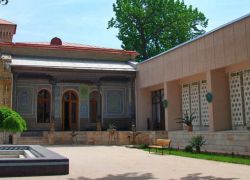
The Museum of Applied Arts in Tashkent is a premier cultural institution that showcases the rich and diverse artistic traditions of Uzbekistan and Central Asia. Housed in a beautiful building with intricate architecture, the museum is dedicated to preserving and promoting Uzbekistan's historical crafts, textiles, and applied arts. It is a must-visit for anyone interested in learning about the cultural heritage of the region and the creative traditions that have been passed down for centuries. How to Reach Museum of Applied Arts, Tashkent The Museum of Applied Arts is centrally located in Tashkent, making it easily accessible to visitors from all parts of the city. If you’re traveling to Tashkent by air, you will arrive at Tashkent International Airport (TAS), located approximately 10 kilometers (6 miles) from the museum. From the airport, you can take a taxi or use ride-sharing apps like Yandex to get to the museum, which will take around 20–25 minutes depending on traffic. If you are already in the city, the museum is well-served by public transport, including buses and taxis. The nearest metro station to the Museum of Applied Arts is Amir Timur on the Red Line, which is about a 10-minute walk from the museum. Alternatively, you can take a taxi or use local buses to reach the museum directly from various parts of the city. Weather and Timing for Museum of Applied Arts Tashkent experiences a continental climate with hot summers and cold winters. The Museum of Applied Arts is an indoor attraction, making it a great place to visit year-round, regardless of the weather conditions. Summer (June to August): Summer temperatures in Tashkent can exceed 40°C (104°F), so the museum provides a cool, air-conditioned escape from the heat. If you’re visiting during summer, it’s best to go early in the day or later in the evening to avoid the midday heat. Autumn (September to November): Autumn is a great time to visit the museum as temperatures are mild, ranging from 20°C to 30°C (68°F to 86°F). The weather is comfortable, and you can explore the museum and its surrounding areas without the extreme heat or cold. Winter (December to February): Winter temperatures can dip below freezing, but the museum remains warm and welcoming. It’s an ideal place to spend time indoors if you're looking to avoid the cold. Spring (March to May): Spring offers mild temperatures, typically between 10°C and 20°C (50°F to 68°F), and is another excellent time to explore the museum. The surrounding gardens and parks also start to bloom, offering a beautiful contrast to the museum’s interior displays. Why Famous for Museum of Applied Arts, Tashkent? The Museum of Applied Arts in Tashkent is famous for its exceptional collection of Uzbek applied arts and handicrafts. The museum is housed in a stunning 19th-century building that itself is a work of art, with intricate architectural details and a beautiful tiled facade. It is one of the most prominent museums in Uzbekistan and showcases traditional Uzbek crafts such as ceramics, textiles, jewelry, metalwork, carpets, and embroidery. The museum’s collection highlights the rich artistic traditions of Central Asia, with a focus on the history of Uzbekistan’s crafts. Visitors can marvel at the intricate designs and craftsmanship of the exhibits, which showcase the skilled work of artisans from across the country. The museum also offers insights into the cultural and historical significance of each art form, making it a valuable resource for understanding Uzbekistan’s heritage. Entry and Visit Details about Museum of Applied Arts, Tashkent The Museum of Applied Arts is open to the public, and visitors can explore its impressive collection for a small entrance fee. The museum is typically open from 10:00 AM to 6:00 PM, Tuesday to Sunday. It is closed on Mondays, so make sure to plan your visit accordingly. Tickets to the museum are affordable, and visitors can pay the entrance fee at the museum’s ticket counter. There may be an additional fee for photography or guided tours. The museum is also an excellent place for school groups, as it offers educational programs about Uzbekistan’s cultural heritage. History and Architecture of Museum of Applied Arts The Museum of Applied Arts was founded in 1937 and has since grown into one of the most important cultural institutions in Uzbekistan. The museum is housed in a grand building that was originally a private residence built in the late 19th century for the Russian diplomat Konstantin von der Brüggen. The building is a stunning example of Islamic architecture, featuring ornate tilework, arches, and carved wooden elements that reflect traditional Central Asian design. The museum’s collection includes over 7,000 items, many of which are rare and historically significant. The exhibits cover various forms of applied arts, from textiles and pottery to metalwork and woodcarving. The collection spans several centuries, with a particular focus on the Timurid and Safavid periods. Visitors can see beautiful examples of traditional Uzbek suzani (embroidered textiles), ceramics from Samarkand and Bukhara, and intricate jewelry and metalwork that showcase the skilled craftsmanship of Uzbekistan’s artisans. Things to Do at Museum of Applied Arts, Tashkent Admire the Architecture: Take time to appreciate the beauty of the museum building itself. The intricate tilework, stunning arches, and ornate wooden details make it a masterpiece of Uzbek architecture. Explore the Exhibits: Wander through the museum’s various halls and explore the diverse range of exhibits, including ceramics, textiles, metalwork, and jewelry. Each exhibit provides insights into the cultural and historical significance of the art forms. Learn About Uzbek Culture: The museum offers a great opportunity to learn about Uzbekistan’s cultural history. The exhibits provide detailed information about the evolution of local crafts and their role in daily life. Take Photographs: With its stunning architecture and beautiful exhibits, the museum is a great place for photography. Don’t forget to take pictures of the unique and colorful items on display. Visit the Museum’s Gift Shop: The museum has a small gift shop where visitors can purchase souvenirs such as handmade crafts, jewelry, textiles, and books about Uzbekistan’s rich artistic traditions. Facts About Museum of Applied Arts The museum was founded in 1937 and is one of the oldest museums in Uzbekistan. The museum’s collection includes over 7,000 items, showcasing the rich artistic traditions of Uzbekistan and Central Asia. The building itself is a 19th-century mansion that was designed in the traditional Islamic architectural style. The museum is a key destination for tourists looking to learn more about Uzbekistan’s heritage and craftsmanship. The museum is home to an impressive collection of suzanis (embroidered textiles), which are a symbol of Uzbek art and culture. Tips for Visiting Museum of Applied Arts, Tashkent Check the Opening Hours: The museum is closed on Mondays, so make sure to plan your visit for another day. Book a Guided Tour: To make the most of your visit, consider hiring a local guide who can provide detailed information about the exhibits and the history of the museum. Respect the Museum Etiquette: Be mindful of the museum's rules, such as not touching the exhibits and refraining from taking photos in restricted areas. Wear Comfortable Shoes: There are several floors and rooms to explore in the museum, so make sure to wear comfortable shoes for walking around. Allow Time to Explore: The museum is home to a vast collection of items, so plan to spend at least 1–2 hours exploring the exhibits and learning about the crafts.
Explore More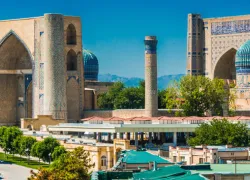
The Bibi-Khanym Mosque was commissioned by Timur in 1399 after his victorious campaign in India. He wanted to create a mosque that would reflect the power, wealth, and grandeur of his empire. The construction involved thousands of skilled artisans and craftsmen brought from across the conquered lands, including Persia, India, and other parts of Central Asia. The mosque was named after Timur’s beloved wife, Bibi-Khanym (also known as Saray Mulk Khanum). Legend has it that the queen wanted to surprise Timur by building this grand mosque while he was away on a military campaign. However, the chief architect fell in love with her and refused to complete the mosque unless he received a kiss from her. When Timur returned and learned of this, he was furious but could not undo what had happened. This story has added a romantic and tragic charm to the mosque’s history. The mosque was completed in 1404, but due to its massive scale and rushed construction, structural weaknesses appeared soon after. Earthquakes and neglect over centuries led to severe damage. Major restoration efforts during the Soviet era and later by the Uzbek government have preserved much of its glory, making it a top attraction in modern Samarkand. Architecture of Bibi-Khanym Mosque Architecturally, the mosque is a marvel of Timurid design. It features a large courtyard surrounded by majestic iwans (vaulted halls) and towering minarets at each corner. The central dome once stood at about 40 meters high, making it one of the tallest in the Islamic world at that time. The entrance portal is adorned with intricate blue and turquoise tiles, Arabic inscriptions, and geometric patterns that reflect the artistic excellence of the Timurid era. The interior of the mosque is equally impressive, with mosaics, marble columns, and glazed tiles that depict floral and calligraphic designs. The use of colored ceramics and Kufic inscriptions throughout the complex creates a striking visual experience. Despite several reconstructions, parts of the original structure still survive, giving visitors a glimpse of the mosque’s original splendor. Why Bibi-Khanym Mosque is Famous The Bibi-Khanym Mosque is famous not only for its grand scale but also for its cultural and architectural importance. It stands as a symbol of Timur’s ambition and the peak of Timurid architecture. At the time of its completion, it was considered one of the largest and most beautiful mosques in the entire Islamic world. Its massive dome and magnificent entrance portal set new architectural standards that influenced later mosques in Central Asia and Persia. The mosque’s romantic legends, connection to Timur and his queen, and its location along the ancient Silk Road make it a must-visit site in Uzbekistan. How to Reach Bibi-Khanym Mosque The Bibi-Khanym Mosque is located in the heart of Samarkand, near Registan Square and across from the Siyob Bazaar. It is easily accessible from all parts of the city. By Air: The nearest airport is Samarkand International Airport, located about 7 km from the city center. From the airport, you can take a taxi or pre-arranged transfer to reach the mosque in around 15–20 minutes. By Train: Samarkand is well connected by the high-speed Afrosiyob Train from Tashkent, Bukhara, and other major Uzbek cities. From Samarkand Railway Station, it takes about 10–15 minutes by taxi to reach the mosque. By Road: Regular buses, shared taxis, and private cabs operate between Samarkand and neighboring cities like Bukhara and Tashkent. Weather in Samarkand Samarkand experiences a continental climate with hot, dry summers and cold winters. The best time to visit the Bibi-Khanym Mosque is during spring (April–June) and autumn (September–October), when the temperatures are mild and pleasant. During summer, temperatures can reach over 35°C (95°F), so it’s advisable to visit in the morning or late afternoon. Winters are chilly, with temperatures dropping below freezing, but the mosque looks equally stunning under a light layer of snow. Timing, Entry, and Visit Details The Bibi-Khanym Mosque is open daily for visitors. The general visiting hours are from 9:00 AM to 6:00 PM, though hours may vary slightly during religious holidays and winter months. An entry fee is applicable for foreign tourists, typically around 25,000–30,000 Uzbek Som (approximately 2–3 USD), while locals often pay less or have free access on certain days. Photography is usually allowed, but visitors should be respectful when locals are praying. The best time for photography is in the early morning or late afternoon when the sunlight highlights the mosque’s blue domes and tiles. Things to Do at Bibi-Khanym Mosque Walk around the mosque complex and admire the intricate tilework, calligraphy, and grand arches. Visit the nearby Bibi-Khanym Mausoleum believed to be the resting place of Timur’s wife. Explore the Siyob Bazaar just across the street to experience local culture and buy traditional Uzbek souvenirs. Take panoramic photographs of the mosque’s dome and minarets from different angles. Join a guided tour to learn about the history, legends, and restoration of this remarkable monument. Interesting Facts The mosque was reportedly built using elephants brought from India after Timur’s conquest. Its construction was so ambitious that parts of the structure collapsed even before completion. The dome of the main prayer hall once stood higher than any building in Samarkand at the time. The mosque’s design inspired many later Timurid and Persian mosques, including parts of the Registan ensemble. Travel Tips for Visitors Wear modest clothing, as it is a religious and historical site. Carry water and wear a hat or cap during summer visits as temperatures can be high. Early morning visits offer cooler weather and fewer crowds for better photographs. Hire a local guide for deeper historical insights and to understand the legends surrounding the mosque. Combine your visit with other nearby attractions such as Registan Square, Gur-e-Amir Mausoleum, and Shah-i-Zinda for a complete Samarkand experience. Conclusion The Bibi-Khanym Mosque stands as a symbol of love, power, and architectural brilliance in the heart of Samarkand. Its magnificent scale, intricate artistry, and romantic legends make it one of Uzbekistan’s most cherished landmarks. Whether you are a history enthusiast, architecture lover, or casual traveler, visiting this monumental mosque offers a deep insight into the glorious past of the Timurid Empire and the enduring beauty of Islamic architecture on the Silk Road.
Explore More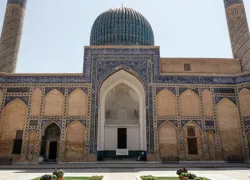
The construction of Gur-e-Amir began in 1403 and was initially intended to house the tomb of Timur’s beloved grandson, Mohammad Sultan, who died young. Timur was deeply affected by his death and ordered the creation of an impressive mausoleum in his memory. However, fate had other plans — when Timur himself died in 1405 during his campaign to China, his body was brought back to Samarkand and buried in the same mausoleum that was meant for his grandson. Over time, Gur-e-Amir became the family mausoleum of the Timurid dynasty. It houses the tombs of Timur, his sons, and grandsons, including Ulugh Beg, Timur’s famous astronomer-grandson who later became one of Samarkand’s most celebrated rulers. The mausoleum was partially damaged over the centuries due to earthquakes but has undergone several restorations by both the Soviet government and the Republic of Uzbekistan to preserve its magnificent design. Architecture of Gur-e-Amir Mausoleum Architecturally, the Gur-e-Amir Mausoleum is one of the finest examples of Timurid design and artistry. The building features a high cylindrical drum supporting a ribbed turquoise dome covered in glazed tiles that shimmer in the sunlight. The dome rises about 32 meters above the ground and is one of the most recognizable silhouettes in Samarkand’s skyline. The entrance portal is decorated with intricate mosaics, Kufic inscriptions, and geometric patterns in shades of blue, gold, and turquoise. Inside, the mausoleum is even more breathtaking. The interior walls are adorned with gold leaf, marble panels, onyx, and jade. The actual tombs are made of dark green nephrite (jade) stone, while the remains of Timur and his descendants rest in crypts below the marble floor. The exquisite craftsmanship inside the mausoleum reflects the artistic brilliance of the Timurid Empire, which later inspired the Mughal architecture of India. Why Gur-e-Amir Mausoleum is Famous The Gur-e-Amir Mausoleum is famous for its historical and architectural importance. It is the burial place of Amir Timur, one of history’s greatest conquerors, and the founder of an empire that once stretched from Central Asia to India and the Middle East. The site is also significant for its influence on Mughal architecture; Timur’s descendants in India, especially Emperor Babur, carried the Timurid architectural traditions that later inspired world-famous monuments like the Taj Mahal in Agra. The mausoleum’s design, with its high drum, bulbous dome, and ornamental tilework, became a model for later Islamic structures in the region. Beyond architecture, Gur-e-Amir remains an important cultural symbol for Uzbekistan, representing the glory of Samarkand’s golden age. How to Reach Gur-e-Amir Mausoleum The Gur-e-Amir Mausoleum is centrally located in Samarkand and is easy to access from anywhere in the city. By Air: The nearest airport is Samarkand International Airport, about 6–7 km from the city center. You can take a taxi or a private transfer from the airport to the mausoleum, which takes roughly 15 minutes. By Train: Samarkand is well connected to major Uzbek cities like Tashkent, Bukhara, and Khiva via the high-speed Afrosiyob Train. From Samarkand Railway Station, you can reach the mausoleum by taxi or bus in 10–15 minutes. By Road: Shared taxis and buses connect Samarkand with other cities across Uzbekistan. Once in the city, local taxis and walking are the easiest ways to explore the attractions. Weather in Samarkand Samarkand has a continental climate with distinct seasons. Summers (June to August) are hot and dry, with temperatures often exceeding 35°C (95°F). Winters (December to February) can be cold, with temperatures sometimes dropping below freezing. The best time to visit the Gur-e-Amir Mausoleum is during spring (April to June) and autumn (September to October) when the weather is mild, skies are clear, and the atmosphere is perfect for exploring the city’s historical sites. Timing, Entry, and Visit Details The Gur-e-Amir Mausoleum is open daily for visitors, typically from 9:00 AM to 7:00 PM. However, timings may vary slightly depending on the season and public holidays. An entry fee of around 25,000–35,000 Uzbek Som (approximately 2–3 USD) is charged for foreign tourists, while local visitors often pay a reduced price. Photography is generally allowed inside, but it’s best to ask permission before using flash photography, as it may damage delicate wall art. Visitors are advised to spend at least 30–45 minutes exploring the site to fully appreciate the beauty of its exterior and interior design. Things to Do at Gur-e-Amir Mausoleum Admire the beautiful turquoise dome and the intricate tilework that decorates the mausoleum’s façade. Step inside to witness the magnificent golden interior with marble and jade tombstones. Learn about Amir Timur’s life and his role in shaping Central Asian and world history. Visit the nearby Registan Square and Bibi-Khanym Mosque to explore more of Samarkand’s Timurid architecture. Enjoy panoramic views of the mausoleum during sunset when its blue dome glows beautifully under the changing light. Interesting Facts about Gur-e-Amir Mausoleum Gur-e-Amir means “Tomb of the King,” and it holds the remains of Timur, his sons, and grandsons. The jade tombstone of Timur was considered one of the most precious stones in Central Asia. During World War II, Soviet archaeologists opened Timur’s tomb in 1941, and legend says that within 24 hours, Nazi Germany invaded the Soviet Union — leading many to believe in a “curse of Tamerlane.” The mausoleum inspired later Mughal architecture in India, influencing monuments such as the Taj Mahal and Humayun’s Tomb. The dome’s turquoise and gold combination represents the heavens and divine power in Islamic symbolism. Travel Tips for Visitors Dress modestly as it is a religious and historical site. Visit early in the morning or late in the afternoon for the best lighting and fewer crowds. Hire a local guide to learn about the fascinating legends and historical background of Timur and his dynasty. Carry some cash in local currency for entry tickets and souvenirs, as card payments are not always accepted. Combine your visit with other nearby landmarks such as Registan Square, Shah-i-Zinda Necropolis, and Bibi-Khanym Mosque for a complete Samarkand experience. Conclusion The Gur-e-Amir Mausoleum is not just a resting place for one of history’s greatest conquerors but also a living testament to the artistic and cultural brilliance of the Timurid Empire. Its stunning architecture, captivating history, and spiritual ambiance make it one of the most important monuments in Samarkand, Uzbekistan. Whether you are a history enthusiast, architecture lover, or traveler exploring the Silk Road, visiting Gur-e-Amir offers a glimpse into the legacy of a man who shaped the destiny of nations and left behind an architectural masterpiece admired by the world for centuries.
Explore More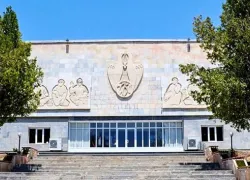
The Afrasiab Museum in Samarkand, Uzbekistan is one of the most important archaeological and historical museums in Central Asia. It is dedicated to the ancient city of Afrasiab, the original site of Samarkand, which existed long before the arrival of Amir Timur and the rise of the Timurid Empire. The museum showcases the city’s remarkable past, from the 7th century BCE to the 13th century CE, when it was destroyed during the Mongol invasions. With its impressive collection of murals, artifacts, and historical exhibits, the Afrasiab Museum offers visitors a journey through more than 2,500 years of Samarkand’s history and culture. Located near the archaeological site of ancient Afrasiab, the museum stands as a symbol of Uzbekistan’s rich heritage, revealing the evolution of one of the world’s oldest continuously inhabited cities. For history enthusiasts, archaeologists, and curious travelers, the Afrasiab Museum is a must-visit destination in Samarkand. History of Afrasiab and the Museum The ancient city of Afrasiab was founded around the 7th century BCE and served as the early settlement of Samarkand. It was a major center of trade, culture, and politics along the Silk Road. The city flourished under various empires, including the Achaemenids, Greeks under Alexander the Great, Sogdians, and later the Islamic Caliphate. Its strategic location made it a hub of interaction between East and West. However, in the 13th century, Genghis Khan’s Mongol armies invaded and destroyed the ancient city, leaving it in ruins. The present-day Samarkand was later rebuilt slightly south of the original site. Excavations in the 20th century uncovered fascinating remains of the lost city, including walls, pottery, weapons, coins, and most notably, 7th-century murals that depict scenes of royal life, foreign delegations, and daily activities. The Afrasiab Museum was established in 1970 near the excavation site to preserve and display these discoveries. The museum’s construction was assisted by French archaeologists, and today it remains one of the most informative places to understand Samarkand’s ancient heritage and the early Sogdian civilization. Architecture of Afrasiab Museum The Afrasiab Museum is a fine example of Soviet-era architectural design blended with local Uzbek elements. The building is modest in scale but purposefully designed to harmonize with its archaeological surroundings. Its spacious halls and high ceilings provide an ideal environment for displaying large wall paintings and fragile ancient artifacts. The museum’s main attraction is its hall containing the famous Afrasiab murals, which were discovered in the 1960s. These murals, originally from a royal palace, are among the most significant archaeological finds in Central Asia. They illustrate scenes of diplomacy, hunting, and religion from the 7th century and showcase the sophisticated culture of the Sogdian people. The museum also includes sections dedicated to the early Iron Age, Hellenistic influences, Islamic periods, and daily life in ancient Samarkand. Why Afrasiab Museum is Famous The Afrasiab Museum is famous for its priceless collection of artifacts and murals that tell the story of Samarkand’s early civilization. The most famous exhibit, the Sogdian mural panels, offers a rare visual representation of the diplomatic and cultural exchanges that took place in Central Asia over 1,300 years ago. These artworks depict rulers receiving foreign envoys, symbolic animals, and religious motifs that reflect the coexistence of Zoroastrian, Buddhist, and early Islamic beliefs in the region. The museum is also known for its proximity to the actual archaeological site of Afrasiab, where visitors can still see ancient walls, fortifications, and remnants of the original Samarkand settlement. It serves as a living connection between Uzbekistan’s prehistoric roots and its later medieval glory under Timur. How to Reach Afrasiab Museum The Afrasiab Museum is located in the northeastern part of Samarkand, about 4 km from Registan Square and close to the Shah-i-Zinda Necropolis. It is easily accessible from the city center by car, taxi, or public transport. By Air: The nearest airport is Samarkand International Airport, approximately 8 km from the museum. Taxis are available at the airport and can reach the museum in about 15–20 minutes. By Train: Samarkand Railway Station is around 6 km from the Afrasiab Museum. High-speed trains such as the Afrosiyob connect Samarkand with Tashkent and Bukhara. A taxi ride from the station to the museum takes roughly 10–15 minutes. By Road: Local buses, shared taxis, and private vehicles can reach the museum easily. Visitors can also include the museum as part of a day tour that covers nearby attractions like Shah-i-Zinda and Ulugh Beg Observatory. Weather in Samarkand Samarkand experiences a continental climate with hot, dry summers and cold winters. The best times to visit the Afrasiab Museum are during spring (April to June) and autumn (September to October), when temperatures range between 20°C to 30°C (68°F to 86°F). These seasons provide comfortable conditions for exploring both indoor and outdoor archaeological sites. Summer can be quite hot, while winter brings cooler temperatures, occasionally dropping below 0°C (32°F). Timing, Entry, and Visit Details The Afrasiab Museum is open daily except for Mondays. Typical visiting hours are from 9:00 AM to 5:00 PM. It is advisable to check current timings with local guides or official tourism websites before visiting, as they may vary during holidays or maintenance periods. An entry fee is charged for visitors — usually around 25,000–30,000 Uzbek Som (approximately 2–3 USD) for foreign tourists. Discounts are available for students and local visitors. Photography inside the museum may require an additional fee, especially in rooms containing the ancient murals. The average visit takes about 1 to 1.5 hours, allowing enough time to explore the exhibits and learn about the ancient history of Samarkand. Things to Do at Afrasiab Museum View the famous Sogdian wall paintings that illustrate life in 7th-century Samarkand. Explore the archaeological site of ancient Afrasiab located behind the museum. Learn about the Silk Road connections that shaped Samarkand’s culture and trade. Visit nearby attractions like the Shah-i-Zinda Necropolis and Ulugh Beg Observatory. Browse through maps, ancient coins, ceramics, weapons, and inscriptions displayed in the museum’s various halls. Interesting Facts about Afrasiab Museum The Afrasiab murals are considered one of the oldest surviving wall paintings in Central Asia, dating back to the 7th century. The museum stands on the site of the ancient Sogdian capital, destroyed by the Mongols in the 13th century. The artifacts displayed span more than 2,000 years of history, from the Bronze Age to the early Islamic period. The museum collaborates with international archaeologists, including French and Japanese teams, to study and preserve the site. The name "Afrasiab" is derived from a legendary Persian king mentioned in the epic “Shahnameh.” Travel Tips for Visitors Wear comfortable shoes as the area includes both indoor galleries and outdoor archaeological sites. Carry water, especially during hot summer months, as the museum is located on a hilltop area. Hiring a local guide is highly recommended to fully understand the murals and historical context. Photography of murals should be done carefully — avoid flash to protect the paintings. Combine your visit with nearby attractions like Shah-i-Zinda and the Ulugh Beg Observatory for a complete historical experience. Conclusion The Afrasiab Museum in Samarkand, Uzbekistan offers a captivating glimpse into the city’s ancient origins and its vital role along the Silk Road. Through its stunning murals, artifacts, and archaeological findings, visitors can explore the daily lives, art, religion, and diplomacy of the early civilizations that once thrived here. Whether you are a history lover, an archaeology enthusiast, or a curious traveler, the Afrasiab Museum provides an unforgettable journey into the heart of ancient Samarkand — a city that continues to inspire and amaze with its timeless legacy.
Explore More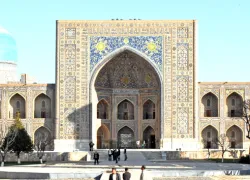
The Tillya-Kori Madrasah is one of the most stunning architectural masterpieces located in Registan Square, the heart of Samarkand, Uzbekistan. Built during the 17th century, this magnificent structure is a combination of a madrasah (Islamic school) and a mosque. The name “Tillya-Kori” translates to “Gilded” or “Covered with Gold,” reflecting the incredible gold decorations that adorn its interior. Tillya-Kori Madrasah is the third and final monument built around Registan Square, following the Ulugh Beg Madrasah and the Sher-Dor Madrasah. It stands as a glorious symbol of Islamic art and architecture, known for its breathtaking gold-plated interior, grand blue domes, and symmetrical design. The site not only showcases the architectural brilliance of the Timurid and Shaybanid eras but also continues to be a cultural and spiritual landmark for the people of Uzbekistan. History of Tillya-Kori Madrasah The Tillya-Kori Madrasah was constructed between 1646 and 1660 under the rule of Yalangtush Bakhodur, the governor of Samarkand. After the completion of the Sher-Dor Madrasah on the opposite side of Registan Square, he decided to build this new structure to complete the ensemble. The purpose of the Tillya-Kori Madrasah was twofold — it was intended to serve as both an educational institution and a Friday mosque for the city. For centuries, the madrasah functioned as a center for Islamic learning, where students studied theology, mathematics, astronomy, and literature. Unfortunately, the building faced periods of neglect during the 18th and 19th centuries, especially after earthquakes and wars damaged parts of it. However, extensive restoration work in the 20th and 21st centuries has revived its former glory. Today, the Tillya-Kori Madrasah stands as one of the finest examples of Islamic art in Central Asia and a UNESCO World Heritage Site within the “Samarkand – Crossroad of Cultures” designation. Architecture of Tillya-Kori Madrasah The architecture of the Tillya-Kori Madrasah reflects the perfection of symmetry, proportion, and decorative art typical of the Islamic Golden Age. The building features a large rectangular courtyard surrounded by rows of student rooms and lecture halls. The main façade faces the square and is richly decorated with mosaic tiles, floral motifs, and calligraphic inscriptions from the Quran. The most remarkable feature of this madrasah is its mosque hall, which dazzles visitors with its gold-leaf decorations. The interior walls and the great dome are covered with intricate stucco carvings and gilded patterns that shimmer under natural light. The golden color gives the impression of endless opulence and spiritual brilliance, symbolizing divine light and heavenly beauty. Another notable element is the blue dome that crowns the mosque section of the building. The contrast between the deep blue exterior and the golden interior creates a visually striking harmony. The spacious courtyard also features decorative archways and small gardens, offering visitors a peaceful and majestic atmosphere. Why Tillya-Kori Madrasah is Famous The Tillya-Kori Madrasah is world-famous for its golden interior — a unique feature rarely seen in Islamic architecture. The term “Tillya-Kori” literally means “adorned with gold,” and this is beautifully evident inside its prayer hall. Every inch of the mosque interior radiates golden brilliance, making it one of the most photographed and admired monuments in Uzbekistan. It also holds historical significance as both an educational and religious center, symbolizing Samarkand’s enduring reputation as a hub of culture, science, and spirituality along the ancient Silk Road. Together with Ulugh Beg and Sher-Dor madrasahs, it completes the grand architectural trio that defines Registan Square — one of the most iconic landmarks in Central Asia. How to Reach Tillya-Kori Madrasah The Tillya-Kori Madrasah is located in Registan Square in central Samarkand, easily accessible from anywhere in the city. By Air: The nearest airport is Samarkand International Airport, located about 8 km from Registan Square. Taxis and private transfers are easily available, taking around 15–20 minutes to reach the site. By Train: High-speed trains such as the Afrosiyob Express connect Samarkand to Tashkent, Bukhara, and Khiva. From Samarkand Railway Station, Registan Square is about a 10-minute taxi ride away. By Road: Local buses, shared taxis, and private cars can conveniently reach the site. Many guided city tours also include Registan Square as their main stop. Weather in Samarkand Samarkand experiences a continental climate, with hot summers and cold winters. The best time to visit the Tillya-Kori Madrasah is during spring (April to June) and autumn (September to October) when the weather is pleasant, with average temperatures between 20°C to 30°C (68°F to 86°F). Summers can be quite hot, reaching up to 38°C (100°F), while winters can drop below freezing. The mild seasons provide perfect conditions for exploring Registan Square and other nearby attractions. Timing, Entry, and Visit Details The Tillya-Kori Madrasah is open daily to visitors as part of the Registan Square complex. Typical visiting hours are from 9:00 AM to 7:00 PM, though timings may vary slightly depending on the season or special events. The entry fee to Registan Square, which includes access to Tillya-Kori Madrasah, is usually around 30,000–40,000 Uzbek Som (approximately 3–4 USD) for foreign tourists. Students and local visitors often receive discounted rates. Additional fees may apply for professional photography or drone usage. A visit usually takes about 30 to 45 minutes, depending on how long you spend admiring the intricate interiors and capturing photographs. Guided tours are available and highly recommended for those interested in the historical and artistic background of the structure. Things to Do at Tillya-Kori Madrasah Admire the gold-plated mosque interior and its detailed artistry. Take photographs of the Registan Square panorama from the madrasah courtyard. Explore the nearby Sher-Dor and Ulugh Beg Madrasahs for a complete historical experience. Attend occasional cultural performances and light shows held in the Registan complex during evenings. Visit souvenir shops near the square to buy traditional Uzbek crafts, ceramics, and textiles. Interesting Facts about Tillya-Kori Madrasah The name “Tillya-Kori” literally means “Covered in Gold,” referring to its gilded interior walls and ceilings. It served as Samarkand’s main mosque for Friday prayers for many years after its completion. The mosque dome’s interior appears much larger than it actually is due to the clever use of optical illusion in its design. The madrasah forms part of the Registan Ensemble, a UNESCO World Heritage Site recognized for its outstanding architectural harmony. At night, when illuminated, the golden interior and blue tiles create a breathtaking contrast visible even from afar. Travel Tips for Visitors Visit early in the morning or late in the afternoon for the best lighting for photography. Wear modest clothing, as the site includes a functioning mosque. Hire a local guide to understand the historical and artistic significance of each element. Carry water during summer months, as the Registan area can be quite warm. Stay for the night illumination show at Registan Square, which beautifully lights up the madrasahs in golden hues. Conclusion The Tillya-Kori Madrasah in Samarkand, Uzbekistan is a magnificent testament to the city’s enduring legacy as the “Pearl of the Silk Road.” With its golden interiors, grand domes, and artistic perfection, it continues to inspire awe and admiration among visitors from around the world. Beyond its architectural beauty, it stands as a symbol of Samarkand’s deep spiritual and cultural roots. A visit to Tillya-Kori Madrasah offers not just a glimpse into the city’s glorious past but also an unforgettable experience of Uzbekistan’s timeless artistry and heritage.
Explore More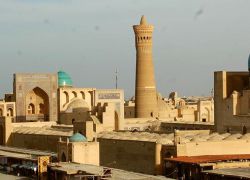
The Ark Fortress is one of the most iconic and historically significant landmarks in Bukhara, Uzbekistan. Standing proudly at the western edge of the old city, this massive earthen fortress has been a symbol of power and authority for centuries. The Ark served as the residence of Bukhara’s emirs and a fortified citadel that contained royal courts, mosques, government offices, and even prisons. The fortress represents the heart of Bukhara’s ancient history and is a vivid reminder of the city’s role as a political, cultural, and religious center along the Silk Road. Today, the Ark Fortress stands partially restored, offering visitors a fascinating glimpse into the grandeur and resilience of Central Asian history. History of Ark Fortress The Ark Fortress has a history that spans over two thousand years. Archaeological evidence suggests that the first fortifications on this site were built as early as the 5th century BCE. It served as the foundation of the ancient city of Bukhara, with rulers continuously rebuilding and expanding it over the centuries. The fortress we see today took shape during the 7th century CE and became the permanent residence of the Bukharan rulers from the Samanid period through to the last emir, Alim Khan, in the early 20th century. The Ark was not just a military structure but also a seat of government, containing palaces, reception halls, mosques, treasury rooms, and administrative buildings. In 1920, during the Bolshevik invasion, the fortress was heavily bombarded and destroyed in parts, marking the end of the Emirate of Bukhara. Although large sections were reduced to ruins, many parts of the Ark were later reconstructed and converted into museums. Today, the Ark Fortress stands as a powerful symbol of Bukhara’s enduring legacy and resilience. Architecture of Ark Fortress The architecture of the Ark Fortress showcases a blend of military engineering and regal elegance. The fortress occupies an area of about 4 hectares (40,000 square meters) and rises about 20 meters above the surrounding city. Its massive walls, built of packed clay and adobe, were designed to withstand both time and attack. The fortress has an irregular rectangular shape that adapts to the natural contours of the hill it stands on. The grand entrance gate, flanked by two tall towers connected by a gallery with decorative battlements, leads into the citadel. This entrance was reconstructed in the 18th century during the rule of Emir Shakhmurad and remains one of the most photogenic parts of the fortress. Inside the gate lies a long ramp that ascends to the main courtyard, historically used for public ceremonies and parades. Within the fortress walls were once over 3,000 inhabitants, including royals, servants, guards, and officials. Structures inside included a royal mosque, the Kukaldash Madrasah, a mint, a throne room, stables, and an armory. The interior design, though much of it lost to time, once reflected Islamic art with richly decorated walls, tilework, and intricate wooden ceilings. Why Ark Fortress is Famous The Ark Fortress is famous for being the oldest structure in Bukhara and a symbol of the city’s long-standing history as a Silk Road stronghold. It served as the political and cultural heart of the Emirate of Bukhara for centuries. Every ruler of Bukhara ruled from within its walls, making it the administrative and ceremonial hub of the region. The fortress also gained fame due to its tragic role in the “Great Game” — the political rivalry between the British and Russian Empires during the 19th century. British envoys Stoddart and Conolly were imprisoned and executed here, a story that still fascinates historians and travelers. Today, the Ark Fortress remains a must-visit landmark for anyone exploring Uzbekistan’s historical treasures. How to Reach Ark Fortress The Ark Fortress is located in the historic center of Bukhara, just west of the Registan of Bukhara and within walking distance from many major attractions. By Air: The nearest airport is Bukhara International Airport, located about 5 km from the city center. Taxis or private transfers take around 10–15 minutes to reach the fortress. By Train: The Afrosiyob high-speed train connects Bukhara with Tashkent, Samarkand, and Khiva. From the Bukhara Railway Station, it takes around 20 minutes by taxi to reach the Ark. By Road: Bukhara is well-connected by highways and buses from other Uzbek cities. Local taxis and guided tours easily reach the fortress area. Weather in Bukhara Bukhara experiences a continental desert climate, characterized by hot summers and cold winters. The best time to visit the Ark Fortress is during spring (April to June) and autumn (September to October), when the weather is pleasant and temperatures range between 20°C to 30°C (68°F to 86°F). Summer temperatures can exceed 38°C (100°F), making midday visits less comfortable. Winters (December to February) are cold and windy, with temperatures sometimes dropping below freezing. Early mornings and evenings during spring and autumn offer the best lighting for photography and sightseeing. Timing, Entry, and Visit Details The Ark Fortress is open daily to visitors. The usual visiting hours are from 9:00 AM to 6:00 PM. During national holidays or festivals, hours may vary slightly. The entry fee for foreign tourists is typically around 30,000–40,000 Uzbek Som (about 3–4 USD), with discounted rates for students and locals. Guided tours are available at an additional cost and are recommended for those who wish to learn about the fortress’s deep historical background. Visitors should allow at least 1 to 2 hours to fully explore the complex, including its museums, courtyards, and viewpoints. Comfortable walking shoes are recommended, as the pathways are uneven and can be steep in some areas. Things to Do at Ark Fortress Explore the Museum of Bukhara History inside the fortress to learn about the city’s royal past and archaeological findings. Visit the Coronation Hall, where Bukharan emirs once received dignitaries and conducted ceremonies. Walk along the fortress walls for panoramic views of old Bukhara and its surrounding monuments. See the remains of the royal mosque and the Emir’s throne platform. Visit nearby landmarks such as the Bolo Hauz Mosque and Ismail Samani Mausoleum, located just a short walk away. Attend occasional cultural performances or light shows held at the fortress during festivals. Interesting Facts about Ark Fortress The Ark Fortress is believed to have been continuously inhabited for over 1,500 years. According to legend, the fortress’s foundations were laid by the hero Siyavush from Persian mythology. It once housed the Royal Mint of Bukhara, where gold and silver coins were struck. The fortress was a city within a city, containing mosques, palaces, and workshops. During the Russian invasion of 1920, much of the Ark was destroyed, marking the end of the Emirate of Bukhara. Travel Tips for Visitors Visit early in the morning or late in the afternoon to avoid the midday heat and large crowds. Carry water, sunscreen, and a hat, especially during the summer months. Wear comfortable shoes suitable for walking on uneven terrain. Photography is allowed, but some museum areas may require an additional fee for cameras. Hire a local guide to understand the fascinating stories of the emirs, battles, and legends associated with the fortress. Combine your visit with nearby attractions like the Bolo Hauz Mosque and Po-i-Kalyan Complex for a full-day historical tour. Conclusion The Ark Fortress in Bukhara, Uzbekistan is a timeless symbol of the region’s royal and cultural legacy. From its commanding walls to its storied halls, every corner of the fortress tells a tale of power, faith, and resilience. Exploring the Ark is like stepping back in time to the days of the emirs, caravans, and Silk Road traders. With its impressive architecture, historical depth, and scenic views, the Ark Fortress remains one of the must-visit landmarks for anyone seeking to experience the grandeur of ancient Central Asia.
Explore More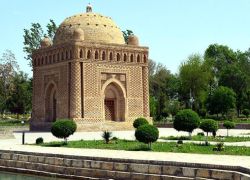
The Ismail Samani Mausoleum in Bukhara, Uzbekistan is one of the most celebrated architectural masterpieces in Central Asia and one of the oldest surviving Islamic monuments in the world. Built in the late 9th or early 10th century, this mausoleum serves as the resting place of Ismail ibn Ahmad (Ismail Samani), the founder of the powerful Samanid Dynasty that ruled much of Central Asia and Persia. The mausoleum stands as a symbol of early Islamic architecture and marks a turning point in Central Asian construction methods, combining both Persian and pre-Islamic design influences. Despite being over a thousand years old, the structure remains remarkably well-preserved, thanks to the high quality of baked brickwork and the arid climate of Bukhara. Surrounded by lush greenery in Samanid Park, this monument is a serene and spiritual place that continues to attract historians, architects, and travelers from around the world. History of Ismail Samani Mausoleum The Ismail Samani Mausoleum was built between 892 and 943 CE during the height of the Samanid Dynasty, a Persian state that played a crucial role in reviving Persian culture and Islamic art in the post-Arab conquest era. The mausoleum was originally constructed as a family tomb for the Samanid rulers and later became the final resting place of Ismail ibn Ahmad, the dynasty’s most prominent leader. Ismail Samani ruled from 892 to 907 CE and is credited with transforming Bukhara into one of the major cultural and intellectual centers of the Islamic world. Under his reign, the city flourished with scholars, poets, and theologians, and it became a beacon of learning along the Silk Road. For centuries, the mausoleum remained buried under layers of earth and sand, protecting it from Mongol invasions and the passage of time. It was rediscovered and excavated in the early 20th century during Russian archaeological expeditions, revealing its pristine structure. Since then, it has become one of Uzbekistan’s most treasured historical sites and a UNESCO World Heritage monument within the Historic Centre of Bukhara. Architecture of Ismail Samani Mausoleum The architecture of the Ismail Samani Mausoleum is a stunning example of early Islamic artistry combined with pre-Islamic building techniques. The mausoleum is constructed entirely of baked bricks, which are arranged in intricate geometric patterns that form a decorative surface without relying on tiles or paint. This use of bricks as both structural and aesthetic elements was revolutionary for its time. The structure is a perfect cube with a hemispherical dome, symbolizing the transition between earthly and celestial realms — a common concept in Islamic architecture. Each side of the mausoleum measures about 10 meters, and its design follows precise symmetry, showcasing mathematical precision and spiritual symbolism. The walls are decorated with terracotta patterns, arches, and niches that create a play of light and shadow throughout the day. The dome, sitting on a drum supported by squinches, represents one of the earliest examples of this architectural solution in Islamic structures. Inside, the mausoleum has a simple yet serene atmosphere. The central chamber holds the tomb of Ismail Samani and his family, surrounded by thick walls that have stood the test of time. Despite its small size, the building’s harmony, symmetry, and craftsmanship make it one of the most admired monuments in Islamic architecture. Why Ismail Samani Mausoleum is Famous The Ismail Samani Mausoleum is famous for being one of the oldest surviving Islamic monuments in Central Asia and an architectural prototype that influenced later Islamic structures across the region. Its innovative brickwork and perfect geometric balance make it a masterpiece of medieval architecture. It is also revered for its historical importance as the tomb of one of Central Asia’s most influential rulers, who helped shape the region’s cultural and intellectual identity. The mausoleum represents the early Islamic adaptation of local artistic traditions, making it an essential link between ancient Persian art and Islamic architecture. Moreover, the mausoleum’s preservation and rediscovery symbolize the resilience of Bukhara’s heritage, surviving centuries of political upheaval, invasions, and natural decay. How to Reach Ismail Samani Mausoleum The Ismail Samani Mausoleum is located in the northwestern part of Bukhara, within Samanid Park, a short distance from the historic city center. By Air: The nearest airport is Bukhara International Airport, located approximately 5 km from the mausoleum. A taxi or private car can reach the site in about 10–15 minutes. By Train: The Afrosiyob high-speed train connects Bukhara with Samarkand and Tashkent. From the Bukhara Railway Station, it takes around 20 minutes by taxi to reach Samanid Park. By Road: Bukhara is well connected by road to other major Uzbek cities. Once in the city, local taxis, bicycles, or walking tours can easily take visitors to the mausoleum. Weather in Bukhara Bukhara has a continental desert climate, meaning it experiences hot, dry summers and cold winters. The best time to visit the Ismail Samani Mausoleum is during spring (April to June) and autumn (September to October), when temperatures are pleasant, averaging around 20–28°C (68–82°F). Summers can be extremely hot, with temperatures exceeding 38°C (100°F), while winters may drop below 0°C (32°F). Visitors should plan early morning or late afternoon visits during summer months to avoid the heat and enjoy softer light for photography. Timings, Entry, and Visit Details The Ismail Samani Mausoleum is open daily for visitors. Typical visiting hours are from 9:00 AM to 6:00 PM. However, the surrounding park remains accessible even after hours for those who wish to enjoy an evening stroll. Entry to Samanid Park is usually free, and there may be a nominal charge (around 10,000–20,000 Uzbek Som, approximately 1–2 USD) for access to the mausoleum itself. Guided tours in English, Russian, or Uzbek are available for an additional fee, offering deeper insights into the monument’s history and architectural symbolism. Visitors should dress modestly and maintain a respectful demeanor, as the mausoleum remains a sacred site for locals. Things to Do at Ismail Samani Mausoleum Admire the exquisite brick patterns and geometric designs that cover every inch of the mausoleum’s surface. Visit nearby monuments like the Chashma Ayub Mausoleum and the Ark Fortress, both within walking distance. Enjoy a peaceful stroll through Samanid Park, filled with trees, fountains, and scenic walking paths. Capture photographs of the mausoleum during sunset, when the brickwork glows warmly under the golden light. Learn about the Samanid Dynasty and its role in shaping Central Asian culture through on-site exhibits or local guides. Interesting Facts about Ismail Samani Mausoleum The mausoleum is over 1,000 years old and still stands in near-original condition. It is built entirely from baked bricks without the use of plaster or paint. Each brick was carefully laid to create unique geometric patterns that change appearance throughout the day as light shifts. The mausoleum is one of the earliest examples of a dome supported by squinches — a key innovation in Islamic architecture. It survived the Mongol invasion of 1220 because it was buried under sand for centuries, protecting it from destruction. The site is part of the UNESCO World Heritage-listed Historic Centre of Bukhara. Travel Tips for Visitors Visit early morning or late afternoon for the best lighting and cooler temperatures. Wear light clothing and bring water during summer months, as the area can be quite hot. Photography is allowed, but avoid using flash inside the mausoleum. Hire a local guide to understand the historical and architectural details in depth. Respect local customs and maintain quietness inside the mausoleum area. Combine your visit with nearby attractions for a full exploration of Bukhara’s heritage. Conclusion The Ismail Samani Mausoleum in Bukhara, Uzbekistan stands as a timeless monument to Islamic art, architecture, and history. Its intricate brickwork, balanced geometry, and historical importance make it one of the most revered landmarks in Central Asia. As a symbol of the region’s golden age under the Samanid Dynasty, it continues to inspire awe among travelers, historians, and architects alike. Visiting this remarkable structure offers not only a glimpse into the past but also a sense of spiritual tranquility and admiration for human creativity that transcends centuries.
Explore More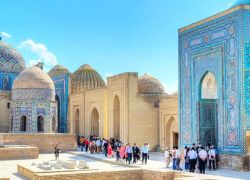
The Mughal Caravanserai in Uzbekistan stands as a fascinating remnant of the Silk Road era when merchants, travelers, and pilgrims crossed Central Asia on their journeys between China, Persia, and the Middle East. This ancient inn provided shelter and security to traders and their caravans, serving as a hub of commerce and culture. Located in one of the historic trading cities of Uzbekistan, the Mughal Caravanserai is an architectural masterpiece that reflects the grand tradition of hospitality and trade in the region. With its sturdy walls, large courtyard, and intricate design, it continues to attract visitors eager to experience the history of the Silk Road. History and Architecture of Mughal Caravanserai, Uzbekistan The Mughal Caravanserai dates back to the 16th or 17th century, during a period when Uzbekistan was a crucial stop on the Silk Road. It was built to accommodate traders from India, Persia, and China who passed through the region with goods like silk, spices, and precious metals. The name “Mughal” suggests strong cultural and trade links with the Mughal Empire of India, whose merchants frequently traveled along these routes. Architecturally, the Mughal Caravanserai represents the typical design of Central Asian caravanserais. The structure features a fortified exterior, a large central courtyard for animals and wagons, and multiple rooms that were used as resting places for travelers. The entrance is adorned with a tall arched portal (pishtaq) decorated with geometric tilework, showcasing the artistry of the Timurid and Mughal styles combined. Inside, you can still see traces of domed ceilings, arched corridors, and traditional brickwork. The symmetrical layout of the building was designed for both beauty and functionality, ensuring protection and comfort for those traveling along the trade routes. How to Reach Mughal Caravanserai, Uzbekistan The Mughal Caravanserai is located in one of Uzbekistan’s historic cities, such as Bukhara or Khiva, both of which are well-connected to the country’s main transport networks. The easiest way to reach the caravanserai is by starting your journey from Tashkent, the capital city of Uzbekistan. From Tashkent, visitors can travel by domestic flight or high-speed train to Bukhara or Khiva, which takes around 4–6 hours. Once in the city, taxis and guided tours are readily available to take visitors to the Mughal Caravanserai. Most travelers prefer to include the site as part of a day tour that covers multiple Silk Road landmarks such as trading domes, ancient mosques, and madrasahs. Local maps and signboards make it easy to locate the caravanserai, which often sits near other important historical monuments. Weather at Mughal Caravanserai, Uzbekistan Uzbekistan has a continental climate, meaning it experiences hot summers and cold winters. The best time to visit the Mughal Caravanserai is during spring (April to June) and autumn (September to October) when the weather is mild and ideal for outdoor exploration. In summer, daytime temperatures can exceed 38°C (100°F), making morning or evening visits more comfortable. During winter, temperatures can drop below freezing, but the site remains open to visitors. It’s advisable to check local weather updates before planning your visit, as sudden desert winds or sandstorms can sometimes occur in the region. Timing and Entry Details of Mughal Caravanserai, Uzbekistan The Mughal Caravanserai is typically open daily from 9:00 AM to 6:00 PM, though hours may vary depending on the season or local events. There is usually a small entry fee for tourists, ranging between 10,000 and 20,000 Uzbek Som. Guided tours are available for an additional cost, providing deeper insights into the historical significance of the site. Visitors can explore the interior rooms, walk through the central courtyard, and learn about the ancient trade routes that once made this place a bustling hub of international commerce. Why Famous for Mughal Caravanserai, Uzbekistan The Mughal Caravanserai is famous for its historical importance as a resting place for traders along the Silk Road and its architectural beauty that combines Central Asian and Mughal design elements. It represents centuries of trade and cultural exchange between the East and West. The structure also symbolizes the hospitality extended to travelers and the importance of commerce in medieval Uzbekistan. Today, it serves as a reminder of the country’s pivotal role in connecting civilizations and fostering economic and cultural exchange. Things to Do at Mughal Caravanserai, Uzbekistan Visitors can enjoy several enriching activities at the Mughal Caravanserai: Explore the Courtyard: Wander through the wide central courtyard and imagine the bustling activity of merchants, camels, and traders that once filled the space. Admire the Architecture: Study the elegant arches, decorative tilework, and domed ceilings that showcase the craftsmanship of Uzbek builders influenced by Persian and Mughal styles. Photography: The site offers excellent photography opportunities, especially during golden hours when sunlight enhances the texture of the ancient bricks. Visit Nearby Landmarks: Combine your visit with nearby historical attractions like trading domes, madrasahs, and ancient mosques to gain a full understanding of the region’s history. Shop for Souvenirs: Local artisans often sell handmade crafts, ceramics, and textiles near the caravanserai, providing a chance to take home authentic Uzbek souvenirs. Facts about Mughal Caravanserai, Uzbekistan The caravanserai dates back to the 16th–17th century and served as a resting place for traders on the Silk Road. It was built under the patronage of wealthy merchants who had trading connections with the Mughal Empire of India. The word “Caravanserai” comes from Persian, meaning “inn for caravans.” The site combines Mughal, Persian, and Timurid architectural elements, showcasing the cultural exchange of the era. Its thick brick walls were designed to protect travelers and goods from desert winds and potential raids. Restoration work in recent years has helped preserve the original structure and decorative patterns. Tips for Visiting Mughal Caravanserai, Uzbekistan Wear comfortable walking shoes as the terrain around the site can be uneven. Bring a hat, sunglasses, and water if visiting in summer, as shade is limited. Hire a local guide to learn fascinating details about the Silk Road trade routes and Mughal connections. Respect the heritage site by avoiding graffiti or touching delicate architectural surfaces. Visit during early morning or late afternoon for the best lighting and fewer crowds. Combine your trip with other nearby caravanserais or ancient trade centers to appreciate the broader Silk Road history. Conclusion The Mughal Caravanserai in Uzbekistan is more than just an ancient building—it is a living memory of the Silk Road’s golden age. Its robust structure, rich design, and historical importance reflect the spirit of trade, travel, and hospitality that defined Central Asia for centuries. Today, the site continues to inspire travelers from around the world who come to trace the footsteps of merchants and explorers who once connected continents. A visit to the Mughal Caravanserai offers not only a glimpse into Uzbekistan’s architectural legacy but also a deep appreciation for its role as a crossroads of civilizations.
Explore More
Ichan Kala, the inner fortress of the ancient city of Khiva, is one of the most magnificent and well-preserved examples of medieval Islamic architecture in Central Asia. Enclosed within formidable mud-brick walls, this historic citadel serves as an open-air museum showcasing centuries of Uzbek culture, craftsmanship, and urban design. Declared a UNESCO World Heritage Site in 1990, Ichan Kala offers an enchanting journey into the heart of the Silk Road era, with its labyrinth of narrow alleys, vibrant bazaars, majestic mosques, ornate madrasahs, and grand minarets that rise above the skyline of Khiva. Walking through Ichan Kala feels like stepping back in time — a living museum where traditional Uzbek life and ancient architecture coexist. The fortress remains one of the most complete walled cities in Central Asia, symbolizing the cultural and architectural brilliance of the Khorezm civilization. History and Architecture of Ichan Kala, Khiva, Uzbekistan The history of Ichan Kala dates back to at least the 10th century, though most of its present structures were built between the 17th and 19th centuries. Khiva was once a major trading center on the Silk Road, serving as a key stop between Persia, China, and Russia. The city became the capital of the Khiva Khanate in the 16th century and flourished as a hub of art, science, and commerce. Ichan Kala, which means "inner city" in Uzbek, was built as the fortified core of Khiva. The city walls, stretching nearly 2.2 kilometers, are made of sun-dried bricks and stand up to 10 meters high. Four monumental gates mark the entrances — one on each side — providing both protection and access to traders and travelers. Inside, more than 50 historic monuments and 250 traditional homes create a breathtaking ensemble of Islamic architecture. Among its highlights are the Kalta Minor Minaret, famous for its unfinished yet colorful glazed tiles, the Juma Mosque with its forest of carved wooden columns, and the Kunya-Ark Citadel, which served as the residence of Khiva’s rulers. The Tash Khauli Palace and Islam Khoja Minaret also showcase the city’s exquisite tilework, intricate stucco carvings, and artistic geometry that define Central Asian design. How to Reach Ichan Kala, Khiva, Uzbekistan Ichan Kala is located in the city of Khiva, in the Khorezm region of western Uzbekistan. The nearest major city is Urgench, which is about 30 kilometers away. Urgench International Airport (UGC) receives domestic flights from Tashkent and other Uzbek cities. From Urgench, visitors can reach Khiva by taxi or minibus in about 40 minutes. If you’re traveling from Tashkent, you can take a direct flight to Urgench or a train journey that offers scenic views across the Uzbek desert, taking around 16–18 hours. Once in Khiva, most attractions are within walking distance, as the entire old city of Ichan Kala is pedestrian-friendly. Weather at Ichan Kala, Khiva, Uzbekistan Khiva experiences a desert climate with hot summers and cool winters. The best time to visit Ichan Kala is in spring (April to June) and autumn (September to October), when daytime temperatures range between 20°C and 30°C, offering comfortable sightseeing conditions. In summer, temperatures can soar above 40°C, making early morning or evening visits ideal. Winters, on the other hand, can be quite cold, with temperatures sometimes dropping below freezing. Despite the chill, the city’s quiet charm during winter offers a peaceful experience for those who prefer fewer crowds. Timing and Entry Details of Ichan Kala, Khiva, Uzbekistan Ichan Kala is open daily from 9:00 AM to 6:00 PM, though visitors can walk around the fortress walls and streets even outside of official hours. Entry to the inner city is generally free, but specific monuments within Ichan Kala require individual tickets or a combined entry pass, which costs around 100,000 Uzbek Som (approximately USD 8–10). The ticket grants access to major attractions such as the Juma Mosque, Kunya-Ark Citadel, and Islam Khoja Minaret. Guided tours are available in multiple languages for those interested in learning the in-depth history and legends of Khiva. Why Famous for Ichan Kala, Khiva, Uzbekistan Ichan Kala is famous for being the first site in Uzbekistan to receive UNESCO World Heritage status, recognized for its exceptional preservation of Islamic urban architecture. It is renowned for its clay-colored walls, azure domes, and narrow alleys that have remained unchanged for centuries. The city served as a major Silk Road trading post, attracting merchants and scholars from across Asia. The site is also celebrated for its unique architectural harmony — every monument, from madrasahs to minarets, complements the overall aesthetic of the city. Its cultural authenticity makes it one of the most photographed and admired historical destinations in Central Asia. Things to Do at Ichan Kala, Khiva, Uzbekistan Explore the Kalta Minor Minaret: Admire the stunning turquoise tiles of this short but iconic minaret that dominates the Khiva skyline. Visit the Kunya-Ark Citadel: Discover the former royal residence and climb its watchtower for panoramic views of the city. Walk through Juma Mosque: Experience the beauty of 218 carved wooden columns supporting its vast prayer hall. Explore Tash Khauli Palace: Wander through courtyards decorated with blue tilework and intricate wood carvings. Enjoy Local Cuisine: Try traditional Khorezm dishes such as shivit oshi (green noodles) and plov at local restaurants inside Ichan Kala. Shop for Souvenirs: Visit small workshops selling ceramics, silk scarves, wooden carvings, and handmade jewelry crafted by local artisans. Watch the Sunset from the Walls: Climb to the fortress walls in the evening for breathtaking views as the golden sun illuminates the ancient city. Facts about Ichan Kala, Khiva, Uzbekistan Ichan Kala covers an area of about 26 hectares and contains over 50 historic monuments. The city walls are 10 meters high and 2.2 kilometers long, built from clay and adobe bricks. The Kalta Minor Minaret was intended to be the tallest in the world but was left unfinished after the ruler’s death. Khiva was once one of the most important slave-trading centers in Central Asia. Ichan Kala is the first UNESCO World Heritage Site in Uzbekistan (designated in 1990). Many local families still live inside Ichan Kala, preserving ancient traditions and lifestyles. Tips for Visiting Ichan Kala, Khiva, Uzbekistan Visit early in the morning or late afternoon to avoid heat and capture the best photographs. Wear comfortable shoes, as most streets are cobblestoned and require walking. Carry water and sunscreen during summer visits. Buy a combined entry ticket to access all the major sites without hassle. Consider hiring a local guide to learn about the fascinating stories and legends behind each monument. Respect local customs and dress modestly, especially when visiting mosques and religious structures. Try to stay overnight inside Ichan Kala — many guesthouses offer charming, traditional accommodations. Conclusion Ichan Kala, the heart of Khiva, is not just an ancient fortress but a living museum that encapsulates the essence of Central Asian civilization. Its blend of history, architecture, and local culture offers an unforgettable glimpse into the grandeur of the Silk Road. Whether you’re admiring the turquoise domes, walking through sun-baked alleys, or simply soaking in the atmosphere of this timeless city, Ichan Kala stands as a testament to Uzbekistan’s glorious past. A visit here is a journey through centuries — one that leaves every traveler enchanted by the magic of Khiva.
Explore More
Kalta Minor Minaret, located in the ancient city of Khiva, Uzbekistan, is one of the most iconic landmarks of Central Asia. Known for its unfinished yet stunning structure, the minaret stands as a symbol of architectural brilliance and historical mystery. The name “Kalta Minor” translates to “Short Minaret,” referring to its incomplete height. Despite never being completed, it remains one of Khiva’s most photographed monuments because of its striking turquoise and green glazed tiles that shimmer under the desert sun. Situated within the Ichan Kala, the inner walled city of Khiva and a UNESCO World Heritage Site, Kalta Minor is a must-visit for travelers interested in the Silk Road’s rich history and Islamic architecture. How to Reach Kalta Minor Minaret Reaching Kalta Minor Minaret is quite convenient for travelers exploring Khiva. The nearest airport is Urgench International Airport, located about 35 kilometers away from Khiva. From the airport, you can take a taxi or local minibus to reach the city, which takes around 40–45 minutes. For travelers coming from other Uzbek cities like Bukhara or Samarkand, there are comfortable train services available that connect these historical destinations. The train journey from Bukhara to Khiva takes approximately 6–7 hours. Once you reach Khiva, Kalta Minor Minaret is located right inside Ichan Kala, near the western gate. The monument is easily accessible on foot since the entire old town is pedestrian-friendly. Weather at Kalta Minor Minaret Khiva experiences a desert climate with hot summers and cold winters. The best time to visit Kalta Minor Minaret is during spring (April to June) and autumn (September to October) when the weather is mild and pleasant for sightseeing. Summer temperatures can soar above 40°C, making daytime exploration uncomfortable, while winters can be quite chilly, dropping below 0°C. Visitors are advised to carry sun protection like hats and sunscreen during the summer months, and warm clothing during winter visits. Timings of Kalta Minor Minaret Kalta Minor Minaret and the surrounding Ichan Kala are open for visitors from 9:00 AM to 6:00 PM daily. Since the minaret itself cannot be climbed due to its incomplete structure, tourists mainly explore it from the outside and admire its magnificent tilework. Early morning and late afternoon are the best times to visit, as the soft sunlight enhances the beauty of the colorful tiles, providing excellent photography opportunities. Why Kalta Minor Minaret is Famous Kalta Minor Minaret is famous for its unique design and unfinished structure, which makes it a fascinating historical monument. It was commissioned in 1851 by Muhammad Amin Khan, the ruler of Khiva, who intended it to be the tallest minaret in the Islamic world, reaching over 70 meters. However, construction was halted after the Khan’s death in 1855, leaving the structure only 29 meters tall. Despite this, its bold cylindrical shape and vibrant mosaic tiles made it an architectural masterpiece. The intricate blue, green, and white tiles that decorate its surface make Kalta Minor a dazzling example of Central Asian artistry. Entry and Visit Details about Kalta Minor Minaret Visitors can access Kalta Minor Minaret as part of the Ichan Kala entrance ticket, which covers multiple attractions within the walled city. The entry fee for foreigners usually ranges between 50,000 to 100,000 Uzbek som, depending on the ticket type and included sites. Since the monument is centrally located near the west gate, it’s often the first structure visitors see upon entering the old city. Guided tours are available for those who want to learn about its history and legends. Nearby cafes and souvenir shops make the area lively and tourist-friendly. History and Architecture of Kalta Minor Minaret The Kalta Minor Minaret’s history dates back to the mid-19th century during the rule of Muhammad Amin Khan. The Khan aimed to construct a minaret that would surpass all others in height and grandeur. Its construction began in 1851 alongside the Muhammad Amin Khan Madrasah. Unfortunately, after the Khan’s sudden death, the ambitious project was abandoned. The resulting structure, although incomplete, became a masterpiece of Central Asian architecture. Architecturally, Kalta Minor stands out due to its thick cylindrical base, which is wider than most minarets in the region. Its surface is adorned with glazed bricks and intricate tilework in shades of turquoise, blue, and green, forming geometric and floral patterns. The use of decorative tiles from the base to the top was an innovative approach that made the minaret glow under sunlight. The circular design, along with its short height, gives it a unique, almost whimsical charm. The structure’s visual harmony with the adjacent Muhammad Amin Khan Madrasah adds to its historical appeal. Things to Do at Kalta Minor Minaret Visitors to Kalta Minor Minaret can enjoy several experiences: Take stunning photographs of the minaret from different angles within Ichan Kala, especially during sunrise and sunset. Explore the Muhammad Amin Khan Madrasah located right beside the minaret, which now serves as a hotel and museum. Stroll through the nearby streets of Ichan Kala, visiting other monuments such as the Juma Mosque, Islam Khodja Minaret, and Tosh-Hovli Palace. Shop for traditional Uzbek handicrafts, ceramics, and textiles from the local bazaars surrounding the monument. Learn about the legends surrounding the minaret’s construction from local guides. Facts about Kalta Minor Minaret Here are some fascinating facts about Kalta Minor Minaret: The minaret was meant to be the tallest in the Islamic world, but construction stopped at 29 meters. The base of the minaret is about 14.5 meters in diameter, making it unusually wide compared to its height. It is completely covered with glazed tiles, a rare feature among minarets in Central Asia. Local legends suggest that the architect fled Khiva after hearing rumors that he would be executed to prevent him from building a similar structure elsewhere. The minaret’s vibrant colors change hues with the sunlight, giving it a magical appearance throughout the day. Tips for Visiting Kalta Minor Minaret Visit early in the morning or late afternoon for the best lighting and fewer crowds. Wear comfortable shoes, as the old town streets are cobblestoned. Combine your visit with a walking tour of Ichan Kala to fully appreciate Khiva’s history. Carry cash, as many souvenir shops and local guides do not accept credit cards. Stay hydrated and wear sun protection, especially during the summer months. In conclusion, Kalta Minor Minaret is a jewel of Khiva that continues to mesmerize visitors with its stunning colors and mysterious history. Despite being incomplete, it stands as a proud reminder of the city’s rich past and artistic legacy, making it a must-see attraction in Uzbekistan.
Explore More
Kunya-Ark Citadel, located in the heart of the ancient walled city of Khiva, Uzbekistan, is one of the most remarkable historical monuments in Central Asia. The name “Kunya-Ark” translates to “Old Fortress,” and it once served as the residence of the Khiva Khans, the rulers of the Khiva Khanate. Built in the 17th century, this impressive fortress complex included the Khan’s private quarters, administrative offices, a mosque, a mint, stables, and even a harem. Today, it stands as a testament to Khiva’s architectural grandeur and strategic importance along the ancient Silk Road. Visiting the Kunya-Ark Citadel gives travelers an immersive glimpse into the royal life and defense systems of medieval Khiva. How to Reach Kunya-Ark Citadel The Kunya-Ark Citadel is situated within Ichan Kala, the inner walled city of Khiva, which is a UNESCO World Heritage Site. The nearest airport to Khiva is Urgench International Airport, located around 35 kilometers away. From Urgench, visitors can take a taxi or a shuttle bus that reaches Khiva in approximately 40 minutes. Regular train services also connect Khiva to major cities like Bukhara, Samarkand, and Tashkent, making travel convenient for both domestic and international tourists. Once in Khiva, the Kunya-Ark Citadel is easy to locate, as it lies near the western gate of Ichan Kala. The entire old city is pedestrian-friendly, and visitors can easily explore the site on foot. Weather at Kunya-Ark Citadel Khiva has a continental desert climate characterized by hot summers and cold winters. The best time to visit the Kunya-Ark Citadel is during the spring (April to June) and autumn (September to October) months when the weather is pleasant and ideal for sightseeing. Summer temperatures can exceed 40°C, while winters can drop below freezing. Travelers are advised to carry sunscreen, hats, and plenty of water during summer visits. In contrast, warm clothing and comfortable shoes are essential during winter months to explore the site comfortably. Timings of Kunya-Ark Citadel The Kunya-Ark Citadel is open to visitors daily from 9:00 AM to 6:00 PM. The best time to visit is early in the morning or late in the afternoon when the sunlight enhances the texture and colors of the citadel’s mud-brick walls. Since Kunya-Ark is part of the Ichan Kala complex, its timings generally align with the overall visiting hours of the old city. Photography is permitted, but visitors should be respectful in prayer or museum areas. Why Kunya-Ark Citadel is Famous Kunya-Ark Citadel is famous for its historical significance as the seat of power for Khiva’s rulers and its impressive architecture. Unlike other parts of the city that were primarily residential or religious, Kunya-Ark served as a political, administrative, and military center. It housed the Khan’s residence, a mint where coins were made, a reception hall for diplomatic meetings, and watchtowers for defense. The fortress also offers a panoramic view of Ichan Kala from its ramparts, making it one of the best spots to appreciate the beauty of Khiva’s skyline. Moreover, it reflects the grandeur and sophistication of the Khiva Khanate, showcasing centuries of Islamic architectural traditions blended with Central Asian artistry. Entry and Visit Details about Kunya-Ark Citadel Visitors can access the Kunya-Ark Citadel with a general entrance ticket to Ichan Kala, which typically costs between 50,000 and 100,000 Uzbek som for foreigners, depending on the sites included. Separate tickets may be required for specific museum exhibits inside the citadel. Guided tours are available and recommended to fully understand the history and cultural importance of each structure within the fortress. The site is well-maintained, with informational boards in English, Russian, and Uzbek. Rest areas, souvenir shops, and cafes are located nearby, making it a comfortable visit even for long explorations. History and Architecture of Kunya-Ark Citadel The Kunya-Ark Citadel was constructed in 1686 by Arang Khan and served as the royal fortress of Khiva’s rulers. Over the centuries, it was expanded and renovated by subsequent Khans, turning it into a self-contained royal city. The citadel was not just a defensive stronghold but also a luxurious royal residence, showcasing the architectural brilliance of the Khiva Khanate. Architecturally, Kunya-Ark features classic Central Asian design elements, including high mud-brick walls, arched gateways, and richly decorated interiors. The fortress is divided into several sections, including the Khan’s reception hall (Kurinish Khana), the mosque, the mint, and the watchtower. The walls of the mosque and palace are adorned with glazed blue and white tiles that reflect Khiva’s traditional craftsmanship. The throne room, where the Khan met with foreign envoys, displays intricate wooden carvings and colorful tile patterns. The citadel also includes an observation platform offering a panoramic view of the old city—a must-see for photographers and history enthusiasts alike. Things to Do at Kunya-Ark Citadel Visitors can enjoy a variety of experiences within the Kunya-Ark Citadel: Explore the Khan’s Reception Hall (Kurinish Khana), where rulers once received ambassadors and foreign guests. Visit the ancient mosque and admire the unique blend of simplicity and elegance in its architectural style. Climb the watchtower to enjoy panoramic views of Ichan Kala, especially during sunrise or sunset. Visit the museum exhibits inside the citadel to learn about the history, weapons, and governance of the Khiva Khanate. Take photographs of the beautifully restored courtyards and tiled walls. Facts about Kunya-Ark Citadel Here are some interesting facts about Kunya-Ark Citadel: The citadel was built in 1686 by Arang Khan and expanded by later rulers. It served as the royal residence, administrative center, and military headquarters of Khiva’s rulers. Kunya-Ark means “Old Fortress,” distinguishing it from newer parts of the city built later. The fortress once contained a mint that produced coins used across the Khiva Khanate. The watchtower offers one of the best panoramic views of Ichan Kala’s skyline. Tips for Visiting Kunya-Ark Citadel Visit early in the morning to avoid the afternoon heat and large tourist groups. Wear comfortable walking shoes as the site involves climbing stairs and walking on uneven surfaces. Carry a water bottle and wear sunscreen, especially during summer visits. Hire a local guide to gain deeper insights into the citadel’s history and legends. Photography is allowed, but use of drones may require permission from local authorities. In conclusion, the Kunya-Ark Citadel in Khiva, Uzbekistan, is a remarkable historical treasure that captures the grandeur of the Khiva Khanate and the beauty of Central Asian architecture. Its fascinating blend of royal heritage, defensive strength, and cultural artistry makes it an unmissable destination for history lovers and travelers exploring the Silk Road. Standing atop its walls and gazing over Ichan Kala is like stepping back in time to the golden age of the Khiva Khans.
Explore More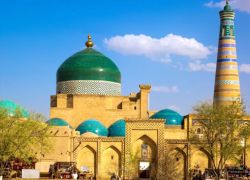
The Pakhlavan Makhmud Mausoleum is one of the most sacred and architecturally stunning monuments in Khiva, Uzbekistan. Located within the UNESCO-listed Ichan Kala, this mausoleum serves as both a spiritual and cultural centerpiece of the ancient city. It is dedicated to Pakhlavan Makhmud, a revered 13th-century poet, philosopher, and wrestler who became the patron saint of Khiva. Over the centuries, his tomb has transformed into a major pilgrimage site, attracting visitors from across Uzbekistan and beyond. Known for its breathtaking turquoise dome, intricate tilework, and peaceful atmosphere, the mausoleum stands as a masterpiece of Khiva’s Islamic art and architecture. Visiting this sacred site offers travelers not only a glimpse of Khiva’s rich history but also an experience filled with spiritual tranquility. How to Reach Pakhlavan Makhmud Mausoleum Pakhlavan Makhmud Mausoleum is located in the heart of Ichan Kala, Khiva’s old walled city. The nearest airport is Urgench International Airport, situated about 35 kilometers away. From Urgench, visitors can easily reach Khiva by taxi or minibus in around 40–45 minutes. Train services also connect Khiva with major Uzbek cities such as Bukhara, Samarkand, and Tashkent, offering scenic routes through the desert landscape. Once in Khiva, all the main historical sites, including the mausoleum, are within walking distance since Ichan Kala is a pedestrian zone. The site is well-signposted, making it easy to locate near the Islam Khodja Minaret and the Juma Mosque. Weather at Pakhlavan Makhmud Mausoleum Khiva has a dry desert climate, characterized by hot summers and cold winters. The best time to visit the Pakhlavan Makhmud Mausoleum is during spring (April to June) and autumn (September to October) when the weather is mild and ideal for sightseeing. During summer, temperatures can rise above 40°C, so carrying water, wearing light clothes, and using sun protection are essential. Winters, on the other hand, can be quite chilly with temperatures dropping below freezing. However, the clear skies and fewer tourists in winter provide a peaceful atmosphere for exploration. The mausoleum’s cool interior offers natural relief from the summer heat, making it a comfortable stop year-round. Timings of Pakhlavan Makhmud Mausoleum The Pakhlavan Makhmud Mausoleum is open daily from 9:00 AM to 6:00 PM. However, it remains accessible to pilgrims outside regular hours for prayer and reflection. Visitors are encouraged to come early in the morning to enjoy the serene ambiance before tourist groups arrive. Evening visits are also special, as the setting sun casts a warm glow on the turquoise dome, making it one of the most photogenic spots in Khiva. Since this is an active religious site, visitors should dress modestly and behave respectfully inside the complex. Why Pakhlavan Makhmud Mausoleum is Famous Pakhlavan Makhmud Mausoleum is famous for being both a masterpiece of architecture and a sacred pilgrimage destination. It is dedicated to Pakhlavan Makhmud (1247–1326), a local hero known for his extraordinary physical strength, poetic brilliance, and spiritual wisdom. He was a furrier by trade and became a symbol of humility and courage. After his death, he was revered as a saint, and his tomb became a holy place where people sought blessings for health, success, and protection. Over time, rulers of the Khiva Khanate, including the Khans themselves, were buried near his tomb, adding to the site’s prestige. The mausoleum’s dazzling blue-tiled dome is among the most photographed architectural features in all of Uzbekistan, representing Khiva’s identity and craftsmanship. Entry and Visit Details about Pakhlavan Makhmud Mausoleum Access to the Pakhlavan Makhmud Mausoleum is included in the general entrance ticket to Ichan Kala, which usually costs between 50,000 and 100,000 Uzbek som for foreign visitors. Some special sections or museums inside may require a small additional fee. Guided tours are available in several languages and are highly recommended for those interested in the religious and historical context of the site. Inside the mausoleum, visitors can view the ornately decorated tomb chamber, the main dome hall, and smaller burial areas for Khiva’s rulers. As it remains an active pilgrimage site, visitors should maintain a quiet demeanor and refrain from touching sacred artifacts. Photography is allowed but should be done respectfully, especially when pilgrims are present. History and Architecture of Pakhlavan Makhmud Mausoleum The Pakhlavan Makhmud Mausoleum has a fascinating history rooted in Khiva’s spiritual and artistic legacy. The original burial site of Pakhlavan Makhmud was a simple tomb, but in the 19th century, under the rule of Muhammad Rahim Khan II, it was transformed into a grand architectural complex. Over the years, the mausoleum became the royal necropolis of Khiva’s rulers, similar in significance to the Gur-e-Amir Mausoleum in Samarkand. Architecturally, the mausoleum is a stunning example of Khorezm-style Islamic design. The exterior features glazed turquoise and azure tiles that shimmer beautifully under the desert sun. The large dome, one of the most striking in Khiva, is adorned with intricate floral and geometric patterns. Inside, the tomb chamber is richly decorated with majolica tiles, inscriptions, and delicate mosaics. The walls are covered in verses from the Quran and poetic inscriptions honoring Pakhlavan Makhmud’s wisdom and virtues. The acoustics inside the dome are remarkable, allowing the recitation of prayers to resonate deeply, adding to the site’s sacred aura. Surrounding the main mausoleum are several smaller tombs where members of the Khiva royal family rest. The entire complex exudes harmony, spirituality, and timeless beauty. Things to Do at Pakhlavan Makhmud Mausoleum Visitors to the Pakhlavan Makhmud Mausoleum can experience a blend of spiritual, cultural, and historical exploration. Here are some recommended activities: Admire the stunning turquoise dome and the exquisite tilework that symbolizes Khiva’s artistic excellence. Enter the tomb chamber to observe the intricate interior decorations and the sacred resting place of Pakhlavan Makhmud. Learn about the saint’s life and teachings from local guides who share fascinating stories and legends. Explore the adjoining courtyard and smaller mausoleums of Khiva’s rulers, which reflect royal history and devotion. Take photographs during the golden hours of sunrise or sunset when the dome glows with captivating hues. Visit nearby attractions such as Islam Khodja Minaret, Juma Mosque, and Kunya-Ark Citadel for a complete cultural experience. Facts about Pakhlavan Makhmud Mausoleum Here are some interesting facts about the Pakhlavan Makhmud Mausoleum: Pakhlavan Makhmud was not only a poet and philosopher but also a legendary wrestler, often called the “Hercules of the East.” The mausoleum became the burial site for Khiva’s Khans, making it both a spiritual and royal necropolis. The turquoise dome of the mausoleum is one of the most recognizable symbols of Khiva. The complex was expanded in the 19th century under Muhammad Rahim Khan II, who added several adjoining tombs. It remains an active pilgrimage site, with many locals visiting to seek blessings and spiritual guidance. Tips for Visiting Pakhlavan Makhmud Mausoleum Dress modestly and cover shoulders and knees as it is a religious site. Remove shoes before entering the prayer or tomb area. Visit early morning or late afternoon to enjoy peaceful surroundings and perfect photography lighting. Hire a local guide to understand the historical and spiritual importance of the saint and the mausoleum. Be respectful of pilgrims and avoid loud conversations or flash photography. Carry a bottle of water and wear comfortable footwear to explore nearby attractions within Ichan Kala. In conclusion, the Pakhlavan Makhmud Mausoleum in Khiva, Uzbekistan, is not just a monument but a living testament to the city’s spiritual soul and artistic mastery. With its enchanting turquoise dome, centuries-old legends, and peaceful atmosphere, it remains one of the most beautiful and meaningful places in Central Asia. Whether you visit to admire its architecture, learn its history, or seek a moment of quiet reflection, the Pakhlavan Makhmud Mausoleum promises an unforgettable experience that connects you deeply with the essence of Khiva’s cultural and spiritual heritage.
Explore More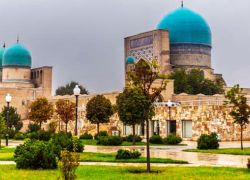
The Kok-Gumbaz Mosque, located in the historic city of Shahrisabz, Uzbekistan, is one of the most magnificent monuments of the Timurid era. Translating to “Blue Dome” in Uzbek, the mosque is renowned for its grand turquoise dome that dominates the skyline of Shahrisabz. It stands as a testament to the architectural brilliance and cultural significance of the Timurid dynasty, particularly the reign of Ulugh Beg, the grandson of the great conqueror Amir Timur (Tamerlane). Built in 1437, the Kok-Gumbaz Mosque served as the main Friday mosque for the city and is part of a larger religious complex that includes the Dorut Tilovat ensemble. With its stunning blue dome, symmetrical design, and delicate tilework, the Kok-Gumbaz Mosque symbolizes the artistic excellence and devotion of medieval Central Asia. How to Reach Kok-Gumbaz Mosque Shahrisabz is located about 90 kilometers south of Samarkand, making the Kok-Gumbaz Mosque easily accessible for visitors traveling from Uzbekistan’s major historical centers. The most convenient way to reach Shahrisabz is by road from Samarkand, which takes around 2 hours by car or bus. Regular shared taxis and private vehicles are available, offering scenic drives through the picturesque Zeravshan Mountains. Alternatively, tourists can take a train to Kitab, the nearest railway station to Shahrisabz, and then continue the short 15-minute journey by taxi. For international travelers, the nearest airport is in Samarkand, which connects to major cities like Tashkent and Bukhara. Once in Shahrisabz, the Kok-Gumbaz Mosque is located in the city’s central historic area and is within walking distance of other famous monuments such as the Dorus Saodat Complex and Ak-Saray Palace ruins. Weather at Kok-Gumbaz Mosque Shahrisabz experiences a continental climate, typical of central Uzbekistan, with hot, dry summers and cool winters. The best time to visit the Kok-Gumbaz Mosque is during spring (April to June) and autumn (September to November), when the weather is mild and pleasant, with daytime temperatures ranging between 20°C and 30°C. During the summer months (July and August), temperatures can exceed 40°C, so it’s advisable to visit in the early morning or late afternoon to avoid the heat. Winter months (December to February) can be quite cold, with temperatures dropping to around 0°C, but the clear skies and low tourist crowds make it a peaceful time to explore. Regardless of the season, the mosque’s blue dome shines beautifully under Shahrisabz’s bright sunlight, offering excellent photo opportunities. Timings of Kok-Gumbaz Mosque The Kok-Gumbaz Mosque is generally open daily from 9:00 AM to 6:00 PM. Visitors are encouraged to visit during daylight hours to fully appreciate the intricate details of its architecture and the brilliance of its blue dome. Fridays can be busier due to local prayers, so if you wish to explore in a quieter atmosphere, weekdays are ideal. During Ramadan and Islamic holidays, opening hours might vary slightly depending on prayer schedules. It’s best to confirm timings locally before your visit. Why Kok-Gumbaz Mosque is Famous The Kok-Gumbaz Mosque is famous for its majestic blue dome—the largest in Shahrisabz—and its connection to the Timurid dynasty. Commissioned by Ulugh Beg in honor of his father, Shah Rukh, this mosque stands as a masterpiece of Timurid architecture and mathematics-inspired design. The mosque also served as the main congregational mosque of Shahrisabz, symbolizing both political power and religious devotion. Its distinctive dome, decorated with blue glazed tiles and Quranic inscriptions, reflects the celestial theme often found in Timurid art, representing heaven and divine unity. The harmonious proportions, geometric symmetry, and artistic finesse of the mosque make it one of the architectural jewels of Uzbekistan and a highlight of the Silk Road heritage. Entry and Visit Details about Kok-Gumbaz Mosque The Kok-Gumbaz Mosque is part of the Dorut Tilovat complex, and visitors can access it with a small entry fee, usually around 25,000 to 40,000 Uzbek som. The entry ticket also grants access to nearby monuments such as the Gumbazi-Seyidon mausoleum. Visitors can explore the mosque’s large courtyard, prayer hall, and admire the detailed interior decorations that have been restored over the years. Guided tours are available in several languages, providing insight into the mosque’s religious and architectural significance. Photography is allowed, though visitors should be respectful during prayer times. As this is an active place of worship, modest attire is required—both men and women should ensure their shoulders and knees are covered. Women are encouraged to bring a headscarf. History and Architecture of Kok-Gumbaz Mosque The Kok-Gumbaz Mosque was built in 1437 under the order of Ulugh Beg, the grandson of Amir Timur, as a tribute to his father Shah Rukh. It was constructed on the site of an earlier mosque built by his great-grandfather, which was part of the Dorut Tilovat ensemble—a religious and educational complex that served as a center for Islamic learning in Shahrisabz. The mosque’s name, “Kok-Gumbaz,” meaning “Blue Dome,” is derived from its most striking feature—the immense azure dome that dominates its skyline. Architecturally, the mosque is a fine example of Timurid construction, combining grandeur with artistic precision. The building features a massive dome supported by a high drum, symbolizing the heavens, while the walls and arches are decorated with intricate geometric patterns, Kufic inscriptions, and glazed tiles in shades of blue, turquoise, and white. The symmetry of its structure reflects Ulugh Beg’s deep interest in mathematics and astronomy. Inside, the prayer hall is spacious and illuminated by natural light filtering through arched windows, creating a calm and spiritual atmosphere. The mosque’s mihrab (niche indicating the direction of Mecca) is adorned with beautiful calligraphy, and the acoustics within the dome amplify the prayers harmoniously. Despite centuries of wear and partial restoration, the mosque retains its original elegance and remains a significant monument of Timurid art. Things to Do at Kok-Gumbaz Mosque Visiting the Kok-Gumbaz Mosque is an enriching experience for history lovers, photographers, and spiritual travelers. Here are some of the best things to do during your visit: Admire the spectacular blue dome, one of the largest and most beautiful in Central Asia. Explore the mosque’s prayer hall and study the detailed mosaic work and geometric tile designs. Take panoramic photos of Shahrisabz’s old town from the mosque’s courtyard. Visit nearby attractions in the Dorut Tilovat complex, including the Gumbazi-Seyidon Mausoleum. Learn about Ulugh Beg’s legacy as both a ruler and an astronomer through local guides. Attend local prayer services if permitted, to experience the spiritual atmosphere of this centuries-old site. Facts about Kok-Gumbaz Mosque The mosque was built in 1437 by Ulugh Beg, the grandson of Timur, in memory of his father Shah Rukh. Its name means “Blue Dome” in Uzbek, referring to its sky-colored dome that dominates the skyline. The mosque forms part of the Dorut Tilovat complex, a key religious and educational center in Shahrisabz. The dome’s perfect symmetry and proportions reflect Ulugh Beg’s passion for astronomy and mathematics. The mosque underwent restoration during the Soviet era and again in the early 21st century to preserve its beauty. Tips for Visiting Kok-Gumbaz Mosque Wear modest clothing—long trousers, covered shoulders, and a headscarf for women are recommended. Visit early in the morning or late afternoon for the best lighting for photography. Bring water and sun protection, especially in summer, as the area can get very hot. Hire a local guide to better understand the mosque’s historical and architectural significance. Respect prayer times and maintain silence inside the mosque. Combine your visit with other nearby sites like Ak-Saray Palace and Dorus Saodat to make the most of your trip to Shahrisabz. In conclusion, the Kok-Gumbaz Mosque in Shahrisabz is more than just an architectural masterpiece—it is a living testament to the Timurid dynasty’s grandeur and devotion. With its stunning blue dome, intricate tilework, and serene atmosphere, the mosque offers visitors a window into the spiritual and cultural heart of Uzbekistan. Whether you come to marvel at its beauty, study its history, or simply soak in its peaceful ambiance, the Kok-Gumbaz Mosque promises an unforgettable experience that beautifully connects the past and present of this ancient Silk Road city.
Explore More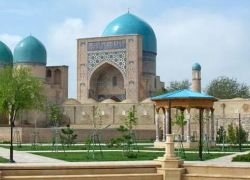
The Chupan Ata Mausoleum in Shahrisabz, Uzbekistan, is a serene and sacred monument that carries both historical and spiritual significance. Located on a hill overlooking the ancient city, the mausoleum is dedicated to Chupan Ata, a revered shepherd saint who is believed to have been a protector of shepherds and travelers. The word “Chupan” translates to “shepherd,” and “Ata” means “father” in Uzbek, symbolizing a wise and spiritual guide. This beautiful and peaceful site is not only a place of pilgrimage but also a spot offering one of the best panoramic views of Shahrisabz and its surrounding mountains. Its simplicity, natural setting, and historical depth make it an essential stop for travelers seeking a blend of history, faith, and tranquility in southern Uzbekistan. How to Reach Chupan Ata Mausoleum The Chupan Ata Mausoleum is located on a small hill just northeast of Shahrisabz, about 3 kilometers from the city center. Reaching the mausoleum is quite easy for visitors exploring the city. The nearest major city to Shahrisabz is Samarkand, which lies around 90 kilometers to the north. Travelers can reach Shahrisabz by car or bus in about 2 hours via the scenic mountain road that crosses the picturesque Takhta-Karacha Pass. Regular shared taxis and private cars operate between Samarkand and Shahrisabz. For those traveling by train, the nearest railway station is Kitab, located just a few kilometers from Shahrisabz. From Kitab, local taxis can take visitors directly to the Chupan Ata Mausoleum. Once in Shahrisabz, visitors can hire a taxi or even walk to the site, as it is not far from other historical attractions like the Kok-Gumbaz Mosque and Ak-Saray Palace. The climb to the mausoleum’s hill is moderate and takes about 10–15 minutes, rewarding visitors with breathtaking views of the surrounding landscape. Weather at Chupan Ata Mausoleum Shahrisabz has a continental climate with hot, dry summers and cool winters. The best seasons to visit the Chupan Ata Mausoleum are spring (April to June) and autumn (September to November), when temperatures are mild and pleasant, ranging between 20°C and 30°C. These months offer comfortable conditions for walking and sightseeing. During summer (July and August), temperatures can rise above 40°C, so it is advisable to visit early in the morning or later in the evening to avoid the heat. Winter (December to February) can be chilly, with temperatures occasionally dropping below freezing, but the clear air and quiet atmosphere create a unique charm. Regardless of the season, the elevated position of the mausoleum provides a stunning view of Shahrisabz and the nearby mountains under Uzbekistan’s bright blue sky. Timings of Chupan Ata Mausoleum The Chupan Ata Mausoleum is generally open to visitors from 9:00 AM to 6:00 PM daily. Since it is both a historical monument and a pilgrimage site, respectful behavior is encouraged at all times. Visitors who prefer a more peaceful experience should plan to visit in the early morning or near sunset when the site is less crowded and the lighting is perfect for photography. The view of the city and surrounding plains during sunrise or sunset from the top of the hill is particularly stunning. On Fridays or during religious festivals, local pilgrims often visit the site, making it livelier and more spiritual. Why Chupan Ata Mausoleum is Famous The Chupan Ata Mausoleum is famous for its deep spiritual meaning and its scenic location overlooking Shahrisabz. Dedicated to Chupan Ata, a saintly shepherd figure, the mausoleum is believed to be a place of blessings and divine protection. Locals and travelers alike visit to seek peace, health, and prosperity. Its hilltop position offers panoramic views, making it one of the best spots to capture the essence of the ancient city and its surrounding valleys. Moreover, the mausoleum is an important cultural landmark that highlights the enduring tradition of Sufi spirituality in Central Asia. The structure’s modest yet elegant design represents humility and faith—values associated with the saint it honors. For historians and architecture lovers, it provides a glimpse into medieval funerary architecture and religious practices in the region. For pilgrims, it remains a sacred site of prayer and meditation. Entry and Visit Details about Chupan Ata Mausoleum There is no fixed entry fee for the Chupan Ata Mausoleum; visitors are usually welcome to enter freely or may be asked for a small donation used for maintenance. The site is open throughout the year, and visitors can explore the mausoleum, its surrounding courtyard, and the hilltop area. Modest dress is recommended, as this is a sacred site. Shoes should be removed before entering the main mausoleum area if locals are praying inside. The climb to the top is relatively easy but involves a short uphill walk, so comfortable footwear is advisable. For those visiting as part of a historical tour, guides are available in Shahrisabz who can explain the site’s background and legends associated with Chupan Ata. The nearby area also has small souvenir shops and rest spots where visitors can relax and enjoy the peaceful environment. The calm surroundings, combined with the soft wind and scenic view, make it a refreshing stop for those exploring Shahrisabz’s historical ensemble. History and Architecture of Chupan Ata Mausoleum The Chupan Ata Mausoleum dates back to the 14th or 15th century, around the same period when Shahrisabz flourished under the Timurid Empire. While the exact date of construction and the life of Chupan Ata remain partly shrouded in legend, local traditions describe him as a saintly shepherd known for his piety and kindness. He was regarded as a protector of shepherds and travelers, and over time, a mausoleum was built at his burial site to honor his spiritual influence. Architecturally, the mausoleum is a fine example of Central Asian Islamic design characterized by simplicity, symmetry, and spiritual symbolism. The square base of the building supports a single dome, which has been restored several times over the centuries. The dome, once decorated with glazed turquoise tiles, shines beautifully in the sunlight, giving the structure an ethereal appearance. The interior is modest, with plain walls and minimal decoration, reflecting the humble life of the saint. Despite its small size, the mausoleum holds great emotional and spiritual weight for visitors. Its hilltop setting enhances its significance, symbolizing spiritual elevation and closeness to the divine. Restoration work has helped preserve the site, ensuring that it continues to be a place of pilgrimage and historical interest. Things to Do at Chupan Ata Mausoleum Visiting the Chupan Ata Mausoleum is a peaceful and contemplative experience. Here are some of the best things to do while exploring the site: Climb to the top of the hill to enjoy breathtaking panoramic views of Shahrisabz and the surrounding mountains. Explore the mausoleum’s simple yet elegant architecture and learn about its historical significance. Spend a few quiet moments meditating or reflecting in the tranquil surroundings. Take photographs of the site during sunrise or sunset for the most beautiful lighting conditions. Visit nearby historical landmarks such as the Kok-Gumbaz Mosque, Ak-Saray Palace, and Dorus Saodat Complex. Interact with locals or pilgrims to understand the cultural and spiritual traditions associated with the site. Facts about Chupan Ata Mausoleum The mausoleum is named after Chupan Ata, a shepherd saint venerated in Central Asian folklore. It is located on a hill that offers the best panoramic view of Shahrisabz. The structure dates back to the Timurid era, around the 14th–15th century. The dome was once covered with turquoise tiles typical of Timurid architecture. It remains an active pilgrimage site visited by locals for blessings and prayers. Tips for Visiting Chupan Ata Mausoleum Wear comfortable shoes suitable for walking uphill. Bring a hat, sunglasses, and water if visiting during the hot summer months. Dress modestly out of respect for the religious significance of the site. Visit early morning or late afternoon for cooler temperatures and beautiful views. Carry a camera to capture panoramic shots of Shahrisabz from the top of the hill. Consider hiring a local guide to learn more about the saint’s legend and local traditions. In conclusion, the Chupan Ata Mausoleum in Shahrisabz, Uzbekistan, is a harmonious blend of history, spirituality, and natural beauty. Standing gracefully on a hill overlooking the ancient city, it tells the story of faith and devotion that transcends centuries. Whether you visit for its scenic views, peaceful atmosphere, or spiritual meaning, the Chupan Ata Mausoleum offers a deeply memorable experience, making it one of the hidden gems of Uzbekistan’s cultural heritage.
Explore More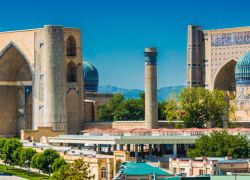
The Bibi-Khanym Mosque, located in the historic city of Shahrisabz, Uzbekistan, is one of the most famous and monumental structures of the Timurid Empire. Built by the great conqueror Timur (Tamerlane) in the 14th century, this mosque stands as a symbol of his military triumphs and architectural vision. Named after his wife, Bibi-Khanym, the mosque was once one of the largest and most beautiful in the world, showcasing the grandeur of Timurid architecture. Although it has undergone several restorations due to earthquakes and time, the Bibi-Khanym Mosque remains a testament to the power and ambition of Timur’s empire. With its towering minarets, grand domes, and intricate tilework, the mosque is an iconic piece of Central Asian history and a must-visit destination for travelers exploring Uzbekistan. How to Reach Bibi-Khanym Mosque The Bibi-Khanym Mosque is located in the heart of Shahrisabz, a city about 90 kilometers (56 miles) south of Samarkand. Shahrisabz is easily accessible by road from Samarkand, which is a major hub for travelers in Uzbekistan. The drive from Samarkand to Shahrisabz takes about 1.5 to 2 hours via a scenic route through the foothills of the Zeravshan Mountains. Shared taxis, private cars, and buses are available for transport between the two cities. Once in Shahrisabz, the mosque is centrally located and can be reached on foot or by taxi. The city’s historical sites, including the Bibi-Khanym Mosque, are within walking distance of each other, making it convenient to explore the area on foot. For international travelers, the nearest major airport is in Samarkand, from where visitors can take a taxi or bus to Shahrisabz. Weather at Bibi-Khanym Mosque Shahrisabz experiences a continental climate, characterized by hot summers and cold winters. The best time to visit the Bibi-Khanym Mosque is during the spring (April to June) and autumn (September to November), when temperatures are mild and pleasant, ranging from 20°C to 30°C. During these months, the weather is ideal for walking around the historical sites and exploring the mosque's surroundings. Summer (July and August) can be very hot, with temperatures often exceeding 40°C (104°F), so it is recommended to visit early in the morning or later in the evening to avoid the intense heat. Winter (December to February) can be cold, with temperatures dropping to around 0°C (32°F) or lower, but it is also a quieter time to visit, as there are fewer tourists. Regardless of the season, Shahrisabz is blessed with clear skies and bright sunshine, making the mosque’s blue tiles and grandeur even more impressive. Timings of Bibi-Khanym Mosque The Bibi-Khanym Mosque is generally open to visitors from 9:00 AM to 6:00 PM daily. These hours allow tourists to explore the mosque and its surrounding grounds at their own pace. During prayer times, the mosque may be more crowded with local worshippers, so it's best to visit during the early morning or late afternoon to avoid the busiest times. If you’re interested in capturing the mosque’s beauty through photography, the best times are either during sunrise or sunset, when the lighting creates a magical atmosphere. Why Bibi-Khanym Mosque is Famous The Bibi-Khanym Mosque is famous not only for its monumental size but also for its historical significance and architectural brilliance. Commissioned by Timur in the late 14th century in honor of his beloved wife, Bibi-Khanym, the mosque is one of the grandest examples of Timurid architecture. At the time of its construction, it was one of the largest mosques in the world and a symbol of Timur’s power and influence. The mosque’s scale and design were meant to demonstrate Timur’s military might and cultural achievements. It was built using materials from various parts of the empire, including marble from the ancient city of Merv, and tiles from Samarkand. The mosque was intended to be a center of worship, education, and culture. The grand scale, the intricate decoration, and the use of bold colors and geometric patterns in its tilework are typical of the Timurid architectural style. The mosque's size and magnificence make it a landmark of not only Uzbekistan but the entire region of Central Asia. Entry and Visit Details about Bibi-Khanym Mosque To visit the Bibi-Khanym Mosque, you will need to purchase an entry ticket. The cost is typically around 20,000 to 40,000 Uzbek som for foreign tourists. The ticket grants access to the mosque and the surrounding courtyard. There are also options to hire a local guide who can provide detailed insights into the history, architecture, and cultural significance of the mosque. Guided tours are available in various languages, including English, Russian, and Uzbek. The mosque’s courtyard is spacious, and visitors are free to explore the interior as well as the surrounding gardens. Photography is allowed in most areas, but visitors should be respectful of worshippers if visiting during prayer times. Dress modestly, covering your shoulders and knees, as this is a religious site. Shoes should be removed before entering the mosque’s prayer hall. There are also several small souvenir shops and cafes near the mosque where you can rest and enjoy local snacks. History and Architecture of Bibi-Khanym Mosque The Bibi-Khanym Mosque was built between 1399 and 1404 during the reign of Timur (Tamerlane), who commissioned its construction as a symbol of his strength and his love for his wife. It was designed by a team of architects and artisans from across the empire, including Persia, India, and Central Asia. The mosque’s construction was a monumental task, requiring the labor of thousands of workers. It was meant to be the largest mosque in the world, and at the time, it surpassed all other mosques in size and grandeur. The architecture of the Bibi-Khanym Mosque is characterized by a large central dome, massive portals, and tall minarets. The mosque’s design reflects the Timurid style, which combines Persian, Central Asian, and Islamic elements. The central prayer hall is surrounded by a courtyard with four iwans (arched entrances), and the main dome is supported by a drum adorned with intricate tilework. The mosque’s façade and minarets are decorated with brilliant blue, turquoise, and white glazed tiles, creating a striking visual effect. The mosque’s scale and design were also meant to be a demonstration of Timur’s military power, as the size and decoration of the mosque symbolize his authority over the region. Despite suffering from damage due to earthquakes and the passage of time, the Bibi-Khanym Mosque still stands as one of the most important examples of Timurid architecture in Central Asia. Things to Do at Bibi-Khanym Mosque Visiting the Bibi-Khanym Mosque is a unique experience that allows travelers to explore one of the most iconic architectural sites in Uzbekistan. Here are some of the things you can do while visiting the mosque: Admire the grandeur of the mosque’s central dome, one of the largest in Central Asia. Explore the beautiful tilework and intricate calligraphy that adorn the mosque’s interior and exterior. Visit the courtyard and take in the stunning views of the mosque and the surrounding gardens. Climb one of the minarets for a panoramic view of the mosque and the city of Shahrisabz. Learn about the history of the Timurid Empire through informative displays and local guides. Take photographs of the mosque’s impressive architecture, especially during the golden hours of sunrise or sunset. Facts about Bibi-Khanym Mosque The Bibi-Khanym Mosque was commissioned by Timur in 1399 in honor of his wife, Bibi-Khanym. At the time of its construction, the mosque was one of the largest in the world. The mosque’s central dome is one of the largest in Central Asia, measuring over 40 meters in diameter. It was designed by architects and craftsmen from across the Timurid Empire, including Persia, India, and Central Asia. The mosque’s tilework is famous for its geometric patterns, floral motifs, and Quranic inscriptions. Earthquakes and the passage of time have caused damage to the mosque, but it has been partially restored in recent years. Tips for Visiting Bibi-Khanym Mosque Wear comfortable shoes, as you will be walking around the mosque and its expansive courtyard. Bring a hat and sunscreen if visiting during the summer, as the sun can be very strong. Dress modestly by covering your shoulders and knees, as the mosque is a religious site. Visit early in the morning or late in the afternoon to avoid the heat and crowds. Consider hiring a local guide to learn more about the history and significance of the mosque. Take plenty of photographs, especially during the early morning or late afternoon when the lighting is perfect. In conclusion, the Bibi-Khanym Mosque in Shahrisabz is a must-visit landmark for anyone interested in history, architecture, and the rich cultural heritage of Uzbekistan. With its stunning size, beautiful tilework, and fascinating history, the mosque stands as a reminder of the greatness of the Timurid Empire and the enduring love between Timur and his wife, Bibi-Khanym.
Explore More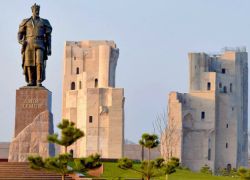
The Ak-Saray Palace, located in Shahrisabz, Uzbekistan, is one of the most historically significant and architecturally impressive structures from the Timurid period. Built by the great Central Asian ruler, Timur (Tamerlane), in the late 14th century, the palace served as the summer residence of the Timurid dynasty. The name "Ak-Saray" translates to "White Palace" in Uzbek, and it reflects the grandeur and magnificence that Timur envisioned for his royal abode. Though much of the palace has been destroyed by time and natural disasters, its ruins still convey a sense of the monumental scale and beauty of the original structure. Today, Ak-Saray Palace is a major historical and cultural landmark in Uzbekistan, attracting travelers and historians alike for its fascinating past and impressive architectural remains. How to Reach Ak-Saray Palace The Ak-Saray Palace is located in the heart of Shahrisabz, a city in southern Uzbekistan, approximately 90 kilometers (56 miles) from Samarkand. Shahrisabz is easily accessible by road from Samarkand, and the journey typically takes around 1.5 to 2 hours. Travelers can take a shared taxi, private car, or bus from Samarkand to Shahrisabz. The road from Samarkand to Shahrisabz offers scenic views of the Zeravshan Mountains, making the trip an enjoyable experience. Once in Shahrisabz, the Ak-Saray Palace is centrally located, and visitors can easily walk to it from the city center or take a short taxi ride. The ruins of the palace are within walking distance of other important historical sites in Shahrisabz, such as the Bibi-Khanym Mosque and the Dorus Saodat Complex. The palace site is easily recognizable, with remnants of its monumental gate and surrounding gardens still visible, making it a key stop for tourists exploring Shahrisabz. Weather at Ak-Saray Palace Shahrisabz experiences a continental climate, with hot summers and cold winters. The best time to visit Ak-Saray Palace is during the spring (April to June) and autumn (September to November) when the weather is mild and comfortable for sightseeing. During these months, temperatures range from 20°C to 30°C, offering ideal conditions for walking around the ruins and exploring the surrounding area. In the summer (July and August), temperatures can soar above 40°C (104°F), making it less pleasant for outdoor exploration. If you visit during the summer, it’s best to go early in the morning or later in the evening to avoid the midday heat. Winter (December to February) can be cold, with temperatures dropping to 0°C (32°F) or lower, but it’s also a quieter time to visit, and the ruins covered in snow can offer a picturesque view of the site. Regardless of the season, the clear skies of Uzbekistan make the Ak-Saray Palace an impressive sight against the backdrop of the Zeravshan Mountains. Timings of Ak-Saray Palace Ak-Saray Palace is open to visitors throughout the year, typically from 9:00 AM to 6:00 PM. These opening hours allow ample time for visitors to explore the site and appreciate its historical and architectural significance. However, the timing can be adjusted depending on the season or special events. It is advisable to visit during the early morning or late afternoon to avoid the midday heat and the peak tourist crowds, especially during the summer months. Why Ak-Saray Palace is Famous The Ak-Saray Palace is famous for its historical significance, its architectural beauty, and its connection to Timur, one of the most formidable conquerors in world history. Built as a summer residence for the Timurid dynasty, the palace was once an imposing structure with lush gardens, grand halls, and elaborate decorations. It is said that Timur commissioned the palace to demonstrate his power and wealth, and the palace’s design was meant to reflect the grandeur of the Timurid Empire. One of the reasons the palace remains so famous is the sheer scale and ambition of its original design. Timur spared no expense in the construction of Ak-Saray, bringing in the finest architects, artisans, and builders from all over his empire. The palace was decorated with intricate tilework, carvings, and murals, many of which have been lost over time. Despite this, the ruins of the gatehouse and the main facade still convey the grandeur of the original palace, making it an important historical site. Entry and Visit Details about Ak-Saray Palace To visit the Ak-Saray Palace, tourists will need to purchase an entry ticket. The ticket price typically ranges between 20,000 to 40,000 Uzbek som for foreign visitors. The ticket allows access to the ruins of the palace, including the main gate and the surrounding grounds. There are also options to hire a local guide who can explain the history and significance of the palace, offering valuable insights into its construction and the role it played in Timur’s reign. The site is well-maintained, and visitors can freely explore the remains of the grand entrance, the massive gate, and the surrounding gardens. Although much of the palace has been destroyed, the sheer size and scale of the ruins give visitors an impression of what the original structure must have looked like. There are also informative displays at the site providing details about the history and restoration efforts of the palace. Since the Ak-Saray Palace is a historical site, visitors are advised to respect the cultural and religious significance of the location. Modest dress is recommended, and visitors should be mindful of the local customs when exploring the site. As the palace is an open-air site, it’s advisable to bring a hat, sunscreen, and water, especially if visiting during the hot summer months. History and Architecture of Ak-Saray Palace The Ak-Saray Palace was constructed in the late 14th century by Timur (Tamerlane), who ruled over a vast empire stretching from India to Turkey. The palace was built to serve as a summer retreat for the Timurid rulers and their court. Timur was known for his military conquests and his desire to leave behind a legacy of monumental architecture, and the Ak-Saray Palace was a key part of that vision. It was constructed using the finest materials available at the time, including marble, brick, and precious stones, and it was decorated with intricate tilework and elaborate frescoes. The design of the palace incorporated Persian, Central Asian, and Islamic elements, reflecting the diverse cultural influences in the Timurid Empire. At its height, the Ak-Saray Palace was an architectural masterpiece, with large domed structures, expansive courtyards, and majestic entrances. The palace’s most notable feature was its monumental gatehouse, which is still visible today. The gatehouse was adorned with colorful tilework and inscriptions, and it was flanked by towering minarets. Unfortunately, the palace suffered significant damage over the centuries, particularly due to earthquakes, and much of the original structure has been lost. However, the ruins still give visitors a sense of the grandeur and opulence that once defined the Timurid dynasty. Things to Do at Ak-Saray Palace Visiting the Ak-Saray Palace offers a unique opportunity to explore one of the most significant architectural remnants of the Timurid Empire. Here are some of the things to do when visiting: Explore the monumental entrance gate and take in the scale and grandeur of the ruins. Walk through the remains of the surrounding gardens and imagine the lavish life of the Timurid rulers. Visit the nearby Dorus Saodat Complex and other historical sites in Shahrisabz to gain a deeper understanding of the Timurid dynasty. Take photographs of the site, especially during the golden hours of early morning or late afternoon when the lighting is ideal. Learn about the history of the Timurid Empire and the significance of the Ak-Saray Palace through informational displays and local guides. Facts about Ak-Saray Palace The Ak-Saray Palace was built by Timur as a summer residence for his family and court. Construction of the palace began in the late 14th century and was completed by Timur's descendants in the early 15th century. The name "Ak-Saray" means "White Palace," reflecting the palace’s original grandeur. The palace was built with the finest materials and featured intricate tilework, frescoes, and calligraphy. Much of the palace was destroyed by earthquakes and the passage of time, but the ruins still stand as a symbol of Timurid architectural achievements. Tips for Visiting Ak-Saray Palace Wear comfortable shoes, as you will be walking around the site and exploring the ruins. Bring a hat, sunscreen, and water, especially if visiting during the hot summer months. Dress modestly, as Ak-Saray is a historical and cultural site. Visit early in the morning or late in the afternoon for the best lighting and to avoid crowds. Consider hiring a local guide to get more in-depth knowledge about the palace's history and significance. In conclusion, the Ak-Saray Palace in Shahrisabz is a must-visit destination for history lovers and those interested in Central Asian architecture. The ruins of the palace offer a glimpse into the grandeur of the Timurid Empire and the lavish lifestyle of its rulers. A visit to the Ak-Saray Palace is an opportunity to step back in time and experience the monumental legacy of one of history's greatest conquerors, Timur.
Explore More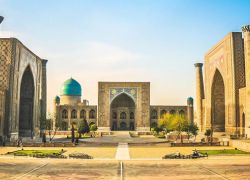
The Shahrisabz Fortress, also known as the Ak-Saray Fortress, is one of the most prominent historical landmarks in Shahrisabz, Uzbekistan. Built during the 14th century, the fortress is a part of the city's rich historical heritage, which was once the capital of the Timurid Empire. The fortress served as a military stronghold and a royal residence for the Timurid dynasty. It is located in the city of Shahrisabz, in the southern part of Uzbekistan, about 90 kilometers (56 miles) from Samarkand. Although much of the fortress has been damaged by earthquakes and time, the remnants of this imposing structure continue to impress visitors with its grandeur and strategic importance in Central Asian history. How to Reach Shahrisabz Fortress Shahrisabz is well connected to the rest of Uzbekistan by road. The easiest way to reach the Shahrisabz Fortress is by traveling from Samarkand, which is a major tourist hub. The drive from Samarkand to Shahrisabz takes approximately 1.5 to 2 hours, depending on the traffic and road conditions. Shared taxis, private cars, and buses are available for the journey. The scenic route passes through the picturesque Zeravshan Valley, offering travelers beautiful views of the surrounding landscape. Once in Shahrisabz, the fortress is centrally located within the city. It is easily accessible by foot or by a short taxi ride from the main bus station or the city center. The site is located near other historical landmarks in Shahrisabz, such as the Bibi-Khanym Mosque and the Ak-Saray Palace, making it easy to explore the city's rich history in a single visit. Weather at Shahrisabz Fortress Shahrisabz has a continental climate, characterized by hot summers and cold winters. The best time to visit the Shahrisabz Fortress is during the spring (April to June) and autumn (September to November) when the temperatures are mild and comfortable, ranging from 20°C to 30°C (68°F to 86°F). These seasons offer ideal weather conditions for sightseeing and walking around the fortress ruins. Summers in Shahrisabz can be very hot, with temperatures often exceeding 40°C (104°F), especially in July and August. If you plan to visit during this time, it is advisable to go early in the morning or later in the afternoon to avoid the scorching midday heat. Winters, from December to February, are cold, with temperatures dropping to around 0°C (32°F) or lower. However, visiting during winter also offers a quieter experience, as there are fewer tourists. Timings of Shahrisabz Fortress The Shahrisabz Fortress is typically open to visitors from 9:00 AM to 6:00 PM daily. These hours allow ample time to explore the ruins and take in the historical significance of the site. It is recommended to visit early in the morning or later in the afternoon to avoid the heat of the midday sun, particularly during the summer months. Visitors can explore the fortress grounds at their own pace, taking time to appreciate the architecture and panoramic views from the fortress walls. Why Shahrisabz Fortress is Famous The Shahrisabz Fortress is famous for its historical significance and as a symbol of the power and influence of the Timurid Empire. Built by Timur (Tamerlane) in the 14th century, the fortress was designed to serve as both a military stronghold and a royal residence. Shahrisabz, as the birthplace of Timur, was an important city in the Timurid Empire, and the fortress played a crucial role in defending the city and its inhabitants. The fortress's grandeur and strategic location made it one of the most important defensive structures in Central Asia during its time. Its towering walls and gates provided protection to the royal family and the military, while also showcasing the might of Timur's reign. Although much of the fortress has been destroyed over time, the remains still serve as a reminder of the architectural and military achievements of the Timurid period. The fortress's combination of military functionality and royal elegance makes it a unique and fascinating historical site. Entry and Visit Details about Shahrisabz Fortress To visit the Shahrisabz Fortress, tourists are required to purchase an entry ticket. The cost of entry for foreign tourists is typically around 20,000 to 40,000 Uzbek som. The ticket grants access to the fortress ruins, including the main gate, the remnants of the palace, and the surrounding grounds. There are also guided tours available at an additional cost, and hiring a local guide is recommended to gain a deeper understanding of the fortress's history and significance. Visitors can explore the remains of the fortress's impressive walls, watchtowers, and the main gate, which is still one of the most striking features of the site. The fortress also offers a panoramic view of the city of Shahrisabz and the surrounding countryside. There are informative signs at the site explaining the history and importance of the fortress, and guides can provide additional details on the construction, purpose, and legacy of the structure. When visiting the Shahrisabz Fortress, it is important to dress modestly as the site is a part of Uzbekistan’s cultural heritage. Comfortable shoes are recommended, as visitors may need to walk on uneven terrain. As the fortress is an open-air site, it’s also advisable to bring a hat, sunscreen, and water, especially during the hot summer months. History and Architecture of Shahrisabz Fortress The Shahrisabz Fortress was built by Timur (Tamerlane) in the late 14th century, during his reign over the vast Timurid Empire. The fortress was designed as a defensive structure to protect the city of Shahrisabz, Timur’s birthplace, and it also served as a royal residence. The construction of the fortress was part of Timur’s larger effort to establish his empire as a major power in Central Asia, and the fortress’s scale and design reflect the grandeur of his reign. The architecture of the Shahrisabz Fortress is characterized by its massive walls, tall watchtowers, and elaborate gateways. The fortress was built using the finest materials available at the time, including brick and stone, and it featured intricate tilework and carvings that were typical of Timurid architecture. The central gatehouse was adorned with decorative tiles and inscriptions, showcasing the artistic and architectural achievements of the Timurid period. Over the centuries, much of the Shahrisabz Fortress has been damaged by earthquakes and the passage of time. Despite this, the remaining structures still give visitors a sense of the fortress’s former grandeur. The walls and towers that remain are impressive, and they offer a glimpse into the fortress’s military and architectural design. The ruins of the fortress also provide breathtaking views of the surrounding area, including the lush Zeravshan Valley and the city of Shahrisabz itself. Things to Do at Shahrisabz Fortress Visiting the Shahrisabz Fortress offers a unique opportunity to explore a piece of Uzbekistan's rich history and architectural heritage. Here are some things you can do while visiting the fortress: Explore the towering walls and gates of the fortress, which once provided protection to the city of Shahrisabz. Take in the panoramic views of Shahrisabz and the Zeravshan Valley from the fortress's walls and watchtowers. Learn about the history of the Timurid Empire and the role the fortress played in defending the city and its rulers. Take photographs of the impressive ruins, particularly during the early morning or late afternoon when the lighting is optimal. Visit other nearby historical sites in Shahrisabz, such as the Bibi-Khanym Mosque and the Ak-Saray Palace, to gain a deeper understanding of the city's significance. Facts about Shahrisabz Fortress The Shahrisabz Fortress was built by Timur (Tamerlane) in the late 14th century to protect the city of Shahrisabz, his birthplace. The fortress was strategically located on the main trade route between the Iranian plateau and Central Asia. Much of the fortress was destroyed by earthquakes, but the ruins still stand as a reminder of its former grandeur. The fortress was known for its massive walls, watchtowers, and elaborate gateways, which were decorated with intricate tilework and carvings. The site offers breathtaking views of Shahrisabz and the surrounding Zeravshan Valley. Tips for Visiting Shahrisabz Fortress Wear comfortable shoes, as you will be walking on uneven surfaces and exploring the ruins. Bring a hat, sunscreen, and plenty of water, especially if visiting during the summer months. Dress modestly, as the fortress is a cultural and historical site. Consider hiring a local guide to learn more about the history and architecture of the fortress. Visit early in the morning or late in the afternoon to avoid the heat and enjoy better lighting for photography. In conclusion, the Shahrisabz Fortress is a must-visit destination for those interested in Central Asian history and architecture. The ruins of this once-mighty fortress stand as a testament to the power and ambition of Timur, offering a glimpse into the grandeur of the Timurid Empire and the city of Shahrisabz during its peak.
Explore More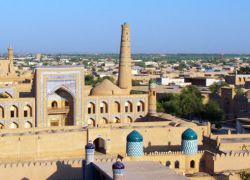
Khiva, located in the Khorezm region of Uzbekistan, is a well-preserved ancient city that offers a unique glimpse into Central Asia’s rich history and architectural heritage. Situated near the modern city of Urganch, Khiva once served as an important trading hub on the ancient Silk Road, connecting the cultures of the East and West. Today, Khiva is a UNESCO World Heritage Site known for its stunning Islamic architecture, ancient structures, and fascinating history. The city is a living museum, where the walls of its historic buildings tell the story of its long past, from its origins to its role as a key cultural and political center. How to Reach Khiva Khiva is located about 35 kilometers (22 miles) from Urganch, the administrative center of the Khorezm region. Urganch serves as the gateway to Khiva, and visitors can easily reach Khiva from there by taxi, private car, or a short bus ride. The road from Urganch to Khiva takes approximately 30-40 minutes, depending on traffic and road conditions. Urganch is also home to the nearest airport, the Urganch International Airport (URT), which has domestic flights from Tashkent, Bukhara, and Samarkand. International flights to Uzbekistan may require a transfer through Tashkent or other major cities. Once in Urganch, visitors can hire a taxi or take a local minibus (known as a marshrutka) to reach Khiva. If you’re traveling by train, you can also take a train from Bukhara or Samarkand to Urganch, followed by a short transfer to Khiva. Weather at Khiva Khiva, like much of Uzbekistan, has a continental climate characterized by hot summers and cold winters. The best time to visit Khiva is during the spring (April to June) and autumn (September to November), when the temperatures are pleasant, ranging from 20°C to 30°C (68°F to 86°F). These seasons are ideal for walking around the city and exploring its historic sites. Summer (July and August) can be extremely hot, with temperatures soaring above 40°C (104°F). If you visit during the summer, it is advisable to explore the city early in the morning or later in the afternoon to avoid the intense midday heat. Winters (December to February) can be cold, with temperatures often dropping below freezing, but the city is less crowded during this time, providing a more peaceful experience for those willing to brave the chill. Timings of Khiva Khiva is a popular tourist destination, and most of its historical sites are open to visitors throughout the year. The opening hours for the city’s attractions typically range from 9:00 AM to 6:00 PM, with some flexibility depending on the season and local regulations. However, it is advisable to visit the main sights, such as the Ichan Kala, during daylight hours to fully appreciate their beauty. If you're planning to visit Khiva’s historical monuments, such as the Kunya-Ark Citadel, the Juma Mosque, and the Pahlavan Mahmud Mausoleum, expect to spend most of your day exploring the city. It's a good idea to arrive early in the morning to beat the crowds and enjoy the cooler temperatures. Why Khiva is Famous Khiva is famous for its well-preserved architectural ensemble, particularly the Ichan Kala, the walled inner town that is home to some of the most beautiful examples of Islamic architecture in Central Asia. The city is known for its iconic minarets, madrasahs, mosques, and caravanserais that date back to the 16th and 17th centuries. Khiva’s historical importance stems from its role as a key stop on the Silk Road, a trade route that connected the East with the West and facilitated the exchange of goods, ideas, and cultures. The city is also renowned for its role as the capital of the Khiva Khanate, a political entity that ruled much of the region in the 18th and 19th centuries. Khiva's long history, its impressive architecture, and its strategic location along the Silk Road all contribute to its fame as one of Uzbekistan’s most iconic cities. The city’s unique blend of Central Asian, Persian, and Turkish architectural styles makes it an outstanding example of Islamic urban planning and design. Entry and Visit Details about Khiva To visit Khiva, tourists are required to purchase an entry ticket for access to the Ichan Kala (the walled old city) and its main attractions. The entrance fee is typically around 50,000 to 70,000 Uzbek som for foreign tourists. There are several individual tickets available for entry to specific monuments, such as the Kunya-Ark Citadel, the Juma Mosque, and the Tash Khauli Palace. If you plan to visit multiple sites, a combined ticket may be available, offering discounted access to all the major attractions within the Ichan Kala. Local guides are available for hire at the entrance to the Ichan Kala, and hiring a guide is recommended to get a deeper understanding of Khiva’s history, architecture, and cultural significance. The guides can provide insightful commentary on the history of the monuments and the city itself. Many guides are fluent in English, Russian, and Uzbek, and some also offer tours in French, German, and other languages. Since Khiva is an open-air museum, it’s important to wear comfortable shoes for walking, as the city’s streets are made of uneven cobblestones. Be prepared for the weather—whether it’s the heat of summer or the cold of winter—and bring plenty of water, sunscreen, and a hat for sun protection. History and Architecture of Khiva Khiva's history dates back over 2,000 years, with the city emerging as a key center of trade, culture, and learning. Its strategic location along the Silk Road made it an important stop for merchants and travelers from China, Persia, and Europe. The city’s fortunes peaked during the 16th and 17th centuries when it became the capital of the Khiva Khanate, a powerful state in Central Asia. The architecture of Khiva is renowned for its beauty and its preservation. The Ichan Kala, the old walled city, is filled with stunning examples of Islamic architecture, including minarets, madrasahs, mosques, and caravanserais. One of the most famous structures in Khiva is the Kalta Minor Minaret, an unfinished tower that is one of the most iconic landmarks in Central Asia. Other architectural highlights include the Kunya-Ark Citadel, the Pahlavan Mahmud Mausoleum, and the Tash Khauli Palace. These buildings are characterized by intricate tilework, soaring minarets, and domed roofs, showcasing the skills of Central Asian craftsmen. Khiva’s urban design also stands out for its careful planning. The Ichan Kala is a walled city with narrow streets, bustling bazaars, and beautiful courtyards. The city’s walls and gates have been well-preserved, and visitors can walk along the ramparts to enjoy stunning views of the city and the surrounding desert landscape. Things to Do in Khiva Khiva offers plenty of things to do for history enthusiasts, architecture lovers, and those interested in experiencing the rich culture of Uzbekistan. Here are some activities you can enjoy during your visit: Explore the Ichan Kala, the UNESCO World Heritage-listed old city, and admire its stunning Islamic architecture. Visit the Kunya-Ark Citadel, a historic fortress that was once the residence of Khiva’s rulers. Climb the Kalta Minor Minaret for panoramic views of Khiva and its surroundings. Tour the Pahlavan Mahmud Mausoleum, an impressive structure dedicated to the famous Sufi saint Pahlavan Mahmud. Relax in the peaceful courtyards of the Tash Khauli Palace and explore its beautiful rooms and gardens. Stroll through the lively bazaars, where you can shop for traditional handicrafts, textiles, and spices. Facts about Khiva Khiva was an important stop on the ancient Silk Road, connecting the cultures of the East and West. The city was the capital of the Khiva Khanate, which ruled the region for several centuries. Khiva is known for its well-preserved Islamic architecture, including minarets, mosques, madrasahs, and caravanserais. The city’s Ichan Kala is a UNESCO World Heritage Site and is considered one of the most intact walled cities in Central Asia. The Kalta Minor Minaret is one of the most recognizable landmarks in Khiva, known for its unfinished structure and vibrant tilework. Tips for Visiting Khiva Wear comfortable shoes, as you’ll be walking on uneven cobblestone streets. Bring a hat, sunscreen, and water, especially during the hot summer months. Consider hiring a local guide to learn more about the history and significance of the city’s monuments. Arrive early in the day to avoid the heat and crowds, particularly during peak tourist season. Dress modestly as Khiva is a conservative city, and it’s important to respect local customs. In conclusion, Khiva is a must-visit destination for those interested in exploring Uzbekistan’s rich history, unique architecture, and cultural heritage. Its well-preserved monuments, stunning Islamic buildings, and strategic location make it one of the most fascinating cities in Central Asia.
Explore More
The Urganch Archaeological Museum, located in the city of Urganch in the Khorezm region of Uzbekistan, is an essential stop for anyone interested in the ancient history and culture of the region. The museum is dedicated to preserving and showcasing the rich archaeological findings of the Khorezm region, which has a long and storied history dating back thousands of years. Urganch, being one of the key cities of the ancient Khorezm civilization, has a treasure trove of artifacts that offer insight into the region’s role in the ancient world, especially as it was a significant hub along the Silk Road. How to Reach Urganch Archaeological Museum The Urganch Archaeological Museum is located in the heart of Urganch, the administrative center of the Khorezm region. Urganch is well-connected by road, rail, and air, making it accessible for both domestic and international travelers. The easiest way to reach the museum is to fly into Urganch International Airport (URT), which is approximately 5 kilometers (3 miles) from the city center and offers regular domestic flights to and from Tashkent, Bukhara, and Samarkand. From the airport, you can reach the museum by taking a taxi or a local minibus (marshrutka). If you're traveling from other parts of Uzbekistan, you can also take a train to the Urganch railway station, which is well-connected with major cities like Bukhara and Samarkand. Once in Urganch, the museum is easily accessible by a short walk or a local taxi from the city center. Weather at Urganch Urganch, like much of Uzbekistan, experiences a continental climate with hot summers and cold winters. The best time to visit the Urganch Archaeological Museum is during the spring (April to June) and autumn (September to November), when temperatures are more moderate, ranging from 20°C to 30°C (68°F to 86°F). These seasons are ideal for sightseeing as the weather is comfortable and the city is less crowded. In the summer months (July and August), temperatures can soar above 40°C (104°F), which can be challenging for outdoor activities. If visiting during the summer, it's recommended to go early in the morning or later in the afternoon to avoid the extreme heat. Winter (December to February) can be cold, with temperatures often dropping below freezing, but the museum remains open throughout the year for those who can brave the chill. Timings of the Urganch Archaeological Museum The Urganch Archaeological Museum is typically open to visitors from 9:00 AM to 6:00 PM, seven days a week, allowing ample time for exploring its exhibits. The museum remains open during public holidays, though it’s always a good idea to confirm specific hours in advance, especially during national holidays or special events. The museum offers a quiet, educational environment, perfect for those looking to delve deep into the region’s archaeological past. It’s recommended to visit early in the day to avoid crowds, particularly in the high tourist season. The museum’s exhibits are well-lit and organized, giving visitors enough time to appreciate the displays and learn about the area’s fascinating history. Why Urganch Archaeological Museum is Famous The Urganch Archaeological Museum is famous for its extensive collection of artifacts from the ancient Khorezm civilization, which flourished for over a thousand years in Central Asia. The museum houses a wide range of items dating from the 3rd millennium BCE to the Islamic period, showcasing the rich cultural heritage of the region. It offers a fascinating glimpse into the life of the people who once lived in this strategic area of the Silk Road, which acted as a crossroads for trade, culture, and ideas. The museum is particularly known for its collection of pottery, tools, sculptures, and inscriptions found during excavations in the region. Many of these artifacts were discovered in ancient sites such as the Khorezm oasis and the nearby city of Toprak-Kala, an ancient fortress city of the Khorezmian Kingdom. These objects help to tell the story of the region’s importance as a center of trade, governance, and religion throughout history. Entry and Visit Details about Urganch Archaeological Museum To visit the Urganch Archaeological Museum, tourists are required to purchase an entry ticket. The cost of entry is usually around 20,000 to 30,000 Uzbek som for foreign tourists, which includes access to the museum’s main exhibits. The museum offers guided tours for an additional fee, and having a guide is recommended for visitors interested in understanding the context and history behind the exhibits. Many of the guides are fluent in English, Russian, and Uzbek, and can provide insightful information about the history of the Khorezm civilization and its significance. In addition to the main exhibit halls, the museum also has a small gift shop selling locally made handicrafts and souvenirs, such as pottery, textiles, and replicas of ancient artifacts. The museum's grounds are spacious, and visitors can also explore the surrounding area, which is home to several other archaeological sites in the city. History and Architecture of Urganch Archaeological Museum The Urganch Archaeological Museum itself is an architectural gem, showcasing a blend of traditional Central Asian and Soviet-era designs. The museum building was constructed in the 1970s and features clean lines, spacious exhibition halls, and high ceilings that help display the region’s treasures in the best possible light. The exterior is modest, but the structure’s interior is well-designed to accommodate both permanent and temporary exhibits that highlight the region’s archaeological history. The museum’s exhibits focus on the history of Khorezm, which dates back to ancient times when it was part of the early civilizations that thrived along the Amu Darya River. It served as an important cultural and economic hub for centuries, with successive kingdoms and empires, including the Khorezmian Kingdom, leaving behind a rich archaeological legacy. Things to Do in Urganch and the Museum In addition to exploring the Urganch Archaeological Museum, visitors can enjoy several other activities in and around Urganch: Take a guided tour of the museum to learn about the ancient Khorezm civilization and see the rich collection of artifacts. Visit the nearby Toprak-Kala, an ancient fortress city that played a crucial role in the region’s history. Explore the Khiva city, a UNESCO World Heritage site that is just a short drive away, and discover the historical monuments that make it one of Uzbekistan’s most famous cities. Stroll through the bazaar in Urganch, where you can shop for local handicrafts, traditional textiles, and other souvenirs. Visit the Khorezm Museum in Khiva, another important archaeological site, which displays artifacts from the region’s ancient past. Facts about Urganch Archaeological Museum The Urganch Archaeological Museum was established in 1970 to preserve and showcase the findings from the Khorezm region. The museum holds over 20,000 artifacts, including pottery, tools, weapons, and ancient inscriptions. Key archaeological sites in the area include the ancient cities of Toprak-Kala and Koykrylgan Kala. The museum is located near Khiva, making it an excellent starting point for those exploring the region’s history and culture. Tips for Visiting Urganch Archaeological Museum Wear comfortable shoes as the museum is large, and you will be walking around the exhibition halls. Bring a hat and sunscreen if you plan to explore the outdoor areas surrounding the museum, especially during the summer months. Consider hiring a guide to gain a deeper understanding of the exhibits and the historical context of the artifacts. Bring a camera (without flash) to capture the beautiful artifacts, but be mindful of museum rules regarding photography. In conclusion, the Urganch Archaeological Museum is a must-visit destination for those interested in the ancient history of Uzbekistan and the Khorezm region. With its fascinating collection of artifacts and its central location near other key historical sites, the museum provides a comprehensive overview of the area’s role in Central Asia’s cultural and trade networks.
Explore More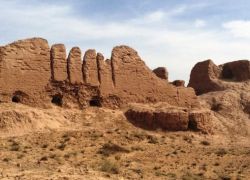
Ayaz Kala is an ancient fortress located in the desert of the Khorezm region of Uzbekistan, near the city of Urganch. This historical site, which is part of the ancient Khorezm civilization, dates back to the 4th century BC and is one of the most significant archaeological sites in the region. The fortress is part of a group of fortifications, including the nearby Kyzyl Kala and Toprak-Kala, which served as military and administrative centers during the time of the Khorezmian Kingdom. Ayaz Kala is especially known for its impressive ruins, which provide a fascinating glimpse into the history and architecture of the ancient Central Asian empires. How to Reach Ayaz Kala Ayaz Kala is located approximately 50 kilometers (31 miles) east of the city of Urganch, the administrative center of the Khorezm region. To reach Ayaz Kala from Urganch, travelers can hire a taxi, rent a car, or arrange for a guided tour. The drive takes about 1 hour, depending on road conditions. The roads leading to Ayaz Kala are well-maintained, though travelers should be prepared for a desert landscape, especially as they approach the site. For those traveling from other cities in Uzbekistan, the closest major airport is the Urganch International Airport (URT), which has domestic flights from Tashkent, Bukhara, and Samarkand. From the airport, visitors can easily take a taxi or minibus to the site. Alternatively, you can reach Urganch by train, as the city is connected to major cities like Samarkand and Bukhara by rail, and then continue to Ayaz Kala by taxi or local transport. Weather at Ayaz Kala Ayaz Kala is located in a semi-arid desert region, which means it experiences extreme temperatures throughout the year. The summers (June to August) are particularly hot, with temperatures often exceeding 40°C (104°F). It is important to take precautions if visiting during this period, such as wearing lightweight clothing, a hat, and sunscreen, as well as staying hydrated. The best time to visit Ayaz Kala is during the spring (April to June) or autumn (September to November) when temperatures are milder, ranging between 20°C and 30°C (68°F to 86°F). These months offer more comfortable conditions for exploring the ancient ruins. Winters (December to February) can be cold, with temperatures occasionally dipping below freezing, making it less ideal for outdoor visits, although the site remains open year-round. Timings of Ayaz Kala Ayaz Kala is an open-air archaeological site, and there are no specific opening or closing hours. Visitors can explore the ruins during daylight hours, typically from sunrise until sunset. However, it is advisable to visit in the early morning or late afternoon to avoid the heat of midday, especially in the summer months. Guided tours are available, and it is recommended to arrange a tour in advance, as these can enhance the experience by providing historical context to the ruins. Since Ayaz Kala is located in a remote desert area, it is a good idea to check with local tour operators or guides about the best times to visit and the availability of transportation. The site is less crowded compared to major tourist destinations, so visitors can enjoy a peaceful and immersive experience. Why Ayaz Kala is Famous Ayaz Kala is famous for its remarkable ruins, which offer a glimpse into the ancient history and military architecture of the Khorezmian Kingdom. The fortress, which consists of several structures built into the desert landscape, was likely used as a military stronghold to defend the region against invasions. The strategic location of Ayaz Kala, perched on a high point in the desert, allowed it to control the surrounding territory. The site is particularly famous for its well-preserved walls, massive defensive structures, and the remnants of residential and administrative buildings. The fortress was part of a larger complex of fortifications that served as a hub for the region’s military and political power. Visitors to Ayaz Kala can explore the ruins, walk along the old city walls, and imagine what life was like in this ancient fortress city. Ayaz Kala is also significant because it provides important archaeological evidence about the Khorezmian culture, which flourished in this area for centuries. Excavations at the site have uncovered pottery, tools, and other artifacts that offer insights into the daily life of its inhabitants, as well as their trade and cultural exchanges with neighboring regions along the Silk Road. Entry and Visit Details about Ayaz Kala Ayaz Kala does not have an entrance fee, as it is an open-air archaeological site. Visitors are free to explore the ruins at their own pace, but it is recommended to hire a local guide to enhance the experience and gain a deeper understanding of the site’s historical significance. Local guides are available in Urganch and can accompany visitors to Ayaz Kala, providing information about the history of the fortress and the Khorezmian Kingdom. When visiting Ayaz Kala, it is advisable to bring essentials such as water, snacks, a hat, sunscreen, and sturdy footwear, as the site involves walking over uneven terrain. There are no restaurants or facilities at the site, so visitors should come prepared for an outdoor adventure. There is no official infrastructure, but the site is accessible by car, and local guides are knowledgeable about the area. History and Architecture of Ayaz Kala Ayaz Kala is part of a series of ancient fortresses built in the Khorezm region during the early centuries of the first millennium AD. The site is believed to have been built by the Khorezmian rulers as a military fortification to defend the region from external threats. The fortress complex at Ayaz Kala is strategically located on a hill, offering sweeping views of the surrounding desert and allowing defenders to spot any approaching enemies from a distance. The architecture of Ayaz Kala is characteristic of ancient Central Asian fortresses, with thick walls, watchtowers, and large courtyards. The construction materials used for the fortifications include mud brick and adobe, which were common in ancient desert architecture due to their ability to withstand the extreme heat of the region. The walls of the fortress are still standing in places, and visitors can climb the ruins to get a sense of the site’s imposing scale. Inside the fortress, there are remnants of buildings that were likely used for residential, military, and administrative purposes. These buildings include storage rooms, living quarters, and large courtyards, suggesting that Ayaz Kala was not only a military stronghold but also a thriving community. Excavations at the site have revealed a wealth of artifacts, including pottery, tools, and weapons, which shed light on the daily lives of those who lived and worked within the fortress. Things to Do at Ayaz Kala There are plenty of activities for visitors to enjoy at Ayaz Kala. Here are some of the top things to do: Explore the ancient ruins of the fortress and walk along the city walls to take in the views of the surrounding desert. Climb the watchtowers to get a bird's-eye view of the surrounding landscape and imagine the strategic advantage the site offered its defenders. Take photographs of the impressive architecture and the surrounding desert landscape, which makes for great scenic photography. Learn about the history of the Khorezmian Kingdom and the role Ayaz Kala played in the region's defense against invaders. Visit nearby archaeological sites like Kyzyl Kala and Toprak-Kala to gain a deeper understanding of the ancient civilization that once thrived here. Facts about Ayaz Kala Ayaz Kala is one of the most important archaeological sites in Uzbekistan, particularly for understanding the history of the Khorezmian Kingdom. The fortress dates back to the 4th century BC, making it over 2,000 years old. It is part of a larger network of fortifications in the Khorezm region, which were used to protect the area from invasions. The site has been the subject of extensive archaeological excavations, yielding valuable insights into ancient Khorezmian culture and daily life. Ayaz Kala is located in the heart of the Kyzylkum Desert, which is part of the larger Central Asian desert landscape. Tips for Visiting Ayaz Kala Wear comfortable shoes as the terrain can be uneven and rocky. Bring plenty of water and snacks, as there are no facilities on-site. Hire a local guide to get a more in-depth understanding of the history and significance of the site. Visit early in the morning or late in the afternoon to avoid the intense midday heat, especially in summer. Don’t forget to bring a hat, sunscreen, and sunglasses for sun protection. In conclusion, Ayaz Kala is a fascinating destination for those interested in ancient history, architecture, and archaeology. With its well-preserved ruins and strategic location, it provides a unique glimpse into the past and the life of the Khorezmian civilization.
Explore More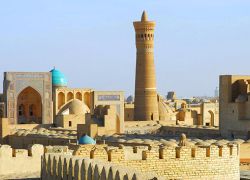
Khorezm Regional History musuem
The Khorezm Regional History Museum, located in Urganch, the administrative center of the Khorezm region of Uzbekistan, is a fascinating place for those interested in learning about the rich history and culture of the Khorezmian civilization. This museum offers an extensive collection of artifacts, historical exhibits, and art pieces that highlight the region's history from ancient times through to the modern era. Whether you are a history enthusiast or simply curious about the past of Uzbekistan, the Khorezm Regional History Museum is a must-visit attraction. How to Reach Khorezm Regional History Museum The Khorezm Regional History Museum is located in the city of Urganch, which is easily accessible by several forms of transportation. The most convenient way to reach Urganch is by flying into Urganch International Airport (URT), which offers both domestic and international flights. From the airport, visitors can take a taxi or rent a car to reach the museum, which is located in the city center, just a short drive from the airport. Alternatively, visitors can take a train to Urganch Railway Station, which connects to other major cities in Uzbekistan, such as Tashkent, Bukhara, and Samarkand. From the train station, taxis and local transportation can take you to the museum. Local buses and shared taxis are also available for travel around Urganch, providing another way to reach the museum. Weather in Urganch The weather in Urganch is typically dry and continental, with hot summers and mild winters. Summer temperatures can soar above 40°C (104°F) from June to August, making it one of the hottest regions in Uzbekistan. If you're planning to visit the Khorezm Regional History Museum during these months, it's recommended to visit early in the morning or later in the afternoon to avoid the intense heat. The best times to visit are during spring (April to June) or autumn (September to November) when temperatures are more moderate, between 20°C and 30°C (68°F to 86°F), making outdoor exploration more comfortable. Winter (December to February) is generally cold, but the weather is still relatively mild compared to other parts of Uzbekistan, making it possible to visit the museum year-round. Timings of Khorezm Regional History Museum The Khorezm Regional History Museum is typically open to visitors from 9:00 AM to 6:00 PM daily, with a break for lunch in the afternoon. It is recommended to check in advance for any changes to the schedule, as the museum may occasionally close for holidays or special events. It is also advisable to visit the museum in the morning, as it tends to be less crowded during this time. The museum is open to both local and international visitors, and it offers guided tours in Uzbek and Russian. If you prefer a tour in English, it's a good idea to request this when planning your visit, as English-speaking guides may be available upon request. Why Famous for Khorezm Regional History Museum The Khorezm Regional History Museum is famous for its extensive collection of artifacts that showcase the rich cultural heritage of the Khorezm region. The museum is a treasure trove of historical objects, ranging from ancient archaeological finds to medieval Islamic art, offering a comprehensive overview of the region's development through the centuries. One of the most famous exhibits at the museum is its collection of artifacts from the Khorezmian civilization, which flourished in the region for over a thousand years. The museum also showcases the history of the Khorezmian rulers, the region’s role in the Silk Road trade, and the cultural exchanges that shaped the region's development. Additionally, the museum has exhibits on the history of the Soviet era and Uzbekistan’s independence. The museum also features important archaeological finds from the ancient city of Urganch and other Khorezmian settlements, including pottery, tools, jewelry, and coins. These objects provide valuable insights into the daily life, art, and technology of the ancient Khorezmians, offering a glimpse into a civilization that was both advanced and influential in the region. Entry and Visit Details about Khorezm Regional History Museum Entry to the Khorezm Regional History Museum is affordable, with a small fee for both local and foreign visitors. Tickets can be purchased at the entrance of the museum, and it’s a good idea to check with the museum staff about any discounts or group rates if traveling with a larger party. Visitors are encouraged to take a guided tour for a deeper understanding of the exhibits, although self-guided visits are also possible. While exploring the museum, visitors are welcome to take photographs of most exhibits, although flash photography may not be allowed to preserve the delicate artifacts. The museum staff are friendly and knowledgeable, and they can provide you with helpful information about the displays if you have questions. If you are visiting with children, the museum can be a great educational experience. The exhibits are designed to engage all ages, and there are often interactive displays that make learning about the region’s history more enjoyable for young visitors. History and Architecture of Khorezm Regional History Museum The Khorezm Regional History Museum is housed in a modern building that blends contemporary design with traditional architectural elements. The building itself is spacious, with multiple halls dedicated to different periods of the region’s history. The museum’s architecture reflects the city's rich cultural heritage, with intricate tilework, arches, and decorative elements that echo the Islamic architectural style of the region. The museum’s collection covers a wide range of periods, from ancient times to the present day. Its historical exhibits trace the rise and fall of various civilizations that inhabited the Khorezm region, with a focus on the Khorezmian Kingdom, one of the most powerful and influential empires in Central Asia. The museum also explores the region’s connections to the Silk Road, highlighting the cultural exchange and trade that took place along this ancient route. Some of the most significant historical sections of the museum focus on the medieval period, when the Khorezmian Empire flourished. During this time, the region was known for its advanced architecture, science, and art. The museum showcases this era with artifacts that include finely crafted ceramics, ornate metalwork, and manuscripts. Things to Do at Khorezm Regional History Museum While visiting the Khorezm Regional History Museum, there are several activities to enhance your experience: Take a guided tour to learn more about the history of the Khorezm region and the ancient civilizations that lived there. Admire the intricately designed exhibits, including pottery, coins, and manuscripts from various historical periods. Explore the museum’s collection of Islamic art, which showcases the beauty of Central Asian design and architecture. Attend special events or exhibitions that are occasionally held at the museum, offering a deeper insight into specific topics related to the region’s history. Visit the museum’s gift shop, where you can purchase books, souvenirs, and other items related to the history and culture of Khorezm. Facts about Khorezm Regional History Museum The Khorezm Regional History Museum was established to preserve and showcase the cultural heritage of the Khorezm region. The museum’s collection includes over 10,000 artifacts, spanning more than 3,000 years of history. The museum features exhibits on the ancient Khorezmian Kingdom, the Silk Road, the Islamic period, and the Soviet era. Many of the artifacts on display were discovered through archaeological excavations at ancient Khorezmian sites such as Ayaz Kala and Toprak-Kala. The museum is an essential educational resource for those interested in the history of Uzbekistan and Central Asia. Tips for Visiting Khorezm Regional History Museum Plan your visit early in the day to avoid crowds, especially on weekends or public holidays. Wear comfortable shoes, as there is a lot to explore inside the museum. If you're interested in a more in-depth experience, consider hiring a local guide who can explain the significance of the exhibits. Respect the museum’s rules about photography, especially in areas where artifacts are delicate. Check for any special events or temporary exhibitions that may be taking place during your visit. In conclusion, the Khorezm Regional History Museum in Urganch offers a unique opportunity to dive deep into the cultural and historical richness of the Khorezm region. Whether you're an avid history buff or just curious about Central Asia’s past, the museum provides an unforgettable experience that combines art, history, and culture in one accessible location.
Explore More4 Night - 5 Days Uzbekistan - Tashkent Tour Package
5 Days/ 4 Night
Tashkent
Heritage Trails Of Uzbekistan - 7 Days Tour
7 Days/ 6 Night
Tashkent - Khiva - Bukhara
Uzbekistan - The Jewel Of The Silk Road 8 Days - 7 Nights Tour
8 Days/ 7 Night
Tashkent - Khiva - Bukhara
4N Tashkent - Uzbekistan Tour
5 Days/ 4 Night
Tashkent
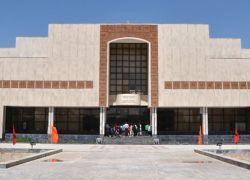
The Nukus Museum of Art, located in the city of Nukus in Uzbekistan's autonomous Karakalpakstan region, is one of Central Asia's most important and unique cultural institutions. Known for its extensive collection of Soviet and Central Asian art, the museum provides a fascinating look into the region's artistic heritage and history. The museum's collection features thousands of pieces that cover a wide range of artistic styles, including avant-garde art, traditional Uzbek art, and a stunning array of works from the Soviet era. Whether you're an art enthusiast or someone interested in learning about the diverse culture of Central Asia, the Nukus Museum of Art is an essential stop in Uzbekistan. How to Reach Nakus Museum of Art The Nakus Museum of Art is located in Nukus, the administrative center of the Karakalpakstan region, in the western part of Uzbekistan. Nukus is relatively easy to reach by air, road, and rail from major cities like Tashkent, Bukhara, and Samarkand. The most convenient way to reach Nukus is by flying into Nukus International Airport (NQS), which has regular flights from Tashkent, the capital of Uzbekistan. From the airport, visitors can take a taxi or arrange for transport to the museum, which is located in the city center, approximately 20-30 minutes away. Alternatively, visitors can travel to Nukus by train. The city is well-connected by the rail network, with trains running from Tashkent, Bukhara, and other cities in Uzbekistan. Once in Nukus, taxis or local transport options can take you directly to the museum. Weather in Nukus Nukus has a hot desert climate, typical of the Central Asian region. Summers (from June to August) can be extremely hot, with temperatures often exceeding 40°C (104°F). The best times to visit the museum are in the cooler months, during spring (April to June) and autumn (September to November), when the temperatures are more comfortable, ranging from 20°C to 30°C (68°F to 86°F). Winters (from December to February) in Nukus are typically cold, with temperatures dropping to around 0°C (32°F), although it rarely snows. Regardless of the season, it's always a good idea to bring light clothing for the day and a jacket for the evening, especially if you're visiting during the colder months. Timing of Nakus Museum of Art The Nukus Museum of Art is generally open to visitors from 9:00 AM to 6:00 PM, Tuesday through Sunday. It is closed on Mondays. It’s advisable to visit the museum earlier in the day to avoid crowds, especially during the tourist season. The museum offers guided tours in Russian and Uzbek. If you wish to have a tour in English, it’s recommended to arrange this in advance. The museum can get busy during public holidays or weekends, so planning your visit on weekdays is often more peaceful. Why Famous for Nakus Museum of Art The Nukus Museum of Art is internationally famous for its impressive collection of Soviet-era avant-garde art, including works that were banned or suppressed during the Stalinist period. The museum was founded by the late Igor Savitsky, a Russian-born art collector and enthusiast, who dedicated his life to preserving and showcasing the unique artistic heritage of Central Asia. Savitsky’s efforts resulted in a collection that includes over 90,000 pieces of art, making it one of the largest and most comprehensive art collections in Central Asia. What makes the museum truly remarkable is its focus on the art of Uzbekistan and the wider Central Asian region, with a particular emphasis on the works created during the Soviet era. Many of the artists featured in the museum were marginalized or persecuted for their avant-garde style, making their works even more significant in the context of art history. In addition to Soviet art, the museum showcases a large collection of traditional Uzbek art, including textiles, ceramics, and embroidery, reflecting the region's deep cultural heritage. Entry and Visit Details about Nakus Museum of Art Visiting the Nukus Museum of Art is affordable, with a small entrance fee for both local and international visitors. Tickets can be purchased at the museum entrance, and it’s recommended to check the opening hours in advance, especially if visiting during public holidays or busy tourist seasons. The museum offers a range of exhibits that can be enjoyed by visitors of all ages, making it a great destination for families and students. There are also occasional temporary exhibits that focus on specific themes or artists, which can be an excellent way to experience new aspects of the museum’s vast collection. For those who want a more in-depth experience, guided tours are available in Russian and Uzbek. While English-speaking guides are not always readily available, it's possible to arrange a tour in advance. Many visitors also choose to explore the museum at their own pace, as the exhibits are well-organized and easy to follow. History and Architecture of Nakus Museum of Art The museum itself is housed in a modern building that was designed to accommodate the growing collection of art. The building is spacious and features a clean, minimalist design, allowing the art to take center stage. The architecture of the museum is functional, with large halls that allow for the display of larger works of art and a design that creates a comfortable space for visitors to explore the exhibits at their own pace. The museum’s collection includes both Soviet-era avant-garde art and traditional Central Asian artworks. One of the most fascinating aspects of the collection is the Soviet-era paintings, which were often considered subversive and banned in the Soviet Union for their avant-garde and experimental style. These works were rediscovered and preserved by Igor Savitsky, who believed that these artists should not be forgotten. Additionally, the museum showcases a variety of traditional art forms, including textiles, pottery, and woodwork, reflecting the diverse culture of Uzbekistan. The collection also includes ancient artifacts and archaeological finds, giving visitors a comprehensive understanding of the region's artistic evolution over time. Things to Do at Nakus Museum of Art While at the Nakus Museum of Art, visitors can: Explore the extensive collection of Soviet-era avant-garde art and learn about the artists who were persecuted for their innovative work. Admire the beautiful traditional Uzbek art and craftsmanship, from carpets and textiles to ceramics and paintings. Attend temporary exhibitions or special events, which often feature works from contemporary Central Asian artists or focus on specific artistic themes. Take a guided tour to gain deeper insights into the historical context of the exhibits and the significance of the art displayed. Visit the museum shop to purchase unique souvenirs, such as art books, prints, and other culturally significant items related to the region’s artistic heritage. Facts about Nakus Museum of Art The Nakus Museum of Art was founded in 1966 by Igor Savitsky, a Russian art collector who dedicated his life to preserving Central Asian art. The museum is home to over 90,000 pieces of art, making it one of the largest art collections in Central Asia. The museum is famous for its extensive collection of Soviet-era avant-garde art, much of which was banned or suppressed during the Stalinist period. It also houses a significant collection of traditional Uzbek art, including textiles, ceramics, and metalwork. The museum is a cultural hub for the region, offering art exhibitions, educational programs, and events that highlight Central Asian art and culture. Tips for Visiting Nakus Museum of Art Bring a camera to capture the stunning art on display, but remember that flash photography is typically prohibited. Visit early in the day to avoid crowds and have a more peaceful experience while exploring the exhibits. Dress comfortably, as the museum is quite large and you will likely do a lot of walking while viewing the art. Check the museum’s schedule for any temporary exhibitions or special events that may coincide with your visit. Consider hiring a local guide or joining a group tour to gain a deeper understanding of the museum’s collection, especially if you are unfamiliar with Soviet art or Central Asian history. In conclusion, the Nakus Museum of Art is a must-visit cultural institution in Uzbekistan, offering a unique and comprehensive collection of art that spans both Soviet and traditional Uzbek styles. Its rich history, incredible collection, and peaceful ambiance make it a great place to learn more about the region's artistic legacy. Whether you’re an art lover or simply looking to explore the hidden gems of Uzbekistan, a visit to the Nakus Museum is sure to be an enriching and memorable experience.
Explore More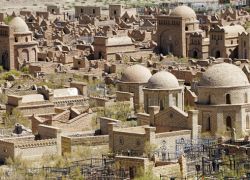
The Mizdakhan Necropolis, located near Nukus in the Karakalpakstan region of Uzbekistan, is a significant archaeological site with a rich historical and cultural legacy. This ancient cemetery complex, which dates back to the 4th century BCE, is one of the most important historical landmarks in Uzbekistan. Mizdakhan holds great spiritual significance as it was once a major center of Zoroastrian and Islamic worship, making it an interesting stop for history and archaeology enthusiasts. How to Reach Mizdakhan Necropolis Reaching Mizdakhan Necropolis requires some planning as it is located in a remote area. The easiest way to start your journey is by flying to Nukus, the capital of the Republic of Karakalpakstan, which is well-connected by domestic flights from Tashkent and other major cities in Uzbekistan. Once in Nukus, you can hire a taxi or arrange a tour to take you to the necropolis, which is about 25 kilometers (16 miles) southeast of the city. The road to Mizdakhan is relatively easy to navigate, although some sections may be unpaved. It is recommended to hire a guide or join an organized tour as local knowledge is helpful when visiting the site. Tours usually include transportation and a guide who can explain the history and significance of the site in detail. The trip from Nukus to Mizdakhan takes approximately 30-40 minutes by car, depending on road conditions. Weather in Nukus and Mizdakhan Necropolis Nukus and the surrounding areas, including Mizdakhan, experience a desert climate with extremely hot summers and cold winters. During the summer months (June to August), temperatures regularly exceed 40°C (104°F), which can make the area very uncomfortable for sightseeing, especially during the midday hours. Therefore, it’s recommended to visit Mizdakhan in the spring (April to June) or autumn (September to November) when the temperatures are more moderate, ranging between 20°C and 30°C (68°F to 86°F). Winter temperatures in the region can drop below freezing, with occasional snowstorms and freezing winds. While winter is not the best time to visit Mizdakhan, it can still offer a unique experience for those who prefer solitude and don’t mind the cold. Be sure to dress in layers and check the weather forecast before your visit. Why Famous for Mizdakhan Necropolis Mizdakhan Necropolis is famous for being one of the most significant historical and religious sites in Central Asia. It is an extensive burial ground that spans several millennia, with its origins believed to date back to the 4th century BCE. The necropolis is primarily known for its unique combination of Zoroastrian, Buddhist, and Islamic influences, making it an important place of worship and pilgrimage throughout different historical periods. The site is renowned for its well-preserved mausoleums, tombs, and religious structures, which reflect the architectural styles of the various cultures that once thrived in the region. Mizdakhan was a major religious center during the pre-Islamic period and continued to be an important Islamic site during the medieval era. Today, it is recognized for its architectural beauty and historical significance as a symbol of the diverse religious history of Central Asia. Entry and Visit Details about Mizdakhan Necropolis Visiting Mizdakhan Necropolis is relatively simple, though it requires some preparation due to its location in a desert region. There are no formal entry fees to visit the necropolis, but visitors should be aware that the site is still a place of religious importance, and respectful behavior is expected at all times. The necropolis is not yet fully developed as a tourist attraction, meaning facilities such as signage, visitor centers, or public restrooms are minimal. However, the site is open to visitors, and walking through the complex allows for a unique and peaceful experience in a historic setting. It’s advisable to visit with a local guide, who can provide context and explanations about the site’s history and significance. While there are no accommodations directly at the site, visitors can stay in Nukus, where there are several hotels and guesthouses. It is recommended to bring sufficient water, sunscreen, and food when visiting, especially during the summer months when temperatures can be high. History and Architecture of Mizdakhan Necropolis The history of Mizdakhan Necropolis is rich and complex, with layers of cultural and religious significance. Archaeological evidence suggests that the site was used as a burial ground for thousands of years, starting from ancient times. It is believed that the necropolis was initially established as a Zoroastrian cemetery in the 4th century BCE. Over the centuries, Mizdakhan evolved into an important religious center for various cultures and faiths, including Buddhists, Zoroastrians, and later Muslims. One of the most fascinating aspects of Mizdakhan is its architectural diversity. The necropolis features tombs, mausoleums, and mosques that reflect a blend of styles from the different religious traditions that passed through the region. The most notable structures are the domed mausoleums, many of which are still intact and provide insight into the advanced building techniques used by the ancient inhabitants of the region. Among the most famous structures at Mizdakhan is the Shahid Ata Mausoleum, which is an excellent example of Islamic architecture. The tomb is characterized by its grand dome and intricate tilework. Another important feature is the multi-chambered tombs, which were used to bury several individuals from the same family or clan. The architecture of the site also includes Zoroastrian fire altars and Buddhist stupas, which reflect the long and varied religious history of the region. The site’s significance as a spiritual center, spanning multiple faiths, makes it one of the most fascinating historical landmarks in Central Asia. Things to Do at Mizdakhan Necropolis There are several activities and things to do when visiting the Mizdakhan Necropolis that will help you appreciate the cultural and historical significance of the site. Here are a few suggestions: Explore the Mausoleums: The highlight of any visit to Mizdakhan is exploring the mausoleums and tombs, each with unique architectural features and fascinating histories. Learn About the Site's Religious Significance: Visiting the ancient Zoroastrian and Islamic structures offers a deeper understanding of the spiritual history of the region. Photography: The striking architecture and peaceful desert setting make Mizdakhan a photographer’s paradise. Capture the intricate tilework, grand domes, and surrounding landscapes. Enjoy the Peaceful Atmosphere: Mizdakhan is a quiet and reflective place, ideal for anyone seeking solitude or interested in experiencing the spiritual tranquility of an ancient site. Facts About Mizdakhan Necropolis The Mizdakhan Necropolis is one of the oldest burial grounds in Central Asia, with evidence of its use dating back to the 4th century BCE. The necropolis is home to a unique blend of Zoroastrian, Buddhist, and Islamic architectural styles. One of the most famous sites in the necropolis is the Shahid Ata Mausoleum, known for its domed structure and intricate tilework. Mizdakhan has significant cultural importance and is a symbol of the religious diversity that has shaped Central Asia over the centuries. Tips for Visiting Mizdakhan Necropolis Wear comfortable shoes and clothing, as you will be walking through sandy and uneven terrain. Bring plenty of water, especially during the summer months when temperatures can be very high. Hiring a local guide is recommended to gain a deeper understanding of the history and significance of the site. Respect the sacred nature of the site, as Mizdakhan is still a place of religious and spiritual importance. Plan your visit during the spring or autumn months when the weather is milder and more conducive to exploring the site comfortably.
Explore More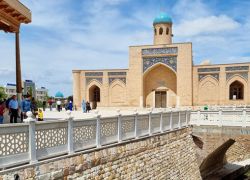
Nurata is an ancient city located in the heart of Uzbekistan, in the autonomous Republic of Karakalpakstan, not far from the capital city of Nukus. Steeped in history, Nurata has been an important cultural, religious, and military center for centuries. The town is famous for its stunning natural surroundings, its role as a key stop on the ancient Silk Road, and the significant historical monuments it houses, including the Nurata fortress and the sacred Chashma Spring. How to Reach Nurata Reaching Nurata from Nukus is relatively straightforward, although it requires some planning as it is situated in a remote part of Uzbekistan. The most common route is to fly into Nukus, which is the closest city with an airport offering domestic connections from Tashkent and other major Uzbek cities. Once in Nukus, the easiest way to reach Nurata is by car or taxi. The journey is about 170 kilometers (around 105 miles) and takes approximately 3-4 hours by road. Although public transportation options such as buses are available, hiring a private vehicle or joining a guided tour is recommended, as it offers more comfort and flexibility. The roads are generally in good condition, but visitors should be prepared for long stretches through the semi-desert landscape. Weather in Nurata Nurata experiences a typical desert climate, with hot summers and cold winters. Summer temperatures can soar above 40°C (104°F) from June to August, making this period quite challenging for outdoor exploration. For those who wish to avoid the extreme heat, it’s best to visit during the spring (April to June) or autumn (September to November), when temperatures are more moderate, ranging from 20°C to 30°C (68°F to 86°F). Winter in Nurata (December to February) can be cold, with temperatures occasionally dropping below freezing. Snowfall is rare but can happen in the surrounding mountain areas. It’s advisable to plan a visit during the more temperate seasons to enjoy outdoor activities like hiking or sightseeing comfortably. Why Famous for Nurata Nurata is renowned for its historical and cultural significance. The city was an important stop on the ancient Silk Road, serving as a trade and cultural exchange hub between the East and the West. Today, it remains an important destination for history enthusiasts and travelers interested in Uzbekistan’s rich heritage. The city is particularly famous for its ancient Nurata Fortress, which dates back to the 3rd century BCE and was originally built as a military stronghold. The fortress offers panoramic views of the surrounding semi-desert landscape. Additionally, the Chashma Spring, a holy site for many locals, is believed to have healing properties, and the town is known for its numerous mausoleums and mosques. Nurata is also famous for its proximity to the Nuratau Mountains, an area that offers stunning natural beauty and a haven for eco-tourism. This region is perfect for those seeking outdoor activities such as hiking, birdwatching, or camping in a pristine environment. Entry and Visit Details About Nurata There are no formal entry requirements to visit Nurata as it is an open town. However, if you are planning to visit specific historical sites like the Nurata Fortress or the Chashma Spring, it’s recommended to check with local tour operators about possible entry fees. Most of the attractions in Nurata are outdoors, making them accessible year-round, though it’s best to check the weather conditions beforehand, especially in the summer months. For those planning a more in-depth visit, several local hotels and guesthouses in Nurata provide basic accommodations. These places cater mainly to travelers who are exploring the town for a few days. There are no luxury hotels, so those looking for modern amenities should plan their stay in Nukus, which has a wider range of accommodations. In terms of transportation, as mentioned, the best way to explore the region is by hiring a car or booking a guided tour. Most visitors arrive from Nukus, and local tours can be arranged either directly or through hotels in Nukus. When touring the historical sites, visitors should dress modestly, especially when visiting religious places. History and Architecture of Nurata The history of Nurata dates back over 2,000 years. It was founded by Alexander the Great in 327 BCE as a military base during his conquest of the region. The ancient Nurata Fortress, built atop a hill, served as a key defense point. This fortress, along with its surrounding walls and gates, remains one of the major historical attractions in the city. The architecture of the fortress is an excellent example of ancient military construction, with its massive stone walls and towers designed to withstand attacks. In addition to the fortress, Nurata is also home to a number of Islamic architectural gems, including mosques, mausoleums, and madrasas. The Chashma Spring, which is a key religious site, is believed to have been visited by Alexander the Great’s soldiers, who are said to have drunk from the spring for its purported healing properties. Over time, it has become an important pilgrimage site for local Muslims. The city also boasts traditional Central Asian architecture with its adobe buildings, wooden doors, and intricately designed minarets. The historical structures reflect the unique blend of Persian and Turkic influences that have shaped the city over the centuries. Today, visitors can walk through the narrow alleys and streets of Nurata, marveling at its architectural heritage and the serenity of the landscape. Things to Do in Nurata There are plenty of things to do in and around Nurata, from exploring its ancient history to immersing oneself in the natural beauty of the surrounding mountains and deserts. Here are some activities to consider during your visit: Visit the Nurata Fortress: Explore the ancient military fortress built by Alexander the Great. The views from the fortress are spectacular, and the site is an excellent spot for history lovers. Chashma Spring: Drink from the sacred Chashma Spring, believed to have healing properties. The spring is a major religious site, and it’s a peaceful place to relax. Hiking in the Nuratau Mountains: The Nuratau Mountains offer numerous hiking trails with breathtaking views of the surrounding landscape. It’s a great spot for nature lovers, wildlife enthusiasts, and photographers. Birdwatching: The mountains and surrounding areas are home to a diverse range of bird species, making Nurata an ideal destination for birdwatching. Camping in the Desert: For the more adventurous, camping in the desert offers a unique experience under the stars. The vast desert landscape is particularly mesmerizing at sunset. Facts About Nurata The name "Nurata" is derived from the Persian word "nur," meaning "light," and "ta," meaning "mountain," referring to the town’s location near the Nuratau Mountains. Nurata was founded by Alexander the Great in 327 BCE as a military base to secure the region after his conquest. The Nurata Fortress was a strategic defense point and played a significant role in the history of the region. The town is famous for its holy Chashma Spring, which is believed to have healing properties and has been a pilgrimage site for centuries. The surrounding Nuratau Mountains are a haven for eco-tourism, with activities such as hiking, birdwatching, and camping being popular among visitors. Tips for Visiting Nurata Bring plenty of water and sunscreen, especially if visiting during the hot summer months. Hire a local guide to gain deeper insight into the history and significance of Nurata’s monuments. Dress modestly when visiting religious sites such as the Chashma Spring and local mosques. Visit during the spring or autumn for the most pleasant weather and to avoid the extreme heat of the summer. Be prepared for limited services and basic accommodations, especially if staying overnight in Nurata.
Explore More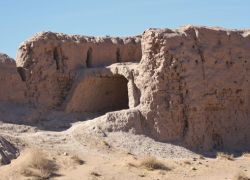
Ayaz Kala is a fascinating ancient site located in the Kyzylkum Desert, near the city of Nukus in Uzbekistan's autonomous Republic of Karakalpakstan. A must-visit for those interested in history, archaeology, and desert landscapes, Ayaz Kala consists of a series of ancient ruins that date back to the 4th century BCE. The site is part of the greater archaeological landscape of the ancient Khorezmian civilization and is renowned for its unique desert fortresses that have withstood the test of time. How to Reach Ayaz Kala Ayaz Kala is located about 120 kilometers (75 miles) southeast of Nukus, the capital of the Karakalpakstan region. The easiest way to reach Ayaz Kala is to first fly into Nukus from Tashkent or other major cities in Uzbekistan. After arriving in Nukus, you can hire a taxi or join an organized tour to reach the site. The journey to Ayaz Kala takes about 2.5 to 3 hours by car, depending on the road conditions. The road from Nukus to Ayaz Kala is mostly unpaved and passes through the harsh desert landscape, so it is recommended to travel with a guide who is familiar with the area. Many visitors prefer to take a tour to the site since it ensures safety, convenience, and a local guide who can provide insights into the history and significance of the ruins. Weather in Ayaz Kala Ayaz Kala, being located in the arid Kyzylkum Desert, experiences a desert climate with extremely hot summers and cold winters. During the summer months (June to August), temperatures can easily reach 40°C (104°F) or higher, making it uncomfortable for outdoor exploration. If you're planning to visit during this period, it is crucial to take precautions against heat exhaustion by wearing protective clothing, bringing plenty of water, and avoiding midday excursions. The best time to visit Ayaz Kala is during the spring (April to June) or autumn (September to November), when the weather is more temperate, with daytime temperatures ranging between 20°C and 30°C (68°F to 86°F). These seasons are perfect for sightseeing and desert exploration without the extreme temperatures. Winter (December to February) can be cold, with temperatures dropping below freezing, but it is also an option for those seeking a more tranquil, off-season visit. Why Famous for Ayaz Kala Ayaz Kala is famous for its well-preserved ruins, which are part of an ancient settlement complex that once served as a fortified city and military stronghold. The site consists of a series of forts, including the largest and most famous of them, Ayaz Kala Fortress. These fortresses are important examples of the ancient Khorezmian civilization, offering a glimpse into the past of Central Asia’s desert-dwelling cultures. Ayaz Kala is also famous for its strategic location along the ancient trade routes of the Silk Road. The fortress complex was designed to protect the region from invasions and to control the movement of people and goods passing through the desert. The fortresses are situated in a way that provides excellent views of the surrounding desert, and their construction reflects the advanced engineering techniques of the time. The site is of great historical significance and attracts tourists and archaeologists alike, thanks to its preservation of ancient Khorezmian architecture and its mysterious aura. The ruins, combined with the desert landscape, create a haunting yet awe-inspiring atmosphere for visitors interested in history and archaeology. Entry and Visit Details About Ayaz Kala Ayaz Kala is open to the public, and visiting the site is free of charge. There are no formal entry fees, but visitors should be aware that the site is in a remote area, and basic facilities are limited. Visitors are encouraged to bring their own water, food, and sunscreen for their visit, as the desert can be harsh, especially in the summer months. While there are no dedicated visitor centers or public transportation options directly to Ayaz Kala, many tour operators in Nukus offer organized trips to the site. These tours typically include transportation, a guide, and a chance to explore the archaeological site in depth. Visitors can also explore the site independently, but having a guide is recommended to better understand the historical significance of the ruins. The best time to visit Ayaz Kala is during daylight hours, and most visitors spend around 2-3 hours exploring the site. Since the fortresses are located in a desert environment, it is advisable to avoid visiting during extreme heat. Bringing sturdy footwear is important for walking through the uneven terrain and sand dunes surrounding the fortresses. History and Architecture of Ayaz Kala The Ayaz Kala site dates back to the 4th century BCE and is part of the ancient Khorezmian civilization that flourished in the region between the Amu Darya and Syr Darya rivers. The ruins include a number of mud-brick fortresses, which were strategically built atop natural hills to offer panoramic views of the surrounding desert. The Ayaz Kala Fortress complex consists of three primary fortresses: Ayaz Kala I (the main fortress), Ayaz Kala II, and Ayaz Kala III. The first fortress, Ayaz Kala I, is the largest and most famous. It was built as a military stronghold, and its architecture reflects the engineering prowess of the time. The fortress is characterized by its high walls, which were designed to withstand attacks, and its large courtyards where soldiers and animals would have lived. The architecture of Ayaz Kala is a blend of ancient defensive design and local building techniques. The walls of the fortress are made from mud bricks, and the structures are built to blend seamlessly with the desert surroundings. The site includes several large watchtowers and gateways, as well as a network of living quarters and storage rooms. The design of the fortresses suggests that the inhabitants of Ayaz Kala were skilled builders and engineers, capable of surviving in a harsh desert environment. Things to Do in Ayaz Kala While the primary attraction at Ayaz Kala is the ancient fortress complex, there are several other activities and things to do for those interested in exploring the region's history, nature, and culture. Some of the most popular activities include: Explore the Ruins: Wander through the ancient fortresses and ruins of Ayaz Kala. Take time to appreciate the historical significance of the site and enjoy the panoramic views of the desert landscape. Photography: Ayaz Kala is a photographer’s paradise, offering stunning desert vistas, ancient architecture, and unique lighting conditions, especially during sunrise and sunset. Desert Exploration: Ayaz Kala is located in the heart of the Kyzylkum Desert, so visitors can explore the vast sandy terrain surrounding the fortresses. This is a great opportunity for those interested in desert landscapes and wildlife. Stargazing: The desert skies around Ayaz Kala are incredibly clear, making it a perfect spot for stargazing at night. The remoteness of the site offers minimal light pollution, allowing visitors to witness a breathtaking night sky. Visit Other Local Sites: After exploring Ayaz Kala, visitors can check out other nearby historical sites in the Nukus region, such as the Mizdakhan Necropolis or the Nukus Archaeological Museum. Facts About Ayaz Kala Ayaz Kala was once part of the ancient Khorezmian civilization, which flourished between the Amu Darya and Syr Darya rivers. The site consists of three primary fortresses: Ayaz Kala I, Ayaz Kala II, and Ayaz Kala III, with Ayaz Kala I being the most well-preserved and famous. The fortresses were built atop hills to provide a strategic advantage, offering panoramic views of the surrounding desert and trade routes. Ayaz Kala is known for its mud-brick architecture, which reflects the building traditions of ancient Central Asia. The site was likely used as a military stronghold and played a key role in controlling desert trade routes during ancient times. Tips for Visiting Ayaz Kala Bring plenty of water, sunscreen, and snacks, especially during the hot summer months, as the site is located in a desert. Wear sturdy, comfortable shoes to navigate the uneven terrain and sand dunes around the fortresses. Consider hiring a guide to get the most out of your visit and to gain a deeper understanding of the history and significance of the site. Visit early in the morning or late in the afternoon to avoid the heat of the midday sun. Respect the local environment by not disturbing the ruins and surrounding desert ecosystem.
Explore More
Muynak is a small, remote town located in the Republic of Karakalpakstan, Uzbekistan. Once a thriving port on the Aral Sea, Muynak is now known for its haunting landscapes and as a symbol of the ecological disaster caused by the shrinking of the Aral Sea. This town, once prosperous due to its location on the sea’s shores, now stands as a testament to the environmental and social impacts of the Aral Sea crisis. Despite its decline, Muynak has gained attention from environmentalists, photographers, and travelers interested in its unique history and stark landscapes. How to Reach Muynak Muynak is situated approximately 200 kilometers (124 miles) from Nukus, the capital of the autonomous Republic of Karakalpakstan in Uzbekistan. The town is accessible by road from Nukus, with the journey taking about 3 to 4 hours by car. While there are no direct flights to Muynak, visitors can take a flight to Nukus from Tashkent, Uzbekistan’s capital, or other major cities in the country. Once in Nukus, travelers can hire a car, taxi, or take a guided tour to reach Muynak. The route is mainly a desert road that crosses the Kyzylkum Desert, so it is highly recommended to travel with a guide or a local driver who is familiar with the area. There are no public transportation options directly connecting Nukus to Muynak, so independent travel by car is the most convenient option. Weather in Muynak Muynak lies in an arid region of Uzbekistan, with an extreme desert climate characterized by hot summers and cold winters. During the summer months (June to August), temperatures can soar above 40°C (104°F), making this time of year quite harsh for outdoor activities. The best time to visit Muynak is during the spring (April to June) or autumn (September to November) when temperatures are more manageable, ranging between 20°C to 30°C (68°F to 86°F). Winters in Muynak (December to February) can be quite cold, with temperatures often falling below freezing, especially in the evenings. Although snowfall is rare, the desert nights can be chilly, so visitors should prepare accordingly. Visitors should avoid visiting during the extreme heat of summer unless they are prepared for the intense temperatures. Why Famous for Muynak Muynak is most famous for its connection to the Aral Sea disaster. Once a prosperous port town on the shores of the Aral Sea, Muynak’s economy relied heavily on fishing, shipping, and trade via the sea. However, beginning in the 1960s, large-scale irrigation projects diverted water from the two major rivers feeding the Aral Sea (the Amu Darya and Syr Darya), causing the water levels of the sea to decrease dramatically. As a result, the Aral Sea began to shrink, and by the 1980s, it had receded so far that Muynak was no longer located on the sea’s shores but instead miles away from it. Today, Muynak is best known for its "Ship Graveyard" – a surreal collection of abandoned fishing boats and vessels that now sit rusting in the desert, far from the once-thriving waters of the Aral Sea. These rusting ships have become an iconic image of environmental destruction, drawing photographers, tourists, and environmentalists from around the world. The Ship Graveyard is one of the most photographed locations in Uzbekistan, symbolizing the consequences of unsustainable water management practices. The town itself has become a symbol of the loss of livelihoods and cultural shifts brought about by the drying of the Aral Sea. Muynak’s decline, from a fishing hub to a nearly abandoned town, stands as a stark reminder of one of the world’s most profound environmental disasters. Entry and Visit Details About Muynak Visiting Muynak is free, and there are no formal entry fees for exploring the town and its key attractions, such as the Ship Graveyard. However, since Muynak is located in a remote area, there are limited amenities and services available in the town. It’s advisable to bring along essential supplies such as food, water, and other necessities when planning a visit. The main attraction in Muynak is the Ship Graveyard, where visitors can walk among the abandoned boats and ships. There are also remnants of the once-thriving fishing industry, including rusted fish-processing plants and old warehouses. The town also has a small museum that offers information about the history of Muynak and the environmental changes that led to the disappearance of the Aral Sea. Visitors should plan to visit Muynak during daylight hours, as there is no infrastructure for overnight stays in the town itself. Most tourists base themselves in Nukus, where they can find accommodations and amenities, and then make a day trip to Muynak. Guided tours from Nukus are available, which include transportation and a local guide to help provide context about the environmental history of the region. History and Architecture of Muynak Muynak’s history is deeply connected to the rise and fall of the Aral Sea. The town was founded in the 19th century, but its golden years came in the mid-20th century when the Soviet Union invested heavily in fishing and industry along the Aral Sea. The fishing industry flourished, and Muynak became one of the most important ports in the region. Architecturally, Muynak retains a few Soviet-era structures, including the remains of its fish-processing plants and old warehouses, now abandoned and decaying. These buildings offer a glimpse into the town’s once-vibrant industrial life. The town itself is sparsely populated, and many of the homes and public buildings reflect the utilitarian style of Soviet-era design. The most iconic architectural feature of Muynak today is the Ship Graveyard. The fleet of abandoned ships, many of them rusting metal and wood, are stranded in the desert, miles away from the water that once served as a vital transportation route. These ships have become a symbol of the environmental tragedy and a powerful reminder of the consequences of ecological mismanagement. The surrounding landscape, now covered in salt flats and desert, provides a stark and eerie setting for the shipwrecks. Things to Do in Muynak Muynak may be a small, remote town, but it offers several interesting things to do for visitors interested in history, photography, and the environment: Explore the Ship Graveyard: The Ship Graveyard is the main attraction in Muynak. Visitors can walk among the abandoned boats and ships, taking in the surreal and haunting desert landscape. Visit the Muynak Museum: The Muynak Museum offers insights into the town's history and the impact of the Aral Sea disaster. It provides context for how Muynak was once a thriving fishing port and how the shrinking of the Aral Sea led to its decline. Learn About the Aral Sea Disaster: Muynak is an important site for those wishing to learn about the environmental catastrophe that has affected the region. Visitors can reflect on the devastating effects of the Aral Sea's decline, which has led to the loss of fisheries, livelihoods, and a unique ecosystem. Visit Local Mausoleums and Mosques: Muynak and its surroundings also feature a few Islamic mausoleums and mosques that reflect the region’s rich cultural heritage. These sites are worth visiting if you’re interested in the historical and religious aspects of the area. Desert Exploration: For outdoor enthusiasts, the Kyzylkum Desert surrounding Muynak offers an opportunity to explore the vast desert landscape. While not many activities are offered, visitors can enjoy the tranquility and the unique flora and fauna of the desert. Facts About Muynak Muynak was once a thriving fishing port on the Aral Sea but has since become a symbol of environmental disaster. The Ship Graveyard in Muynak consists of abandoned fishing boats that are stranded far from the receding waters of the Aral Sea. Muynak’s decline is a direct result of the Soviet-era irrigation projects that diverted water from the Aral Sea, causing it to shrink dramatically. Muynak now has a small population, and many of its former residents have moved away due to the loss of industry and livelihoods. The town is located in the Kyzylkum Desert, with a hot desert climate, making it ideal to visit during spring and autumn. Tips for Visiting Muynak Bring sufficient supplies, such as water, food, and sunscreen, as there are few services available in Muynak. Dress appropriately for the desert climate, with light clothing, sturdy shoes, and a hat to protect from the sun. It is best to visit during the cooler months (spring and autumn) when temperatures are more manageable. If traveling independently, ensure you have a reliable map or GPS and consider hiring a local guide for a more informative visit. Visit during daylight hours, as there are no facilities for overnight stays in Muynak.
Explore More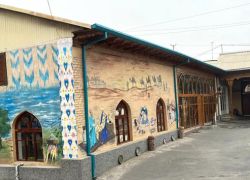
The Yodgorlik Silk Factory, located in the historic city of Margilan in eastern Uzbekistan, is one of the most prominent silk production centers in the country. The city of Margilan has a long history of silk weaving, and the Yodgorlik Silk Factory continues this tradition by producing high-quality silk fabrics using both traditional methods and modern techniques. The factory has gained international recognition for its fine silk products, which are crafted using ancient methods passed down through generations of artisans. How to Reach Yodgorlik Silk Factory Margilan is located in the Fergana Valley, which is in the eastern part of Uzbekistan. The city is approximately 30 kilometers (18 miles) from the city of Fergana, and can be easily reached by car or taxi from there. The Fergana Valley is well connected by road to other major cities in Uzbekistan, including Tashkent, the capital, which is around 350 kilometers (220 miles) away. The journey from Tashkent to Margilan typically takes about 5-6 hours by car. Once you arrive in Margilan, the Yodgorlik Silk Factory is located on the outskirts of the city, and you can easily reach it by taxi or by taking a local bus. Many visitors also choose to take a guided tour, as the tour guides provide in-depth knowledge about the silk production process and the history of the factory. Weather in Margilan Margilan experiences a continental climate with hot summers and cold winters. The best time to visit the Yodgorlik Silk Factory is during the spring (April to June) and autumn (September to November), when the weather is more temperate, with average temperatures ranging from 20°C to 30°C (68°F to 86°F). Summer months (July and August) can be extremely hot, with temperatures exceeding 40°C (104°F), making it less ideal for outdoor exploration. Winters (December to February) in Margilan are cold, with temperatures often dropping below freezing. Although snow is rare, the weather can still be harsh, so it is important to dress warmly if visiting during these months. Why Famous for Yodgorlik Silk Factory The Yodgorlik Silk Factory is famous for its high-quality silk products, which are produced using traditional methods that have been passed down through generations. The factory is known for its handwoven silk, which is made using natural dyes and is produced by skilled artisans who have honed their craft over many years. Silk production in Margilan dates back over 2,000 years, and the region has long been a center for the production of fine silk fabrics. The Yodgorlik Silk Factory stands as a living testament to this ancient craft, and it plays an important role in preserving Uzbekistan's cultural heritage. The factory's products, which include silk scarves, shawls, and traditional garments, are sought after both in Uzbekistan and abroad. One of the reasons why the Yodgorlik Silk Factory is so famous is its commitment to using traditional methods of silk production, which involve intricate weaving techniques, natural dyes, and locally grown mulberry silkworms. The factory's products are renowned for their vibrant colors and exquisite patterns, which reflect the cultural and artistic traditions of Uzbekistan. Entry and Visit Details About Yodgorlik Silk Factory Visitors to the Yodgorlik Silk Factory can explore the facility and learn about the silk production process, from the harvesting of silkworms to the weaving of the final products. The factory offers guided tours, which are an excellent way to gain a deeper understanding of the craft of silk weaving and the significance of the industry in Uzbekistan's cultural and economic history. During a visit to the factory, guests will have the opportunity to observe artisans at work, creating beautiful silk fabrics using traditional looms. Visitors can also explore the factory’s showroom, where a variety of silk products are on display and available for purchase. The factory produces a wide range of items, including handwoven scarves, textiles, tablecloths, and clothing, all made from high-quality silk. In addition to learning about the silk production process, visitors can also take part in workshops where they can try their hand at silk weaving or dyeing. These hands-on experiences allow guests to engage with the craft and gain a greater appreciation for the skill and artistry involved in making these exquisite fabrics. It is recommended to visit the Yodgorlik Silk Factory during the daytime, as it is open for tours from early morning until late afternoon. The factory is closed on Sundays and national holidays, so visitors should plan accordingly. It is advisable to book a tour in advance, especially during peak tourist seasons, to ensure availability. History and Architecture of Yodgorlik Silk Factory The Yodgorlik Silk Factory was established in the early 20th century and has grown over the years to become one of the most important silk producers in Uzbekistan. The factory is located in the Fergana Valley, which has long been known for its fertile land and ideal conditions for silkworm farming. The area has a rich history of silk production that dates back to ancient times, with Margilan being one of the centers of the silk trade along the famous Silk Road. The architecture of the Yodgorlik Silk Factory reflects traditional Uzbek design, with large open spaces and tall ceilings that allow for the ventilation required in a textile production facility. The building is simple yet functional, designed to accommodate the large looms and equipment used in the weaving process. The factory’s layout is organized to facilitate the efficient movement of materials and workers, with areas dedicated to the various stages of silk production, from spinning and dyeing to weaving and finishing. The factory also houses a small museum, where visitors can learn about the history of silk production in Margilan and the techniques used by artisans. The museum showcases historical silk garments, old looms, and photographs documenting the evolution of the silk industry in the region. It serves as an educational resource for those interested in the cultural heritage of Uzbekistan and the role of silk production in the country's history. Things to Do at Yodgorlik Silk Factory Take a Guided Tour: The best way to experience the Yodgorlik Silk Factory is by taking a guided tour, which provides an in-depth look at the silk production process. You’ll have the chance to see artisans at work and learn about the history and significance of silk production in Uzbekistan. Shop for Silk Products: The factory has a showroom where visitors can purchase a variety of silk products, including scarves, shawls, and traditional garments. These handmade items make great souvenirs and gifts. Participate in Workshops: The factory offers workshops where visitors can try their hand at silk weaving or dyeing. These hands-on experiences allow you to connect with the art form and create your own piece of silk art. Learn About Silk History: Visit the small museum within the factory to explore exhibits showcasing the history of silk production in the region. You’ll gain insight into the ancient techniques and cultural significance of silk in Uzbekistan. Facts About Yodgorlik Silk Factory The Yodgorlik Silk Factory is one of the leading producers of silk in Uzbekistan, producing high-quality handwoven silk fabrics. Silk production in Margilan dates back over 2,000 years, making it one of the oldest silk-producing regions in the world. The factory uses traditional methods of weaving, natural dyes, and locally grown mulberry silkworms to create its fabrics. Margilan’s silk products are highly regarded for their vibrant colors and intricate patterns, which are influenced by the region's rich cultural and artistic traditions. Visitors to the factory can take part in workshops, watch artisans at work, and purchase silk products directly from the factory showroom. Tips for Visiting Yodgorlik Silk Factory It is recommended to visit the factory with a guide to fully appreciate the history and production process behind the silk products. Wear comfortable shoes, as you may be walking around the factory floor and museum. Bring a camera to capture the beautiful silk products and the artisans at work. If you plan to participate in a workshop, check with the factory in advance to confirm availability and make a reservation. Plan your visit during the cooler months of the year (spring or autumn) to avoid the extreme heat of summer in the Fergana Valley.
Explore More