- By Theme
-
Destinations
-
Indian Destinations
-
International Destinations
-
- Best Places to Visit
- Packages
- Search Agents
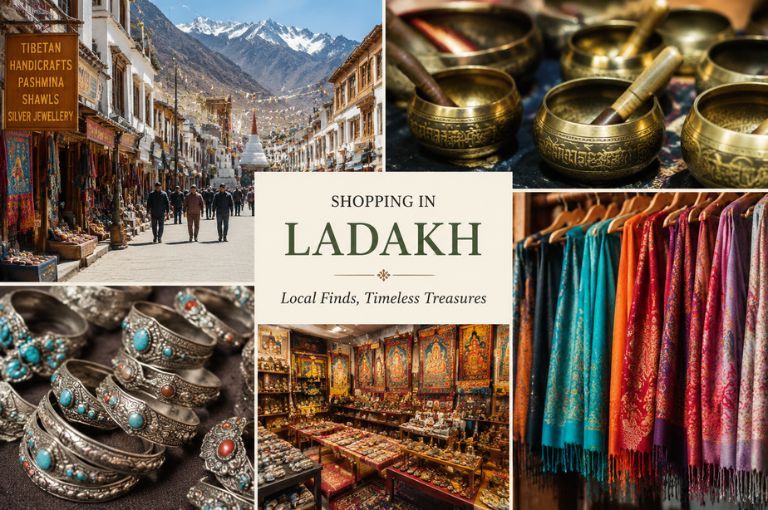
If you have ever stood in the middle of a bustling mountain market with prayer flags fluttering overhead and the scent of saffron drifting through thin Himalayan air, you already know that shopping in Ladakh is not just an errand — it is a full sensory experience. Nestled between the Great Himalayas and the Karakoram range, Ladakh is one of India's most breathtaking destinations, and its markets are as vivid and soul-stirring as its landscapes. Whether you are a first-time visitor picking up a small memento or a seasoned traveller hunting for authentic Tibetan artefacts, this guide covers everything you need to shop wisely, spend well, and go home with things you will genuinely cherish.
Unlike the commercial chaos of big-city malls, the shopping scene here is rooted in centuries of craftsmanship, Buddhist culture, and cross-civilisation trade. Every shawl, every piece of jewellery, every handwoven carpet tells a story of the artisan who made it — often a story passed down through generations. Read on to find out what to buy, where to look, and how to tell the authentic from the imitation.
Choosing the right Ladakh souvenir is about more than picking up something pretty — it is about finding an object that carries the spirit of this extraordinary place. The craft tradition here is steeped in Tibetan Buddhist heritage and the ingenuity of mountain communities that lived for centuries in near-complete isolation. What emerges from this heritage is a range of handmade goods that are not just beautiful, but deeply meaningful. Here is your curated guide to the best things to bring home.
At the very top of any list of Ladakh things to buy, authentic Pashmina is in a class of its own. This extraordinarily fine wool comes from the soft underbelly of the Changthangi goat, which grazes on the high-altitude Changthang plateau at elevations above 4,000 metres. A genuine Pashmina shawl is light enough to fold into your palm, incredibly warm, and almost silky to the touch. Do not be misled by machine-made replicas sold cheaply at tourist stalls — the real thing is hand-spun and hand-woven, and the price reflects that craft.
Beyond Pashmina, you will find thick Ladakhi woollen shawls and blankets made from local sheep wool. These are coarser but wonderfully warm and ideal for colder climates. The ring test is a simple guide: a genuine Pashmina shawl passes through a finger ring effortlessly.
Thangka paintings are intricate scroll artworks depicting Buddhist deities, mandalas, and cosmological diagrams. Traditionally used as aids for meditation and religious instruction, they are painstakingly hand-painted on cotton or silk using mineral pigments. A high-quality Thangka can take weeks or even months to complete.
You will find Thangkas ranging from small decorative pieces to large, museum-grade works. When buying, always ask whether the piece is hand-painted or printed — a printed Thangka has value as a decorative item but is very different from the hand-crafted original. Reputable sellers will always tell you honestly.
Ladakhi jewellery is bold, theatrical, and unlike anything you will find in mainstream Indian jewellery shops. Turquoise, coral, and silver dominate — these three materials form the sacred triad of Tibetan and Ladakhi adornment. Women traditionally wear heavy turquoise-studded headdresses called Peraks, though you are more likely to find smaller, wearable versions in the market.
Look for earrings, necklaces, rings, and bracelets inlaid with turquoise and coral set in silver. Be aware that much of the turquoise sold today is dyed howlite or reconstituted stone rather than natural turquoise — genuine natural turquoise shows slight colour variations and commands a higher price.
Ladakhi carpets, known locally as Tibetan-style carpets, are hand-knotted on vertical looms using hand-spun wool. The patterns draw from Buddhist iconography — lotuses, dragons, the eight auspicious symbols — and the colours are derived from natural dyes in traditionally made pieces. A single carpet of modest size can take a skilled weaver several weeks to complete.
If you have the budget and the luggage space, a handwoven Ladakhi carpet is one of the most enduring and beautiful things you can take home — something that will outlast most travel purchases by decades.
For many visitors, the most meaningful souvenir from Ladakh is something connected to its living spiritual tradition. Singing bowls made of seven metals produce rich, sustained tones used in meditation and sound therapy. Prayer wheels, prayer flags, incense, conch shells, and dorjes (ritual thunderbolts) are all widely available and deeply connected to the Buddhist culture of the region.
Prayer flags in sets of five colours — blue, white, red, green, and yellow — represent sky, wind, fire, water, and earth. They are wonderfully lightweight and easy to carry, and many travellers hang them at home as a lasting reminder of their journey through the high desert.
Ladakh is famous for its apricots, which thrive in the dry, sun-drenched valleys. The region produces a variety with a slightly tart, intensely concentrated flavour quite unlike commercially grown fruit. You will find dried apricots, apricot jam, apricot kernel oil used in skincare and cooking, and apricot-based sweets. Apricot kernel oil in particular is prized for its moisturising properties and makes an excellent lightweight gift.
High-quality saffron — known in Kashmiri as Kesar — is available in Leh markets, sourced from the Kashmir Valley. Saffron is among the most expensive spices by weight in the world, and the variety from this region is considered some of the finest. Look for deep red threads with a slight orange tip. Buy from reputable spice shops and avoid powdered saffron, which is easily adulterated.
If you want something truly distinctive, consider picking up traditional Ladakhi clothing. The Goncha is a long woollen robe worn by both men and women, tied at the waist with a sash. Ladakhi hats — the fold-up felt cap called the Tibi — are practical, charming, and make great conversation pieces at home. Many locals still wear these garments daily, particularly in villages and during festival occasions.
Leh is the commercial heart of the region, and leh ladakh shopping is an experience that rewards slow exploration. From government-backed craft centres to open-air bazaars and cooperative shops, the town packs a wide range of buying options into a compact, walkable area. Here is where to find what you are looking for.
The Main Bazaar is the starting point for any serious leh market shopping adventure. Running through the heart of Leh town, it is the liveliest and most accessible commercial street in the city, lined with shops selling everything from spices, dry fruits, and local snacks to shawls, carpets, jewellery, and souvenir knick-knacks. This is the best place to begin because it gives you a feel for the range of what is available and lets you calibrate your price expectations before committing to any purchase.
The bazaar is busiest in the morning and evening. Summer afternoons can see shops closing for a couple of hours. The street is pedestrian-friendly and ideal for an unhurried, browsing-style exploration.
One of the most culturally rich spots in the leh ladakh market landscape, the Tibetan Refugee Market is a cluster of shops run by Tibetan refugees and their descendants. These vendors often carry a particularly fine selection of Thangka paintings, Buddhist ritual items, and hand-crafted jewellery. Many sellers have a direct personal connection to the traditions behind what they sell, which makes for genuinely informative conversations.
This market is a little more relaxed than the Main Bazaar, and the sellers are generally less pressured with pricing. It is an excellent place to spend an unhurried morning browsing without feeling rushed.
For the most authentic local experience, Moti Market is where the real leh shopping happens — away from the tourist track. Situated close to the Main Bazaar, it caters primarily to everyday local needs: vegetables, fresh produce, daily groceries, and hardware. But it also carries stalls selling local dried fruits, walnuts, and Ladakhi apricots at prices far more competitive than touristy packaged versions. If locals shop there, that is usually a reliable sign of quality and fair value.
The area around Soma Gompa hosts several handicraft and souvenir shops that tend to attract slightly more discerning vendors. Here you will find curated selections of antiques, old coins, prayer beads, and vintage jewellery alongside newer craft items. If you are interested in older, more collectible pieces, this area rewards slow and careful exploration.
Run by LEDEG (Ladakh Ecological Development Group), this non-profit shop near the Ecology Centre sells handmade crafts produced by local artisans at fair, fixed prices. There is no bargaining here, but that also means no ambiguity about what is fair. The quality is consistently good, and buying here ensures that proceeds go directly to artisans and sustainable development initiatives.
Several government-backed craft emporiums and cooperative outlets operate in Leh, offering certified authentic handicrafts at fixed prices. While these shops are not the most atmospheric, they are the safest bet for buyers who want guaranteed authenticity without the stress of negotiation — ideal for high-value purchases like genuine Pashmina or antique artefacts.
Understanding leh ladakh shopping items — what they should look like, what fair prices are, and where to find genuine craftsmanship — is what separates travellers who bring home treasures from those who bring home regrets. These practical tips will help you shop with confidence.
Bargaining is standard practice in Leh's markets, except in fixed-price government shops and cooperative outlets. The opening price is almost always inflated — sometimes by 40 to 60 percent above what the seller will ultimately accept. Start by offering about half the asking price and work upwards with a smile. Sellers respond well to warmth, and a pleasant exchange usually results in a fair deal for both sides.
Never bargain aggressively for something you have no intention of buying. It wastes everyone's time and is considered disrespectful. If a seller meets your price, the expectation is that you complete the purchase.
Tips: Visit multiple vendors before committing. Seeing the range of prices and quality for the same item gives you a much clearer sense of what is fair — and stronger negotiating ground when you find what you want.
The Ladakh market is flooded with machine-made goods from Ludhiana, Amritsar, and China presented as local handicrafts. Here is how to tell the difference:
Pashmina: Hand-spun threads show slight natural irregularities under close inspection; machine-spun threads are perfectly uniform.
Thangkas: A hand-painted Thangka will show the cloth backing and stitching on the reverse. Printed versions have a paper backing.
Singing bowls: Strike the rim gently — an authentic multi-metal bowl produces a sustained, layered tone that fades slowly. Cheap brass bowls produce a thin, tinny ring.
Turquoise jewellery: Natural turquoise shows slight variations in colour and pattern. Dyed howlite is typically too vivid and uniform.
Most small shops in Leh accept only cash. ATMs are available in the Main Bazaar area but can run dry during peak season (June to September) and can be unreliable at altitude. Carry adequate cash before venturing into smaller markets or village shops. Some larger, established stores accept UPI payments, but do not rely on it.
The shopping season runs from May to October, when Ladakh is most accessible and markets are fully stocked. July and August are the busiest months with the widest selection, but also the most crowded. Shopping in May or late September gives you calmer markets and vendors who are more willing to take time explaining their crafts.
Leh sits at approximately 3,500 metres above sea level. Even healthy, fit travellers often experience mild altitude sickness on arrival — tiredness, mild headaches, and shortness of breath are common in the first couple of days. Give yourself at least two full days to acclimatise before embarking on long market walks. There is no rush — and a slow pace makes for better shopping anyway.
Not sure where to start? This table covers the most popular souvenir from leh ladakh options — what makes each special, and exactly where to find them.
| Item | Why It's Special | Where to Buy |
Pashmina Shawls |
Hand-spun, ultra-soft, genuine highland wool | Main Bazaar, Govt Emporiums |
| Thangka Paintings | Sacred Buddhist scroll art, hand-painted |
Tibetan Market, craft galleries
|
Ladakhi Jewellery | Turquoise, coral & silver — culturally iconic |
Soma Gompa area, Main Bazaar |
Handwoven Carpets | Tibetan-style, hand-knotted with natural dyes | Established carpet shops, Leh |
Singing Bowls | Seven-metal, meditative sound instruments | Tibetan Market |
Apricot Products | Dried fruit, kernel oil, jams — Ladakh-grown | Moti Market, local stalls |
Saffron (Kesar) | Premium Kashmiri saffron, sold in Leh markets | Spice shops, Main Bazaar |
Prayer Flags
| Colourful, lightweight, deeply symbolic | Everywhere- very easy to find |
| Traditional Goncha | Authentic Ladakhi woollen robe | Craft cooperatives, local tailors |
Not everything sold in Leh's markets is worth your money or, in some cases, safe to buy legally.
Wildlife products: Buying anything made from endangered animals — including pelts, feathers of protected birds, or shahtoosh (ultra-fine wool from the endangered Tibetan antelope) — is illegal under Indian law and carries severe penalties. Walk away immediately if offered shahtoosh.
Mass-produced goods mislabelled as local crafts: Factory-made carpets and Thangkas from outside the region are often sold as authentic. If the price seems unrealistically low, it almost certainly is not handmade.
Loose gemstones from street vendors: Claims of precious rubies, sapphires, or emeralds at bargain prices are almost always fraudulent. Gemstone valuation requires professional expertise.
Unverified packaged herbs and spices: The labelling on many such products cannot be verified. Stick to established spice shops with clear sourcing.
Shopping is best enjoyed when it is not rushed. Set aside at least two to three full days for exploring the markets of Leh, and if possible, include a day trip to villages like Nubra or Zanskar where you might find authentic crafts sold directly by the artisans — without any middleman markup. The most memorable leh ladakh shopping experiences tend to happen when you wander without a fixed agenda, let conversations lead you to workshops, and give yourself the time to choose things you truly love.
If you are planning a holiday to the region, well-structured itineraries are available at tourtravelworld.com, where you will find a Leh Ladakh tour package that balances sightseeing with cultural immersion — leaving enough time for meaningful shopping rather than squeezing markets into the margins of a rushed schedule.
Set a shopping budget before you travel. Ladakh's finest crafts are not cheap, and the temptation to overspend on beautiful items is very real. Knowing your limit in advance keeps the experience enjoyable rather than stressful.
Packing Tips: Bring a lightweight foldable bag from home. Most market vendors use single-use plastic bags, which many travellers prefer to refuse in environmentally sensitive Ladakh. A reusable tote also signals respect for the region you are visiting.
Ladakh is not a place that lets you remain a passive observer. Its landscapes demand your attention, its people invite conversation, and its markets ask you to slow down, handle things carefully, and choose with intention. Every item you bring home is a small piece of a living culture — one that has survived centuries of isolation, extreme climate, and the rapid changes of the modern world with remarkable grace.
Shop slowly. Ask questions. Learn the story behind what you are buying. And take home not just objects, but memories of the conversations, the craftsmanship, and the quiet pride of the people who make them. Safe travels — and happy shopping.