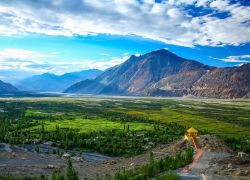
The Nubra Valley is one of the most stunning and unique destinations in Leh Ladakh, Jammu & Kashmir. It is famous for its cold desert landscape, sand dunes, rivers, monasteries, and breathtaking mountain views. Located between the Karakoram and Ladakh ranges, Nubra Valley offers a rare combination of desert scenery and Himalayan beauty. About Nubra Valley Nubra Valley lies at an altitude of around 10,000 feet above sea level. It is formed by the meeting point of the Shyok and Nubra rivers. The valley is known for its green villages, sand dunes at Hunder, and stunning mountain surroundings. It is one of the most visited tourist regions in Ladakh. History of Nubra Valley Nubra Valley was once an important part of the ancient Silk Route, connecting India with Central Asia and Tibet. Traders used this valley as a resting point during long journeys through the Himalayas. Over time, small villages developed here, preserving Ladakhi culture and Buddhist traditions. The valley still reflects its historical importance through ancient monasteries, traditional houses, and cultural practices followed by local communities. Architecture and Culture The architecture in Nubra Valley is simple and traditional. Houses are built using stone, mud, and wood to withstand extreme weather conditions. Monasteries in the valley follow Tibetan Buddhist architectural styles, with prayer halls, stupas, and murals. Diskit Monastery is one of the most famous monasteries in the region and features a large statue of Maitreya Buddha overlooking the valley. Why Nubra Valley is Famous Nubra Valley is famous for its cold desert landscape, sand dunes at Hunder, and unique double-humped Bactrian camels. It offers visitors a rare experience where desert scenery exists alongside snow-covered mountains. It is also popular for adventure tourism, camping, river crossings, monasteries, and thrilling road trips through Khardung La Pass. Entry and Permit Details Visitors need an Inner Line Permit (ILP) to enter Nubra Valley. Permit Requirement: Mandatory for all tourists Permit Fee: Approx. ₹400–₹600 per person Documents Required: Valid ID proof such as Aadhaar Card, Passport, or Driving License Permits can be obtained online or from the Leh DC office before starting the journey. How to Reach Nubra Valley By Air: The nearest airport is Kushok Bakula Rimpochee Airport in Leh. From Leh, Nubra Valley is around 120 km away. By Road: The most popular route is via Khardung La Pass from Leh. The journey takes around 5 to 7 hours depending on road conditions and weather. By Bike or Car: Many tourists prefer renting bikes or SUVs from Leh for an adventurous road trip experience. Weather and Best Time to Visit Nubra Valley has a cold desert climate with sunny days and cold nights. Summer (May to September): 10°C to 25°C – Best time to visit Winter (October to April): -10°C to -30°C with heavy snowfall in higher regions Summer is the most suitable time for travel as roads remain open and sightseeing is comfortable. Things to Do in Nubra Valley • Ride double-humped Bactrian camels at Hunder Sand Dunes • Visit Diskit Monastery and the giant Buddha statue • Explore villages like Hunder and Turtuk • Enjoy camping under clear starry skies • Experience biking through Khardung La Pass • Take photographs of mountains, rivers, and sand dunes Interesting Facts About Nubra Valley • Known as the “Valley of Flowers of Ladakh” • Home to rare double-humped Bactrian camels • Part of the ancient Silk Route trade network • Accessible via one of the world’s highest motorable roads • Combines desert, river, and mountain landscapes in one region Travel Tips for Visitors • Stay in Leh for at least 1–2 days for acclimatization • Carry warm clothes even in summer • Keep permits and ID proofs ready at checkpoints • Carry cash and extra fuel for long routes • Respect local culture and avoid littering • Mobile network may not work in remote areas Conclusion Nubra Valley is one of the most beautiful and unique destinations in Ladakh. Its rare combination of deserts, rivers, monasteries, and mountains makes it a must-visit place for travelers. Whether you are an adventure lover, photographer, or nature enthusiast, Nubra Valley offers an unforgettable experience in the Himalayas.
Explore More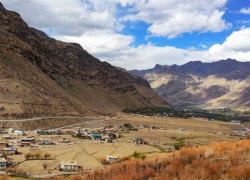
Welcome to Suruk Valley, a hidden gem nestled in the breathtaking city of Kargil. Suruk Valley is a paradise for nature lovers, birdwatchers, and adventure seekers alike. With its rich biodiversity, stunning landscapes, and serene atmosphere, Suruk Valley offers a unique opportunity to connect with nature in its purest form. History of Suruk Valley The history of Suruk Valley dates back to ancient times when it served as a former royal hunting ground for the local rulers. Over the years, concerted conservation efforts have transformed Suruk Valley into a protected sanctuary for wildlife and migratory birds. Its ecological significance has been recognized by UNESCO, drawing attention to the importance of preserving this natural haven. Architecture and Natural Beauty of Suruk Valley Suruk Valley is renowned for its diverse natural environment, encompassing wetlands, forests, and grasslands that provide a habitat for a wide variety of bird species. The picturesque landscapes of Suruk Valley are complemented by the historic Keoladeo Temple, adding a cultural touch to the natural beauty of the region. Why is Suruk Valley Famous? Suruk Valley has gained fame as a hotspot for birdwatchers, photographers, and wildlife enthusiasts due to its rich avian population and stunning vistas. The opportunity to witness migratory birds in their natural habitat, coupled with the tranquil surroundings, makes Suruk Valley a must-visit destination for nature lovers. How to Reach Suruk Valley Traveling to Suruk Valley is convenient, with options available by air, rail, and road. The nearest airports are located in Leh and Srinagar, while the closest railway station is in Jammu. Well-connected road networks provide easy access to Suruk Valley, allowing visitors to embark on a scenic journey to this enchanting destination. Weather and Best Time to Visit Suruk Valley Suruk Valley experiences varying weather conditions throughout the year, with summers being pleasant, monsoons bringing lush greenery, and winters offering a snowy landscape. The best time to visit Suruk Valley is during the spring and autumn months when the weather is mild, and the natural beauty of the valley is at its peak. Timings of Suruk Valley Suruk Valley welcomes visitors during specific timings, ensuring a peaceful and enjoyable experience for all. It is advisable to check for any seasonal variations in timings and plan your trip accordingly to make the most of your visit to this natural paradise. Entry Fee and Visit Details Entry to Suruk Valley may require a nominal fee, with additional services such as guide assistance, safari options, bicycle rentals, and visitor facilities available for a comfortable and enriching experience. Visitors are encouraged to make the most of these services to explore the beauty of Suruk Valley thoroughly. Things to Do at Suruk Valley Suruk Valley offers a plethora of activities for visitors to indulge in, including birdwatching, photography, cycling, walking trails, nature observation, and educational experiences. Immerse yourself in the natural wonders of Suruk Valley and create unforgettable memories amidst its tranquil surroundings. Interesting Facts About Suruk Valley Suruk Valley is home to a diverse range of migratory birds, showcasing the region's rich biodiversity and conservation efforts. The sanctuary's ecological importance extends beyond its borders, highlighting the need for sustainable practices to preserve its natural heritage for future generations. Travel Tips for Visiting Suruk Valley When planning a trip to Suruk Valley, it is essential to pack suitable clothing for the prevailing weather conditions, carry necessary photography and birdwatching equipment, and be mindful of the best visiting seasons to maximize your experience. Practice responsible tourism by respecting the natural environment and wildlife during your stay in Suruk Valley. Conclusion In conclusion, Suruk Valley in Kargil is a haven for nature enthusiasts seeking solace in the lap of pristine wilderness. Its historical significance, natural beauty, and diverse wildlife make it a destination worth exploring. Embrace the tranquility of Suruk Valley and immerse yourself in the wonders of this enchanting sanctuary.
Explore More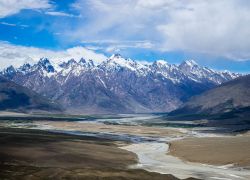
Zanskar Valley, located near Kargil, is a mesmerizing tourist destination known for its stunning natural beauty, rich biodiversity, and unique cultural significance. This remote valley offers a peaceful retreat for nature lovers, adventure enthusiasts, and those seeking an off-the-beaten-path experience in the heart of the Himalayas. History of Zanskar Valley Zanskar Valley has a deep historical background, once serving as royal hunting grounds for the kings of Ladakh. Over the years, the valley has witnessed conservation efforts to protect its pristine environment, leading to its recognition by UNESCO for its natural and cultural importance. Architecture and Natural Beauty of Zanskar Valley The valley is characterized by its diverse landscapes, from lush wetlands and dense forests to expansive grasslands that provide habitats for a variety of bird species. Nestled within this natural paradise is the historic Keoladeo Temple, adding a touch of spirituality to the scenic surroundings. Why is Zanskar Valley Famous? Zanskar Valley is renowned for its abundance of birdlife, making it a paradise for birdwatchers and photographers. Nature enthusiasts are drawn to the valley for its serene atmosphere, stunning vistas, and opportunities to witness wildlife in their natural habitat. How to Reach Zanskar Valley Traveling to Zanskar Valley can be an adventure in itself. The valley is accessible by air, with nearby airports in Leh and Srinagar, or by road via picturesque mountain routes. For those keen on a scenic journey, the valley can also be reached by rail, with the nearest railway stations located in Jammu and Srinagar. Weather and Best Time to Visit Zanskar Valley Zanskar Valley experiences distinct seasonal changes, with summers offering pleasant weather for outdoor activities, monsoons bringing lush greenery to the landscape, and winters transforming the valley into a winter wonderland. The best time to visit is typically during the summer months when the weather is most favorable for exploration. Timings of Zanskar Valley Visitor timings in Zanskar Valley may vary depending on the season, with longer hours during peak tourist periods. It is advisable to plan your visit accordingly and check for any seasonal variations that may affect your travel plans. Entry Fee and Visit Details Entry procedures in Zanskar Valley are straightforward, with options for guided tours, safari experiences, bicycle rentals, and visitor facilities available to enhance your visit. Whether you choose to explore the valley on foot or by bike, there are plenty of options to make the most of your time in this natural haven. Things to Do at Zanskar Valley Popular activities in Zanskar Valley include birdwatching, photography, cycling through scenic trails, walking amidst nature, and engaging in educational experiences to learn more about the valley's biodiversity and conservation efforts. There is something for every type of traveler to enjoy in this pristine setting. Interesting Facts About Zanskar Valley Zanskar Valley is home to a diverse range of migratory birds that flock to the region, showcasing the valley's ecological significance and conservation achievements. The valley's unique biodiversity and natural beauty continue to captivate visitors from around the world. Travel Tips for Visiting Zanskar Valley When visiting Zanskar Valley, it is essential to pack appropriate clothing for varying weather conditions, bring along your photography equipment to capture the beauty of the valley, and respect the wildlife and environment by practicing responsible tourism. Be sure to plan your visit during the recommended seasons to make the most of your trip. Conclusion In conclusion, Zanskar Valley in Kargil is a hidden gem waiting to be explored by travelers seeking a unique and enriching experience in the lap of nature. With its historical significance, natural beauty, and diverse wildlife, the valley offers a peaceful retreat for those looking to connect with the great outdoors and immerse themselves in the wonders of the Himalayas.
Explore More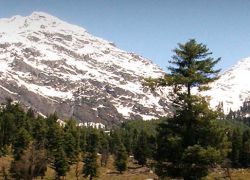
Aru Valley is a prominent tourists’ site in Kashmir. It is a spot that assures a tranquil ambiance, lush green beautiful surroundings, and the jaw-dropping backdrop of the Himalayan peaks. This valley never fails to attract the visitors, nature enthusiasts, and venture aficionados from different parts of the state. This valley serves as the base camp for starting the exuberant trekking and hiking in the craggy slopes of the Himalayan hillocks. It Is Known For:- 1) Aru Valley is known for its scenic beauty. Its natural pulchritude makes it a huge attraction for all tourists. 2) The soul-soothing ambiance of this place makes it a remarkable site for spending a good quality time away from the bustling cities. 3) It has a small village that serves as the smallest hill-town in the state. 4) Due to the tranquility in its ambiance, it has been declared as an eco-friendly biosphere zone. No motor vehicle is allowed to enter the valley premises. 5) Apart from camping and trekking, horse-riding is a key activity that can be relished in Aru Valley. Best Time To Visit:- Aru Valley is a scenic site that lures the tourists on an extensive scale. It can be visited during any time of the year. During summers, the weather is pleasant and visitors can take delight in activities like trekking, camping, and horse riding. Winter is the time when Aru Valley is bedecked with a blanket of snow and the rest is self-explanatory! Watch Out! Do not miss to take the horse-cart rides! Since the motor vehicles aren’t permitted in this area, the commuters commute either by cycles or via horse-carts. Reaching There:- Aru Valley has Pahalgam as the closest neighboring town. It can be reached via state-run buses, express trains, or flights from any part of the state of J&K. Commuting within the town can be done via local buses, taxis, and horse-carts that are available on a regular basis. Nearest Railway Station:- Jammu Railway Station Nearest Airport:- Srinagar Airport
Explore More
Welcome to the breathtaking Baisaran Hills located in the charming city of Pahalgam. Nestled in the heart of nature's beauty, Baisaran Hills is a paradise for travelers seeking tranquility and awe-inspiring landscapes. History of Baisaran Hills With a rich historical background, Baisaran Hills were once the royal hunting grounds of the region. Over the years, efforts have been made to conserve its natural beauty, leading to its recognition by UNESCO as a significant natural habitat. Architecture and Natural Beauty of Baisaran Hills Baisaran Hills boast lush wetlands, dense forests, sprawling grasslands, and diverse bird habitats. Among its natural wonders stands the historic Keoladeo Temple, adding a touch of spirituality to the picturesque landscapes. Why is Baisaran Hills Famous? Baisaran Hills have gained popularity among birdwatchers, photographers, nature enthusiasts, and wildlife lovers due to its rich biodiversity and captivating scenery that offers a peaceful retreat away from the hustle and bustle of city life. How to Reach Baisaran Hills Traveling to Baisaran Hills is convenient with options available by air, rail, and road. The nearest airports are located in Srinagar and Jammu, while the closest railway station is in Jammu. From there, a scenic road journey will lead you to the enchanting hills of Baisaran. Weather and Best Time to Visit Baisaran Hills Baisaran Hills experience pleasant weather during the summer, monsoon, and winter seasons. The best time to visit is during the summer months when the hills are adorned with blooming flowers and the weather is ideal for outdoor exploration. Timings of Baisaran Hills The visitor timings for Baisaran Hills vary seasonally, so it is advisable to plan your trip accordingly. Detailed information about the timings and other essential planning details can be obtained locally. Entry Fee and Visit Details Entry to Baisaran Hills involves simple procedures, and guide services are available for those seeking in-depth knowledge about the region. Safari options, bicycle rentals, and visitor facilities ensure a comfortable and enjoyable experience for all travelers. Things to Do at Baisaran Hills Embark on exciting activities such as birdwatching, photography, cycling through picturesque trails, leisurely walks amidst nature's wonders, and engaging in educational experiences to truly appreciate the beauty of Baisaran Hills. Interesting Facts About Baisaran Hills Baisaran Hills are home to a plethora of migratory birds, showcasing the region's rich biodiversity. Conservation efforts have led to remarkable achievements in preserving the ecological balance of the area, highlighting its importance in the conservation landscape. Travel Tips for Visiting Baisaran Hills When visiting Baisaran Hills, it is recommended to carry appropriate clothing for varying weather conditions, essential photography equipment to capture the stunning landscapes, and birdwatching gear for a closer look at the avian wonders. Understanding the visiting seasons and practicing responsible tourism ensures a memorable and sustainable travel experience. Conclusion In conclusion, Baisaran Hills in Pahalgam offer a serene escape into nature's embrace, presenting visitors with a harmonious blend of natural beauty and cultural heritage. A trip to Baisaran Hills promises an unforgettable journey through landscapes that inspire awe and appreciation for the wonders of the natural world.
Explore More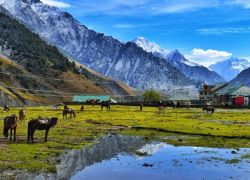
Pahalgam, located in the picturesque city of Kashmir, is a breathtaking tourist attraction known for its natural beauty and serene environment. Nestled amidst the lush greenery of the Himalayas, Pahalgam offers a tranquil escape for nature lovers and adventure seekers alike. History of Pahalgam With a rich historical background, Pahalgam was once a royal hunting ground for the former kings. Over the years, efforts have been made to conserve its pristine environment, leading to UNESCO recognition for its biodiversity and conservation initiatives. Architecture and Natural Beauty of Pahalgam Pahalgam boasts stunning wetlands, dense forests, vibrant grasslands, and diverse bird habitats. The historical Keoladeo Temple adds to the charm of this natural paradise, offering visitors a glimpse into the region's architectural and cultural heritage. Why is Pahalgam Famous? Pahalgam is renowned for its appeal to birdwatchers, photographers, nature enthusiasts, and wildlife lovers due to its rich biodiversity and scenic landscapes. The region's natural beauty and varied wildlife make it a popular destination for eco-tourism. How to Reach Pahalgam Traveling to Pahalgam is convenient with options available by air, rail, and road. The nearest airports are located in Srinagar and Jammu, while the Jammu Tawi railway station provides easy access by train. Road transport is also well-connected to major cities in the region. Weather and Best Time to Visit Pahalgam Pahalgam experiences pleasant weather during the summer months, monsoon showers adding to its natural beauty, and snowy winters creating a magical winter wonderland. The best time to visit is typically from April to June and September to November when the weather is most favorable. Timings of Pahalgam Pahalgam welcomes visitors throughout the year, with seasonal variations in activities and tourist flow. It is advisable to plan your visit during the early morning or late afternoon to avoid crowds and make the most of your experience. Entry Fee and Visit Details Entry to Pahalgam is subject to nominal fees, with guide services available for a more immersive experience. Visitors can also opt for safaris, bicycle rentals, and other facilities to explore the area conveniently and enjoy all that Pahalgam has to offer. Things to Do at Pahalgam Popular activities at Pahalgam include birdwatching, photography, cycling through scenic trails, leisurely walks to soak in the natural beauty, and engaging in educational experiences to learn more about the region's ecology and wildlife. Interesting Facts About Pahalgam Pahalgam is home to a diverse range of migratory birds, contributing to its ecological significance. Conservation efforts have led to the preservation of its natural heritage, making it a hub for biodiversity enthusiasts and nature conservationists. Travel Tips for Visiting Pahalgam For a comfortable visit to Pahalgam, it is advisable to pack appropriate clothing for varying weather conditions, carry essential photography and birdwatching equipment, consider visiting during the recommended seasons, and practice responsible tourism to preserve the region's natural beauty. Conclusion In conclusion, Pahalgam in Kashmir stands as a testament to the beauty of nature and the significance of conservation efforts. Visitors to this enchanting hotspot can immerse themselves in its natural splendor, explore diverse ecosystems, and experience the wonders of eco-tourism in a serene and picturesque setting.
Explore More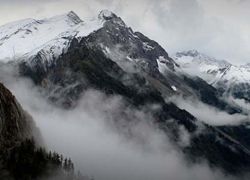
Zoji-La Pass is a major tourists’ destination in Jammu & Kashmir. It rests in the belt of the mighty Himalayas and is a high mountain pass. It has a mammoth height of 11, 575 feet above the sea level and serves as a link between the valley of Kashmir and Ladakh. This mountainous pass remains under the blanket of snow throughout the year and has an historical importance. In the bygone times, it was captured during the ‘First War for Kashmir’ in the year 1947. The following year in November, the Indian Military forces were successful in re-capturing it from the Pakistani army.It Is Known For:-1) Zoji-La Pass is India’s one of the highest roads.2) This place is historically important because it was the place captured by Pakistan during the Indo-Pak war of 1947 that was fought for Kashmir. In the year 1948, the Indian Military deployed the tanks and was successful in recapturing it own area.3) This place is bestowed with the Himalayan beauty in profusion and offers a great view of the mighty snow-clad peaks of the Himalayas.4) During winters, Zoji-La Pass remains closed due to excessive snowfall and Borders & Roads Organization (BRO) clears it. It is the period when this pass becomes completely inaccessible.5) During the other seasons, this pass offers a great view of the nearby valleys of Dras.Best Time To Visit:-Zoji-La Pass is the place that can be visited during any season except winters. During winters, the heavy blanket of the shimmering snow makes it impossible to reach this site. Therefore, the period between May-October/November is considered as appropriate for embarking a casual voyage to Zoji-La Pass.Watch Out!Due to its high elevation, the temperature of Zoji-La Pass remains cold for a major portion of the year. Thus, it is recommended that visitors should carry woolens along with them in order to stay warm.Reaching There:-Ganderbal is the nearest district to Zoji-La Pass. It is well-connected via all major roads, railheads, and airways to the whole Kashmir. Tourists can reach Ganderbal from anywhere in Kashmir. Commuting within the district is usually done via local buses, taxis, and autos. To reach Zoji-La Pass, one can hire a private vehicle or relish the journey on a bike for an adrenaline-boosting ride.Nearest Railway Station:- Srinagar Railway StationNearest Airport:- Srinagar Airport
Explore More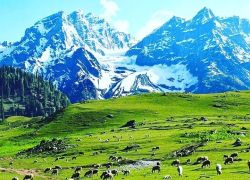
Zoji La Pass is one of the most famous high-altitude mountain passes located near Sonamarg, Jammu & Kashmir. Nestled in the mighty Himalayas, Zoji La is known for its dramatic landscapes, challenging terrain, and strategic significance. It serves as a vital link between Srinagar in Kashmir Valley and Leh in Ladakh, making it an important route for travelers, adventurers, and military operations alike. The pass is renowned for its breathtaking scenery, featuring snow-clad peaks, rugged cliffs, and steep valleys that provide a surreal experience for nature lovers and adventure enthusiasts. Zoji La Pass is often considered a thrilling stop on the journey to Leh, offering unforgettable views of the surrounding Himalayan range. Why Zoji La Pass is Famous? Zoji La Pass is famous for several reasons: It is one of the highest motorable passes in India, sitting at an elevation of 3,528 meters (11,575 feet) above sea level. It serves as a critical link on the Srinagar-Leh highway, facilitating connectivity between Kashmir Valley and Ladakh. Adventure seekers and bikers frequent Zoji La for its challenging terrain and spectacular landscapes. The pass is also historically significant due to its strategic importance in military history. Winter snow and summer greenery create a dramatic contrast, attracting photographers and travelers alike. History and Strategic Importance Zoji La Pass has a rich history dating back centuries. It has been a traditional route connecting the Kashmir Valley with the highlands of Ladakh. The pass played a significant role during historical trade routes and military campaigns, including the Indo-Pak conflicts where control over the pass was crucial. Structurally, the pass is a natural formation with steep gradients, rocky terrain, and snowfields that require careful navigation. Road construction over Zoji La is a marvel in itself, managed meticulously by the Border Roads Organisation (BRO) to keep it open for vehicular movement despite heavy snowfall and avalanches. Weather at Zoji La Pass The weather at Zoji La Pass, Sonamarg varies dramatically with seasons due to its high altitude: Summer (June to September): Mild and relatively safe for travel with daytime temperatures ranging from 10°C to 15°C. Nights can be cold, dropping to 0°C. Monsoon (July to August): Occasional landslides can occur due to rainfall, so caution is advised. Winter (October to May): Extremely harsh with heavy snowfall and temperatures often falling below -10°C. The pass remains closed for vehicles during this period due to snow accumulation and avalanche risk. How to Reach Zoji La Pass Visiting Zoji La Pass involves a combination of road travel and careful planning: By Air: The nearest airport is Srinagar International Airport, approximately 85 km from Sonamarg. From there, travelers can hire taxis to reach Sonamarg and continue towards Zoji La. By Road: Zoji La is accessible via the Srinagar-Leh highway. From Srinagar, take the NH1D route passing through Sonamarg. The pass is approximately 14 km from Sonamarg and can be reached by private vehicles or buses, although travel can be slow due to rugged terrain. By Trek: While most travelers use motorable roads, some adventure enthusiasts may trek along adjacent trails for a more immersive Himalayan experience. Entry and Visit Details There is no formal entry fee for visiting Zoji La Pass. However, certain rules and recommendations must be followed: Travelers should carry valid identity proof. Winter travel is restricted; only essential vehicles and military convoys are allowed. Hiring local guides is recommended for safety, especially during adverse weather conditions. Camping is generally discouraged on the pass itself due to extreme weather and avalanche risk. Things to Do at Zoji La Pass Although primarily a transit point, Zoji La Pass offers various activities for visitors: Photography: Capture breathtaking views of snow-capped peaks and dramatic valleys. Biking and Road Trips: Popular among adventure bikers and road trippers exploring the Srinagar-Leh highway. Nature Observation: Spot unique alpine flora and fauna along the roadside. Picnicking: Quick stops for refreshments while enjoying panoramic mountain views. Historical Exploration: Learn about the pass’s strategic military significance and nearby army posts. Architecture and Landscape Being a natural mountain pass, Zoji La does not have architectural structures like temples or forts. Its landscape is the main attraction: Steep cliffs and rocky ridges that frame the road Snowfields and glacial streams along the pass Lush green meadows visible during summer months Panoramic views of surrounding Himalayan peaks, including Nun-Kun range Interesting Facts about Zoji La Pass Altitude: 3,528 meters (11,575 feet) above sea level Considered one of the most dangerous passes in India due to weather and avalanches Part of the historic Silk Route connecting Kashmir with Ladakh Critical for military logistics between Kashmir and Ladakh Popular stop for bikers on the iconic Srinagar-Leh highway Tips for Visiting Zoji La Pass Check road conditions and weather forecasts before planning your trip Carry warm clothing and waterproof gear even in summer Drive cautiously; roads are narrow and winding with steep drops Carry sufficient fuel, water, and snacks; no major shops are available on the pass Prefer visiting with experienced guides or in convoy for safety Respect local rules and avoid littering in the pristine environment Conclusion Zoji La Pass, Sonamarg, Jammu & Kashmir is not just a mountain pass but a symbol of adventure, strategic significance, and Himalayan grandeur. Its challenging terrain, breathtaking scenery, and historical importance make it a memorable stop for anyone traveling to Leh and Ladakh. Whether you are a traveler seeking adventure or a nature enthusiast craving serene landscapes, Zoji La Pass offers an experience of the mighty Himalayas that is both thrilling and unforgettable.
Explore More
Zanskar, a hidden gem nestled in the heart of the majestic Himalayas, is home to one of the most breathtaking natural wonders - Drang Drung Glacier. This mesmerizing hotspot attracts travelers from around the globe with its awe-inspiring beauty and serene environment. History of Drang Drung Glacier The history of Drang Drung Glacier dates back to ancient times, believed to have been formed millions of years ago. It holds immense significance as a vital source of freshwater for the region and has been a part of the local folklore for generations. The glacier's conservation efforts have gained international recognition, leading to its UNESCO World Heritage Site status. Architecture and Natural Beauty of Drang Drung Glacier The natural environment surrounding Drang Drung Glacier is a sight to behold. Lush wetlands, dense forests, and sprawling grasslands provide a habitat for a diverse range of flora and fauna. Birdwatchers are particularly drawn to the area for its rich birdlife, while the historical Keoladeo Temple adds a touch of spirituality to the landscape. Why is Drang Drung Glacier Famous? Drang Drung Glacier is celebrated for its pristine beauty and unique ecosystem, making it a haven for nature enthusiasts, wildlife lovers, and photographers alike. The glacier's serene ambiance and untouched wilderness offer a rare opportunity to connect with nature in its purest form. How to Reach Drang Drung Glacier Traveling to Drang Drung Glacier is an adventure in itself. The nearest airports are located in Leh and Srinagar, offering scenic flights amidst the towering peaks of the Himalayas. For those preferring a road journey, Zanskar can be accessed via well-connected highways, providing a picturesque drive through the rugged terrain. Weather and Best Time to Visit Drang Drung Glacier The weather at Drang Drung Glacier varies throughout the year, with summers being pleasant, monsoons bringing occasional showers, and winters blanketing the region in snow. The best time to visit is during the summer months when the weather is mild, and the landscape is at its most vibrant. Timings of Drang Drung Glacier Drang Drung Glacier welcomes visitors throughout the year, with seasonal variations affecting accessibility to certain areas. It is advisable to plan your visit during the daytime to make the most of the natural beauty and avoid any weather-related challenges. Entry Fee and Visit Details Entry to Drang Drung Glacier is usually free, allowing visitors to explore the area at their leisure. Guide services are available for those seeking expert knowledge, while safari options and bicycle rentals offer unique ways to experience the glacier's surroundings. Visitor facilities are limited, emphasizing the need for responsible tourism practices. Things to Do at Drang Drung Glacier Drang Drung Glacier offers a myriad of activities for visitors to engage in, from birdwatching and photography to cycling and walking trails. Nature enthusiasts can immerse themselves in the tranquil surroundings, while educational experiences provide insights into the region's ecological importance. Interesting Facts About Drang Drung Glacier One of the most fascinating aspects of Drang Drung Glacier is its role as a haven for migratory birds, contributing to the region's biodiversity. Conservation efforts have led to significant achievements in preserving the glacier's ecological balance, making it a symbol of sustainable tourism practices. Travel Tips for Visiting Drang Drung Glacier When visiting Drang Drung Glacier, it is essential to pack suitable clothing for varying weather conditions and carry necessary photography equipment to capture the beauty of the surroundings. Understanding the best visiting seasons and adhering to responsible tourism practices ensures a memorable and sustainable experience. Conclusion In conclusion, Drang Drung Glacier in Zanskar stands as a testament to nature's unmatched beauty and resilience. Its historical significance, rich biodiversity, and tranquil ambiance make it a must-visit destination for travelers seeking a deeper connection with the natural world. A journey to Drang Drung Glacier promises an unforgettable experience that showcases the harmony between humanity and the environment in the picturesque setting of Zanskar.
Explore More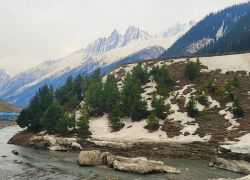
Welcome to Baltal Valley, a picturesque tourist attraction located in the city of Baltal. This stunning valley offers visitors a unique opportunity to immerse themselves in the natural beauty and biodiversity of the region. With its rich history, diverse ecosystems, and abundance of wildlife, Baltal Valley is a must-visit destination for nature enthusiasts and adventure seekers alike. History of Baltal Valley Baltal Valley has a rich historical background, having once served as royal hunting grounds for the local rulers. Over the years, concerted conservation efforts have transformed the area into a protected sanctuary for a variety of plant and animal species. The valley's significance has been recognized by UNESCO, further highlighting its importance as a conservation area. Architecture and Natural Beauty of Baltal Valley The natural beauty of Baltal Valley is truly awe-inspiring. From its lush wetlands to dense forests and expansive grasslands, the valley is home to a diverse range of habitats that support a myriad of bird species. One of the notable landmarks in the valley is the historic Keoladeo Temple, adding a cultural touch to the natural landscape. Why is Baltal Valley Famous? Baltal Valley is renowned for its exceptional birdwatching opportunities, making it a paradise for bird enthusiasts and photographers. The valley's tranquil surroundings and abundant wildlife attract nature lovers and wildlife enthusiasts from around the globe. How to Reach Baltal Valley Traveling to Baltal Valley is convenient, with options for air, rail, and road transport. The nearest airports and railway stations provide easy access to the valley, allowing visitors to embark on their journey with ease. Weather and Best Time to Visit Baltal Valley The weather in Baltal Valley varies across seasons, with each offering a unique experience to visitors. Summer, monsoon, and winter seasons present different facets of the valley, making it an ideal destination to visit throughout the year. However, the best months to explore Baltal Valley are... Timings of Baltal Valley Visiting timings for Baltal Valley may vary seasonally, so it is advisable to plan your trip accordingly. Understanding the operational hours and any seasonal variations will help you make the most of your visit to this enchanting destination. Entry Fee and Visit Details When planning a visit to Baltal Valley, familiarize yourself with the entry procedures and available visitor facilities. Guide services, safari options, bicycle rentals, and other amenities can enhance your experience and ensure a memorable stay in the valley. Things to Do at Baltal Valley Baltal Valley offers a range of activities to engage visitors of all interests. Whether you enjoy birdwatching, photography, cycling, walking trails, or nature observation, the valley provides ample opportunities for exploration and adventure. Educational experiences are also available for those seeking to learn more about the local ecology. Interesting Facts About Baltal Valley Did you know that Baltal Valley is a crucial stopover point for migratory birds during their annual journeys? The valley's biodiversity and conservation efforts have garnered international acclaim, underscoring its ecological importance in the region. Travel Tips for Visiting Baltal Valley When visiting Baltal Valley, it is essential to pack suitable clothing, photography equipment, and birdwatching gear to make the most of your trip. Understanding the best seasons to visit and practicing responsible tourism will ensure a fulfilling and sustainable experience in the valley. Conclusion In conclusion, Baltal Valley in Baltal is a hidden gem waiting to be explored. Its natural beauty, historical significance, and diverse wildlife make it a captivating destination for travelers seeking an immersive experience in nature. Plan your visit to Baltal Valley and embark on a journey filled with discoveries and unforgettable moments amidst the splendor of this enchanting destination.
Explore More
Welcome to the mesmerizing world of Pissu Top nestled in the city of Sheshnag. This enchanting tourist attraction offers a blend of natural beauty, biodiversity, and adventure that captivates the hearts of visitors from around the globe. History of Pissu Top With a rich historical background, Pissu Top stands as a testament to its former royal hunting grounds that have now been transformed into a conservation area. The park's efforts towards preserving its unique ecosystem have garnered international recognition, including UNESCO's appreciation for its conservation endeavors. Architecture and Natural Beauty of Pissu Top Pissu Top boasts a diverse landscape comprising wetlands, lush forests, sprawling grasslands, and thriving bird habitats. Amidst this natural paradise lies the historical Keoladeo Temple, adding a touch of spirituality to the serene surroundings. Why is Pissu Top Famous? Pissu Top has gained fame as a haven for birdwatchers, photographers, nature enthusiasts, and wildlife lovers due to its unparalleled biodiversity and the opportunity to witness a myriad of bird species in their natural habitat. How to Reach Pissu Top Traveling to Pissu Top is convenient with options available via air, rail, and road. Nearby airports and railway stations ensure easy accessibility, allowing visitors to embark on a memorable journey to this picturesque destination. Weather and Best Time to Visit Pissu Top Throughout the seasons, Pissu Top offers varying yet captivating experiences. Summer unveils the lush greenery, monsoon brings a refreshing charm, and winter adorns the park with a mystical aura, making it ideal to visit during the cooler months. Timings of Pissu Top Visitor timings at Pissu Top cater to different seasons, ensuring an optimal experience for all. Understanding the seasonal variations and planning your visit accordingly can enhance your exploration of this natural wonder. Entry Fee and Visit Details Upon arrival, visitors can acquaint themselves with the entry procedures, avail guide services for an insightful tour, explore safari options to delve deeper into the wilderness, opt for bicycle rentals for an adventurous ride, and utilize visitor facilities for a comfortable stay. Things to Do at Pissu Top Engage in a plethora of activities at Pissu Top, including birdwatching to witness the vibrant avian life, photography to capture the essence of nature, cycling through picturesque trails, walking amidst the serene landscapes, observing wildlife in their natural habitat, and partaking in educational experiences to learn more about this ecological gem. Interesting Facts About Pissu Top Pissu Top enthralls visitors with fascinating facts about migratory birds that grace its skies, the diverse biodiversity that thrives within its boundaries, the remarkable conservation achievements that have safeguarded its ecosystem, and the ecological importance it holds in preserving our natural heritage. Travel Tips for Visiting Pissu Top When planning your visit to Pissu Top, consider essential travel tips such as suitable clothing for the prevailing weather conditions, necessary photography equipment to capture the beauty around you, birdwatching essentials to enhance your experience, choosing the right visiting season for optimal exploration, and practicing responsible tourism to preserve the park's ecological balance. Conclusion In conclusion, Pissu Top in Sheshnag stands as a beacon of natural splendor and biodiversity, inviting travelers to immerse themselves in its scenic landscapes and vibrant wildlife. A visit to this remarkable hotspot promises an unforgettable journey filled with exploration, discovery, and a deep connection to the wonders of nature.
Explore More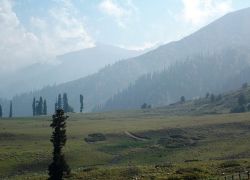
Welcome to the picturesque town of Sopore nestled in the heart of Baramulla, known for its natural beauty and rich biodiversity. Sopore, often referred to as the "Apple Town," offers visitors a serene escape into the lap of nature with its lush landscapes, vibrant bird habitats, and historical treasures. History of Sopore Sopore boasts a fascinating historical background dating back to ancient times when it served as royal hunting grounds. Over the years, concerted conservation efforts have transformed the region, leading to its recognition by UNESCO for its ecological significance and biodiversity conservation. Architecture and Natural Beauty of Sopore The natural beauty of Sopore is unparalleled, with its enchanting wetlands, dense forests, sprawling grasslands, and diverse bird habitats. The historic Keoladeo Temple, located within the town, adds a touch of architectural splendor to the verdant landscapes. Why is Sopore Famous? Sopore has gained fame as a haven for birdwatchers, photographers, nature enthusiasts, and wildlife lovers due to its vibrant avian population, stunning landscapes, and unique biodiversity. The town's tranquil environment and rich natural heritage continue to attract visitors from far and wide. How to Reach Sopore Traveling to Sopore is convenient, with options available by air, rail, and road. The town is accessible via nearby airports and railway stations, ensuring a hassle-free journey for visitors seeking to explore its natural wonders. Weather and Best Time to Visit Sopore Sopore experiences varying weather conditions throughout the year, with distinct summer, monsoon, and winter seasons. The best time to visit this enchanting town is during the cooler months when the weather is pleasant, and the natural beauty is at its peak. Timings of Sopore Visitor timings in Sopore may vary based on seasonal changes, offering different experiences throughout the year. It is advisable to plan your visit accordingly to make the most of your time exploring the town's treasures. Entry Fee and Visit Details Entry into Sopore is a seamless process, with guide services, safari options, bicycle rentals, and visitor facilities available to enhance your experience. Immerse yourself in the town's natural wonders with these convenient amenities at your disposal. Things to Do at Sopore Engage in a myriad of activities at Sopore, including birdwatching, photography, cycling, walking trails, nature observation, and educational experiences. Explore the town's diverse offerings and create unforgettable memories amidst its scenic beauty. Interesting Facts About Sopore Sopore is a treasure trove of fascinating facts, from its abundance of migratory birds to its conservation achievements and ecological importance. Delve into the town's natural wonders and discover the wonders of this hidden gem in Baramulla. Travel Tips for Visiting Sopore When visiting Sopore, remember to pack appropriate clothing, carry essential photography gear, and be mindful of the best seasons for birdwatching and exploration. Embrace responsible tourism practices and immerse yourself in the town's beauty sustainably. Conclusion In conclusion, Sopore in Baramulla stands as a testament to the splendor of nature, offering visitors an unparalleled experience amidst its rich biodiversity and scenic landscapes. Explore the town's historical treasures, engage in exciting activities, and bask in the tranquility of this charming destination.
Explore MoreSrinagar N - Gulmarg N - Srinagar N - Pahalgam 2N - Srinagar N Tour
7 Days/ 6 Night
Srinagar - Gulmarg - Pahalgam
Leh Ladakh Adventure Tour
7 Days/ 6 Night
Leh
LADAKH 5 NIGHTS / 6 DAYS
6 Days/ 5 Night
Leh
Srinagar 1N - Gulmarg 1N - Sonmarg 2N - Srinagar 1N Tour
6 Days/ 5 Night
Srinagar - Sonamarg - Gulmarg
Markha Valley, situated in Hemis, is a captivating tourist attraction known for its stunning natural beauty and rich biodiversity. This valley offers visitors a serene escape into the heart of nature, making it a popular destination for nature enthusiasts, birdwatchers, photographers, and wildlife lovers. History of Markha Valley The history of Markha Valley dates back to ancient times when it served as a crucial route for trade and cultural exchange between India and Tibet. Once a royal hunting ground, the valley has now been transformed into a conservation area to protect its unique ecosystem. Markha Valley has gained international recognition and is now a part of UNESCO's list of world heritage sites for its ecological significance. Architecture and Natural Beauty of Markha Valley The valley boasts a diverse landscape that includes lush wetlands, dense forests, vast grasslands, and picturesque bird habitats. One of the prominent landmarks within the valley is the historical Keoladeo Temple, adding a touch of cultural heritage to its natural charm. Why is Markha Valley Famous? Markha Valley is renowned for its abundant birdlife, making it a paradise for birdwatchers. The valley's serene ambiance, breathtaking landscapes, and rich wildlife attract photographers and nature enthusiasts from around the globe, seeking to immerse themselves in the beauty of this pristine natural environment. How to Reach Markha Valley Traveling to Markha Valley is convenient with options for air, rail, and road transport. The nearest airport is located in the city of Leh, and the closest railway station is in Jammu. Visitors can also opt for road transport to reach Hemis, the gateway to Markha Valley. Weather and Best Time to Visit Markha Valley The weather in Markha Valley varies across different seasons, with pleasant summers, occasional monsoon showers, and cold winters. The best time to visit is during the summer months from June to September when the weather is favorable for outdoor activities and exploration. Timings of Markha Valley Markha Valley welcomes visitors throughout the year, with operational timings varying based on the season. It is advisable to check for any seasonal variations in timings and plan your visit accordingly to make the most of your experience. Entry Fee and Visit Details Visitors to Markha Valley can enjoy a range of services including entry procedures, guide assistance, safari options, bicycle rentals, and well-equipped visitor facilities. Exploring the valley is made easy with these amenities designed to enhance your visit. Things to Do at Markha Valley Engage in a variety of activities at Markha Valley such as birdwatching, photography, cycling through scenic trails, leisurely walks amidst nature, and immersive educational experiences to deepen your connection with the environment and its inhabitants. Interesting Facts About Markha Valley Markha Valley is home to a diverse range of migratory birds, showcasing the valley's importance as a habitat for avian species. The conservation efforts in the valley have led to significant achievements in preserving its biodiversity and ecological balance, highlighting the critical role of such sanctuaries in maintaining our natural heritage. Travel Tips for Visiting Markha Valley When planning a trip to Markha Valley, remember to pack appropriate clothing for the prevailing weather conditions, carry essential photography and birdwatching equipment, choose the right season for your visit, and practice responsible tourism by respecting the environment and local communities. Conclusion In conclusion, Markha Valley in Hemis offers a unique blend of natural beauty, biodiversity, and cultural heritage, making it a must-visit destination for travelers seeking an authentic experience in the lap of nature. Explore the wonders of Markha Valley and create lasting memories amidst its serene landscapes and vibrant wildlife.
Explore More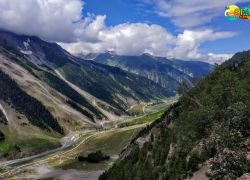
Located in Ganderbal, Sind Valley is a picturesque tourist attraction known for its natural beauty and diverse wildlife. The valley offers a serene environment that attracts nature enthusiasts, birdwatchers, and photographers from around the world. History of Sind Valley With a rich historical background, Sind Valley was once a royal hunting ground. Over the years, concerted conservation efforts have helped preserve the area, leading to its recognition by UNESCO for its biodiversity and ecological significance. Architecture and Natural Beauty of Sind Valley Sind Valley is characterized by its lush wetlands, dense forests, and sprawling grasslands that provide habitats for a variety of bird species. The historical Keoladeo Temple situated within the valley adds to its cultural and architectural charm. Why is Sind Valley Famous? Sind Valley is renowned for its diverse bird population, making it a paradise for birdwatchers. The stunning landscapes, serene environment, and abundant wildlife attract nature lovers and wildlife enthusiasts seeking a tranquil escape. How to Reach Sind Valley Travelling to Sind Valley is convenient, with options for air, rail, and road transport. The valley is easily accessible from nearby airports and railway stations, ensuring a hassle-free journey for visitors. Weather and Best Time to Visit Sind Valley Sind Valley experiences varying weather conditions throughout the year, with distinct summer, monsoon, and winter seasons. The best time to visit is during the moderate months when the weather is pleasant and conducive for outdoor activities. Timings of Sind Valley Sind Valley welcomes visitors during specified timings, with seasonal variations considered for optimal planning. Understanding the visitor timings ensures a well-organized and enjoyable trip to explore the valley. Entry Fee and Visit Details Visitors to Sind Valley can avail entry procedures, guide services, safari options, bicycle rentals, and other facilities for a fulfilling experience. These services enhance the visit and provide opportunities for exploration within the valley. Things to Do at Sind Valley Popular activities at Sind Valley include birdwatching, photography, cycling, walking trails, nature observation, and engaging educational experiences. These activities allow visitors to immerse themselves in the natural wonders of the valley. Interesting Facts About Sind Valley Sind Valley is home to a myriad of migratory birds, showcasing its importance in wildlife conservation. The valley's biodiversity, conservation achievements, and ecological significance make it a unique and valuable destination for nature lovers. Travel Tips for Visiting Sind Valley When visiting Sind Valley, it is advisable to dress comfortably, carry appropriate photography and birdwatching equipment, choose the right season for the visit, and practice responsible tourism. These tips ensure a memorable and respectful experience in the valley. Conclusion In conclusion, Sind Valley in Ganderbal is a haven for nature enthusiasts, offering a blend of natural beauty, wildlife diversity, and cultural heritage. A visit to Sind Valley promises a rejuvenating experience surrounded by the tranquility and splendor of this captivating destination.
Explore More
Sham Valley Trek Starting Point
Sham Valley Trek Starting Point in Likir is a hidden gem nestled in the heart of nature's bounty. This picturesque destination offers a serene escape for travelers seeking tranquility and adventure amidst the stunning landscapes of Likir. History of Sham Valley Trek Starting Point The history of Sham Valley Trek Starting Point dates back to ancient times when it served as a vital route for traders and pilgrims. This region's rich cultural heritage is evident in its ancient monasteries and traditional way of life. Formerly known as a royal hunting ground, the area has now been transformed into a conservation zone to protect its natural beauty. Architecture and Natural Beauty of Sham Valley Trek Starting Point The natural environment surrounding Sham Valley Trek Starting Point is a breathtaking sight to behold. Lush forests, meandering rivers, and snow-capped peaks create a mesmerizing backdrop for adventurers and nature lovers alike. The Keoladeo Temple, a historical marvel within the vicinity, adds to the charm of this pristine location. Why is Sham Valley Trek Starting Point Famous? Sham Valley Trek Starting Point is renowned for its diverse bird habitats, making it a paradise for birdwatchers and wildlife enthusiasts. The region's natural beauty and tranquil ambiance attract photographers and nature lovers seeking to capture the essence of untouched wilderness. How to Reach Sham Valley Trek Starting Point Traveling to Sham Valley Trek Starting Point is convenient, with options for air, rail, and road transport. The nearest airports and railway stations provide easy access to Likir, ensuring a hassle-free journey for visitors from various parts of the country. Weather and Best Time to Visit Sham Valley Trek Starting Point The weather at Sham Valley Trek Starting Point varies across seasons, offering unique experiences throughout the year. Summer provides pleasant temperatures for outdoor activities, while the monsoon season brings lush greenery to the surroundings. Winter transforms the landscape into a winter wonderland, making it an ideal time for snow enthusiasts. Timings of Sham Valley Trek Starting Point Visitors to Sham Valley Trek Starting Point can explore its beauty during specified timings, ensuring a structured and enjoyable experience. Seasonal variations may influence the operational hours, so it's advisable to plan your visit accordingly. Entry Fee and Visit Details Entry procedures at Sham Valley Trek Starting Point are straightforward, with guide services and safari options available for a more immersive experience. Bicycle rentals offer a unique way to explore the area, while visitor facilities cater to the comfort and convenience of guests. Things to Do at Sham Valley Trek Starting Point Engage in a variety of activities at Sham Valley Trek Starting Point, including birdwatching, photography, cycling, and nature observation. The walking trails offer a chance to connect with nature, while educational experiences provide insights into the region's biodiversity and conservation efforts. Interesting Facts About Sham Valley Trek Starting Point Sham Valley Trek Starting Point is home to a diverse range of migratory birds, showcasing the region's ecological significance. Conservation achievements have helped preserve this natural paradise, highlighting the importance of sustainable tourism practices and environmental stewardship. Travel Tips for Visiting Sham Valley Trek Starting Point When visiting Sham Valley Trek Starting Point, remember to dress appropriately for the weather and carry essential photography and birdwatching equipment. Familiarize yourself with the best seasons to visit and practice responsible tourism to help protect the area's delicate ecosystem. Conclusion In conclusion, Sham Valley Trek Starting Point in Likir is a must-visit destination for those seeking a harmonious blend of nature, culture, and adventure. Its historical significance, natural beauty, and diverse wildlife make it a perfect retreat for travelers looking to immerse themselves in the wonders of the great outdoors.
Explore More
Welcome to the breathtaking destination of Gogaldara in the charming city of Tangmarg. Nestled amidst the natural beauty of the region, Gogaldara is a paradise for nature lovers, offering a serene escape from the hustle and bustle of city life. This enchanting hotspot is renowned for its picturesque landscapes, diverse biodiversity, and rich cultural heritage, making it a must-visit destination for travelers seeking a unique and unforgettable experience. History of Gogaldara Gogaldara holds a significant historical background as it was once the royal hunting grounds of the former rulers. Over the years, concerted conservation efforts have transformed this area into a sanctuary for wildlife and birds, leading to its recognition by UNESCO for its ecological importance and preservation of natural habitats. Architecture and Natural Beauty of Gogaldara The natural beauty of Gogaldara is truly mesmerizing, with its lush wetlands, dense forests, expansive grasslands, and diverse bird habitats. One of the notable attractions within the hotspot is the historical Keoladeo Temple, adding a touch of architectural splendor to the picturesque surroundings. Why is Gogaldara Famous? Gogaldara has gained fame as a popular destination among birdwatchers, photographers, nature enthusiasts, and wildlife lovers due to its incredible biodiversity and the opportunity to witness a wide variety of migratory birds in their natural habitat. The tranquil ambiance and stunning landscapes further enhance its appeal among visitors seeking solace in nature. How to Reach Gogaldara Traveling to Gogaldara is convenient, with options available by air, rail, and road. The nearest airports and railway stations provide easy access to the hotspot, ensuring that visitors can reach this serene destination with ease and comfort. Weather and Best Time to Visit Gogaldara Gogaldara experiences varied weather conditions throughout the year, with distinct seasons of summer, monsoon, and winter offering unique perspectives of the natural surroundings. The best time to visit Gogaldara is during [mention best months], when the weather is pleasant, and the wildlife sightings are at their peak. Timings of Gogaldara Visitor timings for Gogaldara may vary seasonally, so it is advisable to plan your trip accordingly. Understanding the timings and operational schedule will help you make the most of your visit and ensure a memorable experience in this captivating hotspot. Entry Fee and Visit Details Entry procedures to Gogaldara are hassle-free, with guide services and safari options available for visitors to explore the area extensively. Bicycle rentals and other visitor facilities are also provided to enhance your experience and make your trip more enjoyable. Things to Do at Gogaldara Gogaldara offers a plethora of activities for visitors to indulge in, including birdwatching, photography, cycling, walking trails, nature observation, and educational experiences. Immerse yourself in the beauty of nature and explore the diverse ecosystem that thrives within this scenic hotspot. Interesting Facts About Gogaldara Gogaldara is home to a wide array of migratory birds, showcasing the rich biodiversity and conservation efforts that have contributed to the ecological significance of this region. The achievements in preserving the natural habitats and promoting sustainable tourism practices make Gogaldara a truly remarkable destination to explore. Travel Tips for Visiting Gogaldara When planning your visit to Gogaldara, remember to pack appropriate clothing, essential photography gear, and birdwatching equipment to make the most of your experience. Understanding the visiting seasons and adhering to responsible tourism practices will ensure a harmonious interaction with nature and wildlife. Conclusion In conclusion, Gogaldara in Tangmarg stands out as a gem in the realm of natural beauty and wildlife conservation. Its historical significance, diverse biodiversity, and engaging tourist activities make it a destination worth exploring for travelers seeking a peaceful retreat in the lap of nature. Discover the wonders of Gogaldara and immerse yourself in the tranquility and splendor of this enchanting hotspot.
Explore More
Welcome to Ferozpora Nallah, a hidden gem nestled in the serene city of Tangmarg. This enchanting tourist attraction is a paradise for nature lovers and wildlife enthusiasts, offering a unique blend of natural beauty and biodiversity. History of Ferozpora Nallah The history of Ferozpora Nallah dates back to ancient times when it served as a royal hunting ground for the nobility. Over the years, concerted conservation efforts have transformed this area into a protected sanctuary for various species of flora and fauna. The park's rich heritage and ecological significance have earned it recognition from UNESCO as a vital conservation area. Architecture and Natural Beauty of Ferozpora Nallah Ferozpora Nallah boasts a diverse landscape encompassing wetlands, dense forests, and sprawling grasslands that provide a habitat for a myriad of bird species. The picturesque surroundings are enhanced by the presence of the historic Keoladeo Temple, adding a touch of cultural charm to the natural beauty of the park. Why is Ferozpora Nallah Famous? Ferozpora Nallah has gained renown among birdwatchers, photographers, and nature enthusiasts for its exceptional avian diversity and pristine wilderness. The park offers a tranquil retreat for wildlife lovers seeking to immerse themselves in the sights and sounds of nature. How to Reach Ferozpora Nallah Traveling to Ferozpora Nallah is convenient with various transportation options available. Visitors can access the park by air via nearby airports or by rail through the well-connected railway stations in the vicinity. Additionally, road networks provide easy access for those opting to travel by car. Weather and Best Time to Visit Ferozpora Nallah The weather at Ferozpora Nallah varies across seasons, offering distinct experiences for visitors. While summers are ideal for exploring the lush greenery, monsoons bring a vibrant charm to the park. Winter months offer a tranquil ambiance, making it a perfect time for birdwatching and nature walks. Timings of Ferozpora Nallah Ferozpora Nallah welcomes visitors during specific timings, ensuring a pleasant and organized experience for all. The park's operational hours may vary seasonally, so it is advisable to plan your visit accordingly to make the most of your time there. Entry Fee and Visit Details Entry to Ferozpora Nallah involves following designated procedures and availing guide services for an insightful tour of the park. Visitors can also opt for safari experiences, bicycle rentals, and other facilities to enhance their visit and explore the park's offerings thoroughly. Things to Do at Ferozpora Nallah Ferozpora Nallah offers a plethora of activities for visitors to engage in, including birdwatching, photography, cycling, and nature observation. Walking trails meander through the park, providing opportunities for immersive experiences amidst the vibrant ecosystem. Educational programs further enrich the visit by offering insights into the park's conservation efforts and biodiversity. Interesting Facts About Ferozpora Nallah Fascinating facts about the migratory birds that frequent Ferozpora Nallah, the park's diverse biodiversity, and the conservation achievements made within its boundaries highlight the ecological importance of this pristine sanctuary. The park stands as a testament to the harmonious coexistence of nature and wildlife. Travel Tips for Visiting Ferozpora Nallah When planning a trip to Ferozpora Nallah, it is advisable to dress appropriately for the weather conditions, carry essential photography and birdwatching equipment, and visit during the recommended seasons for an optimal experience. Responsible tourism practices are encouraged to preserve the park's natural splendor and protect its inhabitants. Conclusion In conclusion, Ferozpora Nallah in Tangmarg is a sanctuary of tranquility and natural beauty, offering visitors a chance to connect with the bounties of the wilderness. Whether you are a nature enthusiast, a wildlife lover, or a photography buff, this enchanting hotspot promises an unforgettable experience that celebrates the wonders of [Hotspots Name], [City].
Explore More
Gulabgarh, located in Reasi, is a hidden gem waiting to be explored by nature enthusiasts and wildlife lovers. This picturesque destination offers a serene environment with rich biodiversity, making it a paradise for birdwatchers and photographers. History of Gulabgarh Steeped in history, Gulabgarh has a fascinating past as former royal hunting grounds. Over the years, concerted conservation efforts have transformed this area into a sanctuary for various species. The park's unique ecological significance has garnered international recognition, including UNESCO's appreciation for its conservation initiatives. Architecture and Natural Beauty of Gulabgarh Gulabgarh boasts a diverse natural landscape comprising wetlands, lush forests, expansive grasslands, and bird habitats. Amidst this natural splendor lies the historic Keoladeo Temple, adding a touch of spirituality to the scenic beauty of the park. Why is Gulabgarh Famous? Gulabgarh has gained fame as a haven for birdwatchers, photographers, and nature enthusiasts. Its tranquil surroundings and abundant wildlife attract visitors seeking to immerse themselves in the wonders of the natural world. How to Reach Gulabgarh Traveling to Gulabgarh is convenient, with options available by air, rail, and road. The nearest airports and railway stations provide easy access to this nature lover's paradise, ensuring a smooth journey for visitors. Weather and Best Time to Visit Gulabgarh Throughout the year, Gulabgarh experiences varying weather conditions, each offering a unique experience to visitors. The best time to visit depends on personal preferences, with different seasons showcasing the park's beauty in distinct ways. Timings of Gulabgarh Gulabgarh welcomes visitors during specified timings, accommodating seasonal variations to enhance the overall experience. Planning a trip to this sanctuary involves considering these timings to make the most of your visit. Entry Fee and Visit Details For those eager to explore Gulabgarh, entry procedures are straightforward, with guide services available for a more immersive experience. Safari options, bicycle rentals, and visitor facilities ensure a comfortable and enjoyable visit for all. Things to Do at Gulabgarh Activities at Gulabgarh cater to a wide range of interests, from birdwatching and photography to cycling and walking trails. Nature enthusiasts can partake in educational experiences while soaking in the park's serene ambiance. Interesting Facts About Gulabgarh Gulabgarh is home to a myriad of migratory birds, showcasing the park's rich biodiversity. Conservation efforts have led to significant achievements in preserving the ecological balance, highlighting the importance of sustainable practices. Travel Tips for Visiting Gulabgarh When planning a trip to Gulabgarh, consider packing appropriate clothing, essential photography gear, and birdwatching equipment. Understanding the best visiting seasons and practicing responsible tourism will ensure a memorable and fulfilling experience. Conclusion In conclusion, Gulabgarh in Reasi stands out as a must-visit destination for nature lovers seeking tranquility and natural beauty. Its historical significance, diverse wildlife, and engaging activities make it a perfect retreat for those looking to reconnect with the wonders of the natural world.
Explore More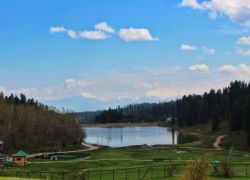
Yusmarg, located in Budgam, is a hidden gem in the heart of Jammu and Kashmir, known for its natural beauty and serene environment. This picturesque tourist attraction offers a perfect retreat for nature lovers, birdwatchers, and wildlife enthusiasts. History of Yusmarg Yusmarg holds a significant historical background as it was once a royal hunting ground for the Mughal emperors. Over the years, efforts have been made to conserve the natural habitat and biodiversity of the region, leading to its recognition by UNESCO for its ecological importance. Architecture and Natural Beauty of Yusmarg The enchanting landscapes of Yusmarg are characterized by lush forests, pristine wetlands, and diverse bird habitats. The historical Keoladeo Temple nestled within the park adds to its architectural and cultural charm, making it a unique destination for visitors. Why is Yusmarg Famous? Yusmarg is renowned for its rich biodiversity, making it a paradise for birdwatchers, photographers, and nature enthusiasts. The variety of flora and fauna, along with the tranquil environment, attracts wildlife lovers from around the globe. How to Reach Yusmarg Traveling to Yusmarg is convenient with options available by air, rail, and road. The nearest airport is located in Srinagar, while the Jammu Tawi Railway Station serves as a major railway hub for those arriving by train. Road transport is also well-connected to Yusmarg from nearby cities. Weather and Best Time to Visit Yusmarg The weather in Yusmarg varies across seasons, with summers offering pleasant temperatures, monsoons bringing lush greenery, and winters transforming the landscape into a winter wonderland. The best time to visit Yusmarg is during the spring and summer months when the weather is most favorable. Timings of Yusmarg Visitors can explore Yusmarg during daylight hours, with seasonal variations in timings based on daylight availability. It is advisable to plan your visit during the daytime to make the most of the natural beauty and wildlife sightings. Entry Fee and Visit Details Entry to Yusmarg is subject to nominal fees, with additional services such as guide assistance, safari options, bicycle rentals, and visitor facilities available for a more enriching experience. Visitors can make use of these services to explore the park efficiently. Things to Do at Yusmarg Yusmarg offers a range of activities for visitors, including birdwatching, photography, cycling through scenic trails, walking amidst nature, and engaging in educational experiences to learn more about the local flora and fauna. Exploring the beauty of Yusmarg is a rewarding experience for all nature lovers. Interesting Facts About Yusmarg Yusmarg is home to a diverse range of migratory birds, showcasing the region's ecological significance and biodiversity. Conservation efforts have led to the protection of various species, making Yusmarg a hub for wildlife conservation and environmental awareness. Travel Tips for Visiting Yusmarg When visiting Yusmarg, it is advisable to dress in layers to accommodate changing weather conditions, carry appropriate photography equipment for capturing the scenic beauty, and adhere to responsible tourism practices to preserve the natural habitat. Planning your visit during the recommended seasons ensures a fulfilling and enjoyable trip. Conclusion In conclusion, Yusmarg in Budgam stands out as a must-visit destination for those seeking tranquility, natural beauty, and a close encounter with wildlife. With its historical significance, diverse landscapes, and abundant biodiversity, Yusmarg offers a unique experience that is both educational and enriching for visitors of all ages.
Explore More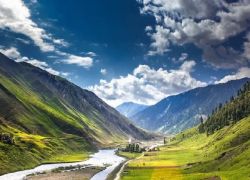
Gurez Valley is a pristine Himalayan paradise in Jammu and Kashmir. This valley is a gateway to untamed natural beauty, ancient culture, and thrilling treks. Escape into nature's embrace amidst towering peaks, lush meadows, and gurgling streams.
Explore More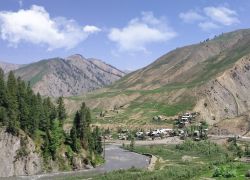
Tulail Valley in Bandipora is a hidden gem nestled in the heart of nature, offering a serene retreat for travelers seeking tranquility and natural beauty. The valley is renowned for its picturesque landscapes, rich biodiversity, and unique cultural heritage, making it a perfect destination for nature enthusiasts and adventure seekers alike. History of Tulail Valley The history of Tulail Valley dates back to ancient times when it served as a prominent trade route connecting Central Asia with the Indian subcontinent. Once a royal hunting ground for the erstwhile rulers, the valley has undergone significant conservation efforts to preserve its ecological balance. Tulail Valley's conservation initiatives have garnered recognition from UNESCO for its efforts in protecting the region's natural heritage. Architecture and Natural Beauty of Tulail Valley The natural environment of Tulail Valley is a sight to behold, with lush wetlands, dense forests, expansive grasslands, and diverse bird habitats. The valley is home to the historic Keoladeo Temple, a revered site for pilgrims and a testament to the region's architectural heritage. Visitors can immerse themselves in the breathtaking beauty of the valley while exploring its diverse landscapes and avian residents. Why is Tulail Valley Famous? Tulail Valley is famous for its abundant birdlife, attracting birdwatchers, photographers, and wildlife enthusiasts from around the globe. The valley's unique ecosystem provides a sanctuary for migratory birds, making it a paradise for birdwatching enthusiasts seeking rare avian species in their natural habitat. How to Reach Tulail Valley Traveling to Tulail Valley is a rewarding experience, with convenient access by air, rail, and road. The nearest airport to Bandipora is located in Srinagar, while the closest railway station is in Jammu. Visitors can reach Tulail Valley by road through well-connected highways, offering picturesque views of the surrounding landscapes along the way. Weather and Best Time to Visit Tulail Valley The weather in Tulail Valley varies across seasons, with pleasant summers, refreshing monsoons, and snowy winters. The best time to visit the valley is during the spring and autumn months when the weather is mild, and the landscapes are in full bloom, offering an enchanting backdrop for exploration. Timings of Tulail Valley Tulail Valley welcomes visitors throughout the year, with seasonal variations in timings based on daylight hours and weather conditions. Travelers are advised to plan their visit during daylight hours to make the most of their experience and explore the valley's natural wonders. Entry Fee and Visit Details Visitors to Tulail Valley can enjoy a range of services, including guide assistance, safari options, bicycle rentals, and visitor facilities for a comfortable and memorable visit. Entry procedures are streamlined to ensure a hassle-free experience for travelers seeking to explore the valley's diverse offerings. Things to Do at Tulail Valley There are plenty of activities to indulge in at Tulail Valley, from birdwatching and photography to cycling, walking trails, and nature observation. Visitors can immerse themselves in the valley's natural beauty, engage in educational experiences, and witness the region's vibrant biodiversity up close. Interesting Facts About Tulail Valley Tulail Valley is home to a myriad of migratory birds, showcasing the region's ecological richness and conservation efforts. The valley's diverse flora and fauna contribute to its ecological importance, making it a focal point for environmental conservation and sustainable tourism practices. Travel Tips for Visiting Tulail Valley When visiting Tulail Valley, travelers are advised to pack suitable clothing for varying weather conditions, carry essential photography and birdwatching equipment, and plan their visit during the recommended seasons for optimal experiences. Responsible tourism practices are encouraged to preserve the valley's natural heritage for future generations. Conclusion In conclusion, Tulail Valley in Bandipora offers a captivating blend of natural beauty, cultural heritage, and biodiversity, making it a must-visit destination for travelers seeking an immersive experience in nature. Whether you're a birdwatcher, photographer, or nature enthusiast, Tulail Valley promises a memorable journey filled with exploration, discovery, and appreciation for the wonders of the natural world.
Explore More