+91-8929175340

248 km2
10,17,865 as recorded in 2011.
The official language is Tamil
November-February
0452

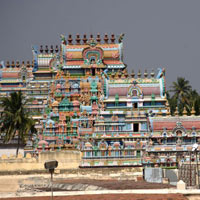
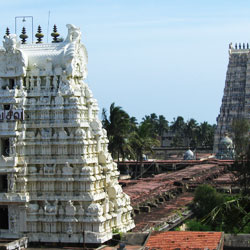
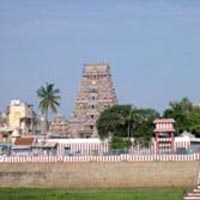
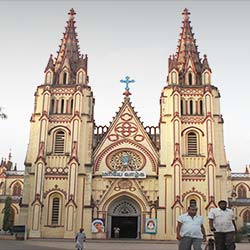
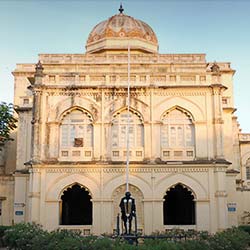
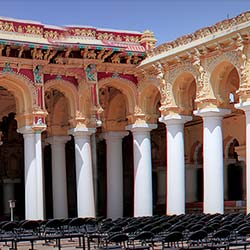
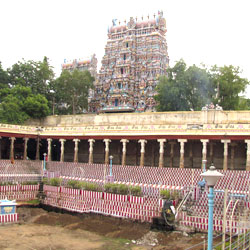
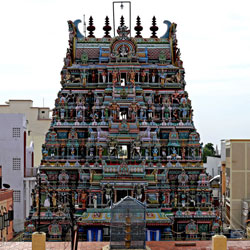
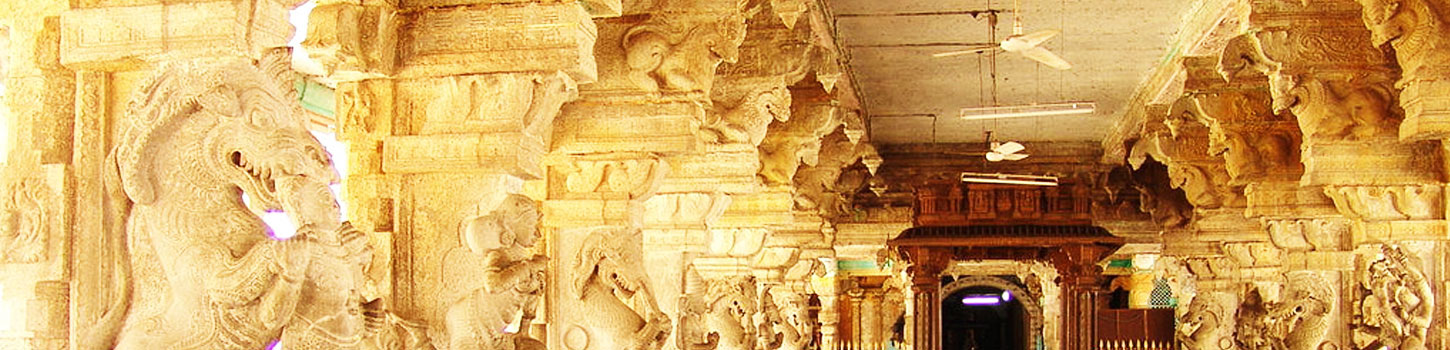
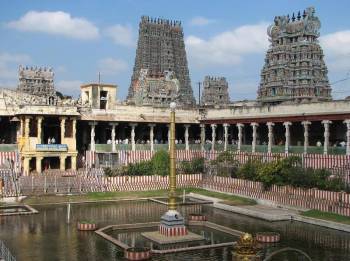
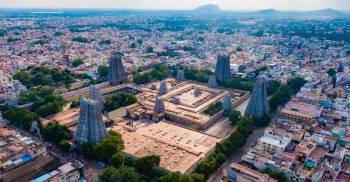
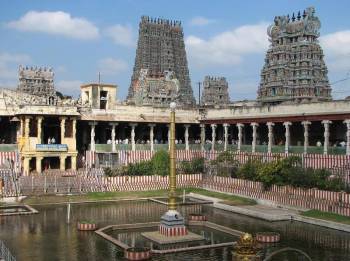
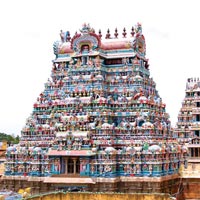
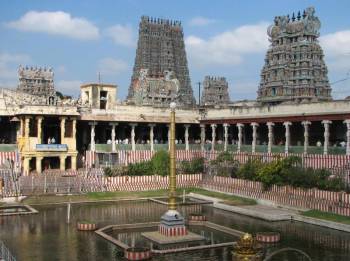
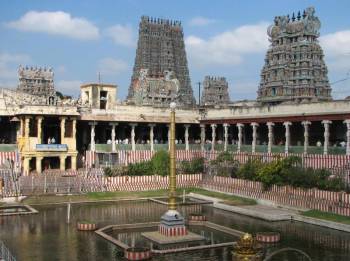
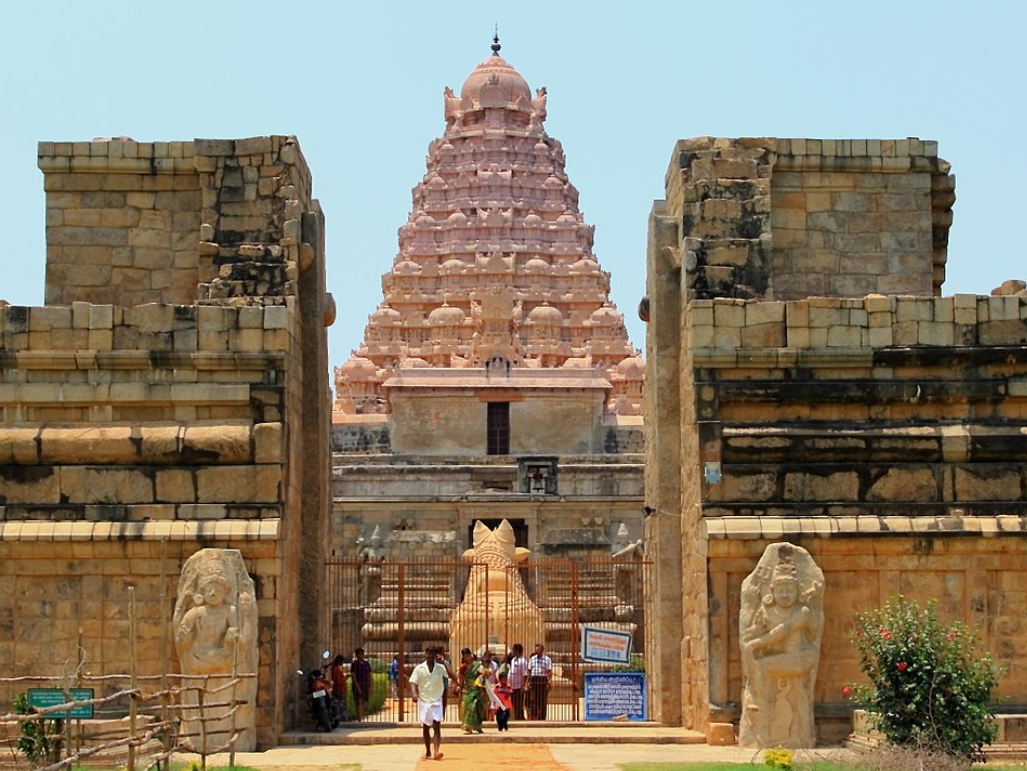
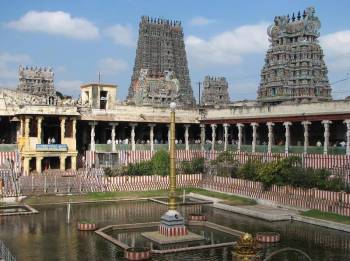
Madurai is the third largest city in Tamil Nadu, situated on the banks of Vaigai River. This city is one of the oldest continuously inhabited cities of the world. It was under the rule of Pandya kings for the longest period. During this period, the kings built many temples here, particularly in the Dravidian architecture. Presently, Madurai is an urban city with many manufacturing and IT industries. It is also a learning hub with many noted educational centres.
It is believed that Madurai got its name the word from Madhura (sweetness) relating to the divine nectar showered on the city by Lord Shiva from his tousled hair. There are several titles given to this city. It is popularly called Thoonga Nagaram meaning ‘the city that never sleeps’, in context with the buzzing night life. Other titles are City of Junctions (Koodal nagaram), City of Jasmine (Malligai maanagar) and Temple City (Koil maanagar).
Madurai city is situated on the banks of river Vaigai, which passes through the middle and is a flat ground with fertile soil. The average elevation of land is 101m. There are two hills to the north and west. The climate is hot and dry for most part of the year. Summers are extremely heated while winter temperatures range between 29.6 °C and 18 °C. The precipitation is more from September to November.
Madurai is an urban town with well-developed transportation facilities.
Air: Madurai Airport is 12km away from the main city. It has many domestic flights to major cities of India and international flights to Colombo, Sri Lanka and Dubai.
Rail: Madurai Junction is an important railway station on Southern Railways. There are plenty of trains for major cities across India from here.
Roadways: The National Highways NH 7, NH 45B, NH 208 and NH 49 pass through this city along with several state highways.
Local Transport: The can be roamed around in state-run buses or private minibuses. The other option is to hire auto rickshaws.
Takeaways for tourists from Madurai include Handloom Sarees, Brass works, Tanjore Paintings, Handicrafts and antiques. Pudumandapam is a 500 year old mall where you can find handicrafts, books, bronze articles etc. However, it is not like the modern-day malls. The nearby town of Melur is famous for its granite stone.
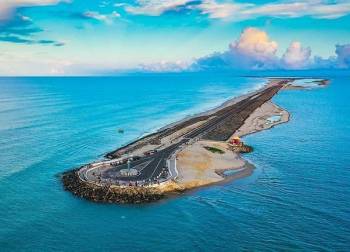
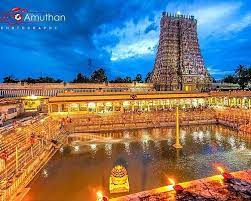
Madurai Rameshwaram Kanyakumari 02 Night 03 Days Tour Package from Bangalore
3 Days/ 2 Night
Starting Price On Request
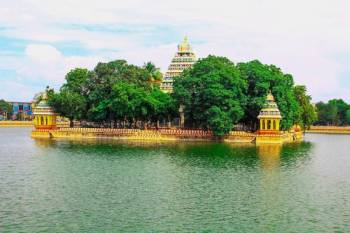
Madurai - Rameshwaram - Kanyakumari 2N 3D Tour From Bangalore
3 Days/ 2 Night
Starting Price On Request
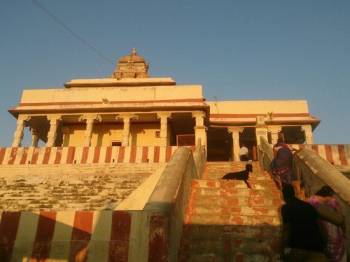

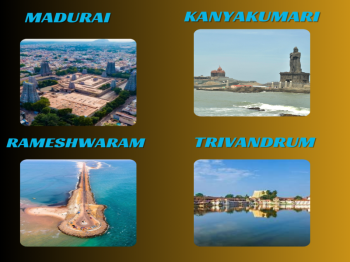
Madurai - Rameswaram - Kanyakumari Tour Package 3 Night - 4 Days
4 Days/ 3 Night
Starting Price On Request
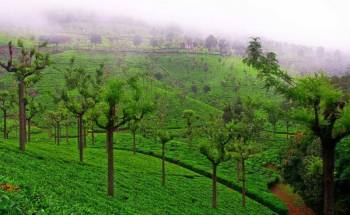
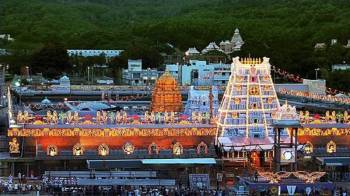
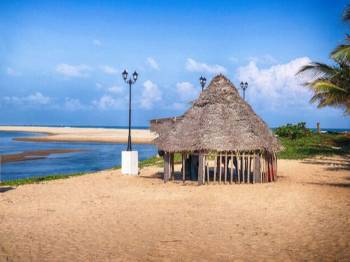
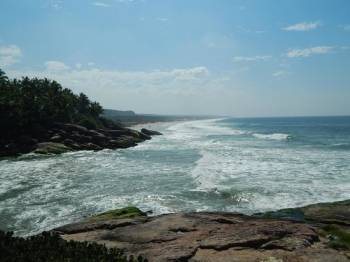
9 Night - 10 Days Tamil Nadu Tour From Thiruvananthapuram
10 Days/ 9 Night
Starting Price On Request
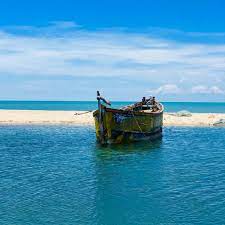
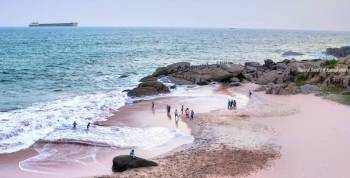
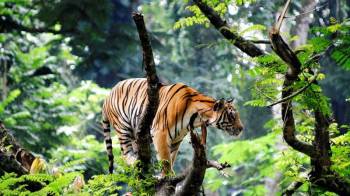
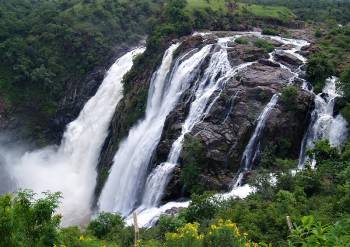
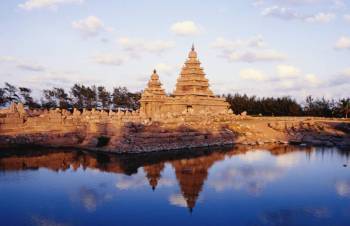
Mysore-Ooty-Coonoor-Kodaikanal-Madurai-Kanyakumari-Rameshwaram 10D Tour
10 Days/ 9 Night
Starting Price On Request
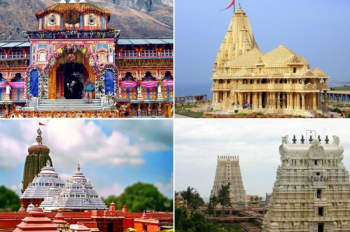
Char Dhams Badrinath - Jagannath - Dwarka- Rameshwaram Tour
15 Days/ 14 Night
Starting Price On Request