- By Theme
-
Destinations
-
Indian Destinations
-
International Destinations
-
- Best Places to Visit
- Packages
- Search Agents
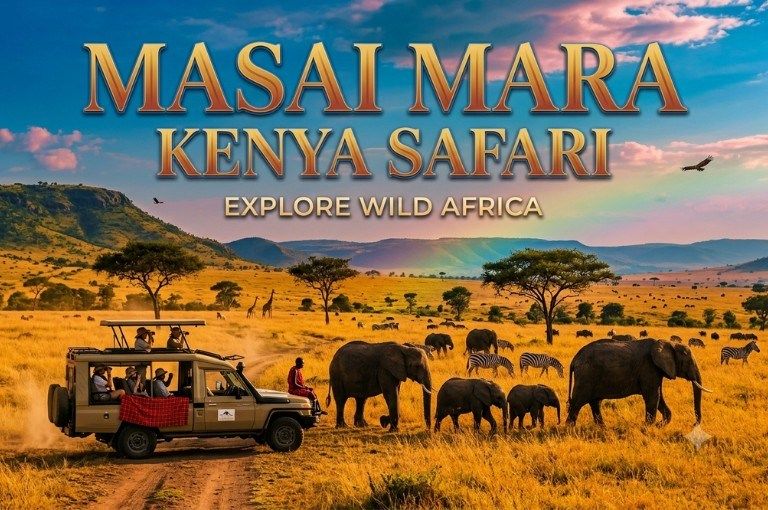
Few destinations on earth capture the imagination quite like the Mara. Picture golden grasslands rolling to the horizon, a lion pride resting under an acacia tree, and thousands of wildebeest thundering across a river in one of nature's last great spectacles. Planning a Masai Mara Kenya safari is planning a trip into that picture — but getting every detail right, from timing to terrain to where you sleep at night, is what turns a good trip into an unforgettable one. This guide walks you through everything you need to know, step by step — from choosing the right season and understanding the wildlife you will encounter, to the best places to visit in Masai Mara for accommodation, and deciding whether a bundled tour package suits your travel style — so your journey into East Africa's most celebrated wilderness goes exactly the way you imagined it.
The Masai Mara National Reserve sits in southwestern Kenya, bordering Tanzania's Serengeti, and together the two ecosystems form one continuous wilderness that supports one of the densest concentrations of wildlife anywhere on the planet. What makes a safari in the Masai Mara so special isn't just the sheer number of animals — it's the ease of seeing them. Wide open savannah means visibility for kilometers, so game drives here consistently deliver sightings that other reserves can only promise. Add in the reserve's compact size relative to its wildlife density, and you have a destination built for travelers who want maximum wildlife encounters without spending entire days in transit between sightings.
Beyond the animals, the Mara carries deep cultural weight. The Maasai people have lived alongside this land for centuries, and their presence — in village visits, storytelling, and traditional ceremonies — adds a human dimension to the wilderness experience that few other safari destinations can match. A trip here isn't only about ticking off the Big Five; it's about understanding a landscape that has shaped, and been shaped by, the people who call it home.
Timing is arguably the single biggest factor in how your trip unfolds. The Mara is a year-round destination, but different months offer very different experiences, and knowing this before you book makes all the difference.
July to October is peak season and for good reason — this is when the Great Migration arrives from the Serengeti, bringing over a million wildebeest, zebra, and gazelle across the Mara River in dramatic crossings that have become the single most iconic scene in African wildlife travel. If a dramatic Maasai Mara safari Kenya experience centered on migration is your goal, these months are non-negotiable.
January to March offers a quieter alternative with lush green scenery, fewer crowds, and excellent predator sightings, since resident lion, cheetah, and leopard populations remain in the reserve year-round. This period also coincides with calving season on the wider plains, which means plenty of young animals and, consequently, plenty of predator activity.
April to May is the long rainy season. Some camps close, roads can turn muddy, and game viewing becomes more challenging, but rates drop significantly and the landscape turns a vivid, photogenic green that's rarely seen in tourism brochures.
Whichever window you choose, book your accommodation and vehicle well in advance, particularly for the July–October migration period, when the best camps fill up months ahead.
A well-planned itinerary blends classic game drives with a few experiences that set the Mara apart from other reserves.
Game drives safari remain the backbone of any trip, and the Mara rewards both early morning and late afternoon drives, when predators are most active and the light is at its most flattering for photography. Most camps offer both shared and private vehicle options, and a private 4x4 with a pop-up roof is worth the extra cost if photography matters to you.
Hot air balloon safaris launch at dawn and drift silently over the plains, offering a completely different perspective on the terrain and its wildlife, followed by a champagne breakfast set up in the bush once you land. It's an experience many travelers describe as the highlight of their entire trip.
Mara River crossings, when timed with the migration, are the closest thing safari travel has to guaranteed drama — though patience is required, as crocodiles, currents, and herd hesitation mean crossings can take hours to happen, or may not happen on a given day at all.
Maasai village visits give you a window into traditional life, from beadwork and cattle herding to the famous Adumu jumping dance, and are typically arranged as a half-day add-on to your game drive schedule.
Walking safaris, offered by select conservancies bordering the main reserve, let you experience the bush on foot with an armed ranger and a Maasai guide, tracking smaller signs of wildlife that vehicles simply drive past.
The reserve's wildlife roster reads like a highlight film of African safari icons. All of the Big Five — lion, leopard, elephant, buffalo, and rhino — are present, though black rhino sightings require patience given their low numbers and shy nature. Cheetah sightings are notably strong here, with several habituated families that have grown used to safari vehicles, making for exceptional photography opportunities.
Beyond the marquee species, keep an eye out for hyena clans, giraffe herds moving in that unmistakable rolling gait, hippo pods wallowing in the Mara River, and over 470 recorded bird species, from the striking lilac-breasted roller to martial eagles soaring on thermals above the plains. During migration months, the numbers swell dramatically as wildebeest and zebra herds move through in their hundreds of thousands, drawing in predators that time their own movements around the herds' arrival.
Lion prides in the Mara are among the most studied and most habituated in Africa, which means guides often know individual prides by name, their territories, and even the personalities of specific members — details that add real depth to a sighting rather than just a passing glimpse. Leopards, by contrast, remain elusive and solitary, typically spotted resting in riverine trees along the Talek or Mara rivers during the heat of the day. Elephant herds move through in family groups led by an experienced matriarch, and buffalo herds numbering in the hundreds are a common sight grazing the open plains. For photographers, the golden hour light at dawn and dusk, combined with the density of wildlife against an open horizon, consistently produces some of the most striking safari images taken anywhere on the continent.
There are two main ways to reach the reserve from Nairobi, and each shapes your trip differently. Flying in takes roughly 45 minutes on a scheduled light-aircraft service from Nairobi's Wilson Airport to one of the several airstrips scattered across the reserve and surrounding conservancies.
This is the faster, more comfortable option, and most camps include a road transfer from the airstrip to your accommodation as part of the package. Driving in takes around five to six hours by road, depending on conditions and the specific camp's location, and while it takes longer, it gives you the chance to stop at the Great Rift Valley viewpoint along the way and watch the landscape shift from highland farmland to open savannah in real time.
Many first-time visitors choose to fly one way and drive the other, getting a taste of both without adding extra travel days to the itinerary. Whichever route you choose, always confirm your camp's specific airstrip or transfer arrangements ahead of time, since the reserve has several entry points and getting this wrong can add hours to your first day.
Accommodation in the Mara ranges from simple tented camps to some of the most luxurious lodges in Africa, and your choice shapes your entire experience.
Camps inside the main reserve put you closest to the highest wildlife concentrations and, during migration season, closest to the river crossings — but they also come with more vehicle traffic at popular sightings.
Conservancy camps, located in the private conservancies bordering the reserve, offer a quieter, more exclusive experience with lower vehicle density, night drives (not permitted inside the main reserve), and walking safaris — trade-offs worth considering if crowds aren't your style.
Most properties operate on a full-board basis with game drives included, and many combine canvas-tent charm with genuinely upscale comforts: en-suite bathrooms, private verandas overlooking the plains, and campfire dinners under the stars.
Coordinating flights, park fees, transfers, accommodation, and daily game drives independently is possible, but it adds up to a significant amount of research and logistics — particularly for first-time visitors unfamiliar with Kenya's road conditions, park entry systems, and seasonal camp closures. This is where a structured Kenya tour package earns its value. A well-built package bundles airport transfers, domestic flights or road transport to the Mara, accommodation matched to your budget and style, park entry fees, and a knowledgeable driver-guide who knows exactly where the animals are likely to be on any given day. For travelers combining the Mara with other Kenyan highlights — Amboseli's elephant herds against Kilimanjaro's backdrop, Lake Nakuru's flamingo-lined shores, or a beach extension on the Diani coast — a multi-destination package also handles the internal logistics that would otherwise eat into your holiday time. It also means one point of contact for the entire trip, rather than juggling separate confirmations from camps, transfer companies, and internal flight operators, which matters more than it sounds like once you're actually on the ground and something needs to change at short notice.
If the Mara alone is your focus, a dedicated Masai Mara tour package simplifies things further by concentrating every detail — camp selection, game drive schedules, balloon safari bookings, village visit timing — around a single reserve rather than spreading planning across multiple regions. These packages are typically structured around trip length (a classic three-night stay, a longer week-long exploration covering both the reserve and neighboring conservancies) and travel style, whether that's a mid-range tented camp experience or a top-tier luxury lodge stay. Because tour operators maintain relationships with camps and conservancies year-round, they're also often able to secure availability during the busy migration months when independent bookings made late in the game may find their preferred camps already full.
A little preparation goes a long way toward a smooth, comfortable trip:
Pack neutral-colored clothing — khaki, olive, and tan blend into the bush and don't attract insects the way bright colors or dark blue and black (which attract tsetse flies) can.
Bring layers — mornings and evenings on the plains get surprisingly cold, even though daytime temperatures climb quickly.
Carry a good pair of binoculars — camp-provided ones exist but are often shared and limited in number.
Check your yellow fever and malaria requirements well ahead of travel, and pack appropriate prophylaxis and repellent.
Respect wildlife distance guidelines given by your guide — vehicles get remarkably close, but guides know the safe limits that keep both you and the animals undisturbed.
Carry cash in small denominations for tips, as most camps operate on a discretionary tipping system for guides and camp staff.
Protect your camera gear from dust — roads within and around the reserve are unpaved, and a dry bag or padded case makes a real difference over several days of game drives.
Confirm your visa requirements in advance — most nationalities can apply for Kenya's eVisa online before departure, which saves time on arrival at Jomo Kenyatta International Airport.
None of these steps are complicated on their own, but they add up to the difference between a trip where you are constantly troubleshooting and one where you can simply focus on watching the plains go by.
A safari in the Masai Mara rewards preparation, and the right partner on the ground makes the difference between a trip that merely happens and one that's genuinely well planned. TourTravelWorld puts together tailored Kenya and Masai Mara itineraries — matching camps, timing, and travel style to what you actually want from the trip, so every detail from arrival to departure is already taken care of.
Ans: July to October is best for witnessing the Great Migration and Mara River crossings, while January to March offers lush scenery, calving season, and excellent year-round predator sightings with fewer crowds.
Ans: Three to four nights is enough to experience the core reserve and its wildlife, though a five- to seven-day trip allows time to explore neighboring conservancies, take a hot air balloon safari, and visit a Maasai village without feeling rushed.
Ans: Yes. The reserve is well established for tourism, with experienced guides, regulated vehicle protocols, and a range of family-friendly camps offering child-appropriate activities alongside standard game drives.
Ans: Most packages include accommodation, park entry fees, daily game drives with a driver-guide, airport or domestic transfers, and meals on a full-board basis. Optional extras like hot air balloon safaris and village visits are usually bookable as add-ons.
Ans: Absolutely. Many travelers pair the Mara with Amboseli, Lake Nakuru, or a coastal extension in Diani or Mombasa, and a well-planned multi-destination itinerary handles the internal flights and transfers between each stop.
Ans: It comes down to travel style and budget — tented camps inside or near the reserve offer an immersive, closer-to-nature feel with strong wildlife access, while conservancy lodges provide more exclusivity, private game drives, and activities like night drives and walking safaris not permitted in the main reserve. TourTravelWorld Kenya specialists can help match the right property to your priorities.