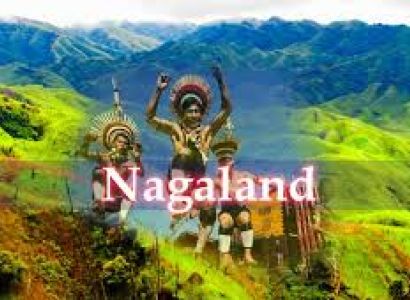
"Experience the vibrant traditions of the Ao Naga."
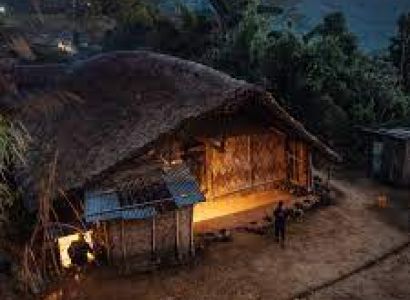
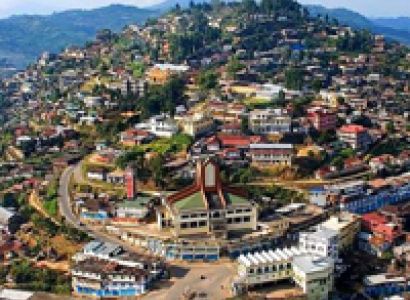
Mokokchung Cultural Village situated in the city of Mokokchung is a hidden gem in the northeastern state of Nagaland, India. This vibrant cultural village offers visitors a unique opportunity to immerse themselves in the rich traditions and heritage of the Ao Naga tribe, known for their colorful festivals, intricate handicrafts, and warm hospitality.
History of Mokokchung Cultural Village
The roots of Mokokchung Cultural Village trace back to ancient times when it served as a gathering place for the Ao Naga community. Originally established as a cultural preservation initiative, the village has transformed into a living museum showcasing the unique customs and way of life of the Ao Naga people. Formerly a royal hunting ground, the village has undergone significant conservation efforts to safeguard its cultural and historical significance, earning it recognition from UNESCO.
Architecture and Natural Beauty of Mokokchung Cultural Village
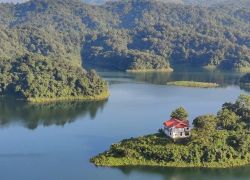
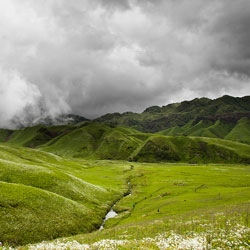
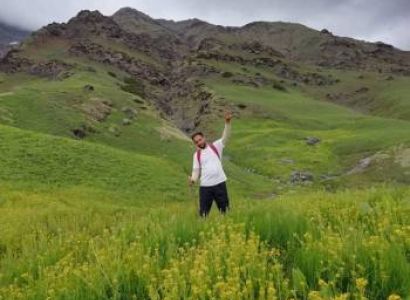
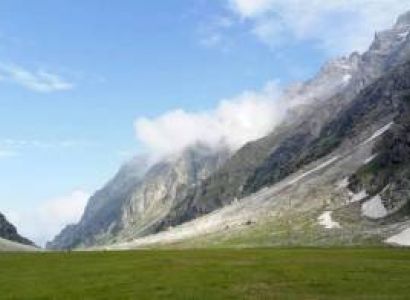
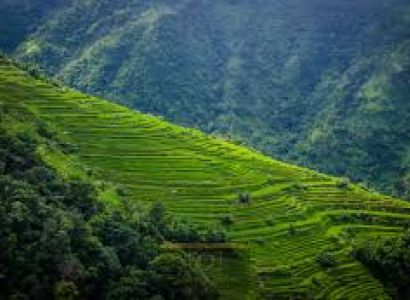
The natural environment surrounding Mokokchung Cultural Village is characterized by lush forests, serene wetlands, and picturesque grasslands that provide a perfect habitat for a variety of bird species. Nestled within this picturesque setting is the historic Keoladeo Temple, a sacred site revered by locals for its architectural beauty and spiritual significance.
Why is Mokokchung Cultural Village Famous?
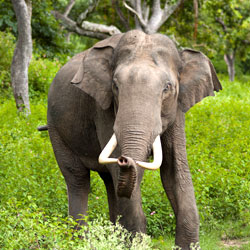
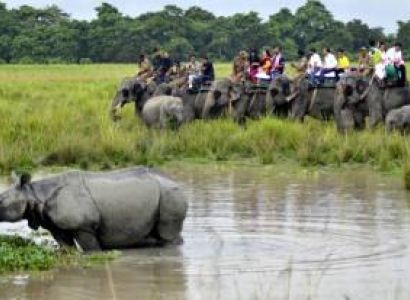
Mokokchung Cultural Village has gained popularity among birdwatchers, photographers, and nature enthusiasts due to its diverse avian population and stunning landscapes. Wildlife lovers flock to the village to witness the unique biodiversity and vibrant cultural performances that celebrate the Ao Naga heritage.
How to Reach Mokokchung Cultural Village
Traveling to Mokokchung Cultural Village is convenient via air, rail, and road. The nearest airport is located in Dimapur, while the closest railway station is in Mariani. Visitors can also opt for a scenic drive through the picturesque countryside to reach Mokokchung and explore the cultural village at their own pace.
Weather and Best Time to Visit Mokokchung Cultural Village
The weather in Mokokchung Cultural Village experiences distinct seasons, with summers being warm, monsoons bringing heavy rainfall, and winters offering a cool and pleasant climate. The best time to visit is during the months of October to March when the weather is ideal for exploring the cultural richness of the village.
Timings of Mokokchung Cultural Village
Mokokchung Cultural Village welcomes visitors throughout the year, with operational timings varying based on seasonal considerations. It is advisable to check the official website or contact the village administration for updated information on visitor timings and special events.
Entry Fee and Visit Details
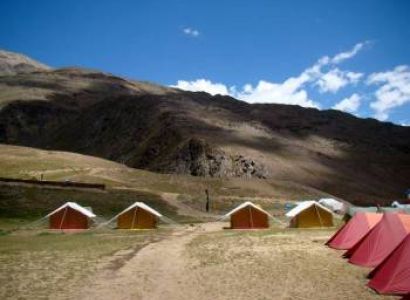
Visitors to Mokokchung Cultural Village can avail of guided tours, safari options, and bicycle rentals to enhance their experience. The village offers visitor facilities such as information centers, cultural workshops, and traditional homestays to provide an authentic insight into the local way of life.
Things to Do at Mokokchung Cultural Village
Popular activities at Mokokchung Cultural Village include birdwatching, photography, cycling through scenic trails, walking tours to explore the cultural heritage, and engaging in educational experiences that offer a deeper understanding of the Ao Naga traditions and customs.
Interesting Facts About Mokokchung Cultural Village
Mokokchung Cultural Village is a haven for migratory birds, with over 200 species recorded in the region. The conservation efforts undertaken in the village have led to the preservation of endangered flora and fauna, making it a significant ecological hotspot in Nagaland.
Travel Tips for Visiting Mokokchung Cultural Village
When planning a visit to Mokokchung Cultural Village, it is advisable to dress modestly, carry essential photography equipment, and respect the local customs and traditions. Exploring the village during the winter months allows visitors to enjoy pleasant weather and witness cultural festivals that showcase the vibrant heritage of the Ao Naga tribe.
Conclusion
In conclusion, Mokokchung Cultural Village in Mokokchung stands as a testament to the rich cultural legacy of the Ao Naga tribe, offering visitors a glimpse into a world where tradition meets modernity. The village's architectural beauty, natural splendor, and cultural significance make it a must-visit destination for those seeking an authentic cultural experience in Northeast India.












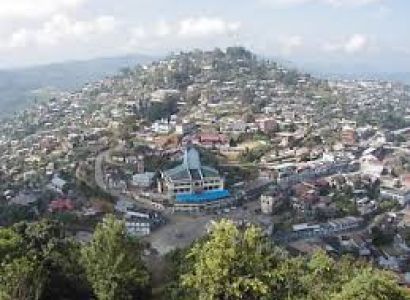


Mokokchung