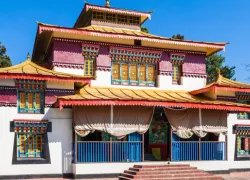
About Enchey Monastery The Enchey Monastery, located in Gangtok, Sikkim, is a prominent Buddhist monastery that holds great religious significance for the local community. It is known for its serene surroundings and peaceful ambiance, making it a popular destination for spiritual seekers and tourists alike. Architectural Facts The Enchey Monastery is a beautiful example of traditional Tibetan architecture, with intricate wood carvings and colorful murals adorning its walls. The main shrine houses a statue of Buddha along with other deities, and the prayer hall is adorned with prayer flags fluttering in the wind. History Founded in the 19th century, the Enchey Monastery has a rich history tied to the Nyingma school of Tibetan Buddhism. It is believed to be built on a site blessed by Lama Druptob Karpo, a revered sage who meditated at the location. Location The Enchey Monastery is located just 3 kilometers from Gangtok city center, making it easily accessible for visitors. The monastery is nestled amidst lush greenery and offers stunning views of the surrounding mountains. Visiting Hours The Enchey Monastery is open to visitors from 6 am to 4 pm every day, allowing ample time for exploration and prayer. It is recommended to visit early in the morning to experience the monks' chanting prayers. Gurudwara Services and Events The Enchey Monastery hosts special events and festivals throughout the year, including the annual Cham Dance festival that attracts devotees from far and wide. Additionally, the monastery offers weekend retreats and meditation sessions for those seeking spiritual guidance. Regarding timings, the monastery is open on weekends, providing visitors with the opportunity to participate in religious services and learn more about Tibetan Buddhism. Accessibility and Directions Visitors can reach the Enchey Monastery by car or public transport, with ample parking available near the entrance. The monastery is wheelchair accessible, ensuring that all visitors can explore its sacred grounds comfortably. Visitor’s Information Entry to the Enchey Monastery is free of charge, but donations are welcome to support the upkeep of the monastery. Visitors are advised to dress modestly and remove their shoes before entering the prayer hall as a sign of respect. Guides are available for those who wish to learn more about the monastery's history and significance. Nearby Attractions While visiting the Enchey Monastery, visitors can explore other nearby attractions such as the Namgyal Institute of Tibetology, Tsomgo Lake, and the Rumtek Monastery. These sites offer further insight into Tibetan culture and history, making for a fulfilling and educational journey. Best Time to Visit The best time to visit the Enchey Monastery is during the months of October to December when the weather is pleasant and clear, offering stunning views of the Himalayan mountains. The monastery's annual festivals and events also take place during this time, providing a unique cultural experience for visitors.
Explore More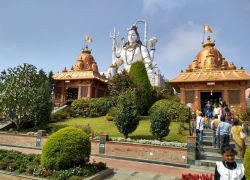
Welcome to the serene and enchanting destination of Char Dham in Namchi, a place that captivates the hearts of tourists with its natural beauty and spiritual significance. Char Dham, located in the picturesque city of Namchi, is a renowned hotspot that attracts visitors from far and wide due to its historical importance and rich biodiversity. History of Char Dham Steeped in history, Char Dham holds significance as a former royal hunting ground that has now transformed into a conservation area. The park's origin dates back to ancient times, and its efforts towards preserving wildlife have earned it recognition from UNESCO for its conservation initiatives. Architecture and Natural Beauty of Char Dham Char Dham boasts a diverse natural environment comprising wetlands, lush forests, vast grasslands, and abundant bird habitats. The park is also home to the historic Keoladeo Temple, adding to its architectural and cultural charm. Why is Char Dham Famous? Char Dham has gained fame as a preferred destination for birdwatchers, photographers, nature enthusiasts, and wildlife lovers. Its unique blend of biodiversity and natural landscapes makes it a paradise for those seeking to immerse themselves in the wonders of nature. How to Reach Char Dham Travelling to Char Dham is convenient, with options available by air, rail, and road. Visitors can access the park through nearby airports and railway stations, ensuring a hassle-free journey to this captivating destination. Weather and Best Time to Visit Char Dham The weather at Char Dham varies across seasons, offering different experiences during summer, monsoon, and winter. For the best visit experience, it is recommended to plan your trip during the months when the weather is most favorable. Timings of Char Dham Char Dham welcomes visitors during specific timings, with seasonal variations that may impact the park's accessibility. It is advisable to check the timings in advance and plan your visit accordingly to make the most of your trip. Entry Fee and Visit Details Visitors can explore Char Dham by following the designated entry procedures and avail guide services for a more enriching experience. The park also offers safari options, bicycle rentals, and various visitor facilities to ensure a comfortable visit for all. Things to Do at Char Dham Engage in a myriad of activities at Char Dham, including birdwatching, photography, cycling, walking trails, nature observation, and educational experiences that offer insights into the park's diverse ecosystem and wildlife. Interesting Facts About Char Dham Char Dham is teeming with interesting facts, from its role as a sanctuary for migratory birds to its contributions towards biodiversity conservation. The park's ecological importance and conservation achievements add to its appeal among nature enthusiasts. Travel Tips for Visiting Char Dham For a seamless visit to Char Dham, remember to pack suitable clothing, carry photography and birdwatching equipment, consider the best visiting seasons, and practice responsible tourism to preserve the park's natural beauty for future generations. Conclusion In conclusion, Char Dham in Namchi stands as a testament to the harmonious blend of nature and history, offering visitors a memorable experience filled with serenity and wonder. Explore the beauty of Char Dham and immerse yourself in the captivating charm of this renowned hotspot in Namchi.
Explore More
Welcome to Ngadak Monastery in Namchi, a charming tourist attraction nestled in the heart of Sikkim, India. This serene destination offers a perfect blend of spirituality, natural beauty, and cultural richness, making it a must-visit for travelers seeking a peaceful retreat amidst breathtaking surroundings. History of Ngadak Monastery Ngadak Monastery has a rich historical background, dating back to its establishment as a sacred place of worship. Initially serving as a spiritual center, the monastery evolved over the years and is now renowned for its architectural beauty and religious significance. The former royal hunting grounds surrounding the monastery have been transformed into a conservation area, contributing to its UNESCO recognition for biodiversity conservation. Architecture and Natural Beauty of Ngadak Monastery Surrounded by lush wetlands, dense forests, and picturesque grasslands, Ngadak Monastery offers a tranquil setting for visitors to immerse themselves in nature's wonders. The diverse bird habitats, captivating landscapes, and the historical Keoladeo Temple within the monastery complex add to its allure, making it a paradise for nature lovers and architecture enthusiasts alike. Why is Ngadak Monastery Famous? Ngadak Monastery is famous for its serene ambiance and spiritual aura that attract visitors seeking solace and inner peace. The destination is a haven for birdwatchers, photographers, nature enthusiasts, and wildlife lovers, offering a unique opportunity to witness the beauty of the natural world up close. How to Reach Ngadak Monastery Traveling to Ngadak Monastery is convenient, with options available by air, rail, and road. The nearest airports and railway stations provide easy access to Namchi, allowing visitors to embark on a memorable journey to this enchanting destination. Weather and Best Time to Visit Ngadak Monastery The weather at Ngadak Monastery varies throughout the year, with distinct summer, monsoon, and winter seasons. The best time to visit is during the pleasant months when the natural beauty of the surroundings is at its peak, offering a delightful experience for travelers. Timings of Ngadak Monastery Ngadak Monastery welcomes visitors during specified timings, ensuring a pleasant and organized experience for all. Seasonal variations may influence the operational hours, so it is advisable to plan your visit accordingly to make the most of your time at this spiritual sanctuary. Entry Fee and Visit Details Visitors to Ngadak Monastery can avail entry procedures, guide services, safari options, bicycle rentals, and other visitor facilities to enhance their experience. The monastery offers a range of services to ensure a memorable and comfortable visit for all guests. Things to Do at Ngadak Monastery There are plenty of activities to indulge in at Ngadak Monastery, including birdwatching, photography, cycling, walking trails, nature observation, and educational experiences. Visitors can engage in these activities to connect with nature and explore the cultural and ecological treasures of the region. Interesting Facts About Ngadak Monastery Ngadak Monastery is home to a diverse range of migratory birds, showcasing the region's rich biodiversity and conservation efforts. The monastery's contributions to ecological preservation and its cultural significance make it a unique and intriguing destination for travelers seeking to delve into the natural world. Travel Tips for Visiting Ngadak Monastery When visiting Ngadak Monastery, it is essential to pack appropriate clothing, photography gear, and birdwatching equipment to make the most of your trip. Understanding the best visiting seasons and practicing responsible tourism will ensure a fulfilling and memorable experience at this spiritual retreat. Conclusion In conclusion, Ngadak Monastery in Namchi stands as a testament to the harmonious coexistence of spirituality and nature, offering visitors a transcendent experience amidst its serene surroundings. With its historical significance, architectural beauty, and ecological importance, Ngadak Monastery invites travelers to explore its wonders and discover the enchanting essence of Sikkim, India.
Explore More
Rinchenpong Monastery, located in the serene town of Rinchenpong, is a hidden gem nestled amidst the natural beauty of the region. This sacred site holds deep historical and cultural significance, attracting tourists, pilgrims, and nature lovers alike. The monastery offers a tranquil retreat where visitors can immerse themselves in spirituality and witness the mesmerizing charm of the surrounding landscapes. History of Rinchenpong Monastery The history of Rinchenpong Monastery dates back to ancient times, showcasing a rich heritage and spiritual legacy. Once a royal hunting ground, the monastery has evolved into a symbol of peace and enlightenment. Conservation efforts have been instrumental in preserving the monastery's architectural marvels, with UNESCO recognizing its cultural importance. Architecture and Natural Beauty of Rinchenpong Monastery Surrounded by lush wetlands, dense forests, and picturesque grasslands, Rinchenpong Monastery is a haven for biodiversity. Bird habitats flourish in this natural sanctuary, offering a glimpse of nature's wonders. The historical Keoladeo Temple within the monastery premises adds to the charm, blending spirituality with architectural splendor. Why is Rinchenpong Monastery Famous? Rinchenpong Monastery is renowned for its serene ambiance and spiritual aura, making it a popular destination for birdwatchers, photographers, and wildlife enthusiasts. The tranquil setting and abundance of natural beauty attract visitors seeking solace and a deeper connection with nature. How to Reach Rinchenpong Monastery Traveling to Rinchenpong Monastery is a delightful experience, with options available by air, rail, and road. Nearby airports and railway stations provide convenient access to this scenic destination, allowing visitors to embark on a memorable journey to Rinchenpong. Weather and Best Time to Visit Rinchenpong Monastery Rinchenpong Monastery experiences varying weather conditions throughout the year, making each season unique. Summer offers pleasant days for exploration, while the monsoon brings lush greenery to the surroundings. Winter casts a magical spell over the monastery, making it an ideal time to visit and witness nature's beauty. Timings of Rinchenpong Monastery The visitor timings of Rinchenpong Monastery cater to different preferences, with seasonal variations enhancing the overall experience. Planning a visit to the monastery involves considering these timings to make the most of your trip and enjoy the serene surroundings. Entry Fee and Visit Details Entering Rinchenpong Monastery is a seamless process, with guide services available to enhance your experience. Safari options, bicycle rentals, and visitor facilities ensure a comfortable stay, allowing you to explore the monastery and its surroundings at your own pace. Things to Do at Rinchenpong Monastery Rinchenpong Monastery offers a plethora of activities for visitors to engage in, from birdwatching and photography to cycling and nature observation. Walking trails lead you through the enchanting landscapes, providing educational experiences and moments of tranquility amidst nature. Interesting Facts About Rinchenpong Monastery Rinchenpong Monastery is home to a diverse array of migratory birds, showcasing the region's rich biodiversity. Conservation efforts have led to significant achievements in preserving the ecological balance of the area, highlighting the importance of sustainable practices and environmental awareness. Travel Tips for Visiting Rinchenpong Monastery When visiting Rinchenpong Monastery, it is advisable to pack appropriate clothing for varying weather conditions. Carrying photography and birdwatching equipment enhances your experience, allowing you to capture the beauty of the surroundings. Understanding the best visiting seasons and practicing responsible tourism ensures a memorable and sustainable journey. Conclusion In conclusion, Rinchenpong Monastery in Rinchenpong stands as a testament to spiritual heritage and natural beauty. This idyllic destination offers a retreat for the soul and a sanctuary for wildlife, inviting visitors to immerse themselves in tranquility and explore the wonders of the region. A visit to Rinchenpong Monastery promises a harmonious blend of culture, nature, and spirituality, creating lasting memories for all who venture to this enchanting locale.
Explore More
Welcome to Reesum Monastery, a hidden gem nestled in the picturesque city of Rinchenpong. This serene location offers travelers a unique blend of spirituality, natural beauty, and cultural richness that promises an unforgettable experience. Reesum Monastery is a place where history meets tranquility, making it a must-visit destination for those seeking solace amidst the majestic Himalayas. History of Reesum Monastery With a rich historical background dating back centuries, Reesum Monastery stands as a symbol of ancient Buddhist traditions and practices. Originally a royal hunting ground, this sacred site has been a focal point for spiritual seekers and conservationists alike. Its significant contributions to preserving the natural ecosystem have garnered UNESCO recognition, adding to its historical and cultural importance. Architecture and Natural Beauty of Reesum Monastery The monastery is surrounded by lush wetlands, dense forests, and expansive grasslands that are home to a diverse range of bird species. The tranquil landscapes provide a perfect backdrop for the historical Keoladeo Temple, adding to the architectural and natural allure of the site. Bird habitats flourish in this environment, creating a paradise for birdwatchers and nature enthusiasts. Why is Reesum Monastery Famous? Reesum Monastery has gained popularity among birdwatchers, photographers, and wildlife lovers due to its abundant biodiversity and serene ambiance. The site offers a rare opportunity to witness migratory birds in their natural habitats, making it a sought-after destination for those who appreciate the beauty of nature. How to Reach Reesum Monastery Traveling to Reesum Monastery is convenient, with options including air, rail, and road transport. Nearby airports and railway stations provide easy access to the city of Rinchenpong, allowing visitors to embark on a journey of spiritual exploration and natural discovery. Weather and Best Time to Visit Reesum Monastery The weather at Reesum Monastery varies across seasons, offering unique experiences throughout the year. Summer, monsoon, and winter each have their charm, but the best time to visit is during the pleasant months when the natural beauty of the surroundings is at its peak. Timings of Reesum Monastery Visitor timings at Reesum Monastery cater to different preferences, with seasonal variations to enhance the overall experience. Planning a visit to this serene location requires attention to detail, ensuring a smooth and enjoyable trip. Entry Fee and Visit Details Entry procedures at Reesum Monastery are straightforward, with guide services, safari options, and bicycle rentals available for visitors. The site offers various facilities to enhance the visitor experience, making it a comfortable and engaging destination for all. Things to Do at Reesum Monastery Engage in popular activities such as birdwatching, photography, cycling, and nature observation at Reesum Monastery. The site provides ample opportunities for educational experiences and leisurely walks along scenic trails, allowing visitors to connect with nature on a profound level. Interesting Facts About Reesum Monastery Reesum Monastery is home to a plethora of migratory birds, showcasing the region's rich biodiversity and conservation efforts. The site's ecological importance and conservation achievements make it a significant landmark in the realm of sustainable tourism and environmental preservation. Travel Tips for Visiting Reesum Monastery When visiting Reesum Monastery, remember to dress appropriately for the weather and carry essential photography and birdwatching equipment. Understanding the best seasons for a visit and practicing responsible tourism are essential for preserving the site's natural beauty and cultural heritage. Conclusion In conclusion, Reesum Monastery in Rinchenpong is a haven for those seeking spiritual enlightenment, natural tranquility, and cultural exploration. Its historical significance, architectural beauty, and biodiversity make it a destination worth visiting for a truly immersive travel experience. Discover the magic of Reesum Monastery and immerse yourself in the serenity of this enchanting location.
Explore More
Welcome to the serene and captivating destination of Lachung Monastery situated in the picturesque city of Lachen. This hidden gem offers a unique blend of spirituality, natural beauty, and cultural richness, making it a must-visit spot for travelers seeking tranquility and exploration. History of Lachung Monastery Lachung Monastery holds a rich historical background, serving as a sacred place of worship for centuries. Originally established as a royal monastery and a center of Buddhist teachings, it has evolved into a symbol of peace and enlightenment. The monastery's ancient roots trace back to the former royal hunting grounds, reflecting a harmonious coexistence between nature and spirituality. Its conservation efforts have garnered recognition, contributing to its UNESCO status as a significant cultural heritage site. Architecture and Natural Beauty of Lachung Monastery Surrounded by lush wetlands, dense forests, and vast grasslands, Lachung Monastery is a sanctuary for a diverse range of bird species and wildlife. The tranquil landscapes offer a haven for nature enthusiasts and photographers, providing a glimpse into the region's pristine beauty. The historical Keoladeo Temple nestled within the monastery adds to its architectural charm, blending spirituality with natural wonders. Why is Lachung Monastery Famous? Lachung Monastery is renowned for its enchanting ambiance that attracts birdwatchers, photographers, nature lovers, and wildlife enthusiasts from around the globe. The monastery's serene surroundings and vibrant biodiversity create a unique experience for visitors seeking solace in nature's embrace. How to Reach Lachung Monastery Traveling to Lachung Monastery is convenient, with options available by air, rail, and road. The nearest airports and railway stations provide easy access to the city of Lachen, from where a short journey leads to the tranquil abode of Lachung Monastery. Weather and Best Time to Visit Lachung Monastery Throughout the summer, monsoon, and winter seasons, Lachung Monastery offers a different yet equally enchanting experience. The best months to visit vary based on personal preferences, with each season showcasing the monastery's unique charm in a different light. Timings of Lachung Monastery Visitor timings at Lachung Monastery provide flexibility and season-specific variations to accommodate the needs of travelers. Understanding the monastery's operating hours and planning accordingly ensures a seamless and enjoyable visit for all explorers. Entry Fee and Visit Details Entry procedures at Lachung Monastery are hassle-free, with guide services, safari options, bicycle rentals, and visitor facilities available to enhance the overall experience. Exploring the monastery's offerings is made convenient with a range of services tailored to meet the needs of every traveler. Things to Do at Lachung Monastery Engage in popular activities at Lachung Monastery, such as birdwatching, photography, cycling, walking trails, and nature observation. Immerse yourself in the serene surroundings, embark on educational experiences, and witness the wonders of biodiversity in action. Interesting Facts About Lachung Monastery Lachung Monastery boasts fascinating facts about migratory birds, biodiversity conservation, and ecological significance, showcasing the monastery's vital role in preserving the region's natural heritage. Discover the hidden wonders and ecological marvels that make Lachung Monastery a true sanctuary for all. Travel Tips for Visiting Lachung Monastery When planning a trip to Lachung Monastery, remember to pack suitable clothing, essential photography gear, and birdwatching equipment to make the most of your visit. Understanding the best visiting seasons and practicing responsible tourism ensures a memorable and sustainable travel experience. Conclusion In conclusion, Lachung Monastery in Lachen stands as a beacon of spirituality, natural beauty, and cultural significance, offering visitors a tranquil retreat amidst the wonders of nature. Explore the monastery's rich history, embrace its serene surroundings, and immerse yourself in a journey of discovery and enlightenment at Lachung Monastery.
Explore More
Welcome to Lachung Monastery in Yumthang, a serene and culturally rich destination nestled amidst the beautiful landscapes of Yumthang. The monastery, known for its peaceful ambiance and spiritual significance, attracts visitors seeking tranquility and a deeper connection with nature. History of Lachung Monastery The history of Lachung Monastery dates back to ancient times, reflecting the spiritual traditions of the region. Once a royal hunting ground, this monastery has transformed into a symbol of harmony and peace. The conservation efforts to preserve its heritage have gained recognition, contributing to its UNESCO status as a site of historical importance. Architecture and Natural Beauty of Lachung Monastery The monastery is surrounded by lush forests, vibrant wetlands, and diverse bird habitats, creating a picturesque setting for visitors. The Keoladeo Temple within the monastery premises adds to its architectural charm, offering a blend of historical and natural beauty. Why is Lachung Monastery Famous? Lachung Monastery is renowned for its spiritual aura and enchanting surroundings, making it a popular destination for birdwatchers, photographers, nature enthusiasts, and wildlife lovers. The peaceful ambiance and cultural significance attract visitors from around the world. How to Reach Lachung Monastery Traveling to Lachung Monastery is convenient, with options for air, rail, and road transport. Nearby airports and railway stations provide easy access to Yumthang, from where visitors can reach the monastery through well-connected roads. Weather and Best Time to Visit Lachung Monastery The weather at Lachung Monastery varies across different seasons, offering unique experiences throughout the year. While summer brings mild temperatures ideal for exploration, the winter snowfall transforms the landscape into a winter wonderland. The best time to visit depends on individual preferences, with each season offering its own charm. Timings of Lachung Monastery Lachung Monastery welcomes visitors during specific timings, ensuring a pleasant and organized experience. Seasonal variations may affect the monastery's accessibility, so it is advisable to plan your visit accordingly to make the most of your trip. Entry Fee and Visit Details Visitors can explore Lachung Monastery by following the entry procedures and availing guide services for a more enriching experience. Safari options, bicycle rentals, and visitor facilities enhance the overall visit, providing convenience and comfort to guests. Things to Do at Lachung Monastery At Lachung Monastery, visitors can engage in various activities such as birdwatching, photography, cycling, walking trails, and nature observation. The monastery offers educational experiences for those interested in learning about the local culture and natural heritage. Interesting Facts About Lachung Monastery Lachung Monastery is home to a rich diversity of migratory birds and wildlife, contributing to its conservation achievements and ecological importance. The monastery's role in preserving biodiversity and cultural heritage adds to its significance as a unique travel destination. Travel Tips for Visiting Lachung Monastery When visiting Lachung Monastery, it is advisable to dress comfortably and carry essential photography and birdwatching equipment. Understanding the best visiting seasons and practicing responsible tourism ensures a memorable and sustainable travel experience at this spiritual haven. Conclusion In conclusion, Lachung Monastery in Yumthang offers a harmonious blend of spirituality, natural beauty, and cultural heritage. A visit to this tranquil destination provides a unique opportunity to immerse in the peaceful ambiance and explore the rich biodiversity of the region. Plan your trip to Lachung Monastery for an unforgettable experience in the heart of Yumthang.
Explore More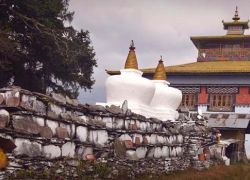
About Bonn Monastery, Ravangla History The Bonn Monastery in Ravangla, Sikkim, is a sacred place for followers of the Bon religion, which predates Buddhism in Tibet. The monastery was established in 1988 and is one of the main centers of the Yungdrung Bon tradition in India. It serves as a spiritual retreat for practitioners seeking peace and enlightenment. Architecture and Design The Bonn Monastery features traditional Tibetan architecture with vibrant colors, intricate designs, and ornate details. The main prayer hall is adorned with colorful murals, thangka paintings, and religious statues. The architecture reflects the rich cultural heritage of the Bon religion and creates a serene atmosphere for meditation and prayer. Best Time to Visit The best time to visit the Bonn Monastery in Ravangla is during the months of March to May and September to November when the weather is pleasant and the skies are clear. The monastery hosts various cultural events and festivals during these months, providing visitors with an opportunity to experience the vibrant traditions of the Bon religion. Cultural Significance The Bonn Monastery holds cultural significance as a sacred site for Bon practitioners and as a center for preserving the ancient teachings and practices of the Bon religion. The monastery serves as a hub for spiritual learning, meditation, and retreats, attracting pilgrims and visitors from around the world. Pilgrimage Practices Pilgrims visiting the Bonn Monastery engage in traditional practices such as prostrations, circumambulations, and offering prayers and offerings to the deities. The monastery also offers meditation sessions, teachings by lamas, and other spiritual practices to deepen the pilgrims' connection to the Bon religion. Dress Code and Etiquette Visitors to the Bonn Monastery are required to dress modestly and respectfully, covering their shoulders and knees. Shoes should be removed before entering the prayer hall, and photography is generally not allowed inside the monastery. Visitors are expected to maintain a quiet and respectful demeanor while on the monastery grounds. Activities and Experiences Visitors to the Bonn Monastery can participate in various activities and experiences, including meditation sessions, teachings by lamas, and cultural performances. The monastery also offers guided tours, workshops on Tibetan art and culture, and opportunities for volunteering and giving back to the community. Art and Religious Symbols The Bonn Monastery is adorned with intricate artwork, religious symbols, and sacred objects that represent the teachings and practices of the Bon religion. Visitors can admire the colorful thangka paintings, sculptures of deities, and symbols of the Yungdrung Bon tradition that adorn the monastery's prayer hall and shrines. Local Insights Visitors to the Bonn Monastery can gain insights into the unique culture, traditions, and beliefs of the Bon religion through interactions with the local community, attending cultural events, and participating in traditional practices. Local guides and residents can provide valuable insights into the history and significance of the monastery and the Bon tradition.
Explore More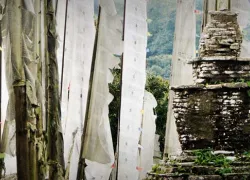
About Doling Gompa History Doling Gompa is a sacred monastery located in Ravangla, Sikkim. It was established in the 17th century by the Tibetan Lama Lhatsun Chenpo and belongs to the Nyingma sect of Tibetan Buddhism. The monastery has a rich history of spiritual teachings and practices, making it a significant pilgrimage site for Buddhists. Architecture and Design The architecture of Doling Gompa is a blend of traditional Tibetan and Sikkimese styles. The monastery is adorned with intricate murals, colorful prayer flags, and a majestic prayer wheel. The main prayer hall is beautifully decorated with Tibetan thangkas, statues of Buddhist deities, and butter lamps. The serene surroundings of the monastery make it a perfect place for meditation and spiritual contemplation. Best Time to Visit The best time to visit Doling Gompa is during the months of March to May and October to December when the weather is pleasant and the skies are clear. The monastery hosts several festivals and events during these months, offering visitors a chance to witness traditional Buddhist rituals and cultural performances. Cultural Significance Doling Gompa holds great cultural significance for the Tibetan and Sikkimese communities. It serves as a center of learning and spiritual guidance for monks and devotees. The monastery plays a vital role in preserving and promoting Tibetan Buddhist traditions, teachings, and practices in the region. Pilgrimage Practices Pilgrims visiting Doling Gompa engage in various spiritual practices such as prostrations, chanting prayers, and circumambulating the monastery. The act of offering khadas (traditional scarves) to the monks and making offerings to the Buddhist deities is also a common pilgrimage practice at the monastery. Dress Code and Etiquette Visitors are required to dress modestly and respectfully when visiting Doling Gompa. It is advisable to wear clothing that covers the shoulders and knees as a mark of respect for the sacredness of the monastery. Visitors are also expected to maintain silence and refrain from taking photographs inside the prayer halls. Activities and Experiences Visitors to Doling Gompa can participate in meditation sessions, attend teachings by resident monks, and join in daily prayer rituals. The monastery also offers opportunities for cultural exchanges, volunteering, and spiritual retreats. Visitors can immerse themselves in the peaceful ambiance of the monastery and gain insights into Tibetan Buddhist practices. Art and Religious Symbols The art and religious symbols at Doling Gompa reflect the rich tapestry of Tibetan Buddhist culture. The monastery is adorned with intricate thangkas, mandalas, and statues of Buddhist deities such as Guru Rinpoche and Chenrezig. The symbolism and iconography present at the monastery offer profound insights into the teachings and beliefs of Tibetan Buddhism. Local Insights Local residents and monks at Doling Gompa are known for their warm hospitality and generosity towards visitors. They welcome pilgrims from diverse backgrounds and offer insights into the spiritual practices and traditions of the monastery. Engaging with the local community provides a deeper understanding of Tibetan Buddhist culture and strengthens cultural connections.
Explore More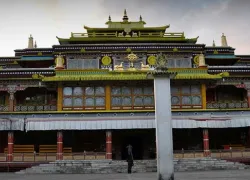
About Ralang Monastery, Ravangla History The Ralang Monastery in Ravangla, Sikkim, was established in the late 18th century by the 9th Karmapa Wangchuk Dorje. The monastery belongs to the Kagyu sect of Tibetan Buddhism and is considered one of the most important monasteries in Sikkim. Architecture and Design The Ralang Monastery is known for its traditional Tibetan architecture with colorful murals, intricate wood carvings, and ornate statues. The main temple houses a 17-foot high gold-plated statue of Buddha. The monastery overlooks the stunning Tendong Hill and offers panoramic views of the surrounding mountains. Best Time to Visit The best time to visit Ralang Monastery is during the months of October to December when the weather is cool and pleasant. The monastery also hosts various festivals and religious ceremonies during this time, offering visitors a chance to witness the vibrant culture and traditions of Sikkim. Cultural Significance Ralang Monastery holds immense cultural significance as a center of learning and spiritual practice for Buddhist monks and devotees. It plays a crucial role in preserving and promoting Tibetan Buddhist traditions in the region. Pilgrimage Practices Pilgrims from all over the world visit Ralang Monastery to seek blessings, perform religious rituals, and participate in meditation sessions. The monastery offers a peaceful and serene environment for spiritual seekers to deepen their connection with the divine. Dress Code and Etiquette Visitors to Ralang Monastery are required to dress modestly and respectfully. It is recommended to wear clothing that covers the shoulders and knees. In addition, visitors are expected to maintain silence and refrain from taking photographs inside the temple premises. Activities and Experiences Visitors to Ralang Monastery can participate in various activities and experiences, such as attending prayer ceremonies, meditation sessions, and Buddhist teachings. The monastery also offers guided tours and cultural programs for a deeper understanding of Tibetan Buddhism. Art and Religious Symbols The Ralang Monastery is adorned with exquisite art and religious symbols that reflect the rich heritage and spiritual significance of Tibetan Buddhism. The intricate thangka paintings, prayer flags, and sacred mantras create a sacred atmosphere that resonates with the divine. Local Insights Local residents of Ravangla consider Ralang Monastery as a spiritual sanctuary and a symbol of peace and harmony. They actively participate in the monastery's festivals and events, fostering a sense of community and cultural unity.
Explore More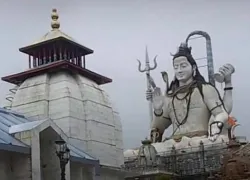
About The Shiva Mandir Temple in Ravangla The Shiva Mandir Temple in Ravangla is a sacred Hindu temple dedicated to Lord Shiva, one of the principal deities in Hinduism. Located in the picturesque town of Ravangla in South Sikkim, the temple is a popular pilgrimage destination for devotees seeking blessings and spiritual solace. Architecture of Shiva Mandir Temple The Shiva Mandir Temple showcases stunning traditional Hindu architecture, with intricate carvings, ornate pillars, and a towering spire. The temple complex includes a main shrine dedicated to Lord Shiva, surrounded by smaller shrines dedicated to other Hindu deities. The temple's vibrant colors and detailed craftsmanship make it a visually captivating sight for visitors. History The Shiva Mandir Temple has a rich history dating back several centuries. Legend has it that the temple was built by a devoted king who was blessed by Lord Shiva with a vision instructing him to construct a temple in his honor. Over the years, the temple has undergone various renovations and expansions, but its spiritual significance and divine aura have remained unchanged. Best Time To Visit The best time to visit the Shiva Mandir Temple in Ravangla is during the winter months from October to February when the weather is cool and pleasant. The temple is also particularly crowded during the Hindu festivals of Maha Shivaratri and Navratri when devotees from all over gather to offer prayers and seek the blessings of Lord Shiva. How To Reach Ravangla is well-connected by road and can be easily reached from major cities like Gangtok and Siliguri. The nearest airport is Bagdogra Airport, located approximately 130 kilometers away, while the nearest railway station is New Jalpaiguri Railway Station, around 120 kilometers from Ravangla. From there, visitors can hire a taxi or take a bus to reach the Shiva Mandir Temple. Significance Of The Shiva Mandir Temple The Shiva Mandir Temple holds immense significance for devotees who believe that worshipping Lord Shiva at this sacred site brings blessings, protection, and spiritual fulfillment. Many visitors also come to the temple seeking peace, guidance, and inner solace in the midst of life's challenges and uncertainties. The temple's serene surroundings and tranquil ambiance make it a perfect place for meditation and contemplation. Overall, the Shiva Mandir Temple in Ravangla is not just a place of worship but also a place of divine grace, where devotees can connect with the divine and experience a sense of spiritual renewal and upliftment. Whether you are a devout worshipper or a curious traveler exploring the rich cultural heritage of India, a visit to the Shiva Mandir Temple in Ravangla is sure to leave you spiritually enriched and inspired.
Explore More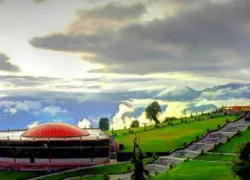
About Tumlong Monastery, Ravangla History The Tumlong Monastery, located in Ravangla, Sikkim, has a rich history that dates back to several centuries. It was established by the Buddhist Lamas in the region as a place of worship and meditation. The monastery has been a center of spiritual learning and practice for the local community and has played an essential role in preserving the Buddhist traditions in the area. Architecture and Design The Tumlong Monastery is known for its beautiful architecture and intricate design. The monastery features traditional Tibetan-style buildings with colorful prayer flags fluttering in the wind. The main prayer hall is adorned with exquisite frescoes and ornate statues of Buddhist deities. The serene surroundings of the monastery make it a perfect place for meditation and reflection. Best Time to Visit The best time to visit the Tumlong Monastery in Ravangla is during the months of March to May and September to November when the weather is pleasant, and the skies are clear. During these months, you can witness various religious festivals and cultural events at the monastery, making your visit even more memorable. Cultural Significance The Tumlong Monastery holds immense cultural significance for the local Buddhist community. It serves as a place of worship, education, and community gathering. The monastery plays a vital role in preserving and promoting Buddhist traditions, rituals, and teachings, contributing to the spiritual growth and well-being of the devotees. Pilgrimage Practices Visitors to the Tumlong Monastery often engage in pilgrimage practices such as offering prayers, lighting butter lamps, and circumambulating the main prayer hall. These practices are believed to bring blessings, good fortune, and spiritual purification to the devotees. Pilgrims from far and wide visit the monastery to seek solace, guidance, and enlightenment. Dress Code and Etiquette When visiting the Tumlong Monastery, it is essential to dress modestly and respectfully. Visitors are encouraged to wear clothing that covers shoulders and knees out of respect for the religious customs and traditions of the monastery. It is also important to maintain a quiet and peaceful demeanor while inside the monastery premises to uphold the sanctity of the place. Activities and Experiences Visitors to the Tumlong Monastery can participate in various activities and experiences such as meditation sessions, chanting ceremonies, and religious teachings. The monastery also offers opportunities for cultural exchanges, interaction with the resident monks, and volunteering in community service projects. These activities provide a unique and immersive experience for visitors seeking spiritual growth and enlightenment. Art and Religious Symbols The Tumlong Monastery is adorned with intricate artworks, religious symbols, and sacred objects that hold deep spiritual significance for the devotees. The vibrant murals, colorful thangkas, and elaborate statues of Buddhist deities serve as visual representations of the teachings and values of Buddhism. These artistic expressions create a sacred ambiance that inspires devotion and contemplation among the visitors. Local Insights Local residents and monks at the Tumlong Monastery offer valuable insights into the history, culture, and traditions of the monastery. They share their knowledge, experiences, and personal stories with visitors, providing a deeper understanding of the spiritual practices and beliefs upheld at the monastery. Engaging with the locals allows visitors to gain a unique perspective on Buddhist philosophy, traditions, and way of life.
Explore MoreGangtok - Lachung - Pelling 7N - 8D Tour
8 Days/ 7 Night
Gangtok - Pelling - Lachung
5 Nights - 6 Days Darjeeling - Sikkim Tour
6 Days/ 5 Night
Gangtok - Darjeeling - Pelling
6 Nights - 7 Days Sikkim - Darjeeling Tour Package
7 Days/ 6 Night
Gangtok - Darjeeling - Pelling - Zuluk
3 Nights - 4 Days Sikkim Tour Package
4 Days/ 3 Night
Gangtok
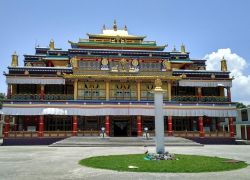
Welcome to the serene and enchanting realm of Ralong Monastery nestled in the picturesque city of Ravangla. The monastery, also known as Karma Thekchhog Palri Phodang, is a sacred haven that captivates visitors with its spiritual aura and natural splendor. Situated amidst the breathtaking landscapes of Sikkim, this divine retreat offers a blend of tranquility, cultural richness, and scenic beauty. History of Ralong Monastery With a rich historical legacy, Ralong Monastery traces its origins back to ancient times, serving as a significant center for Buddhist teachings and practices. Originally a royal hunting ground, the monastery underwent transformation into a spiritual sanctuary, attracting devotees and scholars alike. Its conservation efforts to preserve the cultural heritage have garnered UNESCO recognition, symbolizing its profound cultural and historical significance. Architecture and Natural Beauty of Ralong Monastery The monastery is surrounded by lush wetlands, verdant forests, and expansive grasslands that create a harmonious blend of natural beauty and architectural elegance. The serene ambiance is enhanced by diverse bird habitats and captivating landscapes, with the historic Keoladeo Temple adding a touch of ancient allure to the surroundings. Why is Ralong Monastery Famous? Ralong Monastery is renowned for its spiritual ambiance and scenic charm, making it a popular destination among birdwatchers, photographers, nature enthusiasts, and wildlife lovers. The tranquil environment and cultural significance of the monastery attract visitors seeking solace and spiritual rejuvenation amidst nature's bounty. How to Reach Ralong Monastery Traveling to Ralong Monastery is convenient via air, rail, and road routes. The nearest airports are located in Bagdogra and Gangtok, while the closest railway stations are in New Jalpaiguri and Siliguri. The monastery is well-connected by road, offering picturesque views along the journey. Weather and Best Time to Visit Ralong Monastery Ralong Monastery experiences pleasant weather conditions throughout the year, with summers being mild, monsoons refreshing, and winters cool yet comfortable. The best time to visit is during the spring and autumn months when the weather is ideal for exploration and sightseeing. Timings of Ralong Monastery The monastery welcomes visitors during specific timings, ensuring a peaceful and contemplative experience. Seasonal variations may impact the monastery's accessibility, so it is advisable to check for any schedule changes before planning your visit. Entry Fee and Visit Details Visitors can explore the monastery by following the entry procedures and availing guide services for a more insightful experience. Safari options, bicycle rentals, and visitor facilities are available to enhance your visit and make it more memorable. Things to Do at Ralong Monastery Engage in a myriad of activities at Ralong Monastery, such as birdwatching, photography, cycling, walking trails, and nature observation. Immerse yourself in the serene surroundings, participate in educational experiences, and embrace the spiritual ambiance of this divine retreat. Interesting Facts About Ralong Monastery Ralong Monastery is home to a diverse range of migratory birds, showcasing the region's rich biodiversity and conservation efforts. The monastery's ecological importance and conservation achievements highlight the significance of preserving this sacred sanctuary for future generations to cherish. Travel Tips for Visiting Ralong Monastery When visiting Ralong Monastery, it is advisable to dress modestly and respectfully to maintain the sanctity of the surroundings. Carry essential photography and birdwatching equipment to capture the beauty of the monastery and its natural surroundings. Plan your visit during the recommended seasons and practice responsible tourism to ensure the preservation of this sacred site. Conclusion In conclusion, Ralong Monastery in Ravangla stands as a testament to spirituality, natural beauty, and cultural heritage. Its serene ambiance, historical significance, and diverse offerings make it a must-visit destination for those seeking a blend of tranquility and enlightenment. Explore the mystical allure of Ralong Monastery and immerse yourself in the spiritual essence of this sacred sanctuary in the heart of Sikkim.
Explore More