
The Himalayan Zoological Park, also known as the Sikkim Zoological Park, is a must-visit place for wildlife enthusiasts and nature lovers. Located on the slopes of the Himalayan mountain range, it is home to various endangered and native species of flora and fauna. Situated near the renowned Kyongnosla Alpine Sanctuary, the park is an ideal spot for those who are interested in exploring the rich biodiversity of the region. With stunning views of the mountains, this zoological park is a great place to experience Sikkim's natural beauty and wildlife. How to Reach Himalayan Zoological Park Zoo, Gangtok The Himalayan Zoological Park is located around 8 kilometers from Gangtok, the capital city of Sikkim. Visitors can easily reach the zoo by hiring a taxi or using local transportation from the main town. The park is situated at an altitude of 1,780 meters, and the road leading to it offers beautiful views of the surrounding hills. The area is well-connected by roads, making it easily accessible for tourists. Weather at Himalayan Zoological Park Zoo The weather at the Himalayan Zoological Park is pleasant throughout the year, making it a great place to visit in any season. In the summer months (March to June), the temperature ranges from 10°C to 20°C, making the environment cool and comfortable for exploring. During the winter months (November to February), temperatures can drop below freezing, and snowfall may occur, adding to the charm of the park. The park remains lush and green during the monsoon season (June to September), although heavy rains may make the trails slippery. Timing to Visit Himalayan Zoological Park Zoo The Himalayan Zoological Park is open to visitors from 9:00 AM to 4:00 PM. The best time to visit is in the morning or late afternoon, when the animals are more active, and the weather is cooler. It’s recommended to visit during the dry months of spring and autumn (March to May and September to November) for the most comfortable experience. The park may be closed or have limited access during heavy rainfall or snowfall in the winter months. Why is Himalayan Zoological Park Zoo Famous? The Himalayan Zoological Park is famous for its diverse collection of wildlife species native to the Himalayan region. It is one of the few zoos in India where you can see the rare and endangered Red Panda in its natural habitat. Apart from the Red Panda, the zoo is home to several other species such as the Himalayan Monal, Tibetan Wolf, Himalayan Black Bear, and various species of pheasants. The park is also known for its well-maintained environment, which mimics the natural habitat of these animals. This makes it a popular destination for nature lovers and wildlife photographers. Entry and Visit Details To enter the Himalayan Zoological Park, visitors are required to pay a small entry fee. The fee is used to maintain the park and its facilities. There are designated walking trails that visitors can follow to explore the zoo and its various sections. It’s advisable to take a local guide or an experienced park staff member for a guided tour, as they can provide valuable information about the animals and the park’s history. Additionally, the zoo has a well-maintained infrastructure, including resting points and refreshment stalls, to ensure that visitors have a comfortable experience. History and Architecture of Himalayan Zoological Park The Himalayan Zoological Park was established in 1991 with the goal of conserving the unique flora and fauna of the region. The park was set up by the Sikkim Forest Department in collaboration with other wildlife conservation organizations. It is designed in such a way that it replicates the natural habitats of the species it houses, offering the animals a place where they can thrive. The park is spread across 205 hectares of land and is part of the larger Kyongnosla Alpine Sanctuary. The architecture of the zoo includes well-maintained animal enclosures, open spaces, and green areas that are designed to offer a peaceful and natural environment for both the animals and the visitors. Things to Do at Himalayan Zoological Park Zoo When visiting the Himalayan Zoological Park, there are a number of activities that you can enjoy: Wildlife Watching: Explore the park’s various sections and observe animals like the Red Panda, Himalayan Monal, and many more in their natural environment. Photography: The park is a haven for wildlife photographers. Capture the beautiful creatures in action or enjoy the scenic landscapes of the Himalayan mountains. Nature Walks: Take a stroll through the park’s walking trails, which offer a chance to experience the lush greenery and serenity of the Himalayan foothills. Bird Watching: The park is home to several bird species, making it a great spot for bird watchers. Don’t forget your binoculars! Facts and Tips About Himalayan Zoological Park Zoo Best Time to Visit: The best time to visit the zoo is from March to June and September to November when the weather is pleasant and wildlife is more active. Carry Essentials: Carry a bottle of water, snacks, and comfortable shoes for walking. Also, bring a camera to capture the stunning wildlife and views. Guided Tours: To make the most of your visit, opt for a guided tour to learn more about the animals, their habitat, and conservation efforts. Respect Wildlife: Maintain a respectful distance from the animals and avoid disturbing them. Do not feed or tease the animals. Stay Safe: Follow all park rules, especially when exploring the walking trails. Some areas may be steep or slippery during the monsoon season.
Explore More
Welcome to Namchi Rock Garden, a mesmerizing tourist attraction located in the picturesque city of Namchi. This enchanting destination is renowned for its natural beauty, biodiversity, and serene ambiance, making it a paradise for nature lovers and wildlife enthusiasts alike. History of Namchi Rock Garden Namchi Rock Garden has a rich historical background, once serving as former royal hunting grounds. Over the years, it has undergone significant conservation efforts to preserve its natural heritage, leading to UNESCO recognition for its environmental importance. Architecture and Natural Beauty of Namchi Rock Garden The park boasts stunning wetlands, lush forests, expansive grasslands, and diverse bird habitats. Amidst this natural splendor lies the historical Keoladeo Temple, adding a cultural touch to the scenic landscapes of Namchi Rock Garden. Why is Namchi Rock Garden Famous? Namchi Rock Garden is a renowned destination for birdwatchers, photographers, and nature enthusiasts due to its rich avian diversity, stunning landscapes, and tranquil environment that offers a unique wildlife viewing experience. How to Reach Namchi Rock Garden Traveling to Namchi Rock Garden is convenient, with options available by air, rail, and road. Nearby airports and railway stations provide easy access to this natural haven, ensuring a hassle-free journey for visitors. Weather and Best Time to Visit Namchi Rock Garden The weather at Namchi Rock Garden varies across summer, monsoon, and winter seasons. The best time to visit is during the mild months, offering pleasant conditions for exploring the park and enjoying its natural beauty to the fullest. Timings of Namchi Rock Garden Namchi Rock Garden welcomes visitors during specific timings, with seasonal variations if applicable. It is advisable to plan your trip accordingly to make the most of your visit and explore the park efficiently. Entry Fee and Visit Details Entry procedures at Namchi Rock Garden are straightforward, with guide services, safari options, bicycle rentals, and visitor facilities available for a comfortable and enjoyable experience amidst the natural wonders of the park. Things to Do at Namchi Rock Garden Engage in a variety of activities at Namchi Rock Garden, including birdwatching, photography, cycling, walking trails, nature observation, and educational experiences that offer a deeper insight into the park's biodiversity and ecological significance. Interesting Facts About Namchi Rock Garden Namchi Rock Garden is home to numerous migratory birds, showcasing the park's rich biodiversity and conservation achievements. Its ecological importance highlights the need for sustainable practices to preserve this natural treasure for future generations. Travel Tips for Visiting Namchi Rock Garden When visiting Namchi Rock Garden, remember to dress appropriately, carry essential photography and birdwatching equipment, consider the best visiting seasons, and practice responsible tourism to ensure the preservation of this pristine environment for years to come. Conclusion In conclusion, Namchi Rock Garden in Namchi stands as a testament to the beauty of nature, offering visitors a serene retreat amidst lush landscapes and diverse wildlife. Its historical significance, ecological importance, and captivating attractions make it a must-visit destination for those seeking a peaceful escape into the heart of nature.
Explore More
Welcome to the picturesque town of Namchi, home to the breathtaking Temi Tea Garden. This lush and serene destination is a haven for nature lovers, offering a perfect blend of natural beauty and cultural richness. Let's delve into the history, architecture, attractions, and travel essentials of Temi Tea Garden. History of Temi Tea Garden Established in 1969, Temi Tea Garden holds a rich historical legacy as the only tea garden in Sikkim. Initially serving as the royal tea garden for the Sikkim royal family, it has transformed into a renowned tea estate known for its high-quality organic tea production. The garden's conservation efforts have garnered UNESCO recognition, highlighting its commitment to preserving the natural landscape. Architecture and Natural Beauty of Temi Tea Garden Surrounded by verdant forests and rolling hills, Temi Tea Garden boasts a captivating blend of wetlands, bird habitats, and lush landscapes. The historical Keoladeo Temple within the garden adds a cultural touch to the scenic beauty, making it a delightful retreat for visitors seeking tranquility amidst nature's bounty. Why is Temi Tea Garden Famous? Temi Tea Garden is a popular destination for birdwatchers, photographers, and nature enthusiasts due to its diverse bird species, panoramic views, and tranquil ambiance. The garden's wildlife diversity and tea cultivation practices attract visitors keen on exploring the region's natural wonders. How to Reach Temi Tea Garden Travelling to Temi Tea Garden is convenient via air, rail, and road. The nearest airport is Bagdogra Airport, approximately 124 km away, while the closest railway station is New Jalpaiguri Railway Station, around 120 km from Namchi. Visitors can reach Temi Tea Garden by road through well-connected highways and scenic routes that offer a glimpse of the region's beauty. Weather and Best Time to Visit Temi Tea Garden The weather at Temi Tea Garden varies across seasons, with pleasant summers, lush monsoons, and chilly winters. The best time to visit is during the spring and autumn months when the weather is mild, and the tea gardens are in full bloom, offering a captivating sight for visitors. Timings of Temi Tea Garden Temi Tea Garden welcomes visitors throughout the year, with operational timings varying slightly based on seasonal daylight hours. It is advisable to plan your visit during the garden's peak hours to make the most of your experience and explore the surroundings comfortably. Entry Fee and Visit Details Visitors can access Temi Tea Garden by paying a nominal entry fee, which includes guided tours, safari options, bicycle rentals, and access to visitor facilities. The guided tours provide an in-depth understanding of tea cultivation, biodiversity, and the garden's historical significance, enhancing the overall visitor experience. Things to Do at Temi Tea Garden At Temi Tea Garden, visitors can engage in a myriad of activities such as birdwatching, photography, cycling through tea plantations, walking trails amidst nature's tranquility, and indulging in educational experiences to learn about tea processing and wildlife conservation efforts. Interesting Facts About Temi Tea Garden Temi Tea Garden is renowned for its population of migratory birds, including the endangered Black-necked Crane, making it a vital habitat for avian species. The garden's commitment to organic tea cultivation, conservation initiatives, and ecological sustainability showcases its significant contribution to biodiversity preservation. Travel Tips for Visiting Temi Tea Garden When visiting Temi Tea Garden, it is advisable to dress comfortably for varying weather conditions, carry suitable photography equipment to capture the scenic beauty, and adhere to responsible tourism practices to preserve the garden's ecological balance. Choosing the right season and being mindful of the surroundings enhance the overall visitor experience. Conclusion In conclusion, Temi Tea Garden in Namchi stands as a testament to Sikkim's natural splendor and cultural heritage, offering visitors a harmonious blend of tea plantations, biodiversity, and serene landscapes. Whether you are a nature enthusiast, photographer, or wildlife lover, a visit to Temi Tea Garden promises an enriching experience that celebrates the essence of [Hotspots Name], [City].
Explore More
Welcome to the serene beauty of Temi Tea Garden, nestled in the charming city of Namchi. This enchanting tourist attraction offers a perfect blend of natural tranquility, breathtaking landscapes, and a rich cultural heritage. Temi Tea Garden is not only a treat for the eyes but also a haven for nature lovers and tea enthusiasts. History of Temi Tea Garden Established in 1969, Temi Tea Garden holds a significant historical background as the only tea estate in Sikkim. Once a part of the old Namchi estate, this picturesque garden has a legacy of producing high-quality organic tea. It was originally a part of the royal hunting grounds and has a rich heritage that adds to its charm. Temi Tea Garden has gained recognition for its conservation efforts and sustainable practices, making it a UNESCO-recognized destination. Architecture and Natural Beauty of Temi Tea Garden The lush greenery of Temi Tea Garden is a sight to behold, with its sprawling tea plantations set against the backdrop of majestic mountains. The garden is surrounded by dense forests, grasslands, and diverse bird habitats, making it a paradise for nature enthusiasts. The historic Keoladeo Temple located within the garden adds a touch of spirituality to the natural beauty of the surroundings. Why is Temi Tea Garden Famous? Temi Tea Garden is renowned for its exquisite tea production, drawing tea connoisseurs from around the world. It is a popular destination among birdwatchers, photographers, and wildlife lovers due to its rich biodiversity and serene ambiance. The garden offers a unique opportunity to witness the tea-making process firsthand and experience the tranquility of nature. How to Reach Temi Tea Garden Traveling to Temi Tea Garden is convenient, with options available by air, rail, and road. The nearest airport is Bagdogra Airport, located approximately 124 kilometers away, while the closest railway station is New Jalpaiguri Railway Station, around 126 kilometers from Namchi. Visitors can also reach Namchi by road via well-connected highways. Weather and Best Time to Visit Temi Tea Garden Temi Tea Garden experiences pleasant weather throughout the year, with cool summers, moderate monsoons, and chilly winters. The best time to visit is during the spring and autumn months when the weather is ideal for exploring the tea gardens and enjoying the natural beauty of the surroundings. Timings of Temi Tea Garden Temi Tea Garden welcomes visitors throughout the year, with timings varying slightly based on the season. It is advisable to plan your visit during the early hours to witness the beauty of the sunrise over the tea plantations. The garden offers a peaceful retreat for nature lovers and tea enthusiasts alike. Entry Fee and Visit Details Visitors to Temi Tea Garden can explore the lush greenery and tea processing units with a nominal entry fee. Guided tours are available for those interested in learning about the tea-making process, and safari options allow visitors to experience the beauty of the garden up close. Bicycle rentals are also available for those who wish to explore the area at their own pace. Things to Do at Temi Tea Garden There are plenty of activities to enjoy at Temi Tea Garden, including birdwatching, photography, cycling through the tea plantations, walking trails amidst nature, and observing the tea-making process. Visitors can immerse themselves in the serene ambiance of the garden and indulge in educational experiences about tea cultivation. Interesting Facts About Temi Tea Garden Temi Tea Garden is home to a variety of migratory birds, adding to its biodiversity and ecological significance. The garden has made significant strides in conservation efforts, promoting sustainable tea production and preserving the natural environment. Its organic tea is renowned for its unique flavor and high quality, making it a favorite among tea enthusiasts. Travel Tips for Visiting Temi Tea Garden When visiting Temi Tea Garden, it is advisable to dress comfortably and carry suitable footwear for exploring the tea plantations. Photography enthusiasts can capture stunning shots of the scenic landscapes and vibrant birdlife. It is recommended to visit during the spring or autumn months for the best weather conditions and to practice responsible tourism by respecting the garden's natural surroundings. Conclusion In conclusion, Temi Tea Garden in Namchi is a hidden gem that offers a perfect blend of natural beauty, cultural heritage, and tranquility. Whether you are a tea lover, nature enthusiast, or wildlife photographer, this enchanting destination has something to offer for everyone. Plan your visit to Temi Tea Garden to experience the magic of Sikkim's tea paradise and immerse yourself in the serene ambiance of this captivating tourist attraction.
Explore More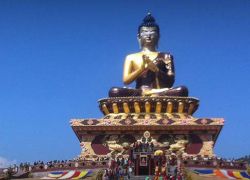
Buddha Park or Tathagatha Tsal is a beautiful garden in India. This garden was constructed on the 2550th birth anniversary of Lord Buddha. It is a vast garden that houses a 130 feet tall idol of Buddha. It sprawls over acres of land and is popular for its surroundings. Umpteen people visit this park on a daily basis. H.H Dalai Lama has visited this park numerous times. It Is Known For:-1) Buddha Park of Ravangla is known for its enchanting surroundings. It has a vast carpet of the lush green grass all over its soil2) People of all age groups flock to this garden for spending their leisure time. People can be seen jogging, walking, exercising, and meditating in this park3) A huge idol of Buddha has been established inside the park that makes it as a religious spot as well Best Time To Visit:-Tathagata Tsal is a famous tourist attraction. This park can be visited throughout the year without any restrictions. No entry fee is charged from the visitors, however, littering in the premises makes an individual liable for a fine. Visitors make donations and funds are collected from the locals for the maintenance of the garden. Reaching There:-Buddha Park of Ravangla is a famous tourist attraction that catches the attention of the people immediately. It has a wider web of roadways and railways that connect it with the entire city. The local buses and taxis are widely preferred for reaching the garden. Nearest Railway Station- New Jalpaiguri Railway StationNearest Airport- Bagdogra Airport
Explore More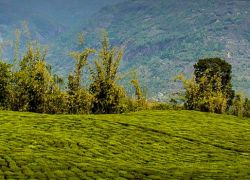
Temi Tea Estate of Temi Tea Garden is a famed tea plantation in Ravangla. It came into existence in the year 1969 and is considered as one of the best tea estates located in the northeastern side of the country. The entire tea estate sprawls over 440 acres of land on a slope. It produces 1 lakh kg of tea annually. Its serene ambiance draws a large number of tourists every year. It Is Known For:-1) Temi Tea Estate is known for its beauteous surroundings. It has a marvelous backdrop of the mighty Khangchendzonga Mountain range2) It is a certified producer of the organic tea as it uses the organic fertilizers to keep the weeds away from the tea plants3) The tea grown in this plantation is supplied all over Sikkim and West Bengal4) 10 acres of its land is used for cattle grazing by the shepherds Best Time To Visit:-Whether it is Winter or Summers, Spring or Fall, any season is considered as best for paying a visit to Temi Tea Estate. Due to its location on a higher altitude, the weather of this place remains pleasantly cool throughout the year that makes it feasible for the visitors to tour around the plantation. Reaching There:-Temi Tea Estate has a well-established network of the roadways and railways. Such connectivity makes it easier for the tourists to visit this place without any chaos. The local buses and taxis are the best option but, hiring a private vehicle would be a better option. Nearest Railway Station- New Jalpaiguri StationNearest Airport- Bagdogra Airport
Explore MoreGangtok - Lachung - Pelling 7N - 8D Tour
8 Days/ 7 Night
Gangtok - Pelling - Lachung
5 Nights - 6 Days Darjeeling - Sikkim Tour
6 Days/ 5 Night
Gangtok - Darjeeling - Pelling
6 Nights - 7 Days Sikkim - Darjeeling Tour Package
7 Days/ 6 Night
Gangtok - Darjeeling - Pelling - Zuluk
3 Nights - 4 Days Sikkim Tour Package
4 Days/ 3 Night
Gangtok