
It houses a rich collection of sculptures, coins, copper plates, stone inscriptions, lithic and bronze age tools, rare manuscripts written on palm leaves, traditional and folk musical instruments. Rare epigraphic records are preserved in the Epigraphy Gallery. A visit to the museum provides an instant overview of Orissa as it was and of course still is. The Handicrafts Museum has a splendid collection of stone sculptures, patta paintings, brass castings, horn toys and Orissa's famous silver filigree work. The Tribal Museum provides an insight into the Tribal Culture of Orissa. The genesis of the Odisha State Museum goes back to the year 1932, when two notable historians Prof. N. C Banerjee & Prof. Ghanshyam Dash of Ravenshaw College, Cuttack started collection of archaeological treasures from various places. The small museum was then housed within the premises of the College. In 1938, by a suitable order, the Government of Odisha transformed this nucleus into the Provincial museum of Odisha. Maintaining close contact with the general public and the Archaeological Department of the Government of India and other States, the Museum continued to grow. In order to popularize the cultural exhibits of the Museum, leaflets printed both in Odia and English were published in the Samaj and the New Odisha and copies of the same were sent to officials and the public to create a sense of awareness about the significance of the Museum.
Explore More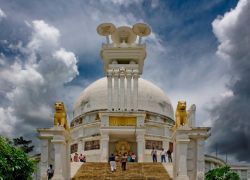
Welcome to Dhauli Shanti Stupa, a serene tourist attraction located in the city of Bhubaneswar. This historic site offers visitors a peaceful retreat amidst natural beauty and cultural significance. History of Dhauli Shanti Stupa Dhauli Shanti Stupa holds a rich historical background as it marks the location where the Kalinga War took place. Once a royal hunting ground, it is now a symbol of peace and non-violence. The conservation efforts have preserved this site, leading to its recognition by UNESCO. Architecture and Natural Beauty of Dhauli Shanti Stupa The surroundings of Dhauli Shanti Stupa are adorned with wetlands, forests, and grasslands, creating a haven for various bird species. The picturesque landscapes complement the historical Keoladeo Temple within the park, adding to its charm. Why is Dhauli Shanti Stupa Famous? Dhauli Shanti Stupa is renowned for its appeal to birdwatchers, photographers, nature enthusiasts, and wildlife lovers. The diverse avian habitats and tranquil environment draw visitors seeking a connection with nature. How to Reach Dhauli Shanti Stupa Traveling to Dhauli Shanti Stupa is convenient with options available by air, rail, and road. The nearest airports and railway stations provide easy access to this cultural and natural gem in Bhubaneswar. Weather and Best Time to Visit Dhauli Shanti Stupa The weather at Dhauli Shanti Stupa varies across summer, monsoon, and winter seasons. The best time to visit is during the months when the climate is pleasant, allowing for a comfortable exploration of the site. Timings of Dhauli Shanti Stupa Visitors can explore Dhauli Shanti Stupa during specific timings, taking into consideration any seasonal variations that may affect their experience. Planning ahead ensures a well-organized visit to this historical and natural attraction. Entry Fee and Visit Details Entry procedures at Dhauli Shanti Stupa are straightforward, with guide services available for a more immersive experience. Visitors can also opt for safari options, bicycle rentals, and utilize the facilities provided for a memorable visit. Things to Do at Dhauli Shanti Stupa Engage in popular activities such as birdwatching, photography, cycling, walking trails, and nature observation at Dhauli Shanti Stupa. Educational experiences await those curious about the biodiversity and historical significance of the site. Interesting Facts About Dhauli Shanti Stupa Dhauli Shanti Stupa boasts fascinating facts related to migratory birds, conservation achievements, and its ecological importance. The site serves as a testament to harmony between nature and history. Travel Tips for Visiting Dhauli Shanti Stupa When visiting Dhauli Shanti Stupa, consider appropriate clothing, photography gear, and birdwatching equipment to enhance your experience. Understanding the visiting seasons and practicing responsible tourism ensures a sustainable exploration of this attraction. Conclusion In conclusion, Dhauli Shanti Stupa in Bhubaneswar offers a blend of history, natural beauty, and tranquility for visitors to enjoy. Explore the site, immerse yourself in its cultural significance, and appreciate the harmony between man and nature at this captivating hotspot.
Explore More
44 Kms from Konark is Pipli, a centre for applique work, which depict the essence of Oriya culture. It is also known for colourful and original awnings, canopies, garden and beach umbrellas, shoulder and handbags etc. The cocktail effect of the colours is certainly a feast for the eyes. Pipli, Orissa's appliqu capital, announces itself with loud colourful splashes of bright colour in the shop fronts. All kinds of handiwork are on sale in shops that line both sides of the main highway. Tour buses generally halt here for shopping.
Explore More
Sree Chaitanya Gaudiya Math is a religious place in Puri. It is the holy temple dedicated to Chaitanya Mahaprabhu, an ardent devotee of Lord Krishna. According to the Pushtimarg Vallabhacharyas, Chaitanya Mahaprabhu was an incarnation of Lord Krishna as his own devotee. He founded Gaudiya Vaishnavism and Sree Chaitanya Gaudiya Math is built in his memory. Tourists and devotees can see his personal belongings that are displayed here. It Is Known For:- 1) Sree Chaitanya Gaudiya Math is one of the Gaudiya Maths all over India. 2) It enshrines the spiritual leader Chaitanya Mahaprabhu, the founder of Gaudiya Vaishnavism. He is also regarded as the incarnation of Lord Krishna as a devotee of himself. 3) Sree Chaitanya Gaudiya Math houses the personal belongings of Chaitanya Mahaprabhu. Devotees can witness the wooden slippers (Khadaaun), his walking stick, and some hand-written verses. 4) Gaura Poornima and Sri Krishna Janmostav are the festivals that are celebrated here with a great enthusiasm. Best Time To Visit:- Sree Chaitanya Gaudiya Math attracts the devotees on a huge scale. It is a great place to spend some time in the divine ambiance. Due to such divinity, it is visited by tourists and devotees alike across the year. Gaura Poornima and Sri Krishna Janmotsav is a period to mark the attendance at this holy place. Reaching There:- Sree Chaitanya Gaudiya Math is well-connected all major roads in Puri. Such connectivity allows a smooth access to the shrine without any hassle. Moreover, the local transit like the buses and taxis are also available on a frequent basis. Nearest Railway Station:- Puri Railway Station Nearest Airport:- Biju Patnaik Airport
Explore More
Welcome to the serene and captivating world of Dhamra Port situated in Bhadrak. This magnificent destination offers a blend of natural beauty, biodiversity, and historical significance, making it a must-visit for travelers seeking an immersive experience in nature. History of Dhamra Port With a rich historical background, Dhamra Port holds traces of its origins as former royal hunting grounds. Over the years, concerted conservation efforts have transformed it into a sanctuary for wildlife. The port's ecological importance has garnered recognition from UNESCO, highlighting its contribution to preserving the region's natural heritage. Architecture and Natural Beauty of Dhamra Port Dhamra Port boasts a diverse landscape featuring wetlands, lush forests, and sprawling grasslands that provide a habitat for a wide array of bird species. Visitors can marvel at the historical Keoladeo Temple nestled within the park, adding a touch of ancient charm to the natural surroundings. Why is Dhamra Port Famous? Dhamra Port has earned acclaim as a favored destination among birdwatchers, photographers, and wildlife enthusiasts. Its unique biodiversity, including rare bird species, draws nature lovers from around the globe seeking to witness the wonders of the avian world in their natural habitat. How to Reach Dhamra Port Traveling to Dhamra Port is convenient with options available by air, rail, and road. Nearby airports and railway stations provide easy access to this enchanting destination, ensuring a seamless journey for visitors. Weather and Best Time to Visit Dhamra Port Throughout the year, Dhamra Port experiences varying weather conditions, each offering a distinct charm to travelers. While summer brings warmth and vibrancy, the monsoon season transforms the landscape into a lush paradise. Winter, with its cool breeze, is considered the best time to explore the port's natural beauty. Timings of Dhamra Port Visitors can enjoy the splendor of Dhamra Port during specific timings, with seasonal variations enhancing the overall experience. Planning a visit ahead ensures optimal exploration of this captivating destination. Entry Fee and Visit Details Entry procedures to Dhamra Port are streamlined to provide a hassle-free experience for visitors. Guide services, safari options, bicycle rentals, and well-equipped visitor facilities enhance the overall visit, catering to the needs of all travelers. Things to Do at Dhamra Port Engage in a myriad of activities at Dhamra Port, from birdwatching and photography to cycling and nature observation. The park's walking trails offer a chance to immerse oneself in the tranquility of nature, providing educational experiences for all age groups. Interesting Facts About Dhamra Port Dhamra Port is adorned with fascinating facts, from the annual migration of birds to the region's remarkable biodiversity. Conservation efforts have led to significant achievements in preserving the ecological balance of this natural haven, making it a noteworthy destination for eco-conscious travelers. Travel Tips for Visiting Dhamra Port When planning a trip to Dhamra Port, consider essential travel tips such as appropriate clothing, photography equipment, and the best visiting seasons. Embracing responsible tourism practices ensures a sustainable and enriching experience for both visitors and the environment. Conclusion In conclusion, Dhamra Port in Bhadrak stands as a testament to the beauty of nature and the significance of conservation efforts. Its allure lies in the seamless blend of historical charm and ecological richness, offering visitors a memorable journey into the heart of tranquility and biodiversity.
Explore More
Welcome to Dashashwamedha Ghat, a mesmerizing tourist attraction located in Jajpur, known for its rich history, natural beauty, and cultural significance. This ancient ghat holds a special place in the hearts of visitors, offering a unique blend of spirituality and scenic charm. History of Dashashwamedha Ghat Steeped in history, Dashashwamedha Ghat has been a witness to centuries of traditions and rituals. Originally built as a royal bathing ghat, it holds deep cultural roots dating back to ancient times. The ghat's significance lies in its association with various mythological tales and religious ceremonies, making it a sacred site for pilgrims. Architecture and Natural Beauty of Dashashwamedha Ghat Surrounded by serene waters and lush greenery, Dashashwamedha Ghat offers a picturesque setting for visitors. The ghat overlooks the flowing river, providing a peaceful escape from the bustling city life. The magnificent Keoladeo Temple nearby adds to the architectural beauty of the surroundings, showcasing intricate designs and historical significance. Why is Dashashwamedha Ghat Famous? Dashashwamedha Ghat is renowned for its tranquil ambiance and spiritual aura, attracting tourists, birdwatchers, and nature enthusiasts from across the globe. The ghat's serene environment and stunning views make it a popular spot for photography, meditation, and birdwatching, offering a unique blend of natural and cultural experiences. How to Reach Dashashwamedha Ghat Traveling to Dashashwamedha Ghat is convenient, with multiple transportation options available. Visitors can reach Jajpur by air, rail, or road, with the nearest airport and railway station located in close proximity. From Jajpur, the ghat is easily accessible by local transport or private vehicles. Weather and Best Time to Visit Dashashwamedha Ghat Understanding the weather conditions is essential for planning a visit to Dashashwamedha Ghat. While summers can be hot and humid, the monsoon season brings lush greenery and rejuvenating showers. The best time to visit is during the winter months when the weather is pleasant, making it ideal for exploring the ghat and its surroundings. Timings of Dashashwamedha Ghat Dashashwamedha Ghat welcomes visitors throughout the day, allowing them to soak in the beauty of the surroundings at their own pace. The ghat may have seasonal variations in timings, so it is advisable to check in advance before planning your visit. Whether it's a sunrise stroll or a sunset meditation, the ghat offers a tranquil setting for all. Entry Fee and Visit Details Visitors can enjoy the beauty of Dashashwamedha Ghat by paying a nominal entry fee. Guided tours, safari options, and bicycle rentals are available for those seeking a more immersive experience. The ghat also provides visitor facilities such as rest areas, information centers, and refreshment stalls for a comfortable visit. Things to Do at Dashashwamedha Ghat From birdwatching to photography, Dashashwamedha Ghat offers a range of activities for nature lovers and adventure seekers. Explore the bird habitats, take a leisurely walk along the riverside, or embark on a cycling tour to discover the hidden gems of the ghat. Engage in nature observation and educational experiences to truly appreciate the beauty of the surroundings. Interesting Facts About Dashashwamedha Ghat Did you know that Dashashwamedha Ghat is home to a diverse range of migratory birds during certain seasons? The ghat's biodiversity and conservation efforts have earned it recognition for its ecological importance. Visitors can witness the harmony between nature and culture, making it a unique destination for eco-tourism. Travel Tips for Visiting Dashashwamedha Ghat When visiting Dashashwamedha Ghat, remember to dress modestly and respect the sacredness of the surroundings. Carry your camera and binoculars for capturing the mesmerizing views and bird sightings. Plan your visit during the recommended months to make the most of your experience and contribute to responsible tourism practices. Conclusion In conclusion, Dashashwamedha Ghat in Jajpur offers a serene retreat for travelers seeking a blend of spirituality and natural beauty. With its rich history, picturesque landscapes, and abundant biodiversity, the ghat provides a memorable experience for visitors of all ages. Explore the charm of Dashashwamedha Ghat and immerse yourself in its cultural heritage and scenic splendor.
Explore More
Welcome to the mesmerizing destination of Ratnagiri located in the city of Jajpur. This hidden gem is a paradise for nature lovers, bird enthusiasts, and those seeking a serene escape into the natural world. History of Ratnagiri Ratnagiri holds a significant historical background as it was once a royal hunting ground. Over the years, concerted conservation efforts have transformed it into a biodiverse sanctuary. Its rich heritage and ecological importance have garnered recognition from UNESCO for its conservation initiatives. Architecture and Natural Beauty of Ratnagiri Exploring Ratnagiri unveils a tapestry of wetlands, lush forests, sprawling grasslands, and diverse bird habitats. The iconic Keoladeo Temple nestled within the park adds a historical and spiritual dimension to its natural allure. Why is Ratnagiri Famous? Ratnagiri's fame stems from being a haven for birdwatchers, photographers, and wildlife enthusiasts. Its unparalleled biodiversity and serene landscapes make it a sought-after destination for those seeking a close encounter with nature. How to Reach Ratnagiri Traveling to Ratnagiri is convenient with multiple options available. The nearest airports and railway stations facilitate easy access by air, rail, and road, ensuring a smooth journey for visitors. Weather and Best Time to Visit Ratnagiri Ratnagiri experiences varying weather patterns throughout the year. Understanding the climate during summer, monsoon, and winter seasons helps in determining the best months to visit this picturesque destination. Timings of Ratnagiri Ratnagiri welcomes visitors at specific timings, with seasonal variations considered for an enhanced experience. Planning a visit keeping these timings in mind ensures a memorable trip. Entry Fee and Visit Details Entry procedures to Ratnagiri are hassle-free, with guide services and safari options available for an enriching experience. Visitors can also opt for bicycle rentals to explore the vast expanse of this natural haven. Things to Do at Ratnagiri Engage in a plethora of activities at Ratnagiri, including birdwatching, photography, cycling, and nature observation. The walking trails offer a serene retreat, while educational experiences deepen the understanding of the ecosystem. Interesting Facts About Ratnagiri Ratnagiri is home to a myriad of migratory birds, showcasing the importance of conservation efforts. The sanctuary's ecological significance and biodiversity achievements make it a fascinating destination for eco-conscious travelers. Travel Tips for Visiting Ratnagiri For a seamless visit to Ratnagiri, pack appropriate clothing, essential photography gear, and birdwatching equipment. Understanding the best visiting seasons and practicing responsible tourism ensures a fulfilling and sustainable travel experience. Conclusion In conclusion, Ratnagiri in Jajpur stands as a testament to the harmonious coexistence of nature and heritage. Its lush landscapes, diverse wildlife, and conservation ethos offer visitors a retreat into the lap of Mother Nature, leaving an indelible mark on their hearts and minds.
Explore More
Welcome to the mystical land of Deulajhari Hot Spring nestled in the charming city of Angul. This natural wonder has captivated the hearts of travelers with its enchanting beauty and soothing hot waters. Let's embark on a journey to explore the history, architecture, significance, and biodiversity of this remarkable hotspot. History of Deulajhari Hot Spring The history of Deulajhari Hot Spring dates back centuries, with tales of its healing powers and spiritual significance echoing through time. Believed to have been a sacred site for meditation and rejuvenation, the hot spring has been a place of pilgrimage for devotees seeking solace and healing. Over the years, efforts towards conservation and preservation have been made to protect this natural marvel, earning recognition for its cultural and historical importance. Architecture and Natural Beauty of Deulajhari Hot Spring Surrounded by lush wetlands, verdant forests, and diverse bird habitats, Deulajhari Hot Spring is a haven for nature lovers and wildlife enthusiasts. The historical Keoladeo Temple, nestled within the park, adds a touch of ancient charm to the natural landscape, making it a picturesque destination for visitors seeking tranquility and serenity. Why is Deulajhari Hot Spring Famous? Deulajhari Hot Spring has gained fame for its therapeutic waters, attracting tourists, birdwatchers, photographers, and nature enthusiasts from far and wide. The tranquil ambiance, coupled with the opportunity to witness a myriad of bird species and wildlife, makes it a popular destination for those seeking a unique and immersive natural experience. How to Reach Deulajhari Hot Spring Traveling to Deulajhari Hot Spring is convenient, with options available by air, rail, and road. The nearest airports and railway stations provide easy access to this natural marvel, allowing visitors to embark on a journey of relaxation and exploration seamlessly. Weather and Best Time to Visit Deulajhari Hot Spring Throughout the seasons, Deulajhari Hot Spring offers a different yet equally enchanting experience. From the vibrant blooms of summer to the refreshing monsoon showers and the serene winter landscapes, each season has its unique charm. The best time to visit varies based on personal preferences, with every season offering a distinct ambiance and allure. Timings of Deulajhari Hot Spring Visitor timings at Deulajhari Hot Spring cater to both early risers and late explorers, ensuring that everyone has the opportunity to experience the magic of this natural oasis. Seasonal variations may affect timings, so it is advisable to plan your visit accordingly to make the most of your time at this enchanting hotspot. Entry Fee and Visit Details Upon arrival, visitors can avail themselves of various services such as guide assistance, safari options, bicycle rentals, and visitor facilities to enhance their experience at Deulajhari Hot Spring. Entry procedures are straightforward, allowing visitors to immerse themselves in the beauty of the surroundings effortlessly. Things to Do at Deulajhari Hot Spring Embark on a journey of discovery as you engage in popular activities like birdwatching, photography, cycling, walking trails, nature observation, and educational experiences at Deulajhari Hot Spring. Each activity offers a unique perspective on the biodiversity and natural wonders that abound in this captivating destination. Interesting Facts About Deulajhari Hot Spring Did you know that Deulajhari Hot Spring is a temporary home to a multitude of migratory birds, adding to the richness of its biodiversity? The conservation efforts undertaken to preserve this delicate ecosystem have led to remarkable achievements in safeguarding the natural heritage of this region, underscoring its ecological importance. Travel Tips for Visiting Deulajhari Hot Spring Before you set off on your journey to Deulajhari Hot Spring, remember to pack appropriate clothing, essential photography gear, and birdwatching equipment to make the most of your visit. Consider the visiting seasons, follow responsible tourism practices, and immerse yourself in the beauty of nature while respecting the environment and wildlife around you. Conclusion In conclusion, Deulajhari Hot Spring in Angul stands as a testament to the natural beauty and cultural heritage of this region. With its rich history, diverse landscapes, and captivating biodiversity, this hotspot offers visitors a unique opportunity to connect with nature and embark on a journey of exploration and rejuvenation. Plan your visit to Deulajhari Hot Spring and discover the wonders that await in this enchanting city.
Explore More
Welcome to Gopalpur, a coastal town nestled in the eastern state of Odisha, India. One of the prominent landmarks that draw travelers and nature enthusiasts is the Gopalpur Lighthouse. Situated in the city of Gopalpur, this lighthouse stands tall as a beacon of light guiding ships and boats, while also offering a picturesque view of the surrounding natural beauty. History of Gopalpur Lighthouse The Gopalpur Lighthouse has a rich historical background, serving as a crucial navigation aid for maritime activities in the region. Originally established to ensure safe passage for seafarers along the Bay of Bengal, the lighthouse stands as a testament to the region's maritime heritage. The area surrounding the lighthouse was once part of royal hunting grounds and has since been preserved for its ecological significance. The conservation efforts to protect the biodiversity of this area have garnered recognition, emphasizing the importance of safeguarding this natural treasure. Architecture and Natural Beauty of Gopalpur Lighthouse Surrounded by wetlands, forests, and grasslands, the Gopalpur Lighthouse provides a serene retreat for a variety of bird species, making it a paradise for birdwatchers and nature lovers. The landscapes around the lighthouse offer breathtaking views of the Bay of Bengal, creating a perfect setting for photography enthusiasts. Additionally, the historical Keoladeo Temple located within the park adds a cultural touch to the natural beauty of the surroundings. Why is Gopalpur Lighthouse Famous? Gopalpur Lighthouse is famous for its unique blend of natural beauty and historical significance. It attracts birdwatchers, photographers, nature enthusiasts, and wildlife lovers who seek to immerse themselves in the tranquility of the surroundings and witness the diverse avian species that inhabit the area. How to Reach Gopalpur Lighthouse Traveling to Gopalpur Lighthouse is convenient with various options available. Visitors can reach the destination by air, rail, or road, with nearby airports and railway stations providing easy access to the city. The well-connected road network ensures a smooth journey for those opting to travel by car or bus. Weather and Best Time to Visit Gopalpur Lighthouse Gopalpur experiences a tropical climate with distinct summer, monsoon, and winter seasons. The best time to visit Gopalpur Lighthouse is during the winter months when the weather is pleasant, making it ideal for exploring the outdoor attractions and enjoying the natural beauty of the surroundings. Timings of Gopalpur Lighthouse The visitor timings for Gopalpur Lighthouse may vary seasonally, so it is recommended to check ahead before planning your visit. Understanding the operational hours and any seasonal variations can help in better planning and ensuring a memorable experience at the lighthouse. Entry Fee and Visit Details Entry to Gopalpur Lighthouse may require a nominal fee, with additional services such as guide assistance, safari options, bicycle rentals, and visitor facilities available for a more enhanced experience. Visitors can make the most of their visit by utilizing these services and exploring the area with the help of knowledgeable guides. Things to Do at Gopalpur Lighthouse There are numerous activities to indulge in at Gopalpur Lighthouse, including birdwatching, photography, cycling, walking trails, nature observation, and educational experiences. Whether you are seeking a peaceful retreat in nature or an adventure-filled outing, the lighthouse offers something for everyone to enjoy. Interesting Facts About Gopalpur Lighthouse Gopalpur Lighthouse is home to a wide variety of migratory birds, showcasing the rich biodiversity of the region. The conservation efforts undertaken to protect these avian species have led to significant achievements in preserving the ecological balance of the area. The lighthouse serves as a reminder of the importance of environmental conservation and sustainable practices. Travel Tips for Visiting Gopalpur Lighthouse When planning a visit to Gopalpur Lighthouse, it is advisable to dress comfortably and carry essential items such as sunscreen, hats, and water bottles. Photography enthusiasts should bring their camera gear to capture the stunning landscapes and birdlife. Understanding the best visiting seasons and practicing responsible tourism can help in preserving the natural beauty of the area for future generations. Conclusion In conclusion, Gopalpur Lighthouse in Gopalpur is a hidden gem that offers a blend of history, natural beauty, and wildlife experiences. Whether you are a nature lover, a photography enthusiast, or a curious traveler, a visit to this iconic landmark promises a memorable journey filled with serenity and exploration. Discover the allure of Gopalpur Lighthouse and immerse yourself in the enchanting beauty of this coastal paradise.
Explore More
Welcome to Rayagada Fort, a historical gem nestled in the heart of Rayagada city. This majestic fort holds a significant place in the rich tapestry of India's history and offers a unique blend of architectural splendor and natural beauty. Let's dive into the depths of the allure that Rayagada Fort, Rayagada, holds for travelers and history enthusiasts alike. History of Rayagada Fort The history of Rayagada Fort dates back to ancient times, with roots deeply embedded in the region's royal legacy. Originally serving as a strategic stronghold and a symbol of power, the fort has witnessed the ebb and flow of dynasties. Once a favored hunting ground for royalty, the fort now stands as a testament to bygone eras, with efforts in place for its preservation and potential UNESCO recognition. Architecture and Natural Beauty of Rayagada Fort Surrounded by lush wetlands, verdant forests, and sprawling grasslands, Rayagada Fort offers a picturesque setting that captivates visitors. The diverse bird habitats and scenic landscapes add to the allure of the fort. Nestled within this natural bounty lies the historical Keoladeo Temple, enhancing the site's cultural and architectural significance. Why is Rayagada Fort Famous? Rayagada Fort has gained fame as a haven for birdwatchers, photographers, nature enthusiasts, and wildlife lovers. Its unique blend of historical charm and natural beauty creates an irresistible draw for those seeking an immersive experience in the lap of nature. How to Reach Rayagada Fort Traveling to Rayagada Fort is convenient, with options available by air, rail, and road. The city is well-connected, with nearby airports and railway stations facilitating easy access to this historical marvel. Weather and Best Time to Visit Rayagada Fort Rayagada Fort experiences varying weather conditions throughout the year, with distinct summer, monsoon, and winter seasons. The best time to visit is during [mention best months] when the weather is most favorable for exploration and sightseeing. Timings of Rayagada Fort Visitor timings at Rayagada Fort are [mention timings], allowing ample time to explore the premises and soak in the historical and natural wonders it has to offer. Seasonal variations may impact operational hours, so it's advisable to plan your visit accordingly. Entry Fee and Visit Details Entry procedures at Rayagada Fort are hassle-free, with guide services available for a more enriching experience. Safari options, bicycle rentals, and visitor facilities are also accessible, ensuring a comfortable and engaging visit for all. Things to Do at Rayagada Fort Rayagada Fort offers a plethora of activities for visitors, including birdwatching, photography, cycling, walking trails, nature observation, and educational experiences. Immerse yourself in the natural splendor and historical charm of the fort through these engaging pursuits. Interesting Facts About Rayagada Fort Rayagada Fort is not just a historical edifice but a sanctuary for migratory birds, boasting rich biodiversity and conservation achievements. Its ecological importance transcends time, making it a must-visit destination for those keen on exploring nature's wonders. Travel Tips for Visiting Rayagada Fort When visiting Rayagada Fort, remember to dress comfortably, carry essential photography gear, and be mindful of the best seasons for birdwatching and exploration. Embrace responsible tourism practices to preserve the sanctity of this historical and natural marvel. Conclusion In conclusion, Rayagada Fort, Rayagada, stands as a testament to the confluence of history and nature. Its architectural grandeur, coupled with the bountiful natural surroundings, offers a captivating experience for all who traverse its hallowed grounds. Embark on a journey of discovery and revel in the timeless charm of Rayagada Fort, a destination that beckons with stories of the past and promises of a vibrant present.
Explore More
Welcome to the Hanging Bridge in Rayagada, a fascinating tourist attraction that mesmerizes visitors with its natural beauty and historical significance. This iconic bridge offers a unique experience that blends adventure with breathtaking views, making it a must-visit destination for travelers seeking tranquility and exploration. History of Hanging Bridge The Hanging Bridge has a rich historical background, originally constructed as a vital link connecting different parts of Rayagada. It holds significance as a former royal crossing point and has undergone conservation efforts to preserve its heritage. The bridge's unique architecture and structural design have earned it recognition for its historical importance. Architecture and Natural Beauty of Hanging Bridge Surrounded by lush wetlands, dense forests, and picturesque landscapes, the Hanging Bridge offers a serene retreat for nature lovers. The area is home to diverse bird habitats, creating a haven for birdwatchers and photographers. The historical Keoladeo Temple nearby adds a spiritual touch to the natural beauty of the surroundings. Why is Hanging Bridge Famous? The Hanging Bridge is renowned for its captivating beauty and tranquil ambiance, attracting birdwatchers, photographers, and wildlife enthusiasts from around the world. Its unique ecosystem provides a glimpse into the wonders of nature, making it a hotspot for those seeking to immerse themselves in the wilderness. How to Reach Hanging Bridge Traveling to Hanging Bridge is convenient, with options available by air, rail, and road. The nearest airports and railway stations provide easy access to the city of Rayagada, from where visitors can reach the Hanging Bridge via well-connected roads and transportation services. Weather and Best Time to Visit Hanging Bridge The weather at Hanging Bridge varies across seasons, with summer offering warm days, monsoon bringing lush greenery, and winter providing a cool and pleasant atmosphere. The best time to visit is during the moderate months, allowing visitors to enjoy the natural beauty to the fullest. Timings of Hanging Bridge The Hanging Bridge welcomes visitors during specific timings, accommodating seasonal variations if applicable. Planning a trip during the recommended hours ensures a memorable experience while exploring the surroundings and soaking in the scenic views. Entry Fee and Visit Details Entry procedures at Hanging Bridge are straightforward, with guide services available for those seeking in-depth knowledge. Safari options, bicycle rentals, and well-equipped visitor facilities enhance the overall experience, providing convenience and comfort to travelers. Things to Do at Hanging Bridge Visitors can engage in various activities at Hanging Bridge, including birdwatching, photography, cycling, walking trails, and nature observation. The serene environment offers educational experiences for nature enthusiasts, allowing them to learn and appreciate the ecological diversity of the region. Interesting Facts About Hanging Bridge Hanging Bridge is home to a myriad of migratory birds, showcasing the biodiversity and conservation efforts that contribute to its ecological importance. The bridge's surroundings boast unique flora and fauna, making it a hub for environmental enthusiasts and conservation advocates. Travel Tips for Visiting Hanging Bridge When visiting Hanging Bridge, it is advisable to dress comfortably and carry necessary photography and birdwatching equipment. Knowing the best visiting seasons and adhering to responsible tourism practices ensures a sustainable and enjoyable trip, respecting the natural habitat and preserving its beauty for future generations. Conclusion In conclusion, Hanging Bridge in Rayagada stands as a symbol of natural splendor and historical heritage, offering visitors a remarkable journey through its lush landscapes and serene surroundings. A visit to this iconic hotspot promises an enriching experience that blends adventure, exploration, and tranquility, making it a destination worth exploring for all nature lovers and travel enthusiasts.
Explore More
Kanika Palace in Kendrapara is a mesmerizing tourist attraction that offers a unique blend of history, natural beauty, and biodiversity. This magnificent palace draws visitors from all around the world with its rich heritage, stunning architecture, and diverse wildlife habitats. History of Kanika Palace The history of Kanika Palace dates back to ancient times when it served as the royal hunting grounds for the local rulers. Over the years, the palace has undergone various transformations and conservation efforts to preserve its cultural significance. Recognized by UNESCO for its historical importance, Kanika Palace stands as a testament to the region's royal legacy. Architecture and Natural Beauty of Kanika Palace Surrounded by lush wetlands, dense forests, and sprawling grasslands, Kanika Palace boasts a picturesque landscape that is home to a wide variety of bird species. The historical Keoladeo Temple nestled within the palace grounds adds to the architectural charm of this enchanting destination. Why is Kanika Palace Famous? Kanika Palace is renowned for its exceptional birdwatching opportunities, making it a haven for avid birdwatchers, nature photographers, and wildlife enthusiasts. The diverse range of bird habitats within the palace grounds attracts migratory birds, creating a paradise for bird lovers. How to Reach Kanika Palace Traveling to Kanika Palace is convenient, with various transportation options available. Visitors can reach the palace by air via the nearby airport, by rail through the well-connected railway stations, or by road using the extensive network of highways that lead to Kendrapara. Weather and Best Time to Visit Kanika Palace The weather at Kanika Palace varies across seasons, with summer being hot and monsoon bringing heavy rainfall. The best time to visit the palace is during the winter months when the weather is pleasant, and the bird population is at its peak. Timings of Kanika Palace Kanika Palace welcomes visitors during specific timings, ensuring an enjoyable and well-planned experience for tourists. Seasonal variations may affect the visiting hours, so it is advisable to check the schedule before planning your trip. Entry Fee and Visit Details Visitors can explore Kanika Palace by following the designated entry procedures and availing guide services for a more informative tour. Safari options, bicycle rentals, and visitor facilities are also available within the palace premises for a comfortable and enjoyable visit. Things to Do at Kanika Palace There are plenty of activities to indulge in at Kanika Palace, ranging from birdwatching and photography to cycling, walking trails, and nature observation. Visitors can also engage in educational experiences to learn more about the rich biodiversity of the region. Interesting Facts About Kanika Palace Kanika Palace is not just a tourist attraction but a hub of ecological importance. The palace's conservation efforts have led to the protection of various bird species and the enhancement of biodiversity, making it a significant landmark in the region. Travel Tips for Visiting Kanika Palace When planning a trip to Kanika Palace, it is essential to pack appropriate clothing, carry necessary photography equipment, and be mindful of the best visiting seasons. Practicing responsible tourism and respecting the natural environment are key aspects of a fulfilling visit to this historic site. Conclusion In conclusion, Kanika Palace in Kendrapara offers a blend of history, natural beauty, and wildlife that captivates every visitor. With its rich heritage, diverse bird habitats, and mesmerizing landscapes, Kanika Palace stands as a must-visit destination for those seeking an unforgettable travel experience in [City].
Explore MoreExclusive Travel Package Puri & Bhubaneswar Experience
4 Days/ 3 Night
Bhubaneswar - Konark - Puri
Bhubaneswar 2N - Puri 2N Tour
5 Days/ 4 Night
Bhubaneswar - Puri
Panchalingeswar with Kuldiha Package
3 Days/ 2 Night
Balasore
Odisha Temple Trail - 3 Nights - 4 Days Tour
4 Days/ 3 Night
Bhubaneswar - Konark - Puri
Anantasayana Saranga in Dhenkanal is a hidden gem waiting to be explored by nature enthusiasts and wildlife lovers. This picturesque hotspot offers a unique blend of natural beauty, biodiversity, and historical significance that makes it a must-visit destination for travelers seeking tranquility and adventure. History of Anantasayana Saranga With a rich historical background, Anantasayana Saranga was once the royal hunting grounds of ancient rulers. Over the years, concerted conservation efforts have transformed this area into a sanctuary that is now recognized by UNESCO for its ecological importance and preservation of wildlife habitats. Architecture and Natural Beauty of Anantasayana Saranga The allure of Anantasayana Saranga lies in its diverse landscapes comprising wetlands, forests, and grasslands that provide a perfect habitat for a myriad of bird species. The park is home to the historical Keoladeo Temple, adding a touch of ancient charm to its natural beauty. Why is Anantasayana Saranga Famous? Anantasayana Saranga has gained popularity among birdwatchers, photographers, and nature enthusiasts due to its exceptional bird habitats and serene landscapes. The park's biodiversity and tranquil ambiance make it a haven for wildlife lovers seeking to immerse themselves in nature's splendor. How to Reach Anantasayana Saranga Traveling to Anantasayana Saranga is convenient, with options available by air, rail, and road. The nearest airports and railway stations offer easy access to this enchanting destination, ensuring a hassle-free journey for visitors. Weather and Best Time to Visit Anantasayana Saranga Anantasayana Saranga experiences varying weather conditions throughout the year, with distinct summer, monsoon, and winter seasons. The best time to visit is during [mention best months] when the weather is pleasant, and the park is teeming with wildlife activity. Timings of Anantasayana Saranga Visitors can explore Anantasayana Saranga during [mention visitor timings]. Seasonal variations may affect timings, so it is advisable to plan your visit accordingly to make the most of your experience at this captivating hotspot. Entry Fee and Visit Details Entry procedures to Anantasayana Saranga are straightforward, with guide services and safari options available for a more immersive experience. Bicycle rentals and visitor facilities are also provided to ensure a comfortable and enjoyable visit for all guests. Things to Do at Anantasayana Saranga Anantasayana Saranga offers a host of activities for visitors, including birdwatching, photography, cycling, walking trails, and nature observation. Engage in educational experiences to learn more about the park's biodiversity and conservation efforts while enjoying the tranquility of the surroundings. Interesting Facts About Anantasayana Saranga Anantasayana Saranga is renowned for its diverse migratory bird species, conservation achievements, and ecological significance. The park serves as a crucial habitat for various wildlife, contributing to the conservation of endangered species and the preservation of natural ecosystems. Travel Tips for Visiting Anantasayana Saranga When planning your visit to Anantasayana Saranga, remember to pack appropriate clothing, photography equipment, and birdwatching essentials. Be mindful of the visiting seasons and practice responsible tourism to help protect the park's fragile ecosystem for future generations to enjoy. Conclusion In conclusion, Anantasayana Saranga in Dhenkanal is a destination that captivates visitors with its natural charm, historical significance, and abundant wildlife. Immerse yourself in the tranquility of this sanctuary, explore its diverse landscapes, and experience the magic of nature at its finest.
Explore More
Welcome to Sapua Dam, a hidden gem nestled in the serene city of Dhenkanal. This picturesque destination offers a tranquil escape for nature lovers, bird enthusiasts, and anyone seeking a peaceful retreat surrounded by natural beauty. History of Sapua Dam With a rich historical background, Sapua Dam was once a royal hunting ground that has now been transformed into a conservation area. Efforts to preserve the biodiversity of this region have led to international recognition, making it a significant site for wildlife conservation. Architecture and Natural Beauty of Sapua Dam The natural environment of Sapua Dam is a harmonious blend of wetlands, forests, and grasslands, providing a habitat for a diverse range of bird species. The iconic Keoladeo Temple, located within the park, adds a touch of history and spirituality to the scenic landscapes. Why is Sapua Dam Famous? Sapua Dam has gained popularity among birdwatchers, photographers, and nature enthusiasts due to its abundant birdlife, tranquil surroundings, and opportunities for wildlife observation. The serene ambiance and lush greenery make it a haven for those seeking an escape into nature. How to Reach Sapua Dam Traveling to Sapua Dam is convenient, with various options available. Visitors can reach the destination by air, rail, or road, with nearby airports and railway stations providing easy access to this natural paradise. Weather and Best Time to Visit Sapua Dam The weather at Sapua Dam varies throughout the year, with distinct seasons of summer, monsoon, and winter. The best time to visit is during the cooler months when the natural beauty of the surroundings is at its peak. Timings of Sapua Dam Visitors can explore Sapua Dam during specific timings, with seasonal variations that may affect accessibility. Planning your visit in advance and checking for any updates can help ensure a smooth and enjoyable experience. Entry Fee and Visit Details Entry procedures to Sapua Dam are straightforward, with options for guide services, safari tours, bicycle rentals, and other visitor facilities available. Exploring the park with the help of local guides can enhance your experience and provide valuable insights into the area's biodiversity. Things to Do at Sapua Dam At Sapua Dam, visitors can engage in a variety of activities such as birdwatching, photography, cycling, and nature walks. The park offers a range of opportunities for wildlife observation and educational experiences, making it an ideal destination for nature enthusiasts. Interesting Facts About Sapua Dam Sapua Dam is home to a diverse range of migratory birds, showcasing the region's ecological importance and conservation efforts. The park's achievements in biodiversity preservation and its role in supporting local wildlife make it a fascinating destination for eco-conscious travelers. Travel Tips for Visiting Sapua Dam When visiting Sapua Dam, it is advisable to dress comfortably and carry essential items such as sunscreen, insect repellent, and binoculars for birdwatching. Being respectful of the environment, following designated trails, and adhering to responsible tourism practices can help preserve the beauty of this natural sanctuary. Conclusion In conclusion, Sapua Dam in Dhenkanal offers a unique blend of natural beauty, biodiversity, and tranquility for visitors to explore and appreciate. Whether you are a wildlife enthusiast, a photography lover, or simply seeking solace in nature, a visit to Sapua Dam promises a memorable experience that celebrates the wonders of the natural world.
Explore More
As per its name, Netaji Birth Place Museum is a museum dedicated to the founder of Azad Hind Fauj and a freedom fighter, Netaji Subhash Chandra Bose. This museum was the former residence of Netaji where he spent his early years of the childhood. Today, this entire building has been transformed into a museum and has galleries that display the items related to S.C Bose. It Is Known For:-1) Netaji Birth Place Museum is a famous tourist attraction. It houses all the items like the uniform, footwear, glasses, handwritten documents, pen collection, and other personal belongings of Netaji S.C Bose.2) This building was officially opened to the public in the year 2007 after a certain reconstruction.3) There is a small library in the museum where the original 22 handwritten letters of S.C Bose are displayed.4) Some rare photographs of Netaji with the renowned leaders and other Indian freedom fighters are also displayed in the galleries.5) The birth anniversary of Netaji is celebrated here with a great pomp and sweets are distributed among the visitors. Best Time To Visit:-Being a remarkable travel attraction in Odisha, Netaji Birth Place Museum is flocked by the visitors on a large scale. Each day, it welcomes numerous guests, especially the school students. The entry to Netaji Birth Place Museum is paid for all visitors, however, there is a special discount for the school students, army personnel, and the senior citizens. Reaching There:-Netaji Birth Place Museum is well-connected via all the major roadways in Odisha. Such connectivity makes it simpler for the visitors to reach the place conveniently. The local transit is the best option for reaching this place comfortably. Nearest Railway Station:- Cuttack JunctionNearest Airport:- Biju Patnaik International Airport
Explore More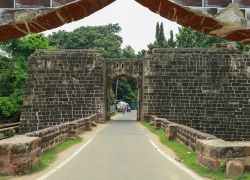
About The Barabati Fort The Barabati Fort is a historical fort located in Cuttack, Odisha. It is believed to date back to the 14th century and was built by the Ganga dynasty rulers. The fort is known for its impressive architecture and historical significance, making it a popular tourist destination in the region. Timings Of Barabati Fort The Barabati Fort is open to visitors from 10:00 AM to 5:00 PM every day of the week. Entry Fee The entry fee to visit the Barabati Fort is INR 10 for Indian nationals and INR 100 for foreign tourists. Required Time And Restricted Items It is recommended to spend at least 2-3 hours exploring the fort and its surroundings. Visitors are not allowed to bring firearms, sharp objects, or alcohol inside the fort premises. Architecture Of Barabati Fort The architecture of the Barabati Fort reflects a blend of Hindu and Muslim styles. The fort has beautiful stone carvings, intricate designs, and well-preserved structures such as gates, temples, and tanks. Best Time To Visit The best time to visit the Barabati Fort is during the winter months from November to February when the weather is pleasant and ideal for sightseeing. How To Reach The Barabati Fort is easily accessible by road from Cuttack city. It is located about 8 kilometers from the Cuttack Railway Station and can be reached by a short drive or taxi ride. History Of Barabati Fort The Barabati Fort has a rich history and has witnessed various rulers and dynasties over the centuries. It was originally built by the Ganga dynasty and later came under the control of the Mughals and Marathas before finally being taken over by the British. Inside Barabati Fort Inside the Barabati Fort, visitors can explore the various structures such as the gate, moat, granary, and temples. There is also a stadium within the fort premises where sports events and cultural programs are held. Traveling Tips It is advisable to wear comfortable footwear as there is a fair amount of walking involved while exploring the fort. Carry a water bottle and sunscreen to stay hydrated and protected from the sun. Hotels Near Barabati Fort Some of the hotels near Barabati Fort where visitors can stay include: 1. Hotel Surya Garden 2. Hotel Seetal 3. Hotel Dwarika 4. Hotel Bala Inn 5. Hotel Akbari Continental Nearby Tourist Spots Of Barabati Fort There are several other tourist attractions near the Barabati Fort that visitors can explore, such as the Cuttack Chandi Temple, Odisha Maritime Museum, Netaji Birthplace Museum, and Dhabaleswar Island Temple.
Explore More
Odisha State Maritime Museum, also known as Odisha Maritime Museum, is a wonderful tourist attraction in Cuttack. It is a museum that is dedicated to the naval and seafaring in Odisha. It is an ideal place to gather the knowledge about the maritime practices, boats, and other vessels etc. that were used in the previous times. It Is Known For:- 1) Odisha State Maritime Museum is a perfect place where the people can gain extra knowledge about the boats and other vessels that were used in the medieval era. 2) It was opened to the common public in the year 2013. It required eleven crores for the construction of the museum. 3) There are various galleries that display the models of the vessels, submarines, compasses, maps, and much more that were used by the royal armies to find the directions. 4) Apart from the naval vehicles, this museum also displays the information and the pictures of the creatures that once swam in seas and other water bodies near Odisha. Best Time To Visit:- Odisha Maritime Museum is a place that never disappoints the guests. Kids, youth, and the middle-aged adore visiting this place as it provides the information about the naval vehicles and creatures. Since there’s no specific season for visiting this place, an individual can mark his/her presence at the museum on any day. The museum remains shut on all the national holidays and festivals. The entry is paid for all visitors without any discount. Reaching There:- Odisha Maritime Museum is well-connected via all major roads that allow people to reach the place without any hassle. The local taxis are the best mode for reaching this place. Nearest Railway Station:- Cuttack Junction Nearest Airport:- Biju Patnaik International Airport
Explore More
Welcome to the mesmerizing world of Jeypore Palace in the vibrant city of Jeypore. This historical gem is a haven for nature lovers, birdwatchers, photographers, and wildlife enthusiasts. Nestled amidst lush greenery, Jeypore Palace offers a unique blend of rich history, architectural marvels, and diverse biodiversity, making it a must-visit destination for all travelers. History of Jeypore Palace Steeped in history, Jeypore Palace holds tales of the past, serving as a former royal hunting ground for the Maharajas of the region. Over the years, concerted conservation efforts have transformed this area into a sanctuary for wildlife, earning it recognition from UNESCO for its significant ecological value. Architecture and Natural Beauty of Jeypore Palace The lush wetlands, dense forests, sprawling grasslands, and diverse bird habitats surrounding Jeypore Palace create a picturesque setting that leaves visitors in awe. Amidst this natural beauty lies the historical Keoladeo Temple, adding a touch of spirituality to the landscape. Why is Jeypore Palace Famous? Jeypore Palace is renowned for its abundant birdlife, making it a paradise for birdwatchers. The park's scenic landscapes and rich biodiversity also attract photographers, nature enthusiasts, and wildlife lovers from far and wide. How to Reach Jeypore Palace Traveling to Jeypore Palace is convenient, with options to reach by air, rail, and road. The nearest airports are located in nearby cities, while the well-connected railway network ensures easy access for visitors. Road transport facilities make commuting within the city hassle-free. Weather and Best Time to Visit Jeypore Palace Jeypore Palace experiences varying weather conditions throughout the year, with summers being hot, monsoons bringing lush greenery, and winters offering pleasant temperatures. The best time to visit is during the cooler months when the park is at its scenic best. Timings of Jeypore Palace Jeypore Palace welcomes visitors during specific timings, ensuring a memorable experience for all. It's advisable to check for any seasonal variations in timings and plan your visit accordingly to make the most of your trip. Entry Fee and Visit Details Entry to Jeypore Palace is subject to nominal fees, with additional services such as guide assistance, safari options, bicycle rentals, and well-equipped visitor facilities available for a comfortable stay. These amenities enhance the overall experience of exploring the park. Things to Do at Jeypore Palace Engage in a myriad of activities at Jeypore Palace, including birdwatching, photography sessions, cycling through scenic trails, leisurely walks amidst nature, and indulging in educational experiences that offer insights into the park's diverse ecosystem. Interesting Facts About Jeypore Palace Discover fascinating facts about the migratory birds that grace the park, the extensive biodiversity it harbors, the successful conservation initiatives undertaken, and the critical ecological role played by Jeypore Palace in preserving natural habitats. Travel Tips for Visiting Jeypore Palace When planning your trip to Jeypore Palace, remember to pack appropriate clothing, carry essential photography gear for capturing memorable moments, be well-prepared for birdwatching expeditions, choose the ideal visiting season for your preferences, and uphold responsible tourism practices to conserve the park's beauty. Conclusion In conclusion, Jeypore Palace in Jeypore stands as a testament to the harmonious coexistence of history, architecture, and nature. A visit to this enchanting destination promises a rich tapestry of experiences for every traveler, leaving an indelible mark of beauty and serenity in the hearts of all who explore its wonders.
Explore More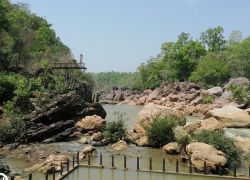
The Gupteswar Cave is one of the most sacred and naturally formed limestone caves in India, dedicated to Lord Shiva. It is a major pilgrimage destination as well as a popular tourist attraction known for its spiritual atmosphere and scenic forest surroundings. Located in the lush green forests of southern Odisha, near the town of Jeypore, the cave is surrounded by dense hills, rivers, and tribal landscapes that enhance its natural beauty and spiritual importance. Gupteswar Cave is a sacred site located in Koraput district, Odisha, and attracts devotees, nature lovers, and adventure seekers throughout the year, especially during Shivratri when thousands of pilgrims visit. History and Mythological Significance Gupteswar Cave has deep roots in Hindu mythology and is believed to be associated with Lord Shiva. The name “Gupteswar” means “Hidden God”, as the Shivling inside the cave was discovered in a hidden and secluded forest location. According to legends, Lord Rama during his exile is believed to have visited this region, and the Shivling inside the cave is considered self-manifested (Swayambhu). Because of this belief, the cave holds immense religious importance among Shiva devotees. Over time, the cave has become a major pilgrimage site in Odisha, with thousands of devotees visiting to offer prayers and seek blessings. Architecture and Natural Formation Gupteswar Cave is not a man-made structure but a naturally formed limestone cave created through geological processes over thousands of years. The cave features narrow passages, uneven rocky surfaces, and natural chambers. Inside the cave lies a sacred Shivling that is continuously worshipped. The cave interior is dark, cool, and filled with natural echoes that create a mystical spiritual atmosphere. Unlike traditional temples, the cave has minimal architectural intervention, preserving its natural structure. The surrounding forest and limestone hills add to its raw and untouched beauty. Why Gupteswar Cave is Famous Gupteswar Cave is famous for its religious significance as a sacred Shiva shrine hidden inside a natural cave. It is also known for its mythological connection to Lord Rama and ancient Hindu traditions. The cave is especially popular during Maha Shivratri, when thousands of devotees gather for special prayers and night-long rituals. Apart from its spiritual importance, the cave is also known for its scenic forest location, making it a unique combination of pilgrimage and nature tourism. How to Reach Gupteswar Cave Reaching Gupteswar Cave involves a short journey through forest roads and a small trek. By Air: The nearest airport is Visakhapatnam Airport, located around 200 km away. From there, taxis and buses are available to reach Jeypore. By Train: The nearest railway station is Jeypore Railway Station, which is well connected to major cities in Odisha and nearby states. From Jeypore, local transport can be used to reach the cave. By Road: Jeypore is well connected by road to Koraput, Vizianagaram, and Visakhapatnam. Regular buses and taxis operate in this region. From Jeypore, visitors must travel to the cave site through forest roads, followed by a short walk to the temple entrance. Weather at Gupteswar Cave The region experiences a tropical climate with moderate to heavy rainfall during monsoon season. Summer (March to June): Hot and humid with temperatures reaching up to 40°C. Monsoon (July to September): Heavy rainfall makes the forest lush green but travel can be difficult due to slippery paths. Winter (October to February): The best time to visit, with pleasant temperatures between 15°C and 28°C, ideal for sightseeing and pilgrimage. Timing and Entry Details Gupteswar Cave is generally open from 6:00 AM to 6:00 PM every day. There is usually no entry fee for visitors. However, donations are accepted for temple maintenance and religious activities. Morning hours are best for darshan due to fewer crowds and peaceful surroundings. Things to Do at Gupteswar Cave Visitors can offer prayers at the sacred Shivling and participate in religious rituals conducted by local priests. The surrounding forest area is ideal for nature walks and photography. The peaceful environment makes it a great place for meditation and spiritual reflection. During Maha Shivratri, the temple hosts grand celebrations, attracting devotees from across Odisha and neighboring states. Visitors can also explore nearby tribal villages to experience local culture and traditions. Interesting Facts About Gupteswar Cave The Shivling inside the cave is believed to be naturally formed and self-manifested. The cave is surrounded by dense forests of the Eastern Ghats, which are rich in biodiversity. The name “Hidden Shiva” reflects the secluded location of the shrine, which was discovered deep inside the forest. The cave has remained a place of continuous worship for centuries without major structural changes. Travel Tips for Visitors Visitors should wear comfortable clothing and sturdy footwear suitable for forest travel. Carry drinking water and basic essentials as facilities near the cave are limited. It is recommended to avoid visiting during heavy monsoon rains due to slippery roads and forest conditions. Respect local customs and maintain silence inside the cave to preserve its spiritual atmosphere. Conclusion Gupteswar Cave is a perfect blend of spirituality, mythology, and natural beauty. Its hidden Shivling, peaceful forest surroundings, and deep religious significance make it a must-visit destination in Odisha. Whether you are a devotee, traveler, or nature enthusiast, Gupteswar Cave offers a unique and memorable experience that connects you deeply with faith and nature.
Explore More
Welcome to Jeypore Yellow Dam, a hidden gem nestled in the vibrant city of Jeypore. This picturesque tourist attraction offers a unique blend of natural beauty, biodiversity, and tranquility, making it a must-visit destination for nature lovers and wildlife enthusiasts. History of Jeypore Yellow Dam Steeped in history, Jeypore Yellow Dam traces its origins back to the era of former royal hunting grounds. Over the years, concerted conservation efforts have transformed this area into a thriving ecosystem, drawing recognition from UNESCO for its biodiversity and ecological significance. Architecture and Natural Beauty of Jeypore Yellow Dam The allure of Jeypore Yellow Dam lies in its stunning wetlands, lush forests, expansive grasslands, and diverse bird habitats. Visitors can marvel at the serene landscapes while exploring the historical Keoladeo Temple that adds a touch of cultural richness to the surroundings. Why is Jeypore Yellow Dam Famous? Jeypore Yellow Dam has gained popularity among birdwatchers, photographers, and nature enthusiasts for its rich avian diversity and scenic beauty. The tranquil ambiance and the opportunity to witness a myriad of bird species in their natural habitat make it a sought-after destination for wildlife lovers. How to Reach Jeypore Yellow Dam Traveling to Jeypore Yellow Dam is convenient, with options available by air, rail, and road. The nearest airports and railway stations provide easy access to this enchanting location, ensuring a hassle-free journey for visitors. Weather and Best Time to Visit Jeypore Yellow Dam Understanding the weather conditions at Jeypore Yellow Dam is essential for planning your trip. While the summer, monsoon, and winter seasons each offer a unique experience, the best months to visit are during [mention best months] when the natural beauty is at its peak. Timings of Jeypore Yellow Dam Jeypore Yellow Dam welcomes visitors during specified timings, with seasonal variations that may affect accessibility. It is advisable to plan your visit accordingly and make the most of your time exploring this captivating destination. Entry Fee and Visit Details Upon arrival, visitors can expect a hassle-free entry procedure and access to guide services for a more enriching experience. Safari options, bicycle rentals, and well-equipped visitor facilities ensure a comfortable and memorable visit to Jeypore Yellow Dam. Things to Do at Jeypore Yellow Dam Engage in a range of exciting activities at Jeypore Yellow Dam, from birdwatching and photography to cycling, walking trails, and nature observation. Immerse yourself in the beauty of the surroundings and indulge in educational experiences that showcase the wonders of this natural paradise. Interesting Facts About Jeypore Yellow Dam Discover fascinating facts about the migratory birds that frequent the area, the conservation achievements that have preserved its natural splendor, and the ecological importance of maintaining the delicate balance of this thriving ecosystem. Travel Tips for Visiting Jeypore Yellow Dam When planning your visit to Jeypore Yellow Dam, consider practical advice on clothing choices, photography essentials, birdwatching equipment, ideal visiting seasons, and the importance of responsible tourism practices. By following these tips, you can maximize your experience while respecting the environment and wildlife. Conclusion In conclusion, Jeypore Yellow Dam in Jeypore stands as a testament to the harmonious coexistence of nature and heritage. Its rich biodiversity, scenic beauty, and tranquil ambiance offer visitors a unique opportunity to connect with the natural world and create lasting memories in this enchanting destination.
Explore More
Welcome to the picturesque destination of Mandira Dam in Rourkela, a hidden gem waiting to be explored by nature enthusiasts and wildlife lovers. This article will take you on a journey through the history, natural beauty, significance, and tourist attractions of Mandira Dam. History of Mandira Dam Steeped in history, Mandira Dam holds significance as a former royal hunting ground transformed into a conservation area. Efforts towards preservation and biodiversity have garnered recognition, making it a potential UNESCO site in the future. Architecture and Natural Beauty of Mandira Dam Surrounded by wetlands, forests, and grasslands, Mandira Dam is a haven for diverse bird species and offers breathtaking landscapes. The historical Keoladeo Temple adds a touch of spirituality to this natural paradise. Why is Mandira Dam Famous? Mandira Dam is renowned for its rich avian population, attracting birdwatchers, photographers, and nature enthusiasts from far and wide. Its wildlife diversity and serene ambiance make it a must-visit for all nature lovers. How to Reach Mandira Dam Traveling to Mandira Dam is convenient with options by air, rail, and road. The nearest airports and railway stations provide easy access to this natural sanctuary, ensuring a smooth journey for visitors. Weather and Best Time to Visit Mandira Dam Experience varying weather conditions at Mandira Dam throughout the seasons, with each offering a unique charm. Plan your visit during the best months to witness the beauty of this destination at its peak. Timings of Mandira Dam Learn about visitor timings and any seasonal variations that may impact your trip to Mandira Dam. Essential planning information will help you make the most of your visit to this scenic location. Entry Fee and Visit Details Entry procedures, guide services, safari options, and visitor facilities at Mandira Dam cater to a comfortable and enriching visit. Explore the surroundings with bicycle rentals and make the most of your time in this natural paradise. Things to Do at Mandira Dam Engage in popular activities such as birdwatching, photography, cycling, and nature observation at Mandira Dam. Walking trails offer a glimpse into the diverse flora and fauna, providing educational experiences for all visitors. Interesting Facts About Mandira Dam Discover fascinating facts about migratory birds, conservation efforts, and the ecological importance of Mandira Dam. Delve into the wonders of biodiversity and the significance of preserving such natural habitats. Travel Tips for Visiting Mandira Dam Prepare for your trip with practical advice on clothing, photography equipment, and responsible tourism practices at Mandira Dam. Understand the best seasons for visiting and immerse yourself in nature while respecting the environment. Conclusion In conclusion, Mandira Dam in Rourkela stands as a testament to natural beauty and conservation efforts. Embrace the tranquility of this destination, explore its wildlife wonders, and create unforgettable memories in the heart of nature.
Explore More
Welcome to Duduma Viewpoints, located in the charming city of Onukudelli. This hidden gem offers a unique blend of natural beauty, biodiversity, and tranquility, making it a must-visit destination for nature enthusiasts and wildlife lovers. History of Duduma Viewpoints With a rich historical background, Duduma Viewpoints was once a royal hunting ground. Over the years, concerted conservation efforts have transformed it into a sanctuary that is now recognized by UNESCO for its environmental significance. Architecture and Natural Beauty of Duduma Viewpoints The viewpoints boast breathtaking wetlands, lush forests, expansive grasslands, and diverse bird habitats. The historical Keoladeo Temple nestled within the park adds a touch of cultural charm to the natural landscape. Why is Duduma Viewpoints Famous? Duduma Viewpoints is renowned for its diverse bird species, making it a paradise for birdwatchers and photographers. Nature enthusiasts are drawn to the area for its serene atmosphere and the opportunity to observe wildlife in their natural habitat. How to Reach Duduma Viewpoints Traveling to Duduma Viewpoints is convenient, with options available by air, rail, and road. The nearest airports and railway stations provide easy access to this picturesque destination, ensuring a smooth journey for visitors. Weather and Best Time to Visit Duduma Viewpoints Throughout the summer, monsoon, and winter seasons, Duduma Viewpoints showcases different facets of its natural beauty. The best time to visit is during [mention best months], when the weather is pleasant and wildlife sightings are at their peak. Timings of Duduma Viewpoints Visitors can explore Duduma Viewpoints during [mention visitor timings]. The park may have seasonal variations, so it's advisable to check in advance for any specific timings or closures to plan your trip effectively. Entry Fee and Visit Details Entry to Duduma Viewpoints is [mention entry procedures]. Guide services, safari options, bicycle rentals, and other visitor facilities are available to enhance your experience and ensure a memorable visit. Things to Do at Duduma Viewpoints At Duduma Viewpoints, there are endless opportunities for activities such as birdwatching, photography, cycling, walking trails, and nature observation. Engage in educational experiences that deepen your understanding of the local ecosystem and its inhabitants. Interesting Facts About Duduma Viewpoints Duduma Viewpoints is home to a myriad of migratory birds, showcasing the region's rich biodiversity. The conservation achievements within the park highlight its ecological importance and the ongoing efforts to preserve its natural wonders. Travel Tips for Visiting Duduma Viewpoints When planning your trip to Duduma Viewpoints, consider packing appropriate clothing, photography gear, and birdwatching equipment. Familiarize yourself with the best visiting seasons and practice responsible tourism to help protect the park's delicate ecosystem. Conclusion In conclusion, Duduma Viewpoints in Onukudelli offers a harmonious blend of history, natural beauty, and wildlife, creating a captivating experience for all visitors. Immerse yourself in the serenity of this picturesque destination and discover the wonders of Duduma Viewpoints and its enchanting surroundings.
Explore More
Welcome to Applique Market Street, a charming tourist attraction located in Pipili, a city known for its vibrant culture and traditional crafts. Applique Market Street offers a unique blend of local artistry, natural beauty, and cultural heritage that makes it a must-visit destination for travelers seeking an authentic experience in Odisha. History of Applique Market Street The history of Applique Market Street dates back to ancient times when the art of applique work was first introduced in the region. This craft has been passed down through generations, showcasing intricate designs and meticulous handwork. Formerly a bustling market for local artisans, the street has evolved into a popular tourist spot, drawing visitors from far and wide. The conservation efforts to preserve this traditional art form have gained recognition, highlighting the cultural significance of the market. While not UNESCO recognized, the market holds a special place in the hearts of both locals and tourists. Architecture and Natural Beauty of Applique Market Street Surrounded by lush greenery and colorful stalls, Applique Market Street is a feast for the senses. The vibrant displays of applique work, set against the backdrop of traditional architecture, create a picturesque setting for visitors to explore. The natural beauty of Pipili adds to the charm of the market, with its serene ambiance and welcoming atmosphere. The historical significance of the art form is evident in every stitch, showcasing the rich cultural heritage of the region. Why is Applique Market Street Famous? Applique Market Street is famous for its exquisite applique work, which is renowned for its intricate designs and vibrant colors. This destination attracts artists, designers, and enthusiasts alike, with its unique offerings and cultural significance. Visitors flock to the market to witness firsthand the craftsmanship of local artisans and to purchase authentic pieces of applique art. The market is a hub for creativity and innovation, making it a popular choice among art lovers and souvenir hunters. How to Reach Applique Market Street Traveling to Applique Market Street is convenient, with various transportation options available. The nearest airport to Pipili is Biju Patnaik International Airport in Bhubaneswar, which is well-connected to major cities across India. For those traveling by train, the Pipili Railway Station provides easy access to the city. Additionally, road networks connect Pipili to nearby towns and cities, making it accessible by bus or private vehicle. Weather and Best Time to Visit Applique Market Street The weather in Pipili is characterized by hot summers, moderate monsoons, and cool winters. The best time to visit Applique Market Street is during the winter months, from November to February, when the weather is pleasant and ideal for exploring the market. Avoiding the peak summer season is advisable due to the high temperatures, while the monsoon season brings lush greenery but occasional heavy rains. Timings of Applique Market Street Applique Market Street is open to visitors throughout the year, with operating hours from morning till evening. The timings may vary slightly depending on the season, so it is recommended to check in advance before planning your visit. The market experiences a bustling atmosphere during festivals and special events, offering a lively glimpse into the local culture and traditions. Entry Fee and Visit Details Entry to Applique Market Street is free for all visitors, allowing everyone to explore and appreciate the artistry on display. Guide services are available for those interested in learning more about the history and techniques of applique work. Additionally, visitors can opt for guided tours, safari options to nearby attractions, and bicycle rentals for a unique way to experience the market and its surroundings. Things to Do at Applique Market Street At Applique Market Street, visitors can engage in a variety of activities that showcase the beauty of the art form and the culture of Pipili. From browsing through the colorful stalls to witnessing live demonstrations of applique work, there is much to see and do. Birdwatching enthusiasts can also explore the nearby natural habitats, capturing the beauty of migratory birds that frequent the area. Walking trails and cycling routes offer a chance to immerse yourself in the serene surroundings and connect with nature. Interesting Facts About Applique Market Street One of the fascinating aspects of Applique Market Street is its role in preserving traditional art forms and supporting local artisans. The market serves as a platform for cultural exchange and creativity, attracting visitors from different parts of the world. The biodiversity of Pipili adds to the allure of the destination, with unique flora and fauna enriching the natural environment. Conservation efforts in the region have contributed to the sustainability of the ecosystem, making it a model for responsible tourism practices. Travel Tips for Visiting Applique Market Street When visiting Applique Market Street, it is advisable to dress comfortably and carry adequate sun protection during the summer months. Photography enthusiasts should bring their cameras to capture the vibrant colors and intricate details of the applique work. Birdwatchers can enhance their experience by carrying binoculars and field guides to identify the various species in the area. It is essential to respect the local culture and traditions while exploring the market and interacting with artisans, fostering a spirit of responsible tourism. Conclusion In conclusion, Applique Market Street in Pipili is a hidden gem that offers a blend of art, culture, and nature in a single destination. The rich history, vibrant atmosphere, and creative energy of the market make it a memorable place to visit for travelers seeking an authentic experience. Whether you are a lover of art, a nature enthusiast, or a culture buff, Applique Market Street has something unique to offer, leaving a lasting impression of the beauty and heritage of Pipili.
Explore More
Welcome to Pipili Selfie Point, a captivating tourist attraction located in the charming city of Pipili. This unique destination offers a blend of natural beauty, cultural significance, and abundant biodiversity, making it a must-visit spot for travelers seeking a memorable experience. History of Pipili Selfie Point Pipili Selfie Point holds a rich historical background, with origins that date back to ancient times when it served as a royal hunting ground. Over the years, concerted conservation efforts have transformed the area into a well-preserved sanctuary, drawing recognition from UNESCO for its commitment to preserving the natural habitat and wildlife. Architecture and Natural Beauty of Pipili Selfie Point The allure of Pipili Selfie Point lies in its diverse landscapes, including wetlands, lush forests, and sprawling grasslands that provide ideal habitats for a variety of bird species. Visitors can also explore the historic Keoladeo Temple nestled within the park, adding a cultural dimension to the natural beauty. Why is Pipili Selfie Point Famous? Pipili Selfie Point has gained fame as a preferred destination for birdwatchers, photographers, nature enthusiasts, and wildlife lovers due to its remarkable avian diversity, picturesque landscapes, and tranquil ambiance that offer a unique and rewarding experience to all visitors. How to Reach Pipili Selfie Point Traveling to Pipili Selfie Point is convenient, with options available via air, rail, and road. The nearest airports and railway stations provide easy access, ensuring that visitors can reach this enchanting destination with ease and comfort. Weather and Best Time to Visit Pipili Selfie Point Pipili Selfie Point experiences varying weather conditions throughout the year, with distinct summer, monsoon, and winter seasons. The best time to visit is during [mention best months here], when the weather is pleasant, and the natural beauty of the park is at its peak. Timings of Pipili Selfie Point Visitor timings at Pipili Selfie Point [mention details here], allowing tourists to plan their trip according to the seasonal variations and specific activities they wish to engage in during their visit. Entry Fee and Visit Details Entry procedures at Pipili Selfie Point are [mention details here], with additional services such as guide assistance, safari options, bicycle rentals, and well-equipped visitor facilities that enhance the overall experience at this popular tourist spot. Things to Do at Pipili Selfie Point Visitors to Pipili Selfie Point can indulge in a myriad of activities, including birdwatching, photography, cycling, exploring walking trails, engaging in nature observation, and partaking in educational experiences that offer insight into the park's ecological significance. Interesting Facts About Pipili Selfie Point Pipili Selfie Point is home to a diverse range of migratory birds and boasts impressive biodiversity, showcasing the conservation achievements and ecological importance of preserving such natural habitats for future generations to appreciate and enjoy. Travel Tips for Visiting Pipili Selfie Point For a fulfilling visit to Pipili Selfie Point, it is advisable to pack appropriate clothing, carry essential photography and birdwatching equipment, consider the best visiting seasons, and practice responsible tourism by respecting the park's rules and regulations. Conclusion In conclusion, Pipili Selfie Point in Pipili is a gem waiting to be explored, offering a harmonious blend of nature, culture, and wildlife that promises a memorable and enriching experience for all visitors. Plan your trip to this captivating destination and immerse yourself in the beauty and serenity it has to offer.
Explore More4 Night - 5 Days Odisha Tour Package
5 Days/ 4 Night
Bhubaneswar - Konark - Puri
Puri - Konark - Bhubaneswar 3 Night - 4 Days Tour
4 Days/ 3 Night
Bhubaneswar - Konark - Puri
4 Night - 5 Days Bhubaneswar - Puri - Kolkata - Gangasagar Tour
5 Days/ 4 Night
Bhubaneswar - Konark - Puri - Kolkata - South 24 Parganas
Bhitorkonika Wild Life Sanctuary Package
3 Days/ 2 Night
Kendrapara
Raghurajpur Heritage Village in Pipili is a hidden gem that offers a unique blend of history, culture, and natural beauty. This quaint village is renowned for its ancient traditions of Pattachitra paintings and Gotipua dance performances, making it a must-visit destination for those seeking an authentic glimpse into Odisha's rich heritage. History of Raghurajpur Heritage Village With a history that dates back centuries, Raghurajpur Heritage Village was once a royal abode and a prominent center for art and culture. Originally established as a creative hub for artisans, the village has preserved its artistic legacy through generations. The conservation efforts in Raghurajpur have been recognized by UNESCO, highlighting the significance of this cultural haven. Architecture and Natural Beauty of Raghurajpur Heritage Village Nestled amidst lush greenery, Raghurajpur Heritage Village boasts a serene natural environment that captivates visitors. The village is surrounded by verdant forests, tranquil water bodies, and vibrant bird habitats, creating a picturesque setting for exploration. The iconic Keoladeo Temple, a historical marvel, adds to the architectural charm of the village. Why is Raghurajpur Heritage Village Famous? Raghurajpur Heritage Village has gained popularity for its exquisite Pattachitra paintings, intricate handicrafts, and mesmerizing Gotipua dance performances. Birdwatchers flock to this village to witness a diverse range of avian species, while photographers are drawn to its scenic landscapes and cultural vibrancy. Nature enthusiasts and wildlife lovers find solace in the tranquil beauty of this heritage village. How to Reach Raghurajpur Heritage Village Traveling to Raghurajpur Heritage Village is convenient, with options available by air, rail, and road. The nearest airports are located in Bhubaneswar and Puri, offering easy access to the village. Pipili Railway Station serves as a major railhead for those opting to travel by train. Well-connected roads make reaching the village hassle-free for visitors. Weather and Best Time to Visit Raghurajpur Heritage Village Raghurajpur Heritage Village experiences pleasant weather throughout the year, with distinct seasons of summer, monsoon, and winter. The best time to visit is during the winter months when the climate is mild and conducive for exploration. Avoiding the monsoon season is advisable due to heavy rainfall that may disrupt outdoor activities. Timings of Raghurajpur Heritage Village Raghurajpur Heritage Village welcomes visitors during specific timings, ensuring a well-organized experience for tourists. Seasonal variations may impact the operational hours, so it is recommended to plan your visit accordingly. Understanding the timings in advance can help in optimizing your exploration of the village. Entry Fee and Visit Details Entrance to Raghurajpur Heritage Village may require a nominal fee, granting access to the cultural marvels within. Guide services are available for those seeking insightful narratives about the village's heritage. Safari options, bicycle rentals, and visitor facilities cater to the diverse needs of tourists, enhancing the overall visit experience. Things to Do at Raghurajpur Heritage Village Engage in a multitude of activities at Raghurajpur Heritage Village, including immersive birdwatching sessions, capturing the essence of the village through photography, leisurely cycling amidst nature's beauty, and embarking on walking trails that unveil hidden treasures. Embrace the tranquility of the surroundings and indulge in educational experiences that offer a deeper understanding of the village's cultural significance. Interesting Facts About Raghurajpur Heritage Village Raghurajpur Heritage Village is not only a hub for art and culture but also a sanctuary for migratory birds, showcasing the region's rich biodiversity. The conservation efforts in the village have led to remarkable achievements in preserving the ecological balance, making it a vital ecosystem worth exploring. The village stands as a testament to sustainable practices and harmonious coexistence with nature. Travel Tips for Visiting Raghurajpur Heritage Village When planning a visit to Raghurajpur Heritage Village, consider the appropriate clothing for the prevailing weather conditions, carry essential photography equipment to capture memorable moments, and be equipped for birdwatching activities with binoculars and guides. Understanding the best visiting seasons and practicing responsible tourism by respecting the local culture and environment contribute to a fulfilling experience. Conclusion In conclusion, Raghurajpur Heritage Village in Pipili stands as a testament to Odisha's cultural richness and natural splendor. Its historical significance, artistic traditions, and biodiversity make it a captivating destination for travelers seeking an immersive experience. Explore the charm of this heritage village, delve into its cultural tapestry, and witness the harmonious blend of art and nature in the heart of Odisha.
Explore More
Welcome to the serene and culturally rich destination of Dhauligiri Shanti Stupa in Pipili, where tranquility meets history in a harmonious blend. This magnificent hotspot offers visitors a unique opportunity to immerse themselves in the peaceful ambiance of the stupa while exploring the natural beauty that surrounds it. History of Dhauligiri Shanti Stupa Steeped in history, Dhauligiri Shanti Stupa holds great significance as a symbol of peace and non-violence. Originally built as a commemoration of the Kalinga War and Emperor Ashoka's transformation to Buddhism, the stupa stands as a testament to a pivotal moment in ancient Indian history. Once a royal hunting ground, the area has been transformed into a conservation site, drawing attention for its historical and cultural importance. The UNESCO recognition further underscores the heritage value of this sacred site. Architecture and Natural Beauty of Dhauligiri Shanti Stupa Surrounded by lush wetlands, verdant forests, and sprawling grasslands, Dhauligiri Shanti Stupa is a haven for birdlife and nature enthusiasts. The tranquil ambiance is complemented by the picturesque landscapes that offer a perfect setting for introspection and exploration. Nestled within the premises is the historic Keoladeo Temple, adding a touch of spirituality to the natural allure of the surroundings. Why is Dhauligiri Shanti Stupa Famous? Dhauligiri Shanti Stupa is renowned for its appeal to birdwatchers, photographers, and wildlife lovers alike. The diverse avian habitats attract a myriad of bird species, making it a paradise for bird enthusiasts. The serene environment and cultural significance also draw nature lovers seeking a peaceful retreat amidst nature's bounty. How to Reach Dhauligiri Shanti Stupa Travelers can reach Dhauligiri Shanti Stupa conveniently via air, rail, or road. The nearest airports are located in the vicinity, providing easy access to the destination. Well-connected by rail, the region offers seamless connectivity for those opting for a train journey. Road transport is also a viable option, with well-maintained highways leading to the stupa. Weather and Best Time to Visit Dhauligiri Shanti Stupa The weather at Dhauligiri Shanti Stupa exhibits seasonal variations, with pleasant summers, scenic monsoons, and cool winters. The best time to visit is during the cooler months when the natural beauty is at its peak, offering a refreshing experience for travelers. Exploring the stupa during this period ensures a comfortable and enjoyable visit. Timings of Dhauligiri Shanti Stupa Visitors can explore Dhauligiri Shanti Stupa during designated timings that accommodate various schedules. The stupa may have seasonal variations in timings, so it is advisable to check before planning a visit. Understanding the operational hours will help in better planning and ensure a fulfilling experience at the site. Entry Fee and Visit Details Entry to Dhauligiri Shanti Stupa may involve a nominal fee, allowing visitors to access the premises and explore the surroundings. Guide services are available for those seeking in-depth information and insights into the stupa's history and significance. Additionally, safari options, bicycle rentals, and visitor facilities enhance the overall experience for travelers. Things to Do at Dhauligiri Shanti Stupa Dhauligiri Shanti Stupa offers a plethora of activities for visitors to engage in, including birdwatching, photography, cycling, walking trails, and nature observation. The diverse range of experiences caters to different preferences, ensuring an enriching visit for all. Educational programs further enhance the understanding of the ecosystem and cultural heritage present at the stupa. Interesting Facts About Dhauligiri Shanti Stupa Did you know that Dhauligiri Shanti Stupa serves as a crucial habitat for migratory birds, contributing to the region's biodiversity? The conservation efforts undertaken at the stupa have led to significant ecological achievements, preserving the delicate balance of nature. The site holds immense ecological importance, making it a valuable asset for environmental conservation. Travel Tips for Visiting Dhauligiri Shanti Stupa When visiting Dhauligiri Shanti Stupa, it is advisable to dress comfortably and carry essential items such as sunscreen and water. Photography enthusiasts should bring their equipment to capture the stunning landscapes and birdlife. Choosing the right season for your visit and practicing responsible tourism are key aspects to ensure a memorable and sustainable travel experience. Conclusion In conclusion, Dhauligiri Shanti Stupa in Pipili stands as a beacon of peace and natural beauty, inviting travelers to explore its rich history and serene surroundings. The harmonious blend of cultural heritage, biodiversity, and recreational opportunities makes it a must-visit destination for those seeking a tranquil retreat amidst nature's wonders.
Explore More