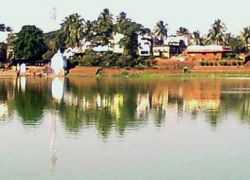
Situated to the north of the Lingaraja temple is a lake called the Bindusagar Lake adding grace to Bhubaneshwar and attracting many tourists. Once a year the Lingaraj temple deity is brought out for the ritual bath in the centre of the tank and it is believed a dip in the holy tank at Bindusagar washes away all the sins.To the north of the Lingaraja temple is this 1,300 ft long and 700 ft wide Bindusagar Lake. It is popular as a picnic spot among the locals too. The scenic beauty of this lake is enhanced by the stones, which have been laid along the embankments. The waters of the lake are said to be an amalgamation of every holy river, stream, lake or pool in India.
Explore More
Welcome to Chandbali, a hidden gem nestled in the city of Bhadrak. Chandbali offers a serene escape into nature's embrace, inviting travelers to explore its rich biodiversity and captivating landscapes. History of Chandbali Chandbali has a rich historical background, once serving as royal hunting grounds for local rulers. Over the years, concerted conservation efforts have transformed it into a haven for wildlife. Its significance has been acknowledged by UNESCO, further enhancing its reputation as a conservation success story. Architecture and Natural Beauty of Chandbali Chandbali boasts of picturesque wetlands, dense forests, and sprawling grasslands that provide a habitat for a myriad of bird species. The Keoladeo Temple, a historic site within the park, adds a touch of architectural charm to the natural beauty that surrounds it. Why is Chandbali Famous? Chandbali has gained fame among birdwatchers, photographers, and nature enthusiasts for its diverse avian population and stunning landscapes. Wildlife lovers are drawn to the park for its tranquil ambiance and the opportunity to witness nature's wonders up close. How to Reach Chandbali Traveling to Chandbali is convenient, with options to reach by air, rail, or road. Nearby airports and railway stations ensure easy access to this nature lover's paradise, welcoming visitors from far and wide. Weather and Best Time to Visit Chandbali Chandbali experiences varying weather conditions throughout the year, with each season offering a unique charm to visitors. Understanding the best months to visit can enhance your experience and allow you to make the most of your trip. Timings of Chandbali Visitor timings at Chandbali are structured to accommodate the natural rhythms of the park. Seasonal variations may affect accessibility, so it is advisable to plan your visit accordingly to ensure a seamless experience. Entry Fee and Visit Details Entry procedures at Chandbali are designed to facilitate a smooth entry for visitors. Guide services, safari options, bicycle rentals, and visitor facilities are available to enhance your visit and make it a memorable one. Things to Do at Chandbali Engage in popular activities at Chandbali such as birdwatching, photography, cycling, and nature observation. Walking trails offer a chance to immerse yourself in the park's beauty, while educational experiences provide insights into its ecological significance. Interesting Facts About Chandbali Chandbali is home to a fascinating array of migratory birds, showcasing the park's biodiversity and the success of its conservation efforts. Discover more about the park's ecological importance and the achievements in safeguarding its natural heritage. Travel Tips for Visiting Chandbali When visiting Chandbali, remember to pack appropriate clothing, essential photography gear, and birdwatching equipment. Understanding the best visiting seasons and practicing responsible tourism can enrich your experience and contribute to the park's preservation. Conclusion In conclusion, Chandbali in Bhadrak stands as a testament to the harmonious coexistence of nature and conservation efforts. Its allure lies in its untouched beauty, offering visitors a chance to reconnect with the natural world and create lasting memories in this pristine sanctuary.
Explore More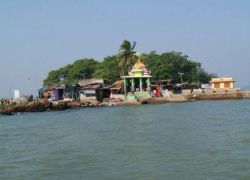
Kalijai Island in Chilika, Odisha is one of the most picturesque and culturally significant islands in the Chilika Lake, Asia’s largest brackish water lagoon. Known for its serene environment, rich biodiversity, and spiritual significance, Kalijai Island is a must-visit destination for nature lovers, pilgrims, photographers, and tourists exploring Odisha. The island is famous for the Kalijai Temple dedicated to Goddess Kalijai, which sits prominently in the middle of the island, attracting devotees and travelers alike. How to Reach Kalijai Island, Chilika, Odisha Reaching Kalijai Island requires a combination of road travel and a boat ride across Chilika Lake. Visitors can plan their trip from major nearby cities such as Bhubaneswar or Puri: By Road: From Bhubaneswar, Chilika Lake is approximately 110 km, while from Puri it is around 50 km. Buses, taxis, and private cars can be used to reach the Satapada jetty, which is the main departure point for Kalijai Island. By Rail: The nearest railway station is in Puri. From Puri, local transport is available to reach Satapada. By Air: Biju Patnaik International Airport in Bhubaneswar is the closest airport. From the airport, visitors can hire taxis or use rental vehicles to reach Satapada, from where boats take you to the island. Once at Satapada, regular motorboats or ferries transport tourists to Kalijai Island. The boat ride across Chilika Lake provides scenic views of the vast water body, migratory birds, and the surrounding mangroves. Weather in Chilika, Odisha The climate around Kalijai Island is tropical and humid. The best time to visit is from November to February, when temperatures range from 20°C to 30°C, providing comfortable weather for sightseeing and boating. Summers (March to May) are hot and humid, while the monsoon season (June to September) brings heavy rainfall and high water levels, which can sometimes affect boat operations. Visitors are advised to carry light cotton clothing for summer and rain gear during the monsoon. Timings for Visiting Kalijai Island The Kalijai Island boat services generally operate from 7:00 AM to 5:00 PM. Early morning visits are ideal for observing the lake in calm light, spotting migratory birds, and experiencing a serene boat ride. Afternoon visits offer warmer temperatures and better visibility for photography. The island itself can be explored in 1–2 hours, including a visit to the Kalijai Temple and the surrounding areas. Why Kalijai Island is Famous Kalijai Island is famous for its spiritual significance, scenic beauty, and biodiversity. The Kalijai Temple dedicated to Goddess Kalijai is the island’s main attraction and is associated with numerous local legends and folklore. The island is also popular among birdwatchers as Chilika Lake hosts thousands of migratory birds during winter, including flamingos, herons, and pelicans. Its tranquil waters, beautiful sunsets, and lush surroundings make Kalijai Island a favorite spot for photography and nature walks. Entry and Visit Details Entry to Kalijai Island is free, but boat charges from Satapada to the island apply. Both private and shared boats are available, and visitors are advised to hire licensed operators for safety. Photography is permitted, and there are no restrictions for sightseeing. Devotees visiting the Kalijai Temple can participate in rituals, offer prayers, and purchase offerings from local vendors on the island. Basic amenities such as seating and shaded areas are available, but carrying water and snacks is recommended. History and Architecture The Kalijai Temple on the island was constructed in the 17th century and stands as a fine example of Odisha’s traditional temple architecture. The temple is dedicated to Goddess Kalijai, worshipped as a protector of fishermen and sailors in Chilika Lake. The structure is built using local stone, with a simple yet elegant design featuring a sanctum sanctorum and a small courtyard. The temple has been a center of faith for centuries and plays a significant role in the local religious traditions, particularly during the annual Kalijai fair held in winter. Things to Do at Kalijai Island Visit the Kalijai Temple: Explore the temple, offer prayers, and learn about the legends of Goddess Kalijai. Bird Watching: Spot migratory birds such as flamingos, herons, and pelicans, especially during the winter months. Photography: Capture the scenic beauty of the lake, sunsets, and temple architecture. Boating: Enjoy a serene boat ride from Satapada to the island, observing Chilika’s flora and fauna along the way. Nature Walks: Explore the island’s shoreline and enjoy the peaceful environment. Facts About Kalijai Island Kalijai Island is one of over a hundred islands in Chilika Lake. It is especially famous during winter when migratory birds arrive, turning the surrounding lake into a birdwatcher’s paradise. The temple is associated with the local legend of a girl named Kalijai who perished in the lake during a storm and is worshipped as a protective deity. The island’s natural and spiritual significance makes it a unique destination blending culture, history, and biodiversity. Tips for Visiting Kalijai Island, Chilika, Odisha Carry binoculars for birdwatching and a camera for capturing the scenic beauty. Wear comfortable shoes for walking around the temple and island. Bring sunscreen, hats, and water, as the sun can be intense on the open lake. Hire licensed boats for a safe and enjoyable trip to the island. Plan visits during winter months for the best birdwatching experience and pleasant weather. In conclusion, Kalijai Island, Chilika, Odisha offers a unique combination of spirituality, natural beauty, and wildlife. From the historic Kalijai Temple to the rich avian biodiversity of Chilika Lake, visitors can enjoy a peaceful and memorable experience. The island is ideal for pilgrims, nature enthusiasts, and photographers seeking a serene retreat in eastern India’s largest lagoon. With its breathtaking views and cultural significance, Kalijai Island remains a must-visit destination for anyone exploring Odisha.
Explore More
Welcome to the serene and captivating destination of Old Jetty in Gopalpur, a place that holds a unique charm for travelers seeking a blend of natural beauty and historical significance. The old jetty stands as a testament to the rich heritage and biodiversity that thrives in this beautiful city. History of Old Jetty Old Jetty traces its historical roots back to the bygone era when it served as a vital connection point for trade and commerce in the region. Originally built as a docking station for ships, the jetty has witnessed the transformation of Gopalpur into a bustling port city. Its historical significance resonates with the tales of maritime adventures and cultural exchanges that shaped the city's identity over the centuries. Architecture and Natural Beauty of Old Jetty The charm of Old Jetty lies not only in its historical architecture but also in the natural surroundings that envelop this iconic structure. Nestled amidst breathtaking wetlands, lush forests, and vibrant grasslands, the jetty offers a picturesque setting for visitors to immerse themselves in nature's tranquility. The nearby bird habitats and landscapes provide a haven for diverse avian species, making it a paradise for birdwatchers and nature enthusiasts. The presence of the historic Keoladeo Temple adds a touch of spirituality to the scenic beauty of the surroundings. Why is Old Jetty Famous? Old Jetty has gained fame as a favored destination among birdwatchers, photographers, and wildlife lovers due to its rich biodiversity and bird-watching opportunities. The area's tranquil ambiance and the chance to witness a plethora of migratory birds in their natural habitat make it a must-visit for those seeking a close encounter with nature's wonders. How to Reach Old Jetty Traveling to Old Jetty is convenient, with options available by air, rail, and road. The city is well-connected to major nearby airports and railway stations, ensuring easy access for visitors coming from different parts of the country. Weather and Best Time to Visit Old Jetty The weather at Old Jetty varies across seasons, with summers being warm, monsoons bringing occasional showers, and winters offering a pleasant chill. The best time to visit is during the winter months when the weather is cool and conducive for exploring the beauty of the surroundings. Timings of Old Jetty Old Jetty welcomes visitors during specific timings, allowing them to experience the beauty of the place at different times of the day. Seasonal variations may affect the timings, so it is advisable to plan your visit accordingly for an optimal experience. Entry Fee and Visit Details Visitors to Old Jetty can enjoy a hassle-free entry procedure and avail guide services to enhance their exploration of the area. Safari options, bicycle rentals, and well-equipped visitor facilities add to the convenience and comfort of guests during their visit. Things to Do at Old Jetty There are plenty of activities to indulge in at Old Jetty, ranging from birdwatching and photography to cycling, walking trails, and nature observation. Visitors can immerse themselves in the scenic beauty of the surroundings and engage in educational experiences that offer insights into the area's rich biodiversity. Interesting Facts About Old Jetty Old Jetty is not just a historical landmark but also a hub of ecological importance and conservation achievements. The migratory birds that flock to the area, the diverse biodiversity it harbors, and the efforts taken to preserve its natural beauty make it a fascinating destination for eco-conscious travelers. Travel Tips for Visiting Old Jetty When planning a trip to Old Jetty, remember to pack suitable clothing for the weather, bring along your photography gear for capturing stunning moments, and equip yourself with birdwatching essentials to make the most of your visit. Being mindful of the visiting seasons and practicing responsible tourism will ensure a fulfilling and sustainable travel experience. Conclusion In conclusion, Old Jetty in Gopalpur stands as a timeless destination that seamlessly blends history, natural beauty, and biodiversity to offer visitors a memorable and enriching experience. Whether you are a nature enthusiast, a history buff, or a photography lover, Old Jetty welcomes you to explore its wonders and create lasting memories in the heart of this vibrant city.
Explore More
Welcome to the serene and picturesque Jagannath Sagar, located in the charming city of Jeypore. Jagannath Sagar is a jewel of a destination that attracts visitors with its natural beauty, abundant biodiversity, and unique tourism opportunities. History of Jagannath Sagar With a rich historical background, Jagannath Sagar was once the royal hunting grounds of the former rulers. Over the years, dedicated conservation efforts have transformed it into a protected sanctuary, earning recognition from UNESCO for its ecological significance. Architecture and Natural Beauty of Jagannath Sagar Jagannath Sagar boasts breathtaking wetlands, lush forests, expansive grasslands, and diverse bird habitats. The park is also home to the historic Keoladeo Temple, adding a touch of ancient charm to its natural splendor. Why is Jagannath Sagar Famous? Jagannath Sagar has gained fame as a hotspot for birdwatchers, photographers, nature enthusiasts, and wildlife lovers alike. Its diverse ecosystem and numerous bird species make it a paradise for those seeking a close encounter with nature. How to Reach Jagannath Sagar Traveling to Jagannath Sagar is convenient, with options available by air, rail, and road. The nearest airports and railway stations provide easy access to this natural haven, ensuring a hassle-free journey for visitors. Weather and Best Time to Visit Jagannath Sagar Jagannath Sagar experiences varying weather conditions throughout the year, each offering a unique charm to visitors. The best time to explore this natural wonder is during specific months when the weather is most favorable for outdoor activities. Timings of Jagannath Sagar Visiting timings at Jagannath Sagar cater to the needs of tourists, with seasonal variations considered to enhance the overall experience. Planning a trip to this destination is made easier with detailed information on operational hours. Entry Fee and Visit Details Entry procedures at Jagannath Sagar are straightforward, with guide services, safari options, bicycle rentals, and visitor facilities available for a comfortable and enjoyable visit. Exploring the park is made convenient with these additional services. Things to Do at Jagannath Sagar Engage in popular activities at Jagannath Sagar such as birdwatching, photography, cycling, walking trails, nature observation, and educational experiences. The park offers a range of options for visitors to immerse themselves in the beauty of the surroundings. Interesting Facts About Jagannath Sagar Jagannath Sagar is brimming with fascinating facts about migratory birds, biodiversity, conservation achievements, and ecological importance. Exploring these aspects adds depth to the overall experience of visiting this natural sanctuary. Travel Tips for Visiting Jagannath Sagar For a successful trip to Jagannath Sagar, consider practical advice on clothing choices, photography gear, birdwatching equipment, visiting seasons, and responsible tourism practices. These tips ensure a fulfilling and responsible visit to this beautiful destination. Conclusion In conclusion, Jagannath Sagar in Jeypore stands as a testament to the harmonious coexistence of nature and wildlife. Its allure lies in the untouched beauty of its landscapes and the vibrant ecosystem it hosts, offering visitors a memorable and enriching experience amidst the tranquility of nature.
Explore More
Welcome to the serene beauty of Daya River View Point in Pipili, a hidden gem that beckons travelers seeking tranquility amidst nature's embrace. This picturesque destination offers a unique blend of natural vistas, biodiversity, and a peaceful ambiance that captivates visitors from all walks of life. History of Daya River View Point Steeped in history, Daya River View Point holds significance as a former royal hunting ground that has been transformed into a conservation area to protect the rich flora and fauna that call this place home. With efforts towards sustainable tourism, Daya River View Point stands as a testament to the harmonious coexistence of man and nature, earning recognition for its conservation endeavors. Architecture and Natural Beauty of Daya River View Point As you explore Daya River View Point, you will be greeted by lush wetlands, verdant forests, expansive grasslands, and a myriad of bird habitats that create a haven for various species. The historical Keoladeo Temple nestled within the park adds a touch of spirituality to the natural landscape, enhancing the overall charm of this enchanting location. Why is Daya River View Point Famous? Daya River View Point has garnered fame for being a paradise for birdwatchers, photographers, nature enthusiasts, and wildlife lovers alike. The diverse bird species, breathtaking landscapes, and tranquil surroundings make it a sought-after destination for those seeking a close encounter with nature's wonders. How to Reach Daya River View Point Accessing Daya River View Point is convenient, with options for travel by air, rail, and road. The nearest airports and railway stations provide easy connectivity, ensuring that visitors can embark on their journey to this scenic paradise without hassle. Weather and Best Time to Visit Daya River View Point The weather at Daya River View Point varies across seasons, offering unique experiences throughout the year. While summer brings vibrant hues and active wildlife, the monsoon rejuvenates the surroundings with lush greenery. Winter paints a serene picture, making it an ideal time to witness the beauty of this destination. Timings of Daya River View Point Visiting hours at Daya River View Point cater to both early risers and sunset admirers, allowing visitors to witness the beauty of nature at different times of the day. Seasonal variations may affect timings, so it is advisable to plan your visit accordingly. Entry Fee and Visit Details Entry procedures at Daya River View Point are designed to ensure a seamless visitor experience. Guide services, safari options, bicycle rentals, and well-equipped visitor facilities enhance the overall visit, providing ample opportunities to explore and appreciate the natural splendor of the surroundings. Things to Do at Daya River View Point Engage in a myriad of activities at Daya River View Point, from birdwatching and photography sessions to cycling through scenic trails. Immerse yourself in nature observation, embark on educational journeys, and create unforgettable memories amidst the pristine beauty that surrounds you. Interesting Facts About Daya River View Point Discover intriguing facts about the migratory birds that grace the skies of Daya River View Point, the conservation efforts that have led to thriving biodiversity, and the ecological importance of preserving such natural sanctuaries for future generations to cherish. Travel Tips for Visiting Daya River View Point Prepare for your visit to Daya River View Point with essential tips on clothing choices, photography gear, birdwatching equipment, ideal visiting seasons, and guidelines for responsible tourism practices. Embrace the beauty of this destination while respecting its fragile ecosystem. Conclusion In conclusion, Daya River View Point in Pipili stands as a testament to the harmonious coexistence of nature and mankind, offering a sanctuary of peace and beauty for all who venture here. Explore the wonders of this natural paradise, immerse yourself in its tranquility, and create unforgettable memories in the heart of nature's embrace.
Explore MoreExclusive Travel Package Puri & Bhubaneswar Experience
4 Days/ 3 Night
Bhubaneswar - Konark - Puri
Bhubaneswar 2N - Puri 2N Tour
5 Days/ 4 Night
Bhubaneswar - Puri
Panchalingeswar with Kuldiha Package
3 Days/ 2 Night
Balasore
Odisha Temple Trail - 3 Nights - 4 Days Tour
4 Days/ 3 Night
Bhubaneswar - Konark - Puri