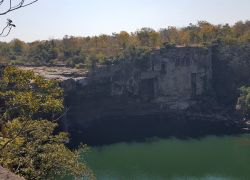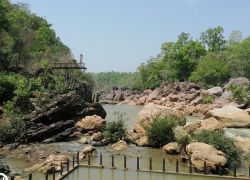
"Explore the mystical cave with spiritual significance."
The Gupteswar Cave is one of the most sacred and naturally formed limestone caves in India, dedicated to Lord Shiva. It is a major pilgrimage destination as well as a popular tourist attraction known for its spiritual atmosphere and scenic forest surroundings.
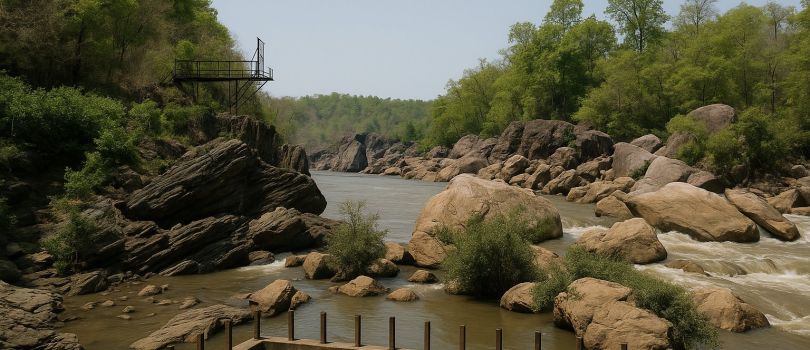
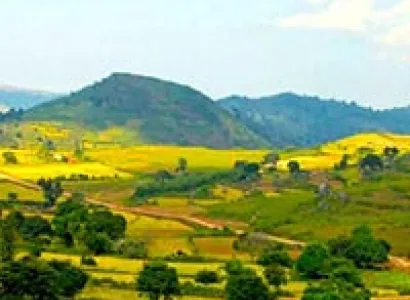
Located in the lush green forests of southern Odisha, near the town of Jeypore, the cave is surrounded by dense hills, rivers, and tribal landscapes that enhance its natural beauty and spiritual importance.
Gupteswar Cave is a sacred site located in Koraput district, Odisha, and attracts devotees, nature lovers, and adventure seekers throughout the year, especially during Shivratri when thousands of pilgrims visit.
History and Mythological Significance
Gupteswar Cave has deep roots in Hindu mythology and is believed to be associated with Lord Shiva. The name “Gupteswar” means “Hidden God”, as the Shivling inside the cave was discovered in a hidden and secluded forest location.
According to legends, Lord Rama during his exile is believed to have visited this region, and the Shivling inside the cave is considered self-manifested (Swayambhu). Because of this belief, the cave holds immense religious importance among Shiva devotees.
Over time, the cave has become a major pilgrimage site in Odisha, with thousands of devotees visiting to offer prayers and seek blessings.
Architecture and Natural Formation
Gupteswar Cave is not a man-made structure but a naturally formed limestone cave created through geological processes over thousands of years. The cave features narrow passages, uneven rocky surfaces, and natural chambers.
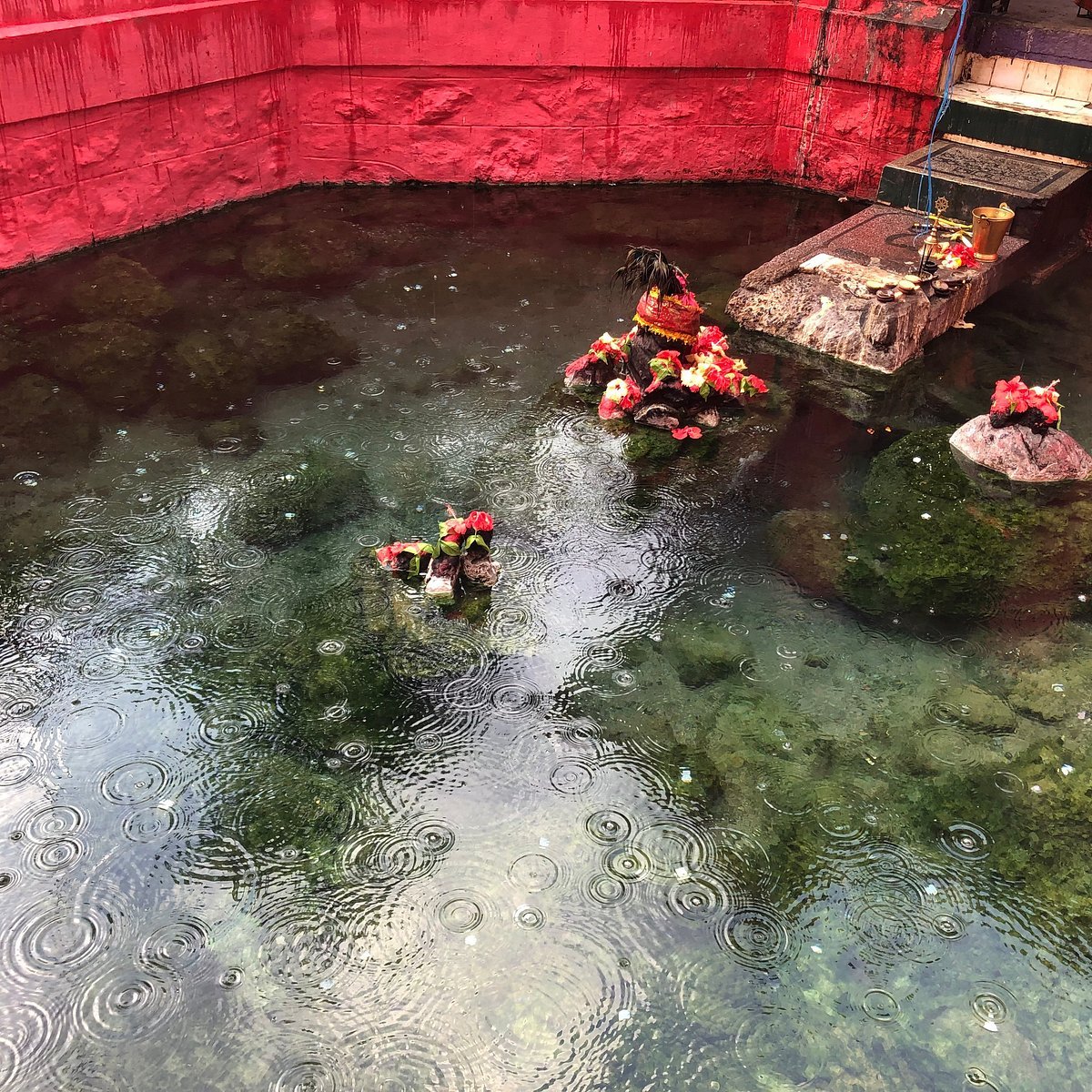
Inside the cave lies a sacred Shivling that is continuously worshipped. The cave interior is dark, cool, and filled with natural echoes that create a mystical spiritual atmosphere.
Unlike traditional temples, the cave has minimal architectural intervention, preserving its natural structure. The surrounding forest and limestone hills add to its raw and untouched beauty.
Why Gupteswar Cave is Famous
Gupteswar Cave is famous for its religious significance as a sacred Shiva shrine hidden inside a natural cave. It is also known for its mythological connection to Lord Rama and ancient Hindu traditions.
The cave is especially popular during Maha Shivratri, when thousands of devotees gather for special prayers and night-long rituals.
Apart from its spiritual importance, the cave is also known for its scenic forest location, making it a unique combination of pilgrimage and nature tourism.
How to Reach Gupteswar Cave
Reaching Gupteswar Cave involves a short journey through forest roads and a small trek.
By Air: The nearest airport is Visakhapatnam Airport, located around 200 km away. From there, taxis and buses are available to reach Jeypore.
By Train: The nearest railway station is Jeypore Railway Station, which is well connected to major cities in Odisha and nearby states. From Jeypore, local transport can be used to reach the cave.
By Road: Jeypore is well connected by road to Koraput, Vizianagaram, and Visakhapatnam. Regular buses and taxis operate in this region.
From Jeypore, visitors must travel to the cave site through forest roads, followed by a short walk to the temple entrance.
Weather at Gupteswar Cave
The region experiences a tropical climate with moderate to heavy rainfall during monsoon season.
Summer (March to June): Hot and humid with temperatures reaching up to 40°C.
Monsoon (July to September): Heavy rainfall makes the forest lush green but travel can be difficult due to slippery paths.
Winter (October to February): The best time to visit, with pleasant temperatures between 15°C and 28°C, ideal for sightseeing and pilgrimage.
Timing and Entry Details
Gupteswar Cave is generally open from 6:00 AM to 6:00 PM every day.
There is usually no entry fee for visitors. However, donations are accepted for temple maintenance and religious activities.
Morning hours are best for darshan due to fewer crowds and peaceful surroundings.
Things to Do at Gupteswar Cave
Visitors can offer prayers at the sacred Shivling and participate in religious rituals conducted by local priests.
The surrounding forest area is ideal for nature walks and photography. The peaceful environment makes it a great place for meditation and spiritual reflection.
During Maha Shivratri, the temple hosts grand celebrations, attracting devotees from across Odisha and neighboring states.
Visitors can also explore nearby tribal villages to experience local culture and traditions.
Interesting Facts About Gupteswar Cave
The Shivling inside the cave is believed to be naturally formed and self-manifested. The cave is surrounded by dense forests of the Eastern Ghats, which are rich in biodiversity.
The name “Hidden Shiva” reflects the secluded location of the shrine, which was discovered deep inside the forest.
The cave has remained a place of continuous worship for centuries without major structural changes.
Travel Tips for Visitors
Visitors should wear comfortable clothing and sturdy footwear suitable for forest travel. Carry drinking water and basic essentials as facilities near the cave are limited.
It is recommended to avoid visiting during heavy monsoon rains due to slippery roads and forest conditions.
Respect local customs and maintain silence inside the cave to preserve its spiritual atmosphere.
Conclusion
Gupteswar Cave is a perfect blend of spirituality, mythology, and natural beauty. Its hidden Shivling, peaceful forest surroundings, and deep religious significance make it a must-visit destination in Odisha.
Whether you are a devotee, traveler, or nature enthusiast, Gupteswar Cave offers a unique and memorable experience that connects you deeply with faith and nature.








Jeypore
Jeypore
Jeypore
Jeypore
Jeypore
Jeypore
Jeypore