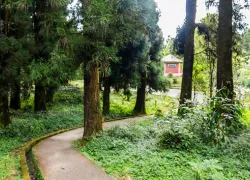
The Himalayan Zoological Park, also known as the Sikkim Zoological Park, is a must-visit place for wildlife enthusiasts and nature lovers. Located on the slopes of the Himalayan mountain range, it is home to various endangered and native species of flora and fauna. Situated near the renowned Kyongnosla Alpine Sanctuary, the park is an ideal spot for those who are interested in exploring the rich biodiversity of the region. With stunning views of the mountains, this zoological park is a great place to experience Sikkim's natural beauty and wildlife. How to Reach Himalayan Zoological Park Zoo, Gangtok The Himalayan Zoological Park is located around 8 kilometers from Gangtok, the capital city of Sikkim. Visitors can easily reach the zoo by hiring a taxi or using local transportation from the main town. The park is situated at an altitude of 1,780 meters, and the road leading to it offers beautiful views of the surrounding hills. The area is well-connected by roads, making it easily accessible for tourists. Weather at Himalayan Zoological Park Zoo The weather at the Himalayan Zoological Park is pleasant throughout the year, making it a great place to visit in any season. In the summer months (March to June), the temperature ranges from 10°C to 20°C, making the environment cool and comfortable for exploring. During the winter months (November to February), temperatures can drop below freezing, and snowfall may occur, adding to the charm of the park. The park remains lush and green during the monsoon season (June to September), although heavy rains may make the trails slippery. Timing to Visit Himalayan Zoological Park Zoo The Himalayan Zoological Park is open to visitors from 9:00 AM to 4:00 PM. The best time to visit is in the morning or late afternoon, when the animals are more active, and the weather is cooler. It’s recommended to visit during the dry months of spring and autumn (March to May and September to November) for the most comfortable experience. The park may be closed or have limited access during heavy rainfall or snowfall in the winter months. Why is Himalayan Zoological Park Zoo Famous? The Himalayan Zoological Park is famous for its diverse collection of wildlife species native to the Himalayan region. It is one of the few zoos in India where you can see the rare and endangered Red Panda in its natural habitat. Apart from the Red Panda, the zoo is home to several other species such as the Himalayan Monal, Tibetan Wolf, Himalayan Black Bear, and various species of pheasants. The park is also known for its well-maintained environment, which mimics the natural habitat of these animals. This makes it a popular destination for nature lovers and wildlife photographers. Entry and Visit Details To enter the Himalayan Zoological Park, visitors are required to pay a small entry fee. The fee is used to maintain the park and its facilities. There are designated walking trails that visitors can follow to explore the zoo and its various sections. It’s advisable to take a local guide or an experienced park staff member for a guided tour, as they can provide valuable information about the animals and the park’s history. Additionally, the zoo has a well-maintained infrastructure, including resting points and refreshment stalls, to ensure that visitors have a comfortable experience. History and Architecture of Himalayan Zoological Park The Himalayan Zoological Park was established in 1991 with the goal of conserving the unique flora and fauna of the region. The park was set up by the Sikkim Forest Department in collaboration with other wildlife conservation organizations. It is designed in such a way that it replicates the natural habitats of the species it houses, offering the animals a place where they can thrive. The park is spread across 205 hectares of land and is part of the larger Kyongnosla Alpine Sanctuary. The architecture of the zoo includes well-maintained animal enclosures, open spaces, and green areas that are designed to offer a peaceful and natural environment for both the animals and the visitors. Things to Do at Himalayan Zoological Park Zoo When visiting the Himalayan Zoological Park, there are a number of activities that you can enjoy: Wildlife Watching: Explore the park’s various sections and observe animals like the Red Panda, Himalayan Monal, and many more in their natural environment. Photography: The park is a haven for wildlife photographers. Capture the beautiful creatures in action or enjoy the scenic landscapes of the Himalayan mountains. Nature Walks: Take a stroll through the park’s walking trails, which offer a chance to experience the lush greenery and serenity of the Himalayan foothills. Bird Watching: The park is home to several bird species, making it a great spot for bird watchers. Don’t forget your binoculars! Facts and Tips About Himalayan Zoological Park Zoo Best Time to Visit: The best time to visit the zoo is from March to June and September to November when the weather is pleasant and wildlife is more active. Carry Essentials: Carry a bottle of water, snacks, and comfortable shoes for walking. Also, bring a camera to capture the stunning wildlife and views. Guided Tours: To make the most of your visit, opt for a guided tour to learn more about the animals, their habitat, and conservation efforts. Respect Wildlife: Maintain a respectful distance from the animals and avoid disturbing them. Do not feed or tease the animals. Stay Safe: Follow all park rules, especially when exploring the walking trails. Some areas may be steep or slippery during the monsoon season.
Explore More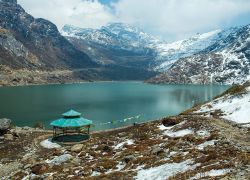
Tsomgo Lake is famous for its stunning natural beauty and ever-changing appearance. The lake remains frozen during winter, while in summer and spring it reflects vibrant blue and green shades depending on the sky and surrounding vegetation. It is also surrounded by snow-covered mountains, making it a picture-perfect destination. The lake is considered sacred by the local Sikkimese people, and Buddhist monks often analyze the changing color of the water to predict future events. This spiritual connection adds a mystical charm to the lake. History and Cultural Importance Tsomgo Lake has been an important site for centuries among the indigenous communities of Sikkim. The word "Tsomgo" means "Source of the Lake" in the Bhutia language. According to local legends, the lake was once a resting place for yak herders and traders traveling through the mountainous routes. Buddhist monks and locals believe that the lake holds divine energy. During special festivals, people gather near the lake to offer prayers. The area around the lake is also associated with several ancient beliefs related to protection and prosperity. How to Reach Tsomgo Lake Tsomgo Lake is located about 40 km from Gangtok and is easily accessible by road. By Air: The nearest airport is Bagdogra Airport in West Bengal, about 125 km from Gangtok. From the airport, taxis and shared vehicles are available. By Rail: The nearest railway station is New Jalpaiguri (NJP), around 120 km away. By Road: From Gangtok, travelers can hire taxis or join shared jeep services. The journey takes around 2–3 hours through scenic mountain roads, waterfalls, and dense forests. Note: Indian tourists require a special permit to visit Tsomgo Lake, which is usually arranged through registered travel agents or hotels in Gangtok. Weather Conditions The weather at Tsomgo Lake remains cold throughout the year due to its high altitude. Summer (April to June): 10°C to 15°C – Pleasant and best time to visit Monsoon (July to September): Heavy rainfall and landslides may occur Winter (October to March): -5°C to 10°C – Lake often freezes completely Visitors are advised to carry warm clothing even during summer as weather can change rapidly. Timing and Entry Details Tsomgo Lake is generally open for visitors from 8:00 AM to 3:00 PM. Entry is regulated due to its proximity to sensitive border areas. Entry fees vary depending on permits and transportation packages. Usually, permits are included in tour packages arranged from Gangtok. Things to Do at Tsomgo Lake Enjoy yak rides around the lake area Take photography of snow-covered landscapes Enjoy snow activities during winter months Visit nearby Baba Harbhajan Singh Temple Experience cable car ride (seasonal availability) Try local snacks like momos and tea from small stalls Nearby Attraction: Baba Mandir A short distance from Tsomgo Lake lies the famous Baba Harbhajan Singh Mandir, dedicated to an Indian army soldier believed to protect the region even after his death. It is a highly respected spiritual site visited by tourists and soldiers alike. Interesting Facts About Tsomgo Lake The lake is fed by glacial meltwater and snow It changes color depending on the season and reflection of surroundings Migratory birds are often seen during summer months The lake remains frozen for almost half the year Yak rides are one of the most popular tourist attractions Tips for Visitors Carry warm clothing even in summer Avoid traveling during heavy snowfall or landslides Acclimatize properly to avoid altitude sickness Carry valid ID proof for permits Book vehicles in advance during peak tourist season Respect local customs and maintain cleanliness Conclusion Tsomgo Lake is one of the most beautiful natural wonders in India, offering a perfect blend of scenic beauty, cultural significance, and adventure. Whether it is the frozen winter landscape or the colorful summer reflections, the lake provides a unique experience in every season. A visit to Tsomgo Lake near Gangtok is truly a memorable journey into the heart of the Himalayas.
Explore More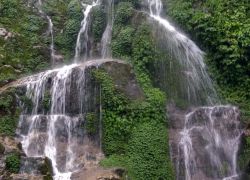
Banjhakri Falls is one of the most popular and scenic tourist attractions in Gangtok, Sikkim. Surrounded by lush green forests, landscaped gardens, and traditional cultural sculptures, this beautiful waterfall is not just a natural wonder but also a cultural heritage site that reflects the rich traditions of the Sikkimese people. It is an ideal destination for nature lovers, photographers, families, and anyone looking to experience peace away from the busy city life. Overview of Banjhakri Falls Located around 7–8 km from central Gangtok, Banjhakri Falls is a 100-foot waterfall set in a beautifully designed eco-park. The word “Banjhakri” refers to traditional shamans of the Lepcha and Bhutia communities, and the park is designed to showcase their spiritual and cultural significance. The site combines natural beauty with mythological storytelling, making it both educational and visually appealing. The waterfall flows into a natural pool surrounded by stone pathways, sculptures, and landscaped gardens. The entire park is designed to give visitors a sense of harmony between nature and traditional Sikkimese culture. Why Banjhakri Falls is Famous Banjhakri Falls is famous for several reasons. First, its natural beauty attracts thousands of tourists every year. The cascading water falling from a height of around 100 feet creates a refreshing mist and peaceful atmosphere. Second, the park surrounding the falls showcases traditional Sikkimese mythology, especially the story of the Banjhakri (shaman healer) and Banjhakrini. It is also known for its artistic sculptures representing ancient tribal rituals, healing practices, and spiritual traditions. This combination of nature and culture makes it one of the most unique attractions in Sikkim. History and Cultural Significance The concept of Banjhakri Falls Eco Park was developed to preserve and promote the indigenous shamanistic traditions of Sikkim. According to local folklore, Banjhakri is a forest dweller who possesses healing powers and teaches spiritual practices to chosen individuals. The park features statues depicting Banjhakri, Banjhakrini, and their disciples performing rituals, dances, and healing ceremonies. These sculptures are not only artistic but also serve as a cultural storytelling medium for younger generations and tourists. This makes Banjhakri Falls more than just a tourist spot—it is a living museum of Sikkimese heritage. Architecture and Park Design The architecture of the Banjhakri Falls Eco Park is thoughtfully designed to blend with nature. Stone pathways, wooden bridges, traditional huts, and landscaped gardens surround the waterfall. The park is built in a way that enhances the natural terrain rather than altering it. Several man-made lakes, fountains, and resting areas are included within the park. The sculptures made from stone and fiberglass are placed strategically along walking trails to narrate cultural stories. The sound of flowing water combined with the greenery creates a calm and refreshing environment. Things to Do at Banjhakri Falls Visitors can enjoy a variety of activities at Banjhakri Falls. One of the most popular activities is sightseeing and photography. The waterfall and surrounding landscapes provide excellent photo opportunities. You can also walk through the eco-park trails and explore the cultural statues that explain Sikkim’s tribal heritage. Families often enjoy picnicking in designated areas while children can explore the open spaces safely. Adventure lovers can enjoy short hikes around the park. The natural setting also makes it a great place for relaxation and meditation. Many tourists simply sit near the waterfall to enjoy the sound of water and cool breeze. How to Reach Banjhakri Falls Reaching Banjhakri Falls is very easy as it is located close to Gangtok, Sikkim. The nearest major town is Gangtok city, which is well connected by road to other parts of Sikkim and neighboring states. By road, you can hire a taxi or take a local cab from Gangtok, which takes around 15–20 minutes. Shared taxis are also available from various points in the city. The nearest airport is Pakyong Airport, and the nearest major railway station is New Jalpaiguri (NJP) in West Bengal. From there, visitors can take a taxi or bus to Gangtok and then proceed to the falls. Weather at Banjhakri Falls The weather in Gangtok remains pleasant for most of the year. Summers (March to June) are cool and ideal for sightseeing, with temperatures ranging between 10°C to 25°C. Monsoon (July to September) brings heavy rainfall, making the waterfall even more powerful but sometimes slippery for visitors. Winters (October to February) are cold, with temperatures dropping significantly, but the clear skies make it a great time for photography. Overall, the best time to visit Banjhakri Falls is between March and May or October and December. Timing and Entry Details Banjhakri Falls Eco Park is generally open from 8:00 AM to 6:00 PM every day. The entry fee is minimal, making it an affordable tourist destination for families and solo travelers. Visitors are advised to wear comfortable walking shoes as there is some walking involved inside the park. It is also recommended to carry water and light snacks, especially if visiting with children or elderly people. Facts About Banjhakri Falls - The waterfall is approximately 100 feet high. - The park covers a well-maintained eco-tourism area with landscaped gardens. - It showcases Sikkim’s traditional shamanic culture. - It is one of the most visited attractions near Gangtok. - The site is designed as both a recreational and educational space. Tips for Visitors When visiting Banjhakri Falls, it is best to avoid peak rainy hours due to slippery paths. Carry a light jacket as the weather near the waterfall can feel cooler. Keep your camera ready, as the scenic views are worth capturing. Respect the cultural sculptures and avoid damaging or climbing on them. Also, try to visit early in the morning to enjoy a peaceful atmosphere with fewer crowds. Conclusion Banjhakri Falls in Gangtok, Sikkim is a perfect blend of nature, culture, and relaxation. Whether you are a nature lover, a photography enthusiast, or someone interested in local traditions, this destination offers something unique for everyone. With its beautiful waterfall, cultural park, and peaceful surroundings, it remains one of the must-visit attractions in Sikkim.
Explore More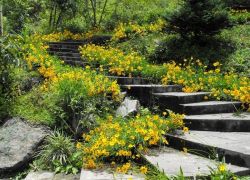
Welcome to Namchi Rock Garden, a mesmerizing tourist attraction located in the picturesque city of Namchi. This enchanting destination is renowned for its natural beauty, biodiversity, and serene ambiance, making it a paradise for nature lovers and wildlife enthusiasts alike. History of Namchi Rock Garden Namchi Rock Garden has a rich historical background, once serving as former royal hunting grounds. Over the years, it has undergone significant conservation efforts to preserve its natural heritage, leading to UNESCO recognition for its environmental importance. Architecture and Natural Beauty of Namchi Rock Garden The park boasts stunning wetlands, lush forests, expansive grasslands, and diverse bird habitats. Amidst this natural splendor lies the historical Keoladeo Temple, adding a cultural touch to the scenic landscapes of Namchi Rock Garden. Why is Namchi Rock Garden Famous? Namchi Rock Garden is a renowned destination for birdwatchers, photographers, and nature enthusiasts due to its rich avian diversity, stunning landscapes, and tranquil environment that offers a unique wildlife viewing experience. How to Reach Namchi Rock Garden Traveling to Namchi Rock Garden is convenient, with options available by air, rail, and road. Nearby airports and railway stations provide easy access to this natural haven, ensuring a hassle-free journey for visitors. Weather and Best Time to Visit Namchi Rock Garden The weather at Namchi Rock Garden varies across summer, monsoon, and winter seasons. The best time to visit is during the mild months, offering pleasant conditions for exploring the park and enjoying its natural beauty to the fullest. Timings of Namchi Rock Garden Namchi Rock Garden welcomes visitors during specific timings, with seasonal variations if applicable. It is advisable to plan your trip accordingly to make the most of your visit and explore the park efficiently. Entry Fee and Visit Details Entry procedures at Namchi Rock Garden are straightforward, with guide services, safari options, bicycle rentals, and visitor facilities available for a comfortable and enjoyable experience amidst the natural wonders of the park. Things to Do at Namchi Rock Garden Engage in a variety of activities at Namchi Rock Garden, including birdwatching, photography, cycling, walking trails, nature observation, and educational experiences that offer a deeper insight into the park's biodiversity and ecological significance. Interesting Facts About Namchi Rock Garden Namchi Rock Garden is home to numerous migratory birds, showcasing the park's rich biodiversity and conservation achievements. Its ecological importance highlights the need for sustainable practices to preserve this natural treasure for future generations. Travel Tips for Visiting Namchi Rock Garden When visiting Namchi Rock Garden, remember to dress appropriately, carry essential photography and birdwatching equipment, consider the best visiting seasons, and practice responsible tourism to ensure the preservation of this pristine environment for years to come. Conclusion In conclusion, Namchi Rock Garden in Namchi stands as a testament to the beauty of nature, offering visitors a serene retreat amidst lush landscapes and diverse wildlife. Its historical significance, ecological importance, and captivating attractions make it a must-visit destination for those seeking a peaceful escape into the heart of nature.
Explore More
Welcome to the picturesque town of Namchi, home to the breathtaking Temi Tea Garden. This lush and serene destination is a haven for nature lovers, offering a perfect blend of natural beauty and cultural richness. Let's delve into the history, architecture, attractions, and travel essentials of Temi Tea Garden. History of Temi Tea Garden Established in 1969, Temi Tea Garden holds a rich historical legacy as the only tea garden in Sikkim. Initially serving as the royal tea garden for the Sikkim royal family, it has transformed into a renowned tea estate known for its high-quality organic tea production. The garden's conservation efforts have garnered UNESCO recognition, highlighting its commitment to preserving the natural landscape. Architecture and Natural Beauty of Temi Tea Garden Surrounded by verdant forests and rolling hills, Temi Tea Garden boasts a captivating blend of wetlands, bird habitats, and lush landscapes. The historical Keoladeo Temple within the garden adds a cultural touch to the scenic beauty, making it a delightful retreat for visitors seeking tranquility amidst nature's bounty. Why is Temi Tea Garden Famous? Temi Tea Garden is a popular destination for birdwatchers, photographers, and nature enthusiasts due to its diverse bird species, panoramic views, and tranquil ambiance. The garden's wildlife diversity and tea cultivation practices attract visitors keen on exploring the region's natural wonders. How to Reach Temi Tea Garden Travelling to Temi Tea Garden is convenient via air, rail, and road. The nearest airport is Bagdogra Airport, approximately 124 km away, while the closest railway station is New Jalpaiguri Railway Station, around 120 km from Namchi. Visitors can reach Temi Tea Garden by road through well-connected highways and scenic routes that offer a glimpse of the region's beauty. Weather and Best Time to Visit Temi Tea Garden The weather at Temi Tea Garden varies across seasons, with pleasant summers, lush monsoons, and chilly winters. The best time to visit is during the spring and autumn months when the weather is mild, and the tea gardens are in full bloom, offering a captivating sight for visitors. Timings of Temi Tea Garden Temi Tea Garden welcomes visitors throughout the year, with operational timings varying slightly based on seasonal daylight hours. It is advisable to plan your visit during the garden's peak hours to make the most of your experience and explore the surroundings comfortably. Entry Fee and Visit Details Visitors can access Temi Tea Garden by paying a nominal entry fee, which includes guided tours, safari options, bicycle rentals, and access to visitor facilities. The guided tours provide an in-depth understanding of tea cultivation, biodiversity, and the garden's historical significance, enhancing the overall visitor experience. Things to Do at Temi Tea Garden At Temi Tea Garden, visitors can engage in a myriad of activities such as birdwatching, photography, cycling through tea plantations, walking trails amidst nature's tranquility, and indulging in educational experiences to learn about tea processing and wildlife conservation efforts. Interesting Facts About Temi Tea Garden Temi Tea Garden is renowned for its population of migratory birds, including the endangered Black-necked Crane, making it a vital habitat for avian species. The garden's commitment to organic tea cultivation, conservation initiatives, and ecological sustainability showcases its significant contribution to biodiversity preservation. Travel Tips for Visiting Temi Tea Garden When visiting Temi Tea Garden, it is advisable to dress comfortably for varying weather conditions, carry suitable photography equipment to capture the scenic beauty, and adhere to responsible tourism practices to preserve the garden's ecological balance. Choosing the right season and being mindful of the surroundings enhance the overall visitor experience. Conclusion In conclusion, Temi Tea Garden in Namchi stands as a testament to Sikkim's natural splendor and cultural heritage, offering visitors a harmonious blend of tea plantations, biodiversity, and serene landscapes. Whether you are a nature enthusiast, photographer, or wildlife lover, a visit to Temi Tea Garden promises an enriching experience that celebrates the essence of [Hotspots Name], [City].
Explore More
Introduction Samdruptse Hill, located in Namchi, is a renowned tourist attraction known for its spiritual significance, natural beauty, and panoramic views. This hill stands as a symbol of faith and spirituality, attracting visitors from all walks of life seeking serenity and awe-inspiring vistas in the lap of nature. History of Samdruptse Hill The history of Samdruptse Hill dates back to ancient times when it served as a sacred site for contemplation and meditation. Formerly part of royal hunting grounds, the hill has been transformed into a conservation area dedicated to preserving its rich biodiversity. Samdruptse Hill's conservation efforts have garnered worldwide recognition, earning it a place of pride in UNESCO's list of protected sites. Architecture and Natural Beauty of Samdruptse Hill Samdruptse Hill boasts a diverse natural environment comprising lush forests, verdant grasslands, and thriving bird habitats. The hill's landscape offers a picturesque setting for the historical Keoladeo Temple, adding to its architectural charm and cultural significance. Why is Samdruptse Hill Famous? Samdruptse Hill is famous for being a haven for birdwatchers, photographers, nature enthusiasts, and wildlife lovers. Its tranquil ambiance, coupled with the opportunity to witness a myriad of bird species and diverse flora, makes it a sought-after destination for those seeking a close connection with nature. How to Reach Samdruptse Hill Traveling to Samdruptse Hill is convenient, with options available by air, rail, and road. The nearest airports and railway stations provide easy access to Namchi, ensuring a seamless journey for visitors looking to explore this captivating hill station. Weather and Best Time to Visit Samdruptse Hill Samdruptse Hill experiences varying weather conditions throughout the year, with distinct summer, monsoon, and winter seasons. The best time to visit is during the moderate months when the weather is pleasant, allowing for an enjoyable and comfortable exploration of the hill and its surroundings. Timings of Samdruptse Hill The timings for visiting Samdruptse Hill cater to both daytime and evening visitors, offering flexibility for exploring the hill at different times of the day. Seasonal variations may impact the operational hours, so it is advisable to plan ahead and check for any updates before visiting. Entry Fee and Visit Details Entry to Samdruptse Hill is subject to nominal fees, with additional services such as guide assistance, safari options, bicycle rentals, and visitor facilities available for a comprehensive and comfortable visit experience. Visitors can make the most of these amenities to enhance their exploration of the hill and its surroundings. Things to Do at Samdruptse Hill At Samdruptse Hill, visitors can engage in a range of activities, including birdwatching, photography, cycling, walking trails, nature observation, and educational experiences. These activities offer a unique way to connect with the natural beauty and cultural heritage of the hill, creating memorable experiences for all visitors. Interesting Facts About Samdruptse Hill Samdruptse Hill is home to a diverse range of migratory birds, showcasing the region's rich biodiversity and conservation efforts. The hill's ecological importance and conservation achievements further highlight its significance as a protected sanctuary for wildlife and natural habitats. Travel Tips for Visiting Samdruptse Hill When visiting Samdruptse Hill, it is advisable to dress comfortably, carry essential photography and birdwatching equipment, and plan your trip during the recommended seasons for optimal experiences. Practicing responsible tourism by respecting the environment and local customs adds to the overall enjoyment of your visit. Conclusion In conclusion, Samdruptse Hill in Namchi offers a blend of spirituality, natural beauty, and recreational opportunities for visitors seeking a tranquil retreat amidst serene surroundings. The hill's historical significance, diverse ecosystems, and visitor-friendly amenities make it a must-visit destination for nature lovers and cultural enthusiasts alike.
Explore More
Welcome to the serene beauty of Temi Tea Garden, nestled in the charming city of Namchi. This enchanting tourist attraction offers a perfect blend of natural tranquility, breathtaking landscapes, and a rich cultural heritage. Temi Tea Garden is not only a treat for the eyes but also a haven for nature lovers and tea enthusiasts. History of Temi Tea Garden Established in 1969, Temi Tea Garden holds a significant historical background as the only tea estate in Sikkim. Once a part of the old Namchi estate, this picturesque garden has a legacy of producing high-quality organic tea. It was originally a part of the royal hunting grounds and has a rich heritage that adds to its charm. Temi Tea Garden has gained recognition for its conservation efforts and sustainable practices, making it a UNESCO-recognized destination. Architecture and Natural Beauty of Temi Tea Garden The lush greenery of Temi Tea Garden is a sight to behold, with its sprawling tea plantations set against the backdrop of majestic mountains. The garden is surrounded by dense forests, grasslands, and diverse bird habitats, making it a paradise for nature enthusiasts. The historic Keoladeo Temple located within the garden adds a touch of spirituality to the natural beauty of the surroundings. Why is Temi Tea Garden Famous? Temi Tea Garden is renowned for its exquisite tea production, drawing tea connoisseurs from around the world. It is a popular destination among birdwatchers, photographers, and wildlife lovers due to its rich biodiversity and serene ambiance. The garden offers a unique opportunity to witness the tea-making process firsthand and experience the tranquility of nature. How to Reach Temi Tea Garden Traveling to Temi Tea Garden is convenient, with options available by air, rail, and road. The nearest airport is Bagdogra Airport, located approximately 124 kilometers away, while the closest railway station is New Jalpaiguri Railway Station, around 126 kilometers from Namchi. Visitors can also reach Namchi by road via well-connected highways. Weather and Best Time to Visit Temi Tea Garden Temi Tea Garden experiences pleasant weather throughout the year, with cool summers, moderate monsoons, and chilly winters. The best time to visit is during the spring and autumn months when the weather is ideal for exploring the tea gardens and enjoying the natural beauty of the surroundings. Timings of Temi Tea Garden Temi Tea Garden welcomes visitors throughout the year, with timings varying slightly based on the season. It is advisable to plan your visit during the early hours to witness the beauty of the sunrise over the tea plantations. The garden offers a peaceful retreat for nature lovers and tea enthusiasts alike. Entry Fee and Visit Details Visitors to Temi Tea Garden can explore the lush greenery and tea processing units with a nominal entry fee. Guided tours are available for those interested in learning about the tea-making process, and safari options allow visitors to experience the beauty of the garden up close. Bicycle rentals are also available for those who wish to explore the area at their own pace. Things to Do at Temi Tea Garden There are plenty of activities to enjoy at Temi Tea Garden, including birdwatching, photography, cycling through the tea plantations, walking trails amidst nature, and observing the tea-making process. Visitors can immerse themselves in the serene ambiance of the garden and indulge in educational experiences about tea cultivation. Interesting Facts About Temi Tea Garden Temi Tea Garden is home to a variety of migratory birds, adding to its biodiversity and ecological significance. The garden has made significant strides in conservation efforts, promoting sustainable tea production and preserving the natural environment. Its organic tea is renowned for its unique flavor and high quality, making it a favorite among tea enthusiasts. Travel Tips for Visiting Temi Tea Garden When visiting Temi Tea Garden, it is advisable to dress comfortably and carry suitable footwear for exploring the tea plantations. Photography enthusiasts can capture stunning shots of the scenic landscapes and vibrant birdlife. It is recommended to visit during the spring or autumn months for the best weather conditions and to practice responsible tourism by respecting the garden's natural surroundings. Conclusion In conclusion, Temi Tea Garden in Namchi is a hidden gem that offers a perfect blend of natural beauty, cultural heritage, and tranquility. Whether you are a tea lover, nature enthusiast, or wildlife photographer, this enchanting destination has something to offer for everyone. Plan your visit to Temi Tea Garden to experience the magic of Sikkim's tea paradise and immerse yourself in the serene ambiance of this captivating tourist attraction.
Explore More
Welcome to Tendong Hill, a captivating tourist attraction nestled in Namchi, a city known for its natural beauty and serene landscapes. Tendong Hill offers visitors a unique experience filled with rich biodiversity, stunning views, and a sense of tranquility that is truly unmatched. History of Tendong Hill Tendong Hill boasts a rich historical background, once serving as a royal hunting ground for the former rulers of the region. Over the years, concerted conservation efforts have transformed this area into a haven for wildlife and nature enthusiasts. Its significance has been recognized by UNESCO, further cementing its importance in the realm of natural conservation. Architecture and Natural Beauty of Tendong Hill The natural beauty of Tendong Hill is truly awe-inspiring, with lush forests, sprawling grasslands, and diverse bird habitats creating a picturesque setting. One of the notable landmarks within the area is the historical Keoladeo Temple, adding to the cultural significance of this natural paradise. Why is Tendong Hill Famous? Tendong Hill has gained popularity among birdwatchers, photographers, nature enthusiasts, and wildlife lovers due to its incredible biodiversity and unique ecosystem. The hill is home to a variety of bird species and offers a peaceful retreat for those seeking solace in nature. How to Reach Tendong Hill Traveling to Tendong Hill is convenient, with options available by air, rail, and road. The nearest airports and railway stations provide easy access to this enchanting destination, allowing visitors to embark on a memorable journey amidst nature. Weather and Best Time to Visit Tendong Hill The weather at Tendong Hill varies across seasons, offering different experiences throughout the year. While summer brings pleasant temperatures, the monsoon season showcases the hill in all its green glory. Winter paints a different picture, making certain months ideal for exploring this natural wonder. Timings of Tendong Hill Visiting Tendong Hill comes with its own set of timings, ensuring that guests can make the most of their experience. Seasonal variations may influence these timings, so it is advisable to plan ahead and check for any updates before embarking on your journey. Entry Fee and Visit Details Exploring Tendong Hill involves certain entry procedures that are designed to enhance visitor experience and ensure the preservation of this ecological gem. Guide services, safari options, bicycle rentals, and other visitor facilities are available to make your trip both enjoyable and informative. Things to Do at Tendong Hill Engage in a myriad of activities at Tendong Hill, from birdwatching and photography to cycling and walking trails. Immerse yourself in the beauty of nature, observe the diverse flora and fauna, and partake in educational experiences that will leave you with a newfound appreciation for the environment. Interesting Facts About Tendong Hill Tendong Hill is not just a tourist attraction; it is a sanctuary for migratory birds, a testament to successful conservation efforts, and a beacon of ecological importance. Discover fascinating facts about the biodiversity that thrives here and the remarkable achievements in preserving this natural habitat. Travel Tips for Visiting Tendong Hill When planning your visit to Tendong Hill, consider essential travel tips to enhance your experience. Pack appropriate clothing, bring along your photography gear, and immerse yourself in the beauty of the hill during the recommended visiting seasons. Embrace responsible tourism practices to ensure the preservation of this pristine environment for future generations. Conclusion In conclusion, Tendong Hill in Namchi stands as a testament to the harmonious coexistence of nature and humanity. Its historical significance, breathtaking landscapes, and diverse wildlife make it a must-visit destination for anyone seeking a serene escape into the wonders of the natural world. Explore Tendong Hill and immerse yourself in a journey of discovery, beauty, and tranquility.
Explore More
Welcome to Poison Lake, a mesmerizing tourist attraction located in Rinchenpong. This hidden gem offers a unique blend of natural beauty and biodiversity, making it a must-visit destination for nature enthusiasts and wildlife lovers. History of Poison Lake Steeped in history, Poison Lake traces its origins to the former royal hunting grounds of Rinchenpong. Over the years, concerted conservation efforts have transformed this area into a sanctuary for diverse flora and fauna, earning it recognition from UNESCO for its ecological significance. Architecture and Natural Beauty of Poison Lake The allure of Poison Lake lies in its pristine wetlands, lush forests, expansive grasslands, and diverse bird habitats. Nestled within this natural oasis is the historic Keoladeo Temple, adding a touch of cultural richness to the landscape. Why is Poison Lake Famous? Poison Lake has garnered fame for being a haven for birdwatchers, photographers, and nature enthusiasts. Its rich biodiversity and serene surroundings make it a popular choice for those seeking to immerse themselves in the wonders of the natural world. How to Reach Poison Lake Accessing Poison Lake is convenient, with options for travel by air, rail, and road. The nearest airports and railway stations provide easy connectivity, ensuring a smooth journey to this picturesque destination. Weather and Best Time to Visit Poison Lake Throughout the year, Poison Lake offers varying experiences with distinct seasonal changes. Summer, monsoon, and winter each bring their own charm, but the best time to visit is during [mention best months] when the weather is most favorable. Timings of Poison Lake Visitors can explore Poison Lake during [mention visitor timings], with seasonal variations to consider for optimal planning. Whether you prefer early morning birdwatching or leisurely afternoon walks, the timings cater to diverse preferences. Entry Fee and Visit Details Upon arrival, visitors can avail themselves of entry procedures and guide services to enhance their experience. Safari options, bicycle rentals, and essential visitor facilities are available to ensure a comfortable and enjoyable visit. Things to Do at Poison Lake Embark on a journey of discovery at Poison Lake through activities such as birdwatching, photography, cycling, and nature observation. The walking trails offer a chance to immerse yourself in the beauty of the surroundings, while educational experiences provide insights into the local ecosystem. Interesting Facts About Poison Lake Delve into the fascinating world of Poison Lake and uncover intriguing facts about migratory birds, conservation achievements, and the ecological importance of this biodiverse hotspot. Every visit offers new insights into the wonders of nature. Travel Tips for Visiting Poison Lake For a seamless experience, remember to pack appropriate clothing, essential photography gear, and birdwatching equipment. Familiarize yourself with the best visiting seasons and practice responsible tourism to preserve the beauty of Poison Lake for generations to come. Conclusion In conclusion, Poison Lake in Rinchenpong stands as a testament to the harmonious coexistence of nature and heritage. Immerse yourself in its beauty, explore its wonders, and create lasting memories in this enchanting destination.
Explore More
Lachung Valley, nestled in the charming town of Lachen, is a mesmerizing tourist attraction that beckons travelers with its natural beauty and serene environment. This picturesque valley is renowned for its stunning landscapes, diverse biodiversity, and captivating tourist experiences, making it a must-visit destination for nature enthusiasts and adventure seekers alike. History of Lachung Valley Steeped in history, Lachung Valley has a rich past that dates back to ancient times. Once a royal hunting ground, this valley has undergone significant conservation efforts to preserve its natural splendor. Its remarkable ecological significance has earned it recognition from UNESCO, highlighting its importance in the realm of natural heritage conservation. Architecture and Natural Beauty of Lachung Valley Lachung Valley is a haven for nature lovers, boasting lush wetlands, dense forests, sprawling grasslands, and vibrant bird habitats. The historical Keoladeo Temple, nestled within the valley, adds a touch of architectural allure to the pristine natural beauty that surrounds it, creating a harmonious blend of culture and nature. Why is Lachung Valley Famous? Lachung Valley has garnered fame as a paradise for birdwatchers, photographers, and wildlife enthusiasts. Its diverse avian population, stunning landscapes, and tranquil ambiance make it a sought-after destination for those seeking to immerse themselves in the beauty of nature. How to Reach Lachung Valley Traveling to Lachung Valley is a delightful experience, with convenient options available by air, rail, and road. The valley is easily accessible from nearby airports and railway stations, ensuring a smooth and hassle-free journey for visitors. Weather and Best Time to Visit Lachung Valley Lachung Valley experiences varying weather conditions throughout the year, with distinct summer, monsoon, and winter seasons. The best time to visit this enchanting destination is during the months when the weather is pleasant, allowing visitors to fully enjoy the beauty of the valley. Timings of Lachung Valley Visitors to Lachung Valley can explore its wonders during specified timings, with seasonal variations in certain instances. Planning a visit to the valley involves considering the timings to make the most of the experience and ensure a memorable trip. Entry Fee and Visit Details Entry into Lachung Valley is subject to certain procedures, with guide services, safari options, bicycle rentals, and visitor facilities available to enhance the overall visit. These details contribute to a well-rounded and enjoyable tour of the valley. Things to Do at Lachung Valley At Lachung Valley, visitors can engage in a plethora of activities such as birdwatching, photography, cycling, walking trails, and nature observation. The valley offers a range of experiences that cater to different interests, ensuring a fulfilling and captivating visit for all. Interesting Facts About Lachung Valley Lachung Valley is replete with fascinating facts, from the migration patterns of birds to the conservation achievements that have contributed to its ecological significance. These interesting tidbits shed light on the unique features that make the valley a gem of natural heritage. Travel Tips for Visiting Lachung Valley For a memorable visit to Lachung Valley, it is essential to heed practical advice regarding clothing choices, photography tips, birdwatching equipment, ideal visiting seasons, and responsible tourism practices. Following these tips ensures a smooth and enjoyable experience while respecting the natural environment. Conclusion In conclusion, Lachung Valley in Lachen stands as a testament to the beauty of nature and the importance of conservation efforts. Its historical significance, architectural charm, and diverse biodiversity make it a destination worth exploring for those seeking to connect with the wonders of the natural world. A visit to Lachung Valley promises an enriching experience that lingers in the hearts of visitors long after they depart from this enchanting paradise.
Explore More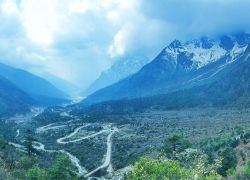
Welcome to Yumthang Valley, a picturesque paradise nestled in the heart of Lachen. This enchanting destination is renowned for its natural beauty, diverse flora and fauna, and captivating landscapes that attract travelers from far and wide. History of Yumthang Valley Yumthang Valley has a rich historical background, once serving as a royal hunting ground for the erstwhile monarchs. Over the years, concerted conservation efforts have been made to preserve its natural splendor, leading to its recognition by UNESCO as a significant biodiversity hotspot. Architecture and Natural Beauty of Yumthang Valley The valley is home to lush wetlands, dense forests, expansive grasslands, and a variety of bird habitats. Among its natural treasures lies the historic Keoladeo Temple, adding a touch of architectural charm to the verdant surroundings. Why is Yumthang Valley Famous? Yumthang Valley is celebrated for its appeal to birdwatchers, photographers, nature enthusiasts, and wildlife lovers alike. The diverse ecosystem and stunning vistas make it a haven for those seeking a rendezvous with nature. How to Reach Yumthang Valley Traveling to Yumthang Valley can be an exciting journey. Visitors can access the valley by air, rail, or road, with nearby airports and railway stations providing convenient entry points to this alluring destination. Weather and Best Time to Visit Yumthang Valley The valley experiences varying weather conditions throughout the year, with distinct summer, monsoon, and winter seasons. The best time to visit is during the pleasant months when the valley is in full bloom, offering a feast for the senses. Timings of Yumthang Valley Visitor timings at Yumthang Valley may vary seasonally, so it is advisable to plan your trip accordingly. Understanding the operational hours and seasonal nuances can enhance your overall experience at this captivating locale. Entry Fee and Visit Details When visiting Yumthang Valley, be sure to familiarize yourself with the entry procedures, guide services, safari options, bicycle rentals, and other visitor facilities available. These details can streamline your visit and make it more enjoyable. Things to Do at Yumthang Valley Engage in a myriad of activities at Yumthang Valley, from birdwatching and photography to cycling, walking trails, and immersive nature observation. The valley offers a range of experiences for visitors of all interests. Interesting Facts About Yumthang Valley Yumthang Valley is teeming with interesting facts, from the seasonal arrival of migratory birds to the conservation achievements that have preserved its ecological significance. Delve into these fascinating aspects to deepen your appreciation for this natural wonder. Travel Tips for Visiting Yumthang Valley Before embarking on your journey to Yumthang Valley, consider practical tips on clothing choices, photography essentials, birdwatching equipment, ideal visiting seasons, and responsible tourism practices. These tips can help you make the most of your visit while respecting the environment. Conclusion In conclusion, Yumthang Valley in Lachen stands as a testament to the beauty of nature, offering a harmonious blend of tranquility, biodiversity, and scenic grandeur. A visit to this captivating destination promises a memorable experience that resonates with the soul of every traveler.
Explore More
Welcome to Zero Point, a mesmerizing tourist attraction located in the picturesque city of Lachen. This iconic hotspot is renowned for its natural beauty, rich biodiversity, and serene environment, making it a must-visit destination for nature enthusiasts and wildlife lovers alike. History of Zero Point Zero Point holds a significant historical background, originally serving as royal hunting grounds. Over the years, dedicated conservation efforts have transformed it into a sanctuary for various species. Its exceptional conservation value has earned it recognition by UNESCO for its contribution to preserving the region's unique ecosystem. Architecture and Natural Beauty of Zero Point Zero Point boasts a diverse landscape encompassing wetlands, forests, and grasslands that provide habitats for a wide array of bird species. The historical Keoladeo Temple nestled within the park adds to its architectural charm, blending culture with nature seamlessly. Why is Zero Point Famous? Zero Point is famous for being a paradise for birdwatchers, photographers, and nature enthusiasts. Its tranquil surroundings and abundant wildlife attract visitors seeking to immerse themselves in the beauty of the natural world. How to Reach Zero Point Traveling to Zero Point is convenient, with options available by air, rail, and road. The nearest airports and railway stations provide easy access to this enchanting destination, ensuring a smooth journey for visitors. Weather and Best Time to Visit Zero Point Throughout the seasons, Zero Point offers a unique experience, from vibrant summers to lush monsoons and snow-covered winters. The best time to visit varies depending on personal preferences, with each season offering something special for every traveler. Timings of Zero Point Visitors can explore Zero Point during specific timings, with variations based on the season. Planning ahead and checking for any seasonal changes ensures a seamless and enjoyable visit to this natural wonder. Entry Fee and Visit Details Entry to Zero Point is accompanied by informative guides and safari options to enhance the visitor experience. Bicycle rentals and other facilities are available to make the most of your time at this captivating hotspot. Things to Do at Zero Point Engage in a variety of activities at Zero Point, including birdwatching, photography, cycling, and nature walks. Discover the beauty of the surroundings through guided tours and educational experiences that offer insights into the local ecosystem. Interesting Facts About Zero Point Zero Point is home to a diverse range of migratory birds and boasts impressive biodiversity. Conservation efforts have led to significant achievements in preserving the natural habitat, underscoring its ecological importance and global significance. Travel Tips for Visiting Zero Point When visiting Zero Point, remember to dress appropriately for the weather conditions and carry essential photography and birdwatching equipment. Familiarize yourself with the best seasons to visit and practice responsible tourism to help preserve this natural gem for future generations. Conclusion In conclusion, Zero Point in Lachen is a captivating destination that offers a harmonious blend of natural beauty, biodiversity, and cultural heritage. Whether you are a wildlife enthusiast or a nature lover, a visit to Zero Point promises a memorable experience that celebrates the wonders of the natural world.
Explore MoreGangtok - Lachung - Pelling 7N - 8D Tour
8 Days/ 7 Night
Gangtok - Pelling - Lachung
5 Nights - 6 Days Darjeeling - Sikkim Tour
6 Days/ 5 Night
Gangtok - Darjeeling - Pelling
6 Nights - 7 Days Sikkim - Darjeeling Tour Package
7 Days/ 6 Night
Gangtok - Darjeeling - Pelling - Zuluk
3 Nights - 4 Days Sikkim Tour Package
4 Days/ 3 Night
Gangtok
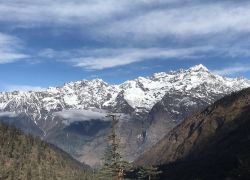
Katao is a hidden gem nestled in the serene town of Lachen, known for its untouched natural beauty and tranquil ambiance. This picturesque tourist attraction offers visitors a unique opportunity to immerse themselves in the pristine landscapes of the region and witness the rich biodiversity that thrives in this unspoiled environment. History of Katao The history of Katao dates back to ancient times when it served as a significant location for the indigenous communities of the region. Once a royal hunting ground, this area has undergone conservation efforts to preserve its ecological balance and is now recognized for its natural heritage, making it a potential candidate for UNESCO recognition. Architecture and Natural Beauty of Katao The breathtaking natural beauty of Katao is characterized by lush wetlands, dense forests, expansive grasslands, and diverse bird habitats. Visitors can explore the enchanting landscapes and discover the historical Keoladeo Temple located within the park, adding a cultural dimension to the rich biodiversity of the area. Why is Katao Famous? Katao has gained popularity among birdwatchers, photographers, nature enthusiasts, and wildlife lovers due to its diverse avian population, stunning scenic views, and opportunities for wildlife sightings. The tranquil environment and unique ecosystem of the region attract visitors seeking a peaceful retreat amidst nature. How to Reach Katao Traveling to Katao is accessible by air, rail, and road, with nearby airports and railway stations providing convenient transit options for visitors. The journey to this serene destination offers picturesque views of the surrounding landscapes, creating a memorable travel experience. Weather and Best Time to Visit Katao The weather in Katao varies across summer, monsoon, and winter seasons, with each offering a different experience for visitors. The best time to visit is during the moderate seasons when the climate is pleasant, allowing for optimal exploration of the natural surroundings. Timings of Katao Katao welcomes visitors during specific timings, with seasonal variations that may affect accessibility and visitor experience. Planning ahead and checking for updated information can help ensure a smooth and enjoyable trip to this tranquil destination. Entry Fee and Visit Details Entry procedures to Katao are designed to facilitate a seamless visitor experience, with guide services, safari options, bicycle rentals, and visitor facilities available to enhance the exploration of the area. Visitors can make the most of their trip by utilizing these services and amenities. Things to Do at Katao Popular activities at Katao include birdwatching, photography, cycling, walking trails, nature observation, and engaging in educational experiences that showcase the unique biodiversity of the region. Each activity offers a distinct perspective on the natural wonders of this serene destination. Interesting Facts About Katao Katao is home to a myriad of migratory birds, showcasing the region's ecological significance and conservation achievements. The diverse wildlife and plant species found here contribute to the overall biodiversity of the area, making it a vital sanctuary for numerous living organisms. Travel Tips for Visiting Katao When planning a trip to Katao, it is essential to pack appropriate clothing, photography equipment, and birdwatching essentials to fully enjoy the experience. Visitors are encouraged to follow responsible tourism practices and respect the natural environment during their stay in this pristine location. Conclusion In conclusion, Katao in Lachen offers a unique opportunity for visitors to connect with nature, explore diverse ecosystems, and witness the beauty of untouched landscapes. This tranquil destination is a haven for wildlife enthusiasts and nature lovers, providing a peaceful retreat away from the hustle and bustle of urban life.
Explore More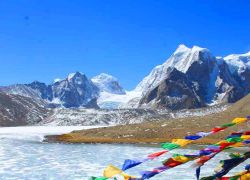
Ngozumpa Glacier is one of the most magnificent natural wonders located near Lachen in the Indian state of Sikkim. Stretching over 36 kilometers in length, it is considered the longest glacier in the Himalayas and is known for its breathtaking views, pristine surroundings, and incredible trekking opportunities. Nestled amidst the majestic peaks of the Kanchenjunga range, Ngozumpa Glacier attracts adventure enthusiasts, photographers, and nature lovers from across the globe. How to Reach Ngozumpa Glacier, Lachen, Sikkim Reaching Ngozumpa Glacier involves a scenic journey through Sikkim’s mountainous terrain. The nearest town is Lachen, which serves as the base for exploring the glacier. By Air: The closest airport is Bagdogra Airport in West Bengal, approximately 150 kilometers from Lachen. From Bagdogra, you can hire a taxi or take a shared cab to Lachen. By Train: The nearest major railway station is New Jalpaiguri (NJP), about 140 kilometers away. From NJP, travelers can hire a taxi or take a shared vehicle to reach Lachen. By Road: Lachen is connected by well-maintained roads from Gangtok, the capital of Sikkim. The drive is approximately 6-7 hours from Gangtok and offers spectacular views of mountains, rivers, and valleys. Private taxis and buses are available for tourists. Weather at Ngozumpa Glacier The weather at Ngozumpa Glacier is typically cold throughout the year due to its high altitude. Summers (April to June) are pleasant, with temperatures ranging from 5°C to 15°C. Monsoon season (July to September) brings heavy rainfall and slippery roads, making it less suitable for travel. Winters (November to February) are extremely cold, with temperatures often dropping below -10°C, and heavy snowfall is common. It is advisable to dress in warm layers and carry windproof clothing while visiting. Timing to Visit Ngozumpa Glacier The best time to explore Ngozumpa Glacier is from April to June and September to October. During these months, the weather is relatively stable, skies are clear, and trekking paths are more accessible. Early morning visits are recommended for stunning sunrise views over the glacier and surrounding peaks. Why Ngozumpa Glacier is Famous Ngozumpa Glacier is renowned for several reasons: It is the longest glacier in the Himalayas, stretching over 36 km. It offers panoramic views of the Kanchenjunga and other surrounding peaks. The area is a haven for trekkers and mountaineers seeking adventure. It is home to unique moraines, ice formations, and glacial lakes. Entry and Visit Details There is no formal entry fee to visit Ngozumpa Glacier, but permits may be required for certain trekking routes, especially if traveling to higher altitudes. Local tour operators in Lachen can provide necessary permits and guide services. Visitors should hire a certified guide for glacier treks to ensure safety and navigation through potentially hazardous ice fields. History and Architecture Being a natural formation, Ngozumpa Glacier does not have man-made architecture. However, the surrounding region of Lachen is rich in culture and history. Lachen is known for its traditional Buddhist monasteries, such as Phodong Monastery and Lachen Monastery, which reflect the architectural style of Sikkimese Buddhism. The settlements near the glacier are traditional villages where local customs and lifestyles have remained preserved for centuries. Things to Do at Ngozumpa Glacier Visitors to Ngozumpa Glacier can enjoy a variety of activities: Trekking: Moderate to advanced treks along the glacier are popular, offering close-up views of crevasses, icefalls, and moraine ridges. Photography: The dramatic landscape provides excellent opportunities for photography, especially sunrise and sunset shots over the glacier. Camping: Some trekking routes allow overnight camping near the glacier, offering a surreal experience of sleeping amidst snow and ice. Wildlife Observation: While the glacier itself has limited wildlife, nearby alpine meadows may feature Himalayan marmots, birds, and occasional sightings of snow leopards. Interesting Facts about Ngozumpa Glacier Ngozumpa Glacier is a “valley glacier,” formed over thousands of years from accumulated snowfall. The glacier is slowly melting due to climate change, making it an important site for scientific studies. It is surrounded by towering peaks such as Kangchenjunga, Chomo Lonzo, and other high-altitude summits. The glacier feeds into the Lachen and Lachung rivers, which are crucial water sources for Sikkim. Tips for Visiting Ngozumpa Glacier Acclimatize properly in Lachen before venturing onto the glacier to avoid altitude sickness. Wear sturdy trekking shoes with good grip for walking on ice and rocky terrain. Carry sufficient warm clothing, gloves, hats, and sunglasses to protect against cold and glare. Stay hydrated and carry energy snacks for trekking trips. Hire local guides for safety and to gain insights into the area’s culture and geography. Respect the natural environment; avoid littering or disturbing the pristine surroundings. Visiting Ngozumpa Glacier in Lachen, Sikkim, is a truly mesmerizing experience, combining adventure, natural beauty, and cultural immersion. Whether you are trekking across the ice, capturing photographs of snow-capped peaks, or simply enjoying the serene Himalayan environment, this glacier promises memories that last a lifetime.
Explore More
Welcome to the breathtaking Yumthang Valley nestled in the charming city of Lachung. This enchanting destination is a paradise for nature lovers, offering a unique blend of natural beauty, biodiversity, and tranquility. History of Yumthang Valley The history of Yumthang Valley dates back to ancient times when it served as a former royal hunting ground. Over the years, concerted conservation efforts have been made to preserve the rich ecosystem of the valley, leading to its recognition by UNESCO for its environmental significance. Architecture and Natural Beauty of Yumthang Valley The valley is renowned for its picturesque wetlands, lush forests, sprawling grasslands, and diverse bird habitats. Amidst this natural splendor lies the historical Keoladeo Temple, adding a touch of cultural heritage to the scenic landscapes. Why is Yumthang Valley Famous? Yumthang Valley has gained fame as a hotspot for birdwatchers, photographers, nature enthusiasts, and wildlife lovers due to its rich avian population, stunning vistas, and abundant flora and fauna. How to Reach Yumthang Valley Traveling to Yumthang Valley is easily accessible by air, rail, and road. The nearest airports are located in Bagdogra and Pakyong, while the closest railway stations are in New Jalpaiguri and Siliguri. From there, well-connected road networks offer a scenic journey to the valley. Weather and Best Time to Visit Yumthang Valley The weather in Yumthang Valley varies across summer, monsoon, and winter seasons. The best time to visit is during the months of April to June when the valley is adorned with blooming flowers and pleasant weather. Timings of Yumthang Valley Visitors can explore Yumthang Valley during specific timings, with variations based on seasonal factors. Planning your visit accordingly ensures an optimal experience amidst the natural wonders of the valley. Entry Fee and Visit Details Entry into Yumthang Valley involves simple procedures, with guide services available for those seeking expert insights. Safari options, bicycle rentals, and visitor facilities are provided to enhance the overall experience of exploring this natural gem. Things to Do at Yumthang Valley Engage in a myriad of activities at Yumthang Valley, including birdwatching, photography, cycling through scenic trails, leisurely walks amidst nature, and immersive educational experiences that offer a deeper understanding of the valley's unique ecosystem. Interesting Facts About Yumthang Valley Yumthang Valley is home to a diverse range of migratory birds, showcasing the region's rich biodiversity. The conservation efforts in the valley have led to significant achievements in preserving the delicate ecological balance, making it an important hub for environmental enthusiasts. Travel Tips for Visiting Yumthang Valley When planning a trip to Yumthang Valley, remember to pack suitable clothing for varying weather conditions, carry quality photography equipment for capturing the scenic beauty, visit during the recommended seasons for optimal experiences, and practice responsible tourism to help protect the valley's natural heritage. Conclusion In conclusion, Yumthang Valley in Lachung stands out as a captivating destination that offers a harmonious blend of natural wonders and cultural heritage. Its significance in biodiversity conservation and the memorable experiences it provides to visitors make it a must-visit destination for those seeking tranquility amidst pristine landscapes.
Explore More
Welcome to Yume Samdong, a mesmerizing tourist attraction nestled in the beautiful city of Lachung. Known for its natural charm and biodiversity, Yume Samdong offers a unique experience for visitors seeking tranquility and a close connection with nature. History of Yume Samdong Yume Samdong has a rich historical background, once serving as a royal hunting ground in the region. Over the years, concerted conservation efforts have transformed this area into a sanctuary of natural beauty. The park's commitment to preserving its ecological heritage has earned it recognition from UNESCO, highlighting its importance on a global scale. Architecture and Natural Beauty of Yume Samdong Yume Samdong boasts a diverse landscape comprising wetlands, forests, and grasslands that provide a habitat for a variety of bird species. The picturesque surroundings, coupled with the historical Keoladeo Temple situated within the park, add to its allure and cultural significance. Why is Yume Samdong Famous? Yume Samdong has gained popularity among birdwatchers, photographers, nature enthusiasts, and wildlife lovers due to its rich avian diversity and serene ambiance. The park offers a peaceful retreat where visitors can immerse themselves in the beauty of nature and observe a wide array of bird species in their natural habitat. How to Reach Yume Samdong Traveling to Yume Samdong is convenient, with options available by air, rail, and road. Nearby airports and railway stations provide easy access to this enchanting destination, ensuring a smooth journey for visitors. Weather and Best Time to Visit Yume Samdong Yume Samdong experiences varying weather conditions across different seasons, making it ideal to plan your visit accordingly. While summers offer pleasant weather for exploration, the monsoon season brings lush greenery to the park. Winter months provide a different charm, creating a unique atmosphere for visitors to enjoy. Timings of Yume Samdong Visitor timings at Yume Samdong are structured to offer the best experience to guests, with seasonal variations taken into account. Understanding the park's timings and planning your visit accordingly can enhance your overall trip experience. Entry Fee and Visit Details Entry procedures at Yume Samdong are straightforward, with guide services available for those seeking a more immersive experience. Safari options, bicycle rentals, and visitor facilities cater to the diverse needs of guests, ensuring a comfortable and enjoyable visit. Things to Do at Yume Samdong Yume Samdong presents a range of activities for visitors to engage in, from birdwatching and photography to cycling and nature observation. The park's walking trails offer a serene environment for exploration, while educational experiences provide valuable insights into the region's biodiversity. Interesting Facts About Yume Samdong Yume Samdong is home to a myriad of migratory birds, showcasing the park's ecological significance and conservation achievements. The diverse wildlife and thriving ecosystem make Yume Samdong a treasure trove of natural wonders waiting to be discovered. Travel Tips for Visiting Yume Samdong When planning your visit to Yume Samdong, consider essential factors such as appropriate clothing, photography gear, and birdwatching equipment to make the most of your experience. Adhering to responsible tourism practices and choosing the right visiting season can further enhance your trip. Conclusion In conclusion, Yume Samdong in Lachung stands out as a must-visit destination for nature lovers and wildlife enthusiasts. Its historical significance, natural beauty, and diverse offerings make it a place of tranquility and exploration, promising a memorable experience for all who venture into its embrace.
Explore More
Welcome to Mount Katao, a hidden gem nestled in the picturesque city of Lachung. This stunning tourist attraction offers visitors a serene retreat surrounded by the beauty of nature. From its rich biodiversity to its breathtaking landscapes, Mount Katao is a paradise for nature lovers, birdwatchers, and adventure enthusiasts. History of Mount Katao Mount Katao holds a significant historical background, once serving as royal hunting grounds for the local rulers. Over the years, efforts have been made to conserve the natural habitat of the region, leading to its recognition for its ecological importance. The area's unique flora and fauna have garnered attention, with some parts being designated as UNESCO-protected zones. Architecture and Natural Beauty of Mount Katao Exploring Mount Katao reveals a diverse landscape encompassing wetlands, dense forests, sprawling grasslands, and vibrant bird habitats. One of the notable features of the area is the historical Keoladeo Temple, adding a cultural touch to the natural beauty that surrounds it. Why is Mount Katao Famous? Mount Katao is renowned for its incredible birdwatching opportunities, attracting enthusiasts from around the globe. The destination is also a favorite among photographers seeking to capture the beauty of the diverse avian species, making it a hotspot for nature lovers and wildlife enthusiasts. How to Reach Mount Katao Traveling to Mount Katao is convenient, with various options available. Visitors can reach the destination by air, rail, or road, with nearby airports and railway stations providing easy access. The journey to Mount Katao is as enchanting as the place itself, offering stunning views along the way. Weather and Best Time to Visit Mount Katao Understanding the weather patterns at Mount Katao is crucial for planning a visit. The destination experiences distinct seasons, with summer, monsoon, and winter showcasing different aspects of its natural beauty. The best time to visit Mount Katao is during [mention best months] when the weather is most favorable. Timings of Mount Katao Visitor timings at Mount Katao vary, with seasonal changes affecting accessibility. It is advisable to plan your visit accordingly to make the most of your time at this enchanting destination. Being aware of the timings ensures a seamless and enjoyable experience for all travelers. Entry Fee and Visit Details For those planning a trip to Mount Katao, entry procedures and visitor facilities are essential aspects to consider. Guide services, safari options, bicycle rentals, and other amenities are available to enhance your visit. Exploring the beauty of Mount Katao is made convenient with these services in place. Things to Do at Mount Katao Mount Katao offers a plethora of activities for visitors to enjoy, including birdwatching, photography, cycling, walking trails, and nature observation. Immerse yourself in the tranquility of the surroundings and engage in educational experiences that showcase the rich biodiversity of the region. Interesting Facts About Mount Katao Mount Katao is home to fascinating migratory birds, boasting a diverse range of species that contribute to its ecological significance. The conservation efforts in place have led to remarkable achievements in preserving the area's biodiversity, making it a testament to the importance of environmental conservation. Travel Tips for Visiting Mount Katao When planning your trip to Mount Katao, consider essential travel tips to enhance your experience. From suitable clothing choices to photography gear and responsible tourism practices, being well-prepared ensures a memorable and enjoyable visit to this captivating destination. Conclusion In conclusion, Mount Katao in Lachung stands out as a must-visit destination for those seeking a harmonious blend of nature, culture, and adventure. With its rich history, diverse landscapes, and abundant wildlife, Mount Katao offers a unique and enriching experience for every traveler. Explore the wonders of Mount Katao and create lasting memories in the heart of nature.
Explore More
Welcome to the serene beauty of Bhim Nala Falls nestled in the picturesque city of Lachung. This enchanting tourist attraction offers a perfect blend of natural wonders and tranquility, making it a must-visit destination for nature enthusiasts and adventure seekers alike. History of Bhim Nala Falls The history of Bhim Nala Falls dates back to ancient times, where it was known for its pristine surroundings and serene ambiance. Once a royal hunting ground, this area has now been transformed into a conservation site to protect its rich biodiversity. The efforts to preserve this natural treasure have gained recognition, contributing to its UNESCO status as a significant ecological site. Architecture and Natural Beauty of Bhim Nala Falls Bhim Nala Falls is renowned for its lush greenery, dense forests, and diverse wildlife habitats. The cascading waterfalls, surrounded by verdant landscapes, create a mesmerizing sight for visitors. The historic Keoladeo Temple located nearby adds a touch of cultural significance to the natural beauty of this place. Why is Bhim Nala Falls Famous? Bhim Nala Falls is a haven for birdwatchers, photographers, and nature enthusiasts due to its rich avian population and stunning landscapes. Wildlife lovers are drawn to the area for its unique biodiversity and the opportunity to witness various bird species in their natural habitat. How to Reach Bhim Nala Falls Traveling to Bhim Nala Falls is convenient, with options for air, rail, and road transport. The nearest airport is located in [City], while the [City] railway station provides easy access for those traveling by train. The well-connected road network ensures a smooth journey to this natural marvel. Weather and Best Time to Visit Bhim Nala Falls The weather at Bhim Nala Falls varies across seasons, offering different experiences for visitors. While summers are pleasant, the monsoon season brings out the lush greenery in full bloom. Winter months provide a chilly yet charming atmosphere, making [Hotspots Name] a year-round destination. The best time to visit is during the cooler months when the weather is most favorable for outdoor activities. Timings of Bhim Nala Falls Bhim Nala Falls welcomes visitors during specific timings, allowing guests to experience the beauty of the falls at its best. The timings may vary seasonally, so it is advisable to plan your visit accordingly to make the most of your trip. Entry Fee and Visit Details Entry to Bhim Nala Falls is subject to certain procedures, and visitors can benefit from guide services to enhance their exploration. Safari options, bicycle rentals, and other visitor facilities are available to ensure a comfortable and enjoyable visit to this natural paradise. Things to Do at Bhim Nala Falls At Bhim Nala Falls, visitors can engage in a variety of activities such as birdwatching, photography, cycling, and walking trails. The abundance of natural beauty and wildlife offers ample opportunities for nature observation and educational experiences, making it an ideal destination for outdoor enthusiasts. Interesting Facts About Bhim Nala Falls Bhim Nala Falls is home to a myriad of migratory birds, showcasing the region's rich biodiversity and conservation efforts. The conservation achievements in this area have played a vital role in preserving the ecological balance and promoting sustainable tourism practices. Travel Tips for Visiting Bhim Nala Falls When visiting Bhim Nala Falls, it is advisable to dress appropriately for the weather and carry essential photography and birdwatching equipment. Understanding the best visiting seasons and practicing responsible tourism are key to ensuring a memorable and respectful experience at this natural wonder. Conclusion In conclusion, Bhim Nala Falls in Lachung stands as a testament to the beauty of nature and the importance of conservation. The harmonious blend of natural landscapes, diverse wildlife, and cultural heritage makes it a destination worth exploring for all kinds of travelers. Immerse yourself in the tranquility of Bhim Nala Falls and create unforgettable memories in the heart of [City].
Explore More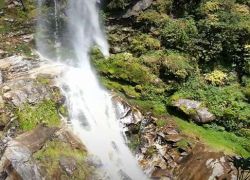
Changey Waterfall is a famous tourist attraction in Pelling. This beautiful waterfall is also known by the name of Seven Sisters Waterfall or Khangchendzonga Falls. The waters spill down from a great height of 984 feet and form a pool. The serene ambiance of Changey Waterfall leaves a magical impact on the minds of the people. It is a must-see site in Pelling. It Is Known For:- 1) Changey Waterfall is known for its arresting surroundings. Due to its location among the small hills, this place serves as an ideal spot for rejuvenate the tired senses 2) The nearby hills of this waterfall are the haven for the trek lovers 3) Changey Waterfall is a tourist-friendly place and is visited by various visitors across the year due to the peaceful ambiance of the spot 4) People can enjoy swimming in the natural pool formed by this waterfall Best Time To Visit:- Changey Waterfalls welcomes numerous visitors each day. Any season can be chosen for paying a visit at this place but, the monsoon is considered as the best time. During the downpour, the width and the flow of this waterfall double up and enhance its beauty. No entry fee is charged from visitors. People can enjoy walking on the trails as well. Reaching There:- Changey Waterfalls is a prominent tourist attraction in Pelling. Reaching this place is easy because it has a well-established network of the roadways. This site can be reached by a short drive or hiring the service of the local jeeps. Nearest Railway Station - New Jalpaiguri Railway Station Nearest Airport - Bagdogra Airport
Explore More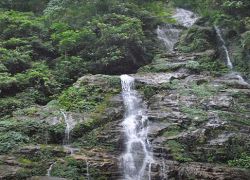
Surrounded by the thick forest cover, Kanchenjunga Falls is an amazing site of interest in Pelling. Untouched from the urbanization, it is blessed with a serene ambiance and never fails to draw visitors. It derives its name from the pure waters that descend from the mighty Kanchenjunga. It Is Known For:- 1) Kanchenjunga Falls are known for their beautiful surroundings. 2) People visit this place to relieve themselves from the stress of daily life. 3) The thick forest cover that surrounds this enchanting waterfall is a home to elephants. 4) The area near falls is an ideal place for spending a good quality time with the loved ones. 5) Visitors can swim and enjoy at this amazing site of Kanchenjunga Falls. Best Time To Visit:- Kanchenjunga Falls is an appealing tourist destination in Sikkim. It never fails to attract visitors from different parts of the city. People of all age groups can relax at this site. It can be visited during any time of the year, especially monsoons. It is the time that enhances the appearance of this enchanting waterfall. No entry fee is charged from the visitors. Reaching There:- It is very simple to reach Kanchenjunga Falls. It is well-connected via roadways and railways due to which there’s no chaos of reaching the place. The local buses and taxis are available in abundance. Nearest Railway Station - New Jalpaiguri Railway Station Nearest Airport - Bagdogra Airport
Explore More
Originally known as Kha Chot Palri that translates into the ‘Heaven of Padmasambhava’. This lake is located 34 km. from Pelling town and is considered as sacred by the followers of Hinduism and Buddhism. According to the legends, Lord Padmasambhava preached to sixty-four yoginis. Another legend says that a local girl lost a precious gem in the lake that was blessed by the Lake Goddess Tara herself. Till date, the gemstone lies somewhere in the lake and thus, the lake is regarded as sacred. It Is Known For:- 1) Khecheopalri Lake is known for its surroundings. The lush green vegetation makes is appear a great spot for spending a day’s itinerary 2) It serves as a temporary residence to the migratory birds like the cormorant, teal, tufted duck, crane etc. 3) The nearby region of the lake is the appropriate place for experiencing the thrill of trekking 4) Visitors can enjoy the activity of boating in this lake Best Time To Visit:- Khecheopalri Lake is a well-known attraction that is frequently visited by the locals and tourists that visit Pelling. The best time for paying a casual visit to this lake is during any time of the year. Reaching There:- A short drive from the town of Pelling via roadways is the best option. To reach the place, one can avail the service of the local bus or hire a private taxi. Nearest Railway Station - Pelling Railway Station Nearest Airport - Bagdogra Airport
Explore More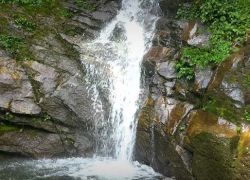
Located near the village of Darap, Rimbi Waterfalls is a beautiful tourist attraction in Pelling. It is surrounded by the emerald green vegetation and blessed with a calm ambiance; these waterfalls are an astonishing place where tourists can refresh their tired senses by spending some intimate time with nature. Rimbi Waterfall is an ideal place for relaxing and admiring the wonders of nature. It Is Known For:- 1) Rimbi Waterfalls are known for their beauty and serenity 2) The calm surroundings of these falls make them a popular tourist site among people. Tourists can be spotted meditating near the waterfall 3) The water falls down through various tiers that make it appear pleasing to eyes 4) Since these waterfalls emanate from Rimbi River, they also serve as a key source of water for the nearby villages 5) The activity of fishing can be relished at Rimbi Waterfalls Best Time To Visit:- Being a tourist-friendly destination, Rimbi Waterfalls are usually visited throughout the year. The best time for visiting this place, especially to gaze at its tantalizing beauty is during monsoon. It is the perfect time to feel the cool sprays of pure water. Reaching There:- Due to a well-established network of the roadways and railways, Rimbi Waterfalls can be accessed easily. Tourists can hire the local bus or jeep and de-board it at Darap Village. From the village, a short trek can be enjoyed to reach Rimbi Waterfalls. Nearest Railway Station - Pelling JunctionNearest Airport - Bagdogra Airport
Explore More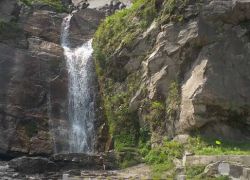
Sangay Waterfalls or Chagay Waterfalls is a major tourist site in Pelling. It is a serene waterfall that is surrounded by the rocky cliffs and is situated near Singshore Bridge. The water spills down from a height of over 100 feet. The serene ambiance of Sangay Waterfalls is enough to kill the stress and rejuvenate the senses. This place is frequently visited by tourists. It Is Known For:- 1) Sangay Waterfalls are 3 tier waterfalls that are known for their beauty 2) The tiers at this waterfall make it appear even charming to onlookers 3) The lush green vegetation filled with the melodious chirps of birds enhance the charm of Sangay Waterfalls 4) It is a nice place for swimming and spending a day’s itinerary Best Time To Visit:- Sangay Waterfalls is a tourist-friendly destination in Pelling. Since it is located near Singshore Bridge, it is visited by numerous people on a daily basis. There is no specific season for paying a visit to this place, however, to witness the beauty of these falls, one should go and see it during monsoons. During the season, the beauty of Sangay Waterfalls is simply indescribable. Reaching There:- Sangay Waterfall is well-connected via roadways. People can visit this beautifully arresting site at any time by bus or taxi. No entry fees, vehicle parking fee, and photography/videography fee is charged. Nearest Railway Station - Pelling JunctionNearest Airport - Bagdogra Airport
Explore More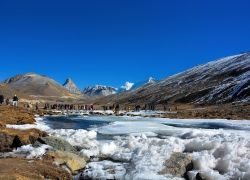
Welcome to Yumesamdong, located in the picturesque city of Yumthang, a hidden gem nestled in the heart of nature's bounty. Yumesamdong, often referred to as the Zero Point, is a paradise for nature lovers, offering breathtaking landscapes, diverse flora and fauna, and a serene ambiance that captivates visitors from around the world. History of Yumesamdong The history of Yumesamdong dates back to ancient times when it served as a former royal hunting ground for the local rulers. Over the years, concerted conservation efforts have been made to preserve the natural beauty and biodiversity of this region, leading to its recognition by UNESCO as a significant ecological hotspot. Architecture and Natural Beauty of Yumesamdong Yumesamdong is renowned for its lush wetlands, dense forests, expansive grasslands, and diverse bird habitats that make it a haven for avian species. The historical Keoladeo Temple, situated within the park, adds a touch of architectural elegance to the natural splendor of the surroundings. Why is Yumesamdong Famous? Yumesamdong has gained fame as a hotspot for birdwatchers, photographers, nature enthusiasts, and wildlife lovers due to its rich biodiversity, stunning landscapes, and the opportunity to witness a myriad of avian species in their natural habitat. How to Reach Yumesamdong Traveling to Yumesamdong is convenient with options available by air, rail, and road. The nearest airports are located in XYZ and ABC, while the closest railway station is DEF. Visitors can easily access the park through well-connected road networks that offer scenic views along the journey. Weather and Best Time to Visit Yumesamdong Yumesamdong experiences pleasant weather conditions during the summer, lush greenery in the monsoon, and magical snow-covered landscapes in winter. The best time to visit is during the spring and autumn months when the weather is mild, and the flora and fauna are at their vibrant best. Timings of Yumesamdong Yumesamdong welcomes visitors throughout the year, with timings varying based on seasonal daylight hours. It is advisable to plan your visit during the early morning or late afternoon to make the most of your time exploring the park. Entry Fee and Visit Details Visitors to Yumesamdong can avail of entry passes at the park entrance, with guide services, safari options, bicycle rentals, and visitor facilities available for a comfortable and enriching experience. The park authorities ensure that visitors have access to all necessary amenities during their visit. Things to Do at Yumesamdong At Yumesamdong, visitors can engage in a variety of activities such as birdwatching, photography, cycling through scenic trails, walking amidst nature's wonders, and participating in educational programs that offer insights into the park's ecosystem and conservation efforts. Interesting Facts About Yumesamdong Yumesamdong is home to a plethora of migratory birds that flock to the region during specific seasons, contributing to the park's rich biodiversity. Conservation initiatives at Yumesamdong have yielded significant results, making it a model for sustainable ecological practices and wildlife preservation. Travel Tips for Visiting Yumesamdong When visiting Yumesamdong, it is advisable to dress in layers to cater to changing weather conditions, carry essential photography equipment for capturing the scenic beauty, visit during the recommended seasons for optimal wildlife sightings, and adhere to responsible tourism practices to preserve the park's natural integrity. Conclusion In conclusion, Yumesamdong in Yumthang stands as a testament to the unspoiled beauty of nature, offering visitors a harmonious blend of tranquility, adventure, and environmental education. A visit to Yumesamdong is not just a journey; it is an immersive experience that leaves a lasting impression of the wonders of the natural world.
Explore More6 Nights - 7 Days Sikkim Tour Package With Pelling - Zuluk
7 Days/ 6 Night
Gangtok - Pelling - Lachung - Lachen - Zuluk
2 Nights - 3 Days Sikkim Tour Package
3 Days/ 2 Night
Gangtok
5 Nights - 6 Days Sikkim - Darjeeling Tour Package With Pelling
6 Days/ 5 Night
Gangtok - Darjeeling - Pelling
Offbeat Sikkim Trip 4 Nights - 5 Days
5 Days/ 4 Night
Ravangla - Namchi
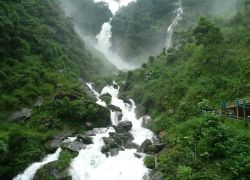
Phamrong Falls is a breathtaking tourist attraction located in the charming city of Yuksom. Nestled amidst the natural beauty of the region, this magnificent waterfall offers a serene retreat for visitors seeking to immerse themselves in the wonders of nature. History of Phamrong Falls With a rich historical background, Phamrong Falls holds significance as a site that has been cherished for generations. Originally known for its use as a royal hunting ground, the area has evolved into a protected conservation area. Its ecological importance has been recognized by UNESCO, highlighting the efforts to preserve its natural splendor. Architecture and Natural Beauty of Phamrong Falls The surroundings of Phamrong Falls are adorned with lush wetlands, dense forests, and vast grasslands, creating a diverse habitat for a variety of bird species. The park is also home to the historical Keoladeo Temple, adding a touch of cultural richness to the natural landscape. Why is Phamrong Falls Famous? Phamrong Falls has gained popularity among birdwatchers, photographers, nature enthusiasts, and wildlife lovers due to its unique biodiversity. The abundance of bird habitats and picturesque landscapes make it a paradise for those seeking to witness the wonders of the natural world. How to Reach Phamrong Falls Traveling to Phamrong Falls is convenient, with options available by air, rail, and road. The nearest airports and railway stations provide easy access to the city of Yuksom, from where visitors can embark on a journey to the falls. Weather and Best Time to Visit Phamrong Falls The weather at Phamrong Falls varies throughout the year, with distinct seasons of summer, monsoon, and winter. The best time to visit is during the pleasant months when the natural beauty of the falls is at its peak. Timings of Phamrong Falls Visitors can explore Phamrong Falls during specific timings, taking into account any seasonal variations that may affect accessibility. Planning ahead ensures a smooth and enjoyable experience at this natural marvel. Entry Fee and Visit Details Entry to Phamrong Falls involves following designated procedures, with guide services available for those seeking informative tours. Safari options, bicycle rentals, and visitor facilities enhance the overall experience for guests exploring the area. Things to Do at Phamrong Falls Engaging in activities such as birdwatching, photography, cycling, walking trails, and nature observation allows visitors to fully appreciate the beauty of Phamrong Falls. Educational experiences further enrich the visit, offering insights into the biodiversity of the region. Interesting Facts About Phamrong Falls Phamrong Falls is renowned for its migratory birds, diverse biodiversity, conservation efforts, and ecological significance. These fascinating facts underscore the importance of preserving this natural gem for future generations to enjoy. Travel Tips for Visiting Phamrong Falls When planning a visit to Phamrong Falls, it is advisable to pack suitable clothing, essential photography equipment, and birdwatching gear. Understanding the best visiting seasons and practicing responsible tourism ensures a memorable and sustainable trip to this remarkable destination. Conclusion In conclusion, Phamrong Falls in Yuksom stands as a testament to the beauty of nature and the importance of conservation efforts. Its tranquil surroundings, diverse wildlife, and engaging activities offer visitors a unique and immersive experience in the heart of [City]. Exploring Phamrong Falls is not just a journey through picturesque landscapes but a voyage into the wonders of the natural world.
Explore More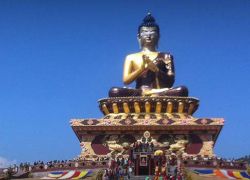
Buddha Park or Tathagatha Tsal is a beautiful garden in India. This garden was constructed on the 2550th birth anniversary of Lord Buddha. It is a vast garden that houses a 130 feet tall idol of Buddha. It sprawls over acres of land and is popular for its surroundings. Umpteen people visit this park on a daily basis. H.H Dalai Lama has visited this park numerous times. It Is Known For:-1) Buddha Park of Ravangla is known for its enchanting surroundings. It has a vast carpet of the lush green grass all over its soil2) People of all age groups flock to this garden for spending their leisure time. People can be seen jogging, walking, exercising, and meditating in this park3) A huge idol of Buddha has been established inside the park that makes it as a religious spot as well Best Time To Visit:-Tathagata Tsal is a famous tourist attraction. This park can be visited throughout the year without any restrictions. No entry fee is charged from the visitors, however, littering in the premises makes an individual liable for a fine. Visitors make donations and funds are collected from the locals for the maintenance of the garden. Reaching There:-Buddha Park of Ravangla is a famous tourist attraction that catches the attention of the people immediately. It has a wider web of roadways and railways that connect it with the entire city. The local buses and taxis are widely preferred for reaching the garden. Nearest Railway Station- New Jalpaiguri Railway StationNearest Airport- Bagdogra Airport
Explore More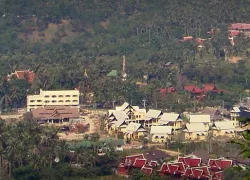
Ornamented with the beauteous and breathtaking Kanchenjunga mountain range, Maenam Hill is a must-see tourist attraction in Ravangla. It is an arresting hillock that stands at a height of more than 10 thousand feet above the sea level. Its beauty is a huge crowd-puller and never fails to attract tourists. It is regarded as one of the best spots in Ravangla where humans can know Mother Nature closely. It Is Known For:-1) Maenam Hill is known for its beauty. Its landscape is fed by the waters of the rivers like Teesta and Rangeet2) This hill is a famous picnic spot as well. Many people can be spotted here spending the leisure time with their nears and dears3) The monks also prefer this hill for meditating in the early hours of the day4) It is a haven for trekkers and they never miss to cross the jagged paths of Maenam Hill5) Reaching atop the hill provides a panoramic view of the neighboring villages of Bengal. If the weather is clear, visitors can also see the misty Mount Everest from this place Best Time To Visit:-Maenam Hill is a famous tourist attraction in Ravangla. It plays a key role in boosting the tourism by attracting visitors from different places. Even the botanists also visit Maenam Hill to study the wild herbs. Since it is elevated on a higher altitude, the weather remains cool for a major portion of the year. But, people avoid visiting this place during extreme winters. Reaching There:-Maenam Hill is a major attraction in Ravangla. It has a vast web of roadways that connect it with the rest of Sikkim. The sole convenient way to visit this place is by hiring a private cab/travel coach. Nearest Railway Station- New Jalpaiguri StationNearest Airport- Bagdogra Airport
Explore More
The Hot Springs of Ralong is an amazing travel attraction in Ravangla. These springs is surrounded by the rocky cliffs and have breathtaking surroundings. Due to such surroundings, this place has become a prominent choice for spending a day’s itinerary by the visitors. Holidaymakers that arrive at Sikkim never miss spending a couple of hours at Ralong Hot Springs. It Is Known For:-1) Ralong Hot Springs is known for their quaint location. They are snug amid the enchanting surroundings away from the noises of the city2) These springs have a religious significance as well because they are located near the Holy Caves of Sikkim3) The warm waters of these springs possess medicinal qualities that can heal the skin diseases4) The nearby trails serve as an ideal spot for experiencing the thrill of trekking and thus, it is widely preferred by the adventure lovers5) Its surroundings are a habitat for a variety of avifauna. Birdwatchers arrive in abundance to observe the regional and migratory birds Best Time To Visit:-Ralong Hot Springs isunspoiled as compared to other tourist attractions. Due to its location, people prefer visiting it during the daytime in any season. Thus, there lies zero hassle in choosing the apt season for a casual visit to these hot springs. Reaching There:-The local transit like the bus and taxis ply in plentitude on the route of hot springs. Tourists can avail the service and can reach the place conveniently. Nearest Railway Station- New Jalpaiguri StationNearest Airport- Bagdogra Airport
Explore More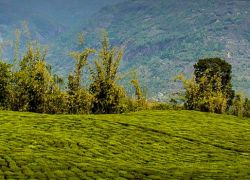
Temi Tea Estate of Temi Tea Garden is a famed tea plantation in Ravangla. It came into existence in the year 1969 and is considered as one of the best tea estates located in the northeastern side of the country. The entire tea estate sprawls over 440 acres of land on a slope. It produces 1 lakh kg of tea annually. Its serene ambiance draws a large number of tourists every year. It Is Known For:-1) Temi Tea Estate is known for its beauteous surroundings. It has a marvelous backdrop of the mighty Khangchendzonga Mountain range2) It is a certified producer of the organic tea as it uses the organic fertilizers to keep the weeds away from the tea plants3) The tea grown in this plantation is supplied all over Sikkim and West Bengal4) 10 acres of its land is used for cattle grazing by the shepherds Best Time To Visit:-Whether it is Winter or Summers, Spring or Fall, any season is considered as best for paying a visit to Temi Tea Estate. Due to its location on a higher altitude, the weather of this place remains pleasantly cool throughout the year that makes it feasible for the visitors to tour around the plantation. Reaching There:-Temi Tea Estate has a well-established network of the roadways and railways. Such connectivity makes it easier for the tourists to visit this place without any chaos. The local buses and taxis are the best option but, hiring a private vehicle would be a better option. Nearest Railway Station- New Jalpaiguri StationNearest Airport- Bagdogra Airport
Explore More
Aritar, a quaint town nestled in the lush hills of Sikkim, boasts a hidden gem known as Lampokhari Lake. This serene lake, also called Aritar Lake, is a mesmerizing tourist attraction that draws nature lovers, birdwatchers, and photography enthusiasts from far and wide. Surrounded by the pristine natural beauty of the region, Lampokhari Lake offers a peaceful retreat amidst the Himalayan landscape. History of Lampokhari Lake Lampokhari Lake has a rich historical significance, once serving as a royal hunting ground for the rulers of Sikkim. Over the years, efforts have been made to conserve the natural environment around the lake, leading to its recognition by UNESCO for its biodiversity and ecological importance. Architecture and Natural Beauty of Lampokhari Lake The lake is encompassed by verdant forests, vibrant wetlands, and picturesque grasslands, creating a habitat for a variety of bird species. The historic Keoladeo Temple situated near the lake adds to the charm of the surroundings, making it a perfect blend of natural and cultural attractions. Why is Lampokhari Lake Famous? Lampokhari Lake is renowned for its diverse bird population, making it a paradise for birdwatchers and wildlife enthusiasts. The tranquil ambiance and stunning landscapes also attract photographers and nature lovers seeking solace in the lap of nature. How to Reach Lampokhari Lake Travelers can reach Aritar by air via Bagdogra Airport or by train to nearby New Jalpaiguri Railway Station. From there, the lake is accessible by road through picturesque routes offering scenic views of the Himalayan terrain. Weather and Best Time to Visit Lampokhari Lake The weather at Lampokhari Lake varies with the seasons, with summers being pleasant, monsoons bringing lush greenery, and winters offering a chilly yet enchanting experience. The best time to visit is during the spring and autumn months when the weather is mild, and the surroundings are in full bloom. Timings of Lampokhari Lake The lake is open to visitors throughout the year, with timings varying slightly based on the season. It is advisable to check for any seasonal changes in timings before planning your visit to make the most of your experience. Entry Fee and Visit Details Visitors can explore the lake by availing guide services, opting for safari tours, renting bicycles, and utilizing the available visitor facilities. Entry procedures are simple, allowing guests to immerse themselves in the natural wonders of the lake. Things to Do at Lampokhari Lake At Lampokhari Lake, visitors can indulge in a myriad of activities such as birdwatching, capturing stunning photographs of the avian fauna, cycling around the lake, walking along scenic trails, and engaging in educational experiences to learn more about the local ecosystem. Interesting Facts About Lampokhari Lake Lampokhari Lake serves as a crucial stopover for migratory birds, adding to its ecological significance. The conservation efforts around the lake have led to the preservation of various species, making it a hub of biodiversity and a testament to sustainable tourism practices. Travel Tips for Visiting Lampokhari Lake When planning a trip to Lampokhari Lake, it is advisable to pack suitable clothing for varying weather conditions, carry essential photography and birdwatching equipment, visit during the recommended seasons for optimal experiences, and practice responsible tourism to help preserve the natural beauty of the area. Conclusion In conclusion, Lampokhari Lake in Aritar stands as a tranquil haven for nature enthusiasts, offering a blend of natural splendor and cultural heritage. Visitors are treated to a unique experience amidst the Himalayan landscape, making it a must-visit destination for those seeking serenity and a deeper connection with the wonders of the natural world.
Explore More