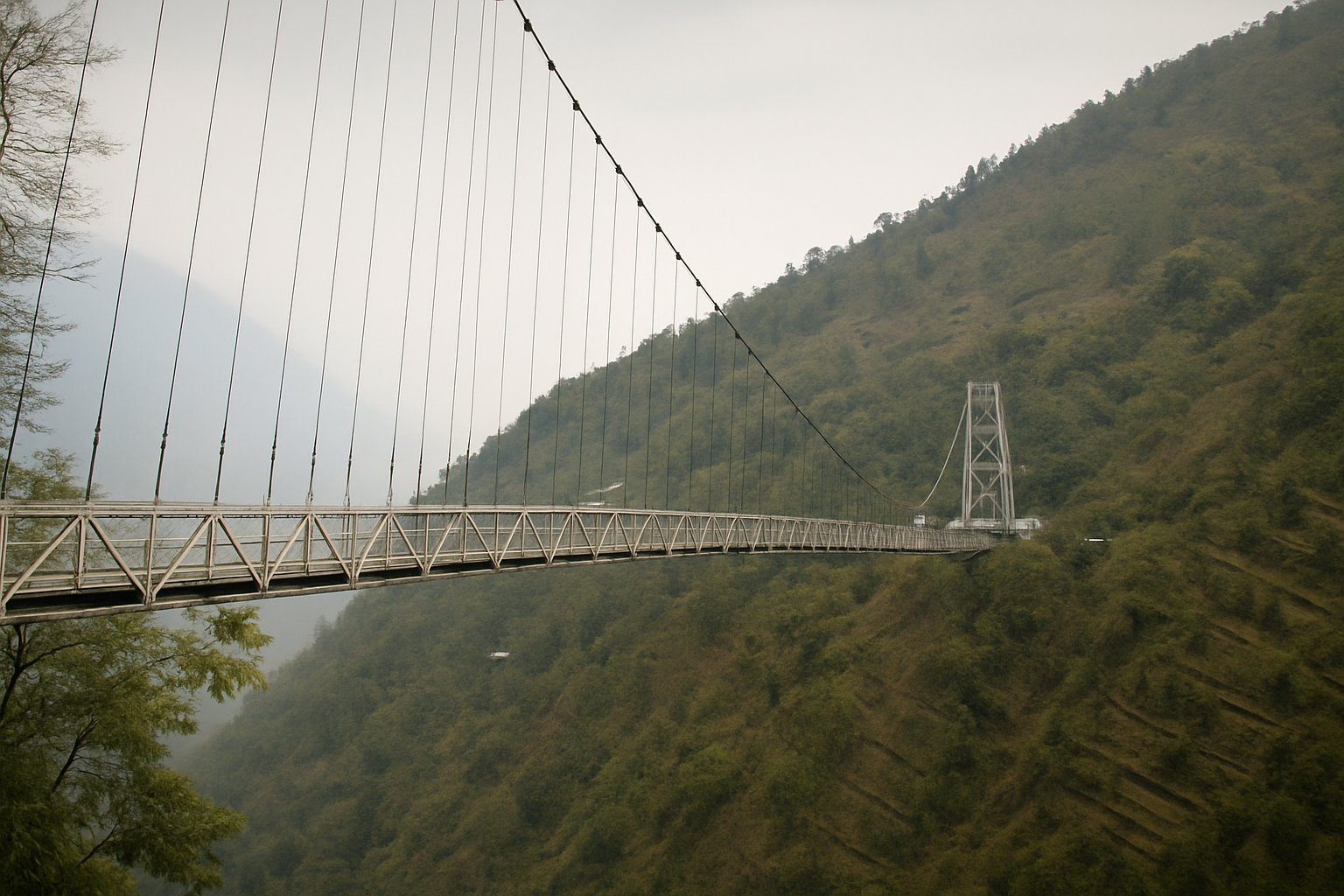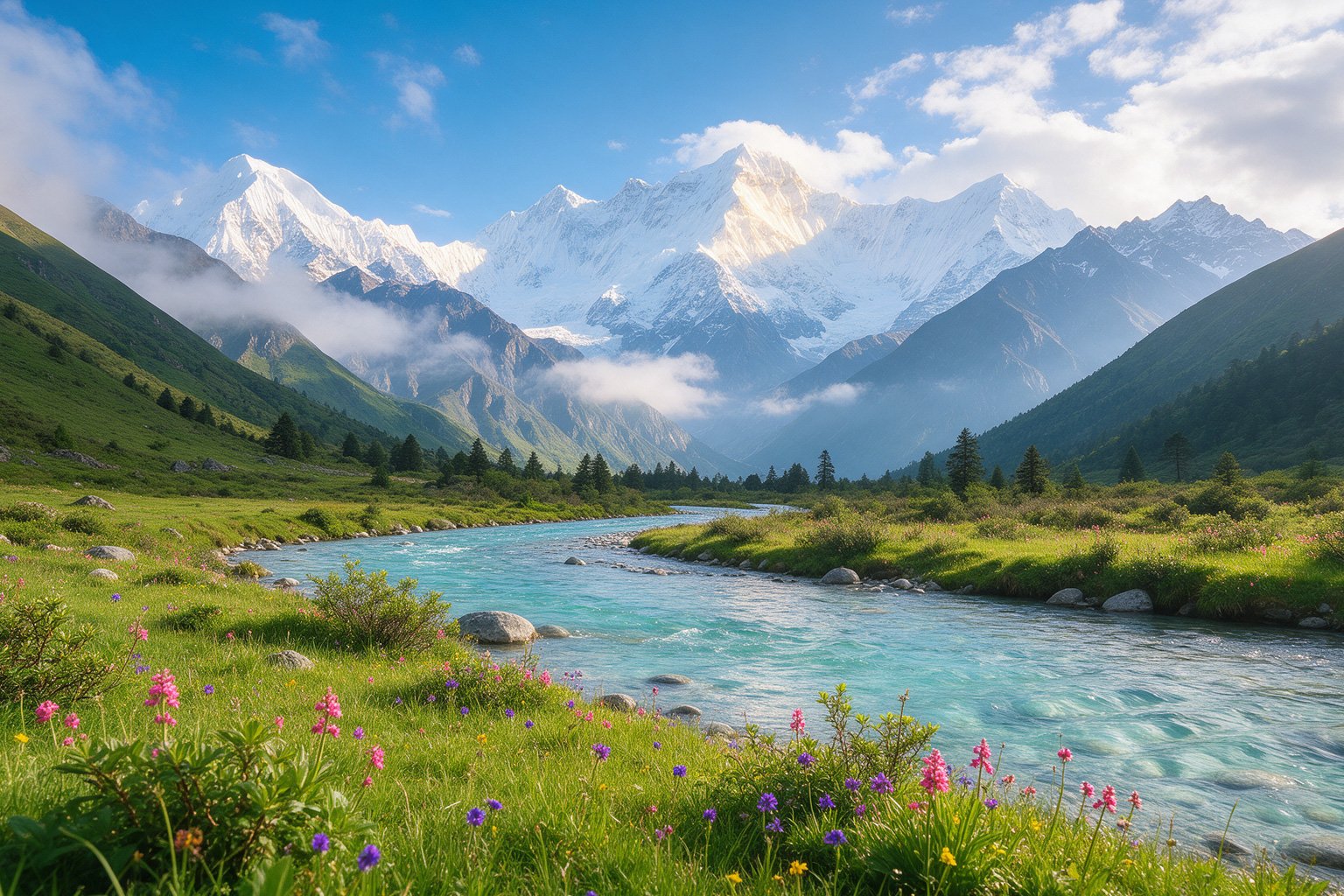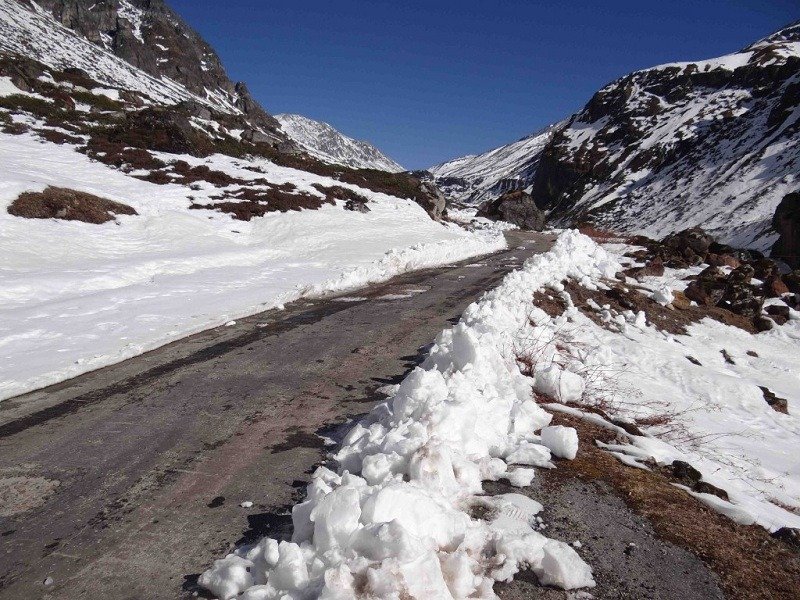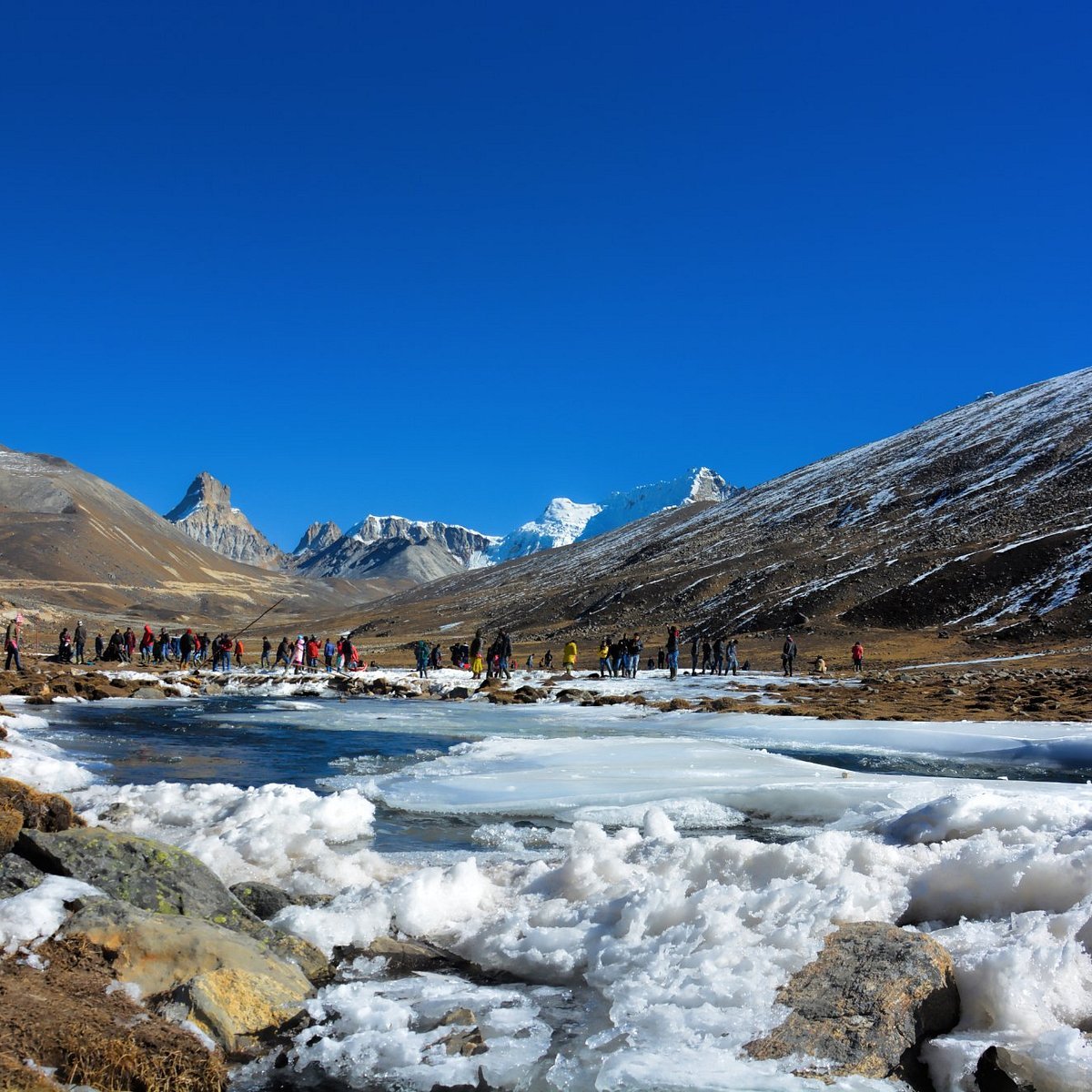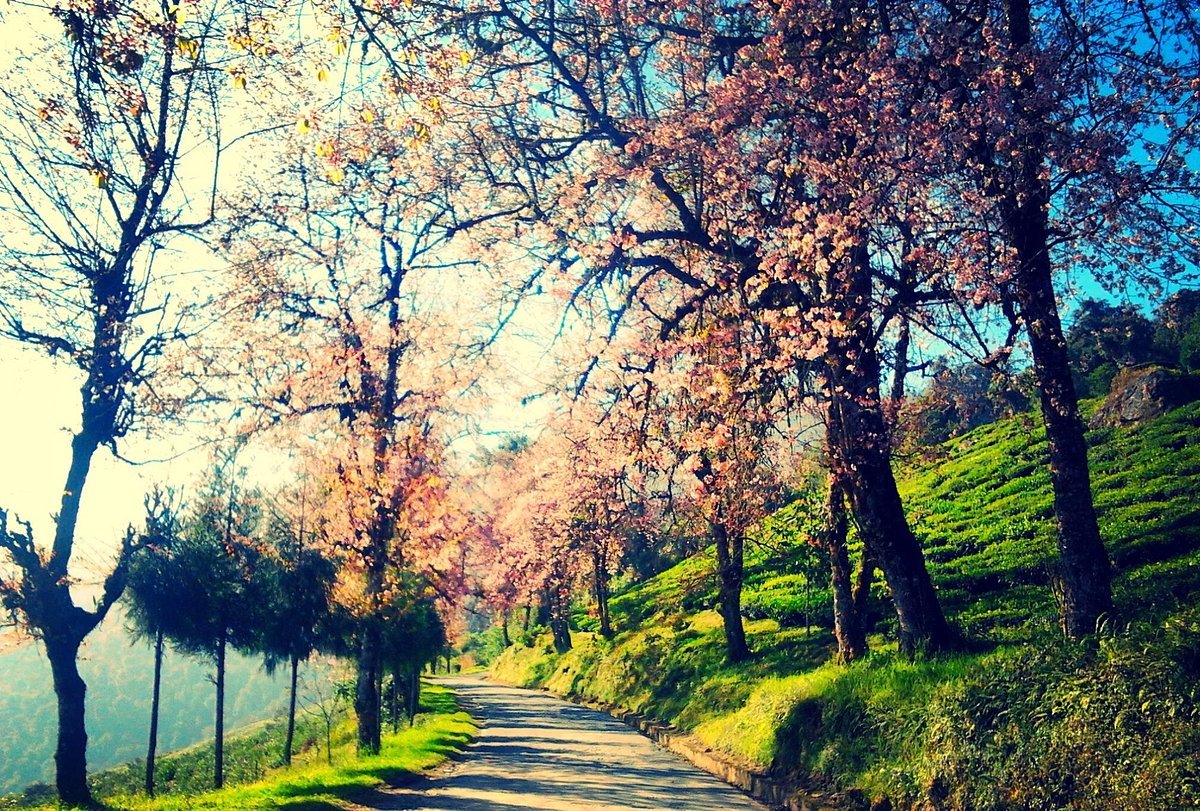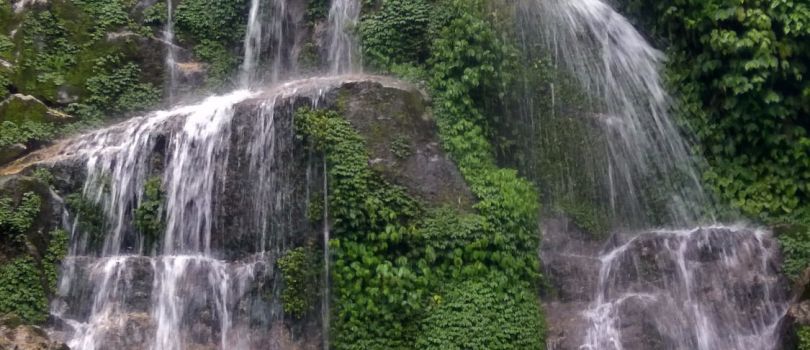
"Discover nature's beauty in serene waterfalls."
Banjhakri Falls is one of the most popular and scenic tourist attractions in Gangtok, Sikkim. Surrounded by lush green forests, landscaped gardens, and traditional cultural sculptures, this beautiful waterfall is not just a natural wonder but also a cultural heritage site that reflects the rich traditions of the Sikkimese people. It is an ideal destination for nature lovers, photographers, families, and anyone looking to experience peace away from the busy city life.
Overview of Banjhakri Falls
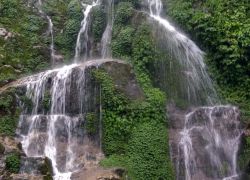
Located around 7–8 km from central Gangtok, Banjhakri Falls is a 100-foot waterfall set in a beautifully designed eco-park. The word “Banjhakri” refers to traditional shamans of the Lepcha and Bhutia communities, and the park is designed to showcase their spiritual and cultural significance. The site combines natural beauty with mythological storytelling, making it both educational and visually appealing.
The waterfall flows into a natural pool surrounded by stone pathways, sculptures, and landscaped gardens. The entire park is designed to give visitors a sense of harmony between nature and traditional Sikkimese culture.
Why Banjhakri Falls is Famous
Banjhakri Falls is famous for several reasons. First, its natural beauty attracts thousands of tourists every year. The cascading water falling from a height of around 100 feet creates a refreshing mist and peaceful atmosphere. Second, the park surrounding the falls showcases traditional Sikkimese mythology, especially the story of the Banjhakri (shaman healer) and Banjhakrini.
It is also known for its artistic sculptures representing ancient tribal rituals, healing practices, and spiritual traditions. This combination of nature and culture makes it one of the most unique attractions in Sikkim.
History and Cultural Significance
The concept of Banjhakri Falls Eco Park was developed to preserve and promote the indigenous shamanistic traditions of Sikkim. According to local folklore, Banjhakri is a forest dweller who possesses healing powers and teaches spiritual practices to chosen individuals.
The park features statues depicting Banjhakri, Banjhakrini, and their disciples performing rituals, dances, and healing ceremonies. These sculptures are not only artistic but also serve as a cultural storytelling medium for younger generations and tourists.
This makes Banjhakri Falls more than just a tourist spot—it is a living museum of Sikkimese heritage.
Architecture and Park Design
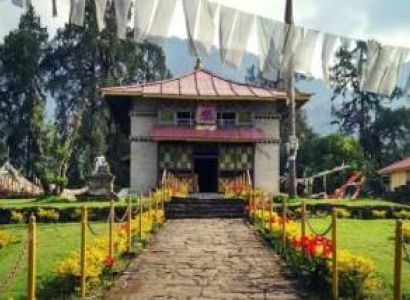
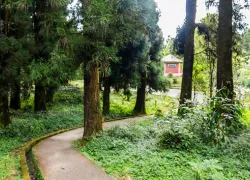
The architecture of the Banjhakri Falls Eco Park is thoughtfully designed to blend with nature. Stone pathways, wooden bridges, traditional huts, and landscaped gardens surround the waterfall. The park is built in a way that enhances the natural terrain rather than altering it.
Several man-made lakes, fountains, and resting areas are included within the park. The sculptures made from stone and fiberglass are placed strategically along walking trails to narrate cultural stories. The sound of flowing water combined with the greenery creates a calm and refreshing environment.
Things to Do at Banjhakri Falls
Visitors can enjoy a variety of activities at Banjhakri Falls. One of the most popular activities is sightseeing and photography. The waterfall and surrounding landscapes provide excellent photo opportunities.
You can also walk through the eco-park trails and explore the cultural statues that explain Sikkim’s tribal heritage. Families often enjoy picnicking in designated areas while children can explore the open spaces safely.
Adventure lovers can enjoy short hikes around the park. The natural setting also makes it a great place for relaxation and meditation. Many tourists simply sit near the waterfall to enjoy the sound of water and cool breeze.
How to Reach Banjhakri Falls
Reaching Banjhakri Falls is very easy as it is located close to Gangtok, Sikkim. The nearest major town is Gangtok city, which is well connected by road to other parts of Sikkim and neighboring states.
By road, you can hire a taxi or take a local cab from Gangtok, which takes around 15–20 minutes. Shared taxis are also available from various points in the city. The nearest airport is Pakyong Airport, and the nearest major railway station is New Jalpaiguri (NJP) in West Bengal. From there, visitors can take a taxi or bus to Gangtok and then proceed to the falls.
Weather at Banjhakri Falls
The weather in Gangtok remains pleasant for most of the year. Summers (March to June) are cool and ideal for sightseeing, with temperatures ranging between 10°C to 25°C. Monsoon (July to September) brings heavy rainfall, making the waterfall even more powerful but sometimes slippery for visitors.
Winters (October to February) are cold, with temperatures dropping significantly, but the clear skies make it a great time for photography. Overall, the best time to visit Banjhakri Falls is between March and May or October and December.
Timing and Entry Details
Banjhakri Falls Eco Park is generally open from 8:00 AM to 6:00 PM every day. The entry fee is minimal, making it an affordable tourist destination for families and solo travelers.
Visitors are advised to wear comfortable walking shoes as there is some walking involved inside the park. It is also recommended to carry water and light snacks, especially if visiting with children or elderly people.
Facts About Banjhakri Falls
- The waterfall is approximately 100 feet high. - The park covers a well-maintained eco-tourism area with landscaped gardens. - It showcases Sikkim’s traditional shamanic culture. - It is one of the most visited attractions near Gangtok. - The site is designed as both a recreational and educational space.
Tips for Visitors
When visiting Banjhakri Falls, it is best to avoid peak rainy hours due to slippery paths. Carry a light jacket as the weather near the waterfall can feel cooler. Keep your camera ready, as the scenic views are worth capturing.
Respect the cultural sculptures and avoid damaging or climbing on them. Also, try to visit early in the morning to enjoy a peaceful atmosphere with fewer crowds.
Conclusion
Banjhakri Falls in Gangtok, Sikkim is a perfect blend of nature, culture, and relaxation. Whether you are a nature lover, a photography enthusiast, or someone interested in local traditions, this destination offers something unique for everyone. With its beautiful waterfall, cultural park, and peaceful surroundings, it remains one of the must-visit attractions in Sikkim.