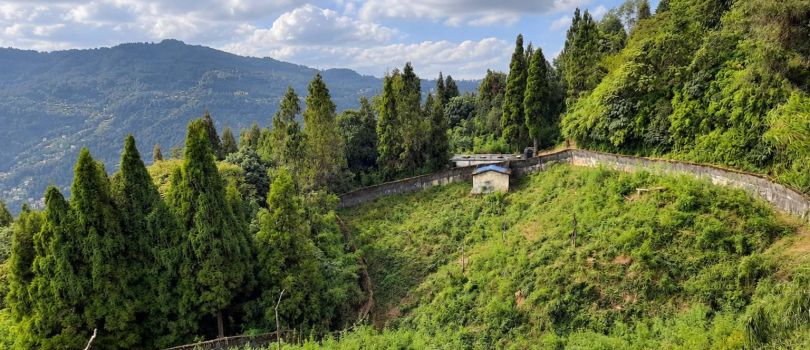
"Explore diverse wildlife in a serene setting."
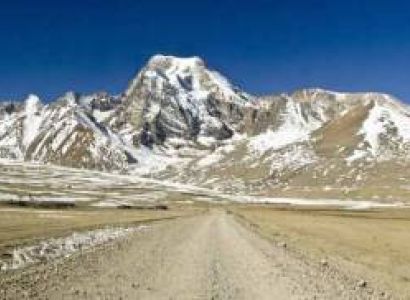
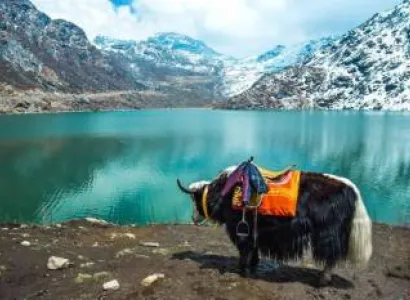
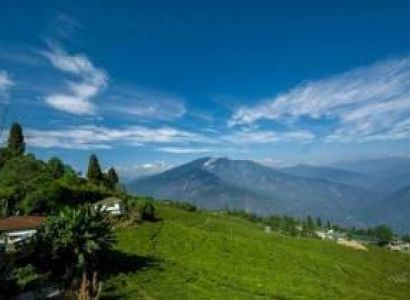
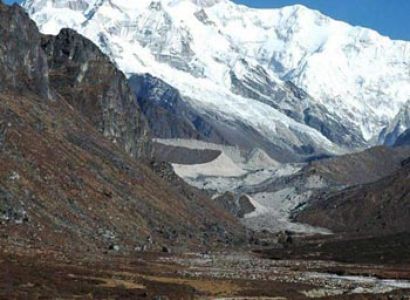
The Himalayan Zoological Park, also known as the Sikkim Zoological Park, is a must-visit place for wildlife enthusiasts and nature lovers. Located on the slopes of the Himalayan mountain range, it is home to various endangered and native species of flora and fauna. Situated near the renowned Kyongnosla Alpine Sanctuary, the park is an ideal spot for those who are interested in exploring the rich biodiversity of the region. With stunning views of the mountains, this zoological park is a great place to experience Sikkim's natural beauty and wildlife.
How to Reach Himalayan Zoological Park Zoo, Gangtok
The Himalayan Zoological Park is located around 8 kilometers from Gangtok, the capital city of Sikkim. Visitors can easily reach the zoo by hiring a taxi or using local transportation from the main town. The park is situated at an altitude of 1,780 meters, and the road leading to it offers beautiful views of the surrounding hills. The area is well-connected by roads, making it easily accessible for tourists.
Weather at Himalayan Zoological Park Zoo
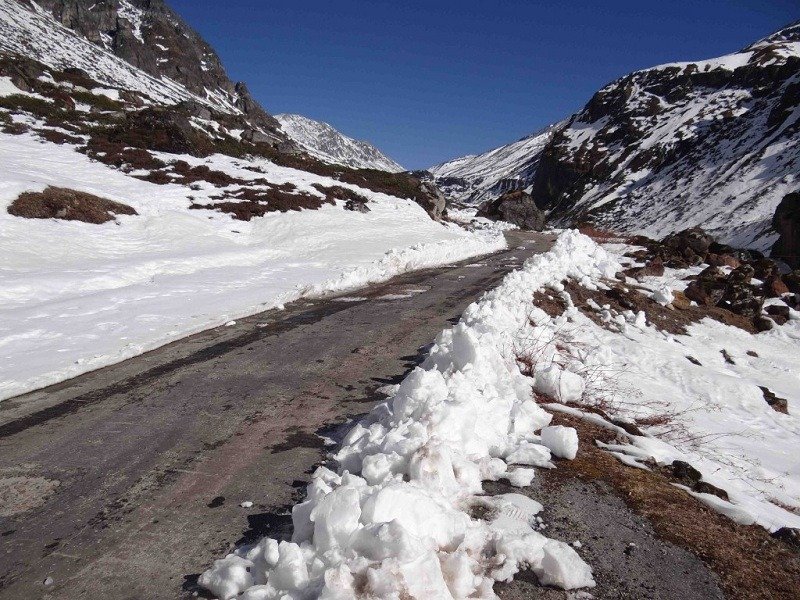
The weather at the Himalayan Zoological Park is pleasant throughout the year, making it a great place to visit in any season. In the summer months (March to June), the temperature ranges from 10°C to 20°C, making the environment cool and comfortable for exploring. During the winter months (November to February), temperatures can drop below freezing, and snowfall may occur, adding to the charm of the park. The park remains lush and green during the monsoon season (June to September), although heavy rains may make the trails slippery.
Timing to Visit Himalayan Zoological Park Zoo
The Himalayan Zoological Park is open to visitors from 9:00 AM to 4:00 PM. The best time to visit is in the morning or late afternoon, when the animals are more active, and the weather is cooler. It’s recommended to visit during the dry months of spring and autumn (March to May and September to November) for the most comfortable experience. The park may be closed or have limited access during heavy rainfall or snowfall in the winter months.
Why is Himalayan Zoological Park Zoo Famous?
The Himalayan Zoological Park is famous for its diverse collection of wildlife species native to the Himalayan region. It is one of the few zoos in India where you can see the rare and endangered Red Panda in its natural habitat. Apart from the Red Panda, the zoo is home to several other species such as the Himalayan Monal, Tibetan Wolf, Himalayan Black Bear, and various species of pheasants. The park is also known for its well-maintained environment, which mimics the natural habitat of these animals. This makes it a popular destination for nature lovers and wildlife photographers.
Entry and Visit Details
To enter the Himalayan Zoological Park, visitors are required to pay a small entry fee. The fee is used to maintain the park and its facilities. There are designated walking trails that visitors can follow to explore the zoo and its various sections. It’s advisable to take a local guide or an experienced park staff member for a guided tour, as they can provide valuable information about the animals and the park’s history. Additionally, the zoo has a well-maintained infrastructure, including resting points and refreshment stalls, to ensure that visitors have a comfortable experience.
History and Architecture of Himalayan Zoological Park
The Himalayan Zoological Park was established in 1991 with the goal of conserving the unique flora and fauna of the region. The park was set up by the Sikkim Forest Department in collaboration with other wildlife conservation organizations. It is designed in such a way that it replicates the natural habitats of the species it houses, offering the animals a place where they can thrive. The park is spread across 205 hectares of land and is part of the larger Kyongnosla Alpine Sanctuary. The architecture of the zoo includes well-maintained animal enclosures, open spaces, and green areas that are designed to offer a peaceful and natural environment for both the animals and the visitors.
Things to Do at Himalayan Zoological Park Zoo
When visiting the Himalayan Zoological Park, there are a number of activities that you can enjoy:
Facts and Tips About Himalayan Zoological Park Zoo