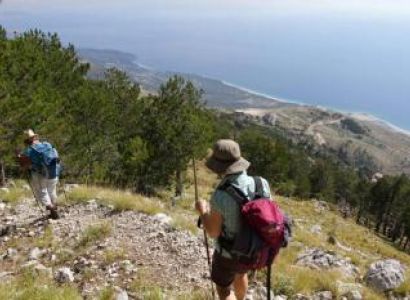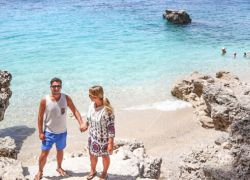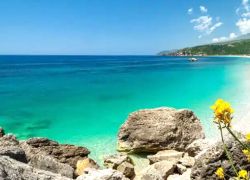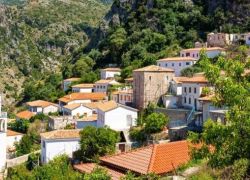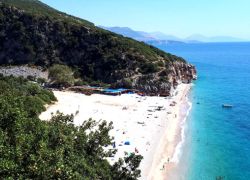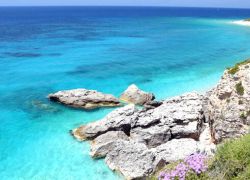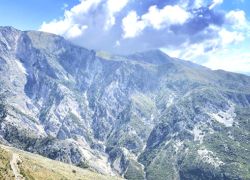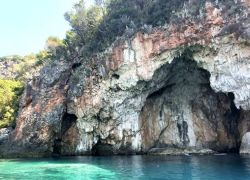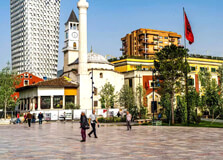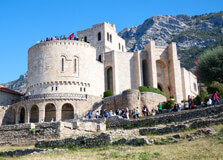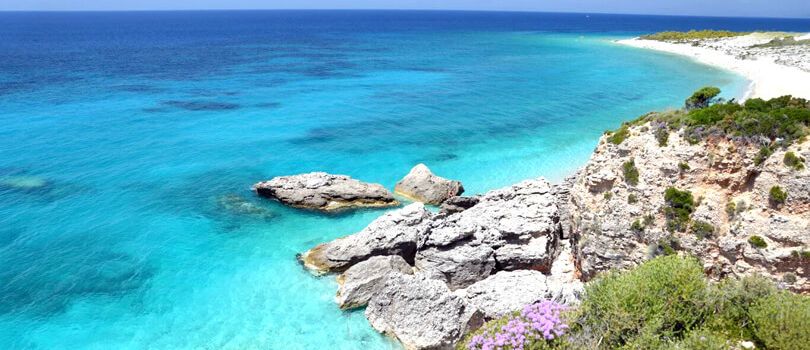
"Breathtaking views along the Albanian coastline."
The Llogara Pass is one of the most spectacular mountain passes in Albania, located near Dhermi along the famous Albanian Riviera. Sitting at an elevation of around 1,027 meters above sea level, the pass connects the coastal areas of southern Albania with the inland regions. It is best known for its breathtaking panoramic views, dramatic mountain scenery, and winding road that descends toward the turquoise Ionian Sea.
For many travelers, the Llogara Pass is not just a route but an experience in itself. As you travel through this mountain gateway, you witness a striking contrast between dense pine forests, rugged cliffs, and the deep blue sea below. It is considered one of the most scenic drives in the Balkans and a must-visit destination for nature lovers and photographers.
Why the Llogara Pass Is Famous
The Llogara Pass is famous for its stunning viewpoints overlooking the Ionian Sea and the Albanian Riviera, including the beaches of Dhermi, Himara, and beyond. The dramatic descent from the mountains to the coast offers unforgettable views, especially on clear days when the horizon seems endless.
It is also well known for being part of the Llogara National Park, a protected natural area rich in biodiversity. The pass is popular among road trip travelers, hikers, paragliders, and those seeking cooler mountain air during the hot summer months along the coast.
History of the Llogara Pass
The Llogara Pass has played an important role in Albania’s history as a natural route connecting coastal communities with inland settlements. For centuries, it was used by traders, shepherds, and travelers moving goods such as olive oil, salt, and agricultural products between regions.
During different historical periods, including Roman, Byzantine, and Ottoman times, the pass served as a strategic route for communication and movement. Though modern roads have improved access, the Llogara Pass still follows ancient pathways that reflect Albania’s long-standing connection between mountains and sea.
Natural Landscape and Architecture
The Llogara Pass is surrounded by dramatic natural landscapes rather than traditional architecture. The area is characterized by steep limestone mountains, dense pine and fir forests, and open meadows. These natural features create a refreshing environment, especially compared to the warmer coastal areas below.
Along the road, visitors will find scenic viewpoints, small roadside restaurants, and rest areas built simply to blend with the environment. These structures use stone and wood, maintaining harmony with the surrounding national park rather than dominating the landscape.
How to Reach the Llogara Pass
The Llogara Pass is located along the SH8 highway, which connects Vlora with Dhermi, Himara, and Saranda. From Dhermi, the pass is approximately 15 kilometers away and can be reached by car, motorcycle, taxi, or bus.
From Tirana, travelers usually drive to Vlora and then continue south along the SH8 road, passing through the Llogara Pass. The journey takes around four to five hours by car. Public buses traveling between Vlora and southern coastal towns also pass through the Llogara Pass, making it accessible even without private transport.
Weather and Best Time to Visit
The Llogara Pass has a cooler climate compared to the coast due to its higher elevation. Summers are mild and refreshing, with temperatures often ranging between 18°C and 25°C, while coastal areas below may experience much higher heat.
Winter can bring cold temperatures, fog, and occasional snowfall, which adds beauty but may make driving conditions challenging. The best time to visit the Llogara Pass is from April to October, when the weather is generally clear and ideal for sightseeing, hiking, and outdoor activities.
Timing and Entry Details
The Llogara Pass is open year-round, as it is part of a public highway and national park area. There are no fixed opening or closing hours, and visitors can pass through at any time of day.
There is no entry fee to drive through the Llogara Pass. However, some areas within Llogara National Park may have small parking or service fees, depending on facilities used. Most viewpoints and stops are freely accessible.
Things to Do at the Llogara Pass
One of the main activities at the Llogara Pass is enjoying the scenic viewpoints. Several stops along the road allow visitors to take photos of the Ionian coastline, mountain ridges, and forests. These viewpoints are especially popular at sunrise and sunset.
Hiking and nature walks are also popular within Llogara National Park. The area offers trails through pine forests and mountain terrain. Paragliding is another well-known activity, as the strong air currents and high viewpoints make the pass an ideal launch location for flights over the coast.
Interesting Facts About the Llogara Pass
The Llogara Pass marks the transition between northern and southern Albania in terms of landscape and climate. It is often described as the gateway to the Albanian Riviera.
The pass is home to unique wildlife, including deer, wild boar, and various bird species. Its forests are considered some of the most beautiful in southern Albania and are protected as part of the national park.
Tips for Visiting the Llogara Pass
Drivers should be cautious, as the road includes sharp turns and steep slopes. It is best to drive during daylight hours, especially for first-time visitors.
Bring warm clothing even in summer, as temperatures can be cooler at the top. Stop at designated viewpoints rather than roadside edges for safety. Respect nature by not leaving litter and staying on marked trails while hiking.
Conclusion
The Llogara Pass, near Dhermi, Albania, is a remarkable destination that combines dramatic mountain scenery with unforgettable coastal views. As both a vital route and a natural attraction, it offers travelers a unique opportunity to experience Albania’s diverse landscapes in a single journey. Whether you are driving through, stopping for views, or exploring the surrounding national park, the Llogara Pass is an essential highlight of any trip to the Albanian Riviera.