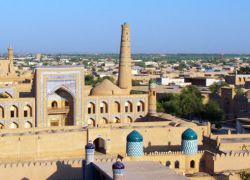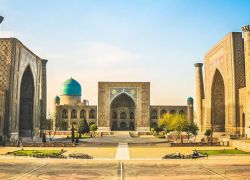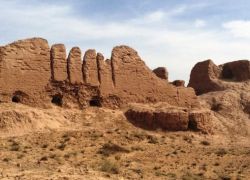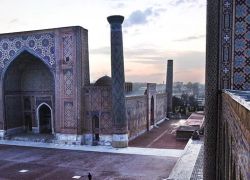
"Delve into Uzbekistan's ancient heritage."
The Urganch Archaeological Museum, located in the city of Urganch in the Khorezm region of Uzbekistan, is an essential stop for anyone interested in the ancient history and culture of the region. The museum is dedicated to preserving and showcasing the rich archaeological findings of the Khorezm region, which has a long and storied history dating back thousands of years. Urganch, being one of the key cities of the ancient Khorezm civilization, has a treasure trove of artifacts that offer insight into the region’s role in the ancient world, especially as it was a significant hub along the Silk Road.
How to Reach Urganch Archaeological Museum
The Urganch Archaeological Museum is located in the heart of Urganch, the administrative center of the Khorezm region. Urganch is well-connected by road, rail, and air, making it accessible for both domestic and international travelers. The easiest way to reach the museum is to fly into Urganch International Airport (URT), which is approximately 5 kilometers (3 miles) from the city center and offers regular domestic flights to and from Tashkent, Bukhara, and Samarkand.
From the airport, you can reach the museum by taking a taxi or a local minibus (marshrutka). If you're traveling from other parts of Uzbekistan, you can also take a train to the Urganch railway station, which is well-connected with major cities like Bukhara and Samarkand. Once in Urganch, the museum is easily accessible by a short walk or a local taxi from the city center.
Weather at Urganch
Urganch, like much of Uzbekistan, experiences a continental climate with hot summers and cold winters. The best time to visit the Urganch Archaeological Museum is during the spring (April to June) and autumn (September to November), when temperatures are more moderate, ranging from 20°C to 30°C (68°F to 86°F). These seasons are ideal for sightseeing as the weather is comfortable and the city is less crowded.
In the summer months (July and August), temperatures can soar above 40°C (104°F), which can be challenging for outdoor activities. If visiting during the summer, it's recommended to go early in the morning or later in the afternoon to avoid the extreme heat. Winter (December to February) can be cold, with temperatures often dropping below freezing, but the museum remains open throughout the year for those who can brave the chill.
Timings of the Urganch Archaeological Museum
The Urganch Archaeological Museum is typically open to visitors from 9:00 AM to 6:00 PM, seven days a week, allowing ample time for exploring its exhibits. The museum remains open during public holidays, though it’s always a good idea to confirm specific hours in advance, especially during national holidays or special events. The museum offers a quiet, educational environment, perfect for those looking to delve deep into the region’s archaeological past.
It’s recommended to visit early in the day to avoid crowds, particularly in the high tourist season. The museum’s exhibits are well-lit and organized, giving visitors enough time to appreciate the displays and learn about the area’s fascinating history.
Why Urganch Archaeological Museum is Famous
The Urganch Archaeological Museum is famous for its extensive collection of artifacts from the ancient Khorezm civilization, which flourished for over a thousand years in Central Asia. The museum houses a wide range of items dating from the 3rd millennium BCE to the Islamic period, showcasing the rich cultural heritage of the region. It offers a fascinating glimpse into the life of the people who once lived in this strategic area of the Silk Road, which acted as a crossroads for trade, culture, and ideas.
The museum is particularly known for its collection of pottery, tools, sculptures, and inscriptions found during excavations in the region. Many of these artifacts were discovered in ancient sites such as the Khorezm oasis and the nearby city of Toprak-Kala, an ancient fortress city of the Khorezmian Kingdom. These objects help to tell the story of the region’s importance as a center of trade, governance, and religion throughout history.
Entry and Visit Details about Urganch Archaeological Museum
To visit the Urganch Archaeological Museum, tourists are required to purchase an entry ticket. The cost of entry is usually around 20,000 to 30,000 Uzbek som for foreign tourists, which includes access to the museum’s main exhibits. The museum offers guided tours for an additional fee, and having a guide is recommended for visitors interested in understanding the context and history behind the exhibits. Many of the guides are fluent in English, Russian, and Uzbek, and can provide insightful information about the history of the Khorezm civilization and its significance.
In addition to the main exhibit halls, the museum also has a small gift shop selling locally made handicrafts and souvenirs, such as pottery, textiles, and replicas of ancient artifacts. The museum's grounds are spacious, and visitors can also explore the surrounding area, which is home to several other archaeological sites in the city.
History and Architecture of Urganch Archaeological Museum
The Urganch Archaeological Museum itself is an architectural gem, showcasing a blend of traditional Central Asian and Soviet-era designs. The museum building was constructed in the 1970s and features clean lines, spacious exhibition halls, and high ceilings that help display the region’s treasures in the best possible light. The exterior is modest, but the structure’s interior is well-designed to accommodate both permanent and temporary exhibits that highlight the region’s archaeological history.
The museum’s exhibits focus on the history of Khorezm, which dates back to ancient times when it was part of the early civilizations that thrived along the Amu Darya River. It served as an important cultural and economic hub for centuries, with successive kingdoms and empires, including the Khorezmian Kingdom, leaving behind a rich archaeological legacy.
Things to Do in Urganch and the Museum
In addition to exploring the Urganch Archaeological Museum, visitors can enjoy several other activities in and around Urganch:
Facts about Urganch Archaeological Museum
Tips for Visiting Urganch Archaeological Museum
In conclusion, the Urganch Archaeological Museum is a must-visit destination for those interested in the ancient history of Uzbekistan and the Khorezm region. With its fascinating collection of artifacts and its central location near other key historical sites, the museum provides a comprehensive overview of the area’s role in Central Asia’s cultural and trade networks.
Urganch