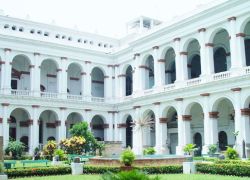
This museum was built in 1875,which was originally founded by Nathaniel Wallich, known as Jadughar, located at the corner of Sudder Street and Chowringhee Road, containing fossil skeletons of prehistoric animals, art collections, rare antiques, mummies, Armour etc. which is probably one of the best in Asia. It certainly the largest and probably the best Museum in India, and one of the best in Asia.
Explore More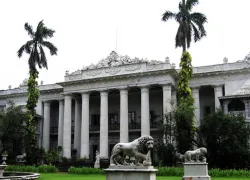
About The Marble Palace The Marble Palace is a stunning mansion that was built in 1835 by Raja Rajendra Mullick, a wealthy Bengali merchant. The palace is renowned for its opulent marble interiors, sprawling gardens, and impressive collection of art and artifacts. Timings Of Marble Palace The Marble Palace is open to visitors from 10:00 am to 4:00 pm on all days of the week except Mondays and Thursdays. Entry Fee There is no entry fee to visit the Marble Palace. However, visitors are required to obtain a visitor's pass from the security gate before entering the premises. Required Time And Restricted Items It is recommended to spend at least 1-2 hours exploring the Marble Palace and its grounds. Visitors are not allowed to carry cameras, mobile phones, or bags inside the palace. These items can be deposited at the security counter at the entrance. Architecture Of Marble Palace The Marble Palace is a fine example of Neoclassical architecture, with its grand columns, intricate marble carvings, and ornate interiors. The palace is adorned with marble statues, European paintings, and exquisite chandeliers, making it a visual treat for art lovers and history enthusiasts. Best Time To Visit The best time to visit the Marble Palace is during the winter months, from October to March, when the weather is pleasant and conducive for exploring the outdoor gardens and grounds. How To Reach The Marble Palace is located in North Kolkata, near Chorbagan. It is easily accessible by public transportation, including buses, trams, and taxis. The nearest metro station is Sovabazar Sutanuti, which is a short walk from the palace. History Of Marble Palace The Marble Palace was built in the 19th century by Raja Rajendra Mullick, a prominent Bengali merchant and art enthusiast. The palace served as a residence for the Mullick family and also as a venue for hosting lavish parties and cultural events. Inside Marble Palace The interiors of the Marble Palace are a visual delight, with marble floors, frescoed ceilings, and a vast collection of art and artifacts from around the world. The palace houses a private zoo, a collection of rare antiques, and a marble staircase that is a marvel of craftsmanship. Traveling Tips Visitors to the Marble Palace are advised to wear comfortable footwear as there is a fair amount of walking involved. It is also recommended to carry a water bottle and sunscreen, especially during the summer months. Hotels Near Marble Palace There are several hotels near the Marble Palace that offer comfortable accommodation options for visitors. Some of the hotels near the Marble Palace include The Oberoi Grand Kolkata, The Lalit Great Eastern Kolkata, and The Park Kolkata. Nearby Tourist Spots Of Marble Palace The Marble Palace is located in close proximity to several other tourist attractions in Kolkata, including the Indian Museum, Victoria Memorial, and St. Paul's Cathedral. Visitors can explore these attractions in combination with a visit to the Marble Palace to make the most of their time in the city.
Explore More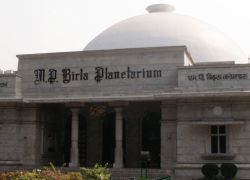
This is the largest planetarium in the World near the Government of India tourist office providing a view of the stars and the solar system. For enthusiasts of Astronomy this is a place not to be missed. One of the largest in Asia, close to the crossing of Theatre Road and Chowringhee Road, the Birla Planetarium is adjacent to the Maidan. The planetarium is a single storeyed, circular structure constructed in pure Indian architectural style. The central dome has a diameter of 27m shaped in imitation of the Buddhist Stupa at Sanchi. The central hall can accommodate 500 persons. Interesting exhibits are the fine collections of paintings, celestial models and busts of famous astronomers that line the corridors. The gigantic planetarium projector accessories comprise of 29000 parts and combine to portray on the inner ceiling of the planetarium, the naked face of space, Stars, planets and heavenly bodies.
Explore More
Housed in the former residence of the Lieutenant Governor of Bengal popularly known as Belvedere Estate, The Calcutta public library and Imperial Library amalgamated in 1903 to become National Library, which is supposed to be India's largest library. The erstwhile sprawling residence of the Lieutenant Governor of Bengal, at Belvedere, is a depiction of the Italian Renaissance style. The building that houses the National Library was originally constructed as the Vice regal House around 1700. Meant as a symbol of imperial power, it was built on a grand scale with a high arched gateway, sprawling lawns and ornate halls.
Explore More
About The Fort William Fort William is a historic fort located in the city of Kolkata, India. The fort is situated on the eastern bank of the Hooghly River and is named after King William III of England. It was built during the early 18th century by the British East India Company to protect their trading post in Bengal. Timings Of Fort William The fort is open to visitors from 10:00 am to 5:30 pm on all days of the week, except on Mondays. Entry Fee The entry fee for visiting Fort William is INR 20 for Indian citizens and INR 250 for foreign nationals. There is an additional charge for photography inside the fort. Required Time And Restricted Items It is recommended to allocate at least 2-3 hours to explore the fort and its surroundings. Visitors are not allowed to carry large bags, weapons, or sharp objects inside the fort premises. Architecture Of Fort William Fort William is an impressive structure built in the shape of an octagon with thick walls and bastions at regular intervals. The architecture reflects a mix of European and Indian styles, with intricate carvings and detailing. Best Time To Visit The best time to visit Fort William is during the winter months from November to February when the weather is pleasant and ideal for exploring the fort and its gardens. How To Reach Fort William is easily accessible by road, rail, and air. The nearest railway station is Howrah Junction, which is just a short distance away. The nearest airport is Netaji Subhas Chandra Bose International Airport, which is about 20 kilometers from the fort. History Of Fort William Fort William was built in 1781 by Robert Clive, the Governor of Bengal, to act as a stronghold for the British East India Company. It played a crucial role in the defense of Kolkata during the colonial era and witnessed several historic events such as the Battle of Plassey. Inside Fort William Inside the fort, visitors can explore the various barracks, dungeons, and cannons that have been preserved over the years. There is also a museum that showcases the history of the fort and its significance in the British colonial period. Traveling Tips It is advisable to wear comfortable footwear and carry sufficient water while visiting Fort William as there is a fair amount of walking involved. It is also recommended to hire a guide to learn more about the history and architecture of the fort. Hotels Near Fort William Some of the hotels near Fort William include The Oberoi Grand, Taj Bengal, and The Lalit Great Eastern Kolkata. These hotels offer luxurious accommodation and modern amenities for travelers visiting the fort. Nearby Tourist Spots Of Fort William There are several tourist spots near Fort William that are worth visiting, such as Victoria Memorial, Eden Gardens, and Howrah Bridge. These attractions offer a glimpse into the rich cultural heritage of Kolkata and are popular among tourists.
Explore More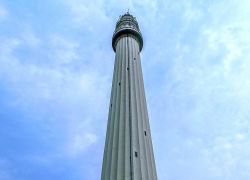
This is a 48 meter high monument, built with a unique blend of Turkish, Egyptian and Syrian architecture and is named after Sir David Ochterlony. In 1969 its name was changed to 'Shaheed Minar'. It was erected in 1828. There a fine view from the top of the column, but permission to ascend must be obtained from police headquarters.
Explore More
Sir William Jones founded this Asiatic Society in 1784 under the patronage of Warren Hastings, which is famous for collection of Indology, Literature and Scientific Research of about 20000 volumes including some 8000 rare Sanskrit, Arabic, Persian and Hindi manuscripts. The Society containing material of utmost importance publishes the Journal of The Asiatic Society of Bengal and The Proceedings. The Library contains approximately 20,000 volumes inclusive of 8,000 rare Sanskrit, Arabic, Persian and Hindi manuscript. The archaeological relics, geological and ethnological specimens whom the museum of this society possessed formed the nucleus of the Indian Museum opened in 1875. Sir William Jones founded this Society, in order to advance the study of Indology. Intended for literary and scientific research.
Explore More
Ashutosh Museum of Indian Arts
Bengali art piece collections can be seen at Ashutosh Museum of Indian Arts located within the premises of Calcutta University. Established in 1937, it is located within the premises of Calcutta University having interesting pieces of Bengal art.
Explore More
The landmark Gothic building constructed in 1872- West Bengal High court is one of the oldest located near Eden Gardens. It is the highest seat of judiciary in West Bengal. An extension was added later, retaining its architectural symmetry. Designed on Gothic lines by Walter B. Grenville, the Calcutta High Court is reminiscent of the colleges in Oxford. On the eastern side is the original sandstone courthouse.
Explore More
This is a perfect educational center for children, with a collection of models depicting Hindu epics, the Ramayana and Mahabharatha besides housing a huge library. Dedicated entirely to children, this museum is also a learning centre as the great Indian epics are depicted here in clay models. Multicoloured fish play around in an aquarium educating them about water world. The doll collection is very popular, with exhibits from 88 countries on display. There are many other interesting features, including a computer centre with games. Various events are also organised from time to time, designed to capture the imagination of kids and adolescents. A visit to the museum is a childhood experience, which cannot be missed.
Explore More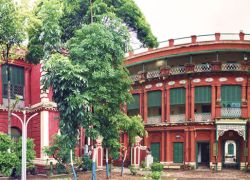
Rabindrabharati Museum has a collection of Bengal renaissance artifacts and is situated near Girish Park on Chittaranjan Avenue. The Museum concentrates on the Bengal renaissance of the nineteenth century.
Explore More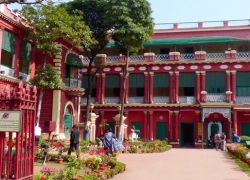
Located in North Kolkata, Jorasanko Thakur Bari is one of the most popular tourist attractions of the capital city. It was the ancestral house of the Tagore family and served as the birthplace of Rabindranath Tagore. For those who love history and want to know more about the nationalist movements in India and especially Bengal, this Thakur Bari is the place to go. One can find the life and works of Rabindranath Tagore, a number of manuscripts, books, and many other antique items. Things to Do : The Jorasanko Thakur Bari is now also known as the Rabindra Bharti Museum. The Thakur Bari has been transformed in a way by the authorities that it is now a true resemblance of the way the Tagore family lived and resided. People visit this museum to know more about the life and lifestyle of the Tagore family. It also tells a lot about the involvement that the Tagore family had in the Bengal Renaissance movement. Architecture : The museum or the Thakur Bari comprises three main galleries. The three galleries are distributed in such a way that it serves the tourists in a very comforting manner to view and experience each aspect of the house. In the first gallery, you can see the life and works of our national hero Rabindranath Tagore. In the second and third galleries, one can see the life of the Tagore family and its ancestry. History : Constructed in the 18th century, the Jorasanko Thakur Bari is one of the oldest homes in Kolkata. It was built by the Jorasanko people and is located in the northern part of Kolkata. The Sett family of Burrabazaar donated the land for this home to the grandfather of Rabindranath Tagore, Prince Dwarkanath Tagore and thus, this ancestral home was built here. The main reason why this Thakur Bari became so popular among the tourists is that it was the birthplace of the Indian nationalist and poet Mr. Rabindranath Tagore and it is this same home where he spent a majority of his childhood. Best Time to Visit : The Jorasanko Thakur Bari is located within the precincts of Rabindra Bharti University. There are many events that are organized by the university on a regular interval. On the birthday of Rabindranath Tagore, the university celebrates the Panchise Baisakh when a number of cultural programs take place. The Aban Mela is also a festival that is a great time to visit here. You can also see the Baishe Shravan program that is celebrated on the death anniversary of Rabindranath Tagore. How to Reach : Located at the Dwarakanath Tagore Lane in Jorasanko in Kolkata, the Jorasanko Thakur Bari is easily accessible as it is inside the Rabindra Bharti University Campus. There are many modes to reach the campus and thus this Thakur Bari. There are many cabs and private buses that connect the Thakur Bari to the other parts of Kolkata. The metro also offers seamless connectivity to the place. You can avoid the traffic jams by getting down at the Girish Park metro station and taking a small walk from there.
Explore MoreGangtok 3N - Lachung 2N - Pelling 2N - Darjeeling 2N Tour
10 Days/ 9 Night
Gangtok - Darjeeling - Pelling - Lachung
10 Nights 11 Days North Sikkim - Darjeeling Expedition
11 Days/ 10 Night
Gangtok - Darjeeling - Pelling - Lachung - Lachen
10 Days Sikkim - Darjeeling Himalayan Panorama Tour
10 Days/ 9 Night
Gangtok - Darjeeling - Pelling - Lachung - Lachen
Darjeeling 3N Tour
4 Days/ 3 Night
Darjeeling - Mirik
Birla Industrial & Technological Museum
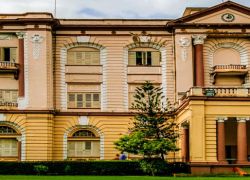
One of the prime attractions of Kolkata, Birla Industrial & Technological Museum (BITM) is the first scientific and industrial museum in the country. Located on the Gurusaday Road, this famous museum was set up and opened to the public officially on 2nd May 1959. Initially, this place was known as Birla Park and within three years it was converted into a museum. This museum is a popular tourist attraction known for its galleries and 3D shows arranged in the premises of the museum. Under the influence of Dr. B.C. Roy, Birla Park was transformed into the Birla & Technological Museum in the year 1956. At that time the entire property was handed over to Pandit Jawaharlal Nehru by G. D Birla to construct the museum. This museum is also the pioneer of the Mobile Science Exhibition (the first exhibition on wheels). With the growing chains of satellite centers, galleries, and diverse activities, BITM is now the place where science illustrates itself through means of collective and animated models. It is a wonderful and must-visit place for all the science admirers out there. History of Birla Industrial and Technological Museum, Kolkata: This museum had set up on the building that was owned by the Tagores and Meera Devi. In the original building, the fourth child of Rabindranath Tagore had spent her quality time and her childhood days. Later, this property in the year 1919 was sold to G.D. Birla by Surendranath Tagore. The building was then converted to Birla Park. The Birla Park was visited by leaders like Mahatma Gandhi, Lala Lajpat Rai, Motilal Nehru, and Pundit Madan Mohan Malaviya. It was here in Birla Park where Chiang Kai-Shek met Mahatma Gandhi. The building was rebuilt by the hired architect N. Guin and Co and was converted to what presently it is today. In the year 1956, Dr. BC Roy (the Chief Minister of West Bengal) wanted to construct a science museum in the country to help in the growth and development of industry and technology. Then Sri GD Birla handed over the property to Pandit Jawaharlal Nehru and assisted Dr. BC Roy to make his dream come true. The whole transformation of this place from the park to an amazing museum took nearly 3 years. The BITM was inaugurated by the union minister, Professor H. Kabir in the presence of Dr. BC Roy, Prof. MS Thakur, and Sri BM Birla. Galleries At Birla Industrial & Technological Museum: Birla Industrial & Technological Museum had galleries on Petroleum, Electricity, Nuclear Physics, Metallurgy of Iron, Steel & Copper, Electronics, Optics, and Television. Later, many new galleries opened up one by one such as Motive Power (in 1962), Communication (in 1963), Mining (in 1964), Popular Science (in 1965), Transport (in 1973), Underground Mock-up Coal Mine (in1983), and Atom (in 1984). But with the passing years, many of these mentioned old galleries have either been completely renovated or replaced with new galleries in keeping with the changing public expectation from Birla Industrial & Technological Museum. Now, the museum has galleries like Fascinating Physics Gallery, Transport Gallery, Motive Power Gallery, Life science Gallery, Children's Gallery, Mining Gallery, Communication Gallery, Mathematics Gallery, electronics Gallery, TV Gallery, etc. Facilities at Birla Industrial and Technological Museum: Other than various galleries there are many facilities offered to the visitors in order to enjoy the beauty of this magnificent museum. • A huge library has been built inside the museum, which comprises a variety of books, CDs, journals, and movies related to the field of Science and Technology. • There is an auditorium that is fully air-conditioned offering a seating capacity of 210 people inside the museum. • Many shows and programs are organized here for students as well as adults visiting the place. • There are an AC conference room and a large hall for showcasing a cafeteria and exhibits. • There is a mock-up underground coal mine on the museum’s premises, which was set up in the year 1983 and is famous even today. Tips For Visiting This Museum: • Visitors should maintain discipline inside the museum premises and should not touch the models kept on display without permission. • Visitors can take a combo ticket available at the museum, which includes the entry fee for the 3D show, science show, and coal mine. • There is a canteen selling snacks and drink on the top floor of the museum. Visitors can try the Bengali thali here. • The Liquid Nitrogen show organized here is one of the must-see shows in the museum. How To Reach Birla Industrial Technological Museum: As the museum is situated on Gurusaday Road of Kolkata, it can be easily reached by any public or private transportation like taxi, bus or auto-rickshaw. There is ample parking space provided at the museum. So, one can even drive down here in a private vehicle or bike. Additional Information For The Visitors: The museum is open all day in the week from 9.30 am to 6 pm. It is open even on Sundays and other holidays except on Doljatra and Kalipuja. The entry fee for the museum- • General- Rs 30/- • Group of 25 people or more- Rs 25/- • School groups- Rs 20/- • Government School groups- Rs 10
Explore More
Located in the heart of Kolkata in West Bengal, the Victoria Memorial is one of the major historical and heritage sites of India. Constructed with sparkling white marble this structure attracts hordes of tourists from all over the world. This memorial was built in the memory of Queen Victoria to celebrate her 25 years of rule over India. This famous structure is a replica of the Victoria Memorial in London. The Victoria Memorial is encircled by beautiful, lush green and well-maintained gardens containing plenty of statues and sculptures in it. There is a sixteen-foot tall bronze statue of victory that is mounted on ball bearings at the top of the Victoria Memorial. This statue serves to intensify the overall grandeur and appeal of the whole complex. This memorial of Queen Victoria is stunning and astonishing, especially at night, when it is lighted. The light and sound show that held in the evening is a must-watch and is an added delight. Overall, this amazing place is a must-visit for those who wish to remind the essence of the Victorian Era. History Of Victoria Memorial: Queen Victoria had become the figurehead of the country after the Revolt of 1857 and successfully controlled India until her death in 1901. The Memorial is one of the landmarks in the history of Indian architecture. All the credit goes to Lord Curzon who was the Viceroy of India then. In the year 1901, he placed the proposal of setting up a stately memorial for Queen Victoria, on her death. Lord Curzon gave the charge to Sir William Emerson (President of the British Institute of Architects) to design the structure and assigned the construction work to the famous company Messrs. Martin & Co. of Calcutta. The foundation stone had laid by the Prince of Wales, King George V on January 4, 1906. The memorial was formally opened to the public in 1921. Architecture Of Victoria Memorial: The chief architect of the Victoria Memorial, William Emerson has thoughtfully given an Indo-Saracenic style of architecture to the structure, while etching or drawing inspiration from Venetian, Egyptian, Mughal and other Islamic styles at the same time. The memorial is a 184 feet high building that is built with white color Makrana Marble that was brought from Jodhpur, Rajasthan. The huge gardens that surround the memorial, and sprawled over 64 acres, were designed and planned by botanist Lord Redesdale and Sir David Prain. Presently, the gardens are maintained by many gardeners and are a favorite destination for morning walkers. The gardens of the Memorial are home to numerous sculptures. There is a bronze statue of Queen Victoria on a bronze throne that welcomes the visitor at the entrance of the memorial. While a walk around the garden visitors can come across other statues of Curzon, Edward VII, Hastings, and Dalhousie. Timing And Entry Ticket For Victoria Memorial: • Victoria Memorial Gallery- The visiting time of this gallery is from 10 am to 5 pm. It is opened from Tuesday to Sunday. The entrance fee for Indians is Rs. 20/-, while for foreigners, the entry fee is Rs. 200/-. Students with school uniforms up to class 7th and army personnel do not need to pay any entry fee. • Gardens In Victoria Memorial- The gardens in Victoria Memorial are opened every day from 5:30 am to 6:15 pm, while the entry fee per person is Rs10, the yearly fee for senior citizens above 60-year-old is Rs.1000 and Rs.2000 for others. Galleries And Exhibitions Held In Victoria Memorial: There are over 25 galleries in Victoria Memorial including the Royal Gallery, the Sculpture Gallery, National Leaders Gallery, the Portrait Gallery, the Calcutta Gallery, and the Central Hall. The Memorial has an excellent and worthy collection of works of rare and antique books. The collection includes the adorned works of Shakespeare, the Arabian Nights and other books on dance and music. The memorial is undoubtedly a treasure trove of remarkable and noteworthy collections of weapons, paintings, textiles, artifacts, stamps, etc. A variety of informative exhibitions takes place at Victoria Memorial, along with many other events such as the celebration of important days and illustrated talks. Light & Sound Show In Victoria Memorial: Victoria Memorial arranges a light and sound show called Son-et-Lumiere from the month of October to June. This show does not showcase on Mondays, national holidays, Holi and other holidays. This show remains closed from the month of July to September. The show held in both Bengali and English. Tickets Of This show: Rs. 10 (Bengali), Rs.20 (English) Timings Of This Show: • From October to February: 6:15 pm - 7:00 pm (Bengali), 7:15 pm - 8:00 pm (English). • From March to June: 6:45 PM - 7:30 PM (Bengali), 7:45 PM - 8:30 PM (English) Tips For Visiting Here: • Photography is not allowed inside the main building of Victoria Memorial. • People, who are not interested in visiting the galleries, can take the ticket to visit the gardens here. The details for it can be enquired at the ticket counter. • There are many carriages available at the entrance of the Memorial for the visitors to enjoy a ride near the place. How To Reach Here: The Memorial can be easily reachable by all means of transport. Visitors can visit the place by bus, taxi, or an auto-rickshaw. For the Metro passengers, Maidan Metro and Rabindra Sadan Metro stations are the nearest Metro stations. Ferries are a quick and cheap alternative here and regularly taken from Princep Ghat and Bindan Ghat to reach the memorial.
Explore More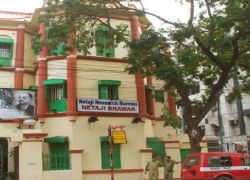
Netaji Bhawan once served as home to the renowned Indian nationalist - Subhas Chandra Bose. In 1961, this house was reconstructed and converted into a biographical museum by Netaji Research Bureau. The museum is a magnificently structured biographical museum, devoted to the life of Netaji. The museum displays stuff collected from across the globe related to Netaji. The Netaji Bhawan in Kolkata is unique and splendid in its way. It offers a good understanding of the visitors about the challenging life and career of an outstanding personality, like Netaji. Stocked with a wide collection of items related to Netaji, this museum has attracted and continues to attract countless visitors from different parts of the country and the world. History behind Netaji Bhawan is the inherited home of Netaji Subhas Chandra Bose. He was a great patriot of the freedom movement in India. His deeds and preaching have taught a lot to the new generation. To restore its prominence, his house has been preserved. It was the residence of Netaji during his childhood. This memorial hall has been pleasingly restored and preserved by the Kolkata Municipal Corporation. Netaji Bhawan is the center of the Netaji Research Bureau. It also lines up a museum, which showcases the life and time of Subhas Chandra Bose and the set of steps, which Netaji used for his secret disappearance from this house. The car is also there that was used by him at that time and is also on display. This is the inherited house of Netaji Subhas Chandra Bose. It was built in 1909 by his father Janakinath Bose. Netaji lived in this house during the Indian freedom movement and this house was the center of political activities for freedom fighters. Netaji’s study and bedroom are preserved inside this house in original conditions. The site has enormous historical importance and worth a visit. The architecture of Netaji Bhawan From outside, Netaji Bhawan appears like a typical Bengali house with tall pillars and spacious porticoes. At the entrance, there is a marble plaque that bears the name of Netajis father- J. N. Bose. The main portico of the building has a replica of the imperial INA Memorial with the motto Ittefaq, Itmad, Kurbani imprinted on it. Netajis belongings and bedroom on the first floor, Janakinaths large bedstead, and the articles and furniture used by Sarat Chandra Bose are preserved in their original condition. What does this museum include? It includes everything from • Photographs to documents and articles, • From a student at Cambridge to being a Swarajist, • Sojourn in Europe, • Visits to the Andaman Islands and • Prisoner at Mandalay Everything related to Netajis life and works, every important phase of Subhass life, has been arranged in chronological order. There has been depicted through pictures at the museum. Postage stamps, Azad Hind journals, Hindi translations of German military texts are some of the museums proud possessions. Netaji Bhawan houses a library named Freedom Library, whose shelves are filled with Sarat Chandra Boses marvellous collection of books. Besides books, this library has periodicals and documents from the entire freedom movement of India. One of the main highlights of Netaji Bhawan is the newly built auditorium called Sarat Bose Hall that can easily house 115 people. Special film-shows on Netaji and documentaries on the Indian struggle for freedom are shown in this auditorium. Academic meetings, as well as domestic and international conferences, are being conducted within an air-conditioned conference room there. Location of Netaji Bhawan at Kolkata Netaji Bhawan is located at Lala Lajpat Rai Sarani, earlier known as Elgin Road in Kolkata. Best time to visit Netaji Bhawan During the birthday week of Netaji in January, Netaji Bhavan experiences a huge footfall of several visitors. A nice celebration also takes place during this time with several cultural activities. Interesting facts about Netaji Bhawan 1. Netaji Research Bureau established the Netaji Museum in the Netaji Bhawan of Kolkata in 1961. 2. The Netaji Museum is unique and splendid in its way and it displays all the remnants belonging to Netaji in an orderly way. 3. Sarat Chandra Bose contributed this ancestral house for the service of the nation on 23rd January 1947. 4. Post Second World War, Mahatma Gandhi and Jawaharlal Nehru visited Netaji Bhavan. Off late in 2007, Shinzo Abe, Prime Minister of Japan also visited the place. 5. There exists also a gallery depicting Azad Hind Movement in Europe and East Asia and it also showcases vital documents related to the event. Other historical museums 1. Indian museums 2. Swami vivekanand’s ancestral house 3. Rabindra bharati university museum 4. Kolkata tram museum Smaranika 5. RBI museum 6. Rabindra Tirtha 7. Kolkata Police Museum 8. State Archaeological museum
Explore More
Himalayan Tibet Museum is a newly inaugurated museum in Darjeeling that was built in the year 2015. It was built by Tibetan guru Gurung Tulku Nima Hoiser Rinpoche to mark the 80th birthday of H.H Dalai Lama. It is a must-see site in Darjeeling, especially for the ones that wish to gather knowledge about the Tibetan Buddhism from the core. It Is Known For:-1) This museum was constructed to bring out the true facts about the China-occupied-Tibet. The local Tibetan community claims that the Chinese molded the real facts in their own way and presented in front of the world 2) Unlike other Tibetan museums that focus on the religious aspects of Tibetans, this museum throws light on their history and culture3) This museum is a place that houses priceless Buddhist artifacts and sculptures4) H.H Dalai Lama has himself donated a lot of artifacts to this museum Best Time To Visit:-Himalayan Tibet Museum can be visited throughout the year. There is no special time or a period for paying a visit to this amazing museum. This place sees a huge footfall throughout the year. The entry for this museum is paid. Reaching There:-Due to its location in the heart of the city, Himalayan Tibet Museum is well-connected by the roadways and railways. It makes convenient for the visitors to reach the museum without any hassle. To reach the museum, one can hire the service of the local bus or taxi. Nearest Railway Station- Darjeeling Railway StationNearest Airport- Bagdogra Airport
Explore More
Standing in the vicinity of Lloyd's Botanical Garden, Bengal Natural History Museum is a famous travel attraction. It is a great place for learning about nature, avifauna, and the insects. Initially, this museum housed the taxidermies of the birds and models of the different species of the butterfly. Gradually, numerous other things were added here like the models of reptiles & amphibians, stuffed animals, and birds. At present, it has emerged as a famous site in Darjeeling. It Is Known For:-1) Bengal Natural History Museum is well-known for its beautiful location in the botanical garden of Darjeeling2) Interestingly, the present-day building of the museum was constructed with a cost of 55,000 INR in the year 19153) Today, Bengal Natural History Museum displays a wider variety of birds, reptiles, amphibians, and animals4) One section of the museum also displays the different-sized eggs of the birds Best Time To Visit:-Bengal Natural History Museum is a famous place of interest and is visited by a large number of tourists, including students. Being a popular attraction, it welcomes a large number of tourists throughout the year. By paying a minimal entry fee, one can enter the premises of the museum. Reaching There:-There lays no hassle for reaching Bengal Natural History Museum. It is located within Lloyd's Botanical Garden that is a famous site of interest. Due to its location, it has a vast web of the roadways that make it convenient to reach it. Different buses and taxis are available for commuting to & from the museum. Nearest Railway Station- New Jalpaiguri Railway StationNearest Airport- Bagdogra Airport
Explore More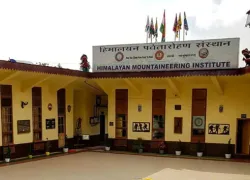
Himalayan Mountaineering Institute
The Himalayan Mountaineering Institute (HMI) in Darjeeling, West Bengal, is one of India’s premier institutes dedicated to the training and education of mountaineers. Founded in 1954, the HMI has played a significant role in shaping the mountaineering landscape in India and around the world. The institute is not only known for its exceptional training facilities but also for its rich history and connection to India’s mountaineering achievements. Visitors to Darjeeling can explore the institute, learn about the history of Indian mountaineering, and witness the display of memorabilia from famous expeditions, including those to Mount Everest. How to Reach Himalayan Mountaineering Institute, Darjeeling The Himalayan Mountaineering Institute is located in Darjeeling, a picturesque hill station in the northeastern part of India. The nearest airport is in Bagdogra, about 70 kilometers from Darjeeling. From Bagdogra, visitors can take a taxi or a private car to reach Darjeeling, which takes around 3 hours. Darjeeling is also well connected by road and rail. The nearest railway station is New Jalpaiguri, about 88 kilometers away, and there are direct train services to and from major cities in India. Once in Darjeeling, the HMI is located at the foot of the famous Kanchenjunga mountain, and it is easily accessible by taxi or on foot from the main town center. Weather at Himalayan Mountaineering Institute The weather in Darjeeling is typically cool and pleasant throughout the year, making it an ideal destination for tourists and mountaineering enthusiasts. The summer months (March to June) have mild temperatures ranging from 10°C to 25°C, which is perfect for outdoor activities. The monsoon season (June to September) brings heavy rainfall, which can sometimes cause disruptions, but the lush green surroundings make it a beautiful time to visit if you enjoy the rainy atmosphere. Winter (November to February) can be quite cold, with temperatures sometimes dipping below freezing, and visitors may even experience snowfall, adding to the beauty of the landscape. The best time to visit the Himalayan Mountaineering Institute is during the spring (March to May) and autumn (September to November), when the weather is pleasant and the views of the surrounding mountains are clear. Timing to Visit Himalayan Mountaineering Institute The Himalayan Mountaineering Institute is open to visitors every day from 9:00 AM to 4:00 PM. It’s recommended to visit the institute in the early morning or late afternoon to avoid crowds and enjoy a more peaceful experience. The institute can get busy during peak tourist season (April to June and September to December), so planning your visit during off-peak months may offer a more relaxed experience. The institute’s museum and other sections are generally open throughout the day, allowing visitors to explore at their own pace. Why is Himalayan Mountaineering Institute Famous? The Himalayan Mountaineering Institute is famous for its role in promoting mountaineering in India and for training several generations of mountaineers who have scaled some of the world’s highest peaks. It is particularly known for its connection to the first successful Indian Everest expedition in 1965, where Tenzing Norgay and Sir Edmund Hillary became the first people to summit Mount Everest. The institute houses the Tenzing Norgay Memorial Hall, which is dedicated to the legendary mountaineer. The HMI has trained thousands of climbers, both Indian and international, and has contributed significantly to the development of mountaineering as a sport and profession in India. Entry and Visit Details Entry to the Himalayan Mountaineering Institute is typically free for the general public, but there may be a nominal fee for specific sections like the museum or special exhibitions. Visitors can explore the museum, the Tenzing Norgay Memorial Hall, and various display areas that showcase the history of mountaineering and famous expeditions. The HMI also conducts mountaineering training programs, and it’s possible to sign up for short-term or long-term courses depending on your interests. The museum features a variety of exhibits, including old mountaineering equipment, photographs, and the memorabilia of famous climbers. It’s a great place for anyone interested in mountaineering history and the legacy of Indian mountaineers. History and Architecture of Himalayan Mountaineering Institute The Himalayan Mountaineering Institute was founded in 1954 by the Government of India with the aim of developing mountaineering as a sport and training Indian climbers for high-altitude expeditions. The HMI was set up with the support of Tenzing Norgay, who played a key role in its establishment. The institute’s architecture reflects the blend of traditional and modern styles, with buildings that are designed to fit harmoniously into the mountainous landscape. The main structure of the HMI is well-integrated into the natural surroundings, offering stunning views of the Kanchenjunga peak. The institute has several training areas, classrooms, and equipment stores designed for practical and theoretical learning. The museum, which is housed in a separate section, is a popular attraction for visitors, offering insight into the history and evolution of mountaineering in India and around the world. Things to Do at Himalayan Mountaineering Institute When visiting the Himalayan Mountaineering Institute, there are a variety of activities to enjoy: Explore the Museum: Visit the museum to view exhibits related to mountaineering, including photographs, equipment, and personal memorabilia of famous climbers like Tenzing Norgay. Learn about Mountaineering: The institute offers short courses and workshops on mountaineering techniques, making it a great opportunity to learn about the sport. Visit the Tenzing Norgay Memorial Hall: Pay homage to Tenzing Norgay, the legendary mountaineer who conquered Mount Everest alongside Sir Edmund Hillary, by visiting the memorial hall dedicated to his achievements. Participate in Mountaineering Training: If you're keen on learning more about mountaineering, you can sign up for training programs offered by the institute, ranging from basic to advanced courses. Enjoy the View: Take a walk around the institute’s premises to enjoy the spectacular views of Kanchenjunga and the surrounding Himalayan ranges. Facts and Tips About Himalayan Mountaineering Institute Best Time to Visit: The best time to visit is between March and June or September and November when the weather is clear and pleasant. Carry Warm Clothing: Even in the summer, the weather can be cool in Darjeeling, so make sure to carry a light jacket or sweater. Don’t Miss the Museum: The museum is one of the highlights of the HMI, with fascinating displays about the history of mountaineering and significant expeditions. Engage with the Staff: The staff at the HMI are experienced mountaineers, and talking to them can provide valuable insights into the sport of mountaineering and its evolution in India. Check for Training Schedules: If you are interested in mountaineering, you can check the HMI’s schedule for any ongoing training programs or events that might coincide with your visit.
Explore More
A planetarium is a place where you can have devices that can let you see the movements and locations of the planets and stars. The roof of the building of a planetarium is usually shaped like a dome. The reason is that the dome opens up easily and the visitors get a chance to see the planets, stars, sun, and moon closely. One of the most famous planetariums in India is Meghnad Saha Planetarium in Bardhaman. You can also get to watch interesting astronomical and educational shows. One can learn a lot in a planetarium. It is especially useful for children who are learning astronomy in their school. Throughout the year, the plethora of schools and kindergartens organize picnics for the students to the planetariums for uplifting their knowledge. Timings- You can visit the Meghnad Saha planetarium from 10 am to 4.30 pm at all times. What to expect in Meghnad Saha Planetarium? A planetarium has different types of shows and pictures of various planets and stars with interactive information for its audience. With the help of these shows and pictures, you can learn a lot. This planetarium also has domes where a huge telescope is placed for the audience for them to enjoy the sky, especially at night. However, this depends on when you are visiting the planetarium. If the weather is bad or its raining, planetariums close the dome as it is not possible to view the sky properly. What type of shows can you watch? The Meghnad Saha Planetarium has pre-recorded shows that are scheduled to be shown in batches on a daily basis. These shows usually talk about the stars and planets in the most educative manner. Some planetariums also have special shows based on a theme on an annual basis. For these types of shows, planetariums have presenters for their live audience. Age-Specific Shows and Displays Since a planetarium is a very interesting place to be and maybe of help for children from a certain age, many planetariums also have shows and displays for small children. They have recorded shows that talk about astronomy in a way that makes it interesting and fun for small children. You can also find some planetariums that make it easy for special needs children and senior citizens to enjoy their shows and displays. How to reach? It is convenient to reach Meghnad Saha Planetarium by bus. You can board your bus to Kestopur bus depot to reach the spot as it is the nearest one. Visit Meghnad Saha Planetarium in Bardhaman Meghnad Saha planetarium is one such planetarium in Bardhaman that you should visit with your family. It has been built in the ground of the University of Burdwan that also maintains it. It was created with the assistance of the Japanese government and had the latest instruments. It has various displays on stars, galaxies, planets, etc. that will surely keep the young ones and adults engaged and interested. The show that is put up in this planetarium talks about the birth and death of a star. It not only entertains the children but also educates them about our universe. The planetarium is located in a quiet place that helps you to enjoy the place even more.
Explore More
Welcome to Curzon Gate, a fascinating tourist attraction located in Bardhaman. This historical landmark offers a unique blend of natural beauty, biodiversity, and historical significance, making it a must-visit destination for travelers seeking a peaceful retreat amidst nature. History of Curzon Gate Curzon Gate holds a rich historical background, once serving as the former royal hunting grounds of Bardhaman. Over the years, the area has undergone significant conservation efforts to preserve its natural heritage. The park's remarkable ecological importance has earned it recognition from UNESCO as a vital sanctuary for various species. Architecture and Natural Beauty of Curzon Gate Within Curzon Gate, visitors can immerse themselves in lush wetlands, dense forests, expansive grasslands, and diverse bird habitats. The picturesque landscapes provide a serene backdrop for exploring the park's wonders, including the historic Keoladeo Temple that adds a cultural touch to the natural surroundings. Why is Curzon Gate Famous? Curzon Gate has gained popularity among birdwatchers, photographers, nature enthusiasts, and wildlife lovers due to its diverse avian population and stunning natural landscapes. The park offers a unique opportunity to witness a harmonious blend of flora and fauna in their natural habitat. How to Reach Curzon Gate Traveling to Curzon Gate is convenient, with options available by air, rail, and road. The park is easily accessible from nearby airports and railway stations, allowing visitors to plan their journey efficiently and enjoy a seamless travel experience. Weather and Best Time to Visit Curzon Gate Curzon Gate experiences varied weather conditions throughout the year, with distinct seasons of summer, monsoon, and winter. The best time to visit is during the cooler months when the weather is pleasant, providing ideal conditions for exploring the park's natural wonders. Timings of Curzon Gate Visitors can explore Curzon Gate during specified timings, with seasonal variations that may affect accessibility. It is advisable to plan your visit accordingly and check for any updates on timings to make the most of your experience at the park. Entry Fee and Visit Details Entry procedures to Curzon Gate are straightforward, with guide services available for those seeking in-depth knowledge about the park. Visitors can also opt for safari options, bicycle rentals, and utilize the various facilities provided within the park for a comfortable and enjoyable visit. Things to Do at Curzon Gate Engage in a variety of activities at Curzon Gate, including birdwatching, photography, cycling, walking trails, nature observation, and educational experiences. Immerse yourself in the tranquility of the surroundings and witness the beauty of the park's diverse ecosystem. Interesting Facts About Curzon Gate Curzon Gate is home to a remarkable array of migratory birds, showcasing the park's biodiversity and conservation efforts. The park's ecological importance extends beyond its borders, highlighting the significance of preserving such natural habitats for future generations. Travel Tips for Visiting Curzon Gate When visiting Curzon Gate, remember to dress comfortably and carry essential photography and birdwatching equipment to enhance your experience. Plan your trip during the recommended seasons and practice responsible tourism by respecting the park's rules and regulations. Conclusion In conclusion, Curzon Gate in Bardhaman offers a captivating blend of history, natural beauty, and wildlife, making it a standout destination for travelers seeking a peaceful retreat in the lap of nature. Explore the wonders of this enchanting park and create unforgettable memories amidst its serene surroundings.
Explore More
Welcome to Burdwan Rajbati, a charming tourist attraction located in Bardhaman, offering a unique blend of history, architecture, and natural beauty. This destination is a haven for birdwatchers, nature enthusiasts, and wildlife lovers, attracting visitors from far and wide. History of Burdwan Rajbati Burdwan Rajbati holds a rich historical background as it served as the former royal hunting grounds of the region. Over the years, significant conservation efforts have been made to preserve its biodiversity, leading to its recognition by UNESCO for its cultural and ecological importance. Architecture and Natural Beauty of Burdwan Rajbati The lush wetlands, dense forests, vast grasslands, and diverse bird habitats of Burdwan Rajbati offer a picturesque setting. Within the park, you can explore the historical Keoladeo Temple, adding a touch of spirituality to the natural landscapes. Why is Burdwan Rajbati Famous? Burdwan Rajbati is famous for its diverse bird species, making it a paradise for birdwatchers and photographers. The serene environment, coupled with the abundance of wildlife, makes it a popular choice for nature enthusiasts seeking an immersive experience. How to Reach Burdwan Rajbati Traveling to Burdwan Rajbati is convenient, with options available by air, rail, and road. The nearest airports and railway stations provide easy access to this captivating destination, ensuring a seamless journey for visitors. Weather and Best Time to Visit Burdwan Rajbati Throughout the year, Burdwan Rajbati experiences varying weather conditions, with distinct seasons of summer, monsoon, and winter. The best time to visit is during [mention best months], when the natural beauty of the park is at its peak. Timings of Burdwan Rajbati Visitors can explore Burdwan Rajbati during specified timings, with possible seasonal variations to consider. It is advisable to plan your visit accordingly, taking into account the operational hours and any additional information provided for a memorable experience. Entry Fee and Visit Details Upon arrival, visitors can obtain entry passes and avail guide services to enhance their exploration of Burdwan Rajbati. Safari options, bicycle rentals, and visitor facilities are available to ensure a comfortable and enjoyable visit to this nature-filled destination. Things to Do at Burdwan Rajbati Engage in popular activities such as birdwatching, photography, cycling, walking trails, and nature observation at Burdwan Rajbati. Immerse yourself in the serene surroundings, discovering the beauty of the park through various recreational and educational experiences. Interesting Facts About Burdwan Rajbati Burdwan Rajbati is home to a plethora of migratory birds, showcasing the region's rich biodiversity. The conservation achievements and ecological significance of the park highlight the importance of preserving such natural treasures for future generations to appreciate. Travel Tips for Visiting Burdwan Rajbati When planning your visit to Burdwan Rajbati, remember to pack suitable clothing, essential photography gear, and birdwatching equipment. Familiarize yourself with the best visiting seasons and practice responsible tourism to contribute positively to the preservation of this pristine environment. Conclusion In conclusion, Burdwan Rajbati in Bardhaman offers a delightful escape into nature's embrace, blending history, architecture, and biodiversity seamlessly. Whether you are a wildlife enthusiast, a photography aficionado, or a nature lover, a visit to Burdwan Rajbati promises a memorable experience that resonates with the soul.
Explore More
Welcome to Santiniketan, a charming tourist attraction located in Birbhum, known for its rich natural environment, biodiversity, and cultural significance. Santiniketan, meaning "abode of peace," is a place where nature and art harmoniously coexist, offering visitors a unique experience. History of Santiniketan Santiniketan has a rich historical background dating back to the time when it served as a former royal hunting ground. Over the years, it has transformed into a center for learning and cultural activities under the guidance of the renowned poet and Nobel laureate, Rabindranath Tagore. The conservation efforts undertaken to preserve the natural beauty of Santiniketan have earned it recognition from UNESCO as a World Heritage Site. Architecture and Natural Beauty of Santiniketan The natural beauty of Santiniketan is unparalleled, with wetlands, forests, and grasslands creating a diverse ecosystem. Bird habitats thrive in the area, making it a paradise for birdwatchers. The historical Keoladeo Temple adds to the architectural charm of the place, providing a glimpse into the rich cultural heritage of the region. Why is Santiniketan Famous? Santiniketan is famous for its serene environment that attracts birdwatchers, photographers, nature enthusiasts, and wildlife lovers from around the world. The opportunity to witness a variety of bird species in their natural habitat makes Santiniketan a must-visit destination for those seeking a peaceful retreat in the lap of nature. How to Reach Santiniketan Traveling to Santiniketan is convenient with options available by air, rail, and road. The nearest airports are located in Kolkata and Durgapur, while the closest railway station is Bolpur. A well-connected road network also makes it easily accessible by car or bus. Weather and Best Time to Visit Santiniketan Santiniketan experiences varied weather conditions throughout the year, with summers being warm, monsoons bringing rainfall, and winters being pleasantly cool. The best time to visit Santiniketan is during the winter months from October to March when the weather is ideal for exploring the outdoors. Timings of Santiniketan Santiniketan welcomes visitors throughout the year, with timings varying based on the season. It is advisable to check for any seasonal variations in timings before planning your visit to make the most of your trip. Entry Fee and Visit Details Entry to Santiniketan is subject to nominal fees, with the option of availing guide services for a more enriching experience. Safari options, bicycle rentals, and visitor facilities are available to ensure a comfortable and enjoyable visit for all guests. Things to Do at Santiniketan There are plenty of activities to indulge in at Santiniketan, including birdwatching, photography, cycling, walking trails, nature observation, and educational experiences. Immerse yourself in the beauty of the surroundings and make the most of your time exploring the diverse offerings of this picturesque destination. Interesting Facts About Santiniketan Santiniketan is home to a wide variety of migratory birds, contributing to its rich biodiversity. The conservation efforts in the area have led to significant achievements in preserving the ecological balance and promoting sustainable tourism practices, making it a model destination for responsible travel. Travel Tips for Visiting Santiniketan When visiting Santiniketan, remember to dress appropriately for the weather conditions, carry essential photography and birdwatching equipment, and plan your trip during the recommended seasons for the best experience. Practice responsible tourism by respecting the environment and local culture during your stay. Conclusion In conclusion, Santiniketan, Birbhum, stands as a testament to the beauty of nature and the importance of conservation efforts in preserving our natural heritage. A visit to Santiniketan offers a unique blend of culture, history, and biodiversity, making it a memorable destination for travelers seeking a serene getaway amidst the wonders of the natural world.
Explore More
Gangdua Dam in Bankura is a hidden gem waiting to be explored by nature lovers and wildlife enthusiasts. This picturesque destination offers a serene escape from the hustle and bustle of city life, providing a perfect blend of natural beauty and tranquility. History of Gangdua Dam The history of Gangdua Dam dates back to its origins as a former royal hunting ground. Over the years, concerted conservation efforts have transformed it into a thriving ecosystem that supports a diverse range of flora and fauna. The dam's unique biodiversity and conservation initiatives have earned it recognition on the global stage, making it a point of pride for the local community. Architecture and Natural Beauty of Gangdua Dam Gangdua Dam is renowned for its stunning wetlands, lush forests, expansive grasslands, and diverse bird habitats. The scenic landscapes provide a mesmerizing backdrop for the historical Keoladeo Temple, adding a touch of cultural richness to the natural surroundings. Why is Gangdua Dam Famous? Gangdua Dam has gained popularity among birdwatchers, photographers, nature enthusiasts, and wildlife lovers for its incredible avian diversity and serene ambiance. The opportunity to witness migratory birds up close in their natural habitat makes it a must-visit destination for those seeking a unique and enriching experience. How to Reach Gangdua Dam Traveling to Gangdua Dam is convenient, with options available by air, rail, and road. The nearest airports and railway stations provide easy access to the city of Bankura, from where visitors can embark on a short journey to reach this natural paradise. Weather and Best Time to Visit Gangdua Dam The weather at Gangdua Dam varies across seasons, offering distinct experiences during summer, monsoon, and winter. The best time to visit is during the moderate months when the climate is pleasant, allowing visitors to fully enjoy the natural beauty and wildlife sightings. Timings of Gangdua Dam Gangdua Dam welcomes visitors during specific timings, ensuring a well-organized and enjoyable experience for all. Seasonal variations may impact accessibility, so it's advisable to plan your trip accordingly to make the most of your visit. Entry Fee and Visit Details Entry procedures at Gangdua Dam are straightforward, with guide services, safari options, bicycle rentals, and visitor facilities available for a comfortable and immersive experience. These amenities enhance the overall visit, providing opportunities for exploration and discovery. Things to Do at Gangdua Dam Engage in popular activities at Gangdua Dam, such as birdwatching, photography, cycling, walking trails, nature observation, and educational experiences. These activities offer a deeper connection to the natural environment, allowing visitors to appreciate the beauty and diversity of the surroundings. Interesting Facts About Gangdua Dam Gangdua Dam is home to a plethora of migratory birds, showcasing the rich biodiversity and conservation efforts that have made it a sanctuary for avian species. The ongoing conservation achievements and ecological significance of the dam underscore its importance as a natural haven. Travel Tips for Visiting Gangdua Dam When visiting Gangdua Dam, remember to dress appropriately for the weather, carry essential photography and birdwatching equipment, and adhere to responsible tourism practices. Being mindful of visiting seasons and respecting the natural habitat ensures a memorable and sustainable travel experience. Conclusion In conclusion, Gangdua Dam in Bankura stands out as a remarkable tourist attraction that offers a harmonious blend of natural beauty, cultural heritage, and wildlife conservation. A visit to this serene destination promises a rejuvenating experience amidst the wonders of nature, making it a must-visit hotspot for travelers seeking tranquility and exploration.
Explore More
Welcome to the serene beauty of Digha Mohona Watch Point nestled in the charming city of Digha. This picturesque tourist attraction is a haven for nature lovers, offering a tranquil escape amidst stunning natural surroundings. History of Digha Mohona Watch Point The history of Digha Mohona Watch Point dates back to its establishment as a conservation area to protect the rich biodiversity of the region. Originally known for its former royal hunting grounds, the area has undergone significant conservation efforts to preserve its natural heritage. While not yet recognized by UNESCO, it stands as a testament to the importance of wildlife conservation. Architecture and Natural Beauty of Digha Mohona Watch Point Digha Mohona Watch Point boasts a diverse landscape encompassing wetlands, forests, and grasslands that provide a habitat for a wide variety of bird species. Birdwatchers are drawn to the area for its unique bird habitats, while the historical Keoladeo Temple adds a cultural touch to the natural beauty of the park. Why is Digha Mohona Watch Point Famous? Digha Mohona Watch Point has gained popularity among birdwatchers, photographers, nature enthusiasts, and wildlife lovers due to its exceptional biodiversity and scenic landscapes. The opportunity to witness a plethora of bird species in their natural habitat makes it a must-visit destination for wildlife enthusiasts. How to Reach Digha Mohona Watch Point Traveling to Digha Mohona Watch Point is convenient, with options available by air, rail, and road. The nearest airport is located in [City], while the [City] railway station serves as a major transportation hub. Visitors can easily reach the watch point via well-connected road networks. Weather and Best Time to Visit Digha Mohona Watch Point The weather at Digha Mohona Watch Point varies across summer, monsoon, and winter seasons. The best time to visit is during the cooler months when the wildlife is most active, offering ideal conditions for exploring the natural beauty of the park. Timings of Digha Mohona Watch Point Visitors can explore Digha Mohona Watch Point during designated timings, with seasonal variations that may affect accessibility. It is recommended to plan your visit accordingly to make the most of your experience at the watch point. Entry Fee and Visit Details Entry to Digha Mohona Watch Point may be subject to a nominal fee, with additional services such as guide assistance, safari options, and bicycle rentals available for visitors. The watch point also offers visitor facilities to ensure a comfortable and enjoyable experience. Things to Do at Digha Mohona Watch Point At Digha Mohona Watch Point, visitors can engage in a variety of activities such as birdwatching, photography, cycling, walking trails, and nature observation. The watch point also provides educational experiences that offer insights into the rich biodiversity of the region. Interesting Facts About Digha Mohona Watch Point Digha Mohona Watch Point is home to a diverse range of migratory birds, showcasing the region's ecological significance. Conservation efforts have led to the protection of numerous species, making it a hub for wildlife enthusiasts. The watch point's ecological importance cannot be understated. Travel Tips for Visiting Digha Mohona Watch Point When visiting Digha Mohona Watch Point, it is advisable to dress comfortably and carry essential photography and birdwatching equipment. Consider visiting during the recommended seasons to maximize your wildlife sightings and practice responsible tourism to preserve the natural beauty of the region. Conclusion In conclusion, Digha Mohona Watch Point in Digha offers a unique and enriching experience for visitors seeking to immerse themselves in the beauty of nature. With its rich biodiversity, stunning landscapes, and array of activities, the watch point is a must-visit destination for those looking to connect with the natural world.
Explore More5 Days Sikkim Darjeeling Himalayan Panorama Tour
5 Days/ 4 Night
Gangtok - Darjeeling
5 Nights - 6 Days Darjeeling - Sikkim Tour
6 Days/ 5 Night
Gangtok - Darjeeling - Pelling
6 Nights - 7 Days Sikkim - Darjeeling Tour Package
7 Days/ 6 Night
Gangtok - Darjeeling - Pelling - Zuluk
Darjeeling 2N - Gangtok 2N Tour
5 Days/ 4 Night
Gangtok - Darjeeling

Welcome to Science City in Bagdogra, a fascinating tourist attraction that offers a unique blend of science, nature, and adventure. This innovative destination is a must-visit for travelers seeking to explore the wonders of technology and the beauty of the natural environment. History of Science City Science City in Bagdogra has a rich historical background, with origins dating back to its former status as a royal hunting ground. Over the years, the area has undergone significant conservation efforts to preserve its biodiversity and cultural heritage. Science City's commitment to environmental protection and education has earned it recognition from UNESCO as a valuable natural resource. Architecture and Natural Beauty of Science City The park is renowned for its diverse natural landscapes, including wetlands, forests, and grasslands that provide habitats for a wide variety of bird species. The historical Keoladeo Temple, nestled within the park, adds a touch of ancient charm to the surroundings, making it a truly enchanting destination for visitors. Why is Science City Famous? Science City is famous for attracting birdwatchers, photographers, nature enthusiasts, and wildlife lovers from around the world. Its unique ecosystem supports a myriad of bird species, making it a paradise for birdwatching and nature photography. How to Reach Science City Traveling to Science City is convenient, with options available by air, rail, and road. The nearest airports and railway stations offer easy access to the park, ensuring that visitors can reach this natural wonder with ease. Weather and Best Time to Visit Science City The weather at Science City varies throughout the year, with distinct summer, monsoon, and winter seasons. The best time to visit is during the cooler months when the natural beauty of the park is at its peak. Timings of Science City Science City welcomes visitors at specific timings, with variations based on the season. Planning your visit accordingly ensures that you make the most of your time exploring this exceptional destination. Entry Fee and Visit Details Entry procedures at Science City are straightforward, with guide services, safari options, bicycle rentals, and visitor facilities available to enhance your experience. Exploring the park with the help of these services ensures a memorable and informative visit. Things to Do at Science City Popular activities at Science City include birdwatching, photography, cycling, walking trails, nature observation, and educational experiences. Engaging in these activities allows visitors to immerse themselves in the natural wonders of the park. Interesting Facts About Science City Science City is home to a diverse range of migratory birds and boasts impressive biodiversity. The conservation efforts undertaken within the park have contributed significantly to its ecological importance and stand as a testament to the value of preserving natural habitats. Travel Tips for Visiting Science City When visiting Science City, remember to dress appropriately, carry photography and birdwatching equipment, plan your trip during the recommended seasons, and practice responsible tourism. These tips ensure a safe and enjoyable experience while exploring this unique destination. Conclusion In conclusion, Science City in Bagdogra offers a captivating blend of science, nature, and adventure for visitors of all ages. With its historical significance, architectural beauty, and diverse wildlife, Science City stands out as a premier tourist attraction that promises a memorable and enriching experience for all who visit.
Explore More
Hooghly Imambara, located in the city of Hooghly, is a captivating tourist attraction that offers a perfect blend of history, architecture, and natural beauty. This iconic landmark has become a popular destination for travelers seeking a unique experience in West Bengal. History of Hooghly Imambara The history of Hooghly Imambara dates back to its construction in the 19th century. It served as a place of worship and a social center for the local community. The architectural marvel reflects the rich cultural heritage of the region and stands as a testimony to the bygone era of the Nawabs. Architecture and Natural Beauty of Hooghly Imambara Surrounded by lush greenery and serene landscapes, Hooghly Imambara boasts intricate architectural details that showcase the craftsmanship of yesteryears. The tranquil ambiance of the surroundings and the historical significance of the site make it a must-visit for history enthusiasts and nature lovers alike. Why is Hooghly Imambara Famous? Hooghly Imambara is renowned for its architectural splendor and spiritual significance. It attracts visitors from far and wide, including photographers, birdwatchers, and those seeking a peaceful retreat amidst nature's bounty. The site's historical and cultural importance adds to its allure, making it a cherished destination for all. How to Reach Hooghly Imambara Traveling to Hooghly Imambara is convenient, with options available by air, rail, and road. The nearest airport is located in Kolkata, while Hooghly Railway Station provides easy access by train. Road connectivity is also excellent, allowing visitors to reach the site hassle-free. Weather and Best Time to Visit Hooghly Imambara The weather at Hooghly Imambara is pleasant throughout the year, with distinct summer, monsoon, and winter seasons. The best time to visit is during the winter months when the temperature is mild, and the surroundings are at their scenic best. Timings of Hooghly Imambara Hooghly Imambara welcomes visitors at specific timings, ensuring a well-organized and enjoyable experience for all. The timings may vary seasonally, so it is advisable to check in advance before planning your visit. Entry Fee and Visit Details Entry to Hooghly Imambara is subject to nominal fees, with additional services such as guide assistance, safari options, and bicycle rentals available for a comprehensive visitor experience. The site is equipped with visitor facilities to ensure comfort and convenience for all guests. Things to Do at Hooghly Imambara Visitors to Hooghly Imambara can indulge in a variety of activities, including birdwatching, photography, cycling, walking trails, and nature observation. The site offers a range of experiences that cater to different interests, making it an ideal destination for a memorable outing. Interesting Facts About Hooghly Imambara Hooghly Imambara is home to a diverse range of migratory birds, adding to its ecological significance. The conservation efforts undertaken at the site have contributed to preserving the local biodiversity and creating a sustainable environment for both wildlife and visitors. Travel Tips for Visiting Hooghly Imambara When planning a visit to Hooghly Imambara, it is advisable to dress comfortably, carry essential photography equipment, and adhere to responsible tourism practices. Familiarizing yourself with the visiting seasons and guidelines will enhance your overall experience at this remarkable destination. Conclusion In conclusion, Hooghly Imambara in Hooghly stands as a testament to the region's cultural heritage and natural beauty. Its historical significance, architectural grandeur, and serene surroundings make it a top choice for travelers seeking an enriching and memorable experience. A visit to Hooghly Imambara promises a journey through time and nature, leaving visitors with lasting impressions of this remarkable destination.
Explore More
Welcome to Kamarpukur & Jairambati, located in Hooghly, a destination that offers a unique blend of natural beauty and historical significance attracting travelers from far and wide. History of Kamarpukur & Jairambati Steeped in history, Kamarpukur & Jairambati hold special significance as former royal hunting grounds that have now been transformed into thriving conservation areas. The park's rich heritage and efforts towards preserving wildlife have earned it recognition by UNESCO as a vital sanctuary for various species. Architecture and Natural Beauty of Kamarpukur & Jairambati The lush wetlands, dense forests, expansive grasslands, and diverse bird habitats create a picturesque landscape that mesmerizes visitors. Nestled within this natural wonder is the historic Keoladeo Temple, adding a touch of spirituality to the park's allure. Why is Kamarpukur & Jairambati Famous? Kamarpukur & Jairambati are renowned for being a haven for birdwatchers, photographers, nature enthusiasts, and wildlife lovers alike. The park's rich biodiversity and stunning vistas make it a must-visit destination for those seeking a close encounter with nature. How to Reach Kamarpukur & Jairambati Traveling to Kamarpukur & Jairambati is convenient, with options available by air, rail, and road. Nearby airports and railway stations provide easy access to the park, ensuring a seamless journey for visitors. Weather and Best Time to Visit Kamarpukur & Jairambati Throughout the year, Kamarpukur & Jairambati offer distinct experiences based on the season. While summers may be warm, the monsoon brings lush greenery, and winters offer pleasant weather, making it ideal to visit during the cooler months. Timings of Kamarpukur & Jairambati Visitors can explore Kamarpukur & Jairambati during specific timings, with variations based on the season. It is advisable to plan your visit accordingly and make the most of your time in this natural paradise. Entry Fee and Visit Details Upon entry, visitors can avail of guide services, safari options, bicycle rentals, and other facilities to enhance their park experience. These services ensure a well-rounded visit, catering to the needs of all travelers. Things to Do at Kamarpukur & Jairambati Engage in various activities such as birdwatching, photography, cycling, walking trails, and nature observation to immerse yourself in the beauty of Kamarpukur & Jairambati. Educational experiences await those keen on learning more about the park's ecosystem. Interesting Facts About Kamarpukur & Jairambati Did you know that Kamarpukur & Jairambati host a significant population of migratory birds, contributing to the park's rich biodiversity? Conservation efforts have led to remarkable achievements in preserving the ecological balance within the park. Travel Tips for Visiting Kamarpukur & Jairambati When visiting Kamarpukur & Jairambati, remember to dress appropriately, carry essential photography and birdwatching equipment, and check the best seasons for your interests. Embrace responsible tourism practices to help protect the park's natural treasures. Conclusion In conclusion, Kamarpukur & Jairambati in Hooghly offer a harmonious blend of history and nature, inviting travelers to explore its wonders and create lasting memories. Plan your visit to this enchanting destination and immerse yourself in the beauty of Kamarpukur & Jairambati.
Explore More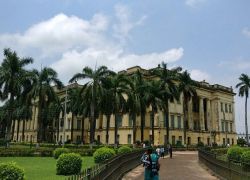
Welcome to Hazarduari Palace, located in the historic city of Murshidabad. This magnificent palace stands as a symbol of grandeur and rich history, attracting tourists from far and wide. Hazarduari Palace, also known as the Palace of a Thousand Doors, is a must-visit destination for history enthusiasts, architecture admirers, and nature lovers alike. History of Hazarduari Palace The history of Hazarduari Palace dates back to the 19th century when it was built during the reign of Nawab Nazim Humayun Jah of Bengal, Bihar, and Orissa. This grand palace served as the residence of the Nawabs of Bengal and witnessed significant historical events. Originally constructed as a symbol of power and opulence, the palace now stands as a museum showcasing a rich collection of antiquities, weapons, paintings, and rare artifacts. Architecture and Natural Beauty of Hazarduari Palace Surrounded by lush greenery and overlooking the scenic Bhagirathi River, Hazarduari Palace boasts a blend of Indo-European architectural styles. The palace complex includes beautiful gardens, fountains, and ornate gateways that add to its charm. The natural beauty of the surroundings, combined with the historical significance of the palace, creates a mesmerizing experience for visitors. Why is Hazarduari Palace Famous? Hazarduari Palace is renowned for its architectural splendor, historical importance, and cultural significance. It is a popular destination among history buffs, architecture enthusiasts, and photographers seeking to capture the grandeur of the bygone era. The palace's unique design, intricate carvings, and vast collection of artifacts make it a treasure trove of heritage and art. How to Reach Hazarduari Palace Traveling to Hazarduari Palace is convenient as it is well-connected by air, rail, and road. The nearest airport is in Kolkata, approximately 200 kilometers away, while the Murshidabad Railway Station serves as the primary rail link. Visitors can also opt for road transport via buses or taxis from nearby cities and towns to reach this historical marvel. Weather and Best Time to Visit Hazarduari Palace The weather in Murshidabad is characterized by hot summers, moderate monsoons, and cool winters. The best time to visit Hazarduari Palace is during the winter months from November to February when the weather is pleasant for exploring the palace and its surroundings. Avoiding the monsoon season is advisable due to heavy rainfall. Timings of Hazarduari Palace Hazarduari Palace welcomes visitors from [Timings]. The palace may have seasonal variations in timings, so it is recommended to check the official website or local sources for updated information before planning your visit. To make the most of your trip, consider arriving early to avoid crowds and explore the palace at your leisure. Entry Fee and Visit Details Visitors can gain entry to Hazarduari Palace by purchasing tickets at the designated counters. Guide services are available for those interested in learning more about the palace's history and significance. Additionally, visitors can opt for safari options to explore the nearby areas or rent bicycles for a leisurely ride around the palace complex. Things to Do at Hazarduari Palace At Hazarduari Palace, visitors can indulge in a variety of activities such as birdwatching in the palace gardens, capturing stunning photographs of the architectural marvel, exploring the nearby landscapes on foot, and immersing themselves in the serene environment. The palace offers a unique blend of historical exploration and natural beauty for an enriching experience. Interesting Facts About Hazarduari Palace Hazarduari Palace is not only a historical landmark but also a sanctuary for various bird species, making it a paradise for birdwatchers. The palace's conservation efforts have contributed to the preservation of local biodiversity and the promotion of eco-tourism in the region. Its UNESCO recognition underscores the significance of this heritage site in promoting cultural heritage and environmental conservation. Travel Tips for Visiting Hazarduari Palace When planning a visit to Hazarduari Palace, remember to dress comfortably for the weather conditions, carry essential photography equipment to capture the beauty of the palace, and respect the natural environment by following responsible tourism practices. It is advisable to visit during the recommended months to make the most of your experience and engage with the historical and natural wonders of the palace. Conclusion In conclusion, Hazarduari Palace in Murshidabad stands as a testament to the rich heritage and architectural brilliance of the region. With its historical significance, natural beauty, and cultural importance, Hazarduari Palace offers a memorable experience for visitors seeking to delve into the past and immerse themselves in the splendor of a bygone era. Explore this gem of [City] and discover the magic of Hazarduari Palace - a blend of history, architecture, and natural wonders.
Explore More
About The Mendabari Fort The Mendabari Fort, located in Jalpaiguri, West Bengal, is a historical site that dates back to the 18th century. This fort holds significant historical relevance and attracts tourists and history enthusiasts from all around the country. The fort is well-preserved and stands as a testimony to the architectural prowess of that era. Timings Of Mendabari Fort The Mendabari Fort is open to visitors from 10:00 AM to 5:00 PM on all days of the week. It is advised to plan your visit accordingly to make the most of your time exploring this historical marvel. Entry Fee The entry fee for Mendabari Fort is minimal, making it accessible to all visitors. The ticket prices are usually around INR 20 for Indian nationals and INR 250 for foreign tourists. Required Time And Restricted Items To explore the Mendabari Fort thoroughly, it is recommended to allocate at least 1-2 hours. Visitors are advised not to carry any food items inside the fort premises to maintain cleanliness. Additionally, smoking and littering are strictly prohibited within the fort. Architecture Of Mendabari Fort The architecture of Mendabari Fort is a blend of Mughal and British styles, showcasing intricate designs and craftsmanship. The fort comprises several structures, including the main palace, watchtowers, and surrounding walls that provide a glimpse into the past glory of this historical site. Best Time To Visit The best time to visit Mendabari Fort is during the winter months from October to March when the weather is pleasant, making it ideal for exploring the fort and its surroundings comfortably. How To Reach Mendabari Fort is easily accessible by road from Jalpaiguri town, located at a distance of approximately 15 kilometers. Visitors can hire a taxi or take a private vehicle to reach the fort conveniently. History Of Mendabari Fort The Mendabari Fort was built in the 18th century by the Koch dynasty rulers as a strategic outpost to safeguard their territory. Over the years, the fort witnessed various battles and changes in ownership before being declared a protected historical site by the government. Inside Mendabari Fort Inside the Mendabari Fort, visitors can explore the palace chambers, courtyards, and walls that depict the grandeur of the bygone era. The fort also houses a museum showcasing artifacts and relics from its historical past, offering a peek into the lives of the royals who once resided here. Traveling Tips - Wear comfortable footwear as you will be walking around the fort premises. - Carry a water bottle to stay hydrated during your visit. - Respect the historical significance of the fort and maintain its cleanliness. - Follow the rules and regulations set by the authorities for a smooth visit experience. Hotels Near Mendabari Fort 1. The Fort Heritage Hotel 2. Hotel Royal Palace 3. Hotel Fort View These hotels offer comfortable accommodation options for visitors looking to stay near Mendabari Fort and explore its surroundings conveniently. Nearby Tourist Spots Of Mendabari Fort While visiting Mendabari Fort, tourists can also explore other nearby attractions such as Gorumara National Park, Chapramari Wildlife Sanctuary, and Buxa Tiger Reserve to make the most of their trip to Jalpaiguri. Each of these spots offers a unique wildlife experience and a chance to connect with nature like never before.
Explore More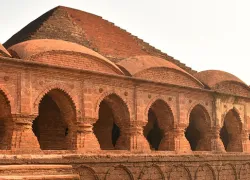
Rasmancha is one of the top-notch and highly applauded buildings in Bishnupur. Many tourists come there to witness the cultural royalty of this place. The monument was erected by Mallabhum king Hambir Malla Dev (aka Bir Hambir) in c. 1600 AD. This tourist place has its own history as wells social importance. Until recently, this was the place to celebrate Vaishnava Ras festival for entire Bishnupur. So when this festival was celebrated, Radha Krishna idols of all the temples of Bishnupur town were brought there to be watched and adored by the worshippers. It was only till 1932 that this festival was celebrated annually. Architecture: There is no denying the fact that from the architectural point of view this building is counted amidst the most unique and one of a kind temples of all the temples located in Bishnupur. This is a temple that stands on a square platform of size 24.5m X 24.5m built of Laterite blocks. Moreover, it is also to be noted here that the square foundation is 1.5m high and moreover over and above the platform, there is a brick structure of 12.5m high. In addition to this, the roof has a pyramidal summit surrounded by 'Chala' type structures. The entire ceiling is supported by 40 pillars and arches on four sides that are decorated with artwork of flowers and human figures. Best Time to Visit: May and June are big NO other than that every month is a good time to visit Rasmancha. Visitor Information: The entrance cost of Rasmancha is five rupees and other related details are stated below: • Type of Destination: Historical, Monument • Languages Spoken: Bengali • Rasmancha, Bishnupur Altitude: 51m How to Reach: Train • Bankura railway station is the nearest station (Distance: 59.53 km) Air • Panagarh Airport (Distance: 48.33 km) • Netaji Subhash Chandra Bose International Airport (Distance: 142.56 km) • Dhanbad Airport (Distance: 159.05 km) Interesting Facts: The interesting thing about the temple is that it has only a single chamber, the sanctum sanctorum, with an elongated tower, surrounded by hut shaped turrets. A passageway surrounds it and some large cannons found here date back to the Malla period. (Source) Rasmancha is the oldest brick temple and the only temple of its kind in the whole country. Rasmancha is no more a temple today, it has now been converted into a protected monument by the Archaeological Survey of India (ASI), which is making sincere maintenance efforts on this masterpiece. There are now lighting facilities and the delicate terracotta craftsmanship that is etched on each and every brick and wall of the Rasmancha is being carefully conserved. Nearby Attractions: • Terracotta Temple of Bishnupur • Lalji Temple, Bishnupur • Shyam Rai Temple, Bishnupur • Jor Bangla Temple, Bishnupur • Dalmadal Gun, Bishnupur • Siddeshwar Temple – Bahulara • Gokulchand Temple, Gokulnagar • Amarkanan and Koro Hill • Anand Park, West Bengal • Kumaramangalam Park, West Bengal • Rahreswar Shibtola, West Bengal • Garh Jungle, West Bengal FAQs And Information: • What is the best time to visit Rasmancha? May and June are big NO other than that every month is a good time to visit Rasmancha. • What is the entry fee of Rasmancha? The entry fee of rasmancha is only five rupees. • What is the common language spoken by the natives here? The common language spoken by people here is Bengali.
Explore More