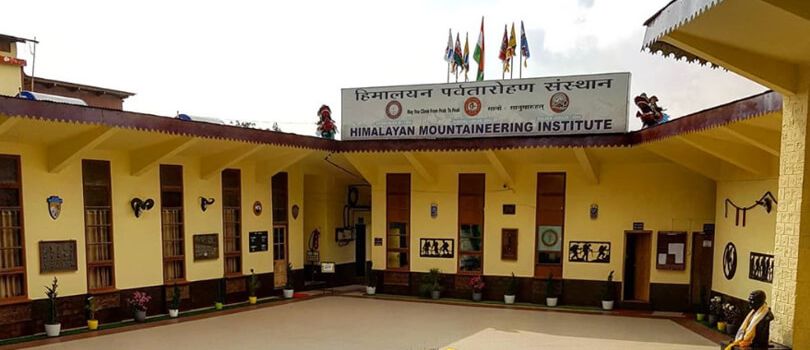
"Gateway to adventure in the majestic Himalayas"
The Himalayan Mountaineering Institute (HMI) in Darjeeling, West Bengal, is one of India’s premier institutes dedicated to the training and education of mountaineers. Founded in 1954, the HMI has played a significant role in shaping the mountaineering landscape in India and around the world. The institute is not only known for its exceptional training facilities but also for its rich history and connection to India’s mountaineering achievements. Visitors to Darjeeling can explore the institute, learn about the history of Indian mountaineering, and witness the display of memorabilia from famous expeditions, including those to Mount Everest.
How to Reach Himalayan Mountaineering Institute, Darjeeling
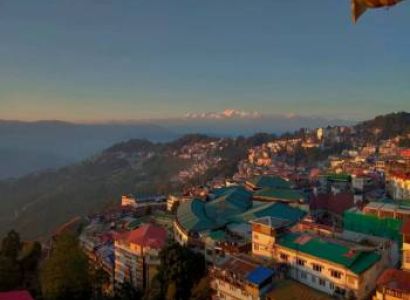
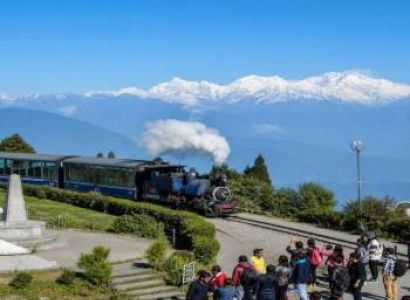
The Himalayan Mountaineering Institute is located in Darjeeling, a picturesque hill station in the northeastern part of India. The nearest airport is in Bagdogra, about 70 kilometers from Darjeeling. From Bagdogra, visitors can take a taxi or a private car to reach Darjeeling, which takes around 3 hours. Darjeeling is also well connected by road and rail. The nearest railway station is New Jalpaiguri, about 88 kilometers away, and there are direct train services to and from major cities in India. Once in Darjeeling, the HMI is located at the foot of the famous Kanchenjunga mountain, and it is easily accessible by taxi or on foot from the main town center.
Weather at Himalayan Mountaineering Institute
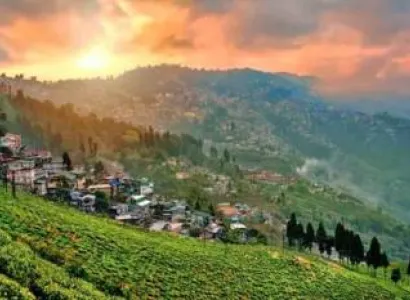
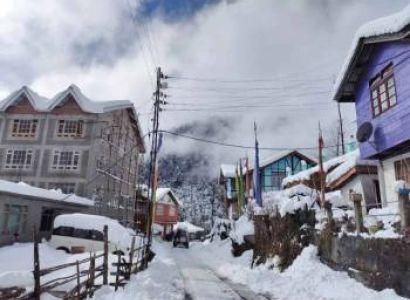
The weather in Darjeeling is typically cool and pleasant throughout the year, making it an ideal destination for tourists and mountaineering enthusiasts. The summer months (March to June) have mild temperatures ranging from 10°C to 25°C, which is perfect for outdoor activities. The monsoon season (June to September) brings heavy rainfall, which can sometimes cause disruptions, but the lush green surroundings make it a beautiful time to visit if you enjoy the rainy atmosphere. Winter (November to February) can be quite cold, with temperatures sometimes dipping below freezing, and visitors may even experience snowfall, adding to the beauty of the landscape. The best time to visit the Himalayan Mountaineering Institute is during the spring (March to May) and autumn (September to November), when the weather is pleasant and the views of the surrounding mountains are clear.
Timing to Visit Himalayan Mountaineering Institute
The Himalayan Mountaineering Institute is open to visitors every day from 9:00 AM to 4:00 PM. It’s recommended to visit the institute in the early morning or late afternoon to avoid crowds and enjoy a more peaceful experience. The institute can get busy during peak tourist season (April to June and September to December), so planning your visit during off-peak months may offer a more relaxed experience. The institute’s museum and other sections are generally open throughout the day, allowing visitors to explore at their own pace.
Why is Himalayan Mountaineering Institute Famous?
The Himalayan Mountaineering Institute is famous for its role in promoting mountaineering in India and for training several generations of mountaineers who have scaled some of the world’s highest peaks. It is particularly known for its connection to the first successful Indian Everest expedition in 1965, where Tenzing Norgay and Sir Edmund Hillary became the first people to summit Mount Everest. The institute houses the Tenzing Norgay Memorial Hall, which is dedicated to the legendary mountaineer. The HMI has trained thousands of climbers, both Indian and international, and has contributed significantly to the development of mountaineering as a sport and profession in India.
Entry and Visit Details
Entry to the Himalayan Mountaineering Institute is typically free for the general public, but there may be a nominal fee for specific sections like the museum or special exhibitions. Visitors can explore the museum, the Tenzing Norgay Memorial Hall, and various display areas that showcase the history of mountaineering and famous expeditions. The HMI also conducts mountaineering training programs, and it’s possible to sign up for short-term or long-term courses depending on your interests. The museum features a variety of exhibits, including old mountaineering equipment, photographs, and the memorabilia of famous climbers. It’s a great place for anyone interested in mountaineering history and the legacy of Indian mountaineers.
History and Architecture of Himalayan Mountaineering Institute
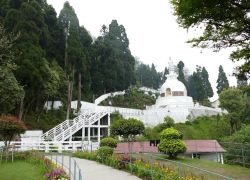
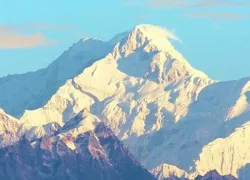
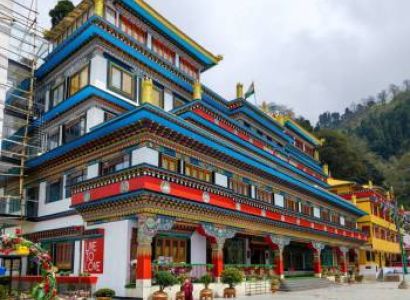
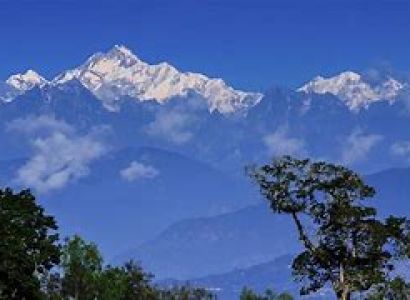
The Himalayan Mountaineering Institute was founded in 1954 by the Government of India with the aim of developing mountaineering as a sport and training Indian climbers for high-altitude expeditions. The HMI was set up with the support of Tenzing Norgay, who played a key role in its establishment. The institute’s architecture reflects the blend of traditional and modern styles, with buildings that are designed to fit harmoniously into the mountainous landscape. The main structure of the HMI is well-integrated into the natural surroundings, offering stunning views of the Kanchenjunga peak. The institute has several training areas, classrooms, and equipment stores designed for practical and theoretical learning. The museum, which is housed in a separate section, is a popular attraction for visitors, offering insight into the history and evolution of mountaineering in India and around the world.
Things to Do at Himalayan Mountaineering Institute
When visiting the Himalayan Mountaineering Institute, there are a variety of activities to enjoy:
Facts and Tips About Himalayan Mountaineering Institute







Darjeeling
Darjeeling
Darjeeling
Darjeeling
Darjeeling
Darjeeling
Darjeeling
Darjeeling