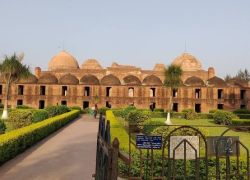
Katra Masjid in Murshidabad, West Bengal is one of the most prominent historical and architectural landmarks of the region. Constructed during the early 18th century under the rule of Nawab Murshid Quli Khan, the mosque reflects the grandeur of Mughal architecture combined with Bengali influences. Located in the heart of Murshidabad, Katra Masjid is renowned for its spacious courtyard, intricate arches, domes, and minarets. It stands not only as a place of worship but also as a testament to the rich cultural and historical heritage of Bengal. How to Reach Katra Masjid, Murshidabad, West Bengal Reaching Katra Masjid is straightforward due to Murshidabad’s connectivity by road, rail, and air: By Road: Murshidabad is approximately 250 km from Kolkata. Buses, taxis, and private vehicles provide easy access to the town. Katra Masjid is centrally located in the Katra area, making it accessible from major city landmarks and transport hubs. By Rail: Murshidabad Railway Station connects the city to Kolkata, Siliguri, and other important cities. From the station, auto-rickshaws and taxis can take visitors directly to Katra Masjid. By Air: The nearest airport is Netaji Subhas Chandra Bose International Airport in Kolkata, about 260 km away. Taxis and rental cars provide direct transportation from the airport to Murshidabad and the mosque. Weather in Murshidabad, West Bengal The climate around Katra Masjid is tropical, with hot summers, moderate winters, and a monsoon season. The best time to visit is from October to March, when temperatures range from 15°C to 28°C, making sightseeing comfortable. Summers (April to June) can be hot, with temperatures reaching 35°C or higher. The monsoon season (June to September) brings heavy rainfall, which may affect travel but enhances the greenery surrounding the mosque. Visitors should carry light, comfortable clothing, water, and sun protection for summer visits and umbrellas or raincoats during monsoon. Timings of Katra Masjid The mosque is open daily from 6:00 AM to 6:00 PM for visitors. Early morning visits are ideal for experiencing the serene atmosphere and peaceful surroundings. Afternoon visits provide optimal lighting for photography and allow tourists to explore the mosque and surrounding areas comfortably. Prayer times should be respected, and visitors are advised to avoid entering the prayer hall during congregational prayers unless participating. Why Katra Masjid is Famous Katra Masjid is famous for its architectural elegance, historical significance, and role in the cultural history of Murshidabad. Commissioned by Nawab Murshid Quli Khan, the mosque was designed to serve both as a place of worship and as a community center. Its expansive courtyard, high arches, detailed minarets, and decorative domes exemplify Mughal architectural finesse. The mosque has long been a center for religious activities, cultural gatherings, and historical tourism, attracting visitors interested in history, architecture, and spirituality. Entry and Visit Details Visiting Katra Masjid is free of charge. Visitors are expected to maintain decorum, wear modest clothing, and remove footwear before entering the prayer hall. Photography is allowed in the courtyard and external areas, but restrictions apply inside prayer spaces. Guided tours are available for those interested in learning about the mosque’s history, architectural details, and cultural significance. The mosque’s surrounding streets offer local shops and eateries, providing additional cultural experiences for tourists. History and Architecture Katra Masjid was built in 1723 under the patronage of Nawab Murshid Quli Khan, the founder of Murshidabad. The mosque’s architecture is a blend of Mughal and Bengali styles, characterized by high arches, multiple domes, intricate stucco work, and tall minarets. The central prayer hall is spacious, accommodating a large congregation. The mosque’s courtyard is expansive, allowing gatherings during religious and cultural events. Stone pathways, carved arches, and ornamental designs reflect the craftsmanship of the 18th century and showcase the mosque’s historical and artistic value. Things to Do at Katra Masjid Explore Architecture: Admire the Mughal-style domes, arches, minarets, and ornamental details. Photography: Capture panoramic views of the mosque, courtyard, and surrounding streets. Learn History: Understand the contributions of Nawab Murshid Quli Khan and the cultural heritage of Murshidabad. Observe Religious Practices: Witness daily prayers and rituals respectfully. Guided Tours: Engage with local guides to gain insights into historical, architectural, and cultural significance. Visit Nearby Sites: Explore Hazarduari Palace, Katra Imambara, and Nizamat Imambara for a complete Murshidabad heritage experience. Facts About Katra Masjid Katra Masjid is located in the Katra area, which was historically a hub of commerce and administration. Its expansive courtyard and prayer hall can accommodate thousands of worshippers. The mosque’s design reflects the skill and vision of Mughal-era artisans, while its preservation offers insight into Bengal’s Islamic heritage. It remains a living monument where religious, cultural, and historical aspects of Murshidabad converge, making it both a spiritual and tourist attraction. Tips for Visiting Katra Masjid, Murshidabad, West Bengal Dress modestly, covering shoulders and knees, out of respect for the mosque. Maintain silence within the prayer hall and during ongoing prayers. Carry water, comfortable walking shoes, and sun protection. Visit early morning or late afternoon for pleasant temperatures and fewer crowds. Hire local guides for historical and architectural insights. Combine the visit with nearby historical landmarks in Murshidabad for a complete cultural experience. In conclusion, Katra Masjid, Murshidabad, West Bengal is a historically and architecturally significant site that offers visitors a glimpse into the Mughal-era legacy of Bengal. From its intricate arches and grand domes to its serene courtyard and spiritual atmosphere, the mosque provides a memorable experience for history enthusiasts, architecture lovers, and pilgrims alike. It remains a key destination for anyone exploring the cultural richness and heritage of Murshidabad.
Explore More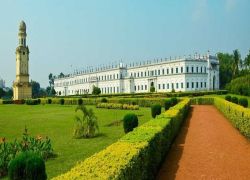
Located in the city of Murshidabad, the Nizamat Imambara stands as a significant tourist attraction in the region. This historical site not only showcases remarkable architecture but also holds cultural and religious importance for visitors. History of Nizamat Imambara The Nizamat Imambara boasts a rich historical background, originating from the former royal hunting grounds of Murshidabad. With efforts towards conservation, the site has garnered recognition from UNESCO, preserving its heritage for generations to come. Architecture and Natural Beauty of Nizamat Imambara Surrounded by wetlands, forests, and grasslands, the Nizamat Imambara offers visitors a glimpse into both historical architecture and natural beauty. The nearby Keoladeo Temple adds to the charm, making it a must-visit destination. Why is Nizamat Imambara Famous? Nizamat Imambara is renowned among birdwatchers, photographers, and nature enthusiasts due to its diverse bird habitats and picturesque landscapes. Wildlife lovers are drawn to the site for its sheer beauty and historical significance. How to Reach Nizamat Imambara Traveling to Nizamat Imambara is convenient, with options via air, rail, and road. Visitors can access the attraction through nearby airports and railway stations, ensuring a smooth journey to this historical gem. Weather and Best Time to Visit Nizamat Imambara The weather at Nizamat Imambara varies across summer, monsoon, and winter seasons. The best time to visit is during specific months when the climate is most favorable, allowing for a delightful exploration of the site. Timings of Nizamat Imambara Understanding the visitor timings and any seasonal variations is essential for planning your trip to Nizamat Imambara. This information helps in optimizing your experience and making the most of your visit. Entry Fee and Visit Details Entry procedures, guide services, safari options, bicycle rentals, and visitor facilities are all part of the experience at Nizamat Imambara. These details ensure a seamless visit, providing convenience and comfort to all guests. Things to Do at Nizamat Imambara Engage in popular activities such as birdwatching, photography, cycling, walking trails, and nature observation at Nizamat Imambara. Educational experiences await, making it an enriching visit for visitors of all ages. Interesting Facts About Nizamat Imambara Discover fascinating facts about migratory birds, biodiversity, conservation achievements, and ecological importance at Nizamat Imambara. These insights add depth to your visit, showcasing the site's significance in the natural world. Travel Tips for Visiting Nizamat Imambara When visiting Nizamat Imambara, consider practical advice on clothing, photography, birdwatching equipment, and responsible tourism practices. Understanding the visiting seasons and best practices enhances your overall experience at this renowned destination. Conclusion In conclusion, Nizamat Imambara in Murshidabad offers a unique blend of history, architecture, and natural beauty for visitors to explore. Its cultural significance, coupled with the diverse wildlife and picturesque landscapes, makes it a must-visit destination for travelers seeking an enriching experience.
Explore More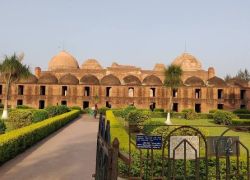
Katra Mosque in Murshidabad, West Bengal is a magnificent historical monument that reflects the grandeur of Mughal architecture and the rich cultural heritage of Bengal. Constructed in the 18th century, the mosque stands as a testament to the prosperity and architectural excellence of Murshidabad, the erstwhile capital of the Nawabs of Bengal. Renowned for its intricate design, expansive courtyard, and ornate domes, Katra Mosque attracts history enthusiasts, architecture lovers, photographers, and travelers seeking a glimpse into India’s royal past. How to Reach Katra Mosque, Murshidabad, West Bengal Reaching Katra Mosque is convenient due to Murshidabad’s accessibility by road, rail, and nearby airports: By Road: Murshidabad is approximately 250 km from Kolkata. Buses, taxis, and private cars can be used to reach Katra Mosque. The mosque is centrally located within the town, making it easily accessible from major landmarks and the bus stand. By Rail: Murshidabad Railway Station connects the city to Kolkata, Siliguri, and other major cities. Auto-rickshaws and taxis from the station can take visitors directly to the mosque. By Air: Netaji Subhas Chandra Bose International Airport in Kolkata is the nearest airport, roughly 260 km from Murshidabad. From the airport, taxis or rental vehicles provide direct access to Katra Mosque. Weather in Murshidabad, West Bengal The climate around Katra Mosque is tropical with moderate to high humidity. The best time to visit is from October to March when temperatures range from 15°C to 28°C, offering comfortable conditions for sightseeing and photography. Summers (April to June) are hot, with temperatures sometimes exceeding 35°C. The monsoon season (June to September) brings heavy rainfall, which may restrict travel but enhances the lush greenery surrounding the historical monuments. Visitors should carry comfortable clothing, umbrellas, and sun protection according to the season. Timings of Katra Mosque The mosque is generally open for visitors from 6:00 AM to 6:00 PM. Early morning visits are ideal for peaceful exploration, quiet reflection, and capturing photographs in soft lighting. Afternoon visits offer good lighting for photography and allow visitors to witness local activities around the mosque. Religious prayers are conducted at specific times, and visitors should respect ongoing rituals while exploring the premises. Why Katra Mosque is Famous Katra Mosque is famous for its architectural brilliance, historical significance, and connection to the Nawabs of Murshidabad. Built by Nawab Murshid Quli Khan, it served not only as a place of worship but also as a social and cultural hub. The mosque is renowned for its grand Mughal-style domes, intricately carved arches, large courtyard, and ornamental minarets. It is one of the largest and most significant mosques in Bengal and attracts tourists for its historical importance, design, and serene ambiance. Entry and Visit Details Visiting Katra Mosque is free for all visitors. Tourists are advised to maintain silence and dress modestly while exploring the mosque. Photography is permitted in designated areas, though it is recommended to avoid taking pictures during prayer times. Guided tours are available from local guides who can provide historical context, architectural insights, and cultural significance of the mosque. The mosque complex also has small pathways and shaded areas for relaxation and reflection. History and Architecture Katra Mosque was constructed in 1723 by Nawab Murshid Quli Khan, the founder of Murshidabad. The mosque is an outstanding example of Mughal-style architecture, featuring expansive courtyards, high arches, intricately carved walls, and multiple domes. The central prayer hall is spacious, adorned with detailed stucco work and ornamental designs. The mosque reflects the influence of Persian and Islamic architectural traditions while incorporating local Bengali elements. The Katra complex also included residential spaces and administrative offices historically, highlighting its multifunctional role in Murshidabad’s social and political life. Things to Do at Katra Mosque Explore Architecture: Admire the domes, arches, minarets, and intricate carvings of the mosque. Photography: Capture panoramic views of the mosque complex and its historical details. Historical Exploration: Learn about the life of Nawab Murshid Quli Khan and the history of Murshidabad. Reflection and Meditation: Spend time in the serene courtyard for quiet reflection. Guided Tours: Engage with local guides to gain insights into Mughal architecture and cultural significance. Visit Nearby Attractions: Explore other historical sites in Murshidabad, including Hazarduari Palace, Katra Imambara, and Nizamat Imambara. Facts About Katra Mosque The mosque is located in the Katra neighborhood of Murshidabad, which was historically a central area for commerce, administration, and religious activities. The mosque’s large central courtyard can accommodate thousands of worshippers. Its design combines Mughal symmetry with local Bengali architectural features. The mosque has survived centuries of change, maintaining its structural integrity and cultural importance. It is a key landmark that represents the rich Islamic heritage of Bengal and the legacy of the Nawabs of Murshidabad. Tips for Visiting Katra Mosque, Murshidabad, West Bengal Dress modestly, covering shoulders and knees, as a mark of respect in the mosque. Maintain silence and respect ongoing prayers and religious activities. Carry water and wear comfortable shoes for walking around the mosque and complex. Visit early morning or late afternoon for pleasant temperatures and soft lighting. Engage a local guide to understand historical, architectural, and cultural significance. Combine your visit with other nearby historical sites in Murshidabad for a comprehensive tour. In conclusion, Katra Mosque, Murshidabad, West Bengal is a historical and architectural marvel that offers visitors a glimpse into the grandeur of the Nawabs’ era. From its majestic domes and intricate carvings to its serene courtyard and spiritual atmosphere, the mosque provides an enriching experience for history enthusiasts, architecture lovers, and tourists. Its cultural and religious significance makes it a must-visit destination for anyone exploring the historical heritage of Bengal.
Explore More5 Nights - 6 Days Darjeeling - Sikkim Tour
6 Days/ 5 Night
Gangtok - Darjeeling - Pelling
6 Nights - 7 Days Sikkim - Darjeeling Tour Package
7 Days/ 6 Night
Gangtok - Darjeeling - Pelling - Zuluk
2 Nights Darjeeling - Darjeeling with Mirik
3 Days/ 2 Night
Darjeeling - Mirik - Siliguri
5 Nights - 6 Days Sikkim - Darjeeling Tour Package With Pelling
6 Days/ 5 Night
Gangtok - Darjeeling - Pelling