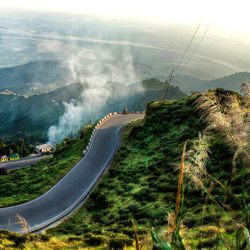
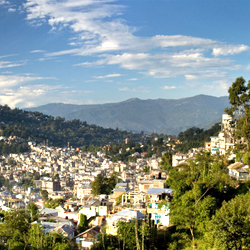
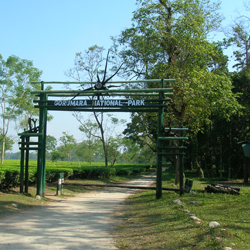
Welcome to Santiniketan, a charming tourist attraction located in Birbhum, known for its rich natural environment, biodiversity, and cultural significance. Santiniketan, meaning "abode of peace," is a place where nature and art harmoniously coexist, offering visitors a unique experience.
History of Santiniketan
Santiniketan has a rich historical background dating back to the time when it served as a former royal hunting ground. Over the years, it has transformed into a center for learning and cultural activities under the guidance of the renowned poet and Nobel laureate, Rabindranath Tagore. The conservation efforts undertaken to preserve the natural beauty of Santiniketan have earned it recognition from UNESCO as a World Heritage Site.
Architecture and Natural Beauty of Santiniketan
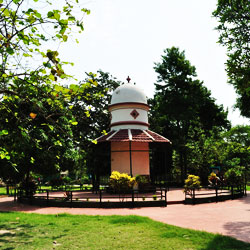
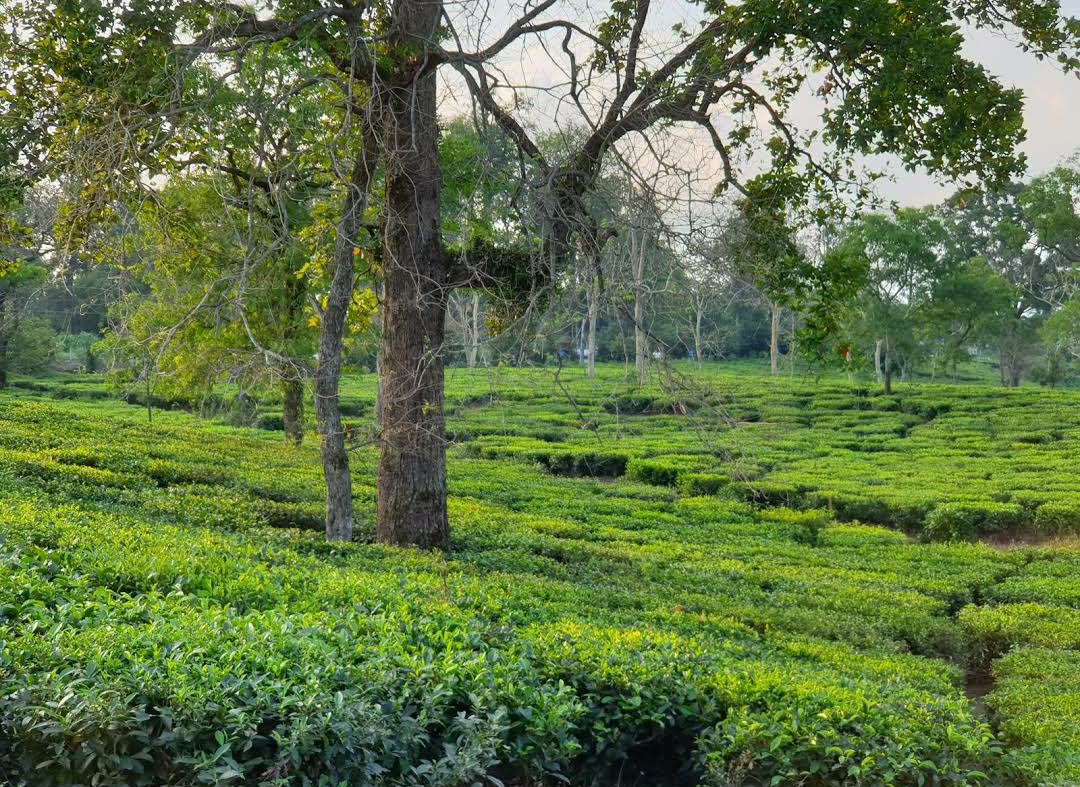
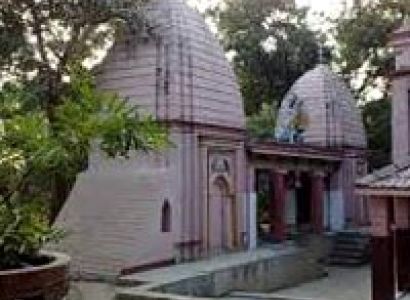
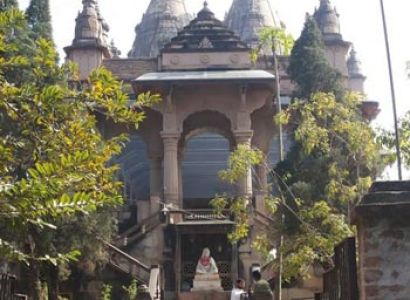
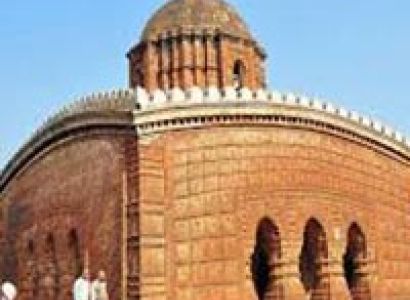
The natural beauty of Santiniketan is unparalleled, with wetlands, forests, and grasslands creating a diverse ecosystem. Bird habitats thrive in the area, making it a paradise for birdwatchers. The historical Keoladeo Temple adds to the architectural charm of the place, providing a glimpse into the rich cultural heritage of the region.
Why is Santiniketan Famous?
Santiniketan is famous for its serene environment that attracts birdwatchers, photographers, nature enthusiasts, and wildlife lovers from around the world. The opportunity to witness a variety of bird species in their natural habitat makes Santiniketan a must-visit destination for those seeking a peaceful retreat in the lap of nature.
How to Reach Santiniketan
Traveling to Santiniketan is convenient with options available by air, rail, and road. The nearest airports are located in Kolkata and Durgapur, while the closest railway station is Bolpur. A well-connected road network also makes it easily accessible by car or bus.
Weather and Best Time to Visit Santiniketan
Santiniketan experiences varied weather conditions throughout the year, with summers being warm, monsoons bringing rainfall, and winters being pleasantly cool. The best time to visit Santiniketan is during the winter months from October to March when the weather is ideal for exploring the outdoors.
Timings of Santiniketan
Santiniketan welcomes visitors throughout the year, with timings varying based on the season. It is advisable to check for any seasonal variations in timings before planning your visit to make the most of your trip.
Entry Fee and Visit Details
Entry to Santiniketan is subject to nominal fees, with the option of availing guide services for a more enriching experience. Safari options, bicycle rentals, and visitor facilities are available to ensure a comfortable and enjoyable visit for all guests.
Things to Do at Santiniketan
There are plenty of activities to indulge in at Santiniketan, including birdwatching, photography, cycling, walking trails, nature observation, and educational experiences. Immerse yourself in the beauty of the surroundings and make the most of your time exploring the diverse offerings of this picturesque destination.
Interesting Facts About Santiniketan
Santiniketan is home to a wide variety of migratory birds, contributing to its rich biodiversity. The conservation efforts in the area have led to significant achievements in preserving the ecological balance and promoting sustainable tourism practices, making it a model destination for responsible travel.
Travel Tips for Visiting Santiniketan
When visiting Santiniketan, remember to dress appropriately for the weather conditions, carry essential photography and birdwatching equipment, and plan your trip during the recommended seasons for the best experience. Practice responsible tourism by respecting the environment and local culture during your stay.
Conclusion
In conclusion, Santiniketan, Birbhum, stands as a testament to the beauty of nature and the importance of conservation efforts in preserving our natural heritage. A visit to Santiniketan offers a unique blend of culture, history, and biodiversity, making it a memorable destination for travelers seeking a serene getaway amidst the wonders of the natural world.











Birbhum
Birbhum
Birbhum
Birbhum
Birbhum
Birbhum
Birbhum
Birbhum
Birbhum
Birbhum