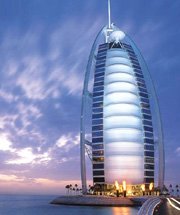
One of the best places to witness the sunset in Ahmedabad is the Kankaria Lake. The polygonal lake (it has approx. 34 sides) with intricate sluice gates was created by the Sultans. It has an island garden, called Nagina wadi. The lake attracts good birdlife. Sultan Qutab-ud-din built this in 1451.
Explore More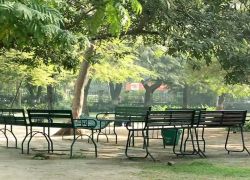
Law Garden is one of the most popular and vibrant public gardens located in Ahmedabad, Gujarat. Known for its lush greenery, peaceful walking paths, and bustling night market, Law Garden is a perfect blend of nature, culture, and shopping. It is a favorite spot for both locals and tourists who want to experience the cultural heartbeat of Ahmedabad. The garden gets its name from its proximity to the Gujarat University Law College. Over time, it has become a famous recreational and shopping destination, especially known for its traditional handicrafts and ethnic clothing stalls. Why Law Garden is Famous? Law Garden is famous for its beautiful public park surrounded by a lively street market. The most popular attraction is the Law Garden Night Market, where visitors can buy traditional Gujarati attire, embroidery work, jewelry, and handicrafts. It is also famous for its peaceful green space in the middle of a busy city, making it a perfect place for morning walks, evening relaxation, and family outings. Another reason for its fame is its vibrant cultural shopping experience, especially during festivals and weekends when the market is fully active. History of Law Garden Law Garden was developed as a public recreational space in Ahmedabad to provide greenery and relaxation in the urban environment. Its name is derived from its location near the Gujarat University Law College. Over the years, the area around the garden developed into a major commercial hub, especially for traditional Gujarati handicrafts and textiles. Today, Law Garden stands as both a green public park and a cultural marketplace that reflects the vibrant lifestyle of Ahmedabad. Architecture and Layout Law Garden is designed as a landscaped urban park with walking paths, benches, trees, and open spaces for relaxation. The garden is well-maintained with decorative plants, lighting, and seating areas. Around the garden, temporary stalls are set up in the evenings forming a lively street market. These stalls are decorated with colorful fabrics and traditional designs, adding to the visual charm of the area. Nearby buildings and roads are well-connected, making it a central urban attraction in Ahmedabad.
Explore More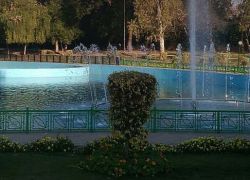
Sarita Udyan is a well-known park in Gandhinagar, Gujarat. It is a beautiful garden that is a huge crowd puller in the city. It catches the attention of the people extensively and is full of recreational facilities. It is seen as the apt picnic spot by the locals. Why Is It Famous? Sarita Udyan is known for its natural beauty. The greenry of this garden is mesmerizing and can steal the attention immediately. Its beauty is maintained by the gardeners that have been appointed by the authorities for the welfare of the park. It is dotted with the different flowers that bloom in different seasons. Blossomed flowers make Sarita Udyan a canvas painted with different colors. It is the apt destination for enjoying a morning/evening walk, picnic, and unwinding own self for the rejuvenation of senses. A deer park is also built next to it and has a huge herd of deer. People can visit the park and click pictures of the herd of deer. Best Time To Visit:- Sarita Udyan can be best visited during every day of the year. Yes, there are restrictions for the visitors that throng to this site. Neither an entry charge nor any fee for photography has to be paid at Sarita Udyan. Watch Out! Sarita Udyan is a place that is well-maintained by the local authorities and no one is allowed to create a mess or pluck the flowers from the garden. However, you can click pictures to keep the moments saved forever. Reaching There:- To reach Gandhinagar, an individual can choose from the airways, railways, or highways. The state-run buses, flights, and express trains are available in multitude from different parts of Gujarat. Nearest Railway Station:- Gandhinagar Railway Station Nearest Airport:- Ahmedabad Airport
Explore More
Indroda Nature Park is an attractive travel attraction in Gandhinagar, the capital city of Gujarat. It is a great place of interest that is visited by the visitors on a huge scale, especially by kids and students. It is gifted with lush green surroundings that enhances its charm and makes it a must-see attraction in the city. A short trip to this nature park is a perfect outing with family. Why Is It Famous? Indroda Nature Park is famous due to different reasons. It is divided into 2 sections by Sabarmati River. The eastern side is known as Indroda Park and the western side known as the wilderness park. The nature park houses the Botanical Garden that provides the information of the different flora that is found there. In the wilderness park, it provides a shelter to the animals like the leopard, jaguar, panther, lion, bear etc. People visit this side quite often to see the animals. A gallery exhibiting the skeletal structure of the sea mammals is located within the premises and can be visited without paying any fee. Best Time To Visit:- Indroda Nature Park is a huge crowd-puller and is visited by the tourists on a huge scale. Though any day is considered as the best day for embarking a journey to this park, the best period is considered between October-March. The pleasant weather during this time makes it comfortable for all to visit the place. Watch Out! No visitor is allowed to enter the park with any sort of ammunition. Previously, there were some cases of illegal hunting and the nature park authorities took the strict decision to protect animals. Also, none is allowed to feed the animals in any manner. Reaching There:- Gandhinagar has a well-established connection to the roads, railways, and airways due to which reaching the city has become facile. The express trains, flights, and state-run buses are available in multitude for commuting throughout the state of Gujarat. Nearest Railway Station:- Gandhinagar Railway Station Nearest Airport:- Gandhinagar Airport
Explore More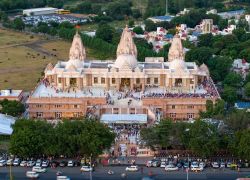
Sanskriti Kunj, located in Gandhinagar, Gujarat, is a beautiful cultural park that showcases the rich traditions, art, and heritage of India. Developed as a theme-based garden, Sanskriti Kunj is designed to represent the diverse cultural identities of different Indian states. It is a perfect destination for families, students, and tourists who want to experience India’s cultural diversity in a peaceful and natural environment. Spread across a large area near the banks of the Sabarmati River, Sanskriti Kunj combines greenery with cultural exhibits. The park is known for its well-maintained gardens, open-air spaces, and symbolic structures representing different regions of India. History of Sanskriti Kunj Sanskriti Kunj was developed by the Forest Department of Gujarat as part of an initiative to promote environmental awareness and cultural education. The idea behind the park was to create a space where visitors could learn about the traditions, lifestyle, and architecture of different Indian states while enjoying nature. Over the years, the park has become a popular attraction in Gandhinagar, especially among school groups and tourists. It reflects the vision of preserving India’s cultural heritage and promoting unity in diversity. Architecture of Sanskriti Kunj The architecture of Sanskriti Kunj is unique and symbolic. The park features small huts, sculptures, and structures that represent the traditional styles of different states in India. These structures are designed using local materials and traditional techniques, giving visitors a glimpse into regional architecture. Each section of the park highlights a specific culture, with elements like murals, carvings, and artistic designs. The pathways are lined with trees and plants, creating a serene and refreshing atmosphere. The layout is simple yet effective, allowing visitors to explore different sections easily. Why is Sanskriti Kunj Famous? Sanskriti Kunj is famous for its cultural theme and natural beauty. It is one of the few places where visitors can experience the traditions of multiple Indian states in one location. The park is also known for its peaceful environment, making it an ideal place for relaxation and learning. It is especially popular among students, photographers, and nature lovers. Its proximity to the Sabarmati River and other attractions in Gandhinagar adds to its popularity as a tourist destination. How to Reach Sanskriti Kunj, Gandhinagar Sanskriti Kunj is easily accessible from Gandhinagar and nearby cities. By Air: The nearest airport is Sardar Vallabhbhai Patel International Airport in Ahmedabad, located around 20 km away. Taxis and cabs are easily available from the airport. By Train: The nearest railway station is Gandhinagar Capital Railway Station. Ahmedabad Junction is another major railway station nearby. By Road: The park is well-connected by road. You can reach Sanskriti Kunj by private car, taxi, or local buses from Ahmedabad and Gandhinagar. The roads are smooth and well-maintained. Weather at Sanskriti Kunj The weather in Gandhinagar varies throughout the year and influences the visiting experience. Summer (March to June): Summers are hot, with temperatures reaching up to 40°C. Early morning or evening visits are recommended. Monsoon (July to September): The park becomes lush and green during monsoon, offering a refreshing environment. However, pathways may be slightly slippery. Winter (October to February): Winter is the best time to visit, with pleasant weather ideal for walking and exploring. Timing of Sanskriti Kunj Sanskriti Kunj is generally open from 8:00 AM to 6:00 PM. The park remains closed on certain days, so it is advisable to check in advance before planning your visit. Morning and evening are the best times to visit, as the weather is cooler and more comfortable. Entry and Visit Details Sanskriti Kunj usually has a nominal entry fee for visitors. The fee is affordable and helps maintain the park. Children and students may receive concessions. Parking facilities are available near the entrance, and basic amenities like seating areas and restrooms are provided. The park is well-maintained, and visitors are expected to follow cleanliness and safety rules. Things to Do at Sanskriti Kunj 1. Explore Cultural Sections: Visit different areas representing various Indian states and learn about their traditions. 2. Nature Walk: Enjoy a peaceful walk through the green pathways and gardens. 3. Photography: Capture beautiful images of the cultural structures and natural surroundings. 4. Relaxation: Spend quality time with family and friends in a calm environment. 5. Educational Visit: Students can learn about India’s cultural diversity in an interactive way. Interesting Facts about Sanskriti Kunj The park represents the cultural diversity of India in one location. It is developed and maintained by the Forest Department of Gujarat. The structures inside the park are inspired by traditional architecture from different states. It is located near the Sabarmati River, adding to its scenic beauty. The park is a popular spot for school trips and educational tours. Travel Tips for Visitors 1. Visit in Winter: The weather is pleasant and ideal for exploring the park. 2. Wear Comfortable Shoes: Walking is the main activity, so comfortable footwear is important. 3. Carry Water: Stay hydrated, especially during summer. 4. Avoid Littering: Help maintain the cleanliness of the park. 5. Visit Early or Late: Avoid peak heat hours during summer. 6. Plan with Nearby Attractions: Combine your visit with other nearby tourist spots in Gandhinagar. Conclusion Sanskriti Kunj in Gandhinagar is a unique destination that beautifully combines culture, education, and nature. It offers visitors a chance to explore India’s diverse traditions in a peaceful and green environment. Whether you are a tourist, student, or nature lover, Sanskriti Kunj provides a refreshing and informative experience. It is truly a must-visit place for anyone exploring Gan
Explore More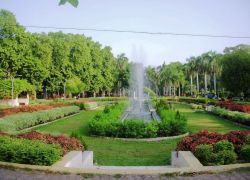
Sayaji Baug, located in Vadodara, popularly known as Baroda, is a prominent tourist attraction in Gujarat, India. This lush green garden oasis offers a serene escape from the bustling city life, making it a favorite spot for locals and tourists alike. The park is not only a recreational space but also a sanctuary for various flora and fauna, providing a perfect blend of natural beauty and historical significance. History of Sayaji Baug Originally known as Kamati Baug, Sayaji Baug was built in the 19th century by Maharaja Sayajirao Gaekwad III. It was once the private garden of the royal family and served as a hunting ground for the Maharajas. Over the years, the park underwent significant transformations and was opened to the public in 1879. Sayaji Baug is recognized for its historical importance and has been a UNESCO World Heritage Site since 2003. Architecture and Natural Beauty of Sayaji Baug Sayaji Baug boasts a diverse natural environment with well-maintained gardens, picturesque lakes, and a variety of trees and plants. The park is home to wetlands, forests, and grasslands, providing habitats for numerous bird species. One of the notable landmarks within the park is the Keoladeo Temple, a historic structure that adds to the charm of the surroundings. Why is Sayaji Baug Famous? Sayaji Baug is famous for its rich biodiversity and is a paradise for birdwatchers, photographers, nature enthusiasts, and wildlife lovers. The park offers a peaceful retreat where visitors can observe a wide array of bird species, including both resident and migratory birds. The tranquil ambiance and scenic beauty make it a must-visit destination for nature lovers. How to Reach Sayaji Baug Traveling to Sayaji Baug is convenient, with options available by air, rail, and road. The nearest airport is Vadodara Airport, and the city is well-connected by rail with Vadodara Railway Station being a major junction. Visitors can also reach the park easily by road through various modes of transportation. Weather and Best Time to Visit Sayaji Baug The weather at Sayaji Baug varies with distinct summer, monsoon, and winter seasons. The best time to visit is during the winter months from October to March when the weather is pleasant, and the park is at its scenic best. Avoiding the scorching summer heat is advisable for a more comfortable experience. Timings of Sayaji Baug Sayaji Baug is open to visitors throughout the year, with timings varying slightly based on the seasons. It is advisable to check the current timings before planning your visit to ensure you make the most of your time exploring the park. Entry Fee and Visit Details Entry to Sayaji Baug is usually free for visitors, with nominal charges for specific attractions and services like guide assistance, safari options, and bicycle rentals. The park offers visitor facilities such as clean restrooms, seating areas, and refreshment stalls for a comfortable visit experience. Things to Do at Sayaji Baug Visitors to Sayaji Baug can engage in various activities such as birdwatching, photography, cycling, walking along scenic trails, and observing the abundant flora and fauna. The park also serves as an educational space where visitors can learn about conservation efforts and the importance of preserving natural habitats. Interesting Facts About Sayaji Baug Sayaji Baug is known for its role in conserving biodiversity and providing a safe haven for migratory birds. The park has made significant contributions to ecological conservation and is a valuable asset in maintaining the region's natural balance. Its diverse ecosystems and lush greenery add to the park's allure and ecological importance. Travel Tips for Visiting Sayaji Baug When visiting Sayaji Baug, it is recommended to wear comfortable clothing and sturdy footwear for exploring the park. Carrying a camera or binoculars is ideal for capturing the beauty of the surroundings and observing the birdlife. The best time to visit is during the early morning or late afternoon for optimal birdwatching opportunities. Visitors are encouraged to follow responsible tourism practices by respecting the park's rules and preserving its natural environment. Conclusion In conclusion, Sayaji Baug in Vadodara is a treasure trove of natural splendor and historical significance. This iconic park offers a tranquil escape for nature lovers and a glimpse into the region's rich biodiversity. Whether you are a bird enthusiast, a photography enthusiast, or simply seeking a peaceful retreat, Sayaji Baug promises a memorable experience that showcases the beauty of nature in the heart of Baroda.
Explore More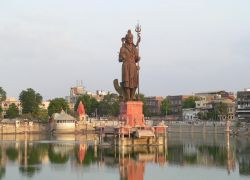
Sursagar Lake, also known as Chand Talao, is one of the most famous landmarks in Vadodara, Gujarat. Located in the heart of the city, this beautiful lake is a popular destination for both locals and tourists. Known for its peaceful surroundings and stunning views, Sursagar Lake is especially famous for the massive statue of Lord Shiva situated at its center. The lake offers a perfect blend of natural beauty, spirituality, and urban charm. Whether you want to relax, enjoy an evening walk, or capture scenic photographs, Sursagar Lake is a must-visit place in Vadodara. History of Sursagar Lake Sursagar Lake has a long history that dates back several centuries. It is believed that the lake was originally a natural water body, which was later developed and expanded during the rule of the Gaekwad dynasty. Maharaja Sayajirao Gaekwad III played an important role in the development and beautification of the lake. Over time, the lake became an integral part of the city’s landscape and culture. In recent years, the addition of the grand Lord Shiva statue has further enhanced the lake’s popularity and spiritual significance. Architecture and Design of Sursagar Lake The design of Sursagar Lake is simple yet attractive. The lake is surrounded by a well-constructed boundary with walkways, seating areas, and lighting arrangements. The main highlight of the lake is the large statue of Lord Shiva, which stands in the middle of the water. The statue is beautifully illuminated during the evening, creating a mesmerizing view. The lake is connected to the Vishwamitri River and is designed to maintain water levels throughout the year. The surrounding area has been developed with proper infrastructure, making it accessible and comfortable for visitors. Why is Sursagar Lake Famous? Sursagar Lake is famous for its central location, scenic beauty, and spiritual significance. The towering statue of Lord Shiva is one of the main attractions and draws devotees as well as tourists. The lake is also popular for its evening ambiance, with beautiful lighting and a calm atmosphere. It serves as a perfect spot for relaxation and photography. Additionally, the lake is an important part of Vadodara’s cultural identity and is frequently visited during festivals and special occasions. How to Reach Sursagar Lake, Vadodara Sursagar Lake is centrally located and easily accessible from all parts of Vadodara. By Air: The nearest airport is Vadodara Airport, located about 7 km away. Taxis and auto-rickshaws are available. By Train: Vadodara Railway Station is around 2 km from the lake, making it very convenient to reach. By Road: The lake is well-connected by city roads. You can reach it by local buses, taxis, auto-rickshaws, or private vehicles. Weather at Sursagar Lake The weather in Vadodara changes with the seasons. Summer (March to June): Summers are hot, with temperatures reaching up to 40°C. Evening visits are recommended. Monsoon (July to September): The lake looks beautiful during monsoon, with fresh surroundings and pleasant weather. Winter (October to February): Winter is the best time to visit, with cool and comfortable weather. Timing of Sursagar Lake Sursagar Lake is open to visitors throughout the day. However, the best time to visit is during early morning or evening. Evenings are particularly attractive due to the lighting around the lake and the illuminated Shiva statue. Entry and Visit Details There is no entry fee to visit Sursagar Lake. It is a public place open to everyone. Visitors can freely walk around the lake and enjoy the surroundings. Parking facilities are available nearby, and basic amenities such as seating areas and street food stalls can be found around the lake. Things to Do at Sursagar Lake 1. Enjoy Evening Walks: Walk along the lake and enjoy the peaceful atmosphere. 2. Photography: Capture the beautiful views, especially during sunset and night. 3. Visit Shiva Statue: Admire the large statue of Lord Shiva. 4. Relaxation: Sit by the lake and enjoy the calm environment. 5. Street Food: Try local snacks available near the lake area. Interesting Facts about Sursagar Lake The lake is also known as Chand Talao. It is located in the center of Vadodara city. The Lord Shiva statue is one of its main attractions. The lake is connected to the Vishwamitri River. It is a popular spot for locals to relax and socialize. Travel Tips for Visitors 1. Visit in Evening: The lake looks most beautiful during sunset and night. 2. Avoid Peak Heat: Do not visit during afternoon in summer. 3. Carry Water: Stay hydrated during your visit. 4. Be Careful Near Water: Avoid going too close to the edge. 5. Maintain Cleanliness: Do not litter around the lake. 6. Combine with Nearby Attractions: Visit other places in Vadodara nearby. Conclusion Sursagar Lake in Vadodara is a perfect destination for relaxation, sightseeing, and spiritual experience. Its central location, scenic beauty, and iconic Shiva statue make it one of the most visited places in the city. Whether you are a tourist or a local resident, a visit to Sursagar Lake offers a refreshing break from daily life and a chance to enjoy the charm of Vadodara.
Explore More
Somnath Beach, located in the Gir Somnath district of Gujarat, is one of the most peaceful and scenic coastal destinations in the state. Situated close to the famous Somnath Temple, this beach offers a perfect combination of spirituality and natural beauty. The sound of waves, cool sea breeze, and wide stretch of golden sand make it a relaxing spot for tourists and pilgrims alike. Visitors often come here to unwind after visiting the temple and to enjoy the breathtaking views of the Arabian Sea. History of Somnath Beach Somnath Beach shares its historical significance with the nearby Somnath Temple, which has been an important pilgrimage site for centuries. The beach has witnessed the rise and fall of various dynasties and invasions, especially those related to the temple. Over time, it has evolved from a quiet coastal stretch into a popular tourist attraction. Although the beach itself does not have a constructed historical structure, its connection with ancient trade routes and religious activities in the region gives it cultural importance. It has always been a place where devotees gather for rituals and relaxation. Architecture and Natural Setting Somnath Beach is a natural attraction rather than an architectural site. It features a long stretch of clean sand along the Arabian Sea, with rocky patches in some areas. The beach is well-maintained with walking paths, seating areas, and lighting for visitors. The most striking feature of the beach is its proximity to the Somnath Temple, which creates a beautiful contrast between spiritual architecture and natural scenery. The waves crashing against the shore, combined with the temple silhouette, create a mesmerizing view, especially during sunrise and sunset. Why Famous for Somnath Beach, Gir Somnath? Somnath Beach is famous for its peaceful environment and scenic beauty. It is one of the cleanest beaches in Gujarat and is known for its calm and relaxing atmosphere. The beach is also popular because of its location near the Somnath Temple, making it a must-visit spot for pilgrims. The sunset view at Somnath Beach is a major highlight. Visitors gather in the evening to witness the sun setting over the Arabian Sea, creating a stunning visual experience. The beach is also known for its spiritual vibe, as many people meditate or spend quiet moments here. How to Reach Somnath Beach Somnath Beach is easily accessible due to its proximity to Somnath town. The nearest railway station is Veraval, located about 7 km away. From there, taxis, auto-rickshaws, and local transport are available. The nearest airport is Diu Airport, approximately 85 km from Somnath. Visitors can also travel from major airports like Rajkot and Ahmedabad and then continue by road. Well-connected roads make it convenient to reach Somnath Beach from cities such as Ahmedabad, Junagadh, and Dwarka. Regular bus services and private taxis are available. Weather at Somnath Beach Somnath Beach experiences a coastal climate. Summers (March to June) are hot and humid, with temperatures ranging from 30°C to 40°C. Monsoon season (July to September) brings moderate rainfall, making the surroundings lush and refreshing. Winter (October to February) is the best time to visit the beach. The weather during this period is pleasant, with temperatures between 10°C and 25°C, making it ideal for sightseeing and relaxation. Timing of Somnath Beach Somnath Beach is open to visitors throughout the day. There are no strict timing restrictions, but it is advisable to visit between early morning and evening for the best experience. Evenings are particularly popular due to the beautiful sunset views and cool breeze. Visitors should avoid late-night visits for safety reasons. Entry and Visit Details There is no entry fee to visit Somnath Beach, making it accessible to everyone. The beach is maintained by local authorities, and basic facilities such as seating areas, food stalls, and parking are available. However, visitors are advised not to swim too far into the sea, as strong currents can be dangerous. Lifeguards may not always be present, so caution is necessary. Things to Do at Somnath Beach Visitors can enjoy a peaceful walk along the shoreline and relax while listening to the waves. Watching the sunrise and sunset is one of the most popular activities here. Photography is highly recommended, as the beach offers stunning views, especially with the Somnath Temple in the background. Visitors can also enjoy local snacks from nearby stalls and experience the local culture. Spending quiet time meditating or simply sitting by the sea is another popular activity. The beach is perfect for families, couples, and solo travelers looking for relaxation. Interesting Facts about Somnath Beach Somnath Beach is located very close to one of the most sacred temples in India, making it unique among Indian beaches. It is known for its cleanliness and peaceful atmosphere. The beach is not heavily commercialized, which helps maintain its natural beauty. It also serves as a perfect spot for pilgrims to relax after visiting the temple. Tips for Visiting Somnath Beach Visit during early morning or evening for the best weather and views. Carry water, sunscreen, and comfortable clothing, especially during summer. Avoid swimming in deep water due to strong currents. Always keep an eye on children and belongings. Maintain cleanliness and avoid littering to preserve the natural beauty of the beach. Respect the peaceful environment and avoid loud activities. Combine your visit with nearby attractions like Somnath Temple and Triveni Sangam to make the most of your trip.
Explore More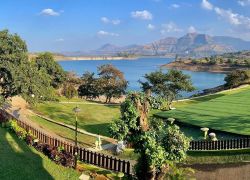
Anand Sarovar in Patan is a picturesque tourist attraction known for its serene natural beauty and vibrant biodiversity. This hotspot attracts nature enthusiasts, birdwatchers, and wildlife lovers from around the world. The tranquil surroundings and diverse ecosystems make it a must-visit destination for those seeking a peaceful retreat amidst nature. History of Anand Sarovar The history of Anand Sarovar dates back to its origins as a former royal hunting ground. Over the years, the area has been transformed into a conservation area to protect its rich flora and fauna. The park's conservation efforts have been recognized by UNESCO, highlighting its significance in preserving the region's natural heritage. Architecture and Natural Beauty of Anand Sarovar Anand Sarovar is renowned for its lush wetlands, dense forests, sprawling grasslands, and diverse bird habitats. The park boasts stunning landscapes that provide a perfect backdrop for the historical Keoladeo Temple, adding a touch of cultural charm to the natural beauty of the surroundings. Why is Anand Sarovar Famous? Anand Sarovar is famous for being a paradise for birdwatchers, photographers, and nature enthusiasts. Its diverse avian population and thriving wildlife make it a hotspot for those seeking to experience the beauty of nature up close. The park's serene ambiance and rich biodiversity attract visitors throughout the year. How to Reach Anand Sarovar Traveling to Anand Sarovar is convenient, with options available by air, rail, and road. The nearest airports and railway stations provide easy access to the park, ensuring a hassle-free journey for visitors. Transportation facilities are well-connected, making it accessible from various parts of the country. Weather and Best Time to Visit Anand Sarovar Anand Sarovar experiences varying weather conditions throughout the year, with summers being hot, monsoons bringing rainfall, and winters offering a pleasant climate. The best time to visit is during the cooler months, between October and March, when the park is teeming with migratory birds and lush greenery. Timings of Anand Sarovar Anand Sarovar welcomes visitors during specific timings, allowing them to explore the park's beauty at their convenience. Seasonal variations may affect operating hours, so it is advisable to plan your visit accordingly. The park offers a peaceful retreat for nature lovers seeking solace in the lap of nature. Entry Fee and Visit Details Visitors to Anand Sarovar can enjoy entry to the park by following the designated procedures. Guide services, safari options, bicycle rentals, and visitor facilities are available to enhance the overall experience. The park's well-maintained amenities ensure a comfortable and enjoyable visit for all guests. Things to Do at Anand Sarovar At Anand Sarovar, visitors can engage in a variety of activities such as birdwatching, photography, cycling, walking trails, and nature observation. The park offers a range of experiences for nature enthusiasts, allowing them to immerse themselves in the serene surroundings and witness the beauty of the wildlife that thrives within. Interesting Facts About Anand Sarovar Anand Sarovar is home to a myriad of migratory birds, showcasing the region's rich biodiversity. The park's conservation efforts have led to significant achievements in preserving the natural habitat and promoting ecological sustainability. Visitors can learn about the park's importance in maintaining the delicate balance of the ecosystem. Travel Tips for Visiting Anand Sarovar When planning a visit to Anand Sarovar, it is advisable to dress comfortably and carry essential photography and birdwatching equipment. Understanding the best visiting seasons and practicing responsible tourism are key aspects of ensuring a fulfilling and memorable experience at the park. Visitors are encouraged to respect the natural environment and wildlife during their stay. Conclusion In conclusion, Anand Sarovar in Patan stands out as a tranquil oasis for nature lovers, offering a harmonious blend of natural beauty and cultural heritage. The park's diverse ecosystems, vibrant birdlife, and serene ambiance make it a perfect destination for those seeking a peaceful retreat amidst nature. A visit to Anand Sarovar promises a rejuvenating experience that celebrates the wonders of the natural world.
Explore More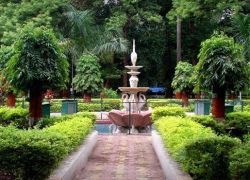
Bearing the name of Kamala Nehru, a famous freedom fighter and the wife of late Pt. Jawaharlal Nehru, Kamala Nehru Park is a well-known garden in the Indian state of Gujarat. It is located in Porbandar city and is visited on a huge scale by the locals and tourists alike. It is regarded as an appropriate spot to refresh the tired senses amid the green surroundings.It Is Known For:-1) Kamala Nehru Park is a great crowd puller in Porbandar city.2) It is seen as an apt spot for relishing a good quality time with the family and friends.3) Due to the green surroundings of this park, the beauty fetches it a complete 10/10.4) It has a vast lawn of the trimmed grass that is bordered with the towering trees. Such environ makes it ‘The Place’ to relax.5) People visit this park on a daily basis for enjoying the activities like a morning/evening stroll, exercise session, playing games, and enjoying the rides installed in the park premises.Best Time To Visit:-Kamala Nehru Park is an amazing destination that promises to uplift the mood immediately. It is visited by a sizable number of visitors on a daily basis. Kids can be spotted here enjoying different rides and elders can be seen indulged in other activities. No entry fee is charged by the park authorities for entering the park.Watch Out!Kamala Nehru Park is well-maintained by the authorities and is a remarkable example of the cleanliness. Therefore, you’re also expected to follow the trend and do not dump any sort of garbage in the park. It is a punishable offense and leads to a heavy fine.Reaching There:-Since Porbandar city is well-connected to the major highways, airways, and railways, there lies no hassle in reaching the city. The express trains, state-run buses, and flights are regarded as the best option for visiting Porbandar easily.Nearest Railway Station:- Porbandar Railway StationNearest Airport:- Porbandar Airport
Explore More
Mandvi Beach is one of the prominent tourist attractions in Gujarat. It is located in Kutch and rests on the shoreline of the Arabian Sea. It is a place that promises to uplift your mood immediately. Mushy sands, vast sea, a pleasant atmosphere, and loads of fun define the aura of Mandvi Beach. Many locals and tourists often visit to this beach to spend a good quality time away from the hustle & bustle of the city. It Is Known For:- 1) Mandvi Beach is an exciting tourist destination in Kutch region of Gujarat. 2) This beach is an appropriate place to walk around and spend a good quality time with friends. The atmosphere of this beach is amazing and never disappoints anybody. 3) It is an apt spot for relishing the fun in different ways. Camel ride, paddle boating, speed boating, jetty ride, parasailing etc. can be enjoyed at this beach. 4) One can also take delight in watching the sunrise/sunset, participate in the beach games/contests, take a stroll, perform yoga etc. Best Time To Visit:- Mandvi Beach is a place that can be visited during any season of the year. Due to its enchanting environ, it never fails to disappoint the visitors and thus, people visit to this site frequently. Even during monsoon, you can witness people spending a good time at Mandvi Beach. Watch Out! You are not allowed to dump the scrap on the beach and swim if you’re unaware of the swimming techniques. It is better to stay away from the sea. Apart from this, do forget to taste the delicacies served on the shacks that are located on the beach. Reaching There:- Reaching Kutch is a hassle-free process. Due to a well-established connection to the highways, railways, and airways, it has become convenient to reach Kutch from anywhere in Gujarat. The state-run buses, express trains, and flights are the best options to choose for reaching Kutch. Nearest Railway Station:- Kutch Railway Station Nearest Airport:- Sardar Vallabh Bhai Patel International Airport
Explore More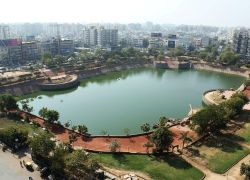
Welcome to the serene and picturesque Vejalpur Lake nestled in the charming city of Palitana. This stunning tourist attraction is a haven for nature lovers, birdwatchers, photographers, and anyone seeking a peaceful retreat surrounded by natural beauty. History of Vejalpur Lake The history of Vejalpur Lake dates back to ancient times when it served as a vital water source for the local communities. Once a royal hunting ground, the lake has undergone significant conservation efforts to preserve its pristine ecosystem. Its ecological importance has garnered recognition, making it a notable site in the UNESCO network. Architecture and Natural Beauty of Vejalpur Lake Surrounded by lush wetlands, verdant forests, and sprawling grasslands, Vejalpur Lake is a paradise for a variety of bird species. The tranquil landscapes offer a perfect backdrop to the historical Keoladeo Temple situated within the park, adding a touch of spirituality to the natural beauty of the area. Why is Vejalpur Lake Famous? Vejalpur Lake is renowned for its rich biodiversity, making it a hotspot for birdwatchers and wildlife enthusiasts. The diverse bird habitats attract photographers and nature lovers who flock to witness the mesmerizing avian spectacle that unfolds within the park. How to Reach Vejalpur Lake Traveling to Vejalpur Lake is convenient with various transportation options available. Visitors can reach the park by air via the nearest airports, by rail through well-connected railway stations, or by road using the extensive network of highways that lead to Palitana. Weather and Best Time to Visit Vejalpur Lake Throughout the seasons, Vejalpur Lake offers a unique experience to its visitors. While summers bring vibrant hues and active wildlife, the monsoon transforms the landscape into a lush paradise. Winter is ideal for birdwatching, making it the best time to visit this enchanting destination. Timings of Vejalpur Lake The timings of Vejalpur Lake vary according to the seasons, ensuring visitors can enjoy the beauty of the park throughout the year. It is advisable to plan your visit in advance to make the most of your time at this natural gem. Entry Fee and Visit Details Entry to Vejalpur Lake is subject to nominal fees, and visitors can avail guide services, safari options, and bicycle rentals for a more immersive experience. The park offers various visitor facilities to ensure a comfortable and enjoyable stay for all guests. Things to Do at Vejalpur Lake At Vejalpur Lake, there are plenty of activities to engage in, from birdwatching and photography to cycling along scenic trails. Nature enthusiasts can explore the diverse flora and fauna of the park while enjoying educational experiences that highlight the importance of conservation. Interesting Facts About Vejalpur Lake Vejalpur Lake is a sanctuary for migratory birds, boasting a rich tapestry of biodiversity that reflects the conservation efforts undertaken in the region. The park's ecological significance underscores the need for sustainable practices to preserve its natural heritage. Travel Tips for Visiting Vejalpur Lake When planning a trip to Vejalpur Lake, remember to pack appropriate clothing for the weather, carry essential birdwatching equipment, and choose the right season for optimal wildlife sightings. Practicing responsible tourism ensures the park's conservation for future generations to enjoy. Conclusion In conclusion, Vejalpur Lake in Palitana is a gem waiting to be explored by nature enthusiasts and wildlife lovers. Its historical significance, breathtaking landscapes, and diverse birdlife make it a must-visit destination for those seeking a harmonious blend of culture and nature in a peaceful setting.
Explore MoreAhmedabad Saputara 2 Nights / 3 Days
3 Days/ 2 Night
Ahmedabad - Saputara
Dwarka – Somnath Tour Package
4 Days/ 3 Night
Ahmedabad - Dwarka
Glimpse Of Gujarat Tour 8 Nights 9 Days
9 Days/ 8 Night
Ahmedabad - Bhavnagar - Bhuj - Vadodara (Baroda) - Dwarka - Kevadia - Kutch
Rann Utsav Kutch Season Special
3 Days/ 2 Night
Bhuj
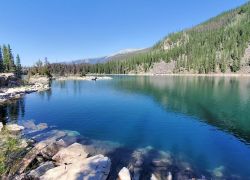
Brahmasar Lake is a sacred water body located in the historic village of Modhera, Gujarat. Situated near the famous Modhera Sun Temple, the lake holds both religious and cultural significance. As one of the most revered spots in Modhera, Brahmasar Lake has been a part of the ancient spiritual practices of Hindus. It is believed to have been created by Lord Brahma himself, thus the name "Brahmasar" (Lake of Brahma). The lake is not only important for its spiritual connection but also for its historical and architectural brilliance, making it a popular tourist destination in Gujarat. History of Brahmasar Lake The history of Brahmasar Lake is intertwined with the origins of the Modhera Sun Temple, which was built during the 11th century under the rule of the Solanki dynasty. The lake was created to serve as a large water reservoir for the Sun Temple, where pilgrims would perform rituals before entering the temple. According to Hindu mythology, the lake was blessed by Lord Brahma, the creator of the universe, which is why it holds a special place in the hearts of devotees. The lake has a rich historical significance, as it was also used for community gatherings and festivals. Over the years, it has undergone several restorations, especially after the area was buried under sand and debris for centuries. The Archaeological Survey of India (ASI) has worked to preserve the lake and the surrounding temple complex, making it accessible for modern visitors while maintaining its historical charm. Architecture of Brahmasar Lake Brahmasar Lake is not just a natural water body, but an architectural marvel. The lake is an expansive rectangular water reservoir surrounded by intricately designed steps, which lead down to the water level. The steps are aligned in a series of terraces, offering a beautiful view of the lake and the surrounding temple complex. The architecture surrounding the lake follows the same Maru-Gurjara style seen in the Modhera Sun Temple. The lake is flanked by a number of small shrines, which are adorned with delicate carvings of Hindu deities, gods, and goddesses. The terraces are decorated with various sculptural motifs that represent stories from Hindu mythology, and the overall design of the lake exudes a perfect blend of functionality and aesthetic appeal. Why Famous for Brahmasar Lake, Modhera? Brahmasar Lake is famous for its religious significance, architectural beauty, and historical importance. It is one of the most important sites for pilgrims visiting the Modhera Sun Temple, as the lake was considered a place for ritual purification before offering prayers to the Sun God. The lake is renowned for its picturesque surroundings, with the golden-hued sunlight reflecting off the waters during early morning and evening, making it a perfect spot for photography. The serenity of the lake and the surrounding environment makes it a peaceful retreat for travelers who wish to connect with nature and history. Visitors are also drawn to the spiritual significance of Brahmasar Lake, with many considering it a sacred site where they can seek blessings from Lord Brahma. How to Reach Brahmasar Lake, Modhera Brahmasar Lake is located in the village of Modhera, in the Mehsana district of Gujarat. It is easily accessible from nearby cities like Ahmedabad, Patan, and Mehsana, making it a popular tourist spot. Here’s how you can reach the lake: By Road: Modhera is well connected by road. You can reach Modhera from Ahmedabad, which is approximately 100 km away, and from Mehsana, which is around 30 km away. Private taxis, buses, or self-driving cars can easily take you to Brahmasar Lake. By Rail: The nearest railway station is Mehsana Railway Station, which is about 30 km from Modhera. From there, taxis and local buses are available to reach Brahmasar Lake. By Air: The closest airport is the Sardar Vallabhbhai Patel International Airport in Ahmedabad, about a 2-hour drive from Modhera. You can hire a taxi or rent a car from the airport to reach the site. Weather at Brahmasar Lake, Modhera The climate in Modhera is typically hot and dry, with the best time to visit Brahmasar Lake being during the cooler months from October to March. The weather can be quite harsh during the summer, but the winter months offer pleasant temperatures for sightseeing. Summer (March to June): The temperatures can soar above 40°C, making it difficult for outdoor activities. It is advised to visit during the cooler parts of the day. Monsoon (July to September): The region experiences moderate rainfall, and while the weather may be more humid, the area becomes lush and green. Winter (October to February): This is the best time to visit Brahmasar Lake, with comfortable temperatures ranging between 15°C to 25°C, making it ideal for sightseeing and photography. Timing of Brahmasar Lake, Modhera Brahmasar Lake is open to visitors throughout the week from 6:00 AM to 6:00 PM. The early morning and late afternoon are the best times to visit, as the weather is cooler and the lighting is perfect for photography. The lake looks particularly beautiful during the sunrise and sunset when the reflections on the water create a mesmerizing effect. Entry and Visit Details There is no entry fee for visiting Brahmasar Lake, making it an easily accessible and affordable destination for tourists. The site is open to all, and you can explore the surroundings at your own pace. However, there might be a small fee for visiting the Modhera Sun Temple or for hiring a guide to explore the area. Guided tours are recommended for visitors who want to learn more about the history, architecture, and religious significance of Brahmasar Lake. A tour guide can provide in-depth insights into the legends associated with the lake and the role it plays in Hindu rituals. Things to Do at Brahmasar Lake, Modhera Admire the Architecture: Take time to explore the stunning carvings and sculptures that adorn the steps and walls around the lake. Photography: Brahmasar Lake offers excellent opportunities for photography, particularly during sunrise and sunset when the water reflects the golden sunlight. Visit Modhera Sun Temple: Explore the nearby Modhera Sun Temple, a unique architectural marvel dedicated to the Sun God. It is a must-visit site for anyone touring Brahmasar Lake. Relax by the Lake: Enjoy the peaceful surroundings and spend time meditating or relaxing by the tranquil waters of the lake. Attend Festivals: If you visit during the Modhera Dance Festival, you can enjoy classical dance performances held near the lake and the temple. Interesting Facts about Brahmasar Lake Brahmasar Lake is believed to have been created by Lord Brahma, the creator god, according to Hindu mythology. The lake is a large rectangular water reservoir surrounded by steps, shrines, and decorative carvings that reflect the architectural prowess of the Solanki dynasty. The lake is used by pilgrims for ritual purification before they enter the Modhera Sun Temple for worship. The serene atmosphere around the lake makes it an ideal spot for photography, relaxation, and reflection. Tips for Visiting Brahmasar Lake Visit in the early morning or late afternoon to avoid the midday heat and to capture the beautiful lighting for photographs. Wear comfortable footwear, as there is a lot of walking and climbing involved around the lake. Carry sunscreen, sunglasses, and water, especially if you are visiting during the summer months. Take a guided tour to gain deeper insights into the history and significance of Brahmasar Lake. Combine your visit with nearby attractions like the Modhera Sun Temple and the Patan town. Brahmasar Lake is a beautiful, tranquil, and historically significant site that reflects the artistic and spiritual heritage of ancient Gujarat. Whether you are a history enthusiast, a photographer, or someone seeking peace and serenity, Brahmasar Lake offers a unique and enriching experience.
Explore More
Welcome to the serene and captivating Gomti Lake located in the picturesque city of Dakor. This natural wonder offers a unique blend of biodiversity, tranquility, and beauty, making it a must-visit destination for nature lovers and wildlife enthusiasts. History of Gomti Lake Gomti Lake holds a rich historical background, serving as a former royal hunting ground that has now been transformed into a conservation area. With its significant ecological importance, the lake has garnered recognition for its conservation efforts and is a potential candidate for UNESCO recognition. Architecture and Natural Beauty of Gomti Lake The surroundings of Gomti Lake boast a diverse natural environment comprising wetlands, forests, and grasslands that provide ideal habitats for a myriad of bird species. The historical Keoladeo Temple nestled within the park adds a touch of cultural charm to the landscape. Why is Gomti Lake Famous? Gomti Lake has gained fame for being a haven for birdwatchers, photographers, and nature enthusiasts seeking to witness the diverse avian species that inhabit the area. Its serene ambiance and rich biodiversity make it a popular choice for wildlife lovers. How to Reach Gomti Lake Traveling to Gomti Lake is convenient with various options available. Visitors can access the destination via air, rail, or road, with nearby airports and railway stations providing easy connectivity to this natural paradise. Weather and Best Time to Visit Gomti Lake Gomti Lake experiences varying weather conditions throughout the year, with distinct seasons of summer, monsoon, and winter. The best time to visit is during the cooler months when the pleasant weather enhances the beauty of the surroundings. Timings of Gomti Lake The visitor timings of Gomti Lake are structured to offer optimal experiences, with seasonal variations taken into account for planning purposes. Detailed information on timings can assist visitors in making the most of their trip. Entry Fee and Visit Details Entry into Gomti Lake comes with specific procedures, guide services, and safari options that enhance the visitor experience. Facilities such as bicycle rentals and visitor amenities further contribute to a comfortable and enjoyable visit. Things to Do at Gomti Lake Gomti Lake offers a range of activities to engage visitors, including birdwatching, photography, cycling, walking trails, and nature observation. Educational experiences within the park provide insights into the rich biodiversity of the region. Interesting Facts About Gomti Lake Discover fascinating facts about the migratory birds that frequent Gomti Lake, the conservation achievements that contribute to its ecological importance, and the unique aspects of biodiversity that make this destination a true natural gem. Travel Tips for Visiting Gomti Lake For a rewarding visit to Gomti Lake, practical advice on clothing choices, photography tips, birdwatching equipment, and recommended visiting seasons can enhance the overall experience. Embracing responsible tourism practices ensures the preservation of this natural marvel. Conclusion In conclusion, Gomti Lake in Dakor stands as a testament to the beauty of nature and the importance of conservation. Visitors are welcomed to explore its wonders, immerse themselves in its biodiversity, and create lasting memories amidst the tranquil surroundings of this captivating hotspot.
Explore More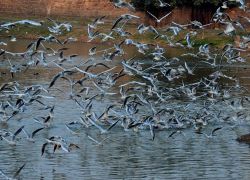
Topansar Lake is a beautiful and historic freshwater lake located in the heart of Mandvi town in the Kutch district of Gujarat. Surrounded by stone steps, temples, and scenic viewpoints, the lake is not only an important water reservoir but also a peaceful place for locals and tourists. Known for its calm atmosphere and cultural significance, Topansar Lake is one of the hidden gems of Mandvi. Why Famous for Topansar Lake, Mandvi, Gujarat? Topansar Lake is famous for its historic importance, scenic beauty, and religious surroundings. The lake has served as a major source of water for the town for many years and is considered an essential part of Mandvi’s heritage. It is also known for its well-designed stone steps (ghats) that surround the lake, offering a unique architectural charm. The peaceful environment, combined with nearby temples and walking paths, makes it a popular spot for relaxation, photography, and evening walks. History of Topansar Lake, Mandvi, Gujarat Topansar Lake dates back to the 18th century and was constructed during the rule of the Kutch rulers. It was built as a water storage system to provide a reliable supply of freshwater to the people of Mandvi. The lake played an important role in supporting the town’s population, especially during times when water scarcity was a concern. Over the years, it has become a cultural landmark and a place of social gathering for locals. Even today, the lake reflects the engineering skills and planning of the past, showcasing how traditional water management systems were designed in Gujarat. Architecture of Topansar Lake The architecture of Topansar Lake is simple yet impressive, focusing on functionality and aesthetics. The lake is surrounded by symmetrical stone steps (ghats) on all sides, allowing easy access to water. Key features include: • Stone Ghats: Beautifully constructed steps that enhance the visual appeal. • Circular Layout: The lake is designed in a well-planned geometric shape. • Temples Around the Lake: Small temples add spiritual value to the location. • Viewing Points: Ideal for sitting and enjoying the scenic surroundings. The combination of water, stone structures, and greenery creates a peaceful and attractive environment. Things to Do at Topansar Lake, Mandvi, Gujarat Visitors can enjoy various relaxing and cultural activities: 1. Evening Walks: Take a peaceful walk around the lake. 2. Photography: Capture beautiful views of the lake and surroundings. 3. Relaxation: Sit by the lake and enjoy the calm atmosphere. 4. Visit Nearby Temples: Explore small temples around the lake. 5. Bird Watching: Spot local birds, especially during early morning hours. Entry and Visit Details Entry Fee: Entry to Topansar Lake is free for all visitors. Visit Duration: Tourists usually spend around 1 to 2 hours enjoying the surroundings. Facilities: Basic facilities like seating areas and nearby shops are available. Being located within the town, food and other amenities are easily accessible. Timings of Topansar Lake The lake is open to visitors throughout the day as it is a public space. However, the best time to visit is during early morning or evening when the weather is pleasant and the views are most beautiful. Weather at Topansar Lake, Mandvi, Gujarat The climate in Mandvi is generally warm and coastal: Summer (March to June): Hot with temperatures up to 35°C. Monsoon (July to September): Moderate rainfall and humid conditions. Winter (October to February): Cool and pleasant, with temperatures between 10°C and 25°C. The best time to visit Topansar Lake is during winter when the weather is comfortable for outdoor activities. How to Reach Topansar Lake, Mandvi, Gujarat By Air: The nearest airport is Bhuj Airport, located about 60 km away. From there, taxis are easily available. By Train: The nearest railway station is Bhuj Railway Station, which is well connected to major cities in India. By Road: Mandvi is well connected by road to Bhuj and other parts of Gujarat. Buses, taxis, and auto-rickshaws are available. Topansar Lake is located within Mandvi town and can be easily reached by local transport or even on foot. Interesting Facts about Topansar Lake • It is one of the oldest water reservoirs in Mandvi. • The lake was built for water conservation and public use. • Its symmetrical design reflects traditional engineering skills. • It remains an important cultural and social spot for locals. Travel Tips for Topansar Lake • Visit during sunrise or sunset for the best views. • Carry water and wear comfortable footwear. • Maintain cleanliness and avoid littering. • Respect local customs and religious sites nearby. • Combine your visit with other attractions in Mandvi. Conclusion Topansar Lake is a peaceful and culturally rich destination in Mandvi that offers a refreshing break from busy tourist spots. With its historical importance, scenic surroundings, and calm environment, it is an ideal place for relaxation and exploration. A visit to this lake provides a glimpse into the traditional lifestyle and heritage of Gujarat.
Explore More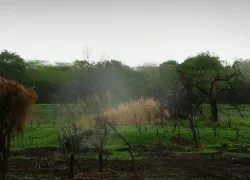
Victoria Park needs no introduction. When you visit Gujarat, do not forget to spend a couple of hours at Victoria Park. Counted among the famous travel sites in Bhavnagar, Victoria Park is a place that promises loads of fun to its visitors. It is an enclosed forest that covers an area of 2 sq. km. The unique aspect of this destination is that it is one of the oldest existing man-made parks and was constructed in 1888 by Proctor Sins for the then king of Bhavnagar, Maharaja Takhatsinh. It Is Known For:- 1) Victoria Park is renowned for its rich biodiversity. 2) It is a home to different species of the animals and birds. Over 220 species of birds, including the migratory birds, and some animals are often spotted in this park. 3) The birds like the owl, kingfisher, woodpecker, peafowl, bee-eater, cuckoo etc. reside here. 4) The herds of animals like the nilgai, deer, & stallion can be seen inside this park. 5) Krishna Kunj Lake and Gauri Shankar Lake are located near Victoria Park and here crocodiles and migratory birds like the flamingo and stork can be witnessed during winters. Best Time To Visit:- The best time for visiting Victoria Park is during winters. It is the apt season for enjoying a trip and observing the nature closely. No entry fee is charged from the visitors that flock to this place. Watch Out! Do not forget to observe the different birds and click their pictures. Photography is allowed in Victoria Park and no fee is charged for it. If you want to give some rest to the tired limbs, there are benches installed where you can sit. A small eatery will be set up soon from where fast food & other snacks can be bought at reasonable rates. Reaching There:- One can easily reach the city of Bhavnagar via luxury buses, express trains, and flights that are available from the different cities of Gujarat. The consistently developing connectivity to the roadways, railways, and airways has made it easier for many to reach the city conveniently. Nearest Railway Station:- Bhavnagar Terminus Railway Station Nearest Airport:- Bhavnagar Airport
Explore More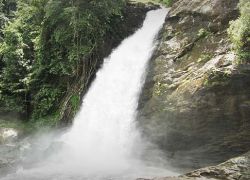
Trambak Falls is a beautiful natural waterfall located near Bhavnagar in Gujarat. Situated close to Trambak village and near the famous Malnath Shiv Temple, this scenic spot is one of the most popular picnic and nature destinations in the region. Surrounded by hills, greenery, and small forest areas, the waterfall offers a peaceful escape from city life. It is located approximately 20–24 km from Bhavnagar city, making it an ideal short trip for tourists and locals. History of Trambak Falls, Bhavnagar Unlike historical monuments, Trambak Falls does not have a documented historical origin as it is a natural waterfall. However, the surrounding area has been known for its natural beauty and has been a local attraction for many years. The nearby Trambak village and Malnath region have cultural and religious importance, which indirectly adds value to this natural site. Over time, Trambak Falls has become a favorite destination for weekend outings, especially during the monsoon season when the waterfall is at its full flow. It has gained popularity as one of the most attractive natural spots in Bhavnagar district. :contentReference[oaicite:0]{index=0} Architecture and Natural Landscape Trambak Falls is not known for architectural structures but for its natural landscape and geological beauty. The waterfall cascades from a height of approximately 30 feet (and in some accounts even higher) over rocky terrain, creating a small natural pool at the base. :contentReference[oaicite:1]{index=1} The falls are situated on a small hill surrounded by greenery, rocks, and light forest cover, making it an ideal place for nature lovers. The sound of flowing water, combined with fresh air and scenic surroundings, creates a relaxing environment. The area also features trekking trails connecting the falls to nearby places like Malnath Temple, offering both adventure and scenic exploration opportunities. :contentReference[oaicite:2]{index=2} Why Famous for Trambak Falls, Bhavnagar? Trambak Falls is famous for several reasons: • A beautiful natural waterfall surrounded by hills and greenery. • Popular monsoon destination with strong water flow. • Ideal picnic spot for families and groups. • Offers trekking opportunities and nature trails. • Located near Malnath Shiv Temple, combining nature and spirituality. • Peaceful environment away from city crowds. The waterfall becomes especially attractive during the rainy season when water flows at full force, creating a refreshing atmosphere. Things to Do at Trambak Falls 1. Enjoy the Waterfall View: Relax and admire the scenic beauty of cascading water. 2. Picnic with Family: Spend quality time in a peaceful natural setting. 3. Trekking: Explore trekking trails between Malnath Temple and the falls. 4. Photography: Capture stunning landscapes, greenery, and water streams. 5. Nature Walks: Walk around the surrounding forest and hills. 6. Relaxation: Enjoy fresh air and calm surroundings away from city noise. How to Reach Trambak Falls, Bhavnagar By Air: The nearest airport is Bhavnagar Airport, located around 25–30 km from the falls. By Train: Bhavnagar Terminus is the nearest railway station, approximately 20–25 km away. :contentReference[oaicite:3]{index=3} By Road: Bhavnagar is well connected by road to major cities like Ahmedabad and Rajkot. From Bhavnagar, visitors can reach Trambak Falls via private vehicles, taxis, or local buses. Local Transport: Autos and shared vehicles are available up to nearby areas, after which a short walk or trek may be required to reach the falls. Weather in Bhavnagar Summer (March to June): Hot and dry with temperatures above 35°C. Monsoon (July to September): Best time to visit, as the waterfall is in full flow and surroundings turn lush green. :contentReference[oaicite:4]{index=4} Winter (October to February): Pleasant weather, suitable for sightseeing and trekking. Timings of Trambak Falls Opening Hours: 7:00 AM – 5:00 PM (approx.) :contentReference[oaicite:5]{index=5} Best Time to Visit: Morning or early evening, especially during monsoon season. Entry and Visit Details Entry Fee: Free for visitors. Visit Duration: Around 2–3 hours is sufficient to explore the falls and nearby areas. :contentReference[oaicite:6]{index=6} Visitor Guidelines: • Avoid littering; keep the area clean. • Be cautious on slippery rocks, especially during monsoon. • Carry food and water, as facilities are limited. • Follow safety precautions while trekking. Interesting Facts about Trambak Falls • Located near Trambak village in Bhavnagar district. • Approximately 20–24 km from Bhavnagar city. • Waterfall height is around 30 feet. • Connected by trekking trails to Malnath Temple. • Popular among locals as a weekend picnic spot. Travel Tips for Visitors • Visit during monsoon: This is the best time to see the waterfall at its fullest. • Wear proper footwear: Rocks can be slippery. • Carry essentials: Water, snacks, and first aid are recommended. • Avoid risky areas: Stay away from deep or fast-flowing water. • Travel in groups: Safer and more enjoyable experience. • Confirm accessibility: Some travelers have reported occasional closures, so it’s advisable to check locally before visiting. :contentReference[oaicite:7]{index=7} Conclusion Trambak Falls, Bhavnagar is a hidden natural gem that offers a refreshing break from everyday life. With its scenic beauty, peaceful surroundings, and adventure opportunities, it is an ideal destination for nature lovers and weekend travelers. Whether you are looking for relaxation, photography, or a short trek, Trambak Falls provides a memorable experience in the lap of nature.
Explore More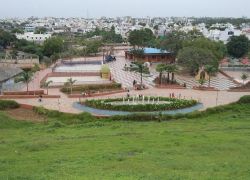
Located in the vibrant city of Bhavnagar, Gaurishankar Lake is a mesmerizing tourist attraction that offers a serene escape into nature's embrace. This picturesque lake is renowned for its natural beauty, diverse wildlife, and tranquil ambiance, making it a must-visit destination for nature enthusiasts, birdwatchers, and photographers. History of Gaurishankar Lake Gaurishankar Lake holds a rich historical significance as it was originally a royal hunting ground for the erstwhile rulers of Bhavnagar. Over the years, concerted conservation efforts have transformed this area into a thriving ecosystem, earning it recognition for its ecological importance. The lake's biodiversity and conservation initiatives have garnered UNESCO's attention, further highlighting its historical and environmental value. Architecture and Natural Beauty of Gaurishankar Lake The enchanting beauty of Gaurishankar Lake lies in its pristine wetlands, lush forests, verdant grasslands, and diverse bird habitats. The idyllic landscapes surrounding the lake provide a perfect setting for the historical Keoladeo Temple, adding a cultural dimension to the natural splendor of the region. Why is Gaurishankar Lake Famous? Gaurishankar Lake is renowned for its abundant birdlife, attracting birdwatchers and nature enthusiasts from far and wide. The tranquil surroundings and diverse wildlife make it a paradise for photographers seeking to capture the beauty of the avian species in their natural habitat. How to Reach Gaurishankar Lake Travelling to Gaurishankar Lake is convenient, with options available by air, rail, and road. The nearest airport is located in Bhavnagar, while the city's railway station provides easy access for those traveling by train. Additionally, well-maintained road networks connect the lake to major cities and towns, facilitating a smooth journey for visitors. Weather and Best Time to Visit Gaurishankar Lake The weather at Gaurishankar Lake varies seasonally, with summers being hot, monsoons bringing lush greenery, and winters offering a pleasant climate. The best time to visit this enchanting destination is during the cooler months, from October to March, when the weather is ideal for exploring the natural beauty of the region. Timings of Gaurishankar Lake Gaurishankar Lake welcomes visitors throughout the year, with timings varying slightly based on seasonal changes. To make the most of your visit, it is advisable to plan your trip during the early morning or late afternoon hours to witness the vibrant birdlife and serene landscapes at their best. Entry Fee and Visit Details Visitors to Gaurishankar Lake can enjoy a hassle-free entry process, with guide services available for a more informative experience. Safari options, bicycle rentals, and well-equipped visitor facilities enhance the overall visit, ensuring a comfortable and enjoyable exploration of the lake and its surroundings. Things to Do at Gaurishankar Lake At Gaurishankar Lake, there are ample opportunities for engaging activities such as birdwatching, photography, cycling, walking trails, and nature observation. Visitors can immerse themselves in the tranquil ambiance of the lake, explore the diverse flora and fauna, and indulge in educational experiences that offer insights into the region's ecological significance. Interesting Facts About Gaurishankar Lake Gaurishankar Lake is home to a plethora of migratory birds, showcasing the region's rich biodiversity and conservation achievements. The lake's ecological importance underscores the need for sustainable practices and environmental stewardship to preserve this natural treasure for future generations. Travel Tips for Visiting Gaurishankar Lake When planning a visit to Gaurishankar Lake, it is advisable to dress comfortably, carry essential photography equipment, and be prepared for birdwatching opportunities. Choosing the right season for your visit and practicing responsible tourism by respecting the natural habitat are key aspects to ensure a memorable and enjoyable experience at this scenic destination. Conclusion In conclusion, Gaurishankar Lake in Bhavnagar stands as a testament to the harmonious coexistence of nature and heritage. Its historical roots, ecological significance, and captivating beauty make it a cherished hotspot for visitors seeking a peaceful retreat in the lap of nature. A trip to Gaurishankar Lake promises a rejuvenating experience filled with natural wonders and serenity, making it a must-visit destination for all nature lovers.
Explore More
Sharad Baug Park needs no introduction. It is a well-known landmark in Bhuj region of Kutch, Gujarat. Sharad Baug Park is a beautiful garden that is situated adjoining to Sharad Baug Palace. The fascinating palace was the previous residence of King Madan Sinh Rao, the last ruler of Kutch. This park is an amazing destination to unwind the dog-tired senses and spend a great evening with the loved ones. It Is Known For:- 1) Sharad Baug Park was the royal park in the erstwhile times. The family and the queen of Madan Sinh Rao often spent some time together in this beautiful garden. 2) It has a vast collection of flowers in a section that are said to be planted by the queen of Madan Sinh Rao. They’re being watered and looked after from a prolonged period of time. 3) The park is bordered by the towering trees and has a vast lawn covered with grass that enhances the beauty of the place. 4) It also has a collection of the herbs and other medicinal plants. Best Time To Visit:- There’s no specific time for visiting Sharad Baug Park. It can be visited during any time of the year. A small entry fee has to be paid for entering the park. Watch Out! Do not miss to visit Sharad Baug Palace. It was the residence of the King Madan Sinh Rao. One can witness the beauty of the palace that was built many decades ago. Reaching There:- Kutch district is widely connected via roadways, railways, and airways. It allows tourists to reach the place conveniently via state-run buses, express trains, and flights from different places in Gujarat. Nearest Railway Station:- Kutch Railway Station Nearest Airport:- Sardar Vallabh Bhai Patel International Airport
Explore More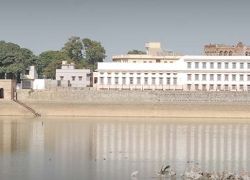
Hamirsar Lake is one of the major travel attractions in Kutch district of Gujarat. It is located in Bhuj area and is an ancient water reservoir that bears the name of Raja Hamir, a Jadeja King and founder of Bhuj. His son, Rao Khengarji, choose this place for the construction of the lake for resolving the water issues that were encountered by the locales of this region. The canal system was introduced for maintaining the flow of water. Why Is It Famous? Hamirsar Lake is popular in different ways. The most popular reason that makes it famous is the tradition of worshiping the overflowing waters of the lake. In the previous times when Bhuj didn’t receive a heavy rain, a yagna was organized by the Royals to make it rain. After a downpour that made the lake’s water overflow, a puja was conducted by the royal family. Each year when the waters overflow during the monsoons, the same custom is repeated. Best Time To Visit:- There is no specific time for paying a casual visit to Hamirsar Lake. It is a place that can be visited during any season of the year. The entry to this lake is free for all visitors. Watch Out! No visitor is allowed to dump the trash or wash clothes in Hamirsar Lake. Offenders are penalized that are caught in the act. Thus, you should maintain the cleanliness and do not litter Hamirsar Lake. Reaching There:- To reach Kutch, an individual can prefer the mode of railways, roadways, or airways. Many trains, luxury buses, and flights operate from different cities of Gujarat. Traveling within Kutch is done by the local transit. Nearest Railway Station:- Kutch Railway Station Nearest Airport:- Sardar Vallabh Bhai Patel International Airport
Explore More
JMC Park Jamnagar is a famous park in the city of Jamnagar. Maintained by the municipal department, this park serves as an apt place for many people. It has the vast lawn of soft grass and is bordered by the towering trees. This park is a charming destination to unwind the tired self and refresh the senses. Why Is It Famous? JMC Park Jamnagar is popular among the people because it is spacious enough and accommodates beautiful vegetation. There are many trees and some flowers in the park that leave no chance to enhance the beauty. It is also equipped with an open-air gym that is used by the visitors. There is a well-paved path in the park where people walk and jog. When the weather is pleasant, locals throng here for practicing yoga. It also has a separate section for kids where they can enjoy different rides and swings. Best Time To Visit:- JMC Park is a place that can be visited during any time of the year. Summer, Winter, Spring, Autumn or Monsoon, the visitors are welcomed in the park in every season. An individual has to pay a certain amount for entering the park and relish the fun of rides and swings. Watch Out! JMC Park is a public place and is well-maintained by the municipal department. This place has a timing of opening and closing. Moreover, no one is allowed to create a mess inside this park. Reaching There:- Jamnagar is a city that has a well-established network of the roadways, railways, and airways. Such connectivity allows the people to reach the place conveniently. There are state-run buses, flights, and express trains that ply in plentitude within Gujarat for reaching the city easily. Traveling within Jamnagar can be done via local transit. Nearest Railway Station:- Jamnagar Railway Station Nearest Airport:- Govardhanpur Airport
Explore More
Lakhota Lake is one of the most popular and scenic attractions in Jamnagar, Gujarat. Located in the heart of the city, this beautiful lake is surrounded by a circular pathway and offers a peaceful environment for both locals and tourists. At the center of the lake stands the historic Lakhota Palace, which adds charm and cultural significance to the location. The lake is not only a visual delight but also a perfect spot for relaxation, photography, and leisure activities. How to Reach Lakhota Lake, Jamnagar Lakhota Lake is centrally located in Jamnagar, making it easily accessible from all parts of the city. By Air: The nearest airport is Jamnagar Airport, located about 8 km from the lake. Taxis and auto-rickshaws are readily available. By Train: Jamnagar Railway Station is around 3 km away from Lakhota Lake. It is well connected to major cities like Ahmedabad, Rajkot, and Mumbai. By Road: Jamnagar is well connected by road to various cities in Gujarat. Local transport such as auto-rickshaws, taxis, and buses can easily take you to the lake. Weather The weather in Jamnagar is generally warm due to its coastal location, but it remains suitable for visits throughout the year. Summer (March to June): Hot and dry, with temperatures ranging from 30°C to 40°C. Monsoon (July to September): Moderate rainfall, making the surroundings greener and more pleasant. Winter (November to February): The best time to visit, with temperatures between 15°C and 25°C. Timings Lakhota Lake is open to visitors throughout the day. However, the best time to visit is from 6:00 AM to 8:00 PM, especially during early morning and evening hours when the weather is pleasant and the surroundings are lively. Why Famous for Lakhota Lake, Jamnagar? Lakhota Lake is famous for its scenic beauty, central location, and the presence of the historic Lakhota Palace situated in the middle of the lake. The palace, which now serves as a museum, attracts visitors interested in history and architecture. The lake is also known for its peaceful ambiance, making it a favorite spot for morning walks, jogging, and evening relaxation. During winter, the lake becomes a temporary home for migratory birds, adding to its natural charm. Entry and Visit Details Entry Fee: There is no entry fee to visit Lakhota Lake. However, a small fee may be charged to enter the Lakhota Palace Museum. Duration of Visit: Visitors usually spend around 1 to 2 hours walking around the lake, enjoying the view, and visiting the museum. Facilities: The lake area has walking paths, seating arrangements, street food stalls, and parking facilities, making it convenient for visitors. History and Architecture Lakhota Lake was constructed during the reign of Jam Ranmal II in the 19th century as a water reservoir to provide water to the city. The lake played a crucial role in supporting the local population during times of drought. The Lakhota Palace, built on an island in the center of the lake, showcases Rajput architectural style with strong fort-like features. It was originally used as a fortress and later converted into a museum. The palace houses artifacts such as ancient weapons, sculptures, and historical items that reflect the region’s rich heritage. The stone bridge connecting the palace to the lake adds to the architectural beauty and makes the location visually appealing. Things to Do at Lakhota Lake Visitors can enjoy a variety of activities at Lakhota Lake: Walk and Jogging: Enjoy a peaceful walk or jog along the circular pathway around the lake. Visit Lakhota Palace Museum: Explore historical artifacts and learn about the region’s past. Bird Watching: Spot migratory birds, especially during winter. Photography: Capture scenic views of the lake, palace, and sunset. Relaxation: Sit by the lake and enjoy the calm atmosphere. Street Food: Try local snacks available near the lake area. Facts and Tips About Lakhota Lake, Jamnagar Lakhota Lake is one of the most important landmarks of Jamnagar city. The lake was originally built as a water conservation system. It attracts a large number of migratory birds during winter. Evening time is ideal for visiting due to pleasant weather and beautiful lighting. Carry a camera to capture the stunning views of the palace and lake. Maintain cleanliness and avoid littering around the lake. Wear comfortable footwear for walking around the lake. Conclusion Lakhota Lake in Jamnagar is a perfect blend of natural beauty, historical significance, and urban charm. Whether you are looking for a peaceful walk, a cultural experience, or a relaxing evening by the water, this lake offers something for everyone. Its central location and scenic appeal make it a must-visit destination for anyone exploring Jamnagar.
Explore More
Sakkarbaug Zoo is a widely visited destination in the Indian state of Gujarat. It is located in Junagadh and is a home to a wide variety of the wild animals. This zoo is also known by the name of Junagadh Zoo because it the 2nd oldest zoo in India and was established in 1863 by the Babi Nawabs. Initially, it provided a shelter to limited animals like the lion, deer, hare, and elephant but now, it is an abode to 700 mammalian species, 115 reptiles, and 200 hundred birds. Why Is It Famous? Sakkarbaug Zoological Garden holds a great importance among the people of Junagadh. This zoo is the 2nd oldest zoo in India and 4th biggest zoo in the country. It houses numerous wild animals like the black panther, lion, Bengal tiger, elephant, spotted deer, flying squirrel, monkey, hyena etc. In the previous years, it had 4-5 African cheetahs but all of them died due to different consequences. The zoo authorities took the necessary steps and cheetahs can be still seen in the zoo premises. Apart from the animals, there are different birds like Malabar Pheasant, red-breast partridge, geese, swan, duck, and much more. Best Time To Visit:- Sakkarbaug Zoological Garden is flocked by the numerous visitors on a huge scale. This place welcomes the tourists throughout the year. By paying a minimal amount, you can gain an access to the zoo. Watch Out! You aren’t allowed to tease the wild animals or throw eatables at them. Since the zoo authorities take a proper care of the diet of wild animals, no visitor is allowed to offer food to them. If caught in the act, the person is penalized with a fine imposed on him. Reaching There:- Junagadh township has a well-established network of the roadways, railways, and airways. Such connectivity allows the travelers to reach the site easily. Sakkarbaug Zoo can be easily visited via local buses and cabs. Nearest Railway Station:- Junagadh Junction Nearest Airport:- Keshod Airport
Explore More
Aji Dam Garden is a must-see and must-visit tourist attraction in the city of Rajkot in Gujarat. It is a garden that is situated near an earthen dam that was built in the 1950s. The main motive behind the construction of this dam was to provide the relief from the water crisis that were faced by the dwellers of the region. Gradually, the area around this dam was developed into a recreational place and is promoted by the zonal authorities as a tourist site.Why Is It Famous?Aji Dam Garden is a famous place because its construction brought a great relief to the locals. It holds back a huge amount of water and creates a reservoir. The reservoir is a major attraction as it is navigable by the boats and jetties.The garden situated nearby is the perfect spot for spending a good quality time away from the stressful life. This garden is well-maintained and is equipped with the rides for the kids. It also has the well-paved paths for people to walk. All in all, Aji Dam Garden is a sober place to unwind the tired senses.Best Time To Visit:-No individual requires a special date or time for visiting Aji Dam Garden. This garden attracts the visitors on a huge scale and is visited on a daily basis by the locals and tourists alike.Watch Out!Before leaving the park, try to take delight in the boat ride. It is an inexpensive venture and can be relished in the reservoir of Aji Dam. And yes, make sure you enjoy it after the sunset during the searing summers.Reaching There:-Rajkot city is the nearest city to the dam. It is well-connected via all major highways, airways, and railways. Such connectivity makes it easier to reach there conveniently. The express trains, flights, and state-run buses are seen as the best option for visiting Rajkot.Nearest Railway Station:- Rajkot JunctionNearest Airport:- Ahmedabad Airport
Explore MoreRann of Kutch ( 2N 3D)
3 Days/ 2 Night
Ahmedabad - Bhuj - Surat - Kutch
Dwarka & Somnath, Statue, Diu, SasanGir Tour
8 Days/ 7 Night
Ahmedabad - Diu - Dwarka - Kevadia - Porbandar
Gujarat Heritage - Pilgrimage Tour - 5 Nights - 6 Days
6 Days/ 5 Night
Ahmedabad - Dwarka
Gujarat 8 Days - 7 Nights Tour
8 Days/ 7 Night
Ahmedabad - Vadodara (Baroda) - Diu - Kevadia - Sasan
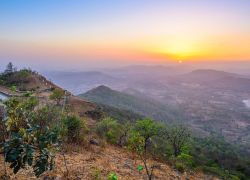
Welcome to Sunset Point in Saputara, a mesmerizing tourist attraction that offers breathtaking views of the sun setting against the backdrop of the stunning landscape. This natural wonder draws visitors from far and wide, seeking the perfect spot to witness nature's beauty unfold. History of Sunset Point Sunset Point in Saputara has a rich historical background, once serving as royal hunting grounds for the local rulers. Over the years, concerted conservation efforts have transformed this area into a sanctuary of tranquility and natural beauty. Its significance has been recognized by UNESCO, adding to its allure as a must-visit destination. Architecture and Natural Beauty of Sunset Point Surrounded by lush wetlands, dense forests, and vast grasslands, Sunset Point offers a diverse habitat for various bird species. The picturesque landscapes and the historic Keoladeo Temple within the park add to the charm of this natural marvel. Why is Sunset Point Famous? Sunset Point in Saputara is renowned for its spectacular views that attract birdwatchers, photographers, nature enthusiasts, and wildlife lovers alike. The tranquil ambiance and stunning sunsets make it a popular destination for those seeking a close connection with nature. How to Reach Sunset Point Travelling to Sunset Point is convenient, with options available by air, rail, and road. The nearest airports and railway stations provide easy access to this natural wonder, welcoming visitors to experience its beauty firsthand. Weather and Best Time to Visit Sunset Point The weather at Sunset Point varies across seasons, with summer offering warm days, monsoon bringing lush greenery, and winter providing a cool and pleasant atmosphere. The best time to visit is during the cooler months to fully appreciate the scenic beauty. Timings of Sunset Point Sunset Point welcomes visitors at specific timings, allowing them to experience the beauty of the setting sun in all its glory. Seasonal variations may affect these timings, so it is advisable to plan your visit accordingly. Entry Fee and Visit Details Visitors to Sunset Point can enjoy guided tours, safari options, bicycle rentals, and other visitor facilities to enhance their experience. Entry procedures are straightforward, ensuring a smooth visit for all nature lovers. Things to Do at Sunset Point At Sunset Point, there are plenty of activities to engage in, including birdwatching, photography, cycling, walking trails, and nature observation. Visitors can immerse themselves in the beauty of the surroundings and gain valuable insights into the local ecosystem. Interesting Facts About Sunset Point One of the fascinating aspects of Sunset Point is the presence of migratory birds that grace the skies during certain seasons. The park's biodiversity and conservation efforts have contributed significantly to its ecological importance, making it a hub for wildlife enthusiasts. Travel Tips for Visiting Sunset Point When visiting Sunset Point, remember to dress appropriately for the weather, carry essential photography and birdwatching equipment, and choose the right season for your trip. Responsible tourism practices are encouraged to preserve the natural beauty of this iconic destination. Conclusion In conclusion, Sunset Point in Saputara offers a unique blend of natural beauty, historical significance, and ecological importance. Visitors can enjoy a serene environment, witness stunning sunsets, and explore diverse bird habitats, making it a must-visit destination for nature lovers in the heart of Saputara.
Explore More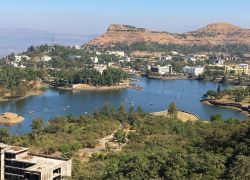
Saputara Lake, nestled in the charming city of Saputara, is a picturesque tourist attraction renowned for its natural beauty and tranquility. Surrounded by lush greenery and offering a serene ambiance, Saputara Lake is a popular destination for nature lovers, photographers, and leisure seekers alike. History of Saputara Lake The history of Saputara Lake dates back to its establishment as a serene water body in the heart of Saputara. Formerly a royal hunting ground, the lake has undergone conservation efforts to preserve its natural ecosystem. While not recognized by UNESCO, the lake holds significant cultural and ecological value for the region. Architecture and Natural Beauty of Saputara Lake Surrounded by verdant forests, the lake boasts a serene environment that is home to diverse bird species and wildlife. The picturesque landscapes around the lake provide a perfect backdrop for visitors to immerse themselves in nature. Additionally, the historic Keoladeo Temple located nearby adds to the charm of the surroundings. Why is Saputara Lake Famous? Saputara Lake is famous for its tranquil ambiance and scenic beauty, making it a preferred destination for birdwatchers, photographers, and nature enthusiasts. The rich biodiversity surrounding the lake attracts wildlife lovers and those seeking a peaceful retreat amidst nature's splendor. How to Reach Saputara Lake Traveling to Saputara Lake is convenient, with options available by air, rail, and road. The nearest airports are located in Surat and Nashik, while the closest railway station is in Bilimora. Visitors can also opt for road transport via well-connected highways leading to Saputara. Weather and Best Time to Visit Saputara Lake Saputara experiences pleasant weather conditions throughout the year, with summers being mild, monsoons bringing lush greenery, and winters offering a cool ambiance. The best time to visit Saputara Lake is during the post-monsoon season from September to November when the surroundings are at their most vibrant. Timings of Saputara Lake Saputara Lake welcomes visitors from early morning till evening, allowing ample time to enjoy the serene surroundings and engage in various activities. The timings may vary slightly based on seasonal changes, so it is advisable to plan your visit accordingly. Entry Fee and Visit Details Entry to Saputara Lake is usually free, with optional guide services available for those interested in learning more about the area's flora and fauna. Visitors can also explore the surroundings through safari options, bicycle rentals, and other facilities provided for a memorable experience. Things to Do at Saputara Lake At Saputara Lake, visitors can indulge in a range of activities such as birdwatching, photography, cycling around the lake, walking along nature trails, and simply soaking in the peaceful ambiance. The lake offers opportunities for nature observation and educational experiences, making it an ideal destination for all age groups. Interesting Facts About Saputara Lake Saputara Lake is a haven for migratory birds, with a rich biodiversity that contributes to the area's ecological importance. Conservation efforts have helped maintain the delicate balance of the ecosystem, ensuring the sustainability of the lake's natural beauty for future generations to appreciate. Travel Tips for Visiting Saputara Lake When visiting Saputara Lake, it is advisable to wear comfortable clothing suitable for outdoor activities and carry essential photography and birdwatching equipment. The best time to visit is during the post-monsoon season, but visitors should also practice responsible tourism by respecting the natural surroundings and wildlife. Conclusion In conclusion, Saputara Lake in Saputara offers a serene retreat amidst nature's beauty, making it a must-visit destination for those seeking tranquility and natural splendor. With its rich biodiversity, picturesque landscapes, and range of activities, Saputara Lake provides a memorable experience for all visitors to immerse themselves in the wonders of the natural world.
Explore More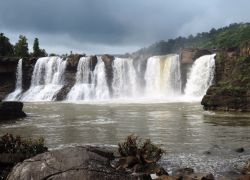
Saputara, a quaint hill station in India, is home to the mesmerizing Gira Waterfalls. Nestled amidst lush greenery, Gira Waterfalls is a natural wonder that attracts tourists from far and wide. The falls are not just a sight to behold but also hold immense significance in terms of biodiversity and tourism, making it a must-visit destination for nature enthusiasts. History of Gira Waterfalls The history of Gira Waterfalls dates back to ancient times when the region served as a hunting ground for the erstwhile royals. Over the years, concerted conservation efforts have been made to preserve the natural beauty of the falls, leading to UNESCO recognition for its ecological importance. Architecture and Natural Beauty of Gira Waterfalls Gira Waterfalls is surrounded by verdant wetlands, dense forests, and sprawling grasslands that provide a habitat for a variety of bird species. The picturesque landscapes and the historical Keoladeo Temple add to the charm of this natural marvel. Why is Gira Waterfalls Famous? Gira Waterfalls has gained fame among birdwatchers, photographers, and wildlife lovers due to its rich biodiversity and stunning natural vistas. The falls offer a serene retreat for those seeking to reconnect with nature. How to Reach Gira Waterfalls Traveling to Gira Waterfalls is convenient, with options to reach by air, rail, and road. The nearest airports are located in Ahmedabad and Surat, while the closest railway station is in Bilimora. From there, one can easily hire a taxi or take a bus to reach Saputara. Weather and Best Time to Visit Gira Waterfalls The weather at Gira Waterfalls varies across seasons, with summers being warm, monsoons bringing heavy rainfall, and winters being cool and pleasant. The best time to visit is post-monsoon when the falls are at their majestic best. Timings of Gira Waterfalls Gira Waterfalls welcomes visitors from morning till evening, with timings subject to seasonal variations. It is advisable to check ahead for any specific timings and plan your visit accordingly. Entry Fee and Visit Details Entry to Gira Waterfalls may require a nominal fee, and visitors can avail guide services, opt for safaris, rent bicycles, and make use of other facilities provided on-site for a fulfilling experience amidst nature. Things to Do at Gira Waterfalls At Gira Waterfalls, one can indulge in various activities such as birdwatching, photography, cycling, walking along scenic trails, observing nature up close, and engaging in educational experiences to learn more about the ecosystem. Interesting Facts About Gira Waterfalls Gira Waterfalls is a haven for migratory birds, boasts rich biodiversity, has witnessed successful conservation efforts, and plays a crucial role in maintaining the ecological balance of the region, making it a site of immense ecological importance. Travel Tips for Visiting Gira Waterfalls When visiting Gira Waterfalls, it is advisable to wear comfortable clothing, carry necessary photography and birdwatching equipment, visit during the recommended seasons, and practice responsible tourism to ensure the preservation of this natural treasure. Conclusion In conclusion, Gira Waterfalls in Saputara is not just a tourist attraction but a place where visitors can immerse themselves in the beauty of nature, witness diverse wildlife, and appreciate the efforts taken towards conservation. A visit to Gira Waterfalls promises a memorable experience that blends adventure, serenity, and appreciation for the natural world.
Explore More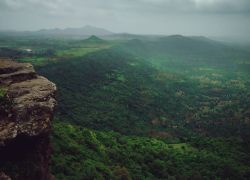
Governor's Hill is one of the most scenic viewpoints in Saputara, Gujarat’s only hill station. Known for its breathtaking panoramic views of the surrounding valleys, forests, and hills, this spot is a favorite among nature lovers, photographers, and tourists seeking tranquility. Located close to the Maharashtra border, Governor's Hill offers a peaceful environment away from the busy town center. This viewpoint is especially popular during sunrise and sunset, when the sky is filled with vibrant colors and the landscape looks truly magical. With its natural beauty and calm atmosphere, Governor's Hill provides a refreshing escape for visitors. Why Famous for Governor's Hill, Saputara, Gujarat? Governor's Hill is famous for its stunning panoramic views of the Western Ghats and surrounding valleys. It offers one of the best vantage points in Saputara. The location is also known for its peaceful and less crowded environment, making it ideal for those looking to relax and enjoy nature. It is a popular spot for sunrise and sunset views, attracting photographers and tourists alike. History of Governor's Hill, Saputara, Gujarat Governor's Hill gets its name from the British colonial era, when Saputara was developed as a hill retreat. It is believed that British officials, including governors, used this location as a viewpoint to enjoy the scenic beauty of the region. Over time, the hill became a well-known tourist spot and continues to be an important part of Saputara’s attractions. Though it does not have a long documented history like ancient monuments, its association with colonial times adds to its charm. Architecture of Governor's Hill Governor's Hill is a natural viewpoint rather than a constructed monument, but it features basic infrastructure to support visitors. Key features include: • Natural Landscape: Hills, valleys, and greenery. • Viewing Points: Open spaces for sightseeing. • Walking Paths: Trails leading to the viewpoint. • Safety Railings: Installed at certain points. The simplicity of the site enhances its natural beauty. Things to Do at Governor's Hill, Saputara, Gujarat Visitors can enjoy various activities: 1. Sightseeing: Enjoy panoramic views of the landscape. 2. Photography: Capture sunrise, sunset, and scenic views. 3. Nature Walks: Explore nearby trails and greenery. 4. Relaxation: Spend peaceful time in nature. 5. Adventure: Light trekking to reach the viewpoint. Entry and Visit Details Entry Fee: Entry to Governor's Hill is generally free. Visit Duration: Visitors usually spend around 1 hour at the viewpoint. Facilities: Basic facilities are available, but visitors should carry essentials like water. The site is open to all visitors and suitable for families and solo travelers. Timings of Governor's Hill The viewpoint is open throughout the day. However, the best time to visit is during early morning for sunrise or evening for sunset. Weather at Governor's Hill, Saputara, Gujarat Saputara has a pleasant climate compared to other regions: Summer (March to June): Mild, with temperatures between 20°C and 30°C. Monsoon (July to September): Heavy rainfall with lush greenery. Winter (October to February): Cool and pleasant, with temperatures between 10°C and 25°C. Monsoon and winter are the best seasons to visit for scenic beauty. How to Reach Governor's Hill, Saputara, Gujarat By Air: The nearest airport is Surat Airport, about 160 km away. By Train: The nearest railway station is Waghai Railway Station, around 50 km away. By Road: Saputara is well connected by road to Surat, Nashik, and nearby cities. Buses, taxis, and private vehicles are available. Governor's Hill is located within Saputara and can be reached by local transport followed by a short walk or trek. Interesting Facts about Governor's Hill • It offers one of the best panoramic views in Saputara. • It is associated with the British colonial period. • It is less crowded compared to other viewpoints. • It is a popular photography spot. Travel Tips for Governor's Hill • Visit early morning or evening for the best views. • Wear comfortable footwear for walking or trekking. • Carry water and snacks. • Avoid visiting during heavy rain due to slippery paths. • Follow safety precautions near edges. Conclusion Governor's Hill in Saputara is a perfect destination for those who love nature, scenic beauty, and peaceful surroundings. With its stunning views and calm atmosphere, it offers a refreshing and memorable experience. A visit to this viewpoint is a must for anyone exploring Saputara hill station.
Explore More
Welcome to Gopi Talav, a serene oasis nestled in the heart of Surat. This picturesque destination is a haven for nature enthusiasts, offering a tranquil escape from the bustling city life. Gopi Talav, with its rich biodiversity and breathtaking landscapes, provides a unique opportunity to connect with nature and witness the beauty of the natural world. History of Gopi Talav Gopi Talav holds a significant historical background, once serving as royal hunting grounds for the erstwhile rulers. Over the years, concerted conservation efforts have transformed this area into a thriving ecosystem, earning recognition for its ecological importance. The park's commitment to preserving its natural heritage has garnered UNESCO accolades for its conservation initiatives. Architecture and Natural Beauty of Gopi Talav Gopi Talav is renowned for its expansive wetlands, dense forests, and lush grasslands that provide a habitat for a diverse array of bird species. The park is a birdwatcher's paradise, with numerous bird habitats attracting migratory birds from around the world. Nestled within this natural beauty lies the historic Keoladeo Temple, adding a touch of spirituality to the picturesque landscape. Why is Gopi Talav Famous? Gopi Talav has gained popularity among birdwatchers, photographers, and wildlife enthusiasts due to its rich avian diversity and stunning natural surroundings. The park offers a unique opportunity to observe migratory birds in their natural habitat, making it a favorite destination for nature lovers seeking an immersive wildlife experience. How to Reach Gopi Talav Traveling to Gopi Talav is convenient, with options available by air, rail, and road. The nearest airport is located in Surat, while the city is well-connected by rail to major cities across India. Visitors can also choose to reach Gopi Talav by road, enjoying a scenic drive through the picturesque countryside. Weather and Best Time to Visit Gopi Talav Gopi Talav experiences varied weather conditions throughout the year, with summers being hot, monsoons bringing lush greenery, and winters offering a pleasant climate. The best time to visit is during the winter months when the weather is mild, and birdwatching opportunities are abundant. Timings of Gopi Talav Gopi Talav welcomes visitors throughout the year, with timings varying based on seasonal changes. It is advisable to check the park's schedule before planning your visit to ensure an optimal experience. The park's operational hours cater to both early morning birdwatching enthusiasts and late afternoon nature lovers. Entry Fee and Visit Details Entry to Gopi Talav is subject to nominal fees, with additional services such as guide assistance, safari options, and bicycle rentals available for visitors. The park offers essential visitor facilities, including rest areas, refreshment spots, and information centers to enhance the overall experience. Things to Do at Gopi Talav Gopi Talav offers a myriad of activities for visitors to indulge in, from birdwatching and photography to cycling and exploring the walking trails. Nature enthusiasts can immerse themselves in the serene surroundings, observe the local flora and fauna, and engage in educational experiences offered within the park. Interesting Facts About Gopi Talav Gopi Talav is home to a diverse range of migratory birds, making it a crucial stopover for avian species during their annual migrations. The park's conservation efforts have led to significant biodiversity conservation achievements, further underscoring its ecological importance in the region. Travel Tips for Visiting Gopi Talav When visiting Gopi Talav, it is advisable to wear comfortable clothing suitable for outdoor activities. Carrying photography equipment and binoculars can enhance your birdwatching experience, while visiting during the recommended seasons ensures optimal wildlife sightings. Responsible tourism practices, such as respecting the park's regulations and preserving its natural beauty, are key to sustaining the ecosystem. Conclusion In conclusion, Gopi Talav in Surat stands as a testament to the harmonious coexistence of nature and humanity. Its historical significance, diverse biodiversity, and immersive visitor experiences make it a must-visit destination for those seeking to connect with the natural world. Explore the wonders of Gopi Talav and embark on a journey of discovery amidst the tranquil beauty of Surat's enchanting landscape.
Explore More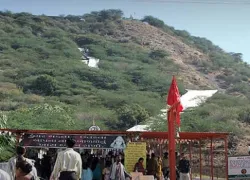
Chotila Hills, popularly known as Chamunda Hills, is a popular travel destination in Gujarat. Located in the district of Surendranagar, these hills are visited by the tourists on a huge scale. This scenic hill is a famous religious site as well. At top of the hill, a temple dedicated to Goddess Chamunda is built. This holy site is visited on a huge scale by the followers of Chamunda Mata. Why Is It Famous? Chotila Hills is a frequented destination because of its divine ambiance and serene surroundings. This hill is a perfect spot for spending some time away from the chaotic cities. The beautiful surroundings of the hill can make anyone succumb to it. Trekkers can be spotted often relishing the venture in groups. Apart from the visual appeal, the hill also houses a temple of Goddess Chamunda, a manifestation of Goddess Shakti that killed the demons named Chanda & Munda. This temple has an evoked aura and is visited by the devotees on a huge scale. Best Time To Visit:- Chotila Hills is a place that welcomes the visitors throughout the year. There is no specific season that has to be waited for. Any day is auspicious for visiting the temple located atop the hill. You can also visit this temple on the occasion of Navaratri. Watch Out! Do not miss to be a part of the Navaratri celebrations that take place in this temple. It is the festival that is celebrated here enthusiastically. Numerous devotees visit this temple and take delight in the nine-day celebrations that take place at this hill. Reaching There:- Surendranagar is well-connected to Gujarat and can be reached via inter-state buses, express trains, and flights that are available from other cities. Traveling within Surendranagar can be done via local transit. Nearest Railway Station:- Surendranagar Airport Nearest Airport:- Rajkot Airport
Explore More