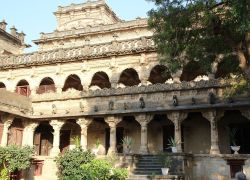
Welcome to the enchanting city of Gondal, home to the majestic Navlakha Palace, a true gem for nature lovers and history enthusiasts alike. Situated in a natural paradise, Navlakha Palace offers a unique blend of architectural splendor and biodiversity that captivates visitors from around the world. History of Navlakha Palace Steeped in history, Navlakha Palace boasts a rich heritage dating back to its origins as a royal hunting ground. Over the years, the palace has seen significant conservation efforts to preserve its historical significance, earning recognition from UNESCO as a cultural heritage site. Architecture and Natural Beauty of Navlakha Palace Surrounded by lush wetlands, dense forests, and sprawling grasslands, Navlakha Palace is a haven for bird species and wildlife. The picturesque landscapes provide a perfect backdrop to the historical Keoladeo Temple, adding to the charm of this architectural marvel. Why is Navlakha Palace Famous? Navlakha Palace is renowned for its thriving bird population, making it a paradise for birdwatchers, photographers, and nature enthusiasts. The diverse ecosystems within the palace attract wildlife lovers seeking a unique and immersive experience. How to Reach Navlakha Palace Traveling to Navlakha Palace is convenient, with options available by air, rail, and road. The city is well-connected with nearby airports and railway stations, ensuring easy access for visitors from various locations. Weather and Best Time to Visit Navlakha Palace Navlakha Palace experiences varying weather conditions throughout the year, with distinct summer, monsoon, and winter seasons. The best time to visit is during the cooler months when the natural beauty of the palace is at its peak. Timings of Navlakha Palace Visitors to Navlakha Palace can explore its wonders during specified timings, accommodating seasonal variations for an enhanced experience. It is advisable to plan your visit accordingly to make the most of your time at this captivating destination. Entry Fee and Visit Details Entry to Navlakha Palace is subject to specific procedures, with guide services, safari options, and bicycle rentals available for visitors. The palace offers convenient facilities to ensure a comfortable and memorable visit for all guests. Things to Do at Navlakha Palace Engage in a range of exciting activities at Navlakha Palace, including birdwatching, photography, cycling, walking trails, and nature observation. Immerse yourself in the beauty of the surroundings and enjoy educational experiences that showcase the palace's ecological diversity. Interesting Facts About Navlakha Palace Navlakha Palace is home to a plethora of migratory birds, highlighting its biodiversity and conservation efforts. The palace stands as a testament to the importance of preserving ecological balance and protecting the natural heritage of the region. Travel Tips for Visiting Navlakha Palace When planning your visit to Navlakha Palace, remember to dress appropriately for the weather, carry essential photography and birdwatching equipment, and adhere to responsible tourism practices. Choose the right visiting season to make the most of your experience at this unique destination. Conclusion In conclusion, Navlakha Palace in Gondal offers a captivating blend of history, architecture, and natural beauty that promises an unforgettable visitor experience. Explore the wonders of this magnificent palace, immerse yourself in its biodiversity, and create lasting memories in the heart of nature.
Explore More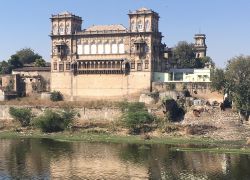
Gondal, a city known for its rich cultural heritage and historic landmarks, is home to one of its most revered tourist attractions - Riverside Palace. Situated in the heart of Gondal, this magnificent palace offers a unique blend of history, natural beauty, and wildlife, making it a must-visit destination for travelers seeking an immersive experience. History of Riverside Palace Steeped in history, Riverside Palace traces its origins back to the former royal hunting grounds of the Gondal princely state. Over the years, the palace has undergone extensive conservation efforts to preserve its architectural grandeur and cultural significance. Recognized by UNESCO for its historical importance, Riverside Palace stands as a testament to Gondal's royal legacy. Architecture and Natural Beauty of Riverside Palace The palace is surrounded by lush wetlands, dense forests, and sprawling grasslands that provide a natural habitat for a diverse range of bird species. Birdwatchers and nature enthusiasts flock to Riverside Palace to witness its picturesque landscapes and explore the historic Keoladeo Temple located within the park, adding to its allure. Why is Riverside Palace Famous? Riverside Palace has garnered fame for being a paradise for birdwatchers, photographers, and wildlife lovers. Its serene ambiance, coupled with the abundance of bird habitats, draws visitors from far and wide to witness the breathtaking beauty of nature in its purest form. How to Reach Riverside Palace Traveling to Riverside Palace is convenient, with options available by air, rail, and road. The nearest airport is located in the vicinity, and well-connected railway stations ensure easy access to this enchanting destination in Gondal. Weather and Best Time to Visit Riverside Palace Throughout the summer, monsoon, and winter seasons, Riverside Palace offers a diverse experience for visitors. The best time to visit is during the cooler months when the weather is pleasant, allowing travelers to explore the palace and its surroundings comfortably. Timings of Riverside Palace Riverside Palace welcomes visitors during specified timings, with seasonal variations to accommodate changing daylight hours. Planning your visit accordingly ensures a memorable experience at this historic site. Entry Fee and Visit Details Entry procedures at Riverside Palace are straightforward, with guide services available for a more informative exploration. Safari options, bicycle rentals, and visitor facilities are provided to enhance the overall experience and convenience of guests. Things to Do at Riverside Palace Engaging in popular activities such as birdwatching, photography, cycling, and nature observation at Riverside Palace offers a unique perspective of the natural world. Walking trails and educational experiences further enrich the visit, creating lasting memories for travelers. Interesting Facts About Riverside Palace Riverside Palace is renowned for its diverse migratory bird populations, contributing to the region's rich biodiversity. The conservation efforts undertaken at the palace have been instrumental in preserving the ecological balance and promoting sustainable tourism practices. Travel Tips for Visiting Riverside Palace When visiting Riverside Palace, it is advisable to dress comfortably and carry suitable photography and birdwatching equipment to make the most of your experience. Understanding the visiting seasons and practicing responsible tourism ensures the preservation of this natural treasure for future generations. Conclusion In conclusion, Riverside Palace stands as a testament to Gondal's royal legacy and natural beauty, offering a captivating blend of history and wildlife. A visit to this enchanting destination in Gondal promises a fulfilling experience for travelers seeking to immerse themselves in the wonders of nature and heritage.
Explore More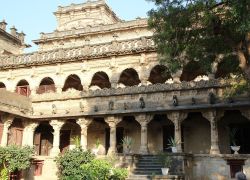
Welcome to the picturesque city of Gondal, home to the exquisite Naulakha Palace. This majestic palace stands as a symbol of opulence and grandeur, attracting visitors from far and wide. Nestled amidst the natural beauty of Gondal, the Naulakha Palace offers a glimpse into the rich history and architectural brilliance of the region. History of Naulakha Palace The history of Naulakha Palace dates back to the royal era when it served as a retreat for the royal family of Gondal. Originally built as a hunting lodge, the palace boasts intricate craftsmanship and timeless elegance. Over the years, efforts have been made to conserve this historical gem, leading to its recognition by UNESCO for its cultural significance. Architecture and Natural Beauty of Naulakha Palace Surrounded by lush wetlands, verdant forests, and sprawling grasslands, Naulakha Palace is a haven for birdlife and wildlife enthusiasts. The tranquil landscapes provide a serene backdrop to the historical Keoladeo Temple located within the palace complex, adding to its architectural charm and natural allure. Why is Naulakha Palace Famous? Naulakha Palace has gained fame for its enchanting beauty and biodiversity, making it a popular destination among birdwatchers, photographers, and nature lovers. The diverse bird habitats and pristine surroundings offer a unique experience for visitors seeking solace in nature's embrace. How to Reach Naulakha Palace Traveling to Naulakha Palace is convenient with options available by air, rail, and road. The city is well-connected to nearby airports and railway stations, making it easily accessible for tourists seeking to explore this historical marvel. Weather and Best Time to Visit Naulakha Palace The weather at Naulakha Palace varies across seasons, with summer bringing warm days, monsoon enhancing the greenery, and winter offering a pleasant climate. The best time to visit is during the cooler months when the natural beauty of the palace is at its peak. Timings of Naulakha Palace Naulakha Palace welcomes visitors during specified timings, ensuring an enriching experience for all. Seasonal variations may impact the opening hours, so it is advisable to plan your visit accordingly to make the most of your trip. Entry Fee and Visit Details Visitors can explore Naulakha Palace by following the entry procedures and availing guide services for a comprehensive tour. Safari options, bicycle rentals, and visitor facilities are available to enhance the overall visit experience and make it memorable. Things to Do at Naulakha Palace Engage in a myriad of activities at Naulakha Palace, including birdwatching, photography, cycling, and walking trails. Immerse yourself in nature observation and educational experiences to gain a deeper understanding of the palace's ecological importance. Interesting Facts About Naulakha Palace Naulakha Palace is renowned for its diverse migratory birds, rich biodiversity, and notable conservation achievements. The palace serves as a testament to the region's ecological significance and the efforts made to preserve its natural heritage. Travel Tips for Visiting Naulakha Palace When visiting Naulakha Palace, remember to dress appropriately for the weather, carry essential photography and birdwatching equipment, and be mindful of the visiting seasons. Embrace responsible tourism practices to ensure the conservation of this pristine destination for future generations. Conclusion In conclusion, Naulakha Palace in Gondal stands as a beacon of history, architecture, and natural beauty. Its significance in terms of biodiversity and tourism importance makes it a must-visit destination for those seeking a harmonious blend of culture and nature. Explore the wonders of Naulakha Palace and immerse yourself in the enchanting charm of Gondal.
Explore More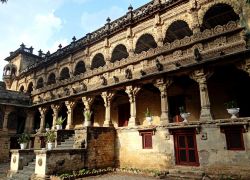
Welcome to the enchanting world of Darbargadh Palace in Gondal, a majestic tourist attraction that embodies a perfect blend of history, architecture, and natural beauty. Situated in the heart of Gondal, this palace stands as a testament to the rich heritage and cultural significance of the region. History of Darbargadh Palace The history of Darbargadh Palace dates back to its establishment as the former royal hunting grounds of the Gondal rulers. Over the years, this sprawling estate has undergone significant conservation efforts to preserve its historical essence, leading to its recognition by UNESCO for its cultural heritage value. Architecture and Natural Beauty of Darbargadh Palace Surrounded by lush wetlands, verdant forests, and sprawling grasslands, Darbargadh Palace serves as a haven for a diverse range of bird species, creating a picturesque landscape for visitors to explore. The historic Keoladeo Temple nestled within the palace grounds adds to its architectural charm and natural allure. Why is Darbargadh Palace Famous? Darbargadh Palace is renowned for its appeal to birdwatchers, photographers, nature enthusiasts, and wildlife lovers who flock to witness the magnificent avian species and stunning landscapes that abound within its precincts. The palace's tranquil ambiance and biodiversity make it a must-visit destination for those seeking a peaceful retreat in nature. How to Reach Darbargadh Palace Traveling to Darbargadh Palace is convenient, with options available by air, rail, and road. The nearest airports and railway stations provide easy access to Gondal, ensuring a hassle-free journey for visitors eager to explore this historical gem. Weather and Best Time to Visit Darbargadh Palace The weather at Darbargadh Palace varies across summer, monsoon, and winter seasons, offering distinct experiences to visitors throughout the year. The best time to visit is during the cooler months when the weather is pleasant, allowing for a more enjoyable exploration of the palace and its surroundings. Timings of Darbargadh Palace Darbargadh Palace welcomes visitors during specified timings, with seasonal variations that may affect opening hours. It is advisable to plan your visit accordingly and check for any updates to ensure a seamless experience at this historical site. Entry Fee and Visit Details Visitors can gain entry to Darbargadh Palace by following the designated procedures and avail guide services to enhance their exploration of the palace grounds. Safari options, bicycle rentals, and visitor facilities are available to ensure a memorable and comfortable visit for all guests. Things to Do at Darbargadh Palace Engage in popular activities such as birdwatching, photography, cycling, walking trails, and nature observation at Darbargadh Palace. Immerse yourself in the serene beauty of the surroundings and partake in educational experiences that offer insights into the rich biodiversity of the region. Interesting Facts About Darbargadh Palace Discover fascinating facts about the migratory birds that frequent Darbargadh Palace, the conservation achievements that have preserved its ecological balance, and the overall importance of this historical site in promoting biodiversity and environmental sustainability. Travel Tips for Visiting Darbargadh Palace When planning your visit to Darbargadh Palace, remember to dress appropriately for the weather, carry essential photography and birdwatching equipment, choose the right season for your interests, and practice responsible tourism by respecting the natural environment and wildlife during your stay. Conclusion In conclusion, Darbargadh Palace in Gondal stands as a captivating destination that offers a harmonious blend of history, architecture, and natural beauty. By immersing yourself in the serenity of this royal estate, you can experience the essence of Gondal's cultural heritage and create lasting memories amidst its picturesque surroundings.
Explore More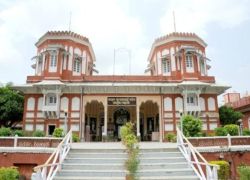
Welcome to the mesmerizing Moti Shahi Mahal in Palitana, a hidden gem waiting to be explored by travelers seeking natural beauty and historical significance. This majestic hotspot offers a unique blend of architectural wonders, lush landscapes, and rich biodiversity, making it a must-visit destination for nature enthusiasts and history buffs alike. History of Moti Shahi Mahal Steeped in history, Moti Shahi Mahal holds a legacy of royal grandeur and cultural heritage. Originally built as a royal residence, this magnificent palace boasts a rich past as a former royal hunting ground transformed into a conservation area. Its historical significance is further underscored by its UNESCO recognition for its efforts in preserving the natural environment and wildlife. Architecture and Natural Beauty of Moti Shahi Mahal Surrounded by enchanting wetlands, dense forests, and sprawling grasslands, Moti Shahi Mahal is a haven for diverse bird species and wildlife. The picturesque landscapes and the ancient Keoladeo Temple nestled within the park add to its architectural charm, creating a tranquil sanctuary for both nature lovers and history enthusiasts. Why is Moti Shahi Mahal Famous? Moti Shahi Mahal has garnered fame as a prime destination for birdwatchers, photographers, and wildlife enthusiasts due to its unparalleled natural beauty and rich biodiversity. The park's serene ambiance and abundance of bird habitats make it an ideal spot for capturing stunning wildlife moments and exploring the wonders of nature up close. How to Reach Moti Shahi Mahal Traveling to Moti Shahi Mahal is convenient, with options for air, rail, and road transport. The nearest airports and railway stations provide easy access to this enchanting destination, allowing visitors to embark on a memorable journey into the heart of Palitana's natural splendor. Weather and Best Time to Visit Moti Shahi Mahal Throughout the summer, monsoon, and winter seasons, Moti Shahi Mahal offers a unique experience in each climatic phase. The best time to visit varies depending on personal preferences, with certain months showcasing the park's beauty in different shades, making it a year-round attraction for travelers. Timings of Moti Shahi Mahal Visiting hours at Moti Shahi Mahal cater to the needs of tourists, with seasonal variations ensuring an optimal experience for all visitors. Planning a trip to this majestic hotspot involves considering the timings to make the most of your visit and enjoy the natural wonders it has to offer. Entry Fee and Visit Details Entry procedures at Moti Shahi Mahal are designed to facilitate a seamless visitor experience, with guide services, safari options, bicycle rentals, and visitor facilities available to enhance your stay. Exploring the park's offerings is made convenient through these services, allowing you to immerse yourself in the beauty of the surroundings. Things to Do at Moti Shahi Mahal Engage in a variety of activities at Moti Shahi Mahal, including birdwatching, photography, cycling, walking trails, and nature observation. The park's diverse offerings cater to different interests, providing educational experiences and opportunities to connect with nature in a meaningful way. Interesting Facts About Moti Shahi Mahal Discover fascinating facts about Moti Shahi Mahal, from the migratory birds that call it home to the conservation achievements that have contributed to its ecological importance. Delve into the park's rich biodiversity and learn about the efforts to preserve its natural heritage for future generations to enjoy. Travel Tips for Visiting Moti Shahi Mahal Prepare for your trip to Moti Shahi Mahal with practical advice on clothing, photography essentials, birdwatching equipment, and responsible tourism practices. Understanding the best times to visit and how to make the most of your experience ensures a memorable and enjoyable stay at this captivating tourist hotspot. Conclusion In conclusion, Moti Shahi Mahal in Palitana stands as a testament to the harmonious blend of history, nature, and culture. Its allure lies in the seamless integration of architectural marvels, lush landscapes, and diverse wildlife, offering visitors a unique and enriching experience. Explore the wonders of Moti Shahi Mahal and immerse yourself in the beauty of Palitana's hidden treasure.
Explore More
Pavagadh Fort, Champaner, Gujarat Pavagadh Fort is a historic and culturally rich site located near Champaner in the Panchmahal district of Gujarat. Situated on the slopes of the Pavagadh Hill, this fort is part of the famous Champaner-Pavagadh Archaeological Park, which is recognized as a UNESCO World Heritage Site. The fort is known for its ancient ruins, धार्मिक importance, and stunning views of the surrounding landscape. It attracts history lovers, pilgrims, and nature enthusiasts from across India. Why Famous for Pavagadh Fort, Champaner, Gujarat? Pavagadh Fort is famous for its historical significance, religious importance, and scenic hilltop location. It is closely associated with the famous Kalika Mata Temple, which is one of the most important Shakti Peeths in India. The fort is also known for its ruins of ancient structures, stepwells, gateways, and defensive walls that reflect the architectural brilliance of earlier times. The panoramic views from the hilltop and the spiritual atmosphere make it a unique destination combining history and devotion. History of Pavagadh Fort, Champaner, Gujarat The history of Pavagadh Fort dates back to ancient times and has seen the rule of several dynasties. It was originally built by the Chauhan Rajputs and later became an important stronghold. In the 15th century, Sultan Mahmud Begada of Gujarat conquered the fort after a long siege and developed the nearby city of Champaner as his capital. The area flourished under his rule and became a center of culture and architecture. Today, the ruins of the fort and the surrounding archaeological park stand as a reminder of its glorious past and historical importance. Architecture of Pavagadh Fort The architecture of Pavagadh Fort reflects a blend of Hindu and Islamic styles, showcasing the cultural diversity of the region. Key architectural highlights include: • Fort Walls and Gates: Strong defensive structures built on steep hill slopes. • Stepwells: Ancient water storage systems with intricate designs. • Temples and Mosques: Reflecting religious harmony and artistic excellence. • Palaces and Ruins: Remains of royal buildings and living quarters. The use of local stone and the strategic design of the fort demonstrate advanced engineering skills of that era. Things to Do at Pavagadh Fort, Champaner, Gujarat Visitors can enjoy a variety of activities: 1. Trekking: Climb the hill to reach the fort and temple. 2. Visit Kalika Mata Temple: Seek blessings at the famous temple. 3. Explore Ruins: Discover ancient structures and historical remains. 4. Photography: Capture scenic views and architectural details. 5. Ropeway Ride: Enjoy a cable car ride for easy access and beautiful views. Entry and Visit Details Entry Fee: Entry to the fort area is generally free, but charges apply for ropeway rides. Visit Duration: Visitors usually spend around 3 to 5 hours exploring the site. Facilities: Food stalls, drinking water, parking, and ropeway services are available. Timings of Pavagadh Fort The fort area is open from 8:00 AM to 5:00 PM. However, temple timings may vary. Early morning visits are recommended for a better experience. Weather at Pavagadh Fort, Champaner, Gujarat The climate in Pavagadh varies by season: Summer (March to June): Hot, with temperatures reaching up to 38°C. Monsoon (July to September): Pleasant with greenery but slippery paths. Winter (October to February): Cool and ideal, with temperatures between 12°C and 25°C. The best time to visit is during winter or early monsoon when the weather is comfortable and the surroundings are lush. How to Reach Pavagadh Fort, Champaner, Gujarat By Air: The nearest airport is Vadodara Airport, around 50 km away. Taxis are available from there. By Train: The nearest railway station is Vadodara Railway Station, well connected to major cities. By Road: Champaner is well connected by road to Vadodara and other parts of Gujarat. Buses and taxis are easily available. From the base, visitors can either trek or use the ropeway to reach the top. Interesting Facts about Pavagadh Fort • It is part of a UNESCO World Heritage Site. • The hill is believed to be a fragment of the Himalayas according to mythology. • The Kalika Mata Temple is one of the oldest in the region. • The fort remained unconquered for many years before Sultan Mahmud Begada captured it. Travel Tips for Pavagadh Fort • Wear comfortable shoes for trekking. • Carry water and light snacks. • Avoid visiting during peak afternoon heat in summer. • Be cautious during monsoon due to slippery paths. • Respect religious customs at the temple. Conclusion Pavagadh Fort is a perfect blend of history, spirituality, and natural beauty. Its ancient ruins, धार्मिक significance, and scenic views make it one of the most important tourist destinations in Gujarat. Whether you are a history enthusiast, a pilgrim, or a nature lover, a visit to Pavagadh Fort offers a memorable and enriching experience.
Explore More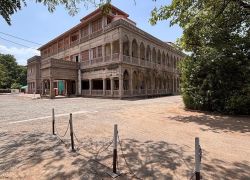
Nilambag Palace is one of the most iconic heritage landmarks in Bhavnagar, Gujarat. Known for its royal charm, historical importance, and architectural beauty, this palace offers visitors a glimpse into the luxurious lifestyle of the former rulers of Bhavnagar. Located in the heart of the city, Nilambag Palace is now a heritage hotel, allowing tourists to experience royal living along with modern comforts. History of Nilambag Palace, Bhavnagar Nilambag Palace was commissioned in 1879 by Maharaja Takhtsinhji of Bhavnagar. It was designed by a European (German/British) architect, making it a unique blend of Indian and Western architectural styles. :contentReference[oaicite:0]{index=0} The palace served as the official residence of the Gohil royal family for many generations. The Gohil dynasty played a major role in the development of Bhavnagar, transforming it into a well-planned and progressive princely state. :contentReference[oaicite:1]{index=1} After India’s independence in 1947, the last ruler, Maharaja Krishna Kumar Sinhji, integrated the state into the Indian Union. Later, in 1984, the palace was converted into a heritage hotel to preserve its legacy and share its grandeur with visitors. :contentReference[oaicite:2]{index=2} Today, Nilambag Palace stands as a symbol of Bhavnagar’s royal past and continues to attract tourists from across the country. Architecture of Nilambag Palace The architecture of Nilambag Palace is a beautiful fusion of Indo-European and colonial styles. Built using Rajula stone, the palace features a grand and elegant structure that reflects the opulence of royal times. :contentReference[oaicite:3]{index=3} The palace complex is spread over approximately 10 acres of lush green gardens, adding to its scenic charm. :contentReference[oaicite:4]{index=4} Key architectural highlights include: • Grand entrance with colonial design influence • High ceilings and spacious halls • Beautiful balconies and large windows • Intricate woodwork and antique furnishings • Elegant Darbar Hall with chandeliers and decorative interiors The interiors are adorned with royal artifacts, paintings, and vintage furniture, giving visitors a true feel of royal living. Why Famous for Nilambag Palace, Bhavnagar? Nilambag Palace is famous for several reasons: • Former royal residence of the Bhavnagar rulers • Unique blend of Indian and European architecture • Converted into a luxurious heritage hotel • Offers a royal stay experience with modern amenities • Surrounded by beautiful gardens and greenery • One of the top tourist attractions in Bhavnagar The palace is especially popular among tourists who want to experience the lifestyle of kings and queens. Things to Do at Nilambag Palace 1. Experience Royal Stay: Book a room and enjoy luxurious heritage hospitality. 2. Explore the Palace Interiors: Admire antique furniture, artworks, and royal décor. 3. Walk in the Gardens: Relax in the lush green surroundings and peaceful atmosphere. 4. Enjoy Fine Dining: Taste traditional Gujarati and multi-cuisine dishes at the in-house restaurant. :contentReference[oaicite:5]{index=5} 5. Photography: Capture the beauty of the palace and its architecture. 6. Attend Events: The palace is also used for weddings, cultural events, and film shoots. :contentReference[oaicite:6]{index=6} How to Reach Nilambag Palace, Bhavnagar By Air: Bhavnagar Airport is located about 6–7 km from the palace and is well connected to major cities. :contentReference[oaicite:7]{index=7} By Train: Bhavnagar Railway Station is approximately 2 km away, making it easily accessible. :contentReference[oaicite:8]{index=8} By Road: Bhavnagar is well connected by road to cities like Ahmedabad, Rajkot, and Surat. Local Transport: Auto-rickshaws, taxis, and buses are readily available to reach the palace. Weather in Bhavnagar Summer (March to June): Hot and dry, with temperatures above 35°C. Monsoon (July to September): Moderate rainfall with pleasant surroundings. Winter (October to February): Cool and comfortable, making it the best time to visit. Winter season is ideal for exploring the palace and enjoying outdoor activities. Timings of Nilambag Palace Hotel Check-in: Around 12:00 PM Visiting Hours: Generally accessible during daytime for guests and visitors (subject to hotel policies) :contentReference[oaicite:9]{index=9} It is recommended to confirm entry timings in advance if you are not staying at the hotel. Entry and Visit Details Entry Fee: Entry may be restricted or allowed only for guests. Some areas can be accessed with prior permission. Room Charges: Vary depending on room category and season. Visit Duration: Around 1–2 hours for exploration; longer if staying overnight. Visitor Guidelines: • Respect hotel rules and guest privacy. • Photography may be restricted in certain areas. • Maintain decorum inside the heritage property. Interesting Facts about Nilambag Palace • Built in 1879 by Maharaja Takhtsinhji. • Designed by a European architect. • Spread across 10 acres of land. • Converted into a heritage hotel in 1984. • Still partially owned and managed by the royal family. • Hosted several celebrities and royal guests. :contentReference[oaicite:10]{index=10} Travel Tips for Visitors • Book in advance: If planning to stay, reserve rooms early. • Visit during winter: The weather is ideal for sightseeing. • Carry a camera: Perfect place for photography. • Respect privacy: It is still partly a private property. • Combine nearby attractions: Visit Barton Library, Gandhi Smriti, and Gaurishankar Lake. Conclusion Nilambag Palace, Bhavnagar is a perfect blend of history, luxury, and architectural beauty. From its royal past to its present as a heritage hotel, the palace offers a unique experience that transports visitors back to the era of kings and queens. Whether you are a history lover, a traveler, or someone looking for a royal getaway, Nilambag Palace is a must-visit destination in Gujarat.
Explore More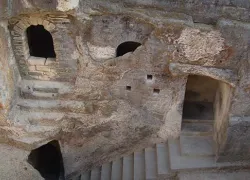
Buddhist Caves in Junagadh are among the most fascinating ancient rock-cut structures in Gujarat. These caves, carved out of solid rock, date back to around the 2nd century BCE to the 4th century CE. Located near the famous Uparkot Fort, these caves reflect the influence of Buddhist monks and their way of life during ancient times. The peaceful surroundings and historical significance make the Buddhist Caves a must-visit attraction in Junagadh. How to Reach Buddhist Caves, Junagadh The Buddhist Caves are located within or near the Uparkot Fort area in Junagadh and are easily accessible. By Air: The nearest airport is Rajkot Airport, approximately 100 km away. From there, taxis and buses are available to Junagadh. By Train: Junagadh Railway Station is about 3 km from the caves and is well connected to major cities like Ahmedabad and Rajkot. By Road: Junagadh is well connected by road. You can hire local transport like auto-rickshaws or taxis to reach Uparkot Fort, from where the caves are easily accessible. Weather The climate in Junagadh is tropical, and visitors should plan their trip accordingly. Summer (March to June): Hot, with temperatures reaching up to 40°C. Monsoon (July to September): Moderate rainfall, making the surroundings green and refreshing. Winter (November to February): The best time to visit, with pleasant temperatures between 15°C and 25°C. Timings The Buddhist Caves are generally open from 8:00 AM to 6:00 PM. It is recommended to visit during the daytime for better visibility and safety. Why Famous for Buddhist Caves, Junagadh? The Buddhist Caves are famous for their ancient rock-cut architecture and historical importance. These caves were used by Buddhist monks as living quarters and meditation halls. The simple yet effective design reflects the lifestyle of monks who followed a path of simplicity and discipline. The caves are also known for their intricate carvings, pillars, and water storage systems. Their association with early Buddhist culture and their age make them an important archaeological site in India. Entry and Visit Details Entry Fee: There is a minimal entry fee, usually around ₹10 to ₹20 for Indian visitors. Charges may vary slightly for foreign tourists. Duration of Visit: Visitors generally spend 1 to 2 hours exploring the caves and nearby areas. Facilities: Basic facilities such as pathways and signboards are available. Since it is an ancient site, modern amenities are limited. History and Architecture The Buddhist Caves of Junagadh date back to the Mauryan and post-Mauryan periods. These caves are believed to have been carved during the rule of various dynasties that supported Buddhism. The caves are rock-cut, meaning they were carved directly into the stone hills. They include multiple chambers, halls, and cells that were used for meditation and residence by monks. The architecture is simple yet functional, designed to support a peaceful and isolated lifestyle. One of the most remarkable features of these caves is the presence of pillared halls, beautifully carved doorways, and water tanks. The caves also showcase early forms of Buddhist architectural design, including chaityas (prayer halls) and viharas (monasteries). The design reflects excellent engineering skills, especially in terms of ventilation and water management. The caves were built in such a way that they remained cool during hot weather, providing comfort to the monks. Things to Do at Buddhist Caves, Junagadh Visitors can enjoy several activities at the site: Explore the Caves: Walk through the chambers and observe the ancient carvings. Learn History: Understand the significance of Buddhism and its influence in the region. Photography: Capture the unique rock-cut architecture and surroundings. Visit Nearby Attractions: Combine your visit with Uparkot Fort, Ashokan Edicts, and Girnar Hills. Peaceful Experience: Enjoy the calm and quiet atmosphere ideal for reflection. Facts and Tips About Buddhist Caves, Junagadh The caves are over 2000 years old and represent early Buddhist architecture in India. They were used as monasteries and meditation centers by Buddhist monks. The caves include water tanks that show advanced planning for ancient times. Wear comfortable shoes, as you may need to walk and climb uneven surfaces. Carry water and essentials, especially during summer months. Visit during morning or evening hours for a more comfortable experience. Respect the historical site and avoid damaging any structures. Conclusion Buddhist Caves in Junagadh are a remarkable example of ancient Indian craftsmanship and spiritual heritage. These caves offer a glimpse into the life of Buddhist monks and the architectural skills of ancient times. Whether you are a history enthusiast, a spiritual seeker, or a traveler exploring Gujarat, the Buddhist Caves provide a unique and enriching experience.
Explore More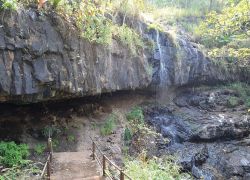
Pandava Gufa is a popular historical and mythological attraction located near Saputara, Gujarat’s only hill station. Surrounded by lush green forests and scenic hills, these caves are believed to be associated with the legendary Pandavas from the Indian epic Mahabharata. The site attracts tourists, trekkers, and devotees who are interested in history, mythology, and nature. Located around 5 km from Saputara, Pandava Gufa offers not only a glimpse into ancient legends but also a peaceful environment and light trekking experience. The caves are situated on a small hill, and reaching them involves climbing a series of steps, making the visit both adventurous and rewarding. Why Famous for Pandava Gufa, Saputara, Gujarat? Pandava Gufa is famous for its mythological connection with the Pandavas, who are believed to have stayed here during their exile. The site is also known for its natural beauty and trekking experience. Visitors enjoy the scenic surroundings and the short climb to the caves. Its peaceful environment and cultural significance make it a popular attraction in Saputara. History of Pandava Gufa, Saputara, Gujarat According to local legends, the Pandavas used these caves as a shelter during their exile period. Though there is no strong archaeological evidence to confirm this, the belief adds to the charm and popularity of the site. The caves have been known to local communities for centuries and have become an important part of regional folklore and tourism. Over time, Pandava Gufa has developed into a well-visited destination for both religious and recreational purposes. Architecture of Pandava Gufa Pandava Gufa is a natural cave formation with minimal artificial construction. Key features include: • Natural Caves: Formed within rocky hills. • Simple Structure: Basic interiors without elaborate carvings. • Stone Steps: Pathway leading to the caves. • Scenic Surroundings: Forests and hills around the site. The simplicity of the caves adds to their natural and historical appeal. Things to Do at Pandava Gufa, Saputara, Gujarat Visitors can enjoy a variety of activities: 1. Explore the Caves: Discover the interiors and surroundings. 2. Trekking: Enjoy a short and easy trek to reach the caves. 3. Photography: Capture scenic views and natural beauty. 4. Sightseeing: Admire the landscape from the hilltop. 5. Relaxation: Spend peaceful time in nature. Entry and Visit Details Entry Fee: Entry to Pandava Gufa is free. Visit Duration: Visitors typically spend around 1 to 2 hours. Facilities: Basic facilities such as parking and resting spots are available near the base. Visitors should take care while climbing and exploring the caves. Timings of Pandava Gufa The site is open throughout the day. The best time to visit is during morning or evening for a comfortable experience. Weather at Pandava Gufa, Saputara, Gujarat Saputara has a pleasant climate: Summer (March to June): Mild, with temperatures between 20°C and 30°C. Monsoon (July to September): Heavy rainfall with lush greenery. Winter (October to February): Cool and pleasant, with temperatures between 10°C and 25°C. Monsoon and winter are the best seasons to visit for natural beauty and comfortable weather. How to Reach Pandava Gufa, Saputara, Gujarat By Air: The nearest airport is Surat Airport, about 160 km away. By Train: The nearest railway station is Waghai Railway Station, around 50 km away. By Road: Saputara is well connected by road to Surat, Nashik, and nearby cities. Buses, taxis, and private vehicles are available. Pandava Gufa is located around 5 km from Saputara and can be reached by road followed by a short climb. Interesting Facts about Pandava Gufa • It is believed to be associated with the Pandavas. • It offers a combination of history and adventure. • It is surrounded by lush green forests. • It is a popular trekking and sightseeing spot. Travel Tips for Pandava Gufa • Wear comfortable footwear for trekking. • Carry water and light snacks. • Avoid visiting during heavy rain as paths may be slippery. • Be cautious while climbing and exploring caves. • Visit early morning or evening for the best experience. Conclusion Pandava Gufa near Saputara is a fascinating destination that combines mythology, nature, and adventure. Its scenic location, historical significance, and peaceful environment make it a must-visit spot for travelers. A visit to Pandava Gufa offers a unique and memorable experience in the lap of nature.
Explore MoreGujarat Spiritual Pilgrimage Tour
4 Days/ 3 Night
Jamnagar - Porbandar - Dwarka - Ahmedabad
Ahmedabad Saputara 2 Nights / 3 Days
3 Days/ 2 Night
Ahmedabad - Saputara
Dwarka – Somnath Tour Package
4 Days/ 3 Night
Ahmedabad - Dwarka
Glimpse Of Gujarat Tour 8 Nights 9 Days
9 Days/ 8 Night
Ahmedabad - Bhavnagar - Bhuj - Vadodara (Baroda) - Dwarka - Kevadia - Kutch