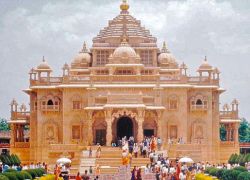
About The Akshardham Temple in Gandhinagar The Akshardham Temple in Gandhinagar, also known as the Swaminarayan Akshardham Temple, is a majestic Hindu temple dedicated to Bhagwan Swaminarayan. It is located in the capital city of Gujarat, Gandhinagar, and is one of the most visited religious sites in India. The temple complex is a symbol of spirituality, art, architecture, and Indian culture. Architecture of Akshardham Temple The Akshardham Temple showcases a blend of traditional Indian architectural styles with modern techniques. The central deity of the temple is Lord Swaminarayan, who is surrounded by various other deities and spiritual leaders. The temple complex is built using pink sandstone and features intricately carved sculptures and motifs. The main monument of the temple stands 108 feet tall and is a sight to behold both during the day and night when it is beautifully lit up. History The Akshardham Temple was inaugurated in 1992 by Pramukh Swami Maharaj, the spiritual leader of the Bochasanwasi Akshar Purushottam Swaminarayan Sanstha (BAPS). The temple was built to promote spiritual and cultural values and to provide a place of worship and meditation for devotees. The construction of the temple took several years and involved the efforts of thousands of artisans and craftsmen. Best Time To Visit The best time to visit the Akshardham Temple is during the festival of Diwali, Navratri, or Janmashtami when the temple is beautifully decorated and illuminated. However, the temple is open throughout the year and welcomes visitors of all faiths and backgrounds. It is advisable to visit the temple during the early morning or evening to avoid the rush of visitors. How To Reach The Akshardham Temple is easily accessible by road from Gandhinagar and Ahmedabad. Visitors can take a cab, auto-rickshaw, or public bus to reach the temple complex. The nearest railway station is in Gandhinagar, and the nearest airport is in Ahmedabad. Both cities are well connected by road and rail networks, making it convenient for travelers to reach the temple. Significance Of The Akshardham Temple The Akshardham Temple is not just a place of worship but also a center for cultural and spiritual learning. The temple complex features various exhibitions, displays, and activities that showcase the rich heritage and values of Hinduism. It is a place where visitors can find peace, solace, and inspiration in the serene surroundings and divine atmosphere of the temple. The Akshardham Temple is a must-visit destination for anyone seeking spiritual enlightenment and cultural enrichment. With its stunning architecture, rich history, and spiritual significance, the Akshardham Temple in Gandhinagar stands as a testament to the devotion and craftsmanship of its creators. Visiting this magnificent temple is a truly enlightening and soul-stirring experience that leaves a lasting impression on all who come to seek its blessings.
Explore More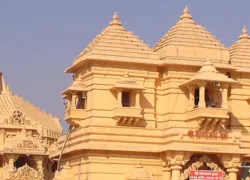
About The Somnath Temple The Somnath Temple, located in the city of Ahmedabad in the state of Gujarat, is one of the most revered and oldest temples in India. It is dedicated to Lord Shiva and holds immense religious significance for Hindus. The temple is situated on the western coast of Gujarat and is considered to be one of the twelve Jyotirlingas, which are considered to be the most sacred abodes of Lord Shiva. Architecture of Somnath Temple The Somnath Temple boasts of striking architecture that reflects the grandeur and glory of ancient Indian craftsmanship. The main temple structure is built in the Chaulukya style of architecture and is adorned with intricate carvings and sculptures. The temple complex also includes a massive Nandi statue, a large assembly hall, and various other shrines dedicated to different deities. History The history of the Somnath Temple dates back to ancient times and is shrouded in myth and legend. According to Hindu mythology, the original temple was built by Lord Brahma himself, and was later rebuilt by Lord Krishna. The temple has been plundered and destroyed multiple times by various invaders over the centuries, but has always been rebuilt by devout worshippers. The current structure of the temple was reconstructed in the 1950s, after it was destroyed by invaders. Best Time To Visit The best time to visit the Somnath Temple is during the winter months, from November to February, when the weather is pleasant and conducive for sightseeing. However, the temple is open to visitors throughout the year, so you can plan your visit according to your convenience. How To Reach The Somnath Temple is easily accessible by air, rail, and road. The nearest airport is the Ahmedabad International Airport, which is well-connected to major cities in India and abroad. The nearest railway station is Veraval, which is located about 6 km from the temple. You can also reach the temple by road, as it is well-connected by a network of highways. Significance Of The Somnath Temple The Somnath Temple holds immense religious significance for Hindus, as it is believed to be the first among the twelve Jyotirlingas of Lord Shiva. It is also considered to be a sacred pilgrimage site for devotees who seek blessings and spiritual enlightenment. The temple is visited by millions of devotees every year, who come to pay their respects and seek divine blessings. In conclusion, the Somnath Temple in Ahmedabad is a symbol of faith, devotion, and eternal spirituality. Its rich history, magnificent architecture, and religious significance make it a must-visit destination for anyone seeking a glimpse of India's ancient and revered religious heritage.
Explore More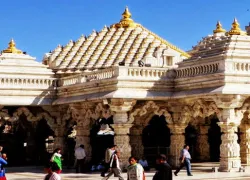
About The Ambaji Temple The Ambaji Temple, located in Ahmedabad, is a famous Hindu temple dedicated to the goddess Ambaji. It is one of the 51 Shakti Peethas in India and holds significant religious importance for devotees. The temple is bustling with devotees and tourists throughout the year, who come to seek the blessings of the goddess. Architecture of Ambaji Temple The Ambaji Temple is known for its stunning architecture that reflects traditional Gujarati style. The temple complex is adorned with intricate carvings, beautiful sculptures, and colorful paintings that depict various scenes from Hindu mythology. The main shrine of the goddess Ambaji is made of marble and is surrounded by smaller shrines dedicated to other deities. History The history of the Ambaji Temple dates back to ancient times and is shrouded in myths and legends. According to Hindu mythology, the heart of goddess Sati, also known as Ambaji, fell at this spot when her body was dismembered by Lord Vishnu. The temple has been a place of worship for centuries and has attracted devotees from all over the country. Best Time To Visit The best time to visit the Ambaji Temple is during the Navratri festival, which is a nine-day celebration dedicated to the goddess Ambaji. The temple comes alive with colorful decorations, traditional music, and dance performances during this time. It is also recommended to visit the temple during the winter months (October to February) when the weather is pleasant. How To Reach The Ambaji Temple is located in the Danta Taluka of Banaskantha district in Gujarat, around 180 kilometers from Ahmedabad. The nearest airport is in Ahmedabad, and the temple can be reached by road from major cities in Gujarat. Visitors can also take a train to Abu Road railway station, which is around 20 kilometers from the temple. Significance Of The Ambaji Temple The Ambaji Temple holds great significance for devotees of the goddess Ambaji, who come to seek her blessings for prosperity, health, and happiness. The temple is believed to fulfill the wishes of its devotees and is considered a sacred place for prayers and offerings. People from all walks of life visit the temple to pay their respects and seek divine intervention in their lives. In conclusion, the Ambaji Temple in Ahmedabad is a place of spiritual solace and cultural heritage that attracts devotees and tourists alike. With its rich history, stunning architecture, and religious significance, the temple stands as a symbol of devotion and faith in the goddess Ambaji.
Explore More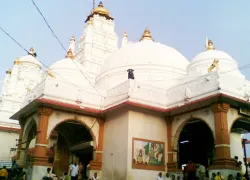
About The Dakor Temple The Dakor Temple, located in the small town of Dakor in the Kheda district of Gujarat, is dedicated to Lord Krishna. It is one of the prominent pilgrimage sites in the state and attracts thousands of devotees every year. The temple is known for its stunning architecture, rich history, and religious significance. Architecture of Dakor Temple The Dakor Temple is renowned for its impressive architecture that reflects traditional Gujarati style. The temple complex is adorned with intricate carvings, beautiful sculptures, and vibrant paintings that depict scenes from Hindu mythology. The main shrine of the temple is dedicated to Lord Krishna, and it is surrounded by several smaller shrines dedicated to other deities. History The history of the Dakor Temple dates back to the 18th century when it was built by a Vaishnavite saint named Ranchhod Dasji. Legend has it that Lord Krishna himself appeared in the saint's dream and instructed him to construct the temple in Dakor. Since then, the temple has been a significant place of worship for devotees of Lord Krishna. Best Time To Visit The best time to visit the Dakor Temple is during the festivals of Janmashtami and Sharad Purnima when the temple is decorated with lights and flowers, and special prayers and rituals are conducted. These festivals attract a large number of devotees who come to seek the blessings of the deity. How To Reach The Dakor Temple is well-connected by road and rail. The nearest railway station is Dakor Railway Station, which is around 2 km away from the temple. The nearest airport is Sardar Vallabhbhai Patel International Airport in Ahmedabad, which is around 70 km away. From there, one can hire a taxi or take a bus to reach the temple. Significance Of The Dakor Temple The Dakor Temple holds great significance for devotees of Lord Krishna. It is believed that worshipping at the temple can bring peace, prosperity, and happiness in one's life. The temple is also known for fulfilling the wishes of its devotees. Many people come to the temple to offer prayers and seek blessings for their well-being and prosperity. In conclusion, the Dakor Temple is a must-visit destination for anyone seeking spiritual solace and divine blessings. Its magnificent architecture, rich history, and religious significance make it a prominent pilgrimage site in Gujarat. Whether you are a devotee of Lord Krishna or simply interested in exploring cultural and religious heritage, a visit to the Dakor Temple will surely be a memorable experience.
Explore More
Bhadkeshwar Mahadev Temple is a famous attraction that is located in the Indian state of Gujarat. It lies in Dwarka near the shoreline of the Arabian Sea. As the name suggests, this temple is the abode of Lord Shiva and is one of the 64 Jyotirlingas in India. It is thronged by the numerous locals and tourists from different parts of the state. Why Is It Famous? Bhadkeshwar Mahadev Temple is a famous temple in Dwarka and stands on the raised platform built on the Arabian Sea. This temple enshrines Lord Shiva in the form of a Shivalinga in the sanctum. There is a unique legend associated with the temple. It mentions the abhisheka of the Shivalinga done by the sea itself. Each year in June/July, there comes a day when the Arabian Sea slowly rises and enters the temple. For a shorter period of time, the whole temple submerges in the water till the abhisheka of the Shivalinga is done. After the prayers by the sea, it returns back to its normal stage. Best Time To Visit:- Bhadkeshwar Mahadev Temple is a place that catches the attention of the people on a huge scale. It is a place visited throughout the year, but, the best time for visiting this sacred spot is during June-July and on the occasion of Maha Shivaratri. It is a prominent festival that is celebrated here with a great zest and fair organized for 2 days. Watch Out! Visiting this Bhadkeshwar Mahadev on the sacred occasion of Maha Shivaratri is the best thing an individual shouldn’t miss. Participating in the aarti and consuming the holy Prasad is enticing. Reaching There:- Dwarka city is well-connected to the rest of Gujarat via roadways, railways, and airways. An individual can reach the city via state-run luxury buses, express trains, and flights from anywhere in Gujarat. Commuting within Dwarka is done via local transit that is available frequently. Nearest Railway Station:- Dwarka Railway Station Nearest Airport:- Jamnagar Airport
Explore More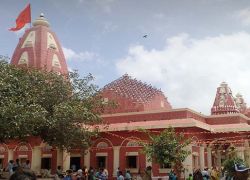
Nageshwar Jyotirlinga Temple is a Hindu temple that doesn’t require any platform for an introduction. It is a famous shrine and one of the 12 Jyotirlingas in India. It is the abode of the Lord of lords, Lord Shiva, the destroyer of the bad in the holy Hindu trinity. This temple is situated in Dwarka and is visited on a huge scale. It Is Known For:- 1) Nageshwar Jyotirlinga Temple is one of the 12 pious Jyotirlingas in India and enshrines Lord Shiva in a self-manifested form. 2) According to a legend, this temple is built to honor Lord Shiva. He enlightened Lord Brahma by cutting his 4th head and cursing him for not to be worshiped anywhere in the country as he lied to reach the end of a cosmic Shivalinga when he was in a state of disagreement with Lord Vishnu in terms of superiority. 3) This temple is visited on a huge scale by the devotees. 4) Maha Shivaratri is a major festival that is celebrated here enthusiastically. Best Time To Visit:- Nageshwar Jyotirlinga is a sacred site and is a place that welcomes the devotees on a huge scale. It can be visited during any time of the year but the best time is considered on the occasion of Maha Shivaratri. It is the occasion when the entire shrine is festooned exquisitely and is thronged on a huge scale from the early hours of the day. Watch Out! Nageshwar Mahadev is a sacred site and there are certain rules that should be followed before visiting the temple. All devotees should wear decent clothes, no one should carry alcohol inside the temple premises, and no leather items are allowed as well. Reaching There:- Dwarka city is well-connected to Gujarat via all prime highways, railways, and airways. The state-run buses, express trains, and flights are available in multitude for traveling to Gujarat. Commuting from places within Dwarka is usually done via local transit. Nearest Railway Station:- Dwarka Railway Station Nearest Airport:- Jamnagar Airport
Explore More
A temple in one of its own kinds, EME Temple is an intriguing attraction in the Indian state of Gujarat. It is situated in the city of Vadodara and is constructed by the Electronic and Mechanical Engineering Corps of the Indian Army. This temple is the biggest symbol of secularism in the nation and never fails to attract the visitors from different parts of Gujarat. Why Is It Famous? EME Temple is a marvelous place of interest in Vadodara. It was erected in the year 1966 by the Electronic and Mechanical Engineering Corps of the Indian Army. This temple is the biggest example of the secularism in the country because of the following: 1) The entrance to the temple is built in the Jain style. 2) It has a dome architected in the Islamic style. 3) The sanctum of the temple houses Lord Shiva and he is worshipped as Dakshinamurty. An arc made up of pure silver is located behind Lord Shiva and has ‘Om Namah Shivaya’ carved on it. 4) The tower of EME Temple is constructed according to the Buddhist principles. 5) The fire in the temple is a symbol of Zoroastrianism. Best Time To Visit:- EME Temple is a place where devotees of all faiths can visit throughout the year. This temple opens at 5:30 am in the morning and the aarti of Lord Shiva is done. Many devotees flock to this site throughout the year. Watch Out! This temple is a marvel in itself and cannot be described in words. The combination of the different architectural styles enhances its beauty and makes it a must-visit destination. Reaching There:- Vadodara city has a well-established network of the roadways, railways, and airways. Such connectivity makes it convenient for all to reach it easily. Numerous state-run buses, express trains, and flights operate from different parts of Gujarat for reaching Vadodara. Nearest Railway Station:- Vadodara Junction Nearest Airport:- Vadodara Airport
Explore More
Triveni Sangam, located in the holy town of Somnath in the Gir Somnath district of Gujarat, is one of the most sacred pilgrimage sites in India. It is the confluence point of three rivers – Hiran, Kapila, and the mythical Saraswati River. This holy meeting point holds immense religious importance among Hindus, as it is believed that taking a dip here washes away sins and purifies the soul. Situated close to the famous Somnath Temple, Triveni Sangam attracts thousands of devotees and tourists throughout the year. History of Triveni Sangam Triveni Sangam has deep roots in Hindu mythology and ancient traditions. It is believed that this sacred confluence has existed since ancient times and has been mentioned in various religious texts. According to mythology, the Saraswati River, though invisible, flows underground and meets the Hiran and Kapila rivers at this point. The area around Triveni Sangam is also closely associated with Lord Krishna. It is believed that after being struck by an arrow at Bhalka Tirth, Lord Krishna came near this region. This connection adds to the spiritual significance of the place, making it an important stop for pilgrims visiting Somnath. Architecture and Surroundings Unlike grand temples, Triveni Sangam is a natural confluence rather than a constructed monument. However, the site is well-developed with steps (ghats) leading down to the water, making it easy for devotees to take a holy dip. The surroundings are clean and organized, with pathways, seating areas, and small shrines nearby. The peaceful atmosphere, combined with the sound of flowing water, creates a calm and spiritual environment. The site is especially beautiful during sunrise and sunset, offering a serene view for visitors. Why Famous for Triveni Sangam, Gir Somnath? Triveni Sangam is famous for being a sacred confluence of three rivers, which holds great religious importance in Hinduism. It is believed that bathing here helps cleanse sins and brings spiritual peace. Many pilgrims perform rituals, prayers, and offerings for their ancestors at this site. The proximity to Somnath Temple makes it a must-visit destination for devotees. Its mythological connection with Lord Krishna and its calm, scenic surroundings further enhance its popularity among tourists. How to Reach Triveni Sangam Triveni Sangam is easily accessible as it is located near Somnath Temple. The nearest railway station is Veraval, which is about 7 km away. From the station, visitors can hire taxis or auto-rickshaws to reach the site. The nearest airport is Diu Airport, approximately 85 km from Somnath. From the airport, taxis and buses are available. Well-connected roads make it easy to reach Triveni Sangam from major cities like Ahmedabad, Rajkot, and Junagadh. Weather at Triveni Sangam The weather in Gir Somnath is typically coastal. Summers (March to June) are hot and humid, with temperatures reaching up to 35–40°C. Monsoon season (July to September) brings moderate rainfall, which enhances the natural beauty of the area. Winter (October to February) is the best time to visit, with pleasant temperatures ranging from 10°C to 25°C. The comfortable weather during this period makes it ideal for sightseeing and religious activities. Timing of Triveni Sangam Triveni Sangam is open to visitors throughout the day. There are no fixed opening or closing hours, but it is best to visit during daylight hours for safety and a better experience. Early morning and evening are considered the most auspicious times for taking a holy dip and performing rituals. Entry and Visit Details There is no entry fee to visit Triveni Sangam. Visitors can freely access the site and perform rituals. However, there may be small charges for specific religious ceremonies conducted by local priests. Basic facilities such as changing rooms, rest areas, and small shops selling पूजा items are available near the ghats. Visitors are advised to follow cleanliness and safety guidelines while visiting. Things to Do at Triveni Sangam The main activity at Triveni Sangam is taking a holy dip in the confluence waters. Devotees also perform rituals like pind daan and tarpan for their ancestors. Visitors can spend time sitting by the riverbanks, enjoying the peaceful environment. Photography, especially during sunrise and sunset, is popular due to the scenic beauty of the place. You can also visit nearby attractions such as Somnath Temple, Bhalka Tirth, and Dehotsarg Tirth to complete your spiritual journey. Interesting Facts about Triveni Sangam One of the rivers, Saraswati, is believed to be invisible and flows underground. The confluence is considered highly sacred, similar to other Triveni Sangams in India. It is believed that performing rituals here helps in attaining moksha (liberation). The site has been a center of religious activities for centuries and continues to attract pilgrims from across the country. Tips for Visiting Triveni Sangam Visit early in the morning for a peaceful experience and to avoid crowds. Wear comfortable and modest clothing, especially if you plan to take a dip. Be cautious while entering the water, as currents may vary. Carry extra clothes and keep your belongings safe. Respect the religious sentiments of the place and maintain cleanliness. Avoid visiting during peak afternoon hours in summer due to the heat. Combine your visit with nearby attractions to make the most of your trip to Gir Somnath.
Explore More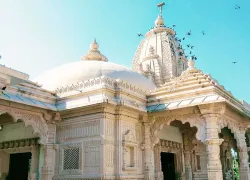
Bhalka Tirth is one of the most sacred and historically significant pilgrimage sites located in the Gir Somnath district of Gujarat. It is closely associated with Lord Krishna and is believed to be the place where he was mistakenly struck by an arrow by a hunter named Jara. This event marked the end of Lord Krishna’s earthly life, making Bhalka Tirth a highly revered destination among Hindu devotees. The site is peaceful, surrounded by greenery, and offers a spiritual atmosphere that attracts pilgrims as well as tourists throughout the year. History of Bhalka Tirth The history of Bhalka Tirth is deeply rooted in Hindu mythology and the epic Mahabharata. According to legend, after the great war of Kurukshetra, Lord Krishna retired to the forests near Somnath. One day, while resting under a tree, a hunter named Jara mistook Krishna’s foot for a deer and shot an arrow. Realizing his mistake, the hunter begged for forgiveness, and Lord Krishna forgave him before leaving his mortal body. This incident is considered highly significant in Hindu beliefs, as it marks the end of the Dwapara Yuga. The place where this event occurred came to be known as Bhalka Tirth, and a temple was later constructed to commemorate it. Over time, the site has become an important pilgrimage destination for devotees of Lord Krishna. Architecture of Bhalka Tirth The temple at Bhalka Tirth is simple yet spiritually powerful. It is built in traditional Hindu architectural style, featuring a peaceful courtyard and a sanctum that houses the idol of Lord Krishna. The idol depicts Krishna in a resting posture, symbolizing the moment of the incident. The temple premises are well-maintained and include gardens, walking paths, and shaded areas for visitors. The calm surroundings and minimalistic design enhance the spiritual experience. Though not grand like larger temples, its simplicity adds to its charm and significance. Why Famous for Bhalka Tirth, Gir Somnath? Bhalka Tirth is famous for its direct connection to Lord Krishna’s final moments on earth. It is one of the few places in India that is associated with the departure of Krishna, making it extremely important for devotees. Pilgrims visit the site to pay their respects and seek blessings. The site is also part of a spiritual circuit that includes Somnath Temple and Triveni Sangam, making it a must-visit destination for those exploring religious places in Gujarat. Its mythological importance, peaceful environment, and historical value make it popular among both devotees and tourists. How to Reach Bhalka Tirth Bhalka Tirth is easily accessible due to its proximity to Somnath town. It is located around 4–5 km from Somnath Temple. The nearest railway station is Veraval, which is approximately 7 km away. From there, visitors can hire taxis, auto-rickshaws, or use local buses. The nearest airport is Diu Airport, about 85 km from the site. Other major airports include Rajkot and Ahmedabad, from where you can travel by road. The road network is well-developed, and regular buses connect Somnath with major cities like Ahmedabad, Junagadh, and Dwarka. Weather at Bhalka Tirth Bhalka Tirth experiences a coastal climate similar to the rest of the Gir Somnath region. Summers (March to June) are quite hot, with temperatures ranging between 30°C and 40°C. Monsoon season (July to September) brings moderate rainfall, making the surroundings green and refreshing. Winter (October to February) is the best time to visit, as the weather is pleasant and comfortable, with temperatures ranging from 10°C to 25°C. This season is ideal for sightseeing and spiritual visits. Timing of Bhalka Tirth The temple at Bhalka Tirth is generally open from early morning to evening. Typical visiting hours are from 6:00 AM to 9:00 PM, although timings may vary slightly during festivals and special occasions. Morning and evening are considered the best times to visit, as the atmosphere is calm and ideal for prayer and meditation. Entry and Visit Details There is no entry fee to visit Bhalka Tirth, making it accessible to all visitors. The temple is well-maintained, and facilities such as drinking water, seating areas, and parking are available. Visitors are expected to follow basic rules of discipline and maintain cleanliness within the premises. Small shops nearby sell पूजा items, flowers, and souvenirs. Devotees can also perform rituals or offer prayers with the help of local priests. Things to Do at Bhalka Tirth The main activity at Bhalka Tirth is offering prayers and seeking blessings from Lord Krishna. Visitors can spend time in meditation and enjoy the peaceful surroundings. Exploring nearby attractions such as Somnath Temple, Triveni Sangam, and Dehotsarg Tirth is highly recommended. Many visitors combine these locations into a single spiritual journey. Photography is allowed in certain areas, and the natural beauty of the surroundings makes it a pleasant place to relax and unwind. Interesting Facts about Bhalka Tirth Bhalka Tirth is believed to mark the end of Lord Krishna’s earthly journey and the beginning of the Kali Yuga. The story of the hunter Jara is often cited as an example of karma and forgiveness in Hindu philosophy. The temple continues to attract thousands of pilgrims every year, especially during festivals related to Lord Krishna. Its historical and mythological importance makes it a unique destination in Gujarat. Tips for Visiting Bhalka Tirth Visit early in the morning or during the evening for a peaceful experience. Wear modest and comfortable clothing suitable for a religious place. Carry water and stay hydrated, especially during summer. Respect the religious sentiments of the site and maintain silence in the temple premises. Plan your visit along with nearby attractions to make the most of your trip. Avoid peak afternoon hours during summer due to high temperatures. Bhalka Tirth offers a perfect blend of spirituality, history, and tranquility, making it a must-visit destination in Gir Somnath.
Explore More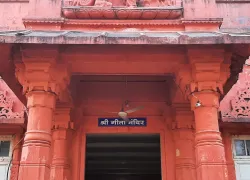
Gita Mandir, located in the sacred region of Gir Somnath in Gujarat, is a peaceful and spiritually enriching temple dedicated to the teachings of the Bhagavad Gita. Situated close to the famous Somnath Temple and near Triveni Sangam, this temple attracts devotees, pilgrims, and tourists who seek calmness and divine knowledge. Known for its serene atmosphere and unique inscriptions, Gita Mandir is an important stop for visitors exploring the religious circuit of Somnath. History of Gita Mandir, Gir Somnath The Gita Mandir was built in the 20th century by the renowned industrialist Birla family, who have constructed several temples across India. The main purpose of building this temple was to spread the teachings of the Bhagavad Gita and make them accessible to people in a simple and spiritual environment. The temple stands as a symbol of devotion and knowledge, reflecting the importance of the Gita in guiding human life. Over time, it has become a popular place for spiritual seekers who wish to understand the teachings of Lord Krishna. Architecture of Gita Mandir The architecture of Gita Mandir is simple yet elegant, reflecting peace and spirituality. The temple is built using white marble, giving it a clean and divine appearance. The most unique feature of the temple is that all 18 chapters of the Bhagavad Gita are inscribed on its walls in Sanskrit. The temple complex is well-maintained with spacious surroundings, gardens, and pathways. The central hall houses the idol of Lord Krishna, beautifully decorated and worshipped by devotees. The overall design focuses on simplicity, allowing visitors to meditate and reflect peacefully. Why Famous for Gita Mandir, Gir Somnath? Gita Mandir is famous for its spiritual significance and unique presentation of the Bhagavad Gita. The inscriptions of all Gita verses on the temple walls make it a special place for those who want to read and understand the teachings of Lord Krishna. The temple is also known for its peaceful environment, making it an ideal place for meditation and prayer. Its proximity to Somnath Temple and other sacred sites like Triveni Sangam adds to its importance as a must-visit destination in Gir Somnath. How to Reach Gita Mandir, Gir Somnath Gita Mandir is located very close to Somnath Temple, at a distance of around 2–3 km. It is easily accessible by local transport such as auto-rickshaws, taxis, or even by walking. The nearest railway station is Veraval, which is about 7 km away. From there, visitors can hire taxis or autos to reach the temple. The nearest airport is Diu Airport, located approximately 85 km away. Other major airports include Rajkot and Ahmedabad, from where you can travel by road to reach Gir Somnath. Weather at Gita Mandir The weather at Gita Mandir is similar to the coastal climate of Gir Somnath. Summers (March to June) are hot, with temperatures rising up to 40°C. Monsoon (July to September) brings moderate rainfall and greenery to the region. Winter (October to February) is the best time to visit, with pleasant temperatures ranging between 10°C and 25°C. This period is ideal for temple visits and sightseeing. Timing of Gita Mandir The Gita Mandir is generally open for visitors from 6:00 AM to 8:00 PM. Devotees can visit throughout the day, but morning and evening hours are considered the best times for a peaceful experience. Special prayers and rituals may take place during religious festivals, attracting more visitors during these times. Entry and Visit Details Entry to Gita Mandir is free for all visitors. The temple premises are clean and well-maintained, with facilities such as seating areas and drinking water available. Visitors are expected to follow temple rules, maintain silence, and respect the religious environment. Photography may be restricted inside the temple, so it is advisable to check before taking pictures. Things to Do at Gita Mandir Visitors can engage in several peaceful and spiritual activities at Gita Mandir: Read and understand the verses of the Bhagavad Gita inscribed on the walls. Offer prayers to Lord Krishna and seek blessings. Meditate in the calm and serene environment of the temple. Explore nearby attractions like Somnath Temple and Triveni Sangam. Enjoy a quiet walk around the temple premises. Interesting Facts about Gita Mandir One of the most unique features of Gita Mandir is that all 700 verses of the Bhagavad Gita are carved on the walls, making it a rare and special temple in India. The temple was built to spread spiritual knowledge and promote the teachings of Lord Krishna. Its peaceful setting makes it different from more crowded temples, offering a calm experience to visitors. Tips for Visiting Gita Mandir Visit early in the morning or evening to enjoy a शांत and peaceful atmosphere. Wear modest clothing as it is a religious place. Carry water and essentials, especially during summer months. Maintain silence inside the temple to respect the spiritual environment. Combine your visit with nearby attractions like Somnath Temple, Bhalka Tirth, and Triveni Sangam for a complete pilgrimage experience. Gita Mandir offers a perfect blend of spirituality, knowledge, and peace, making it a must-visit destination in Gir Somnath.
Explore More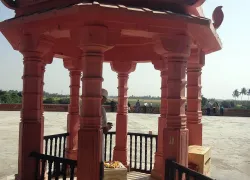
Dehotsarg Tirth is a revered pilgrimage site located near Gir Somnath in Gujarat, India. This sacred site is deeply connected to the final moments of Lord Krishna on Earth. According to Hindu mythology, it is believed that Lord Krishna chose this location to leave his earthly body and transcend to his heavenly abode, marking a significant event in the Mahabharata. The site is thus a major religious and spiritual destination for Hindus, particularly those who follow the teachings and stories of Lord Krishna. History of Dehotsarg Tirth, Gir Somnath Dehotsarg Tirth is an important pilgrimage site with significant historical and religious importance. The name "Dehotsarg" translates to "the place where the body was discarded." It is believed that after the battle of Kurukshetra, Lord Krishna, who was wounded by a hunter’s arrow, reached this location to end his life and transcend to the divine realm. The spot is deeply sacred because it marks the moment when Lord Krishna's physical presence on Earth ended. The area was originally a dense forest, and it is said that it was during a walk through this forest that Lord Krishna decided to leave his mortal body. The place has remained a symbol of divine departure, and over time, it has developed into a prominent site of worship and reverence. Pilgrims from all over the country visit Dehotsarg Tirth to pay homage to Lord Krishna and reflect on the deep spiritual significance of his transcendence. Architecture of Dehotsarg Tirth The architecture of Dehotsarg Tirth reflects simplicity, peace, and devotion. The central feature of the site is a small temple, which houses a statue of Lord Krishna in his divine form. The temple structure is built using traditional stone and marble, and its design follows classical Indian temple architecture. Surrounding the temple are beautifully landscaped gardens and a serene environment that encourages reflection and meditation. The temple is modest in design, which enhances the peaceful atmosphere of the place. Visitors can also find smaller shrines and statues dedicated to various Hindu deities in the vicinity. Why Famous for Dehotsarg Tirth, Gir Somnath? Dehotsarg Tirth is famous for its connection to one of the most significant events in Hindu mythology—the final departure of Lord Krishna from Earth. This makes the site sacred to millions of devotees, as it symbolizes the end of an era and the transition from the physical to the divine. It is considered one of the most important spiritual landmarks for followers of Lord Krishna and those who revere his teachings. The site is also well-known for its natural beauty and tranquility. It provides a peaceful environment for meditation and reflection, making it a popular stop for pilgrims and tourists alike. The historical and spiritual significance, along with the serene surroundings, makes Dehotsarg Tirth a must-visit place in the Gir Somnath region. How to Reach Dehotsarg Tirth, Gir Somnath Dehotsarg Tirth is located about 2 km from the famous Somnath Temple in Gir Somnath. The site is easily accessible by local transport such as auto-rickshaws, taxis, and buses. Visitors can take a short ride or even walk from Somnath Temple to Dehotsarg Tirth, as the distance is quite short. The nearest railway station to Dehotsarg Tirth is Veraval, located approximately 7 km away. From Veraval, tourists can take an auto-rickshaw or taxi to reach the site. If you're traveling by air, the nearest airport is Diu Airport, which is about 85 km away. Alternatively, airports in Rajkot and Ahmedabad provide further access to the region via road. Weather at Dehotsarg Tirth The climate at Dehotsarg Tirth is influenced by its coastal location, with hot summers, moderate monsoons, and pleasant winters. During the summer months (March to June), temperatures can soar as high as 40°C, so it is advisable to visit early in the morning or later in the evening. The monsoon season (July to September) brings rain, which cools the temperature, but it is also the time when the region experiences more humidity. The best time to visit Dehotsarg Tirth is during the winter months (October to February), when the weather is cooler and more comfortable for sightseeing. Temperatures during this time range from 10°C to 25°C, making it ideal for exploration and outdoor activities. Timing of Dehotsarg Tirth Dehotsarg Tirth is generally open to visitors from 6:00 AM to 7:00 PM, allowing enough time for pilgrims and tourists to visit, offer prayers, and reflect on the significance of the place. The temple remains open throughout the day, but early morning and evening hours are particularly ideal for a peaceful experience. It is also a good idea to visit during religious festivals and special occasions, as the temple conducts prayers and rituals to mark significant events in the life of Lord Krishna. Entry and Visit Details Entry to Dehotsarg Tirth is free for all visitors. There are no major entry restrictions, and visitors can peacefully explore the temple and its surroundings. However, photography may be restricted in certain areas, so it’s best to confirm before taking photos inside the temple. The site is well-maintained with basic facilities like drinking water, seating areas, and clean restrooms for the comfort of visitors. There are also a few small shops near the temple where you can buy religious offerings, souvenirs, and snacks. Things to Do at Dehotsarg Tirth Visitors to Dehotsarg Tirth can engage in several spiritual and reflective activities: Offer prayers at the temple and meditate in the peaceful environment. Reflect on the divine significance of Lord Krishna’s departure and its meaning in Hindu philosophy. Explore the surrounding area and enjoy the tranquility of the gardens. Take a short walk to nearby attractions like Somnath Temple and Triveni Sangam. Spend time reading the scriptures or listening to spiritual discourses available at the temple. Interesting Facts about Dehotsarg Tirth Dehotsarg Tirth is one of the most sacred sites for followers of Lord Krishna, marking the exact spot where he left his mortal body. The temple is visited by thousands of pilgrims every year who come to pay homage to Lord Krishna and seek spiritual guidance. The peaceful environment and surrounding greenery make Dehotsarg Tirth a perfect spot for meditation and introspection. The site is part of the greater Somnath pilgrimage circuit, which includes several other significant spiritual sites in the region. Tips for Visiting Dehotsarg Tirth Visit early in the morning or late in the evening to avoid the afternoon heat and crowds. Wear comfortable clothing and footwear, as you will likely be walking around the temple and surrounding areas. Bring water and sunscreen, especially if you visit during the summer months. Maintain silence and respect the sanctity of the place by refraining from unnecessary noise and distractions. Plan your visit to include other nearby attractions such as Somnath Temple and Triveni Sangam for a comprehensive spiritual experience. Dehotsarg Tirth offers not only a deeply spiritual experience but also a tranquil environment to reflect on the teachings of Lord Krishna. It is a place of profound historical and religious significance, making it a must-visit destination in Gir Somnath.
Explore More
About The Tara Mandir Temple The Tara Mandir Temple, located in Porbandar, is a renowned Hindu temple dedicated to the Goddess Tara, also known as the Star Goddess. The temple is a significant religious site for devotees who come to seek blessings and offer prayers to the deity. Architecture of Tara Mandir Temple The architecture of the Tara Mandir Temple is a beautiful blend of traditional Indian temple design and modern aesthetics. The temple features intricate carvings, colorful paintings, and ornate pillars that showcase the rich cultural heritage of the region. The main shrine of the temple is adorned with idols of Goddess Tara and other deities, creating a serene and spiritual atmosphere for worshippers. History The Tara Mandir Temple has a long and fascinating history that dates back several centuries. According to local legends, the temple was built by a devout king who was inspired by a divine vision of Goddess Tara. Over the years, the temple has undergone several renovations and additions, but its spiritual significance has remained intact. Today, the Tara Mandir Temple stands as a symbol of faith and devotion for the countless pilgrims who visit its sacred premises. Best Time To Visit The best time to visit the Tara Mandir Temple is during the festive season, when the temple comes alive with colorful decorations, traditional rituals, and devotional songs. The annual festival dedicated to Goddess Tara is a particularly auspicious time to visit the temple, as it offers a unique opportunity to witness the local culture and traditions in full swing. How To Reach The Tara Mandir Temple is easily accessible from Porbandar city, located just a short distance away. Visitors can reach the temple by various modes of transportation, including private cars, taxis, and public buses. The nearest railway station to the temple is also well-connected to major cities in the region, making it convenient for devotees to plan their visit. Significance Of The Tara Mandir Temple The Tara Mandir Temple holds immense significance for followers of Hinduism, particularly those who worship the Goddess Tara. Devotees believe that offering prayers at the temple can help them seek blessings for prosperity, protection, and fulfillment of their desires. The temple is also a popular pilgrimage site for those seeking spiritual guidance and solace in times of need. In conclusion, the Tara Mandir Temple in Porbandar is not just a place of worship but also a cultural and historical landmark that showcases the rich heritage of the region. Whether you are a religious pilgrim or a curious traveler, a visit to this sacred site is sure to leave you with a sense of peace and spirituality.
Explore MoreAhmedabad Saputara 2 Nights / 3 Days
3 Days/ 2 Night
Ahmedabad - Saputara
Dwarka – Somnath Tour Package
4 Days/ 3 Night
Ahmedabad - Dwarka
Glimpse Of Gujarat Tour 8 Nights 9 Days
9 Days/ 8 Night
Ahmedabad - Bhavnagar - Bhuj - Vadodara (Baroda) - Dwarka - Kevadia - Kutch
Rann of Kutch ( 2N 3D)
3 Days/ 2 Night
Ahmedabad - Bhuj - Surat - Kutch
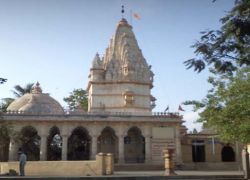
About The Sudama Mandir Temple The Sudama Mandir Temple, located in Porbandar, is dedicated to Sudama, the childhood friend of Lord Krishna. This temple holds immense significance for devotees who believe in the bond of friendship and the power of devotion. The temple is a peaceful place that exudes spirituality and reverence. Architecture of Sudama Mandir Temple The architecture of the Sudama Mandir Temple is a beautiful blend of traditional and modern styles. The temple features intricate carvings, colorful paintings, and ornate sculptures that capture the essence of Hindu mythology. The main sanctum sanctorum houses an idol of Sudama and Lord Krishna, surrounded by various other deities. The temple premises also include a prayer hall, meditation rooms, and a peaceful garden for devotees to relax and meditate. History The Sudama Mandir Temple has a rich history that dates back several centuries. Legend has it that Sudama, a poor Brahmin, visited Lord Krishna in Dwarka to seek his help in times of need. Lord Krishna, recognizing his friend despite his impoverished state, blessed Sudama with prosperity and happiness. The temple was built to commemorate this divine friendship and to honor Sudama's unwavering devotion to Lord Krishna. Best Time To Visit The best time to visit the Sudama Mandir Temple is during the festivals of Janmashtami and Diwali when the temple is adorned with colorful decorations and lights. These festive occasions see a large number of devotees flocking to the temple to offer prayers and seek blessings. The temple also holds special events and ceremonies on these auspicious days, adding to the festive atmosphere. How To Reach The Sudama Mandir Temple is easily accessible by road and is located in the heart of Porbandar city. The nearest airport is Porbandar Airport, which is well-connected to major cities in India. Visitors can also reach the temple via buses, taxis, or auto-rickshaws from the Porbandar bus stand or railway station. The temple is a short distance away from the main market area, making it convenient for tourists to visit. Significance Of The Sudama Mandir Temple The Sudama Mandir Temple holds immense significance for devotees who believe in the power of friendship and devotion. The temple serves as a reminder of the bond between Sudama and Lord Krishna, showcasing the timeless values of love, compassion, and loyalty. Many devotees visit the temple to seek blessings for prosperity, happiness, and spiritual fulfillment. The serene atmosphere of the temple provides a peaceful retreat for those seeking solace and inner peace. In conclusion, the Sudama Mandir Temple in Porbandar is a sacred place that symbolizes the eternal bond between friends and the divine blessings of Lord Krishna. The temple's beautiful architecture, rich history, and spiritual significance make it a must-visit destination for those seeking spiritual enlightenment and blessings.
Explore More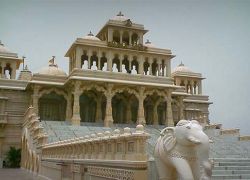
About The Shri Hari Mandir Temple The Shri Hari Mandir Temple, located in Porbandar, is a famous Hindu temple dedicated to Lord Vishnu. It is a well-known pilgrimage site for devotees and tourists alike. The temple is renowned for its spiritual significance and architectural beauty. The serene atmosphere and peaceful surroundings of the temple attract visitors seeking solace and divine blessings. Architecture of Shri Hari Mandir Temple The Shri Hari Mandir Temple features stunning architectural design with intricate carvings and detailed sculptures. The temple is built in the traditional Hindu architectural style, with a grand entrance gate leading to the main sanctum sanctorum. The temple is adorned with colorful paintings, ornate pillars, and a beautifully decorated altar where the idol of Lord Vishnu is worshipped. The temple complex also includes smaller shrines dedicated to other deities, adding to its charm and beauty. History The Shri Hari Mandir Temple has a rich history dating back several centuries. It is believed to have been constructed by a local ruler as a tribute to Lord Vishnu. Over the years, the temple has undergone several renovations and additions, but has retained its original charm and spiritual aura. The temple is steeped in mythology and folklore, with many legends associated with its origin and significance in the region. It holds a special place in the hearts of the devotees who visit the temple seeking divine blessings and spiritual solace. Best Time To Visit The best time to visit the Shri Hari Mandir Temple is during the festive seasons and special religious occasions when the temple is decorated with lights and flowers, creating a vibrant and mesmerizing ambiance. The atmosphere during these times is filled with devotion and joy, making it a truly memorable experience for visitors. It is advisable to check the temple's schedule for special events and festivals before planning your visit to make the most of your visit. How To Reach The Shri Hari Mandir Temple is easily accessible by road and is well-connected to Porbandar city. Visitors can reach the temple by local transport such as buses, taxis, or auto-rickshaws. The nearest airport is Porbandar Airport, which is located a short distance from the temple. For those traveling by train, the nearest railway station is also located within a reasonable distance from the temple. Overall, reaching the Shri Hari Mandir Temple is convenient and hassle-free for visitors. Significance Of The Shri Hari Mandir Temple The Shri Hari Mandir Temple holds great significance for devotees and pilgrims who visit the temple seeking blessings and spiritual fulfillment. The temple is believed to be a sacred place where prayers are answered and wishes are fulfilled. Many devotees come to the temple to seek solace, peace, and divine guidance in their lives. The serene atmosphere and spiritual vibrations of the temple make it a place of worship and meditation for those seeking inner harmony and enlightenment. The Shri Hari Mandir Temple is not just a religious site, but a spiritual sanctuary that offers solace and comfort to all who visit.
Explore More
About The Rokadiya Hanuman Temple The Rokadiya Hanuman Temple, located in Porbandar, is a sacred Hindu temple dedicated to Lord Hanuman. The temple is a popular religious site for devotees seeking blessings and divine intervention from the Monkey God. The temple is known for its serene atmosphere, beautiful architecture, and spiritual significance. Architecture of Rokadiya Hanuman Temple The Rokadiya Hanuman Temple is constructed in traditional Indian temple architecture style. The temple features a large courtyard, prayer halls, and intricately carved pillars. The main sanctum of the temple houses a majestic idol of Lord Hanuman in a meditative posture. The temple is adorned with colorful paintings depicting scenes from the Hindu epic Ramayana. The temple complex also includes smaller shrines dedicated to other deities, adding to the spiritual ambiance of the place. History The history of the Rokadiya Hanuman Temple dates back several centuries. It is believed that the temple was built by a devout devotee of Lord Hanuman to commemorate his unwavering faith and devotion. Over the years, the temple has undergone renovations and expansions, but has retained its spiritual essence and significance. The temple holds a special place in the hearts of the local community and devotees who visit from far and wide to seek blessings from Lord Hanuman. Best Time To Visit The best time to visit the Rokadiya Hanuman Temple is during festivals and auspicious occasions dedicated to Lord Hanuman, such as Hanuman Jayanti. The temple comes alive with devotional songs, prayers, and rituals performed by the priests and devotees. The festive atmosphere, combined with the spiritual energy of the temple, creates a unique and uplifting experience for visitors. However, the temple is open throughout the year for devotees to pay their respects and seek blessings from the deity. How To Reach The Rokadiya Hanuman Temple is easily accessible by various modes of transportation. Located in Porbandar, a well-connected city in Gujarat, the temple can be reached by road, rail, or air. The nearest airport is Porbandar Airport, located a few kilometers away from the temple. The temple is also well-connected by road with regular bus services and private taxis available for transportation. For those traveling by train, the Porbandar Railway Station is the nearest railhead to the temple. Significance Of The Rokadiya Hanuman Temple The Rokadiya Hanuman Temple holds great significance for devotees of Lord Hanuman. It is believed that worshipping at the temple can bring protection, strength, and blessings from the Monkey God. The temple is a place of solace and spiritual refuge for those seeking guidance, courage, and peace in their lives. Many devotees offer prayers, perform rituals, and make offerings at the temple to express their devotion and seek divine intervention in times of need. The temple serves as a spiritual beacon for the community, spreading the message of love, faith, and devotion to Lord Hanuman. Overall, the Rokadiya Hanuman Temple in Porbandar is not just a place of worship, but a sacred space where devotees can connect with the divine presence of Lord Hanuman and experience his grace and blessings.
Explore More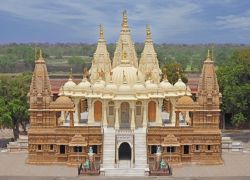
Welcome to Swaminarayan Mandir in Gondal, a place of tranquility and beauty nestled in the heart of this vibrant city. The Swaminarayan Mandir offers visitors a serene escape from the hustle and bustle of urban life, with its rich history, stunning architecture, and diverse natural surroundings. History of Swaminarayan Mandir The Swaminarayan Mandir holds a significant historical background, originally established as a spiritual center. The temple complex stands on former royal hunting grounds, now transformed into a sanctuary for both spiritual seekers and nature enthusiasts. The conservation efforts within the premises have garnered international recognition, including UNESCO's acknowledgment of its cultural and environmental importance. Architecture and Natural Beauty of Swaminarayan Mandir Surrounded by lush wetlands, verdant forests, and sprawling grasslands, the Swaminarayan Mandir is a haven for a variety of bird species and wildlife. The tranquil landscapes provide a perfect backdrop to the historical Keoladeo Temple located within the park, adding to its architectural and natural allure. Why is Swaminarayan Mandir Famous? Swaminarayan Mandir has earned its fame as a popular destination among birdwatchers, photographers, nature enthusiasts, and wildlife lovers. The abundance of avian species, coupled with the serene ambiance, makes it a must-visit spot for those seeking a close encounter with nature. How to Reach Swaminarayan Mandir Traveling to Swaminarayan Mandir is convenient, with options available by air, rail, and road. The city boasts proximity to major airports and railway stations, ensuring easy access for visitors from various locations. Weather and Best Time to Visit Swaminarayan Mandir The weather at Swaminarayan Mandir varies across seasons, with summer bringing warm temperatures, monsoon offering lush greenery, and winter providing a cool and pleasant climate. The best time to visit is during the cooler months, from [Month] to [Month], when the natural beauty of the surroundings is at its peak. Timings of Swaminarayan Mandir The Swaminarayan Mandir welcomes visitors during specific timings, accommodating both early risers and those who prefer afternoon visits. It's advisable to check for any seasonal variations in timings to plan your trip effectively. Entry Fee and Visit Details Entry to Swaminarayan Mandir is [Fee], with additional services such as guide assistance, safari options, bicycle rentals, and well-equipped visitor facilities to enhance your experience. Visitors can make the most of their trip with these convenient amenities. Things to Do at Swaminarayan Mandir Engage in a range of activities at Swaminarayan Mandir, from immersive birdwatching and photography sessions to leisurely cycling, walking trails, and nature observation experiences. The site offers ample opportunities for educational exploration amidst its natural splendor. Interesting Facts About Swaminarayan Mandir Swaminarayan Mandir hosts a diverse array of migratory birds, showcasing the rich biodiversity and successful conservation efforts within its premises. The temple's ecological significance and conservation achievements add to its allure as a haven for wildlife enthusiasts. Travel Tips for Visiting Swaminarayan Mandir When visiting Swaminarayan Mandir, ensure to dress appropriately for the weather, carry essential photography and birdwatching equipment, and plan your trip during the recommended seasons for a fulfilling experience. Practicing responsible tourism by respecting the natural surroundings is key to preserving the beauty of this unique destination. Conclusion In conclusion, Swaminarayan Mandir in Gondal stands as a testament to the harmonious blend of spirituality and nature's beauty. Visitors to this enchanting destination are treated to a memorable experience filled with cultural insights, serene landscapes, and diverse wildlife, making it a must-visit hotspot for all travelers exploring the wonders of [City].
Explore More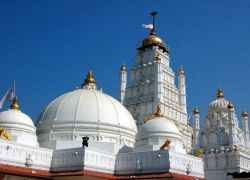
Ranchhodraiji Temple, located in Dakor, Gujarat, is one of the most revered Krishna temples in India. Dedicated to Lord Krishna in his Ranchhod form, this temple holds immense spiritual significance and attracts thousands of devotees annually. Known for its rich history, divine aura, and mesmerizing architecture, the temple is a must-visit pilgrimage site. Historical Background The legend of Ranchhodraiji Temple is deeply connected with Lord Krishna’s time in Dwarka. The name "Ranchhod" means "one who left the battlefield." According to mythology, Lord Krishna fled from the battlefield during a fight with Kalyavana, a demon king, to protect his devotees and strategize his next move. This compassionate act led to the deity being worshipped as Ranchhodrai. The temple’s history also revolves around a devoted follower named Bodana. It is believed that Bodana, an ardent devotee of Lord Krishna, brought the deity from Dwarka to Dakor due to his immense devotion. The temple was built in the 18th century to enshrine the idol and continues to be a center of spiritual activities and devotion. Architecture and Design The Ranchhodraiji Temple is a stunning example of Hindu temple architecture. Constructed in traditional Gujarati temple style, the temple features intricate carvings, a towering shikhara (spire), and ornate decorations. The sanctum Sanctorum houses the idol of Ranchhodraiji adorned with exquisite jewelry and colorful garments. The temple complex includes: Garbhagriha (Sanctum Sanctorum) – The sacred chamber where the idol of Ranchhodrai is placed. Mandap (Hall) – A spacious prayer hall where devotees gather for darshan. Sabha Mandap (Assembly Hall) – An open area used for religious gatherings and special ceremonies. Towering Shikhara – The beautifully designed spire visible from a distance. The temple’s intricate carvings and detailed sculptures narrate various stories from Krishna’s life, making it an architectural masterpiece. Significance of the Temple Ranchhodraiji Temple holds a special place in the hearts of Krishna devotees. Some key aspects of its significance include: Spiritual Importance – The temple is a powerful center of Krishna devotion, attracting devotees from across India. Religious Festivals – Several festivals, including Janmashtami, Holi, and Annakut, are celebrated with grandeur at the temple. Sacred Prasad – The temple offers prasad made from locally sourced ingredients, believed to be blessed by Lord Krishna himself. Spiritual Healing – Many devotees believe that offering prayers at Ranchhodraiji Temple brings peace, prosperity, and divine blessings. Festivals and Celebrations The temple witnesses grand celebrations throughout the year. Some of the major festivals include: 1. Janmashtami – Lord Krishna’s birthday is celebrated with great devotion, including bhajans, kirtans, and a midnight aarti. 2. Holi – The festival of colors is celebrated with traditional fervor, symbolizing the playful nature of Krishna. 3. Rath Yatra – A grand procession is held, where the deity is carried in a chariot through the streets of Dakor. 4. Diwali and Annakut – The temple is beautifully decorated, and an elaborate food offering (Annakut) is presented to the deity. How to Reach Ranchhodraiji Temple Dakor is well- connected by road, rail, and air, making it easily accessible for pilgrims and tourists. By Air – The nearest airport is Sardar Vallabhbhai Patel International Airport in Ahmedabad, approximately 90 km from Dakor. By Train – The closest railway station is in Anand, around 35 km from Dakor, with regular trains from major cities. By Road – Dakor is connected by state highways, and buses, taxis, and private vehicles are available for travel. Accommodation Options There are several accommodation options for pilgrims visiting the temple: Dharamshalas and Ashrams – Affordable options for devotees seeking a spiritual stay. Hotels and Lodges – Budget and mid-range hotels are available in and around Dakor. Luxury Resorts – For travelers looking for a comfortable stay, luxury resorts in Anand and Ahmedabad offer excellent amenities. Best Time to Visit The best time to visit Ranchhodraiji Temple is during winter (October to March), when the weather is pleasant. Visiting during major festivals adds to the spiritual experience, though it can be crowded. Tips for Visitors Dress Modestly – Traditional attire is recommended while visiting the temple. Follow Temple Etiquette – Maintain silence and respect religious sentiments. Avoid Peak Crowds – Early morning or late evening visits provide a peaceful darshan experience. Explore Local Cuisine – Try traditional Gujarati dishes offered as prasad or in nearby eateries. Conclusion Ranchhodraiji Temple in Dakor is a sacred destination for Krishna devotees. Its rich history, divine presence, and grand celebrations make it a must-visit pilgrimage site in Gujarat. Whether you seek spiritual solace, architectural beauty, or a deep connection with Lord Krishna, a visit to this temple is sure to be a soul-enriching experience. Plan your trip and immerse yourself in the divine grace of Ranchhodraiji.
Explore More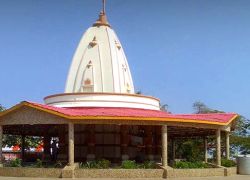
Malnath Shiv Temple, also known as Malnath Mahadev Temple, is a peaceful and scenic religious destination located near Bhavnagar in Gujarat. Situated amidst lush green hills on the Bhavnagar–Talaja Road, this temple is dedicated to Lord Shiva and attracts both devotees and nature lovers. Around 25–28 km from Bhavnagar city, the temple offers a perfect blend of spirituality, natural beauty, and adventure. History of Malnath Shiv Temple, Bhavnagar The exact origin of Malnath Shiv Temple is not clearly documented, but it is believed to be an ancient shrine with deep-rooted local religious significance. Over time, the temple has become an important pilgrimage site for Shiva devotees in the region. :contentReference[oaicite:0]{index=0} The temple houses a sacred Shivalinga carved from natural rock, which is worshipped daily by devotees. It has been maintained and preserved by local communities for generations, making it a living spiritual center. :contentReference[oaicite:1]{index=1} Malnath Temple also holds cultural importance, especially during festivals like Maha Shivaratri and the holy month of Shravan, when large numbers of devotees visit the temple for prayers and rituals. :contentReference[oaicite:2]{index=2} Architecture of Malnath Shiv Temple The temple is built in traditional Gujarati architectural style, featuring a simple yet spiritually powerful structure. The sanctum houses the Shivalinga, while the surrounding area includes small shrines dedicated to other Hindu deities such as Goddess Durga, Lord Ganesha, and Lord Hanuman. :contentReference[oaicite:3]{index=3} The temple complex is not heavily ornamented but focuses on simplicity, reflecting the spiritual essence of Lord Shiva. The natural surroundings enhance its beauty, with hills, streams, and greenery creating a serene environment. The presence of nearby windmills, waterfalls, and forested areas adds a unique charm to the temple, making it not just a religious site but also a nature retreat. :contentReference[oaicite:4]{index=4} Why Famous for Malnath Shiv Temple, Bhavnagar? Malnath Shiv Temple is famous for several reasons: • Dedicated to Lord Shiva with a naturally carved Shivalinga. • Located amidst scenic hills and lush greenery. • Known for its peaceful and spiritual ambiance. • Popular for trekking, photography, and nature walks. • Attracts devotees during Maha Shivaratri and Shravan month. • Offers a unique combination of spirituality and natural beauty. The temple is especially loved for its calm environment, away from city noise, making it ideal for meditation and relaxation. Things to Do at Malnath Shiv Temple 1. Offer Prayers: Seek blessings of Lord Shiva and participate in daily rituals. 2. Enjoy Nature Walks: Walk around the hills and explore the greenery surrounding the temple. 3. Trekking: The nearby hills offer light trekking opportunities for adventure lovers. 4. Photography: Capture scenic views of hills, waterfalls, and windmills. 5. Picnic with Family: The peaceful environment makes it a great picnic spot. 6. Visit Nearby Spots: Explore nearby places like Dhavdi Mata Temple and riverbank picnic areas. :contentReference[oaicite:5]{index=5} How to Reach Malnath Shiv Temple, Bhavnagar By Air: The nearest airport is Bhavnagar Airport, located around 28 km from the temple. :contentReference[oaicite:6]{index=6} By Train: Bhavnagar Terminus is the nearest railway station, approximately 25 km away. :contentReference[oaicite:7]{index=7} By Road: The temple is situated on Bhavnagar–Talaja Road and is easily accessible by private vehicles, taxis, and local buses. :contentReference[oaicite:8]{index=8} Local Transport: Auto-rickshaws and shared vehicles are available from Bhavnagar city to reach the temple. Weather in Bhavnagar Summer (March to June): Hot and dry, with temperatures above 35°C. Morning or evening visits are recommended. Monsoon (July to September): The best time to visit as the area becomes lush green with flowing streams and waterfalls. Winter (October to February): Pleasant and ideal for sightseeing, with temperatures between 15°C and 28°C. :contentReference[oaicite:9]{index=9} Timings of Malnath Shiv Temple Opening Hours: 6:00 AM – 6:00 PM (approx.) :contentReference[oaicite:10]{index=10} Open Days: All days of the week Early morning and evening are considered the best times to visit for a peaceful spiritual experience. Entry and Visit Details Entry Fee: Free for all visitors. Visit Duration: Around 1–2 hours is enough to explore the temple and surroundings. :contentReference[oaicite:11]{index=11} Visitor Guidelines: • Maintain silence and respect religious customs. • Avoid carrying restricted items like alcohol or non-vegetarian food. • Keep the surroundings clean. • Follow temple rules and dress modestly. Interesting Facts about Malnath Shiv Temple • Located about 25–28 km from Bhavnagar. • Surrounded by hills, waterfalls, and windmills. • Houses a naturally carved Shivalinga. • Popular during Maha Shivaratri festival. • Serves as both a pilgrimage site and picnic destination. Travel Tips for Visitors • Visit during monsoon: The greenery and waterfalls enhance the experience. • Wear comfortable footwear: Suitable for walking and trekking. • Carry essentials: Water and snacks, as facilities may be limited. • Visit early: Morning hours are peaceful and less crowded. • Respect nature: Avoid littering and disturbing wildlife. • Combine nearby attractions: Plan visits to Gaurishankar Lake and other Bhavnagar temples. Conclusion Malnath Shiv Temple, Bhavnagar is a perfect destination for those seeking spiritual peace and natural beauty. Surrounded by hills and greenery, the temple offers a calm and refreshing environment away from city life. Whether you are a devotee of Lord Shiva, a nature lover, or an adventure enthusiast, this scenic spot provides a fulfilling and memorable experience. It is truly one of the hidden gems of Bhavnagar that should not be missed.
Explore More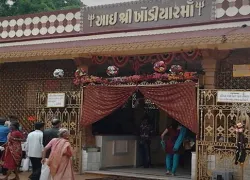
The Khodiyalma Mandir Temple, located in Bhavnagar, Gujarat, is a revered Hindu temple dedicated to the goddess Khodiyalma. The temple is a popular pilgrimage site for devotees who come to seek blessings and fulfill their wishes. The serene surroundings and spiritual ambience of the temple make it a must-visit destination for those seeking solace and peace of mind. Architecture of Khodiyalma Mandir Temple The architecture of the Khodiyalma Mandir Temple is a fine example of traditional Gujarati temple architecture. The temple is built in white marble and features intricate carvings and sculptures depicting various Hindu deities and mythological figures. The main sanctum sanctorum houses the idol of Khodiyalma, adorned with jewels and colorful fabrics, creating a divine aura that mesmerizes visitors. History The history of the Khodiyalma Mandir Temple dates back several centuries. It is believed that the temple was built by a devout follower of the goddess Khodiyalma who had a divine vision instructing him to construct a temple in her honor. Over the years, the temple has undergone renovations and enhancements, making it the magnificent structure that stands today. Best Time To Visit The best time to visit the Khodiyalma Mandir Temple is during the Navratri festival, which is celebrated with great fervor and enthusiasm in Gujarat. The temple is beautifully decorated with lights and flowers, and several cultural events and religious rituals take place during this time. It is also advised to visit the temple during early morning or late evening to avoid the crowds and experience the spiritual energy of the place. How To Reach The Khodiyalma Mandir Temple is easily accessible by road, rail, and air. Bhavnagar, where the temple is located, has a well-connected network of roads and can be reached by buses, taxis, or private vehicles. The Bhavnagar railway station is the nearest railhead, and regular trains connect it to major cities like Ahmedabad and Mumbai. The nearest airport is in Vadodara, which is about 200 kilometers away from Bhavnagar. Significance Of The Khodiyalma Mandir Temple The Khodiyalma Mandir Temple holds immense significance for devotees who believe that the goddess Khodiyalma has the power to fulfill their wishes and protect them from evil forces. The temple is visited by people from all walks of life, seeking blessings for health, prosperity, and happiness. It is believed that offering prayers and performing rituals at the temple can bring peace of mind and alleviate troubles and obstacles in life. In conclusion, the Khodiyalma Mandir Temple in Bhavnagar is not just a place of worship but a spiritual sanctuary that offers solace and divine blessings to all who seek them. Its rich history, splendid architecture, and serene ambiance make it a must-visit destination for those looking to connect with their inner selves and experience the power of devotion.
Explore More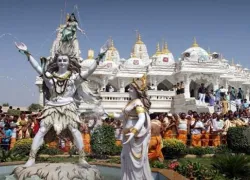
Constructed in a beautiful Rajput style of architecture, Maa Ashapura Temple is a famous Hindu temple in the Indian state of Gujarat. It was built in the 14th century under the reign of the Jadeja Rajput dynasty. It enshrines Goddess Ashapura, an incarnation of Goddess Annapoorna. Even today, many people in Gujarat worship her as their Kuldevi or the patron goddess. It is visited on a huge scale by the locals and tourists. It Is Known For:- 1) Maa Ashapura Temple is a major Hindu temple in the Indian state of Gujarat. It was built in the 14th century by the Jadeja Rajputs. 2) Maa Ashapura was worshiped by the Jadeja Rajputs as their patron goddess. Today, many people worship her as their patron goddess, especially in the region of Kutch. 3) Apart from Jadeja Rajputs, the communities like the Brahmin, Sindhi, Chauhan, and Vaishya also worship her as their patron deity. 4) Her evoked idol is placed in the sanctum of the shrine and has 7 pairs of eyes. The aarti takes place twice a day that is attended by the numerous devotees. 5) Navaratri, a major Hindu festival, is celebrated here with a great pomp. Best Time To Visit:- Maa Ashapura Temple is a famous shrine and attracts numerous pilgrims from different parts of Gujarat. Though it is visited on a daily basis, the best time for witnessing the divine ambiance is during Navaratri. The whole temple is bedecked in an exquisite manner and hundreds of devotees pay their respects to Goddess Ashapura. Watch Out! People claim that Goddess Ashapura visits the temple during Navaratri. It is said that the vivacious roar of her lion can be heard in the wee hours of Navaratri season. Also, the hair from lion’s mane is found inside the temple premises on this occasion. You should visit the place yourself to know more about this. Reaching There:- Kutch is a city that has a well-established connection to the major highways, airways, and railways. Such connectivity makes it feasible for the visitors to reach the city from anywhere in Gujarat. The express trains, flights, and state-run buses ply in plentitude. Commuting within Kutch can be done via local transit. Nearest Railway Station:- Bhuj Railway Station Nearest Airport:- Bhuj Airport
Explore More
Bhidbhanjan Temple is a famous Hindu temple in the Indian state of Gujarat. It is located in the city of Jamnagar and is a marvelous example of the Hindu architecture. This beautiful temple was constructed during the rule of Jam Rawal, the founder and the first ruler of Jamnagar. It is visited on a huge scale by the locals and tourists alike. Why Is It Famous? Bhidbhanjan Temple is a famous landmark and is best known for its architecture. It stands in the Hindu-Rajput style of architecture and exhibits meticulous carvings on the interior and exteriors walls. Each wall, as well as pillars, is exquisitely carved and depicts the skills of the craftsperson of the then times. The gates of this temple are carved with an arc on top. Such arc offers the royal look to the gate and makes it appear even royal. The shikhara of the temple is completely inspired from the architecture of the shikhara of South Indian temples. As an individual takes a look at the ceiling from inside, the beautiful abstract patterns and designs, complimenting each other, enhance the beauty. Best Time To Visit:- Bhidbhanjan Temple is a prominent landmark in the city. It is visited on a wider scale by the locals and tourists. It welcomes its visitors on a huge scale throughout the year and approximately, more than 800 visitors mark their presence. Therefore, one can visit this place during any time of the year. Watch Out! Bhidbhanjan Temple is a historical monument and all visitors are expected to maintain cleanliness around it. No one is allowed to dump any sort of garbage around this place. Reaching There:- Jamnagar is a city that is well-connected to the major highways, railways, and airways. It can be reached easily via express trains, state-run buses, and flights that operate from different parts of the state. One can travel in Jamnagar by local buses, cabs, and autos. Nearest Railway Station:- Jamnagar Railway Station Nearest Airport:- Govardhan Airport
Explore More
Welcome to the serene and spiritually uplifting destination of Shri Ramakrishna Ashrama located in the vibrant city of Rajkot. This ashrama holds a special place in the hearts of visitors seeking tranquility amidst nature's beauty. The ashrama offers a unique blend of historical significance, architectural marvels, and a rich biodiversity that attracts tourists from far and wide. History of Shri Ramakrishna Ashrama The history of Shri Ramakrishna Ashrama dates back to its origin as a former royal hunting ground that has now been transformed into a sanctuary of peace and spirituality. The conservation efforts undertaken here have garnered international recognition, with UNESCO honoring its commitment to preserving natural habitats. Architecture and Natural Beauty of Shri Ramakrishna Ashrama As you explore Shri Ramakrishna Ashrama, you will be greeted by lush wetlands, dense forests, sprawling grasslands, and enchanting bird habitats. The picturesque landscapes are enhanced by the presence of the historical Keoladeo Temple, adding a touch of spirituality to the natural beauty of the ashrama. Why is Shri Ramakrishna Ashrama Famous? Shri Ramakrishna Ashrama has gained fame as a haven for birdwatchers, photographers, nature enthusiasts, and wildlife lovers. The diverse range of avian species, coupled with the tranquil ambiance, makes it a sought-after destination for those seeking a closer connection to nature. How to Reach Shri Ramakrishna Ashrama Traveling to Shri Ramakrishna Ashrama is convenient, with options available by air, rail, and road. The nearest airports and railway stations provide easy access to this serene retreat, allowing visitors to embark on a seamless journey to this natural paradise. Weather and Best Time to Visit Shri Ramakrishna Ashrama The weather at Shri Ramakrishna Ashrama varies across summer, monsoon, and winter seasons, each offering a unique charm to visitors. The best time to visit is during specific months when the climate is most conducive to exploring the ashrama's natural wonders. Timings of Shri Ramakrishna Ashrama Visitors can plan their trips effectively by noting the ashrama's visitor timings and any seasonal variations that may impact their experience. This information ensures a well-rounded visit that aligns with the natural rhythms of the sanctuary. Entry Fee and Visit Details Upon arrival, guests are guided through the entry procedures and offered various services such as guided tours, safari options, bicycle rentals, and essential visitor facilities. These amenities enhance the overall experience of exploring Shri Ramakrishna Ashrama. Things to Do at Shri Ramakrishna Ashrama Engage in popular activities at Shri Ramakrishna Ashrama, including birdwatching, photography sessions, cycling expeditions, leisurely walks along nature trails, and educational experiences that foster a deeper appreciation for the environment. Interesting Facts About Shri Ramakrishna Ashrama Delve into the realm of fascinating facts surrounding Shri Ramakrishna Ashrama, from the migratory patterns of birds to the rich biodiversity that thrives within its boundaries. The conservation achievements and ecological significance further highlight the ashrama's pivotal role in preserving natural habitats. Travel Tips for Visiting Shri Ramakrishna Ashrama For a seamless visit, consider practical tips on clothing choices, photography essentials, birdwatching equipment, ideal visiting seasons, and responsible tourism practices that uphold the sanctity of this natural sanctuary. Embrace these suggestions to make the most of your journey to Shri Ramakrishna Ashrama. Conclusion In conclusion, Shri Ramakrishna Ashrama in Rajkot stands as a testament to the harmonious coexistence of spirituality and nature. Its historical roots, architectural splendor, and vibrant biodiversity create an immersive experience for visitors, leaving them with cherished memories and a profound connection to the essence of this sacred destination.
Explore More
Chamunda Mataji Temple is a famous religious site located in the town of Surendranagar in the state of Gujarat, India. Dedicated to Chamunda Mata, a goddess revered in Hinduism, this temple holds great significance for pilgrims and devotees who seek blessings from the goddess. It attracts thousands of visitors each year, both for its spiritual importance and its rich cultural heritage. How to Reach Chamunda Mataji Temple, Surendranagar Surendranagar is well connected to major cities in Gujarat and across India. The easiest ways to reach the Chamunda Mataji Temple are: By Air: The nearest airport to Surendranagar is in Rajkot, approximately 100 km away. From the airport, you can take a taxi or bus to reach the temple. By Train: Surendranagar Junction is the main railway station. You can board a train from major cities like Ahmedabad or Mumbai to Surendranagar and then take a local transport to the temple. By Road: Surendranagar is well connected by roads. You can drive or hire a cab from Ahmedabad (about 150 km) or Rajkot to reach the temple. Several buses also operate from these cities to Surendranagar. Weather at Chamunda Mataji Temple, Surendranagar The weather in Surendranagar can be categorized as hot and dry, especially during summer. The best time to visit Chamunda Mataji Temple is between October and March, when the weather is relatively cool and pleasant. Here's a quick look at the seasons: Summer (March to June): Extremely hot, with temperatures rising above 40°C. Monsoon (July to September): Humid and moderate rainfall. Winter (October to February): Pleasant with cooler temperatures ranging from 15°C to 25°C. Timing of Chamunda Mataji Temple The temple is open throughout the year. However, the timings may vary depending on the time of year and special occasions. Typically, the temple opens at 5:00 AM and closes at 9:00 PM. The aarti (ritual prayer) is performed several times a day, with the most significant being in the early morning and evening. Why is Chamunda Mataji Temple Famous? Chamunda Mataji Temple is famous for its religious significance and the strong belief that visiting the temple brings blessings to those seeking peace, prosperity, and protection from evil. It is dedicated to Chamunda Mata, an incarnation of the Hindu goddess Durga. The temple also holds historical importance, having been a focal point for worshippers for centuries. Entry and Visit Details The temple has a nominal entry fee for visitors, which is used to maintain the temple premises. There is no strict dress code, but visitors are encouraged to wear modest clothing as a sign of respect. Photography is generally allowed, but it is advisable to check with the temple authorities regarding restrictions during worship hours. Entry Fee: No major entry fee, but donations are accepted for temple upkeep. Special Events: The temple sees a surge of visitors during festivals like Navratri, where special prayers and celebrations take place. Devotees from nearby towns and even from other states come to celebrate these occasions. History and Architecture of Chamunda Mataji Temple The Chamunda Mataji Temple has a long history, believed to have been established centuries ago. The temple's architecture is traditional, featuring intricate carvings and sculptures that depict various gods and goddesses from Hindu mythology. The temple is built using stone and marble, with a large central shrine dedicated to the goddess Chamunda Mata. The architecture reflects the classical style of Gujarat’s temple designs, with grand entrances and detailed artwork that adds to its spiritual charm. Things to Do at Chamunda Mataji Temple Worship and Prayers: The main activity at the temple is the worship of Chamunda Mata. Devotees can participate in the daily aartis, chant mantras, and offer flowers and sweets as a sign of devotion. Seek Blessings: Many people visit the temple seeking blessings for a prosperous life, good health, and peace of mind. Festival Celebrations: The Navratri festival is a significant event at the temple, with special rituals, cultural programs, and processions. Exploring the Surroundings: The temple is located in a serene area surrounded by nature. Visitors can take a peaceful walk around the premises and enjoy the calm environment. Interesting Facts about Chamunda Mataji Temple The temple is believed to be one of the oldest religious sites in the region, with historical records dating back several centuries. The goddess Chamunda is often depicted as a fierce warrior goddess, symbolizing the destruction of evil forces. During the Navratri festival, the temple witnesses a large influx of pilgrims who come to offer prayers and perform rituals in honor of the goddess. The temple's architecture, with its carved stone pillars and intricate sculptures, is an excellent example of traditional Gujarat temple design. Tips for Visiting Chamunda Mataji Temple Best Time to Visit: Plan your visit during the cooler months (October to March) for a more pleasant experience. Carry Water: It can get hot during the summer months, so carrying a bottle of water is a good idea. Respect the Religious Practices: Always be respectful of the temple's rituals and customs. Be Prepared for Crowds: Especially during festivals and weekends, the temple can get crowded, so plan your visit accordingly. Visiting the Chamunda Mataji Temple in Surendranagar is not just a spiritual journey but a chance to experience the cultural richness of Gujarat. Whether you are here to seek blessings or explore its historical and architectural beauty, the temple offers an enriching experience for all.
Explore More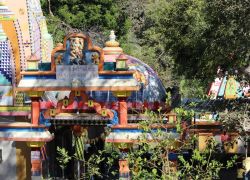
Kankai and Banej Temples are two important religious sites located deep inside the Gir Forest region near Sasan, Gujarat. These temples are not only spiritually significant but also unique due to their location within a protected wildlife sanctuary. Surrounded by dense forest, rivers, and natural beauty, these temples offer a rare combination of devotion and nature, attracting both pilgrims and adventure seekers. Why Famous for Kankai and Banej Temples, Sasan? Kankai and Banej Temples are famous for their religious importance and unique forest location. Visiting these temples is considered both a spiritual and adventurous experience. Main highlights include: • Located inside Gir National Park • Sacred pilgrimage sites for devotees • Peaceful and natural surroundings • Opportunity to combine wildlife safari with temple visit • Rich cultural and mythological significance These temples provide a serene environment for prayer and meditation. History and Architecture Kankai Temple is dedicated to Goddess Kankai Mata, who is considered a protective deity by local communities. The temple has been a place of worship for centuries and is visited by devotees from nearby villages and towns. Banej Temple is associated with Lord Shiva and is located near the Hiran River. It is believed to be connected with mythological stories from ancient times. The architecture of both temples is simple yet spiritually appealing: • Traditional temple structures • Stone and cement construction • Basic but well-maintained interiors • Natural surroundings enhancing spiritual atmosphere Unlike grand temples, their simplicity adds to their charm and peacefulness. Entry and Visit Details Entry Fee: • No entry fee for temples • However, forest entry permit is required to access the area Permit Details: • Visitors need permission from the forest department • Access is usually allowed through safari routes Best Time to Visit: Winter months are ideal for a comfortable and safe visit. Timing Opening Days: Open during Gir National Park season Closed: During monsoon (mid-June to mid-October) Visiting Hours: • As per forest safari timings Visitors must follow the schedule provided by forest authorities. Weather at Sasan, Gujarat The weather in Sasan is as follows: • Summer (March–June): Hot and dry, temperatures up to 42°C • Monsoon (July–September): Heavy rainfall, forest remains closed • Winter (October–February): Pleasant and cool Best Season: October to February is ideal for visiting. How to Reach Kankai and Banej Temples, Sasan By Air: The nearest airport is Diu Airport (around 70 km) and Rajkot Airport (around 160 km). By Train: Sasan Gir Railway Station is the nearest railhead. By Road: Sasan is well connected by road from Junagadh, Veraval, Rajkot, and Ahmedabad. Local Transport: Access to the temples is only possible through authorized safari vehicles with permits. Things to Do at Kankai and Banej Temples • Offer Prayers – Seek blessings at both temples. • Enjoy Forest Safari – Combine temple visit with wildlife exploration. • Photography – Capture scenic forest landscapes. • Nature Experience – Enjoy peaceful surroundings. • Cultural Exploration – Learn about local beliefs and traditions. Interesting Facts • Both temples are located inside Gir Forest. • Special permission is required to visit. • Kankai Mata is considered a guardian deity. • Banej Temple is associated with Lord Shiva. • Wildlife sightings are possible during the visit. Tips for Visiting • Obtain forest permits in advance. • Follow all safety rules strictly. • Do not get out of the vehicle in restricted areas. • Carry water and essentials. • Wear comfortable and modest clothing. • Maintain silence to respect both nature and spiritual environment. • Travel with authorized guides. Conclusion Kankai and Banej Temples in Sasan, Gujarat offer a unique blend of spirituality and nature. Located within the Gir Forest, these temples provide a rare opportunity to experience devotion amidst wildlife and natural beauty. Whether you are a devotee or a traveler seeking a unique experience, visiting these temples is truly memorable and enriching.
Explore MoreDwarka&Somnath, Statue, Diu, SasanGir Tour
8 Days/ 7 Night
Ahmedabad - Diu - Dwarka - Kevadia - Porbandar
Gujarat Heritage - Pilgrimage Tour - 5 Nights - 6 Days
6 Days/ 5 Night
Ahmedabad - Dwarka
Gujarat 8 Days - 7 Nights Tour
8 Days/ 7 Night
Ahmedabad - Vadodara (Baroda) - Diu - Kevadia - Sasan
3 Days Saputara Adventure Camp Tour
3 Days/ 2 Night
Saputara
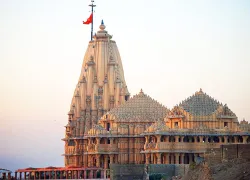
Welcome to the mesmerizing Somnath Temple, located in the city of Porbandar, a place of rich historical significance and natural beauty. The temple stands as a symbol of devotion and spirituality, attracting visitors from all over the world. History of Somnath Temple The history of Somnath Temple dates back to ancient times, with its origins deeply rooted in mythology and legend. Once a royal hunting ground, the temple has undergone various phases of construction and restoration. It holds immense religious importance and has been recognized by UNESCO for its cultural heritage. Architecture and Natural Beauty of Somnath Temple The natural environment surrounding Somnath Temple is a sight to behold, with lush wetlands, dense forests, and diverse bird habitats. The temple itself is a marvel of architectural beauty, reflecting the rich cultural heritage of the region. The historic Keoladeo Temple within the premises adds to the spiritual aura of the place. Why is Somnath Temple Famous? Somnath Temple has gained fame for being a paradise for birdwatchers, photographers, and nature enthusiasts. Its tranquil surroundings and abundant wildlife make it a haven for those seeking to connect with nature and witness the beauty of diverse bird species in their natural habitat. How to Reach Somnath Temple Visitors can reach Somnath Temple conveniently by air, rail, or road. The nearest airport is located in Porbandar, while the city is well-connected by rail. Road transport options are also available, making it easily accessible for travelers from different parts of the country. Weather and Best Time to Visit Somnath Temple The weather at Somnath Temple varies across seasons, with summers being hot, monsoons experiencing rainfall, and winters being pleasant. The best time to visit is during the cooler months, from October to March, when the weather is ideal for exploring the temple and its surroundings. Timings of Somnath Temple Somnath Temple welcomes visitors throughout the year, with varying timings based on the season. It is advisable to check the official website for updated information on visitor timings and any seasonal variations that may affect your travel plans. Entry Fee and Visit Details Visitors can enter Somnath Temple by following the designated entry procedures. Guide services are available for those interested in learning more about the history and significance of the temple. Safari options, bicycle rentals, and visitor facilities are provided to enhance the overall experience. Things to Do at Somnath Temple Popular activities at Somnath Temple include birdwatching, photography, cycling around the serene surroundings, taking leisurely walks along nature trails, and engaging in educational experiences to gain insights into the local ecosystem and biodiversity. Interesting Facts About Somnath Temple Somnath Temple is home to a wide variety of migratory birds, contributing to its rich biodiversity. Conservation efforts have been instrumental in preserving the ecological balance of the region, making it an important sanctuary for wildlife enthusiasts and nature lovers. Travel Tips for Visiting Somnath Temple Visitors are advised to dress comfortably and carry essential photography and birdwatching equipment. It is recommended to visit during the peak migratory season for a chance to witness a diverse range of bird species. Responsible tourism practices are encouraged to protect the natural habitat of the temple. Conclusion In conclusion, Somnath Temple in Porbandar is a place of immense cultural and spiritual significance, offering a unique blend of history, architecture, and natural beauty. Whether you are a history buff, a nature lover, or a photography enthusiast, a visit to Somnath Temple promises a memorable experience that will stay with you for years to come.
Explore More
About The Dev Mogara Temple The Dev Mogara Temple is a sacred Hindu temple located in the Narmada district of Madhya Pradesh, India. This temple is dedicated to Lord Shiva, the destroyer and transformer of the universe in Hindu mythology. It is a popular pilgrimage site for devotees seeking blessings and spiritual solace. Architecture of Dev Mogara Temple The architecture of the Dev Mogara Temple is a fine example of traditional Hindu temple design. The temple complex is adorned with intricate carvings and sculptures depicting various scenes from Hindu mythology. The main sanctum sanctorum houses the idol of Lord Shiva in a meditative pose, surrounded by other deities and celestial beings. The temple is built using sandstone and marble, giving it a majestic and timeless appeal. History The history of the Dev Mogara Temple dates back several centuries. It is believed that the temple was constructed during the rule of the Chandela dynasty in the 10th century. Over the years, the temple has undergone several renovations and additions, but its spiritual significance and sanctity have remained intact. The temple is steeped in legend and folklore, making it a place of great reverence among devotees. Best Time To Visit The best time to visit the Dev Mogara Temple is during the winter months of October to March. The weather during this time is pleasant and ideal for exploring the temple complex and offering prayers. The annual festivals of Maha Shivaratri and Navratri are celebrated with great enthusiasm at the temple, attracting scores of devotees from far and wide. How To Reach The Dev Mogara Temple is located in the Narmada district of Madhya Pradesh, approximately 50 kilometers from the city of Indore. The nearest airport is Devi Ahilyabai Holkar Airport in Indore, which is well-connected to major cities in India. Visitors can also reach the temple by road via regular bus services or taxis from Indore. The journey to the temple is scenic and offers breathtaking views of the surrounding landscape. Significance Of The Dev Mogara Temple The Dev Mogara Temple holds immense significance for devotees of Lord Shiva. It is believed that praying at the temple can help in attaining salvation and spiritual enlightenment. The temple is also known for its healing powers and is visited by people seeking relief from physical ailments and mental distress. The serene and tranquil atmosphere of the temple complex provides a perfect setting for meditation and introspection, making it a must-visit for spiritual seekers. In conclusion, the Dev Mogara Temple in Narmada is a sacred pilgrimage site that offers a unique blend of history, architecture, and spirituality. Whether you are a devout follower of Lord Shiva or simply a curious traveler wanting to explore the rich cultural heritage of India, a visit to this temple is sure to leave a lasting impression on your mind and soul.
Explore More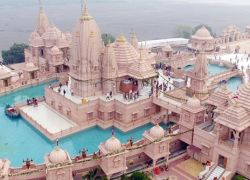
About The Nilkanthdham Poicha Temple The Nilkanthdham Poicha Temple is a famous Hindu temple located in the small village of Poicha, on the banks of the Narmada River in Gujarat, India. The temple is dedicated to Lord Shiva, also known as Nilkanth, who is believed to have consumed the poison churned from the ocean during the Samudra Manthan, or the churning of the ocean. This act turned his throat blue, hence the name Nilkanth which means "blue throat" in Sanskrit. Architecture of Nilkanthdham Poicha Temple The architecture of the Nilkanthdham Poicha Temple is stunning and unique. The main temple structure features intricately carved pillars, domes, and spires, all adorned with beautiful sculptures of Hindu deities and mythological figures. The temple complex also includes a serene pond, lush gardens, and a majestic gate adorned with intricate designs. The entire temple complex exudes a sense of peace and spirituality, making it a popular place for meditation and prayer. History The Nilkanthdham Poicha Temple was built in 2003 by the Bochasanwasi Akshar Purushottam Swaminarayan Sanstha (BAPS) organization. The temple was constructed to provide a place of worship and spiritual retreat for devotees, as well as a cultural and educational center for the community. Since its inauguration, the temple has become a popular pilgrimage site in the region and attracts thousands of visitors every year. Best Time To Visit The best time to visit the Nilkanthdham Poicha Temple is during the winter months of October to March when the weather is pleasant and ideal for exploring the temple complex and enjoying the serene surroundings. Avoid visiting during the monsoon season from June to September as heavy rains can disrupt travel and outdoor activities. How To Reach The Nilkanthdham Poicha Temple is located in the village of Poicha, which is approximately 80 kilometers from Vadodara, the nearest major city in Gujarat. Visitors can reach the temple by road via private car or bus. The nearest railway station is Vadodara Junction, which is well-connected to major cities in India. The nearest airport is Vadodara Airport, which has regular flights to major cities like Mumbai, Delhi, and Bangalore. Significance Of The Nilkanthdham Poicha Temple The Nilkanthdham Poicha Temple holds great significance for devotees of Lord Shiva and followers of the BAPS organization. The temple serves as a place of worship, meditation, and spiritual learning for visitors of all ages. The serene and tranquil atmosphere of the temple complex provides a peaceful retreat from the hustle and bustle of daily life, allowing visitors to connect with their inner selves and find solace in the divine presence of Lord Shiva. In conclusion, the Nilkanthdham Poicha Temple is a must-visit destination for pilgrims, spiritual seekers, and anyone interested in experiencing the beauty and serenity of a traditional Hindu temple. The stunning architecture, rich history, and spiritual significance of the temple make it a truly special place that leaves a lasting impression on all those who visit.
Explore More
Located in the city of Narmada, Kabirvad is a picturesque tourist attraction that captivates visitors with its natural beauty and rich biodiversity. Nestled amidst lush greenery and serene surroundings, Kabirvad offers a tranquil escape for nature lovers and wildlife enthusiasts alike. History of Kabirvad Steeped in history, Kabirvad holds significance as a former royal hunting ground that has been transformed into a conservation area dedicated to preserving its natural treasures. With efforts focused on protecting the indigenous flora and fauna, Kabirvad has garnered recognition for its conservation initiatives, drawing attention from UNESCO for its commitment to maintaining ecological balance. Architecture and Natural Beauty of Kabirvad The charm of Kabirvad lies in its diverse landscapes, which encompass wetlands, forests, and grasslands that provide a haven for a multitude of bird species. One of the notable features within the park is the historic Keoladeo Temple, adding a touch of architectural splendor to the natural beauty that surrounds it. Why is Kabirvad Famous? Kabirvad has earned fame as a favored destination among birdwatchers, photographers, and nature enthusiasts due to its rich avian population and scenic vistas. The park's tranquil ambiance and abundance of wildlife attract visitors seeking a peaceful retreat amidst nature's wonders. How to Reach Kabirvad For travelers planning a visit to Kabirvad, convenient travel options include air, rail, and road routes. The nearest airports and railway stations provide easy access to the city of Narmada, from where visitors can reach Kabirvad via well-connected roads. Weather and Best Time to Visit Kabirvad Throughout the year, Kabirvad experiences varying weather conditions, with summers being warm, monsoons bringing refreshing rains, and winters offering pleasant temperatures. The best time to visit Kabirvad is during the cooler months when the weather is ideal for exploring the park's natural splendor. Timings of Kabirvad Visitors can explore Kabirvad during specified timings, with seasonal variations affecting operational hours. To make the most of your visit, it is advisable to plan your trip keeping in mind the park's opening and closing hours to ensure a memorable experience. Entry Fee and Visit Details Entry procedures to Kabirvad are straightforward, with options for guide services, safari excursions, bicycle rentals, and visitor facilities available within the park premises. Exploring the park with the assistance of knowledgeable guides enhances the overall experience, providing insights into the park's flora and fauna. Things to Do at Kabirvad Popular activities at Kabirvad include birdwatching, photography, cycling, walking trails, and nature observation, offering visitors a chance to immerse themselves in the park's natural wonders. Educational experiences abound, making Kabirvad an ideal destination for learning about the region's biodiversity. Interesting Facts About Kabirvad Kabirvad is home to a diverse array of migratory birds, showcasing the park's ecological importance in providing a habitat for these avian travelers. The park's conservation efforts have led to notable achievements in preserving biodiversity, making it a valuable asset in the region's environmental landscape. Travel Tips for Visiting Kabirvad When visiting Kabirvad, it is advisable to dress comfortably, carry essential photography equipment for capturing the park's beauty, and be mindful of the best seasons for birdwatching and wildlife spotting. Practicing responsible tourism by respecting the park's rules and regulations ensures a harmonious coexistence with nature. Conclusion In conclusion, Kabirvad in Narmada stands out as a natural gem that beckons travelers with its serene ambiance and abundant wildlife. With a rich history, diverse ecosystems, and a commitment to conservation, Kabirvad offers visitors a unique opportunity to connect with nature and experience the beauty of the region firsthand.
Explore More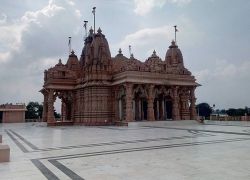
Shri Ramanath Dham is a peaceful and spiritually uplifting religious site located in Gondal, Gujarat. Dedicated to Lord Shiva (Ramanath), this dham is a popular destination for devotees seeking blessings, inner peace, and a calm environment away from city life. Surrounded by natural beauty and greenery, the place offers a serene atmosphere ideal for prayer, meditation, and relaxation. Shri Ramanath Dham is not only a temple but also a spiritual retreat that reflects devotion, simplicity, and cultural values. It attracts pilgrims, families, and tourists who want to experience a divine connection and peaceful surroundings. Why Famous for Shri Ramanath Dham, Gondal, Gujarat? Shri Ramanath Dham is famous for its religious significance and tranquil environment. Devotees visit the temple to worship Lord Shiva and seek blessings for health, prosperity, and spiritual growth. The dham is also known for its clean and well-maintained premises, making it a comfortable place for visitors. The peaceful surroundings and spiritual energy create a calming experience for those who visit. It is a popular destination during Mahashivratri and other Hindu festivals, when devotees gather in large numbers for पूजा and celebrations. History of Shri Ramanath Dham, Gondal, Gujarat The history of Shri Ramanath Dham is rooted in local religious traditions and devotion to Lord Shiva. The temple was established by spiritual leaders and devotees who wanted to create a place for worship and meditation. Over time, the dham has developed into a well-known spiritual center in Gondal. It continues to attract visitors from nearby regions and beyond, maintaining its importance as a place of faith and devotion. The temple stands as a symbol of spiritual dedication and community faith. Architecture of Shri Ramanath Dham The architecture of Shri Ramanath Dham reflects traditional Hindu temple design combined with simplicity and elegance. Key architectural features include: • Main Temple Structure: Dedicated to Lord Shiva with a sacred idol. • Prayer Hall: Spacious area for devotees to gather and pray. • Decorative Elements: Simple carvings and traditional designs. • Open Surroundings: Green spaces that enhance the peaceful atmosphere. The design focuses on creating a calm and spiritual environment rather than elaborate decoration. Things to Do at Shri Ramanath Dham, Gondal, Gujarat Visitors can enjoy various activities at this spiritual destination: 1. Offer Prayers: Worship Lord Shiva and seek blessings. 2. Meditation: Spend time in peaceful reflection. 3. Attend Festivals: Experience celebrations like Mahashivratri. 4. Relaxation: Enjoy the calm and natural surroundings. 5. Family Visit: Spend quality time in a spiritual environment. Entry and Visit Details Entry Fee: Entry to Shri Ramanath Dham is free for all visitors. Visit Duration: Visitors typically spend around 1 to 2 hours at the temple. Facilities: Basic facilities such as parking, drinking water, and seating areas are available. Visitors are expected to follow temple rules and maintain cleanliness. Timings of Shri Ramanath Dham The temple is generally open from 6:00 AM to 8:00 PM. Timings may vary during festivals and special occasions. Weather at Shri Ramanath Dham, Gondal, Gujarat The climate in Gondal is as follows: Summer (March to June): Hot, with temperatures up to 40°C. Monsoon (July to September): Moderate rainfall with greenery. Winter (October to February): Pleasant, with temperatures between 12°C and 28°C. Winter is the best time to visit for a comfortable and peaceful experience. How to Reach Shri Ramanath Dham, Gondal, Gujarat By Air: The nearest airport is Rajkot Airport, about 40 km away. By Train: The nearest railway station is Gondal Railway Station, which is well connected to nearby cities. By Road: Gondal is easily accessible by road from Rajkot and other parts of Gujarat. Buses, taxis, and private vehicles are available. The dham is located within Gondal and can be easily reached by local transport. Interesting Facts about Shri Ramanath Dham • It is dedicated to Lord Shiva. • The site is known for its peaceful and clean environment. • It attracts many devotees during Mahashivratri. • It serves as both a temple and a spiritual retreat. Travel Tips for Shri Ramanath Dham • Wear modest and comfortable clothing. • Maintain silence inside the temple premises. • Visit early morning or evening for a peaceful experience. • Carry water, especially during summer. • Follow temple rules and respect religious practices. Conclusion Shri Ramanath Dham in Gondal is a peaceful and spiritually enriching destination that offers a perfect blend of devotion, nature, and relaxation. Its serene atmosphere, religious importance, and welcoming environment make it a must-visit place for devotees and travelers. A visit here provides a refreshing break and a chance to connect with spirituality.
Explore More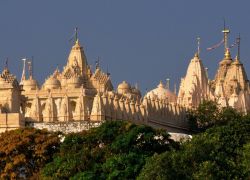
Shatrunjaya Hill Temples in Palitana, Gujarat, are among the most sacred pilgrimage sites for followers of Jainism. Located on the Shatrunjaya Hill in the Bhavnagar district, this temple complex consists of more than 800 beautifully carved temples spread across the hilltop. The site is considered one of the holiest places for Jains, where every devotee aspires to visit at least once in their lifetime. The temples are dedicated mainly to Lord Adinath (Rishabhdev), the first Jain Tirthankara. Surrounded by scenic landscapes and spiritual energy, Shatrunjaya Hill offers a unique combination of devotion, history, and architectural beauty. Why Famous for Shatrunjaya Hill Temples, Palitana, Gujarat? The Shatrunjaya Hill Temples are famous for their religious significance, large number of temples, and spiritual importance. It is believed that the hill has been sanctified by the presence of many Jain Tirthankaras. The site is also known for the challenging climb of around 3,800 steps, which devotees undertake as a form of spiritual discipline. The temples’ intricate marble carvings, peaceful environment, and panoramic views make it one of the most remarkable pilgrimage destinations in India. History of Shatrunjaya Hill Temples, Palitana, Gujarat The history of the Shatrunjaya temples dates back over 2000 years. The hill is believed to have been a sacred site since ancient times, associated with Lord Adinath, who is said to have meditated here. Most of the current temple structures were built between the 11th and 16th centuries by Jain rulers and wealthy merchants. Over time, the temples were renovated and expanded, resulting in the vast complex seen today. Despite facing destruction during invasions in the past, the temples were rebuilt with great devotion, reflecting the strong faith of the Jain community. Architecture of Shatrunjaya Hill Temples The architecture of the Shatrunjaya temples is a masterpiece of Jain temple design, showcasing detailed craftsmanship and artistic excellence. Key architectural features include: • Marble Construction: Most temples are built using white marble. • Intricate Carvings: Detailed designs on walls, ceilings, and pillars. • Domes and Shikharas: Elegant temple towers rising towards the sky. • Temple Clusters: Groups of temples enclosed within fortified walls. • Grand Courtyards: Spacious areas for prayer and gatherings. The temples are arranged in a planned manner, creating a city-like structure on the hilltop. Things to Do at Shatrunjaya Hill Temples, Palitana, Gujarat Visitors can engage in several spiritual and cultural activities: 1. Climb the Hill: Experience the sacred journey of ascending the steps. 2. Darshan and Prayer: Offer prayers at various temples. 3. Explore Architecture: Admire the intricate carvings and design. 4. Meditation: Enjoy the peaceful and spiritual atmosphere. 5. Photography: Capture scenic views (outside temple areas where permitted). Entry and Visit Details Entry Fee: Entry to the temples is generally free, but there may be small charges for cameras or services. Visit Duration: The entire visit, including the climb, usually takes 4 to 6 hours. Facilities: Basic facilities such as resting points and water are available along the route. Note: Eating food is not allowed on the hill as per Jain traditions. Timings of Shatrunjaya Hill Temples The temples are open from 5:00 AM to 6:00 PM. Visitors must descend the hill before sunset, as staying overnight is not permitted. Weather at Shatrunjaya Hill Temples, Palitana, Gujarat The weather in Palitana varies by season: Summer (March to June): Hot, with temperatures up to 38°C. Monsoon (July to September): Moderate rainfall and greenery. Winter (October to February): Cool and pleasant, with temperatures between 10°C and 25°C. The best time to visit is during winter or early morning hours in other seasons. How to Reach Shatrunjaya Hill Temples, Palitana, Gujarat By Air: The nearest airport is Bhavnagar Airport, about 55 km away. By Train: The nearest railway station is Palitana Railway Station, connected to Bhavnagar and other cities. By Road: Palitana is well connected by road to Bhavnagar and other parts of Gujarat. Buses and taxis are available. From Palitana town, visitors need to climb the hill on foot or use a doli (palanquin service). Interesting Facts about Shatrunjaya Hill Temples • There are over 800 temples on the hill. • It is one of the holiest pilgrimage sites in Jainism. • No one is allowed to stay overnight on the hill. • The climb is considered a spiritual journey. Travel Tips for Shatrunjaya Hill Temples • Start your climb early in the morning. • Wear comfortable clothing and footwear. • Carry water but avoid heavy luggage. • Respect temple rules and maintain cleanliness. • Avoid visiting during peak summer afternoons. Conclusion Shatrunjaya Hill Temples in Palitana are a remarkable blend of spirituality, history, and architecture. The sacred atmosphere, stunning temple complex, and meaningful journey to the top make it a must-visit destination in Gujarat. Whether you are a devotee or a traveler, this place offers a truly unforgettable and enriching experience.
Explore More