
Popularly known as Amdavad ni Gufa it is an underground art gallery housing the collaborative effort of artist M. F. Hussain and the architect B. V. Doshi. This marvel of contemporary architecture was constructed using computer aided design and tribal initiative, adding a new dimension to viewing art. For the lovers of art and architecture this gallery is worth a visit. Art and architecture fuse to become a unique experience, both complementing each other magnificently. The Gufa is a configuration of cave-like structures buried under the ground. This marvel of contemporary architecture is a fusion of the modern and ancient ideas.
Explore More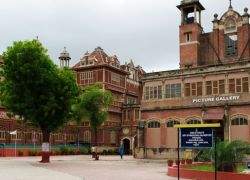
Baroda Museum and Art Gallery and The Maharaja
The Baroda museum and art gallery and the Maharaja Fateh Sigh Museum have excellent artwork collections by Indian artists and European Masters of Mughal miniatures and valuable palm leaf manuscripts of Buddhist and Jain origin. This museum is located in Sayaji Bagh, a garden that is popular with the inhabitants of Baroda, who picnic and stroll there.
Explore More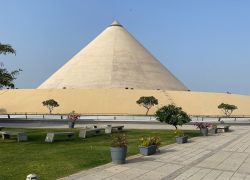
Dandi Kutir, located in Gandhinagar, Gujarat, is India’s largest and most unique museum dedicated to Mahatma Gandhi. This modern museum is not just a building but an immersive experience that showcases the life, philosophy, and journey of the Father of the Nation. Designed in the shape of a salt mound, Dandi Kutir symbolizes the historic Dandi March, one of the most important events in India’s freedom struggle. Situated near Mahatma Mandir, this museum uses advanced audio-visual technology, 3D projections, and interactive exhibits to narrate the story of Mahatma Gandhi in an engaging way. It is a must-visit destination for history lovers, students, and tourists visiting Gandhinagar. History of Dandi Kutir Dandi Kutir was built to honor Mahatma Gandhi and his contribution to India’s independence movement. The museum highlights key moments of his life, including his early years, his time in South Africa, and his leadership in India’s freedom struggle. The design of the museum is inspired by the Dandi March of 1930, where Gandhi led a non-violent protest against the British salt tax. The building itself resembles a mound of salt, symbolizing this historic movement. The museum was inaugurated as part of Gujarat’s efforts to promote cultural tourism and educate future generations about Gandhi’s principles of truth and non-violence. Architecture of Dandi Kutir The architecture of Dandi Kutir is modern, symbolic, and visually striking. The structure is designed in a conical shape, representing a heap of salt. This unique design sets it apart from traditional museums. Inside the museum, visitors experience a well-planned layout with multiple galleries arranged in a sequential manner. The exhibits are presented using advanced technologies like holograms, projections, sound effects, and light displays. These elements make the storytelling more engaging and easy to understand. The architecture focuses on creating an immersive environment where visitors can feel connected to the life and journey of Mahatma Gandhi. Why is Dandi Kutir Famous? Dandi Kutir is famous for being India’s largest museum dedicated to a single individual, Mahatma Gandhi. It is also known for its modern presentation style, which uses technology to bring history to life. The museum is especially popular among students and tourists because it offers a unique way to learn about history through visual storytelling rather than traditional displays. Its symbolic design and educational value make it one of the top attractions in Gandhinagar. How to Reach Dandi Kutir, Gandhinagar Dandi Kutir is well-connected and easily accessible from major cities in Gujarat. By Air: The nearest airport is Sardar Vallabhbhai Patel International Airport in Ahmedabad, located around 20 km away. Taxis and cabs are easily available from the airport. By Train: The nearest railway station is Gandhinagar Capital Railway Station. Ahmedabad Junction is another major station nearby with good connectivity across India. By Road: Gandhinagar is well-connected by road. You can reach Dandi Kutir via private vehicles, taxis, or state transport buses. It is located near Mahatma Mandir, a well-known landmark. Weather at Dandi Kutir The weather in Gandhinagar is generally hot and dry for most of the year. Summer (March to June): Summers are very hot, with temperatures often crossing 40°C. It is advisable to visit during morning or evening hours. Monsoon (July to September): The weather becomes pleasant with occasional rainfall, making it a good time to visit. Winter (October to February): Winter is the best season to visit, with comfortable temperatures and ideal conditions for sightseeing. Timing of Dandi Kutir Dandi Kutir is usually open from 10:30 AM to 5:00 PM. The museum remains closed on Mondays. It is recommended to plan your visit during weekdays to avoid crowds. Entry and Visit Details There is a nominal entry fee for visiting Dandi Kutir. Indian Visitors: A small entry fee is charged. Foreign Tourists: A slightly higher fee applies. The visit is organized in batches, and each session includes a guided audio-visual tour. The entire experience usually takes around 1.5 to 2 hours. Parking and basic facilities are available at the site. Things to Do at Dandi Kutir 1. Explore Interactive Exhibits: Experience Gandhi’s life through modern technology and storytelling. 2. Watch Audio-Visual Shows: Enjoy engaging presentations about India’s freedom movement. 3. Learn History: Understand the life, struggles, and achievements of Mahatma Gandhi. 4. Photography: Capture the unique architecture from outside the museum. 5. Visit Nearby Attractions: Explore Mahatma Mandir and other nearby places in Gandhinagar. Interesting Facts about Dandi Kutir Dandi Kutir is India’s largest museum dedicated to Mahatma Gandhi. The building is designed in the shape of a salt mound, symbolizing the Dandi March. The museum uses advanced technology like 3D visuals and holograms. It offers a unique storytelling experience rather than traditional displays. The museum is located in the planned city of Gandhinagar, known for its clean and organized layout. Travel Tips for Visitors 1. Book Tickets Early: Entry is often in batches, so it is better to arrive early. 2. Follow Instructions: Follow the guidelines provided during the tour for a smooth experience. 3. Avoid Peak Hours: Visit during weekdays or early hours to avoid crowds. 4. Carry Water: Stay hydrated, especially during summer. 5. Allocate Enough Time: The full experience takes around 2 hours, so plan accordingly. 6. Respect the Rules: Photography may be restricted inside, so follow the rules. Conclusion Dandi Kutir in Gandhinagar is more than just a museum; it is an educational and emotional journey through the life of Mahatma Gandhi. With its modern design, advanced technology, and powerful storytelling, it offers a unique experience for visitors of all ages. Whether you are a history enthusiast or a curious traveler, Dandi Kutir is a must-visit destination that provides deep insights into India’s rich heritage and freedom struggle.
Explore More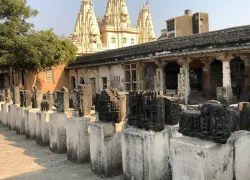
Prabhas Patan Museum, located in the historic town of Prabhas Patan in the Gir Somnath district of Gujarat, is a must-visit destination for history lovers and cultural enthusiasts. The museum is situated close to the famous Somnath Temple and showcases a rich collection of ancient artifacts, sculptures, inscriptions, and remains that reflect the glorious past of this sacred region. It plays an important role in preserving the heritage of one of India’s oldest pilgrimage destinations. History of Prabhas Patan Museum, Gir Somnath The Prabhas Patan Museum was established to preserve and display the archaeological findings from the region surrounding the Somnath Temple. The area of Prabhas Patan has been a center of religious and cultural activity for centuries and is mentioned in ancient Hindu texts. Excavations in this region have revealed numerous artifacts, including broken temple parts, ancient sculptures, and inscriptions dating back to early and medieval periods. These findings provide insight into the repeated destruction and reconstruction of the Somnath Temple, which has been attacked multiple times in history but always rebuilt by devotees and rulers. Architecture of Prabhas Patan Museum The Prabhas Patan Museum is designed with a simple yet functional architectural style. The building is well-organized with multiple galleries that display artifacts in a systematic manner. The layout allows visitors to explore different historical periods and understand the evolution of art and culture in the region. The museum structure is built using traditional materials and blends well with the cultural surroundings of Somnath. The display halls are spacious, well-lit, and properly maintained, ensuring a comfortable experience for visitors. The design focuses more on preservation and presentation rather than grand architecture. Why Famous for Prabhas Patan Museum, Gir Somnath? Prabhas Patan Museum is famous for its unique collection of historical artifacts related to the Somnath Temple and the ancient Prabhas region. It houses rare sculptures of Hindu deities such as Lord Shiva, Lord Vishnu, and other mythological figures. The museum is also known for preserving architectural fragments of earlier temple structures, which help visitors understand the artistic excellence of ancient Indian craftsmen. Its proximity to the Somnath Temple makes it an important stop for tourists and pilgrims interested in learning about the region’s history. How to Reach Prabhas Patan Museum, Gir Somnath The Prabhas Patan Museum is easily accessible from Somnath Temple, which is located about 2 km away. Visitors can reach the museum by auto-rickshaw, taxi, or even on foot. The nearest railway station is Veraval, approximately 7 km from the museum. From the station, local transport options are readily available. The nearest airport is Diu Airport, about 85 km away. Visitors can also travel from Rajkot or Ahmedabad airports and continue their journey by road. Well-connected highways make it easy to reach the museum from major cities in Gujarat. Weather at Prabhas Patan Museum The weather at Prabhas Patan Museum is typically coastal. Summers (March to June) are hot and humid, with temperatures reaching up to 40°C. Monsoon (July to September) brings moderate rainfall, making the surroundings green and pleasant. Winter (October to February) is the best time to visit, with temperatures ranging from 10°C to 25°C. The pleasant climate during this period makes it ideal for exploring the museum and nearby attractions. Timing of Prabhas Patan Museum The Prabhas Patan Museum is generally open from 9:00 AM to 6:00 PM on most days. It is advisable to visit during morning or late afternoon hours to avoid crowds and enjoy a peaceful experience. The museum may remain closed on certain national holidays, so visitors should check timings in advance before planning their visit. Entry and Visit Details Entry to the Prabhas Patan Museum is usually free or involves a very nominal fee, making it accessible to all visitors. The museum provides basic facilities such as drinking water, seating areas, and clean surroundings. Visitors are advised to follow the rules and guidelines inside the museum, such as restrictions on photography in certain sections. Maintaining cleanliness and respecting the exhibits is important. Things to Do at Prabhas Patan Museum There are several interesting activities to enjoy at the Prabhas Patan Museum: Explore ancient sculptures and artifacts related to Hindu mythology. Learn about the history and reconstruction of the Somnath Temple. Study inscriptions and relics that showcase ancient Indian art and culture. Spend time understanding the evolution of temple architecture. Visit nearby attractions such as Somnath Temple and Triveni Sangam. Interesting Facts about Prabhas Patan Museum The Prabhas Patan Museum contains artifacts that date back several centuries, offering a glimpse into ancient civilizations. Many of the items displayed were recovered during excavations around the Somnath Temple. The museum highlights the resilience of Indian culture through the repeated rebuilding of the temple. It also preserves rare pieces of art that are not found elsewhere. Tips for Visiting Prabhas Patan Museum Visit early in the day to explore the museum comfortably. Wear comfortable clothing and footwear as you may spend time walking through galleries. Carry water, especially during summer months. Follow museum rules and avoid touching exhibits. Hiring a guide or reading display information can enhance your understanding of the artifacts. Combine your visit with nearby attractions like Somnath Temple and Bhalka Tirth for a complete cultural and spiritual experience in Gir Somnath.
Explore More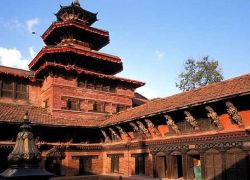
Welcome to the enchanting world of Patan Museum located in the heart of Patan city. This renowned tourist attraction is a haven for history buffs, nature enthusiasts, and wildlife lovers. The museum offers a unique blend of historical significance, architectural beauty, and natural wonders that are sure to captivate visitors of all ages. History of Patan Museum Steeped in rich history, Patan Museum stands as a testament to the cultural heritage of the region. Originally serving as a royal palace, the museum showcases artifacts dating back centuries, offering a glimpse into the royal past of the area. The former royal hunting grounds have been meticulously preserved, with conservation efforts earning the site recognition by UNESCO for its historical and cultural importance. Architecture and Natural Beauty of Patan Museum Surrounded by lush wetlands, verdant forests, and sprawling grasslands, Patan Museum is a treasure trove of biodiversity. Bird habitats dot the landscape, providing a sanctuary for a wide variety of avian species. The historical Keoladeo Temple, nestled within the park, adds to the architectural charm of the surroundings, making it a truly picturesque destination. Why is Patan Museum Famous? Patan Museum is famous for its abundant birdlife, making it a paradise for birdwatchers and photographers alike. Nature enthusiasts are drawn to the park's serene atmosphere and diverse wildlife, offering a unique opportunity to witness the beauty of the natural world up close. How to Reach Patan Museum Traveling to Patan Museum is convenient, with options available by air, rail, and road. The nearest airports and railway stations provide easy access to the city, allowing visitors to reach the museum with ease. Weather and Best Time to Visit Patan Museum The weather at Patan Museum varies throughout the year, with distinct summer, monsoon, and winter seasons. The best time to visit is during the cooler months when the weather is pleasant, allowing for an enjoyable exploration of the park's natural beauty. Timings of Patan Museum Visitor timings at Patan Museum are structured to accommodate guests throughout the year, with seasonal variations taken into account. Planning a visit in advance ensures a smooth and memorable experience at this iconic destination. Entry Fee and Visit Details Entry procedures at Patan Museum are straightforward, with guide services and safari options available for those seeking a more immersive experience. Bicycle rentals offer a fun way to explore the park, while visitor facilities cater to the needs of guests, ensuring a comfortable visit. Things to Do at Patan Museum Popular activities at Patan Museum include birdwatching, photography, cycling, walking trails, and nature observation. Educational experiences abound, providing visitors with a deeper understanding of the park's ecological significance and diverse wildlife. Interesting Facts About Patan Museum Patan Museum is home to a myriad of migratory birds, showcasing the region's rich biodiversity. Conservation achievements have been instrumental in preserving the park's ecological balance, highlighting the importance of responsible tourism practices for the future. Travel Tips for Visiting Patan Museum When visiting Patan Museum, it is advisable to dress comfortably and carry essential items such as sunscreen and water. Birdwatching equipment enhances the experience, while visiting during the recommended seasons ensures optimal wildlife sightings. Embracing responsible tourism practices helps protect the park's natural beauty for generations to come. Conclusion In conclusion, Patan Museum in Patan offers a unique blend of history, architecture, and natural beauty that is sure to leave a lasting impression on visitors. From its historical significance to its diverse wildlife, the museum stands as a testament to the region's cultural heritage and ecological importance, making it a must-visit destination for travelers seeking a memorable experience.
Explore More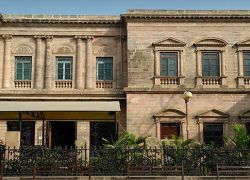
Bharatiya Sanskruti Darshan Museum
Bharatiya Sanskruti Darshan Museum aka B.S.D Museum is an eminent travel attraction in Kutch, Gujarat. It was established by Mr. Ramsinh K Rathod, a famous folk and art scholar. This museum focuses on the artwork of the rural Kutch. There are many specimens of the art and craft that are exhibited in this museum. It is visited on a huge scale by various tourists. Why Is It Famous? B.S.D Museum is an amazing museum and is known for its vast collection of the artwork of the rural Kutch. It is the place where people witness the unique and rare pieces of artwork that help them to gain the knowledge about the region of Kutch and its people. There are different galleries in this museum but the Ethnological Gallery houses Sahitya Chitra. It is the sole section that houses the literary works of the artwork. The remaining sections of B.D.S house the items like the artwork in the form of wood carvings, daggers, swords, and much more. Best Time To Visit:- B.D.S Museum welcomes the guests throughout the year. All visitors can pay a casual visit to this museum during any time of the year. The entry to the museum is paid for all and entirely depends on the nationality of the visitors. Watch Out! All visitors are recommended not to touch any of the exhibits in the museum. Touching the items, especially the ancient ones, is not allowed. Reaching There:- Kutch can be reached via roadways, railways, and airways due to its vast connectivity to the rest of Gujarat. The state-run buses, express trains, and flights are the best option for reaching the city from anywhere in Gujarat. Nearest Railway Station:- Kutch Railway Station Nearest Airport:- Sardar Vallabh Bhai Patel International Airport
Explore More
Welcome to the Vintage Car Museum in Gondal, a fascinating destination that offers a unique blend of history, culture, and automotive heritage. Nestled in the heart of Gondal, this museum is a must-visit for enthusiasts and travelers looking to explore the rich past of vintage automobiles. History of Vintage Car Museum The Vintage Car Museum in Gondal holds a prestigious historical background, showcasing a remarkable collection of classic cars that date back to the royal era. Originally part of the former royal hunting grounds, the museum stands as a testament to the conservation efforts aimed at preserving these iconic vehicles. Its significance has been recognized by UNESCO, adding to its allure as a heritage site. Architecture and Natural Beauty of Vintage Car Museum Surrounded by lush wetlands, verdant forests, and picturesque landscapes, the Vintage Car Museum offers a serene setting for visitors to explore. The museum's location near the historical Keoladeo Temple adds to its charm, providing a glimpse into the region's cultural and natural heritage. Why is Vintage Car Museum Famous? The Vintage Car Museum is renowned for its captivating appeal to birdwatchers, photographers, and nature enthusiasts. Its unique blend of automotive history and natural beauty makes it a popular attraction among wildlife lovers seeking a memorable experience. How to Reach Vintage Car Museum Traveling to the Vintage Car Museum in Gondal is convenient, with options available by air, rail, and road. The nearest airports and railway stations provide easy access to this enchanting destination, ensuring a hassle-free journey for visitors. Weather and Best Time to Visit Vintage Car Museum Throughout the year, the Vintage Car Museum offers a different experience based on the season. From the pleasant summer months to the lush monsoon season and the picturesque winter period, each season presents a unique charm. The best time to visit is during [mention best months] when the weather is ideal for exploring the museum. Timings of Vintage Car Museum The Vintage Car Museum welcomes visitors during specific timings, ensuring a well-planned visit. Seasonal variations may affect the museum's schedule, so it is advisable to check in advance for any changes. This information helps visitors plan their trip effectively. Entry Fee and Visit Details Visiting the Vintage Car Museum involves a simple entry procedure, with guide services available for a more enriching experience. Safari options, bicycle rentals, and visitor facilities are provided to enhance the overall visit, catering to the needs of all guests. Things to Do at Vintage Car Museum Engage in popular activities at the Vintage Car Museum, such as birdwatching, photography, cycling, and nature observation. The museum's walking trails offer a relaxing way to explore the surroundings, while educational experiences provide insights into the region's rich history and biodiversity. Interesting Facts About Vintage Car Museum Discover intriguing facts about the Vintage Car Museum, including its diverse range of migratory birds, conservation achievements, and ecological importance. These fascinating details add depth to the visitor's understanding of the museum's significance. Travel Tips for Visiting Vintage Car Museum For a memorable visit to the Vintage Car Museum, consider practical advice on clothing, photography equipment, and birdwatching essentials. Understanding the best visiting seasons and practicing responsible tourism ensures a fulfilling experience for all guests. Conclusion In conclusion, the Vintage Car Museum in Gondal stands as a captivating destination that combines automotive history with natural beauty. Its historical significance, diverse offerings, and enchanting surroundings make it a must-visit attraction for travelers seeking a unique and enriching experience in [mention City].
Explore More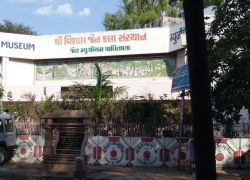
Shri Vishal Jain Museum in Palitana, Gujarat, is a unique cultural and educational attraction that showcases the rich heritage, traditions, and philosophy of Jainism. Located near the base of the sacred Shatrunjaya Hill, this museum serves as an excellent place for visitors to understand Jain culture before or after visiting the famous hill temples. The museum is well-known for its detailed exhibits, models, paintings, and artifacts that reflect the spiritual and historical significance of Jainism. It is a must-visit destination for pilgrims, students, and tourists who wish to gain deeper knowledge about Jain religion and its practices. Why Famous for Shri Vishal Jain Museum, Palitana, Gujarat? Shri Vishal Jain Museum is famous for its educational displays and detailed representation of Jain philosophy. It provides visitors with insights into the lives of Jain Tirthankaras, religious rituals, and the importance of non-violence (Ahimsa). The museum is also known for its miniature models of Jain temples, historical exhibits, and artistic presentations. These displays help visitors understand the significance of places like Shatrunjaya Hill and other important Jain pilgrimage sites. Its peaceful environment and informative content make it an ideal place for learning and reflection. History of Shri Vishal Jain Museum, Palitana, Gujarat The Shri Vishal Jain Museum was established to preserve and promote Jain heritage and culture. It was created by members of the Jain community with the aim of educating visitors about their religion and traditions. Over the years, the museum has expanded its collection to include various artifacts, manuscripts, and visual displays that highlight the history and teachings of Jainism. It has become an important cultural center in Palitana. The museum complements the spiritual experience of visiting the nearby temples by offering historical and educational context. Architecture of Shri Vishal Jain Museum The museum building reflects simple yet elegant architectural design, in line with Jain principles of simplicity and purity. Key architectural features include: • Spacious Halls: Well-organized galleries for exhibits. • Clean and शांत Environment: Maintains a peaceful atmosphere. • Display Sections: Separate areas for models, paintings, and artifacts. • Educational Layout: Designed for easy understanding and navigation. The structure is designed to focus on functionality while maintaining a calm and respectful environment for visitors. Things to Do at Shri Vishal Jain Museum, Palitana, Gujarat Visitors can enjoy a variety of activities at the museum: 1. Explore Exhibits: View models, paintings, and artifacts related to Jainism. 2. Learn History: Understand the life and teachings of Jain Tirthankaras. 3. Educational Visit: Ideal for students and researchers. 4. Cultural Experience: Gain insights into Jain traditions and rituals. 5. Photography: Capture visuals (where permitted). Entry and Visit Details Entry Fee: A nominal entry fee is charged for visitors. Visit Duration: Visitors typically spend around 1 to 2 hours exploring the museum. Facilities: Basic facilities like seating, guides, and information boards are available. The museum is suitable for visitors of all age groups. Timings of Shri Vishal Jain Museum The museum is generally open from 9:00 AM to 6:00 PM. Timings may vary on religious occasions and holidays. Weather at Shri Vishal Jain Museum, Palitana, Gujarat The weather in Palitana is seasonal: Summer (March to June): Hot, with temperatures up to 38°C. Monsoon (July to September): Moderate rainfall and greenery. Winter (October to February): Cool and pleasant, with temperatures between 10°C and 25°C. Winter is the best time to visit for a comfortable experience. How to Reach Shri Vishal Jain Museum, Palitana, Gujarat By Air: The nearest airport is Bhavnagar Airport, about 55 km away. By Train: The nearest railway station is Palitana Railway Station. By Road: Palitana is well connected by road to Bhavnagar and nearby cities. Buses and taxis are easily available. The museum is located near the base of Shatrunjaya Hill and can be easily reached by local transport. Interesting Facts about Shri Vishal Jain Museum • The museum showcases detailed models of Jain temples. • It focuses on the principle of Ahimsa (non-violence). • It is an important educational center for Jain culture. • It complements the pilgrimage experience of Palitana. Travel Tips for Shri Vishal Jain Museum • Visit before or after climbing Shatrunjaya Hill. • Maintain silence and respect the environment. • Follow museum rules regarding photography. • Allocate enough time to explore all sections. • Carry water, especially during summer. Conclusion Shri Vishal Jain Museum in Palitana is a valuable destination for anyone interested in understanding Jain culture and history. Its informative exhibits, peaceful atmosphere, and cultural significance make it an essential stop for visitors. Whether you are a pilgrim or a tourist, this museum offers a meaningful and enriching experience that complements your journey to Palitana.
Explore More
Barton Library And Museum in Bhavnagar, Gujarat, is one of the oldest and most significant cultural landmarks in the region. Established during the 19th century, this heritage site reflects the intellectual and historical richness of the city. Located in the heart of Bhavnagar on Diwanpara Road, the library continues to serve as a knowledge hub for students, researchers, and tourists alike. With its vast collection of books, rare manuscripts, and museum artifacts, it offers visitors a unique glimpse into the literary and cultural heritage of Gujarat. History of Barton Library And Museum The Barton Library was established on 30th December 1882 during the reign of Maharaja Takhtsinhji Gohil and was named after Colonel L. C. Barton, a British political agent. :contentReference[oaicite:0]{index=0} Initially, the library began with a modest collection of around 5,000 books donated by Chhagan Prasad Desai, which later expanded significantly over time. :contentReference[oaicite:1]{index=1} The institution evolved from earlier reading initiatives in Bhavnagar dating back to the 1860s, making it one of the earliest organized libraries in Gujarat. :contentReference[oaicite:2]{index=2} Over the years, it has grown into a repository of more than 60,000 books in multiple languages including Gujarati, Hindi, English, and Sanskrit. :contentReference[oaicite:3]{index=3} The museum section was established later and houses historical artifacts such as coins, weapons, manuscripts, and traditional items used by the rulers of Bhavnagar. :contentReference[oaicite:4]{index=4} The library is also believed to have been visited by Mahatma Gandhi during his time, adding to its historical importance. :contentReference[oaicite:5]{index=5} Architecture of Barton Library And Museum The architecture of Barton Library is a fine example of Indo-colonial and Gothic style design. The building is a two-storey structure made using ashlar stone masonry and features Gothic arched windows and sloping roofs with Mangalore tiles. :contentReference[oaicite:6]{index=6} One of the most striking features of the building is its central tower and spacious reading halls. The structure is designed in such a way that natural light and ventilation are maximized, making it comfortable for readers even without modern cooling systems. :contentReference[oaicite:7]{index=7} The use of high-quality materials like Burmese wood, thick walls, and large windows enhances its durability and aesthetic appeal. The spiral staircase leading to the tower offers panoramic views of the city, making it a visually appealing heritage structure. Why Famous for Barton Library And Museum? Barton Library And Museum is famous for several reasons: • One of the oldest libraries in Gujarat with a rich historical legacy. • Houses more than 60,000 books and rare manuscripts. • Known for its heritage architecture and colonial-era design. • Contains a museum displaying artifacts, coins, and weapons. • A center of learning for scholars, students, and historians. • Associated with Mahatma Gandhi and Bhavnagar’s intellectual growth. The combination of a library and museum in one location makes it a unique destination for both knowledge seekers and history enthusiasts. Things to Do at Barton Library And Museum Visitors can enjoy a variety of activities here: 1. Explore the Reading Hall: Spend time reading newspapers, magazines, and books in a peaceful environment. 2. Visit the Museum Section: Discover historical artifacts, manuscripts, coins, and traditional objects. 3. Admire Architecture: Observe the colonial-style building, arches, and tower. 4. Research and Study: Ideal place for students and researchers looking for historical content. 5. Photography: Capture the beauty of this heritage building (subject to permission). How to Reach Barton Library And Museum, Bhavnagar By Air: The nearest airport is Bhavnagar Airport, which connects the city to major cities in Gujarat. By Train: Bhavnagar Terminus is the nearest railway station with good connectivity to cities like Ahmedabad. By Road: Bhavnagar is well-connected by buses and taxis from major cities such as Ahmedabad, Rajkot, and Palitana. :contentReference[oaicite:8]{index=8} Local Transport: Auto-rickshaws, taxis, and local buses are easily available to reach the library, which is located in the central part of the city. Weather in Bhavnagar Summer (March to June): Hot and dry with temperatures rising above 35°C. Morning visits are recommended. Monsoon (July to September): Moderate rainfall with humid weather. Winter (October to February): Pleasant and ideal for visiting, with temperatures between 15°C to 28°C. The best time to visit Barton Library is during the winter season when the weather is comfortable for sightseeing. Timings of Barton Library And Museum The library generally follows a split schedule: Tuesday to Saturday: 8:30 AM – 11:30 AM and 3:00 PM – 6:00 PM Sunday: 8:30 AM – 11:30 AM Monday: Closed :contentReference[oaicite:9]{index=9} Timings may vary slightly on public holidays, so it is advisable to check locally before visiting. Entry and Visit Details Entry Fee: Entry to the library is generally free for visitors. :contentReference[oaicite:10]{index=10} Museum Fee: A nominal fee may be charged for accessing certain museum sections. Membership: Visitors can opt for membership if they wish to borrow books. Visitor Guidelines: • Maintain silence inside the reading hall. • Handle books and artifacts carefully. • Carry ID proof if required for entry. • Photography may be restricted in certain areas. Interesting Facts about Barton Library And Museum • Established in 1882, making it over 140 years old. • Houses thousands of rare manuscripts and historical documents. • Once frequented by Mahatma Gandhi. • Combines a library and museum under one roof. • Known as a major intellectual center of Bhavnagar. • Built using traditional materials that naturally regulate temperature. Travel Tips for Visitors • Visit in the morning: It is quieter and more comfortable for reading. • Maintain discipline: The library is a silent zone. • Carry water: Especially during summer months. • Combine nearby attractions: Visit Gandhi Smriti or Takhteshwar Temple along with the library. • Respect heritage: Avoid touching rare manuscripts and exhibits. Conclusion Barton Library And Museum, Bhavnagar is not just a place for reading but a living symbol of the city’s cultural and intellectual heritage. With its historical significance, architectural beauty, and vast collection of books and artifacts, it offers a peaceful yet enriching experience to every visitor. Whether you are a history enthusiast, a student, or a traveler exploring Gujarat, this iconic landmark is definitely worth a visit.
Explore More
Kutch Museum is a well-known travel destination in the Indian state of Gujarat. It stands near Bhuj near Hamirsar Lake. It was built during the reign of King Khengarji III as a part of School of Arts in 1877. After the marriage of Khengarji III in 1884, a new building (present-day museum) was built. The foundation of the building was laid by the then Governor of Bombay (now Mumbai) Sir James Fergusson. Thus, Kutch Museum was also known by the name of Fergusson Museum. It Is Known For:- 1) Kutch Museum is a fine example of the opulent life led by King Khengarji III. 2) It was built in the Italian Gothic style of architecture. The architect of the museum was Mc Lelland. 3) This museum was built for storing the gifts and other presents that were received by the king on his wedding. 4) Apart from the gifts, this museum is an abode of the Kshatrapa inscriptions dating between 1st century-3rd centuries. 5) There are total 11 sections in the museum where the seals from the Indus Valley, engraved stone tablets, musical instruments like Nagfani, Morchang, and others are displayed. 6) The other sections houses the ancient artifacts, tribal crafts, embroidered clothes, ammunition, and taxidermy animals that were hunted by King Khengarji III. 7) The ground floor of the museum showcases Airavat carved out of wood. Its white body is painted with different floral patterns and attracts visitors on a huge scale. Best Time To Visit:- Kutch Museum is visited on a huge scale by umpteen visitors from nearby and far off places. It is visited on a huge scale throughout the year. The entry to the museum is paid for all visitors. Watch Out! When you’re in the museum, you’re not allowed to click the pictures of the certain exhibits. Rest of the ancient exhibits can be captured through the lens of the camera. Reaching There:- Bhuj is well-connected to the rest of Gujarat via all major highways, airways, and railways. Such connectivity makes it easier for the visitors to reach the site from anywhere in Gujarat. Commuting within the township can be done via local transit that is available. Nearest Railway Station:- Bhuj Railway Station Nearest Airport:- Bhuj Airport
Explore More
Lakhota Museum doesn’t need to stand on a platform for its introduction. It is a well-known travel destination in Gujarat that was built during the times of Jam Ranmalji, the king of the then times. It was initially built for the protection of the soldiers and local people from the attack of the enemy. After some time, it was transformed into a museum where different belongings and other artifacts are displayed. Why Is It Famous? Lakhota Museum is a fantastic place that was initially a palace. It is located in the center of a lake and is admired because of its architecture. At present, this museum is the best place to gather the knowledge about the different sculptures and artifacts that date between 9th-18th centuries. It has galleries where the artifacts like the sword, musket, shield, flask etc. can be seen. A huge skeleton of the whale is also displayed that is said to be the prominent highlight of the place. Within the museum premises, there is a place named Darbargadh and it is the residence of Jam Sahib. Some personal belongings of the king are still preserved there. Best Time To Visit:- Lakhota Museum is a must-see place, especially for the ones that have a special taste in history. This museum is visited by the visitors on a huge scale throughout the year. Even the historians from the foreign countries like the United States and European Union throng to Jamnagar and gather the knowledge about the history of Lakhota Museum and Palace. Watch Out! When you’re inside Lakhota Museum, you are not allowed to click the pictures without a written permission. If you’re caught clicking the pictures without a written permission, be ready to pay a heavy fine. Reaching There:- Jamnagar city is well-connected to the major roads, railways, and airways. With such connectivity, reaching the city via express trains, state-run buses, and flights has become even convenient. Traveling within Jamnagar is usually done by local buses, taxis, and autos. Nearest Railway Station:- Jamnagar Railway Station Nearest Airport:- Govardhanpur Airport
Explore More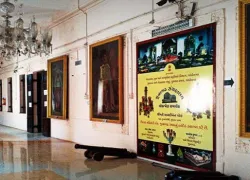
Darbar Hall Museum is a well-known travel attraction that stands in the city of Junagadh. It is one of the must-see destinations in Junagadh and is flocked by a number of visitors. The entire museum is set up in the royal court of an erstwhile ruler of Junagadh. This museum showcases the luxurious lifestyle led by the royal family of Junagadh. The majority of the exhibits in the museum date back to the 19th century. Why Is It Famous? Darbar Hall Museum is popular among tourists because of its authentic setup. The entire museum is set up in the court of a palace where the royals used to hold their meeting with the courtiers. There are several galleries in the museum that showcase the belongings of the king of Junagadh. The items like his footwear, the robe he wore for the last time, weaponry, armor, jewelry, his sword, and rare pictures of him with his pet dogs etc. Apart from all this, you can also witness the precious chandeliers, a diamond-studded throne of the king, and some family portraits that are well-preserved in Darbar Hall Museum. Best Time To Visit:- Darbar Hall Museum is a place that welcomes the visitors on a huge scale. There is no specific season as a casual trip can be paid to this museum during any day of the year. Without paying any fee, all guests can visit the museum and spend a good quality time. Watch Out! You are not allowed to touch any of the exhibits. All items displayed in the gallery belong to the ‘untouchable’ category and thus, it is recommended not to touch any item displayed. Moreover, the museum remains closed on all national holidays. Reaching There:- Junagadh town is well-connected to all major roads, railways, and airways that connect it with the rest of Gujarat. Such connectivity makes it convenient to reach the place conveniently. Commuting within the town can be done via local transit. Nearest Railway Station:- Junagadh Junction Nearest Airport:- Keshod Airport
Explore MoreAhmedabad Saputara 2 Nights / 3 Days
3 Days/ 2 Night
Ahmedabad - Saputara
Dwarka – Somnath Tour Package
4 Days/ 3 Night
Ahmedabad - Dwarka
Glimpse Of Gujarat Tour 8 Nights 9 Days
9 Days/ 8 Night
Ahmedabad - Bhavnagar - Bhuj - Vadodara (Baroda) - Dwarka - Kevadia - Kutch
Rann Utsav Kutch Season Special
3 Days/ 2 Night
Bhuj
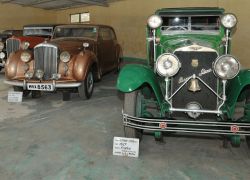
Welcome to Vintage World Antique Museum in Rajkot, a treasure trove of history and culture waiting to be explored. This renowned tourist attraction offers a unique blend of ancient artifacts, vintage collectibles, and timeless charm that captivates visitors from around the world. History of Vintage World Antique Museum The Vintage World Antique Museum in Rajkot has a rich historical background, with its origins tracing back to the former royal hunting grounds of the region. Over the years, the museum has emerged as a symbol of conservation efforts aimed at preserving the heritage and legacy of the past. Its cultural significance has garnered international recognition, making it a proud recipient of UNESCO accolades. Architecture and Natural Beauty of Vintage World Antique Museum Surrounded by lush wetlands, dense forests, and sprawling grasslands, Vintage World Antique Museum is not just a repository of ancient relics but also a haven for diverse bird species and wildlife habitats. The historical Keoladeo Temple nestled within the museum's premises adds to its architectural splendor and natural allure. Why is Vintage World Antique Museum Famous? Vintage World Antique Museum is celebrated for its appeal to birdwatchers, photographers, nature enthusiasts, and wildlife lovers alike. The museum's tranquil ambiance and vibrant ecosystem create a perfect setting for exploring the wonders of nature and embracing the beauty of the past. How to Reach Vintage World Antique Museum Traveling to Vintage World Antique Museum in Rajkot is convenient, with options available by air, rail, and road. The museum is easily accessible from nearby airports and railway stations, ensuring a hassle-free journey for visitors. Weather and Best Time to Visit Vintage World Antique Museum Throughout the year, Vintage World Antique Museum offers a unique experience in different seasons. While summer brings warm days and vibrant foliage, the monsoon season paints the landscape in lush greens. Winter, with its pleasant weather, is often considered the best time to visit the museum. Timings of Vintage World Antique Museum Visitors can explore Vintage World Antique Museum during designated timings, with seasonal variations in schedules if applicable. It is advisable to plan your visit accordingly to make the most of your time at this captivating destination. Entry Fee and Visit Details Entry to Vintage World Antique Museum is subject to specific procedures, with guide services, safari options, bicycle rentals, and visitor facilities available on-site. Visitors can immerse themselves in the museum's ambiance and make the most of their visit with these convenient amenities. Things to Do at Vintage World Antique Museum There are plenty of activities to enjoy at Vintage World Antique Museum, including birdwatching, photography, cycling, walking trails, nature observation, and engaging educational experiences. Each experience offers a unique perspective on the museum's heritage and natural surroundings. Interesting Facts About Vintage World Antique Museum Vintage World Antique Museum is a sanctuary for migratory birds, boasting a rich biodiversity that reflects the region's ecological importance. The museum's conservation achievements and commitment to preserving the environment further highlight its significance in the realm of heritage conservation. Travel Tips for Visiting Vintage World Antique Museum When visiting Vintage World Antique Museum, it is advisable to dress comfortably, carry photography equipment, and be prepared for birdwatching adventures. Understanding the best visiting seasons and practicing responsible tourism will enhance your overall experience at this cultural gem. Conclusion In conclusion, Vintage World Antique Museum in Rajkot offers a captivating journey through time and nature, making it a must-visit destination for travelers seeking a blend of history, culture, and wildlife. Explore the wonders of the past and the beauty of the present at this enchanting hotspot in the heart of Rajkot.
Explore More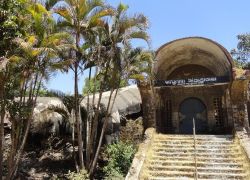
Saputara Tribal Museum is one of the most important cultural attractions in Saputara, Gujarat’s only hill station. This museum offers a deep insight into the life, traditions, art, and culture of the tribal communities of the Dang region. It is an ideal place for visitors who want to explore the rich heritage and unique lifestyle of indigenous tribes. Located close to Saputara Lake, the museum displays a wide range of exhibits including traditional costumes, musical instruments, tools, and artifacts used by tribal communities. It serves as an educational and cultural center, attracting tourists, students, and researchers. Why Famous for Saputara Tribal Museum, Saputara, Gujarat? Saputara Tribal Museum is famous for its extensive collection of tribal artifacts and cultural exhibits. It showcases the lifestyle and traditions of local tribes such as the Dangi people. The museum is also known for its informative displays and cultural preservation efforts, helping visitors understand the history and heritage of the region. Its location in Saputara makes it a convenient and popular attraction for tourists. History of Saputara Tribal Museum, Saputara, Gujarat The Saputara Tribal Museum was established to preserve and promote the cultural heritage of the tribal communities of Gujarat, especially those from the Dang district. The government and cultural organizations developed the museum as part of efforts to educate people about tribal traditions and to protect their unique identity. Over the years, the museum has grown into an important cultural institution and continues to play a vital role in preserving tribal history. Architecture of Saputara Tribal Museum The architecture of the museum is simple and functional, designed to highlight the exhibits effectively. Key features include: • Exhibition Halls: Spacious rooms displaying artifacts. • Organized Layout: Sections dedicated to different aspects of tribal life. • Informational Panels: Descriptions and explanations for visitors. • Traditional Elements: Design inspired by local culture. The building focuses on providing a comfortable and educational experience. Things to Do at Saputara Tribal Museum, Saputara, Gujarat Visitors can enjoy a variety of activities: 1. Explore Exhibits: View traditional tools, costumes, and artifacts. 2. Learn Culture: Understand tribal traditions and lifestyle. 3. Photography: Capture displays (where permitted). 4. Educational Visit: Ideal for students and researchers. 5. Cultural Appreciation: Gain knowledge about indigenous communities. Entry and Visit Details Entry Fee: A nominal fee is charged for entry. Visit Duration: Visitors typically spend around 1 to 2 hours exploring the museum. Facilities: Basic facilities such as rest areas and information boards are available. The museum is well-maintained and suitable for visitors of all ages. Timings of Saputara Tribal Museum The museum is generally open from 10:00 AM to 5:00 PM. It may remain closed on certain public holidays. Weather at Saputara Tribal Museum, Saputara, Gujarat Saputara enjoys a pleasant climate throughout the year: Summer (March to June): Mild, with temperatures between 20°C and 30°C. Monsoon (July to September): Heavy rainfall with lush greenery. Winter (October to February): Cool and pleasant, with temperatures between 10°C and 25°C. Winter and monsoon are the best times to visit for a comfortable experience. How to Reach Saputara Tribal Museum, Saputara, Gujarat By Air: The nearest airport is Surat Airport, about 160 km away. By Train: The nearest railway station is Waghai Railway Station, around 50 km away. By Road: Saputara is well connected by road to Surat, Nashik, and other cities. Buses, taxis, and private vehicles are available. The museum is located in the main town area and can be easily reached on foot or by local transport. Interesting Facts about Saputara Tribal Museum • It showcases the culture of the Dang tribal communities. • It houses traditional tools, ornaments, and musical instruments. • It plays an important role in preserving tribal heritage. • It is one of the key attractions in Saputara. Travel Tips for Saputara Tribal Museum • Visit during morning hours for a relaxed experience. • Follow museum rules and avoid touching exhibits. • Check timings before visiting. • Combine your visit with nearby attractions like Saputara Lake. • Carry a camera if photography is allowed. Conclusion Saputara Tribal Museum is a fascinating destination that offers a deep insight into the rich cultural heritage of Gujarat’s tribal communities. With its informative exhibits and peaceful environment, it provides a unique and educational experience for visitors. A visit to this museum is a must for anyone interested in history, culture, and traditions.
Explore More