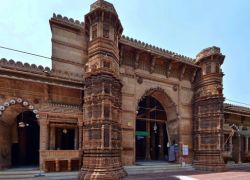
About The Rani Rupmati's Mosque Rani Rupmati's Mosque is a historical and architectural gem located in the city of Ahmedabad, Gujarat. It is a beautiful example of Islamic architecture and is considered to be one of the most significant mosques in the region. The mosque is named after Rani Rupmati, the queen of Sultan Mahmud Begada, who ruled in the 15th century. Architecture of Rani Rupmati's Mosque The mosque features a stunning blend of Hindu and Islamic architectural styles, with intricate carvings, delicate designs, and beautiful domes. The mosque is known for its grand entrance, large courtyard, and impressive minarets. The prayer hall is adorned with elegant pillars and arches, creating a serene and spiritual atmosphere. The intricate details and ornate patterns on the walls and ceilings are a testament to the skilled craftsmanship of the artisans of that era. History Rani Rupmati's Mosque was built in the 15th century during the reign of Sultan Mahmud Begada. It was constructed to serve as a place of worship for the Muslim community in the city. The mosque has stood the test of time and has been preserved as a symbol of the rich cultural and architectural heritage of Ahmedabad. Best Time To Visit The best time to visit Rani Rupmati's Mosque is during the cooler months of October to March when the weather is pleasant and ideal for exploring the city. The early morning or late afternoon hours are recommended for a visit to avoid the crowds and to enjoy the peaceful ambiance of the mosque. How To Reach Rani Rupmati's Mosque is located in the heart of Ahmedabad and is easily accessible by various means of transportation. Visitors can reach the mosque by taking a taxi, auto-rickshaw, or public bus from any part of the city. The nearest railway station is Ahmedabad Junction, which is well-connected to major cities in India. Visitor Tips When visiting Rani Rupmati's Mosque, it is advisable to dress modestly and respectfully, covering your shoulders and legs. Visitors are required to remove their shoes before entering the mosque, so it is recommended to wear easy-to-remove footwear. It is also important to maintain silence and respect the sanctity of the place while inside the mosque. Photography is allowed but it is advisable to seek permission from the authorities before taking pictures. Overall, Rani Rupmati's Mosque is a must-visit destination for history buffs, architecture enthusiasts, and spiritual seekers alike. Its majestic beauty and historical significance make it a unique and memorable experience for visitors to Ahmedabad.
Explore More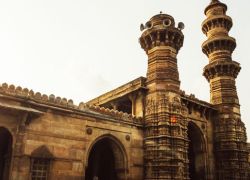
Siddi Bashir Mosque (Shaking Minarets)
About The Siddi Bashir Mosque (Shaking Minarets) The Siddi Bashir Mosque, also known as the Shaking Minarets, is a historical mosque located in Ahmedabad, Gujarat, India. This unique mosque is famous for its two minarets that are connected by a series of intricately carved stone balconies. When one minaret is shaken, the other minaret vibrates as well, hence the name "Shaking Minarets". The reason behind this architectural marvel is still a mystery to engineers and historians. Architecture of Siddi Bashir Mosque (Shaking Minarets) The Siddi Bashir Mosque showcases stunning Indo-Islamic architecture with intricate carvings, delicate designs, and traditional Islamic arches. The main highlight of the mosque is the two minarets that are 21.34 meters tall and are connected by a balcony. The balconies are supported by delicately carved stone brackets without any support from the main building. The minarets are made of sandstone and have beautiful geometric patterns carved into them. History The Siddi Bashir Mosque was built in the early 15th century by Siddi Bashir, a slave of Sultan Ahmed Shah. The mosque was constructed during the reign of the Gujarat Sultanate. The minarets were designed in a way that if one minaret is shaken, the other minaret vibrates as well. The reason behind this unique architecture is still a mystery that baffles engineers and historians. Best Time To Visit The best time to visit the Siddi Bashir Mosque is during the winter months from October to March when the weather is pleasant and conducive to exploring the outdoors. Avoid visiting during the scorching summer months as temperatures can soar above 40 degrees Celsius. How To Reach The Siddi Bashir Mosque is located in the heart of Ahmedabad, making it easily accessible by various modes of transportation. The closest railway station is Ahmedabad Junction, which is well-connected to major cities in India. Local buses and taxis are also available for reaching the mosque from different parts of the city. Visitor Tips 1. Make sure to visit the mosque early in the morning or late in the evening to avoid the crowds and the heat. 2. Respect the religious sentiments of the locals and adhere to the dress code when visiting the mosque. 3. Do not shake the minarets yourself as it can damage the delicate structure and is not allowed by the authorities. 4. Take your time to admire the intricate carvings and architectural details of the mosque, as each corner holds a piece of history. 5. Carry water and wear comfortable shoes as you may need to climb stairs to reach the balconies of the minarets. In conclusion, the Siddi Bashir Mosque (Shaking Minarets) is a fascinating architectural marvel that attracts visitors from all over the world. With its unique design, intricate carvings, and mysterious shaking minarets, this historical mosque is a must-visit destination for anyone interested in history and architecture.
Explore More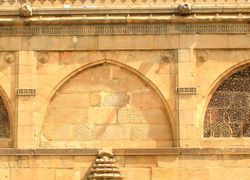
About The Sidi Sayed Jhali The Sidi Sayed Jhali is a famous mosque located in Ahmedabad, India. It is renowned for its intricately carved stone latticework windows, known as jalis. The mosque was built in 1573 by Sidi Sayed, a slave of the Sultan of Gujarat. The jalis at the mosque are considered to be masterpieces of intricate craftsmanship and are a fine example of Indo-Islamic architecture. Architecture of Sidi Sayed Jhali The highlight of Sidi Sayed Jhali is its beautifully carved stone jalis. The jalis depict intertwining branches, foliage, and tree motifs, creating a mesmerizing play of light and shadow. The intricate carvings showcase the skill and craftsmanship of the artisans of that era. The mosque also features stunning arches, domes, and minarets, all typical elements of Indo-Islamic architecture. History The Sidi Sayed Jhali was built in 1573 during the reign of the Sultan of Gujarat. It was constructed by Sidi Sayed, a slave who rose to prominence and was given the opportunity to build this magnificent mosque. The jalis at the mosque are said to have been inspired by the carvings of the Jhulta Minar in Delhi, showcasing the influence of Mughal architecture on the design. Best Time To Visit The best time to visit Sidi Sayed Jhali is during the winter months from November to February when the weather is pleasant and suitable for sightseeing. The cool temperatures make it ideal for exploring the intricate carvings of the jalis without feeling too hot or uncomfortable. Avoid visiting during the summer months as the temperatures can soar, making it difficult to enjoy the outdoor architecture. How To Reach Sidi Sayed Jhali is located in the heart of Ahmedabad, making it easily accessible by various modes of transportation. The nearest airport is Sardar Vallabhbhai Patel International Airport, which is well connected to major cities in India. The mosque is also easily reachable by train, with Ahmedabad Junction being the nearest railway station. Local buses and auto-rickshaws are available for those traveling within the city. Visitor Tips Here are some tips for visitors planning to explore Sidi Sayed Jhali: Wear comfortable footwear as you will need to remove your shoes before entering the mosque. Respect the religious customs and traditions of the mosque, such as dressing modestly and maintaining silence. Visit early in the morning or late in the evening to avoid crowds and experience the peace and tranquility of the mosque. Take your time to admire the intricate carvings of the jalis and the architectural details of the mosque. Carry a camera to capture the stunning beauty of the mosque and its surroundings, but be mindful of not disturbing other visitors. By following these tips, visitors can make the most of their visit to Sidi Sayed Jhali and appreciate the architectural and historical significance of this magnificent mosque.
Explore More
Jama Masjid in Champaner, Gujarat, is one of the finest examples of Indo-Islamic architecture in India. Located within the historic Champaner-Pavagadh Archaeological Park, this grand mosque reflects the artistic brilliance and cultural richness of the Gujarat Sultanate period. Built during the reign of Sultan Mahmud Begada, Jama Masjid is a must-visit destination for history lovers, architecture enthusiasts, and tourists exploring Champaner. Why Famous for Jama Masjid, Champaner, Gujarat? Jama Masjid is famous for its magnificent architecture, intricate carvings, and historical importance. It is considered one of the most beautiful mosques in India due to its perfect blend of Islamic and Hindu architectural styles. The mosque is also known for its symmetrical design, grand entrance, tall minarets, and beautifully carved pillars. Its peaceful atmosphere and well-preserved structure make it a major attraction within the UNESCO World Heritage Site of Champaner. History of Jama Masjid, Champaner, Gujarat The Jama Masjid was built in the 15th century by Sultan Mahmud Begada, who made Champaner his capital after conquering Pavagadh. The construction of the mosque began around 1485 and was completed over several years. This mosque served as the main congregational mosque of the city and played an important role in religious and social life during that period. It stands today as a symbol of the prosperity and cultural development of Champaner under the Gujarat Sultanate. Architecture of Jama Masjid The architecture of Jama Masjid is a remarkable blend of Islamic and Hindu styles, showcasing detailed craftsmanship and artistic excellence. Key architectural features include: • Grand Entrance: A beautifully carved main gateway that leads into the mosque complex. • Minarets: Two tall minarets rising above the entrance, adding to its grandeur. • Prayer Hall: A large hall supported by numerous intricately carved pillars. • Domes: Several domes with detailed interior designs. • Jali Work: Stone lattice screens allowing light and air to pass through. The use of yellow sandstone and detailed carvings makes the mosque visually stunning and historically significant. Things to Do at Jama Masjid, Champaner, Gujarat Visitors can enjoy several activities at the site: 1. Explore Architecture: Admire the detailed carvings and structural design. 2. Photography: Capture the beauty of the mosque and its surroundings. 3. Learn History: Understand the importance of the mosque in the Gujarat Sultanate. 4. Peaceful Visit: Experience the calm and spiritual atmosphere. 5. Explore Nearby Sites: Visit other monuments in the Champaner-Pavagadh Archaeological Park. Entry and Visit Details Entry Fee: A nominal entry fee is charged by the Archaeological Survey of India. Charges may differ for Indian and foreign visitors. Visit Duration: Visitors usually spend around 1 to 2 hours exploring the mosque. Facilities: Basic facilities like parking and guides are available near the site. Timings of Jama Masjid The mosque is generally open from 8:00 AM to 6:00 PM. Visitors are advised to visit during daylight hours for the best experience. Weather at Jama Masjid, Champaner, Gujarat The weather in Champaner varies throughout the year: Summer (March to June): Hot and dry, with temperatures up to 38°C. Monsoon (July to September): Pleasant with greenery and moderate rainfall. Winter (October to February): Cool and comfortable, with temperatures between 12°C and 25°C. Winter is the best time to visit Jama Masjid for a comfortable sightseeing experience. How to Reach Jama Masjid, Champaner, Gujarat By Air: The nearest airport is Vadodara Airport, approximately 50 km away. By Train: The nearest railway station is Vadodara Railway Station, well connected to major cities. By Road: Champaner is easily accessible by road from Vadodara and nearby cities. Buses and taxis are available. Jama Masjid is located within the archaeological park and can be reached by local transport or private vehicles. Interesting Facts about Jama Masjid • It is considered one of the finest mosques in Western India. • The mosque combines Hindu and Islamic architectural elements. • It is part of a UNESCO World Heritage Site. • The mosque has over 170 pillars supporting its structure. Travel Tips for Jama Masjid • Dress modestly while visiting the mosque. • Remove footwear before entering the prayer area. • Carry water, especially during summer. • Hire a guide to understand the history better. • Respect the religious and cultural significance of the site. Conclusion Jama Masjid in Champaner is a masterpiece of architecture and a symbol of Gujarat’s rich history. Its intricate design, historical importance, and peaceful environment make it a must-visit destination. A visit to this mosque offers a glimpse into the glorious past and cultural harmony of India.
Explore More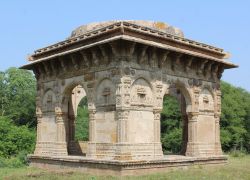
Kevda Masjid and Nagina Masjid are two of the most beautiful and historically significant monuments located in Champaner, Gujarat. These mosques are part of the famous Champaner-Pavagadh Archaeological Park, a UNESCO World Heritage Site. Known for their elegant architecture, peaceful surroundings, and intricate carvings, both structures reflect the artistic brilliance of the Gujarat Sultanate period. Although they are separate monuments, Kevda and Nagina Masjid are often visited together due to their close proximity and similar architectural style. They are ideal destinations for history lovers, photographers, and travelers looking to explore Gujarat’s rich heritage. Why Famous for Kevda & Nagina Masjid, Champaner, Gujarat? These mosques are famous for their unique architectural beauty, detailed carvings, and blend of Hindu and Islamic styles. Unlike many other mosques, they are known for their decorative elements rather than just religious use. Kevda Masjid is particularly admired for its combination of a mosque and a mausoleum, along with a beautifully designed garden setting. Nagina Masjid, on the other hand, is known as the “Jewel Mosque” due to its elegant and refined design. The peaceful environment and less crowded surroundings make these monuments perfect for quiet exploration and photography. History of Kevda & Nagina Masjid, Champaner, Gujarat Both mosques were built during the 15th century under the rule of Sultan Mahmud Begada, who developed Champaner as his capital after conquering Pavagadh. Kevda Masjid was constructed as a place of worship along with a tomb, indicating its dual purpose. Nagina Masjid, believed to have been used by the royal family or elite members of society, showcases more refined and decorative features. These structures represent the peak of architectural and cultural development during the Gujarat Sultanate period and continue to stand as symbols of that glorious era. Architecture of Kevda & Nagina Masjid The architecture of both mosques is a fine example of Indo-Islamic design with strong influences of local craftsmanship. Kevda Masjid Architecture • Features a mosque along with an attached mausoleum. • Surrounded by open gardens and pathways. • Includes intricately carved pillars and domes. • Decorative jali (lattice) work adds elegance. Nagina Masjid Architecture • Built on a raised platform, giving it a grand appearance. • Known for finely detailed carvings on walls and pillars. • Features beautifully designed arches and domes. • Considered one of the most refined structures in Champaner. Both mosques are constructed using local sandstone and display excellent craftsmanship, symmetry, and artistic detailing. Things to Do at Kevda & Nagina Masjid, Champaner, Gujarat Visitors can enjoy various activities while exploring these monuments: 1. Explore Architecture: Admire the detailed carvings and design elements. 2. Photography: Capture the beauty of these historic structures. 3. Relax in Surroundings: Enjoy the peaceful environment and greenery. 4. Learn History: Understand the significance of the Gujarat Sultanate. 5. Visit Nearby Sites: Explore other monuments within the archaeological park. Entry and Visit Details Entry Fee: A nominal entry fee is charged for access to the Champaner-Pavagadh Archaeological Park, which includes these monuments. Visit Duration: Visitors typically spend around 1 to 2 hours exploring both mosques. Facilities: Basic facilities such as parking and guides are available nearby. Timings of Kevda & Nagina Masjid The monuments are generally open from 8:00 AM to 6:00 PM. It is best to visit during daylight hours for a complete experience. Weather at Kevda & Nagina Masjid, Champaner, Gujarat The climate in Champaner is as follows: Summer (March to June): Hot with temperatures up to 38°C. Monsoon (July to September): Pleasant with greenery and rainfall. Winter (October to February): Cool and comfortable, with temperatures between 12°C and 25°C. The winter season is the best time to visit these monuments. How to Reach Kevda & Nagina Masjid, Champaner, Gujarat By Air: The nearest airport is Vadodara Airport, about 50 km away. By Train: The nearest railway station is Vadodara Railway Station. By Road: Champaner is well connected by road to Vadodara and nearby cities. Buses and taxis are easily available. Both mosques are located within the archaeological park and can be reached by local transport or private vehicles. Interesting Facts about Kevda & Nagina Masjid • Kevda Masjid combines a mosque and tomb in one complex. • Nagina Masjid is known as the “Jewel Mosque.” • Both are part of a UNESCO World Heritage Site. • They reflect a blend of Hindu and Islamic architectural styles. Travel Tips for Kevda & Nagina Masjid • Wear comfortable footwear for walking. • Carry water, especially during summer. • Visit early morning or late afternoon for better lighting and weather. • Respect the historical and cultural significance of the site. • Hire a guide to learn more about the history and architecture. Conclusion Kevda & Nagina Masjid in Champaner are outstanding examples of historical architecture and cultural heritage. Their detailed craftsmanship, peaceful surroundings, and historical importance make them must-visit attractions in Gujarat. Exploring these monuments offers a glimpse into the rich past and artistic excellence of the Gujarat Sultanate period.
Explore MoreGujarat Spiritual Pilgrimage Tour
4 Days/ 3 Night
Jamnagar - Porbandar - Dwarka - Ahmedabad
Ahmedabad Saputara 2 Nights / 3 Days
3 Days/ 2 Night
Ahmedabad - Saputara
Dwarka – Somnath Tour Package
4 Days/ 3 Night
Ahmedabad - Dwarka
Glimpse Of Gujarat Tour 8 Nights 9 Days
9 Days/ 8 Night
Ahmedabad - Bhavnagar - Bhuj - Vadodara (Baroda) - Dwarka - Kevadia - Kutch