
Gir Forest National Park, located near Junagadh in Gujarat, is one of India’s most famous wildlife destinations. It is the only place in the world where the majestic Asiatic Lions can be seen in their natural habitat. Spread over a vast area of dry deciduous forest, Gir is home to a rich variety of flora and fauna, making it a paradise for wildlife lovers, photographers, and nature enthusiasts. How to Reach Gir Forest National Park, Junagadh Gir National Park is well connected to major cities in Gujarat and can be easily accessed through different modes of transport. By Air: The nearest airport is Diu Airport (around 85 km) and Rajkot Airport (around 160 km). From there, taxis are available to reach Gir. By Train: The nearest railway stations are Junagadh (around 60 km) and Veraval (around 45 km), both well connected to major cities. By Road: Gir is well connected by road to Junagadh, Somnath, Rajkot, and Ahmedabad. Private taxis and buses are easily available. Weather The climate of Gir Forest is mostly dry and warm, with distinct seasons. Summer (March to June): Hot, with temperatures ranging from 30°C to 45°C. Wildlife sightings are common near water sources. Monsoon (July to September): The park remains closed during monsoon due to heavy rainfall. Winter (November to February): Pleasant weather with temperatures between 10°C and 25°C, making it the best time to visit. Timings Gir National Park is open from mid-October to mid-June. The park remains closed during the monsoon season. Safari timings are generally divided into three slots: Morning Safari: 6:00 AM to 9:00 AM Midday Safari: 9:00 AM to 12:00 PM Evening Safari: 3:00 PM to 6:00 PM Why Famous for Gir Forest National Park, Junagadh? Gir Forest National Park is world-famous as the last remaining natural habitat of the Asiatic Lion. Conservation efforts in the park have helped increase the lion population significantly, making it a global example of successful wildlife protection. The park is also known for its rich biodiversity, including leopards, hyenas, jackals, deer, crocodiles, and over 300 species of birds. Its unique dry forest ecosystem and diverse wildlife make it one of the most important wildlife sanctuaries in India. Entry and Visit Details Entry Fee: Safari charges vary depending on the type of vehicle and nationality. On average, Indian visitors may pay around ₹800–₹1500 per jeep safari. Online booking is recommended. Duration of Visit: Each safari lasts approximately 3 hours. Visitors usually plan at least one or two safaris for better wildlife sightings. Permit: Entry permits are required and can be booked online or through authorized centers. History and Architecture Gir Forest was established as a protected area in 1965 to conserve the endangered Asiatic lions. Before that, the region was a hunting ground for the Nawabs of Junagadh. With declining lion populations, strict conservation measures were introduced, leading to the establishment of the national park. While Gir is not known for architectural structures, it features well-planned forest management systems, safari routes, and watchtowers designed to protect wildlife and provide safe viewing opportunities for visitors. Things to Do at Gir Forest National Park Visitors can enjoy a range of exciting and educational activities: Jeep Safari: Explore the जंगल and spot Asiatic lions and other wildlife. Bird Watching: Observe a wide variety of resident and migratory birds. Photography: Capture stunning wildlife and natural landscapes. Visit Devalia Safari Park: A fenced area offering easier wildlife sightings. Nature Walks (outside core area): Experience the forest environment closely. Facts and Tips About Gir Forest National Park, Junagadh Gir is the only place in the world where Asiatic lions live in the wild. The park is home to over 500 lions as per recent estimates. Early morning safaris offer better chances of spotting wildlife. Always follow forest rules and listen to your guide. Wear neutral-colored clothes to blend with the environment. Carry binoculars, camera, water, and sunscreen. Avoid making noise to prevent disturbing animals. Advance booking for safaris is highly recommended, especially during peak season. Conclusion Gir Forest National Park is a must-visit destination for wildlife enthusiasts and nature lovers. Located near Junagadh, it offers a rare opportunity to witness the majestic Asiatic lions in their natural habitat. With its rich biodiversity, well-managed safaris, and scenic landscapes, Gir provides an unforgettable experience that showcases the beauty of India’s wildlife heritage.
Explore More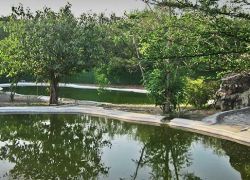
About Pradhyuman Zoological Park Pradhyuman Zoological Park, located in Rajkot, is a popular destination for nature lovers and wildlife enthusiasts. Spread across a vast area, this park is home to a wide variety of flora and fauna, making it a must-visit for people of all ages. The park aims to educate visitors about the importance of conservation and the protection of endangered species. Location and Geographical Overview The Pradhyuman Zoological Park is situated in Rajkot, Gujarat. It is easily accessible by road and is located approximately 6 kilometers from the city center. The park is nestled amidst lush greenery and offers a serene environment for visitors to enjoy. Open and Closing Time The Pradhyuman Zoological Park is open to visitors from 9:00 AM to 5:00 PM on all days of the week, including weekends and holidays. It is advised to plan your visit accordingly to make the most of your time at the park. Entry Fee The entry fee for the Pradhyuman Zoological Park is affordable, making it accessible to all. Visitors can enjoy the park's attractions by paying a nominal fee at the entrance gate. The entry fee includes access to all areas of the park. Species-Flora/Fauna Availability The Pradhyuman Zoological Park is home to a diverse range of flora and fauna. Visitors can spot various species of animals, birds, and plants in their natural habitat. The park is known for its conservation efforts and houses several endangered species, making it an important center for wildlife preservation. Activities Performed Visitors can engage in a variety of activities at the Pradhyuman Zoological Park. From nature walks to bird watching, the park offers something for everyone. Guided tours and educational programs are also available for school groups and families to learn more about the importance of wildlife conservation. Jeep Safari Charges For those looking to explore the park in a more adventurous way, jeep safari rides are available at an additional cost. Visitors can enjoy a thrilling ride through the park's terrain and get up close to the wildlife. The jeep safari charges are reasonable and can be booked at the park entrance. Age Criterion and Entry Fee The Pradhyuman Zoological Park has different entry fee criteria based on age groups: Male Adults: Female Adults: Children (Below a certain age): Children below a certain age may be allowed free entry to the park. It is recommended to check with the park authorities regarding the specific age criteria and entry fees for each category. Senior Citizen Facilities The Pradhyuman Zoological Park offers special facilities for senior citizens to ensure their comfort and convenience during their visit. Wheelchair accessibility and rest areas are provided to elderly visitors, allowing them to enjoy the park at their own pace. Best Time to Visit The best time to visit the Pradhyuman Zoological Park is during the winter months, from November to February. The weather is pleasant during this time, making it ideal for exploring the park and spotting wildlife. It is recommended to avoid visiting during the peak summer months when temperatures can soar. Nearby Places to Visit There are several attractions located near the Pradhyuman Zoological Park that visitors can explore. From historic sites to cultural landmarks, Rajkot offers a plethora of places to visit for those looking to make the most of their trip. Some popular nearby attractions include temples, museums, and parks. Vehicle Parking Facility Visitors traveling by car or two-wheeler can make use of the parking facility provided at the Pradhyuman Zoological Park. Parking space is available near the entrance gate, allowing visitors to park their vehicles securely while they explore the park. The parking facility is well-maintained and monitored by staff. Rules and Regulations Visitors are required to follow certain rules and regulations while inside the Pradhyuman Zoological Park to ensure the safety of the wildlife and other visitors. Some common rules include maintaining cleanliness, not feeding the animals, and staying on designated pathways. It is important to respect the park's guidelines to preserve its natural beauty. How to Reach and Other Related Information The Pradhyuman Zoological Park is easily accessible by road, and visitors coming from Rajkot can reach the park via private vehicles or public transportation. The park is well-connected and signposted, making it convenient for tourists to locate. For those traveling from outside the city, local transportation options are available to reach the park. Overall, the Pradhyuman Zoological Park in Rajkot offers a delightful experience for nature lovers and wildlife enthusiasts. With its diverse range of flora and fauna, educational programs, and recreational activities, the park is a perfect destination for a fun-filled day out with friends and family.
Explore More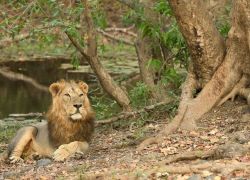
Gir Arboretum, located near Sasan, Gujarat, is a unique botanical attraction within the Gir forest region that showcases a wide variety of plant species found in the ecosystem. Designed as a conservation and educational center, the arboretum highlights the importance of trees, biodiversity, and environmental sustainability. It is an ideal place for nature lovers, students, researchers, and tourists who want to understand the rich flora of the Gir landscape. Why Famous for Gir Arboretum, Sasan? Gir Arboretum is famous for its diverse collection of plant species and its role in environmental education. It provides a deeper understanding of the forest ecosystem beyond wildlife. Main highlights include: • Collection of native and rare plant species • Educational displays about forest ecology • Peaceful and green surroundings • Ideal for nature walks and learning • Supports conservation and research activities It is a lesser-known but highly informative attraction near Gir National Park. History and Architecture The Gir Arboretum was developed by the forest department as part of efforts to promote conservation awareness and protect plant biodiversity. It serves as a living museum of trees and plants found in the Gir region. The layout of the arboretum is carefully planned to make it both educational and visually appealing. Architectural and design features include: • Well-organized plant sections • Walking trails for visitors • Informational boards describing plant species • Natural landscaping blending with forest environment • Open spaces for relaxation and observation The design ensures that visitors can explore the area comfortably while learning about nature. Entry and Visit Details Entry Fee: • ₹20 – ₹50 per person (approx.) Additional Charges: • Camera fee may apply Best Time to Visit: Winter season is ideal for exploring the arboretum comfortably and enjoying greenery. Timing Opening Days: Open all days (subject to forest department rules) Timings: 8:00 AM to 5:00 PM Visitors should confirm timings before visiting. Weather at Sasan, Gujarat The weather in Sasan is typical of the Gir region: • Summer (March–June): Hot and dry, temperatures up to 42°C • Monsoon (July–September): Moderate to heavy rainfall • Winter (October–February): Pleasant and cool Best Season: Winter and post-monsoon months offer the best experience. How to Reach Gir Arboretum, Sasan By Air: The nearest airport is Diu Airport (around 70 km) and Rajkot Airport (around 160 km). By Train: Sasan Gir Railway Station is the nearest railhead. By Road: Sasan is well connected by road from Junagadh, Veraval, Rajkot, and Ahmedabad. Local Transport: Auto-rickshaws, taxis, and private vehicles are available. Things to Do at Gir Arboretum • Nature Walks – Explore the green trails and plant varieties. • Learn About Flora – Understand different plant species and their importance. • Photography – Capture greenery and natural landscapes. • Relaxation – Enjoy peaceful surroundings away from crowds. • Educational Visits – Ideal for students and researchers. Interesting Facts • The arboretum showcases plant diversity of Gir forest. • It is maintained by the forest department. • It serves as a conservation and research center. • It is less crowded compared to safari areas. • It complements wildlife tourism with plant education. Tips for Visiting • Visit during morning hours for a pleasant experience. • Wear comfortable walking shoes. • Carry water and sun protection. • Respect nature and avoid damaging plants. • Read informational boards to learn more. • Maintain cleanliness and avoid littering. Conclusion Gir Arboretum in Sasan, Gujarat is a perfect destination for those who want to explore the plant life of the Gir ecosystem. With its educational value, peaceful atmosphere, and natural beauty, it offers a refreshing experience beyond wildlife safaris. Whether you are a student, nature enthusiast, or casual traveler, the arboretum provides an insightful and relaxing visit.
Explore More
About Satpura National Park Satpura National Park is located in the Hoshangabad district of Madhya Pradesh, India. It covers an area of 524 square kilometers and is part of the larger Satpura Range. The national park is known for its rich biodiversity, rugged terrain, and beautiful landscapes. Location and Geographical Overview Satpura National Park is situated in the central part of India, approximately 130 kilometers from the city of Bhopal. The park is surrounded by the Satpura Range and is characterized by dense forests, hilly terrain, and numerous water bodies. Open and Closing Time The park is open to visitors from sunrise to sunset every day of the week. It is closed during the monsoon season, typically from July to September, due to heavy rainfall and difficult travel conditions. Entry Fee For Indian nationals, the entry fee to Satpura National Park is Rs. 200 per person. Foreign tourists are charged Rs. 1,000 per person. Additionally, there is a vehicle entry fee of Rs. 300 for Indian nationals and Rs. 1,500 for foreign tourists. Species-Flora/Fauna Availability Satpura National Park is home to a wide variety of plant and animal species. The park boasts a rich diversity of flora, including teak, bamboo, and sal trees. It is also known for its wildlife, with species such as tigers, leopards, sambar deer, and Indian bison found in the area. Activities Performed Visitors to Satpura National Park can enjoy a range of activities, including jeep safaris, nature walks, bird watching, and boat rides on the Denwa River. The park also offers camping and trekking opportunities for those looking to explore the wilderness. Jeep Safari Charges Jeep safaris are a popular way to explore Satpura National Park. The cost of a jeep safari varies depending on the duration and route chosen. On average, a safari can cost between Rs. 2,000 to Rs. 4,000 per person. Age Criterion and Entry Fee Children under the age of 5 are allowed entry to the park free of charge. For children between the ages of 5 to 12, the entry fee is Rs. 100. Male and female visitors aged 13 and above are charged the standard entry fee of Rs. 200 for Indian nationals and Rs. 1,000 for foreign tourists. Senior Citizen Facilities Senior citizens above the age of 60 are eligible for a discounted entry fee of Rs. 100. The park also provides special facilities for senior citizens, such as wheelchair accessibility and designated rest areas. Best Time to Visit The best time to visit Satpura National Park is during the winter months, from October to March. The weather is cool and pleasant during this time, making it ideal for wildlife viewing and outdoor activities. Nearby Places to Visit There are several tourist attractions near Satpura National Park that visitors can explore, including the hill station of Pachmarhi, the ancient caves of Bhimbetka, and the historical town of Chhindwara. These places offer a glimpse into the cultural and natural heritage of Madhya Pradesh. Vehicle Parking Facility Satpura National Park provides ample parking space for visitors at designated parking lots near the entrance gates. Parking fees are included in the vehicle entry fee and are valid for the duration of the visit. Rules and Regulations Visitors to Satpura National Park are required to follow certain rules and regulations to ensure the safety of the wildlife and the environment. Some of the key rules include maintaining silence, not littering, and refraining from feeding or disturbing the animals. How to Reach and Other Related Information Satpura National Park can be easily reached by road from major cities like Bhopal and Nagpur. The nearest airport is in Bhopal, approximately 180 kilometers away, while the closest railway station is in Hoshangabad, around 50 kilometers from the park. Accommodation options are available in the nearby town of Pachmarhi for visitors looking to stay overnight. Overall, Satpura National Park is a haven for nature lovers and wildlife enthusiasts, offering a unique opportunity to experience the beauty and diversity of the Indian wilderness.
Explore More
Welcome to Kevadia Zoological Park, located in the serene city of Narmada. This enchanting wildlife sanctuary offers a unique opportunity to immerse yourself in the natural beauty and rich biodiversity of the region. From birdwatchers to nature enthusiasts, this park is a haven for all who seek to connect with the wonders of the animal kingdom. History of Kevadia Zoological Park The history of Kevadia Zoological Park dates back to its origins as a former royal hunting ground. Over the years, dedicated conservation efforts have transformed it into a thriving sanctuary for wildlife. The park's commitment to preserving endangered species has earned it recognition from UNESCO for its conservation achievements. Architecture and Natural Beauty of Kevadia Zoological Park As you explore Kevadia Zoological Park, you will be captivated by its diverse landscapes, including wetlands, forests, and grasslands. The park is a birdwatcher's paradise, with numerous bird habitats to discover. Nestled within the park is the historical Keoladeo Temple, adding a touch of ancient charm to the natural surroundings. Why is Kevadia Zoological Park Famous? Kevadia Zoological Park is renowned for its abundant birdlife, making it a popular destination for birdwatchers and photographers. Nature enthusiasts are drawn to the park for its tranquil ambiance and the opportunity to witness a wide variety of wildlife in their natural habitat. How to Reach Kevadia Zoological Park Traveling to Kevadia Zoological Park is convenient, with options available by air, rail, and road. The nearest airports and railway stations provide easy access to the park, ensuring a seamless journey for visitors coming from near and far. Weather and Best Time to Visit Kevadia Zoological Park The weather at Kevadia Zoological Park varies across seasons, with summer, monsoon, and winter offering unique experiences. The best time to visit is during the cooler months when the wildlife is most active, providing an ideal setting for exploration. Timings of Kevadia Zoological Park Kevadia Zoological Park welcomes visitors during specified timings, allowing guests to plan their visit accordingly. Seasonal variations may impact operational hours, so it's advisable to check ahead before embarking on your adventure. Entry Fee and Visit Details Upon arrival at Kevadia Zoological Park, visitors can expect a seamless entry procedure with the option of guide services and safari experiences. Bicycle rentals are available for those looking to explore the park at a leisurely pace, while visitor facilities ensure a comfortable and enjoyable visit. Things to Do at Kevadia Zoological Park Embark on a journey of discovery at Kevadia Zoological Park with activities such as birdwatching, photography, cycling, and walking trails. Immerse yourself in nature observation and educational experiences, gaining a deeper understanding of the park's inhabitants and their ecosystems. Interesting Facts About Kevadia Zoological Park Kevadia Zoological Park boasts fascinating facts about migratory birds, biodiversity conservation, and ecological significance. From rare species to conservation milestones, the park is a treasure trove of information for those passionate about wildlife preservation. Travel Tips for Visiting Kevadia Zoological Park When visiting Kevadia Zoological Park, remember to dress comfortably and carry essential photography and birdwatching equipment. Be mindful of the best visiting seasons and practice responsible tourism to ensure the sustainability of the park's natural wonders. Conclusion In conclusion, Kevadia Zoological Park in Narmada is a sanctuary of natural beauty and biodiversity, offering visitors a glimpse into the wonders of the animal kingdom. With its rich history, diverse landscapes, and abundant wildlife, the park promises an unforgettable experience for all who venture into its embrace.
Explore MoreAhmedabad Saputara 2 Nights / 3 Days
3 Days/ 2 Night
Ahmedabad - Saputara
Dwarka – Somnath Tour Package
4 Days/ 3 Night
Ahmedabad - Dwarka
Glimpse Of Gujarat Tour 8 Nights 9 Days
9 Days/ 8 Night
Ahmedabad - Bhavnagar - Bhuj - Vadodara (Baroda) - Dwarka - Kevadia - Kutch
Rann Utsav Kutch Season Special
3 Days/ 2 Night
Bhuj