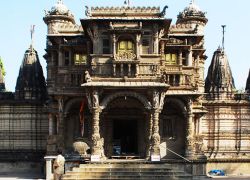
About Hatheesing Jain Temple History The Hatheesing Jain Temple in Ahmedabad, Gujarat was built in 1850 by a wealthy Jain merchant named Sheth Hathisinh Kesarisinh. The temple is dedicated to Dharmanath, the fifteenth Tirthankara of Jainism. It is known for its intricate architecture and stunning design, making it one of the most popular Jain temples in India. Architecture and Design The Hatheesing Jain Temple is a two-storied structure made entirely of white marble. The temple features 52 domes, each representing a different Jain Tirthankara. The interior of the temple is adorned with beautiful carvings and intricate designs, showcasing the skill and craftsmanship of the artisans who built it. Best Time to Visit The best time to visit the Hatheesing Jain Temple is during the winter months, from October to March, when the weather is cooler and more comfortable for exploring the temple and its surroundings. Cultural Significance The Hatheesing Jain Temple is an important religious site for the Jain community in Ahmedabad and beyond. It represents the rich cultural heritage of Jainism and serves as a place of worship and reflection for followers of the faith. Pilgrimage Practices Visitors to the Hatheesing Jain Temple are encouraged to observe the traditional practices of Jainism, such as meditation, prayer, and offering of flowers and incense to the deities. Pilgrims often perform rituals and ceremonies to seek blessings and spiritual guidance. Dress Code and Etiquette Visitors to the temple are required to dress modestly and respectfully, covering their shoulders and knees. Shoes must be removed before entering the temple premises, and photography is usually not allowed inside the prayer halls. It is important to maintain a quiet and respectful demeanor while inside the temple. Activities and Experiences Visitors to the Hatheesing Jain Temple can participate in guided tours, attend religious ceremonies, and explore the intricate architecture and design of the temple. Many visitors also take part in cultural programs and events held at the temple throughout the year. Art and Religious Symbols The Hatheesing Jain Temple is adorned with exquisite carvings, sculptures, and paintings that depict scenes from Jain mythology and history. The temple also features various religious symbols and motifs that hold significance for followers of Jainism. Local Insights Locals in Ahmedabad regard the Hatheesing Jain Temple as a symbol of the city's cultural and religious diversity. They take pride in the temple's architectural grandeur and its historical significance, welcoming visitors from all over the world to experience the beauty and tranquility of this sacred site.
Explore More
The Palitana Temple, located in Bhavnagar, Gujarat, is considered one of the most sacred pilgrimage sites for Jains. It is believed to have been constructed in the 11th and 12th centuries. The temple complex is comprised of over 900 temples built on Mount Shatrunjaya, making it the largest Jain temple complex in the world. Architecture and Design The Palitana Temple showcases stunning architecture and intricate designs. The temples are adorned with exquisite marble carvings, detailed sculptures, and ornate domes. The temples are built in the traditional Jain architectural style, with a focus on symmetry and precision. Best Time to Visit - The best time to visit Palitana Temple is during the winter months from November to February when the weather is pleasant. - Avoid visiting during the monsoon season as the steps leading to the temple can be slippery and dangerous. Cultural Significance The Palitana Temple holds immense cultural significance for Jains as it is believed to be the place where many Tirthankaras, or spiritual teachers, achieved enlightenment. The temple complex is a symbol of spiritual purity and devotion for followers of Jainism. Pilgrimage Practices - Pilgrims visiting the Palitana Temple follow a strict code of conduct, including abstaining from consuming meat and alcohol. - Many devotees undertake the arduous task of climbing the 3,800 steps leading to the temple complex as an act of penance and devotion. Dress Code and Etiquette - Visitors to the Palitana Temple are required to dress modestly, covering their shoulders and legs. - Shoes must be removed before entering the temple complex as a sign of respect. Activities and Experiences - Climbing the 3,800 steps to reach the temple complex offers a unique and spiritual experience for visitors. - Exploring the intricately carved temples and admiring the stunning architecture is a must-do activity at Palitana Temple. Art and Religious Symbols The Palitana Temple is adorned with beautiful artwork that depicts scenes from Jain mythology and teachings. The temples also feature religious symbols such as the swastika, lotus, and om, which hold deep significance in Jainism. Local Insights - Local guides are available at Palitana Temple to provide insights into the history and significance of the temple complex. - Visitors can sample local Jain cuisine and delicacies in the nearby town of Palitana, offering a taste of the region's culinary heritage.
Explore More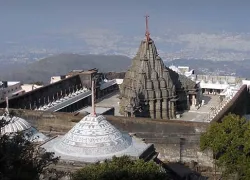
Fondly known by the name of Girnar Jain Temple, the Jain Temples of Junagadh is a major site of interest in Junagadh, Gujarat. This temple is located at the hill of Girnar and is dedicated to Digambara and Svetambara sect of Jainism. The presiding deity of the temple is Lord Neminath, the 22nd Tirthankara in Jainism. It is visited on a huge scale by the followers of Jainism. It Is Known For:- 1) Girnar Jain Temple is situated on the first plateau on the mountain of Girnar and has a height of 2,370 feet. 2) It is built in the Jain style of architecture and has beautiful carvings done on its interior and exterior walls. 3) It is visited by the Digambara Jains and Svetambara Jains extensively. 4) The sanctum of this temple houses an alluring idol of Lord Neminath in a seated position. His idol is carved out of the black marble and it holds the lotus flower in one hand. 5) According to the legends, this shrine is built on the exact spot where Lord Neminath meditated to attain salvation when he saw a mass slaughter of animals for food preparation on his wedding. Best Time To Visit:- Girnar Jain Temple is visited on a huge scale throughout the year. The best time to visit this place is on the occasion of the celebration of the different Jain festivals like Buddha Poornima, Mahamastabhisheka, Swami Neminath Jayanti, and much more. Watch Out! Girnar Jain Temple is located on a hill and apart from a religious spot, it also serves as a tourist site. One can relish the venture of trekking on the other side of the mountain. Reaching There:- Junagadh town is well-connected to rest of Gujarat via all major highways, airways, and railways that allows the visitors to reach there from different corners of Gujarat. Commuting within the town can be done via hiring the service of the local transit. Nearest Railway Station:- Junagadh Junction Nearest Airport:- Keshod Airport
Explore More
Perched atop the Shatrunjaya Hill in Palitana, the magnificent Shatrunjaya Hill is a renowned tourist attraction that offers a unique blend of spirituality, natural beauty, and biodiversity. This sacred hill is not only a significant pilgrimage site for followers of Jainism but also a paradise for nature enthusiasts, birdwatchers, and photographers. History of Shatrunjaya Hill The history of Shatrunjaya Hill dates back centuries, with its origins deeply rooted in Jain mythology and traditions. Once a royal hunting ground, the hill has transformed into a symbol of devotion and conservation efforts, attracting pilgrims and tourists alike. Its historical significance and cultural heritage have earned it recognition by UNESCO as a World Heritage Site. Architecture and Natural Beauty of Shatrunjaya Hill Surrounded by lush forests, grasslands, and wetlands, Shatrunjaya Hill boasts a breathtaking natural landscape that is home to a myriad of bird species and wildlife. The iconic Keoladeo Temple, nestled within the park, adds to the architectural charm and spiritual aura of the surroundings. Why is Shatrunjaya Hill Famous? Shatrunjaya Hill is famous for its spiritual sanctity, stunning natural vistas, and rich biodiversity, making it a preferred destination for birdwatchers, photographers, and nature lovers seeking a tranquil retreat amidst nature's splendor. How to Reach Shatrunjaya Hill Traveling to Shatrunjaya Hill is convenient, with options for air, rail, and road transport readily available. The nearest airports and railway stations provide easy access to the city of Palitana, from where visitors can embark on a scenic journey to the hill. Weather and Best Time to Visit Shatrunjaya Hill The weather at Shatrunjaya Hill varies across seasons, offering different experiences during summer, monsoon, and winter. The best time to visit is during the cooler months, when the natural beauty of the hill is at its peak. Timings of Shatrunjaya Hill Visitors can explore Shatrunjaya Hill during specified timings, with seasonal variations in opening hours if applicable. Planning a visit ahead and checking for any updates ensures a smooth and enjoyable experience at the hill. Entry Fee and Visit Details Entry procedures at Shatrunjaya Hill are well-organized, with guide services, safari options, and bicycle rentals available for visitors. The park offers a range of visitor facilities to enhance the overall experience of exploring its natural wonders. Things to Do at Shatrunjaya Hill Popular activities at Shatrunjaya Hill include birdwatching, photography, cycling, walking trails, and nature observation. Visitors can immerse themselves in the serene ambiance of the hill and engage in educational experiences that highlight its ecological significance. Interesting Facts About Shatrunjaya Hill Shatrunjaya Hill is known for its diverse migratory bird populations, significant biodiversity, conservation achievements, and environmental importance. The hill serves as a living testament to the harmonious coexistence of spirituality and nature conservation. Travel Tips for Visiting Shatrunjaya Hill When visiting Shatrunjaya Hill, it is advisable to dress comfortably, carry essential photography and birdwatching equipment, and adhere to responsible tourism practices. Understanding the visiting seasons and following local guidelines contribute to a meaningful and sustainable travel experience. Conclusion In conclusion, Shatrunjaya Hill in Palitana stands as a symbol of spiritual devotion, natural beauty, and conservation efforts. Whether seeking solace in its sacred surroundings or marveling at the wonders of biodiversity, a visit to Shatrunjaya Hill promises a memorable experience that resonates with the soul and leaves a lasting impression on every traveler.
Explore More
Palitana Temples, located in the city of Palitana, are a renowned tourist attraction in India. These temples hold immense historical and cultural significance and are set in a natural environment that adds to their charm. The site attracts tourists, pilgrims, and nature lovers alike, making it a must-visit destination for those seeking a unique and enriching experience. History of Palitana Temples The history of Palitana Temples dates back centuries, with the temples being considered sacred by followers of Jainism. The temples are believed to have been built as early as the 11th and 12th centuries. Originally a place of pilgrimage, the site has now become a symbol of spiritual devotion and architectural marvel. Palitana Temples are a reflection of the rich Jain heritage and architectural prowess of the past. Architecture and Natural Beauty of Palitana Temples Surrounded by lush greenery and serene landscapes, Palitana Temples offer a unique blend of spirituality and natural beauty. The intricate architecture of the temples showcases exquisite craftsmanship and attention to detail. The site is not only a religious hub but also a haven for biodiversity, with various bird species and wildlife finding refuge in its surroundings. Why is Palitana Temples Famous? Palitana Temples are famous for their spiritual significance, stunning architecture, and natural surroundings. The site is a popular destination for birdwatchers, photographers, and nature enthusiasts looking to explore the rich biodiversity of the region. The temples attract visitors from all over the world who seek solace and inspiration in this serene setting. How to Reach Palitana Temples Traveling to Palitana Temples is convenient, with the nearest airport being located in Bhavnagar, approximately 50 kilometers away. The city of Palitana is well-connected by road and rail, making it accessible from major cities in India. Visitors can choose to travel by air, train, or road, depending on their preferences and convenience. Weather and Best Time to Visit Palitana Temples The weather in Palitana varies with distinct summer, monsoon, and winter seasons. The best time to visit the temples is during the winter months when the weather is pleasant and conducive for exploration. Avoiding the scorching summer heat and heavy monsoon rains is advisable to make the most of your visit. Timings of Palitana Temples The temples have specific visiting hours for tourists and devotees, with seasonal variations in timings. It is recommended to check the official schedule before planning your visit to ensure a smooth and hassle-free experience. Guided tours are available for those interested in learning more about the history and significance of the temples. Entry Fee and Visit Details Visitors can access the temples by paying a nominal entry fee, which helps in the maintenance and conservation of the site. Guide services are available for those who wish to delve deeper into the history and stories associated with the temples. Additionally, facilities such as safari options, bicycle rentals, and visitor amenities enhance the overall experience. Things to Do at Palitana Temples Palitana Temples offer a range of activities for visitors to engage in, including birdwatching, photography, cycling, and nature walks. The serene surroundings and spiritual ambiance make it an ideal place for introspection and relaxation. Exploring the intricate architecture and soaking in the natural beauty are among the top things to do at the site. Interesting Facts About Palitana Temples Did you know that Palitana Temples are considered the world's largest temple complex? The site is home to over 900 temples situated atop Shatrunjaya Hill, making it a marvel of architectural and cultural heritage. The temples also hold significance for their role in promoting conservation and sustainability practices in the region. Travel Tips for Visiting Palitana Temples When visiting Palitana Temples, it is advisable to wear comfortable clothing and footwear suitable for exploring the hilly terrain. Carrying essential items such as water, sunscreen, and insect repellent can enhance your comfort during the visit. Birdwatching enthusiasts should bring along binoculars and cameras to capture the diverse avian species in the area. Conclusion In conclusion, Palitana Temples in Palitana offer a unique blend of spirituality, history, and natural beauty. The site's architectural splendor, serene surroundings, and cultural significance make it a top choice for travelers seeking a meaningful and enriching experience. Whether you are a pilgrim, a nature lover, or a history buff, a visit to Palitana Temples promises to be a memorable journey through time and tradition.
Explore More
Shree Shwetambar Jain Temple in Wankaner, Gujarat is a sacred religious site known for its spiritual ambiance, intricate architecture, and cultural importance. Dedicated to Jain Tirthankaras, this temple attracts devotees and tourists seeking peace, devotion, and a glimpse into Jain heritage. Located in the historic town of Wankaner, the temple stands as a symbol of faith and artistic excellence. Why Famous for Shree Shwetambar Jain Temple, Wankaner? The temple is famous for its religious significance, peaceful environment, and beautiful craftsmanship. It is an important place of worship for the Jain community. Main highlights include: • Spiritual atmosphere ideal for meditation and prayer • Intricate marble carvings and detailed architecture • Idol of Jain Tirthankara as the main deity • Cultural and religious importance • Clean and well-maintained surroundings It serves as a center for religious activities and attracts pilgrims from nearby regions. History and Architecture The Shree Shwetambar Jain Temple in Wankaner has a rich history associated with the Jain community in the region. It was established by Jain devotees to promote spiritual teachings and provide a place for worship. The architecture of the temple reflects traditional Jain temple design, known for its elegance and detailed craftsmanship. Key architectural features include: • White marble construction • Intricately carved pillars and ceilings • Beautiful domes and arches • Symmetrical layout for spiritual harmony • Peaceful prayer halls The interiors are decorated with fine carvings depicting religious symbols, floral patterns, and mythological elements, creating a serene and divine atmosphere. Entry and Visit Details Entry Fee: • Free for all visitors Dress Code: • Modest clothing is recommended as it is a religious place Best Time to Visit: Early morning and evening are ideal for experiencing the temple’s peaceful environment and attending prayers. Timing Opening Days: Open all days Timings: 6:00 AM to 12:00 PM and 4:00 PM to 8:00 PM Timings may vary during festivals and special religious occasions. Weather at Wankaner, Gujarat The climate in Wankaner is generally warm: • Summer (March–June): Hot and dry, temperatures up to 40°C • Monsoon (July–September): Moderate rainfall • Winter (October–February): Pleasant and comfortable Best Season: Winter months are ideal for visiting the temple. How to Reach Shree Shwetambar Jain Temple, Wankaner By Air: The nearest airport is Rajkot Airport, about 50 km away. By Train: Wankaner Railway Station is well connected and located close to the temple. By Road: Wankaner is easily accessible by road from major cities like Rajkot and Ahmedabad. Local Transport: Auto-rickshaws and taxis are available for local travel. Things to Do at Shree Shwetambar Jain Temple • Offer Prayers – Participate in religious rituals and पूजा. • Meditation – Experience peace and spiritual calm. • Explore Architecture – Admire detailed carvings and design. • Attend Aarti – Join daily prayer ceremonies. • Cultural Learning – Understand Jain traditions and teachings. Interesting Facts • The temple is an important religious center for the Jain community. • It features traditional Jain architectural elements. • The temple promotes peace, non-violence, and spiritual growth. • It is maintained with high cleanliness and discipline. • Festivals like Mahavir Jayanti are celebrated with great devotion. Tips for Visiting • Wear modest and respectful clothing. • Remove footwear before entering the temple. • Maintain silence inside the temple premises. • Avoid photography in restricted areas. • Visit during prayer time for a spiritual experience. • Respect religious customs and traditions. Conclusion Shree Shwetambar Jain Temple in Wankaner, Gujarat is a peaceful and spiritually enriching destination. With its beautiful architecture, religious significance, and calm environment, it offers a meaningful experience for both devotees and tourists. Whether you are seeking spiritual peace or exploring cultural heritage, this temple is a must-visit place in Wankaner.
Explore More
72 Jinalaya Jain Temple is one of the most beautiful and spiritually significant Jain temples located near Mandvi in the Kutch district of Gujarat. This magnificent temple complex is dedicated to Jain Tirthankaras and is widely known for its peaceful environment, intricate marble architecture, and religious importance. Surrounded by serene landscapes, the temple attracts devotees, tourists, and architecture lovers from all over India. Why Famous for 72 Jinalaya Jain Temple, Mandvi, Gujarat? The temple is famous for its unique concept of 72 shrines (Jinalayas), each dedicated to different Jain Tirthankaras. The number 72 holds spiritual importance in Jainism, symbolizing completeness and devotion. The temple complex is admired for its pure white marble construction, detailed carvings, and calm atmosphere. Another major attraction is the large idol of Lord Mahavira, which stands as a symbol of peace and non-violence. The temple is also known for its cleanliness and disciplined environment, making it a perfect place for meditation and spiritual reflection. History of 72 Jinalaya Jain Temple, Mandvi, Gujarat The 72 Jinalaya Jain Temple is a relatively modern structure but deeply rooted in ancient Jain traditions. It was built by devoted Jain followers with the aim of creating a grand pilgrimage site that represents the teachings of Jainism. The temple reflects the religious dedication of the Jain community in Gujarat, especially in the Kutch region, which has a long history of Jain culture and heritage. Over the years, it has become an important religious center for pilgrims visiting Mandvi and nearby areas. Architecture of 72 Jinalaya Jain Temple The architecture of the temple is truly breathtaking and reflects the finest craftsmanship. Built primarily using white marble, the temple showcases traditional Jain architectural style with intricate detailing. Key architectural features include: • 72 Individual Shrines: Each shrine is dedicated to a Tirthankara, arranged beautifully within the complex. • Grand Main Temple: The central temple houses the main idol and is richly decorated with carvings. • Marble Pillars: Finely carved pillars displaying artistic excellence. • Domes and Ceilings: Decorated with detailed patterns and designs. • Spacious Courtyard: Offering a peaceful space for visitors and devotees. The symmetry, cleanliness, and artistic beauty of the temple make it a visual as well as spiritual delight. Things to Do at 72 Jinalaya Jain Temple, Mandvi, Gujarat Visitors can engage in several peaceful and meaningful activities here: 1. Darshan and पूजा: Offer prayers and seek blessings from the Tirthankaras. 2. Meditation: Spend quiet time in meditation and spiritual reflection. 3. Explore Architecture: Admire the intricate carvings and temple design. 4. Photography: Capture the beauty of the temple (allowed only in permitted areas). 5. Learn Jain Culture: Understand Jain values such as non-violence and simplicity. Entry and Visit Details Entry Fee: Entry to the temple is free of cost for all visitors. Visit Duration: Visitors generally spend around 1 to 2 hours exploring the temple and its surroundings. Facilities: Clean drinking water, resting areas, and parking facilities are available near the temple. Visitors are expected to follow temple rules, maintain silence, and dress modestly while inside the premises. Timings of 72 Jinalaya Jain Temple The temple is usually open from 6:00 AM to 7:00 PM. Early morning and evening are the best times for a peaceful visit and darshan. Weather at 72 Jinalaya Jain Temple, Mandvi, Gujarat The climate in Mandvi is generally pleasant but varies across seasons: Summer (March to June): Hot and dry, with temperatures reaching up to 35°C. Monsoon (July to September): Moderate rainfall and humidity. Winter (October to February): Cool and comfortable, with temperatures between 10°C to 25°C. Winter is considered the best time to visit the temple for a comfortable and enjoyable experience. How to Reach 72 Jinalaya Jain Temple, Mandvi, Gujarat By Air: The nearest airport is Bhuj Airport, approximately 60 km away. Taxis are easily available from the airport. By Train: The nearest railway station is Bhuj Railway Station, which is well connected to major cities. By Road: The temple is located near Mandvi and is easily accessible by road. Local buses, auto-rickshaws, and taxis are available. The temple is situated about 5–6 km from Mandvi town, making it convenient for a short trip. Interesting Facts about 72 Jinalaya Jain Temple • The temple consists of 72 shrines dedicated to Jain Tirthankaras. • It is one of the most peaceful religious sites in the Kutch region. • The temple is built using high-quality white marble. • It promotes Jain principles of non-violence and simplicity. Travel Tips for 72 Jinalaya Jain Temple • Wear modest and respectful clothing while visiting the temple. • Maintain silence to respect the spiritual environment. • Remove footwear before entering the temple premises. • Visit early morning for a शांत and less crowded experience. • Avoid carrying leather items as it may not be allowed. Conclusion 72 Jinalaya Jain Temple in Mandvi is a perfect destination for those seeking peace, spirituality, and architectural beauty. Its serene environment, religious importance, and stunning design make it one of the must-visit places in Gujarat. Whether you are a devotee or a traveler, this temple offers a truly calming and enriching experience.
Explore More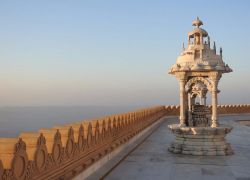
Hastagiri Jain Tirth is a newly developed and spiritually significant Jain pilgrimage site located near Palitana in Gujarat. Situated amidst peaceful natural surroundings, this sacred place has quickly gained popularity among devotees and tourists for its serene environment, grand temple structures, and deep religious importance. It serves as an important addition to the already famous Jain pilgrimage circuit of Palitana. The tirth is dedicated to Lord Adinath (Rishabhdev), the first Jain Tirthankara, and reflects the core principles of Jainism such as peace, non-violence, and spiritual purity. With its calm atmosphere and beautiful architecture, Hastagiri Jain Tirth is an ideal destination for both devotion and relaxation. Why Famous for Hastagiri Jain Tirth, Palitana, Gujarat? Hastagiri Jain Tirth is famous for its modern yet spiritually rich temple complex. Unlike the ancient temples on Shatrunjaya Hill, this site offers a more accessible and less physically demanding pilgrimage experience. It is also known for its large idol of Lord Adinath, peaceful surroundings, and well-maintained campus. Devotees visit this place to seek blessings, meditate, and experience spiritual calmness. The tirth is gaining popularity due to its clean environment, organized facilities, and tranquil setting, making it suitable for visitors of all age groups. History of Hastagiri Jain Tirth, Palitana, Gujarat Hastagiri Jain Tirth is a relatively modern religious development, built by Jain trusts and devotees to create a peaceful and accessible place of worship near Palitana. It was established with the aim of spreading Jain teachings and providing a spiritual retreat for pilgrims. The site has been developed with careful planning, combining traditional religious elements with modern infrastructure. Though it does not have the ancient history of Shatrunjaya Hill, it holds growing importance in the Jain community. Over the years, Hastagiri Jain Tirth has become a significant stop for pilgrims visiting Palitana. Architecture of Hastagiri Jain Tirth The architecture of Hastagiri Jain Tirth is a blend of traditional Jain temple design and modern construction techniques. The temple complex is spacious, clean, and beautifully designed. Key architectural features include: • Grand Idol: A large and impressive idol of Lord Adinath. • Marble Construction: Use of white marble for elegance and purity. • Intricate Carvings: Detailed work on pillars and walls. • Spacious परिसर: Wide open areas for devotees and visitors. • Peaceful Layout: Designed for meditation and relaxation. The temple’s simple yet elegant design reflects Jain values of purity and devotion. Things to Do at Hastagiri Jain Tirth, Palitana, Gujarat Visitors can enjoy several activities at this spiritual site: 1. Darshan: Offer prayers to Lord Adinath. 2. Meditation: Spend time in peaceful surroundings. 3. Explore the Campus: Walk around and admire the architecture. 4. Spiritual Learning: Understand Jain philosophy and values. 5. Relaxation: Enjoy the calm and clean environment. Entry and Visit Details Entry Fee: Entry to Hastagiri Jain Tirth is free. Visit Duration: Visitors usually spend around 1 to 2 hours at the site. Facilities: The complex offers good facilities such as parking, drinking water, rest areas, and clean surroundings. Visitors are expected to follow religious rules and maintain discipline within the premises. Timings of Hastagiri Jain Tirth The temple is generally open from 6:00 AM to 7:00 PM. Early morning and evening are the best times for a peaceful visit. Weather at Hastagiri Jain Tirth, Palitana, Gujarat The climate in Palitana is as follows: Summer (March to June): Hot, with temperatures up to 38°C. Monsoon (July to September): Moderate rainfall and greenery. Winter (October to February): Cool and pleasant, with temperatures between 10°C and 25°C. Winter is the best time to visit Hastagiri Jain Tirth for a comfortable experience. How to Reach Hastagiri Jain Tirth, Palitana, Gujarat By Air: The nearest airport is Bhavnagar Airport, about 55 km away. By Train: The nearest railway station is Palitana Railway Station, well connected to nearby cities. By Road: Palitana is easily accessible by road from Bhavnagar and other parts of Gujarat. Buses and taxis are available. Hastagiri Jain Tirth is located near Palitana town and can be easily reached by local transport or private vehicles. Interesting Facts about Hastagiri Jain Tirth • It is a modern Jain pilgrimage site near Palitana. • The temple features a large idol of Lord Adinath. • It offers a peaceful alternative to the hill climb of Shatrunjaya. • The site is known for its cleanliness and well-maintained परिसर. Travel Tips for Hastagiri Jain Tirth • Wear modest and respectful clothing. • Maintain silence inside the temple premises. • Carry water, especially during summer. • Visit early morning or evening for a peaceful experience. • Combine your visit with other Palitana attractions. Conclusion Hastagiri Jain Tirth in Palitana is a beautiful and peaceful spiritual destination that reflects the essence of Jain philosophy. With its modern facilities, serene atmosphere, and religious significance, it provides a fulfilling experience for visitors. Whether you are a devotee or a traveler, a visit to Hastagiri Jain Tirth offers peace, devotion, and a deeper connection to spirituality.
Explore More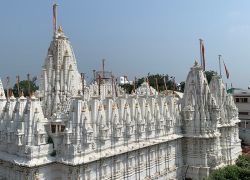
Panchasara Parshwanath Jain Derasar
Panchasara Parshwanath Jain Derasar is one of the most important and ancient Jain temples located in Patan, Gujarat. Dedicated to Lord Parshwanath, the 23rd Tirthankara of Jainism, this sacred temple holds immense religious significance among Jain devotees. Known for its spiritual atmosphere, intricate carvings, and historical value, the derasar attracts pilgrims and tourists from across India. Situated in the historic city of Patan, which was once the capital of the Solanki dynasty, the temple reflects the rich cultural and religious heritage of the region. The peaceful surroundings and beautifully crafted structure make it a must-visit destination for those seeking spiritual and architectural experiences. Why Famous for Panchasara Parshwanath Jain Derasar, Patan, Gujarat? The temple is famous for its religious importance and devotion to Lord Parshwanath. It is considered one of the प्रमुख Jain pilgrimage sites in Gujarat. It is also known for its beautiful marble carvings and detailed craftsmanship, which showcase the excellence of traditional Jain architecture. The serene environment inside the temple creates a divine and calming experience for visitors. The derasar is especially popular during Jain festivals, when devotees gather to perform rituals and prayers. History of Panchasara Parshwanath Jain Derasar, Patan, Gujarat The history of Panchasara Parshwanath Jain Derasar dates back to ancient times and is associated with the Solanki period. It is believed that the temple was built by devoted followers of Jainism who wanted to create a sacred place for worship. The temple has undergone several renovations and restorations over the centuries, ensuring that its beauty and structure remain intact. Despite changes over time, it continues to hold its spiritual significance and historical charm. Patan itself has been a center of Jain culture, and this temple is one of its most treasured landmarks. Architecture of Panchasara Parshwanath Jain Derasar The architecture of the temple is a stunning example of traditional Jain temple design, characterized by intricate detailing and elegant construction. Key architectural features include: • Marble Structure: Built using high-quality white marble. • Intricate Carvings: Detailed artwork on walls, pillars, and ceilings. • Idol of Lord Parshwanath: Beautifully crafted main deity. • Ornate Pillars: Designed with fine craftsmanship. • Peaceful Interiors: Ideal for meditation and prayer. The temple reflects simplicity, purity, and devotion, which are key aspects of Jain philosophy. Things to Do at Panchasara Parshwanath Jain Derasar, Patan, Gujarat Visitors can enjoy a range of activities: 1. Offer Prayers: Seek blessings from Lord Parshwanath. 2. Meditation: Spend time in a peaceful environment. 3. Explore Architecture: Admire the carvings and design. 4. Learn Jain Culture: Understand traditions and teachings. 5. Photography: Capture exterior views (as permitted). Entry and Visit Details Entry Fee: Entry to the temple is free. Visit Duration: Visitors typically spend around 1 hour at the temple. Facilities: Basic facilities such as drinking water and resting areas are available. Visitors must follow temple rules and maintain silence and cleanliness. Timings of Panchasara Parshwanath Jain Derasar The temple is generally open from 6:00 AM to 7:00 PM. Timings may vary during festivals or special पूजा days. Weather at Panchasara Parshwanath Jain Derasar, Patan, Gujarat The climate in Patan is as follows: Summer (March to June): Hot, with temperatures up to 42°C. Monsoon (July to September): Moderate rainfall. Winter (October to February): Pleasant, with temperatures between 10°C and 25°C. Winter is the best time to visit for a comfortable and peaceful experience. How to Reach Panchasara Parshwanath Jain Derasar, Patan, Gujarat By Air: The nearest airport is Ahmedabad Airport, about 125 km away. By Train: The nearest railway station is Patan Railway Station. By Road: Patan is well connected by road to Ahmedabad, Mehsana, and nearby cities. Buses, taxis, and private vehicles are available. The temple is located within the city and can be easily reached by local transport. Interesting Facts about Panchasara Parshwanath Jain Derasar • It is dedicated to Lord Parshwanath, the 23rd Tirthankara. • It is one of the oldest Jain temples in Patan. • The temple features intricate marble carvings. • It is an important pilgrimage site for Jain devotees. Travel Tips for Panchasara Parshwanath Jain Derasar • Wear modest and traditional clothing. • Maintain silence inside the temple. • Remove footwear before entering. • Avoid photography inside the temple unless allowed. • Visit early morning for a peaceful experience. Conclusion Panchasara Parshwanath Jain Derasar in Patan is a sacred and historically rich destination that beautifully represents Jain culture and devotion. Its stunning architecture, peaceful environment, and spiritual significance make it a must-visit place for pilgrims and tourists alike. A visit to this temple offers a deep sense of peace and a connection to ancient traditions.
Explore MoreAhmedabad Saputara 2 Nights / 3 Days
3 Days/ 2 Night
Ahmedabad - Saputara
Dwarka – Somnath Tour Package
4 Days/ 3 Night
Ahmedabad - Dwarka
Glimpse Of Gujarat Tour 8 Nights 9 Days
9 Days/ 8 Night
Ahmedabad - Bhavnagar - Bhuj - Vadodara (Baroda) - Dwarka - Kevadia - Kutch
Rann Utsav Kutch Season Special
3 Days/ 2 Night
Bhuj